
Bagan Travel Guide (2026)
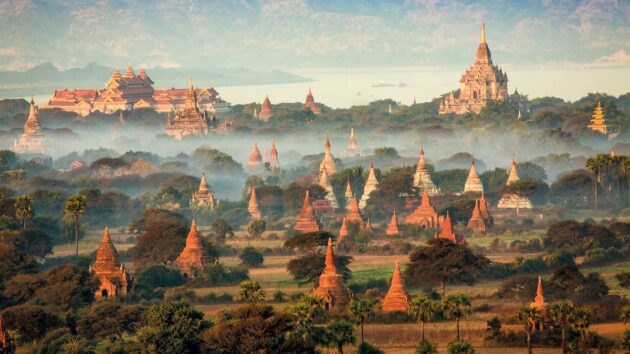
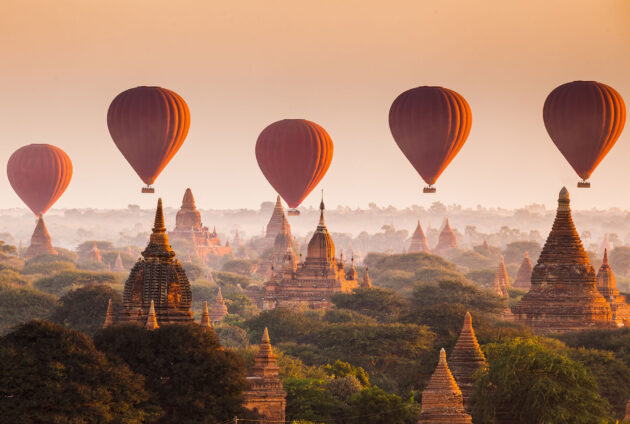
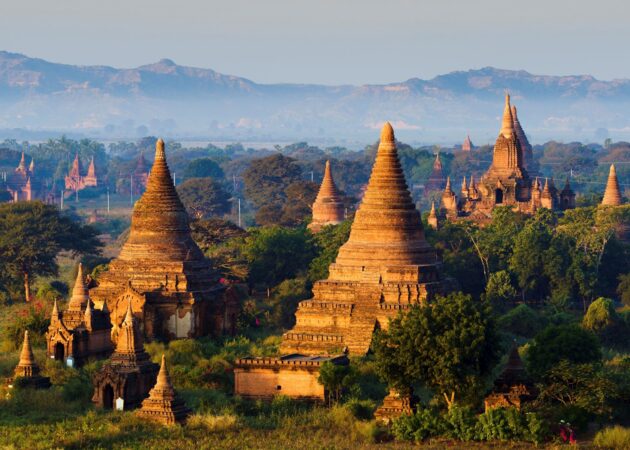
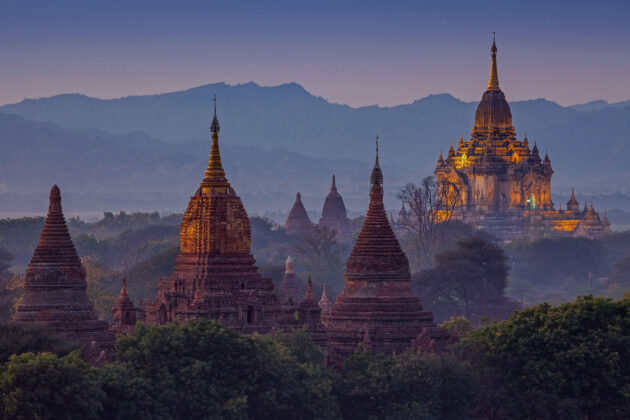
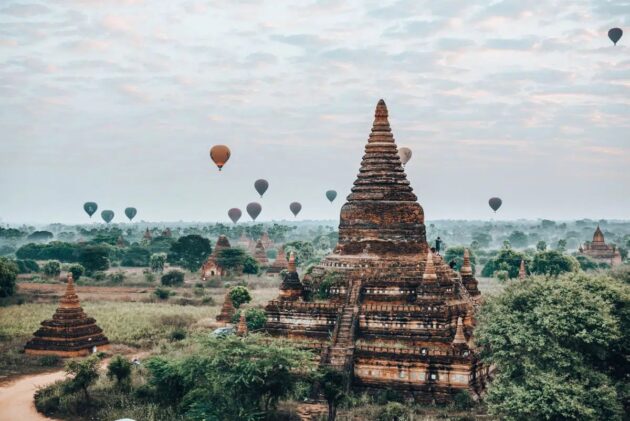
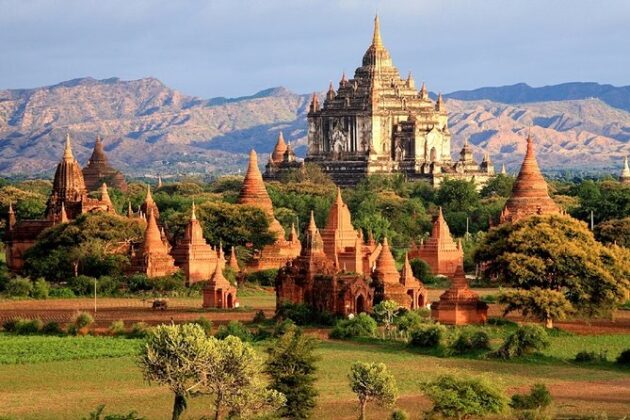
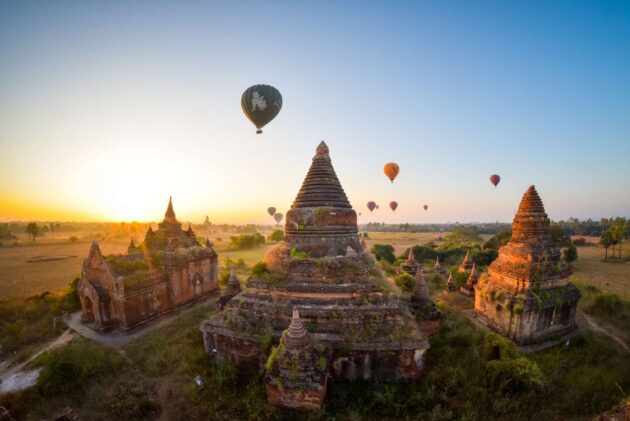
Bagan, Myanmar (also known as Pagan) is one of Southeast Asia’s most iconic destinations: a vast archaeological plain dotted with over 2,000 ancient Buddhist temples, pagodas, and stupas built primarily between the 9th and 13th centuries. Designated a UNESCO World Heritage Site, it offers a mesmerizing landscape of brick-red structures rising from dusty plains, especially magical at sunrise and sunset. Many visitors describe exploring by e-bike or watching hot air balloons drift overhead as unforgettable experiences.
Best Time to Visit Bagan
The peak season runs from November to February (cooler dry season), with pleasant daytime temperatures around 25–30°C (77–86°F) and lower humidity. This is ideal for temple exploration and balloon rides, though it’s the busiest and most expensive period.
Shoulder seasons: October or March offer fewer crowds and good weather.
Monsoon (May–October): Hot and rainy; some roads can flood, but the landscape turns lush green, and crowds thin out dramatically. September can be surprisingly pleasant for avoiding peak tourism.
Hot season (March–May): Temperatures can exceed 35–40°C (95–104°F); early mornings are best for activities.
Hot air balloon flights typically operate from October to March/April, weather permitting.
How to Get to Bagan
Bagan lies in the Mandalay Region, roughly 600+ km north of Yangon.
By air (recommended for convenience): Fly into Nyaung U Airport (NYU) from Yangon (about 1–1.5 hours), Mandalay (35 minutes), or Heho (for Inle Lake). Multiple daily flights on airlines like KBZ or Asian Wings. Taxis from the airport to Nyaung U or Old Bagan cost around $5–10 (fixed rates often apply).
By bus (budget-friendly): Overnight VIP buses from Yangon take 9–10 hours (around $15–25). From Mandalay, buses or minivans take 4–5 hours. Book through your hotel or agents; services like JJ Express or Shwe Pyi are popular. Note: Some sources indicate foreigners may face restrictions on certain trains.
Other options: Private car/driver (scenic but more expensive) or, less commonly, boat along the Irrawaddy River from Mandalay.
Many hotels offer airport or bus station pickups.
Getting Around Bagan
The best way to explore the temple plains is independently:
E-bike (electric scooter): Most popular and fun option—rent for ~$8–12 per day. Easy to drive, eco-friendly, and allows freedom to visit lesser-known temples. Helmets are essential; many rentals are near hotels.
Bicycle: Cheaper and good for shorter distances, but tiring in the heat.
Horse cart or private driver/guide: Traditional and relaxing for half- or full-day tours; great for groups or those wanting narration.
Taxi/shared taxi: For longer transfers or airport runs.
Wear modest clothing (shoulders and knees covered) when visiting temples, remove shoes/socks before entering, and be respectful—many sites are still active religious places.
Top Things to Do in Bagan
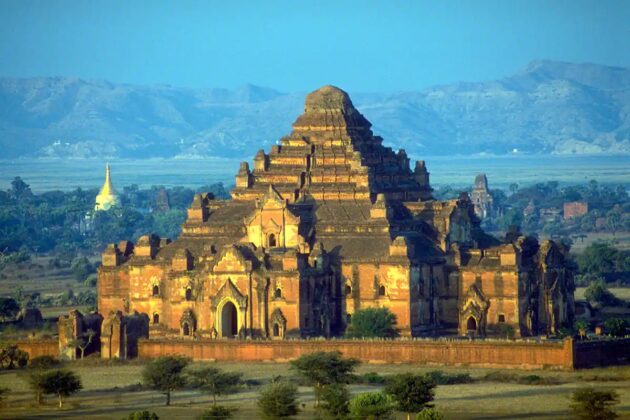
Temple Exploration: Wander or ride among the ruins. Highlights include: Ananda Temple: One of the most beautiful and well-preserved, with golden spires and Buddha statues. Shwezigon Pagoda: Gleaming golden stupa, important pilgrimage site. Dhammayangyi Temple: Massive pyramid-like structure (largest in Bagan). Sulamani Temple and others for intricate murals and views.
Aim for lesser-visited temples to escape crowds.
Sunrise & Sunset Views: Climb a temple (where permitted) or find a viewpoint for panoramic golden-hour magic. Many travelers combine this with balloon spotting.
Hot Air Balloon Ride: A bucket-list experience—drift over the temples at sunrise (typically $300–400+ per person, depending on operator like Balloons Over Bagan). Flights last ~45–60 minutes and include pickup, briefing, and post-flight refreshments. Book in advance during peak season.
Mount Popa Day Trip: Hike or drive to this volcanic plug (about 1–1.5 hours away), home to nat spirits and monkeys, with sweeping views.
Local Culture: Visit lacquerware workshops, watch sunset from the Irrawaddy River, or join a guided tour for deeper history.
Allocate at least 2–3 full days (ideally more) to truly soak it in without rushing.
Where to Stay
Bagan has three main areas:
Nyaung U: Lively with restaurants, markets, and budget options. Good for backpackers (e.g., Ostello Bello Hostel).
Old Bagan: Closest to major temples, more atmospheric and upscale.
New Bagan: Quieter, modern, with some nicer mid-range hotels.
Budget: Guesthouses ~$15–40/night; mid-range hotels ~$50–100; luxury resorts higher. Many include breakfast and e-bike rental. Book ahead in peak season.
Food and Drink
Burmese cuisine blends Indian, Chinese, and local influences—try mohinga (fish noodle soup), salads (e.g., tea leaf or ginger), curries, and fresh smoothies. Meals are affordable (~$3–8 per person). Vegetarian options are widely available.
Eat at hotel restaurants or reputable spots in Nyaung U/New Bagan to minimize food safety risks (some travelers report stomach issues).
Night markets offer cheap street food; practice caution with hygiene.
Myanmar milk tea is a must-try.
Practical Tips
Currency: Kyat (MMK); bring USD cash (new, crisp bills) for easy exchange. ATMs exist but can be unreliable—carry cash.
Costs: Budget travel is relatively affordable (~$35–60/day per person including basic accommodation, food, and e-bike). Balloons and flights add up.
Health/Safety: Stay hydrated (heat can be intense), use sunscreen, and consider anti-malarial precautions if advised. Drink bottled water. Petty crime is low in tourist areas, but use common sense.
Connectivity: Wi-Fi is available at most hotels but spotty elsewhere; local SIMs (e.g., MPT) can help.
Etiquette: Dress modestly, speak softly at temples, and support local businesses.
Final Thoughts
Bagan rewards slow exploration—rent an e-bike, get lost among the temples, and watch the light change over this ancient wonder. For the latest on-ground conditions, consult recent traveler forums or your accommodation. Safe travels, and enjoy one of Asia’s most awe-inspiring sites!