
Mandalay Travel Guide (2026)
Mandalay, Myanmar’s second-largest city and former royal capital, offers a rich blend of Buddhist heritage, traditional crafts, and historical sites. Located in the central dry zone along the Irrawaddy River, it serves as a cultural hub with fewer overt tourist crowds than Yangon or Bagan, making it ideal for immersive experiences in monasteries, artisan workshops, and nearby ancient capitals.
Important Safety and Travel Advisory
Major governments, including the US, Australia, and Canada, advise against all or non-essential travel to Myanmar due to ongoing armed conflict, civil unrest, arbitrary enforcement of laws, poor healthcare infrastructure, landmines/unexploded ordnance, and risks of wrongful detention. Fighting has occurred in parts of Mandalay Region, though major tourist areas in Mandalay city itself often see relatively normal daily life for visitors who stick to established spots.
Many travelers report that Yangon, Bagan, and Mandalay remain accessible by air and limited ground transport, but situations can change quickly. Consider the ethical aspects of visiting (e.g., supporting local communities while being aware of the broader context).
Best Time to Visit
The ideal window is November to February (cool, dry season) with pleasant temperatures (around 20–30°C/68–86°F) and minimal rain, perfect for outdoor temple visits and sunsets. Peak crowds and higher prices occur then—book ahead.
March–April gets hotter (up to 40°C/104°F+). The rainy season (May–October) brings showers, though Mandalay sees less rain than coastal areas; some roads may be affected, but it’s cheaper and greener. Avoid the hottest months if possible.
How to Get There and Around
Flights: Direct international or domestic flights into Mandalay International Airport (MDL). Domestic routes from Yangon or Bagan are common and relatively reliable.
Overland: Buses from Yangon/Bagan (several hours; book VIP options for comfort). Trains exist but are slower. Road conditions vary; avoid long drives at night.
Within Mandalay: Motorbike/bicycle rental, tuk-tuks, taxis, or private drivers for day trips. E-bikes are popular for flexibility. Boats for river excursions (e.g., to Mingun).
Top Things to Do and See
Mandalay Hill
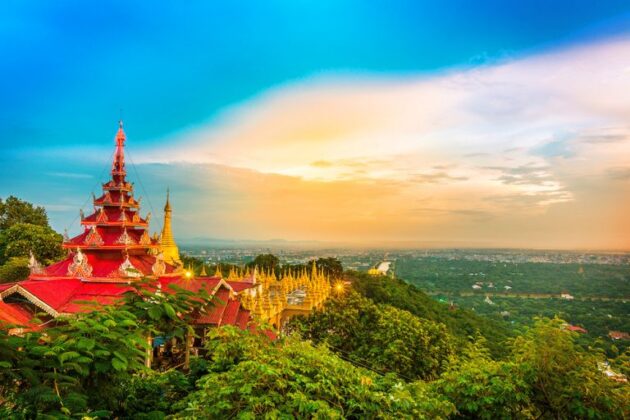
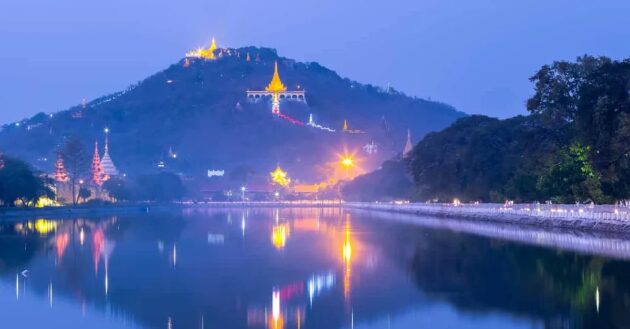
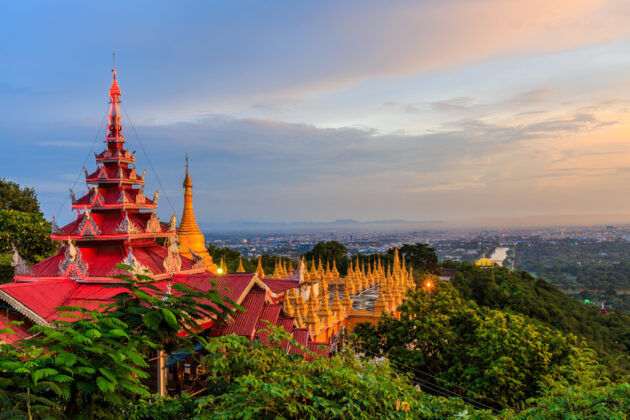
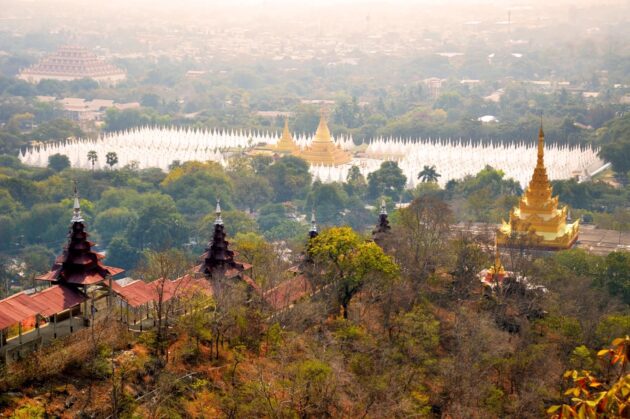
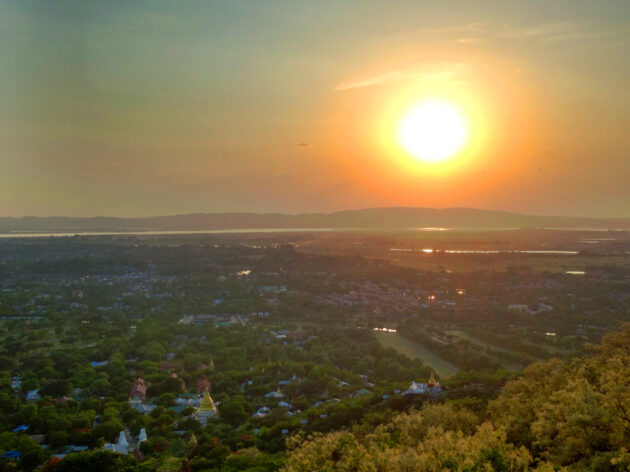
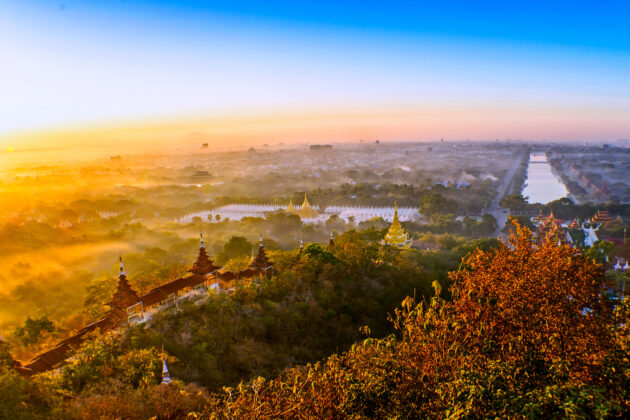
Mandalay Hill, located in the northeastern part of Mandalay, Myanmar, is a iconic 240-meter-high landmark offering panoramic views of the city and the Ayeyarwady River. Steeped in Buddhist legend, it is said that the Buddha once prophesied a great city would be founded at its foot. Visitors ascend via covered staircases lined with monasteries, pagodas, and vibrant shrines, encountering the towering Su Taung Pyi Pagoda and a giant standing Buddha at the summit.
Kuthodaw Pagoda
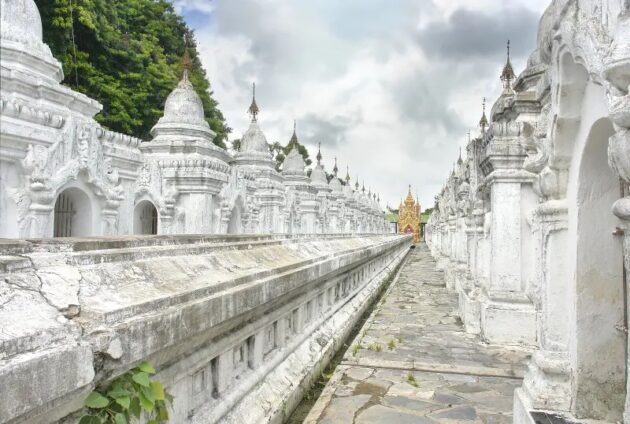
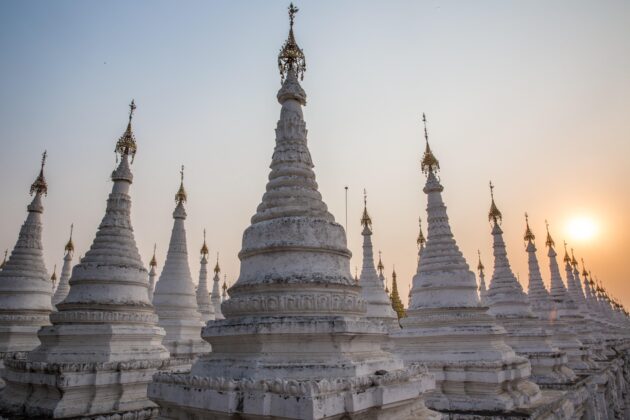
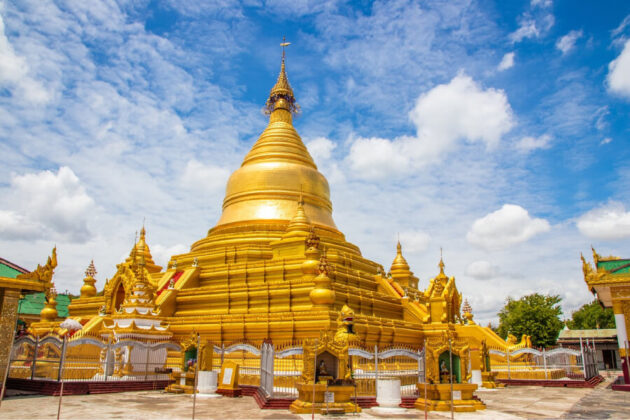
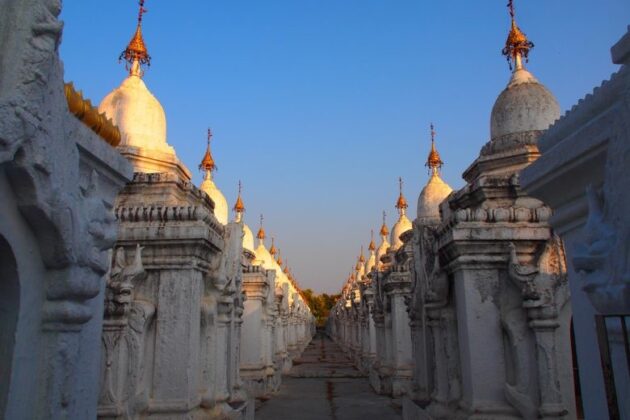
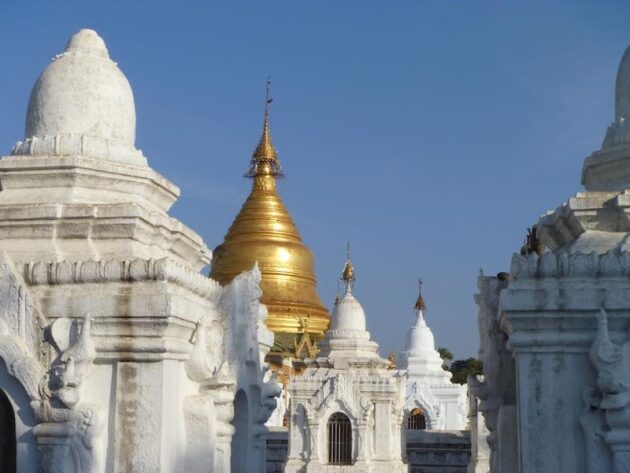
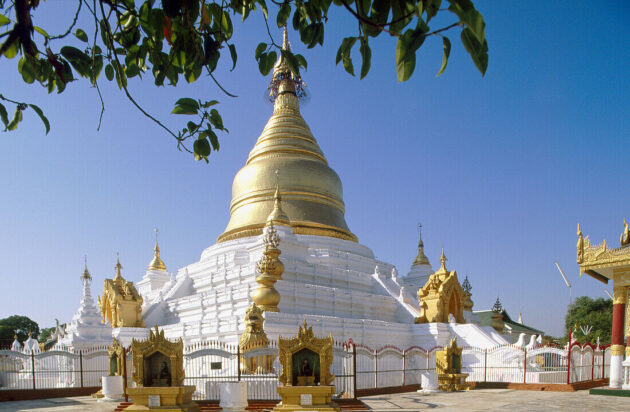
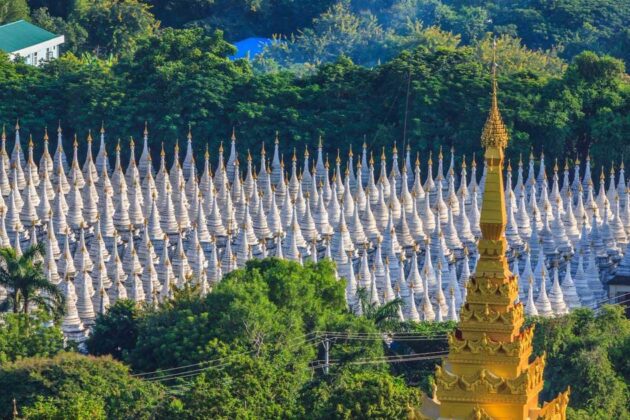
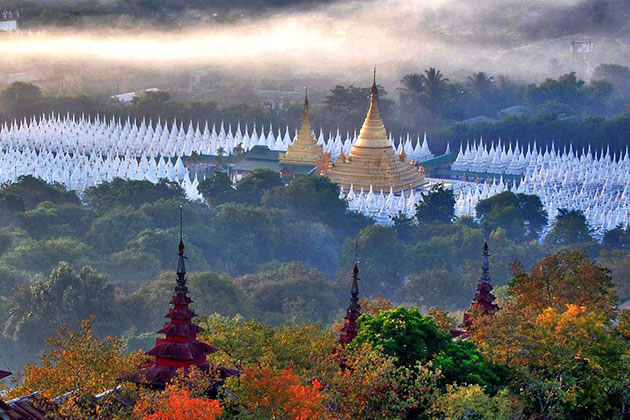
Kuthodaw Pagoda (also known as the Maha Lawka Marazein Kuthodaw Pagoda) is one of Mandalay’s most distinctive Buddhist sites. Located at the southeastern foot of Mandalay Hill, it is famous worldwide for housing the “World’s Largest Book”—a monumental collection of the Theravada Buddhist scriptures (Tipitaka or Pali Canon) inscribed on 729 marble tablets.
Mandalay Royal Palace
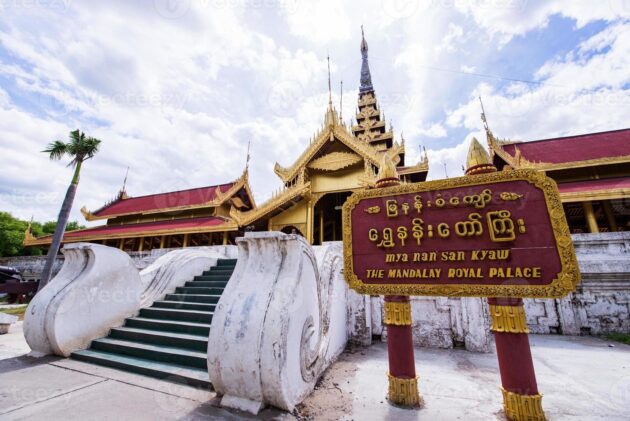
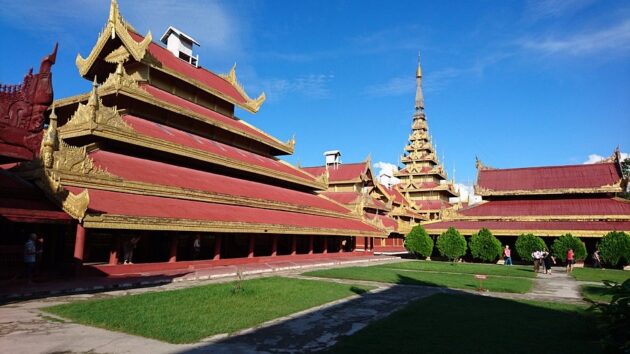
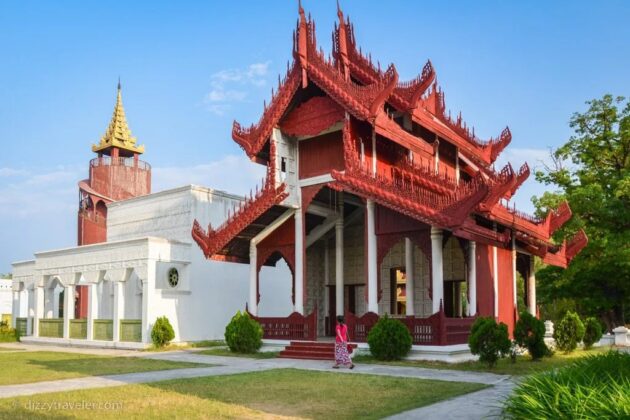
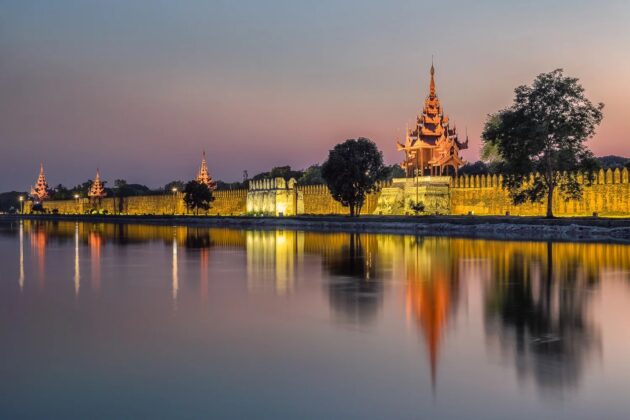
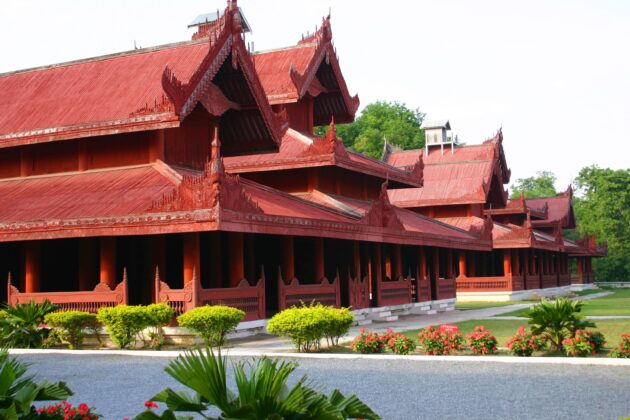
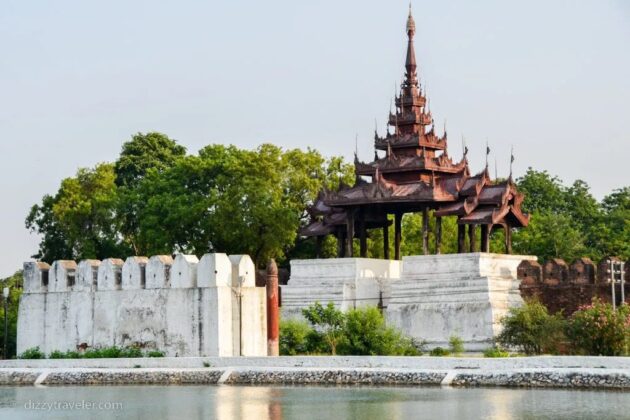
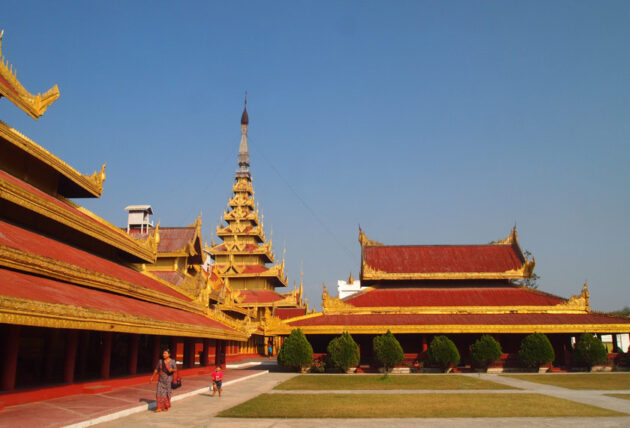
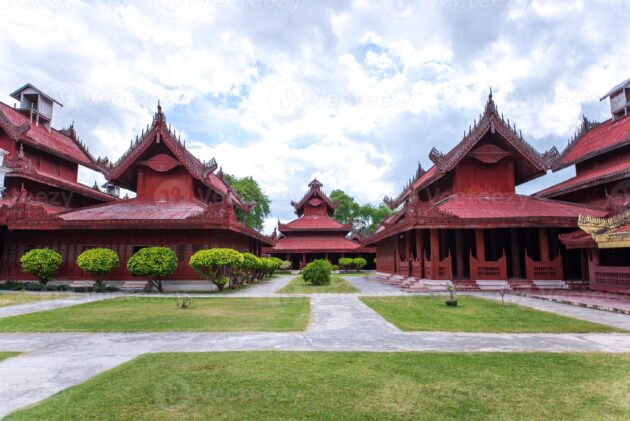
Mandalay Royal Palace (also known as Mandalay Palace or Mya Nan San Kyaw) is the last royal palace of the Burmese monarchy and a central historical landmark in Mandalay, Myanmar. Built between 1857 and 1859 by King Mindon Min as part of founding the new capital, it served as the primary residence for King Mindon and his successor, King Thibaw (the final king of the Konbaung dynasty).
U Bein Bridge (nearby in Amarapura)
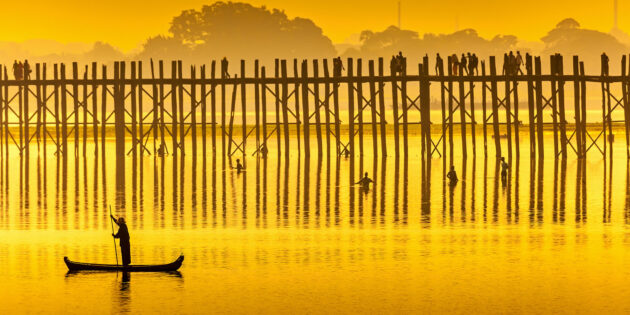
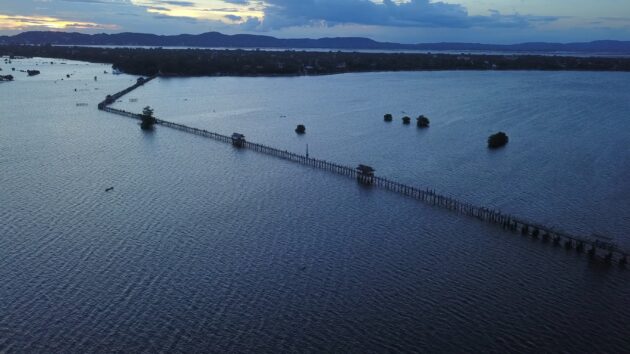
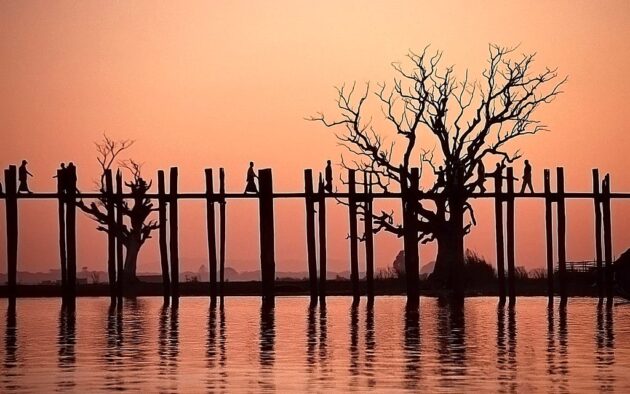
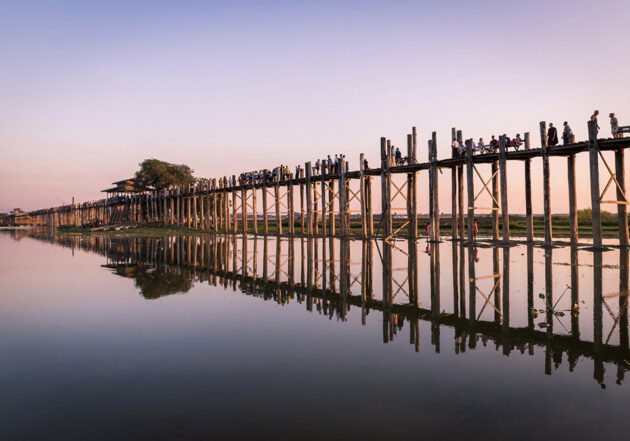
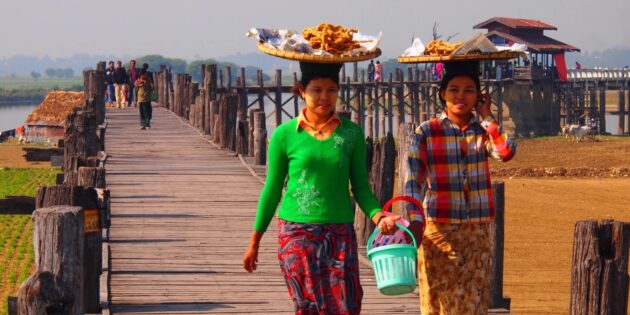
Spanning nearly 1.2 kilometers across Taungthaman Lake near Mandalay, Myanmar, the U Bein Bridge is a revered landmark and the world’s longest teakwood bridge, crafted in the mid-19th century from recycled palace posts. Its weathered wooden planks and sturdy pillars rise gracefully above the water, offering a stunning silhouette during sunrise and sunset when golden light floods the sky and reflects on the lake.
Mingun
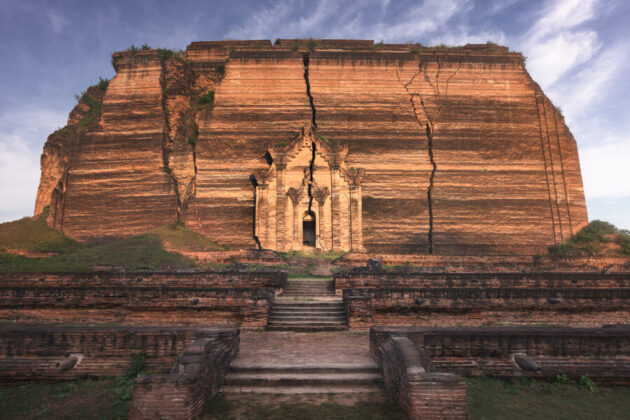
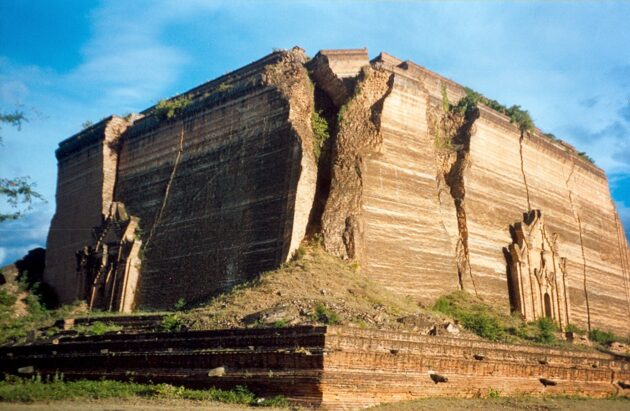
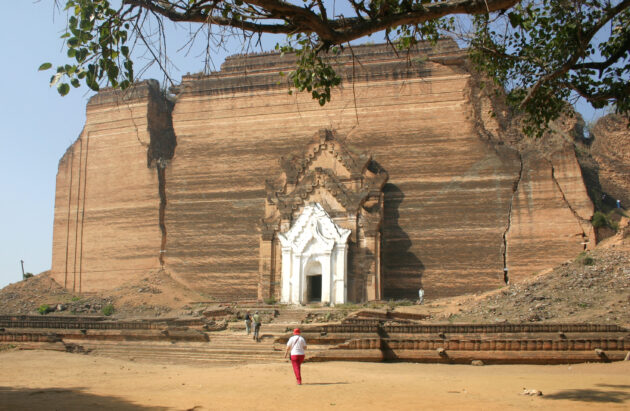
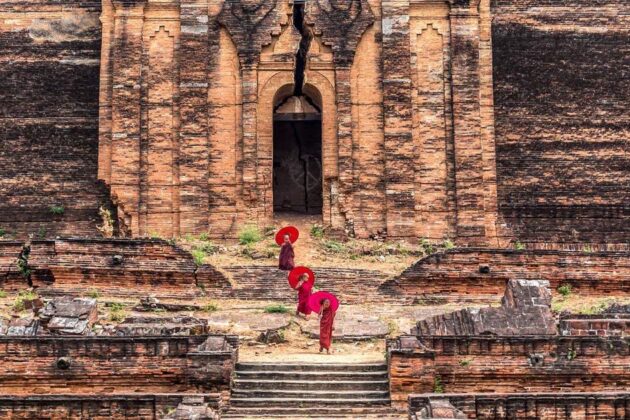
Mingun is a small historic village on the western bank of the Ayeyarwady (Irrawaddy) River in Myanmar’s Sagaing Region, about 11 km north of Mandalay. It’s a popular half-day or full-day excursion known for its ambitious but unfinished royal monuments from the early 19th century under King Bodawpaya and his successors. The site offers a mix of massive brick ruins, a striking white pagoda, and one of the world’s largest ringing bells, all in a relaxed riverside setting.
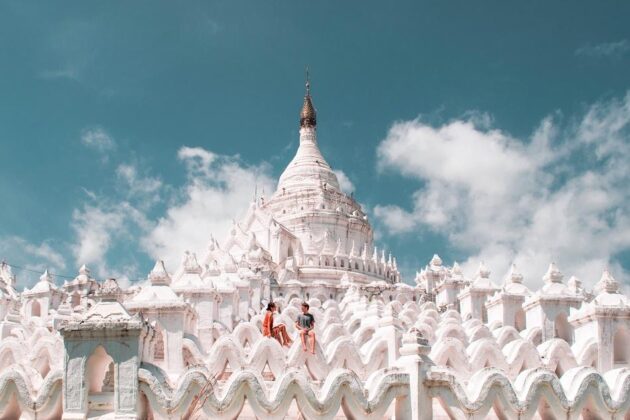
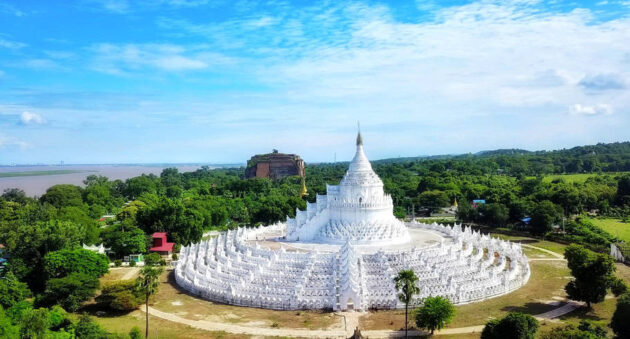
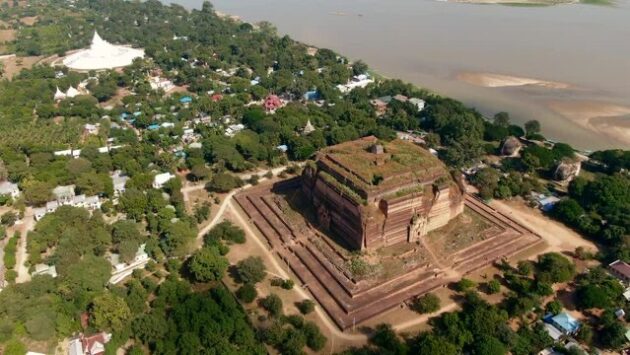
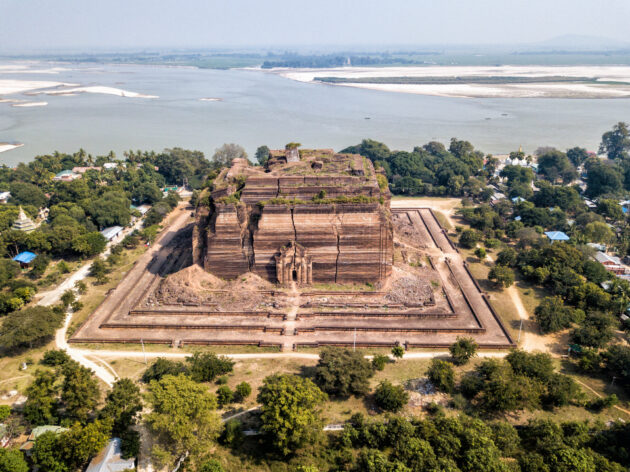
Inwa
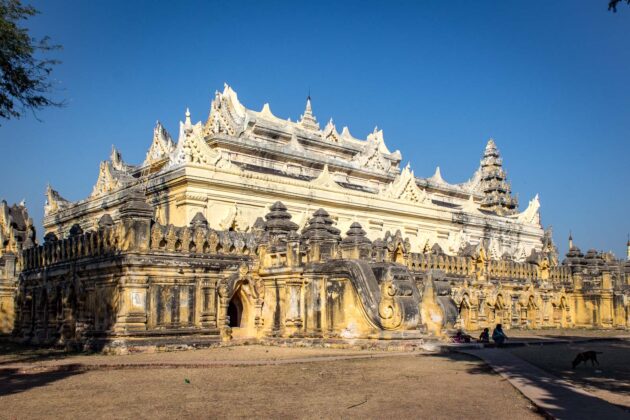
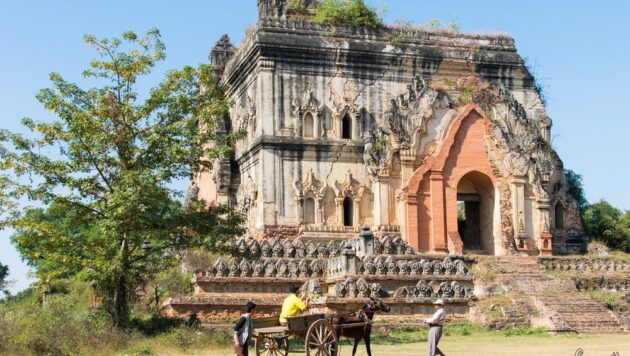
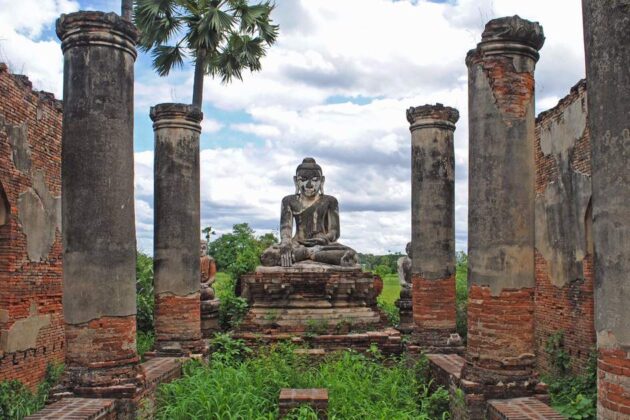
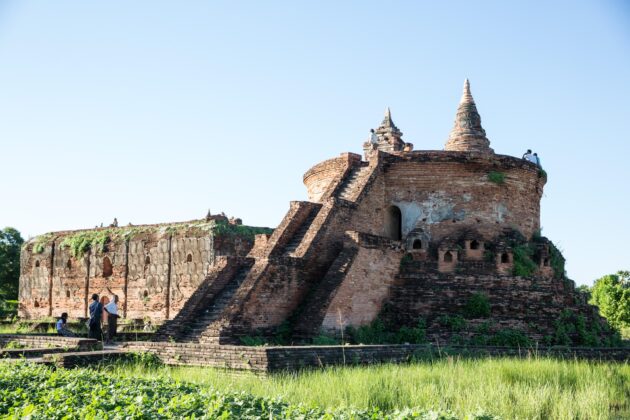
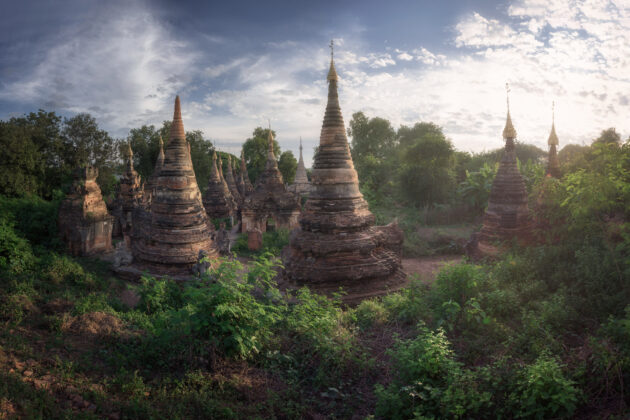
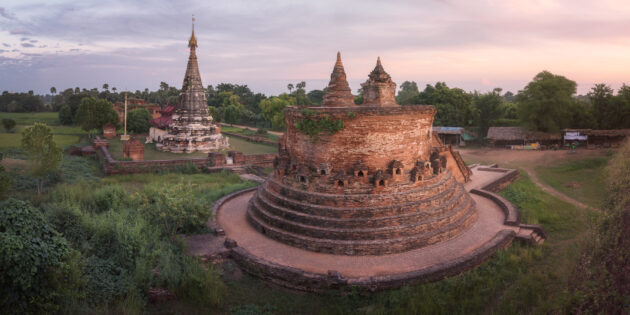
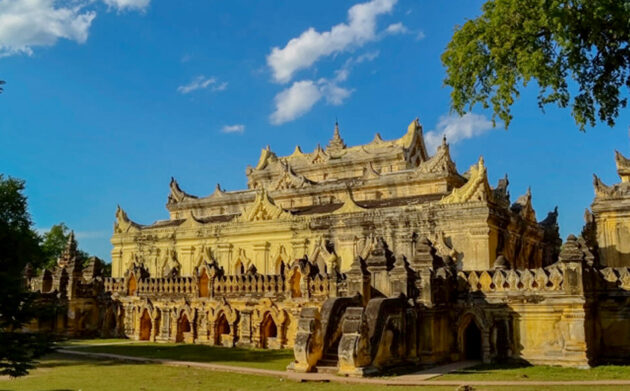
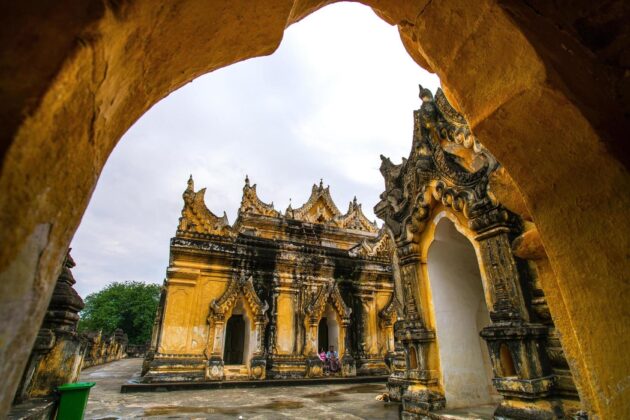
Inwa (also spelled Innwa or Ava) is a historic former capital of Myanmar (Burma), located about 20–21 km (roughly 13 miles) south of Mandalay in the Mandalay Region. It served as the royal capital of successive Burmese kingdoms on and off from the 14th to 19th centuries (notably as the “Kingdom of Ava”). Devastating earthquakes in 1839 largely destroyed the city, leaving atmospheric ruins scattered across a rural island-like area formed at the confluence of the Irrawaddy (Ayeyarwaddy) and Myitnge rivers.
Where to Stay
Options range from budget guesthouses to mid-range hotels near the palace or hill. Look for places with good Wi-Fi and helpful staff for arranging transport (e.g., Dragon Phoenix Hotel or similar central spots). Stay in registered accommodations.
Food and Culture
Burmese cuisine shines here: try mohinga (fish noodle soup), tea shop snacks, salads, and curries. Vegetarian options are widely available due to Buddhist influence. Local teahouses are great for people-watching and betel nut tasting (in moderation). Respect customs: remove shoes/socks at religious sites, dress modestly (shoulders/knees covered), and be mindful around monks.
Mandalay is a center for traditional arts—marble, woodcarving, silk weaving, and gold leaf.
Practical Tips
Money: Cash is king (USD preferred for exchange; bring crisp bills). ATMs exist but are unreliable—exchange at trusted spots for better rates. Credit cards have limited acceptance.
Connectivity: SIM cards available at airports; internet can be slow/unstable—use a VPN.
Health: Drink bottled water; get vaccinations (hepatitis, typhoid, etc.) and malaria prophylaxis if advised. Healthcare is basic.
Transport/Guides: Hire local guides for context and smoother logistics, especially for day trips.
Pace: Combine with Bagan (temples) and Inle Lake for a classic Myanmar loop, but build in buffer time for disruptions.
Final Thoughts
Mandalay rewards slow exploration—early mornings at pagodas, sunset climbs, and interactions with locals offer deeper insights into Myanmar’s resilient culture. Always prioritize safety, stay informed, and travel responsibly. Check official advisories right before your trip, as conditions evolve. Safe travels!