
Mandalay Royal Palace Travel Guide (2026)
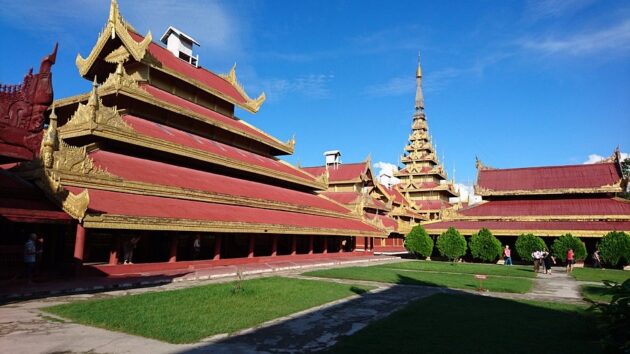
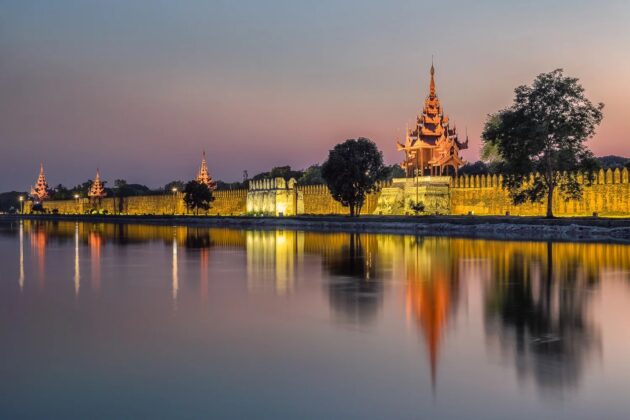
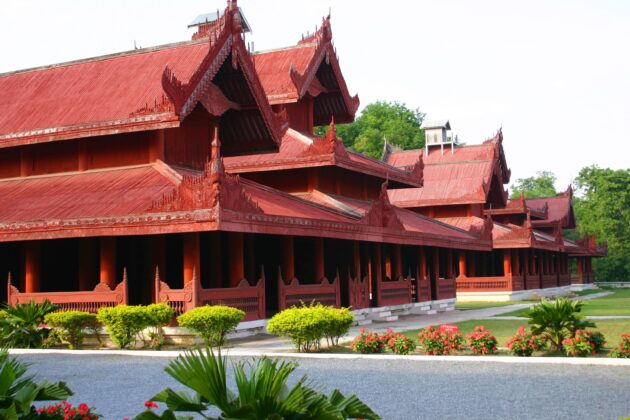
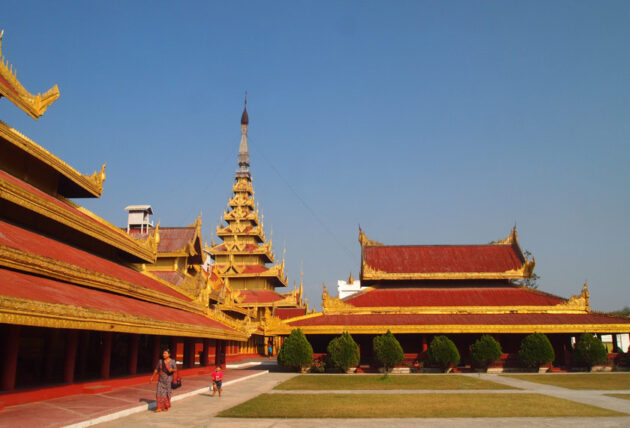
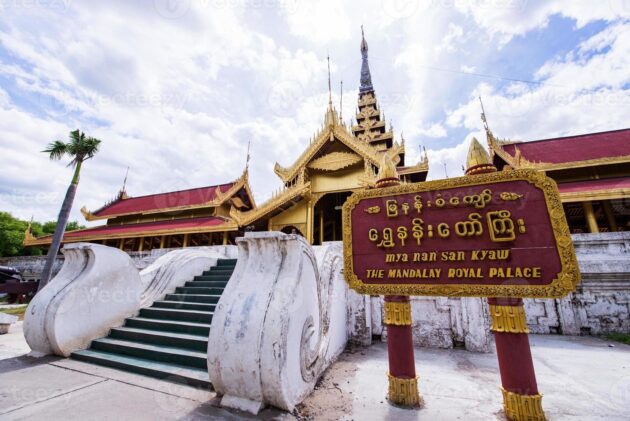
Mandalay Royal Palace (also known as Mandalay Palace or Mya Nan San Kyaw) is the last royal palace of the Burmese monarchy and a central historical landmark in Mandalay, Myanmar. Built between 1857 and 1859 by King Mindon Min as part of founding the new capital, it served as the primary residence for King Mindon and his successor, King Thibaw (the final king of the Konbaung dynasty). The palace complex sits inside a large fortified citadel surrounded by a moat and high walls with four gates, following traditional Burmese design where buildings are mostly single-story and the number of spires indicates importance.
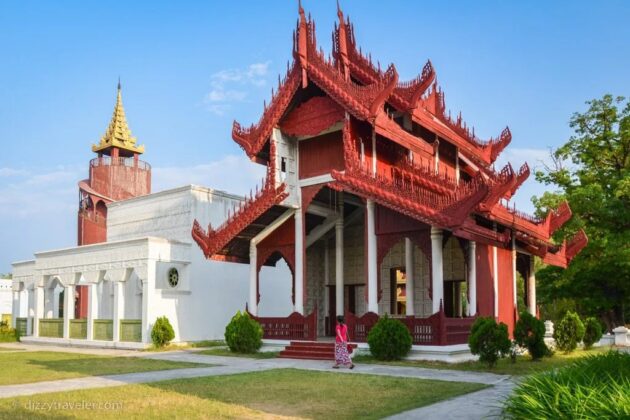
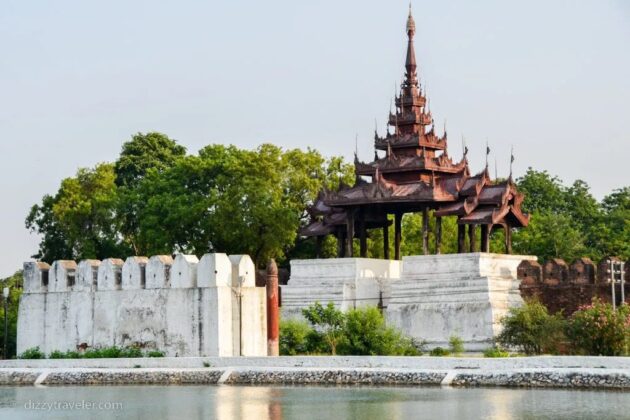
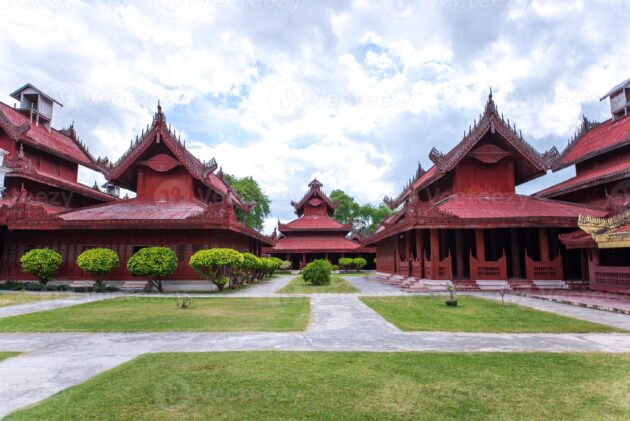
The original teak-wood structures were largely destroyed during World War II by Allied bombing (with only the royal mint and watchtower surviving intact). The current version is a reconstruction from the 1990s, using some modern materials but aiming to replicate the historic layout. It includes audience halls, throne rooms (like the Lily Throne Hall), the Glass Palace, monasteries, and other royal buildings. The site offers a glimpse into pre-colonial Burmese royal life, architecture, and culture. Highlights often include climbing the surviving watchtower for panoramic views and strolling the grounds.
Visiting Information
Location: Centrally located in Mandalay, between 12th and 26th streets, north of the city center. The palace faces east within the walled fort.
Opening Hours: Typically 7:30 AM to 4:30 PM (or similar; confirm on-site as hours can vary). Allow 1–2 hours for a relaxed visit.
Entrance Fee: Around 10,000–15,000 Myanmar Kyats (MMK) for foreigners (roughly US$5–10 depending on exchange rates; prices have varied in reports). Some visitors mention it’s covered by a Mandalay Archaeological Zone ticket that includes other sites. Foreign tourists often need to register and may leave a passport or ID at the east gate (the main/only entry for visitors). Locals may have different or free access.
Best Time to Visit the Palace: Mornings to avoid heat and crowds. The site is outdoors with open grounds, so shade and hydration are important.
Note: Myanmar’s political situation can affect travel practicalities, fees, and access. Check recent traveler reports or official sources before your trip, as conditions (including security and tourism infrastructure) may change.
How to Get There
Mandalay is compact enough for easy access:
From Mandalay city center: Short taxi, tuk-tuk (motorized rickshaw), or Grab ride (10–20 minutes). Many hotels are south or southwest of the palace.
Bicycle or e-bike: Popular and relaxing option if staying nearby—flat terrain and scenic moat views.
Walking: Possible from central areas but hot; the moat and walls make for a pleasant perimeter stroll.
Day tours: Many half- or full-day sightseeing tours in Mandalay include the palace along with nearby sites like Shwenandaw Monastery, Kuthodaw Pagoda, or Mandalay Hill.
Best Time to Visit Mandalay Overall
The cool/dry season (October to March, peaking November–February) is ideal: pleasant temperatures (20–30°C / 68–86°F), low rainfall, and comfortable exploration. This is peak tourist time, so book accommodations ahead.
Hot season (March–May): Very hot (up to 40°C+), but fewer crowds and lower prices.
Rainy/monsoon season (May–October): Greener landscapes, fewer visitors, and cheaper rates, but afternoon showers possible and some outdoor activities less enjoyable. Mandalay’s dry zone sees less rain than coastal areas.
Local festivals (e.g., around full moons) can add cultural vibrancy but increase crowds.
What to Expect and Tips
Dress Code: Modest clothing is essential for religious and cultural sites in Myanmar. Cover shoulders and knees (long pants/skirts, shirts with sleeves). Remove shoes and socks before entering buildings where required. A light scarf or longyi (traditional wrap) can be handy.
Other Practicalities: Bring water, sunscreen, hat, and comfortable shoes for walking the large grounds. The area can feel spacious and somewhat empty compared to bustling temples elsewhere. Photography is generally allowed, but respect any restricted zones.
Nearby Attractions: Combine with Mandalay Hill (for sunset views), Shwenandaw Monastery (carved teak masterpiece), Atumashi Monastery, Kuthodaw Pagoda (“world’s largest book”), and day trips to U Bein Bridge, Sagaing, or Inwa.
Getting Around Mandalay: Taxis, tuk-tuks, bicycles, or private drivers for longer distances. The city is a transport hub with an airport, train station, and bus connections to Yangon, Bagan, etc.
Safety and Travel Advice: Myanmar has regional variations in stability. Stick to established tourist areas like the “Tourist Kite” (Yangon–Bagan–Mandalay–Inle). Petty crime is low but possible; use hotel safes. Always check current travel advisories from your government, as the situation can evolve. Locals are generally friendly and welcoming to visitors.
Final Thoughts
The palace grounds offer a serene, historical atmosphere with the moat providing beautiful reflections, especially at golden hour. It’s a must-see for understanding Myanmar’s royal past before British colonial rule.
For visuals of the site, here are some representative images of the palace, moat, and grounds:
If you’re planning a trip, consider pairing it with a guided tour for deeper historical context. Safe travels—Myanmar’s cultural heartland around Mandalay rewards those who visit with rich history and warm hospitality! Let me know if you need details on accommodations, food, or other sites.