
Inwa Travel Guide (2026)
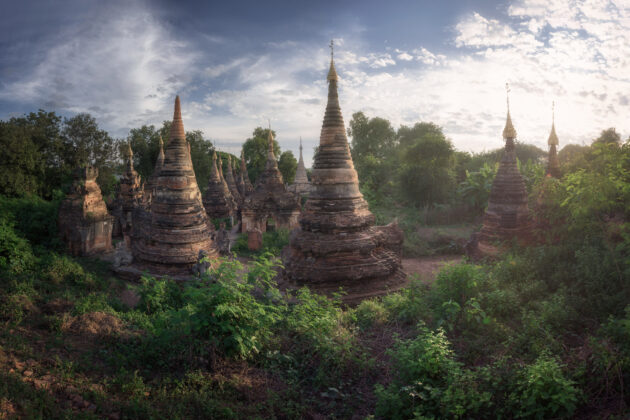
Inwa (also spelled Innwa or Ava) is a historic former capital of Myanmar (Burma), located about 20–21 km (roughly 13 miles) south of Mandalay in the Mandalay Region. It served as the royal capital of successive Burmese kingdoms on and off from the 14th to 19th centuries (notably as the “Kingdom of Ava”). Devastating earthquakes in 1839 largely destroyed the city, leaving atmospheric ruins scattered across a rural island-like area formed at the confluence of the Irrawaddy (Ayeyarwaddy) and Myitnge rivers. Today, it’s a peaceful, rustic destination blending ancient temple and monastery remnants with everyday village life—farmers, palm groves, and fields.
It’s a popular half-day or full-day trip from Mandalay, often combined with nearby ancient capitals like Amarapura (famous for U Bein Bridge) and Sagaing. Many visitors describe it as a tranquil, timeless contrast to busier sites like Bagan, with ruins evoking a “mini Bagan” feel amid countryside.
How to Get There
From Mandalay: Drive ~30–60 minutes (depending on traffic/ferry). Many tours include a short boat/ferry crossing to Inwa “island.”
Typical day trip: Private car/taxi, or organized tours (often bundling Inwa with Amarapura, Sagaing, and sometimes Mingun). Horse-cart rides are the classic way to explore once there.
Public transport options are limited; hiring a driver/guide is common and convenient.
It’s feasible as a half-day excursion, but allow time for the relaxed pace.
Top Things to Do and See
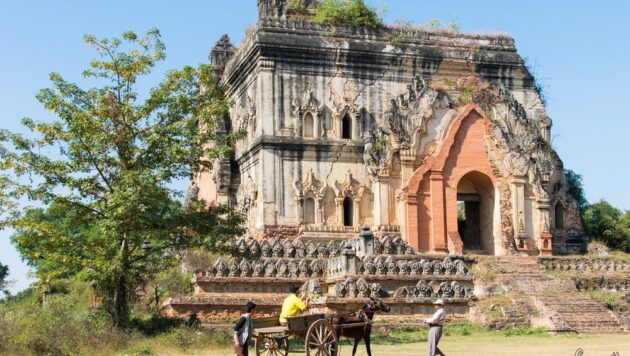
The main appeal is a leisurely horse-drawn carriage (pony cart) tour through the ruins and countryside. Carts are decorated and pulled by horses; drivers often act as informal guides. The ride takes you past fields and villages, giving a glimpse of rural Myanmar life.
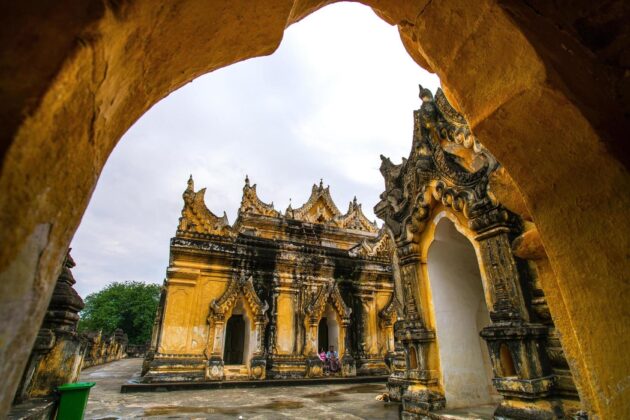
Bagaya Kyaung Monastery — A beautiful 19th-century teak wood monastery (one of the finest examples of traditional Burmese wooden architecture). It’s elevated on pillars and features intricate carvings.
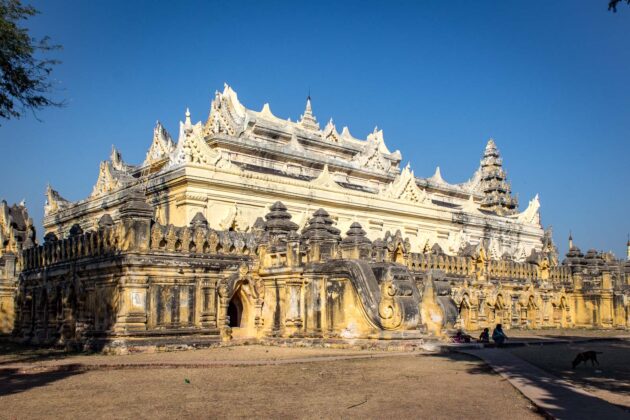
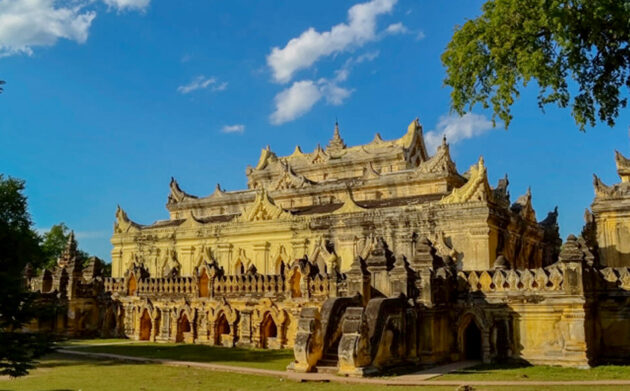
Maha Aung Mye Bon Zan Monastery (also called the “Brick Monastery”) — Built in the 19th century by Queen Menui; a sturdy brick structure that’s a classic of the era.
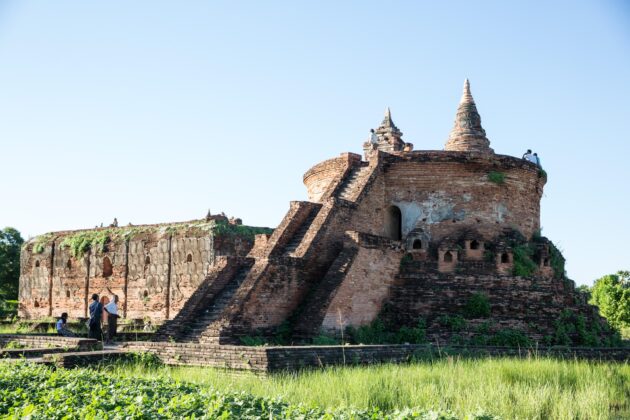
Nanmyint Watchtower (or “Leaning Tower of Inwa”) — A surviving palace watchtower offering views (climb if safe/allowed).
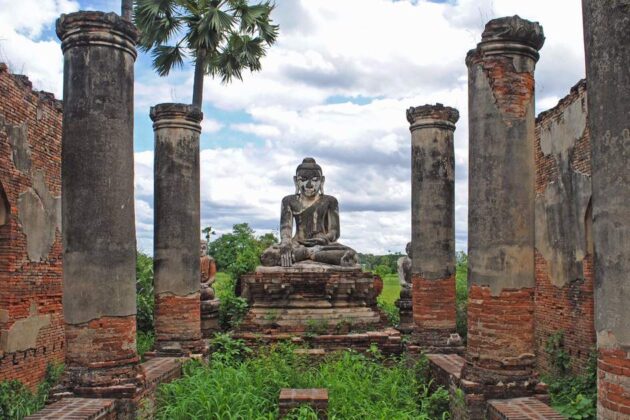
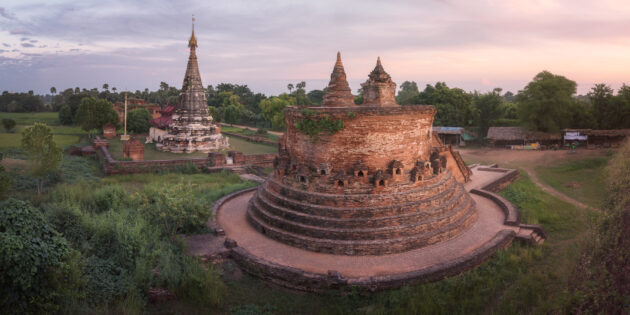
Yadana Hsimi Pagodas and other scattered stupas/pagoda ruins.
Palace remnants and general atmospheric ruins amid farmland.
The experience feels immersive rather than crowded—expect a mix of historic sites and peaceful rural scenery. Wear comfortable shoes for walking around sites; modest dress is required at religious places (shoulders/knees covered, remove shoes).
Best Time to Visit
Dry/cool season (November–February): Ideal weather—mild temperatures, low rain, clear skies. Peak tourist time, so book ahead.
Avoid the heavy rainy season (June–October), when roads and access can be affected. Hot season (March–May) is very warm.
Practical Tips
Duration: 3–5 hours on-site is typical; full-day tours from Mandalay often run 8–10 hours including other stops.
Cost: Horse cart rides are inexpensive (negotiate or check with tour operators). Private tours vary by group size and inclusions.
Food & Accommodation: Limited options in Inwa itself (it’s more a day-trip spot). Eat in Mandalay or at stops during combined tours. Simple local meals may be available; try Burmese curries, tea shops, or river-view spots nearby. No major hotels on-site—stay in Mandalay.
What to Bring: Sunscreen, hat, water, cash (small bills), camera/phone. Respect local customs at monasteries.
Getting Around: Stick to the carriage tour; the area is spread out with dirt paths.
Final Thoughts
Inwa offers a serene, off-the-beaten-path historical vibe—perfect if you enjoy ruins, architecture, and authentic countryside without heavy commercialization. Pair it with sunset at U Bein Bridge in Amarapura for a memorable day.
For the latest on-the-ground conditions, consult recent traveler reports, local guides, or official sources, and prioritize safety given the broader situation in Myanmar. Safe travels if you go!