



Raja Ampat Travel Guide (2026): Indonesia’s Underwater Paradise
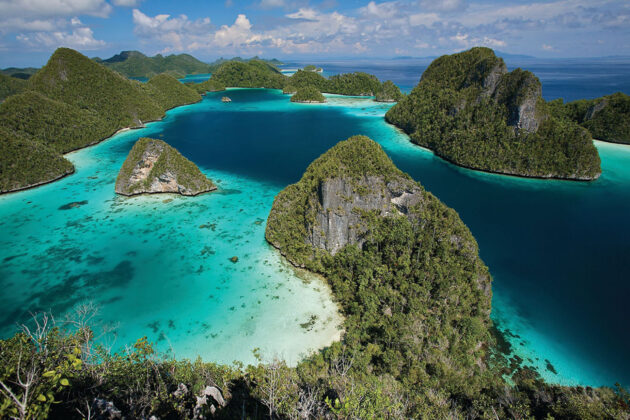
Raja Ampat, meaning “Four Kings,” is an archipelago of over 1,500 islands off the coast of West Papua, Indonesia. It sits in the heart of the Coral Triangle, boasting some of the world’s richest marine biodiversity. With vibrant coral reefs, dramatic limestone karsts, pristine beaches, and lush jungles, it is a dream destination for divers, snorkelers, nature lovers, and adventure seekers. While remote, it has become more accessible in recent years through homestays and resorts.
Best Time to Visit
Raja Ampat enjoys a tropical equatorial climate year-round, with warm temperatures and sea water. The peak season for calm seas, excellent visibility, and diving/snorkeling is generally October to April (dry season), especially November to March. Manta rays are more active then.
May to September (wetter/monsoon season) brings more rain and potentially rougher seas, which can limit boat travel (especially July–August), but it offers fewer crowds and lower prices. Birdwatching is good year-round. Shoulder months like April or October balance good conditions and quieter vibes.
How to Get There
There are no direct international flights. Fly into Sorong (SOQ) airport in West Papua, typically via Jakarta (CGK, ~4 hours) or Bali (DPS). From Sorong:
Take a taxi to the harbor (~15 minutes).
Catch a ferry to Waisai (capital of Raja Ampat, ~2–2.5 hours). Ferries usually depart morning and afternoon.
From Waisai, arrange a speedboat transfer to your island/homestay (shared to save costs).
Many resorts and liveaboards arrange transfers. Private speedboats are faster but expensive—share with others via groups like Stay Raja Ampat on Facebook. Allow buffer time for connections due to the remote location.
Entry Fees (as of recent updates): All visitors pay a Marine Park Entry Permit (IDR 700,000 for internationals, valid 1 year) and a Visitor Entry Ticket (around IDR 300,000–1,000,000 depending on sources and visitor type, often paid in Waisai). These support conservation and infrastructure.
Top Things to Do
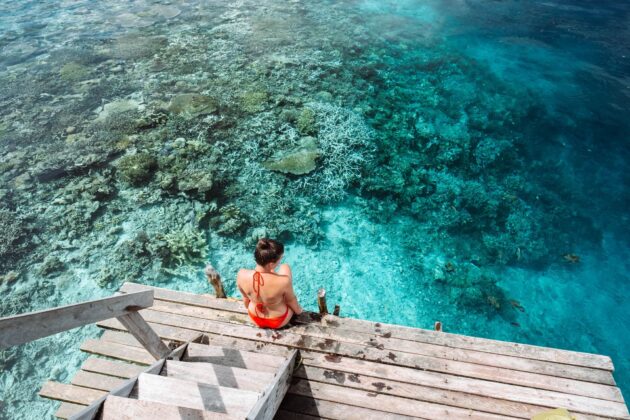
Diving and Snorkeling: The main draw. World-class sites like Cape Kri, Mike’s Point, Manta Ridge, and Blue Magic teem with corals, fish, mantas, turtles, sharks, and more. House reefs at many accommodations allow easy access. Liveaboards explore farther reaches (e.g., Misool). Snorkeling is excellent even for beginners.
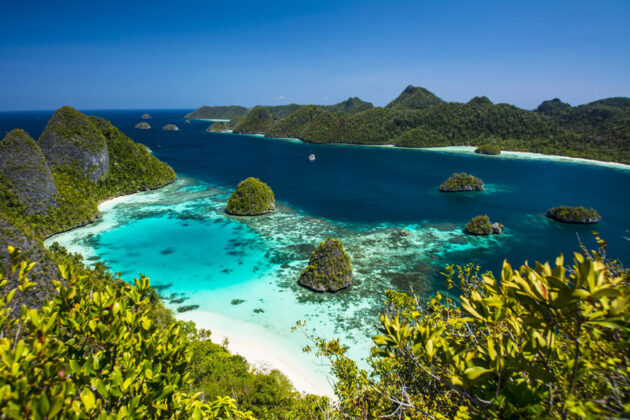
Piaynemo Viewpoint: Hike stairs for iconic panoramic views of mushroom-shaped islands in turquoise waters. Often combined with snorkeling stops.
Wayag Islands: More remote and stunning karst landscapes; great for kayaking and exploration.
Birdwatching: Spot rare Birds of Paradise (Red and Wilson’s) on early morning hikes, especially on Waigeo or Gam.
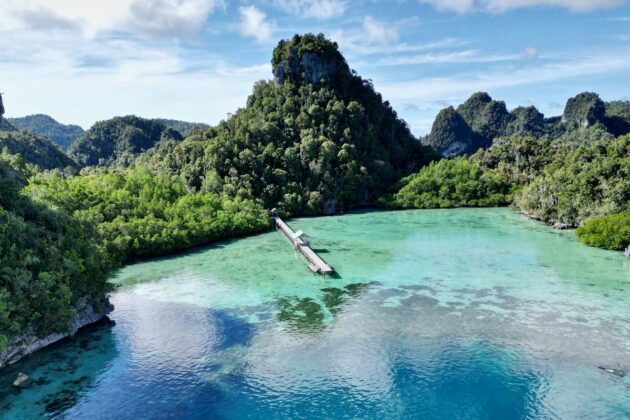
Island Hopping and Beaches: Visit villages like Arborek (traditional dancing, handicrafts), explore mangroves, lagoons (e.g., Kali Biru), or relax on pristine sands.
Kayaking, Hiking, and Cultural Experiences: Paddle through bays or learn about Papuan culture in homestays.
Where to Stay
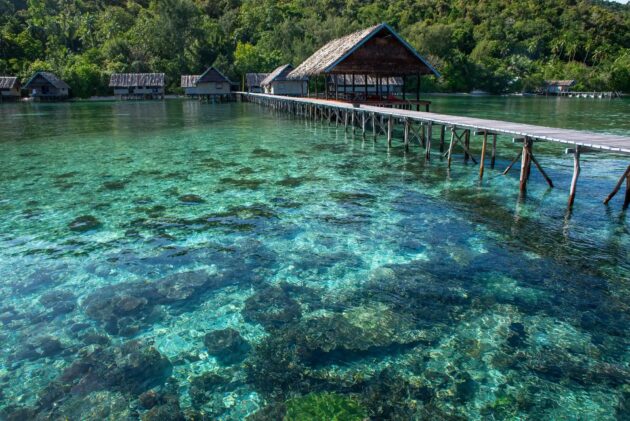
Homestays: Authentic, community-run (often Papuan families). Simple bungalows (beach or overwater), meals included. ~IDR 500,000+ per person/night. Great for immersion.
Eco-Resorts and Dive Lodges: More comfort with en-suite facilities, AC, and on-site dive centers (e.g., on Kri, Mansuar, or Gam islands).
Liveaboards: Ideal for serious divers exploring remote areas; multi-day packages.
Luxury: High-end eco-resorts like Misool Eco Resort.
Popular bases: Kri (dive-focused), Arborek (central/snorkeling), Gam/Fam Islands (views and access). Book via StayRajaAmpat.com or directly; communication can be slow.
Food and Dining
Expect fresh, simple Indonesian/Papuan fare at homestays: rice, grilled or fried fish/chicken, vegetables, tempeh/tofu, and fruit. Meals are often family-style and included in stays. Spice levels vary (chili common). Vegetarian options available if requested in advance, but variety is limited.
Bring snacks or supplements if picky. Bottled water or treated water is essential (avoid tap). Alcohol is limited and expensive—some places offer beer.
Practical Tips
Budget: Not cheap due to remoteness. Expect higher costs for boats, diving (~USD 40–50+/dive), and transfers. A week can range from budget homestay (~USD 1,000+) to luxury.
Money: Bring plenty of cash (IDR). Limited ATMs (mainly Waisai). Cards rarely accepted on islands.
Electricity/Internet: Generator power often evenings only. Wi-Fi spotty except at upscale places. Telkomsel signal better on main islands.
Health & Safety: Use reef-safe sunscreen, reef shoes (stonefish/urchins), and mosquito repellent. Strong currents in dives—experience recommended. Medical facilities limited; get dive insurance. Drink treated/boiled water.
Culture: Respect local customs—modest dress in villages, especially on Sundays (Christian communities). Support community tourism.
Sustainability: Follow no-touch reef rules, use reef-safe products, and support conservation fees.
Final Thoughts
Raja Ampat rewards those who embrace its raw beauty and slower pace. Plan ahead, stay flexible, and prepare for an unforgettable adventure in one of the planet’s most pristine marine environments. Safe travels!