
Gili Islands Ultimate Travel Guide (2026)
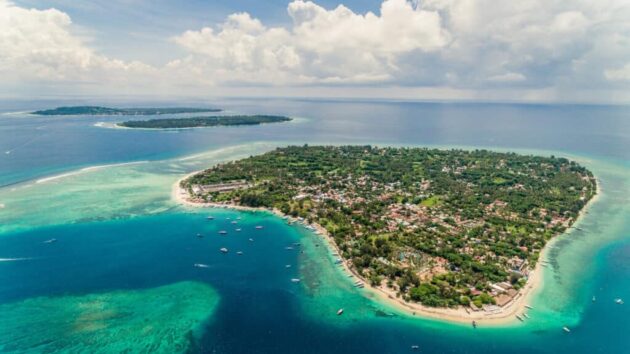
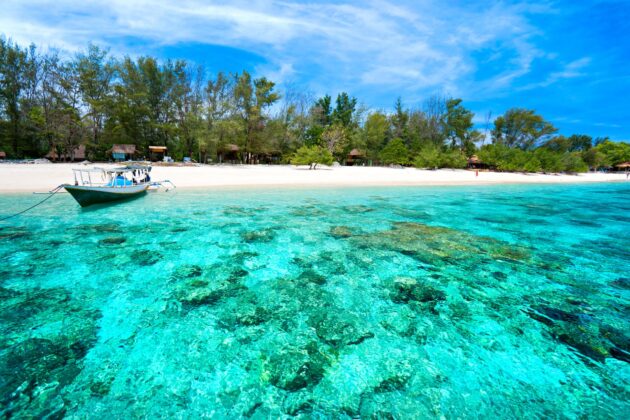
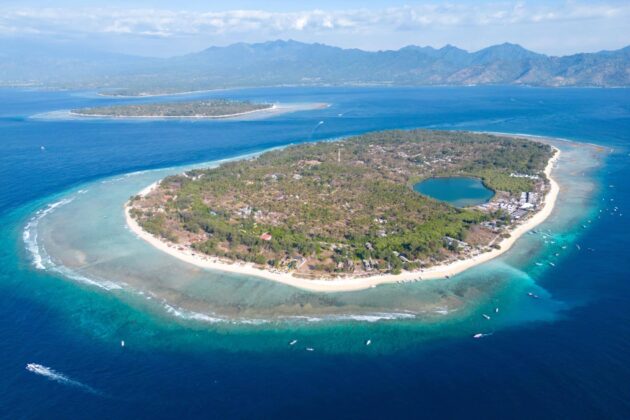
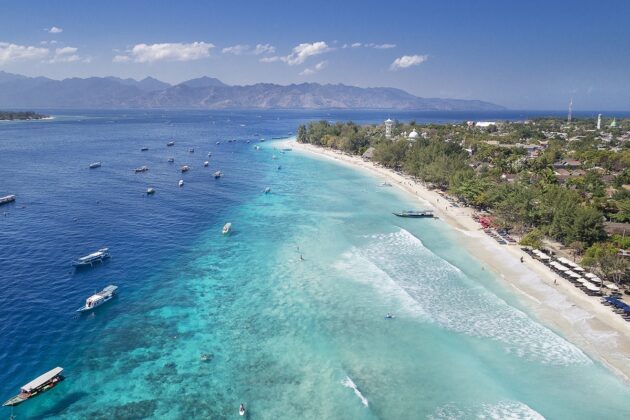
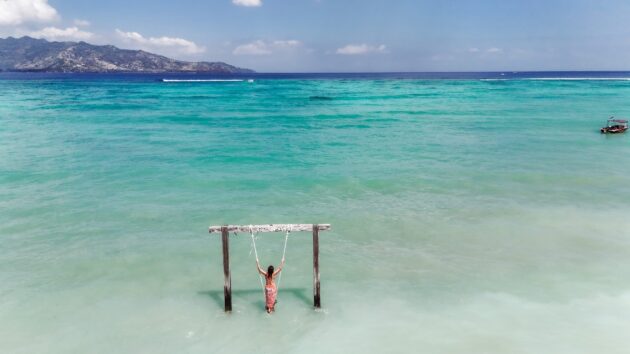
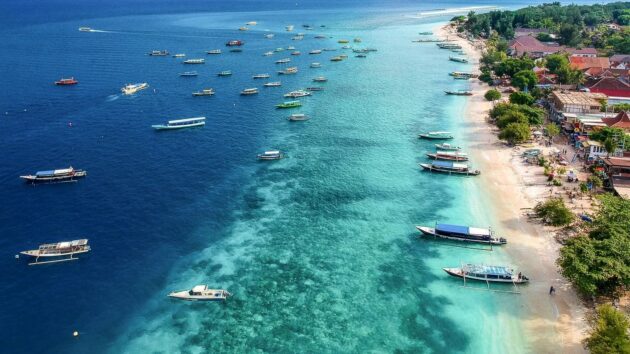
The Gili Islands — a trio of tiny, car-free paradises off the northwest coast of Lombok — offer white-sand beaches, turquoise waters, vibrant marine life, and a relaxed vibe that makes them a perfect escape from busier spots like Bali. The three islands are Gili Trawangan (Gili T), the largest and most lively; Gili Air, a balanced middle ground; and Gili Meno, the quietest and most romantic.
No cars or motorbikes are allowed, so you’ll get around on foot, by bicycle, or traditional horse-drawn cidomo carts. The islands are small enough to circle by bike in under an hour.
Best Time to Visit
The dry season (May to October) is ideal, with sunny skies, minimal rain, calm seas, and excellent visibility for snorkeling and diving. Peak crowds and higher prices occur in July–August. Shoulder months (April–June and September–October) provide a great balance of good weather and fewer tourists. The wet season (November–April) brings more rain and humidity but lower prices and crowds; December–February can have heavier showers and rougher seas that occasionally affect boat schedules.
Temperatures stay warm year-round (27–32°C / 80–90°F).
How to Get There
The Gili Islands have no airport, so you’ll arrive by boat from Bali or Lombok.
From Bali: Fast boats from Padang Bai, Sanur, or Serangan take 1.5–2.5 hours and often include hotel transfers. Popular operators run direct or semi-direct services to all three Gilis.
From Lombok: Shorter and cheaper (15–45 minutes). From Bangsal Harbour (main public port) or Teluk Nare, take public boats or fast boats. Lombok International Airport (LOP) to the harbor is about 1.5 hours by car.
Book reputable fast boat companies in advance for safety and reliability. Public boats from Bangsal are the cheapest option but slower and less scheduled.
Inter-island travel: Easy and frequent via local boats between the three Gilis.
Which Island to Choose?
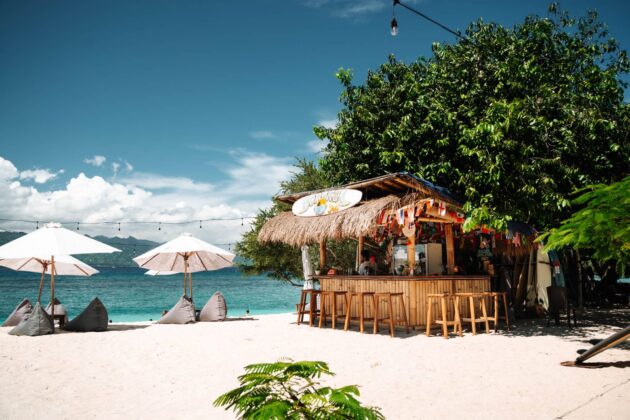
Gili Trawangan (Gili T): Vibrant nightlife, parties, beach clubs, diving/snorkeling operators, and a wide range of restaurants. Best for solo travelers, groups, and party lovers.
Gili Air: A relaxed mix — social cafes, yoga, good snorkeling, but quieter evenings. Ideal for families, couples, and those wanting balance.
Gili Meno: Quietest and most serene, with turtle sanctuaries and romantic beaches. Perfect for couples, honeymooners, or anyone seeking peace.
Many visitors base on one island and do day trips to the others.
Top Things to Do
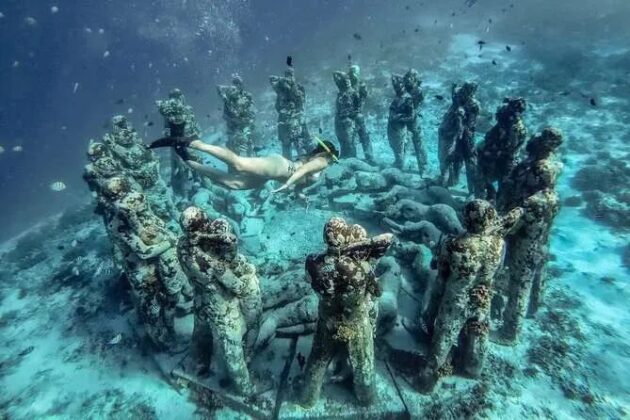
Snorkeling and Diving: World-class. Swim with sea turtles (very common), colorful reefs, and fish. Join guided boat tours or rent gear and snorkel from shore. Gili Meno has underwater statues (“The Nest”). Responsible operators support conservation.
Turtle Sanctuaries: Visit on Gili Meno (and hatcheries on others) to learn about and support conservation. Releases are memorable.
Beach Hopping and Sunsets: Relax on pristine beaches. Watch epic sunsets from Sunset Point on Gili T or various spots on the others.
Island Cycling: Rent a bike and explore. The flat, car-free paths are perfect.
Water Sports: SUP, kayaking, sailing, or glass-bottom boat tours.
Nightlife (mainly Gili T): Beach parties, bars, live music.
Yoga and Wellness: Many classes and retreats, especially on Gili Air.
Horse Cart Rides or Island Walks: For a relaxed tour.
Where to Stay
Accommodations range from budget bungalows and hostels to boutique villas and luxury resorts. Beachfront spots are popular but book ahead in peak season.
Gili T: Party-oriented hostels or upscale spots like Kuno Villas or beach resorts.
Gili Air: Mix of relaxed boutique hotels and villas (e.g., options with pools).
Gili Meno: Romantic, quieter resorts and eco-friendly stays.
Look for places with good snorkel access or sunset views.
Food and Dining
Fresh seafood, Indonesian classics (nasi goreng, satay, curries), and international options (Italian, Mexican, etc.) abound. Night markets offer affordable local eats.
Popular mentions include Warung Sunny (Gili Air) for authentic Indonesian, beach clubs for seafood grills, and various spots for pizza or healthy cafes. Vegetarian/vegan options are widely available.
Getting Around
Bicycles: Most popular and affordable (rentals ~50,000–100,000 IDR/day).
Cidomo (horse carts): For luggage or longer trips; negotiate prices.
Walking: Feasible everywhere due to small size.
Note: Scooters are illegal; stick to official transport.
Practical Tips
Cash: ATMs exist but can run out; bring enough IDR.
Sunscreen and Reef Safety: Use reef-safe sunscreen. Don’t touch coral or turtles.
Water: Drink bottled or filtered; avoid tap.
Safety: Generally safe, but watch belongings, swim with caution (currents possible), and use reputable operators. Horse welfare is a concern for some — consider walking or biking instead of carts when possible.
Internet: Decent in main areas but can be spotty.
Budget: Mid-range ~$50–150 USD/day per person (accommodation, food, activities). Cheaper in low season.
Environment: Support turtle conservation and leave no trace — these islands are fragile paradises.
Final Thoughts
The Gili Islands deliver that perfect mix of adventure, relaxation, and natural beauty. Whether you’re chasing turtles underwater, sipping cocktails at sunset, or simply unwinding on a quiet beach, they’re hard to leave. Plan a few nights on each or hop between them for the full experience. Safe travels!