
Bukchon Hanok Village Travel Guide (2026): Seoul’s Timeless Traditional Neighborhood
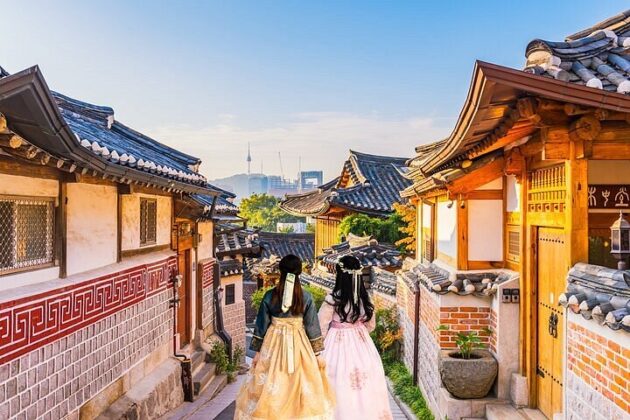
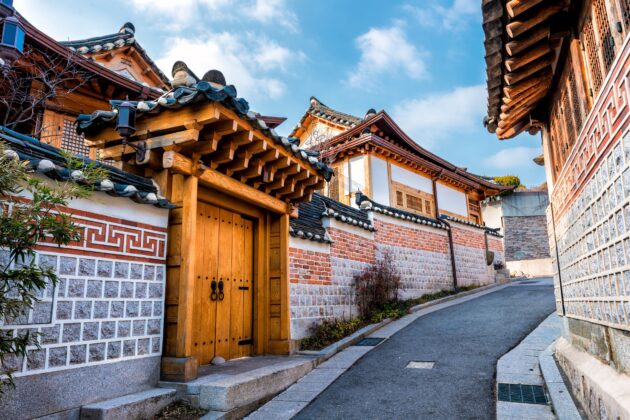
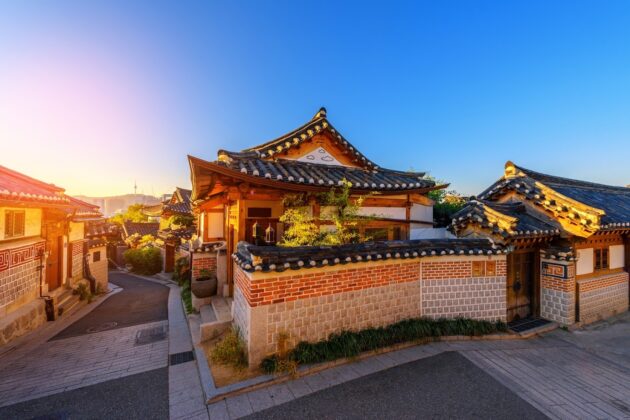
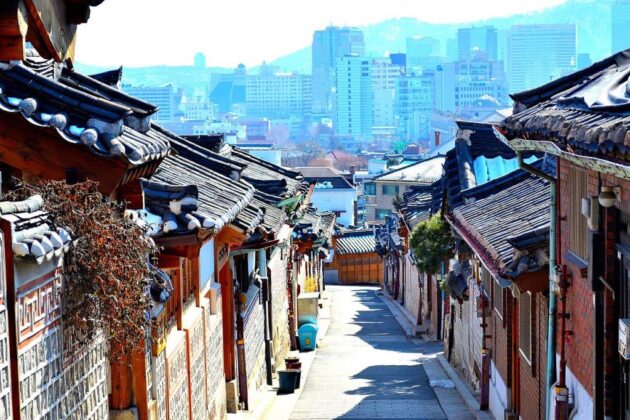
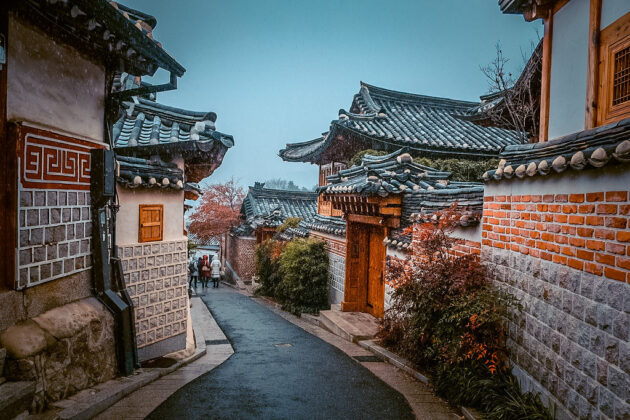
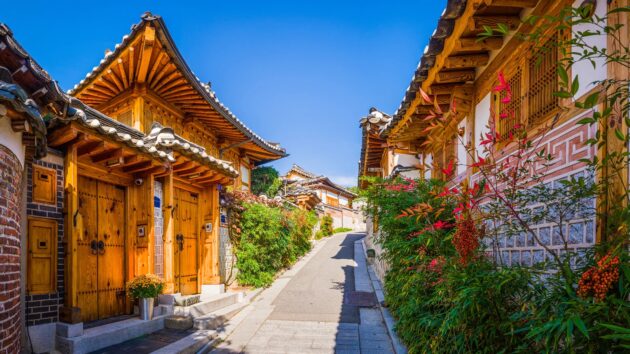
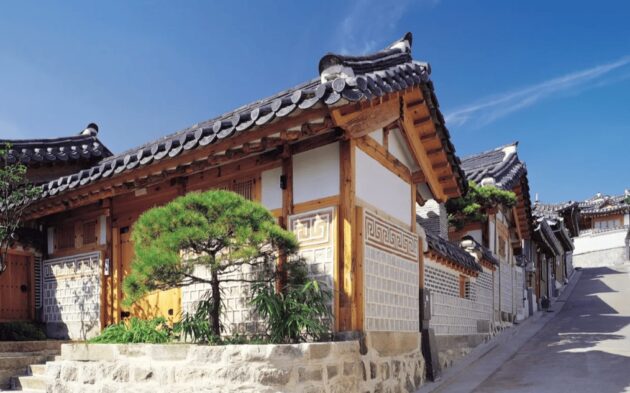
Bukchon Hanok Village (북촌한옥마을), meaning “North Village,” is one of Seoul’s most enchanting destinations. It preserves over 900 traditional Korean hanok houses nestled in a hilly residential area between Gyeongbokgung Palace and Changdeokgung Palace. Unlike purpose-built tourist villages, Bukchon is a living neighborhood where history, culture, and modern Seoul coexist. Its narrow alleys, tiled roofs, patterned walls, and courtyard homes offer a step back into Joseon Dynasty (1392–1910) life, when nobles and officials resided here.
History in Brief
Bukchon has been home to Seoul’s elite for over 600 years. Many hanoks date to the late 19th and early 20th centuries. In the 1960s–70s, rapid modernization threatened the area, but residents fought to preserve it. Today, it serves as a “street museum” blending residential life with cultural experiences.
How to Get There
Subway (Recommended): Take Line 3 to Anguk Station. Use Exit 2 or 3. The village is a 10-minute walk away.
From Gyeongbokgung Palace: Walk east (15–20 minutes).
From Changdeokgung Palace: Very close; combine both palaces with Bukchon in one day.
Taxi/Bus: Easy access, but subway is fastest in central Seoul.
Best Time to Visit
Hours: Officially 10:00 AM to sunset (some areas restrict access after 5:00 PM to respect residents).
Ideal Timing: Early morning (before 10 AM) for soft light and fewer crowds, or late afternoon (around 4:30–5:00 PM) as tour groups depart.
Best Seasons: Spring (cherry blossoms), autumn (fall foliage), or winter (snowy roofs). Avoid peak midday hours (11 AM–3 PM) on weekends/holidays.
Note on Crowds: It is popular; visit on weekdays for quieter exploration. Some residential “red zones” have a 5 PM curfew.
Top Things to Do
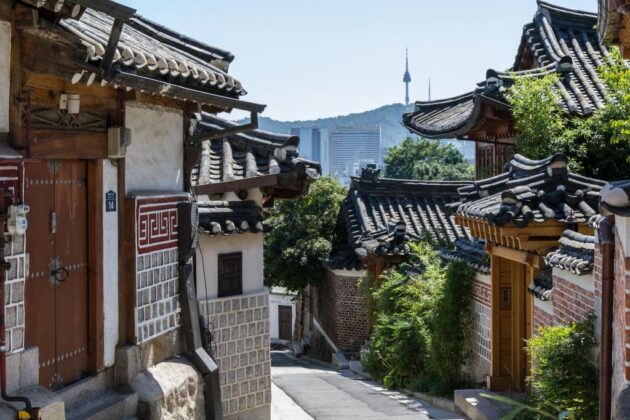
Wander the Alleys — Get intentionally lost in the maze of sloping streets. Key spots include: Bukchon-ro 11-gil (the most photographed alley with N Seoul Tower views). Gye-dong Gil (hidden gem street). Quieter paths like Bukchon-ro 12-gil.
Visit Cultural Sites: Bukchon Traditional Culture Center — Great starting point for maps, info, and exhibitions. Baek In-je’s House (a hanok museum, often free) — Excellent example of traditional architecture. Craft workshops, tea houses, and small museums.
Hanok Experiences — Try a traditional tea ceremony, wear hanbok (traditional clothing), or join a walking tour. English-speaking guides in red vests are sometimes available.
Combine with Palaces — Spend the morning at Gyeongbokgung or Changdeokgung (and its Secret Garden), then stroll into Bukchon.
Photography & Views — Capture hanok rooftops against modern Seoul skyscrapers. Rooftop cafes offer great vantage points.
Practical Tips
Respect Residents: Keep noise low, don’t litter, avoid entering private property or peeking into homes. Follow designated walking routes where posted.
Footwear & Mobility: Streets are narrow, steep, and uneven — wear comfortable shoes. Not ideal for those with severe mobility issues.
Free Entry: The village itself is free, though some attractions may have small fees.
Hanbok Rental: Rent nearby for photos (many shops near palaces).
Toilets & Facilities: Limited; use those at the Culture Center or palaces.
Over-Tourism Awareness: Stick to paths and visit responsibly to help preserve the area.
Final Thoughts
Bukchon Hanok Village beautifully captures Seoul’s soul — a perfect blend of heritage and vibrancy. Slow down, wander, and immerse yourself in the timeless charm of old Korea. Safe travels!