
Insa-dong Travel Guide (2026): Seoul’s Heart of Traditional Culture and Art
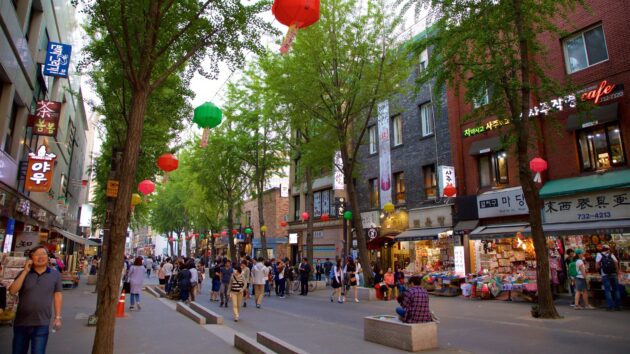
Insa-dong is one of Seoul’s most charming and culturally rich neighborhoods, located in the Jongno-gu district. Often called a “living museum” of Korean traditions, it blends historic alleyways, art galleries, traditional teahouses, handicraft shops, and street food with a vibrant, pedestrian-friendly atmosphere. It serves as a perfect introduction to Korean culture for first-time visitors, situated conveniently between major palaces and hanok villages.
How to Get There
Subway (recommended): Anguk Station (Line 3, Exit 6) is the most convenient — walk straight about 100-200m and turn left onto Insadong-gil (main street). Jonggak Station (Line 1, Exit 3) or Jongno 3-ga are also nearby.
Taxi/Bus: Easy from anywhere in central Seoul. Use apps like Kakao T or Naver Map.
From nearby sights: A short walk from Gyeongbokgung Palace, Bukchon Hanok Village, or Jogyesa Temple.
Pro tip: The main street (Insadong-gil) is largely car-free on weekends (typically Sat 2-10pm, Sun 10am-10pm), making it ideal for strolling.
Best Time to Visit
Insa-dong is enjoyable year-round, but spring (cherry blossoms) and autumn (fall foliage) offer the most pleasant weather and scenic beauty. Weekdays are less crowded than weekends. Cultural performances and street vendors are more active on weekends.
Top Things to Do
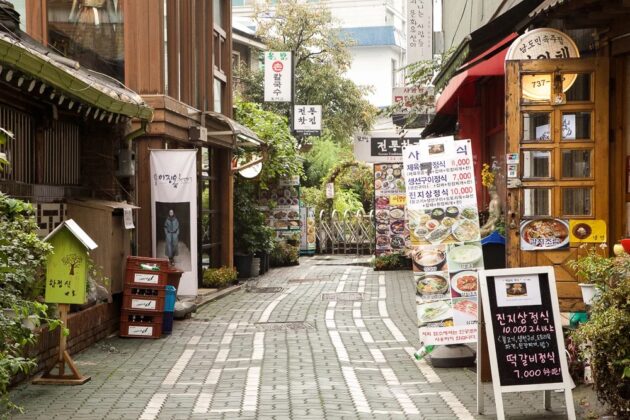
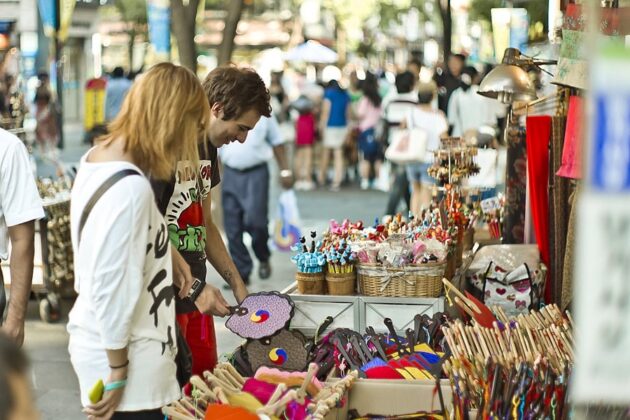
Stroll Insadong-gil and Side Alleys — The ~630m main pedestrian street is lined with shops, galleries, and performers. Wander the narrow “golmok” (alleys) for a quieter, more authentic feel with hidden teahouses and artisan studios.
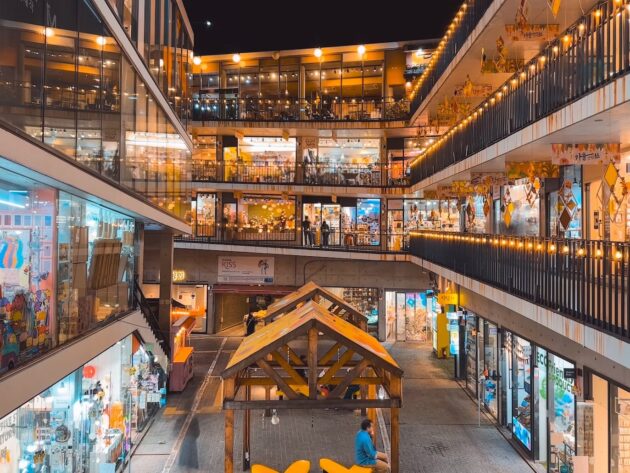
Ssamziegil Shopping Complex — A multi-level, spiral-shaped mall with unique Korean handicrafts, fashion, accessories, and a wishing wall. Great for souvenirs and photos.
Visit Jogyesa Temple — One of Seoul’s most important Buddhist temples, just a short walk away. Especially magical during Buddha’s Birthday Lantern Festival (usually May). Free entry; serene grounds open 24/7.
Explore Art Galleries — Insa-dong has dozens of galleries showcasing contemporary and traditional Korean art. Highlights include Hakgojae Gallery. Many are free or low-cost.
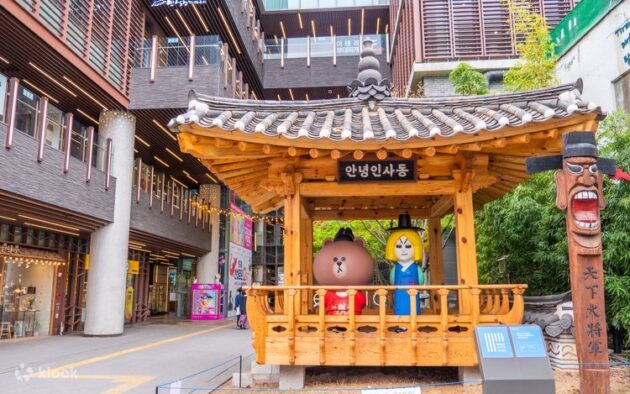
Traditional Experiences: Make your own name stamp (dojang) or try calligraphy. Browse hanji (traditional Korean paper), ceramics, pottery, and antiques. Watch street performers or join cultural events.
Nearby Highlights — Tapgol Park, Museum Kimchikan, or extend your walk to Ikseon-dong for more trendy hanok cafes.
Shopping
Insa-dong excels for unique, non-mass-produced souvenirs:
Handmade ceramics, hanji products, calligraphy supplies, Buddhist items, masks, and folk crafts.
Avoid obvious tourist traps on the main street; check back rooms or alleys for better quality.
Ssamziegil and smaller boutiques are ideal for gifts.
Food and Drink
Insa-dong offers everything from street snacks to refined Korean cuisine.
Street Food Must-Tries: Hotteok (sweet filled pancakes). Kkultarae (honey thread dessert, often called “dragon beard”). Tteok (rice cakes) and other vendor snacks.
Restaurants and Teahouses:
Traditional Teahouses — Serene spots like Jeontong Dawon or Traditional Tea House Insa-dong for herbal teas in hanok settings.
Bib Gourmand picks — A Flower Blossom on the Rice (eco-friendly Korean).
Temple Cuisine — Balwoo Gongyang (Michelin-starred Buddhist vegetarian food near Jogyesa).
Classic — Imun Seolnongtang (oldest restaurant in Korea, mild beef soup).
Cafes abound for bingsu (shaved ice), coffee, or hanok vibes.
Practical Tips
Wear comfortable shoes — Lots of walking on uneven streets.
Cash/Card — Most places accept cards, but small vendors may prefer cash.
Language — English menus/signs are common, but learning basic Korean phrases helps.
Crowds — Peak times are afternoons and weekends; go early or late for fewer people.
Combine with — Gyeongbokgung Palace in the morning, then Insa-dong in the afternoon/evening.
Accessibility — Main street is mostly flat and pedestrianized, but some alleys are narrow.
Final Thoughts
Insa-dong perfectly captures Seoul’s blend of old and new. Take your time, sip tea in a hanok, browse galleries, and savor the street food — it’s one of the most enjoyable ways to experience Korean heritage.