

Humayun’s Tomb Travel Guide (2026)
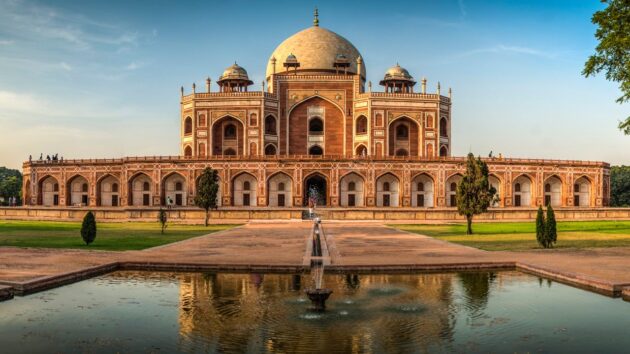
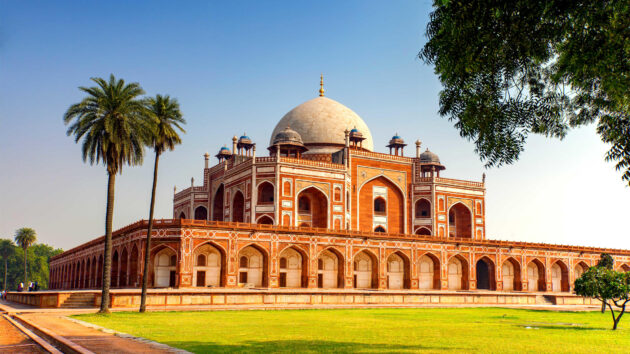
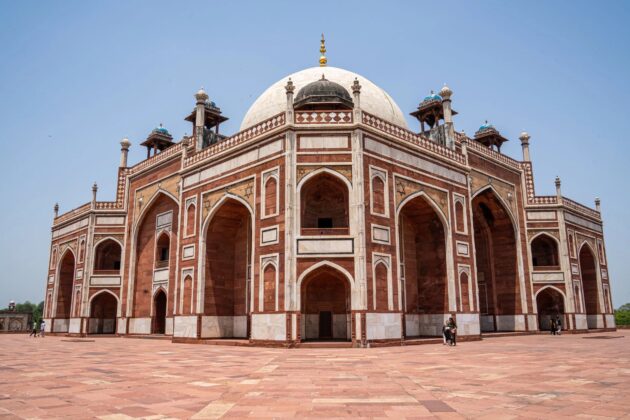
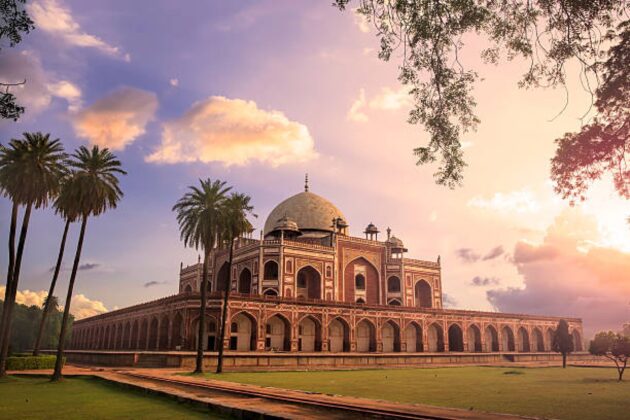
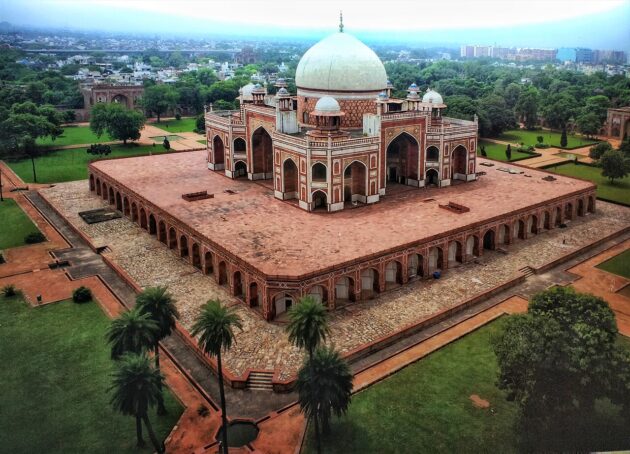
Humayun’s Tomb is one of Delhi’s most magnificent UNESCO World Heritage Sites and a masterpiece of Mughal architecture. Built between 1565 and 1572 by Empress Bega Begum (Humayun’s widow), it is the first garden-tomb on the Indian subcontinent and served as a major inspiration for the Taj Mahal nearly a century later. The grand red sandstone and white marble structure, set within beautifully laid-out Charbagh (four-part) gardens, offers a serene escape from the bustling streets of Delhi while showcasing early Mughal symmetry, domes, and intricate detailing.
Why Visit Humayun’s Tomb?
It represents a pivotal evolution in Mughal tomb design, blending Persian and Indian architectural elements.
The expansive gardens, water channels, and surrounding smaller tombs (including Isa Khan’s Tomb) create a peaceful, photogenic atmosphere.
As a UNESCO site, it provides deep historical insight into the Mughal Empire and is far less crowded than the Taj Mahal or Red Fort.
Nearby attractions like Sunder Nursery, Hazrat Nizamuddin Dargah, and Purana Qila make it ideal for a half-day cultural exploration.
How to Get There
Humayun’s Tomb is located in Nizamuddin East, central-southeast Delhi.
By Metro (Recommended for Budget Travelers): The closest stations are JLN Stadium (Violet Line) or Jangpura (Violet Line). From either, take an auto-rickshaw or taxi for the short 1.5–2 km ride (₹20–50). Walking is possible but not advised in summer heat.
By Taxi / Uber / Ola: The most convenient option. From Indira Gandhi International Airport (DEL), the journey takes 40–60 minutes (≈19 km) depending on traffic. From major areas like Connaught Place or South Delhi, it’s usually 30–50 minutes.
By Train: Hazrat Nizamuddin Railway Station is only about 2–3 km away.
Pro tip: Delhi traffic can be heavy, so plan extra time during peak hours (morning and evening rush).
Best Time to Visit
Opening Hours: Daily from sunrise (around 6:00 AM) to sunset (around 6:00–7:30 PM, depending on the season). Last entry is typically 30 minutes before closing. The site remains open all days with no weekly closures.
Best Season: October to March (winter and early spring), when Delhi’s weather is pleasant (15–25°C / 59–77°F). Avoid peak summer (April–June) due to extreme heat.
Best Time of Day: Early morning (sunrise to 9 AM) for golden light, fewer crowds, and cooler temperatures. Late afternoon offers beautiful soft light for photography.
Entry Fees & Tickets
Indian Nationals / SAARC Citizens: ₹35–50 per person
Foreign Tourists: ₹550–600 per person (sometimes slightly higher at the gate; online options may be cheaper)
Children under 15: Free
Video Camera: Additional small fee (still photography with phones/cameras is usually free)
Separate tickets may apply for the on-site Humayun’s Tomb Museum (₹50 for Indians, ₹300 for foreigners) and integrated tickets for the broader World Heritage Site (including Sunder Nursery).
Tickets are available at the entrance (separate queues for Indians and foreigners). Guided tours or skip-the-line options can be booked via platforms like GetYourGuide or Viator for a smoother experience.
What to See & Do
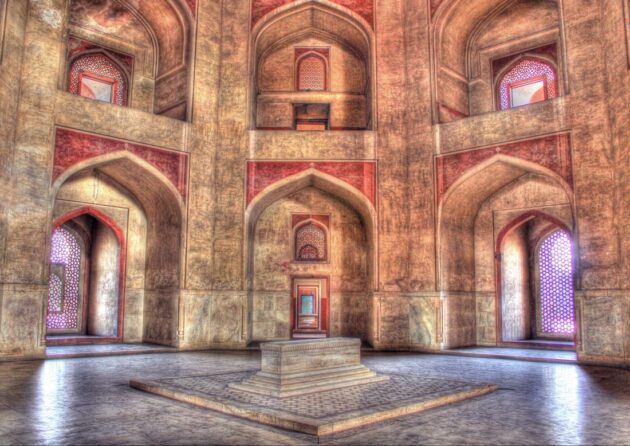
Main Tomb: Climb the stairs to admire the massive double dome and intricate marble inlay work. Inside, you’ll find Humayun’s cenotaph (the actual grave is in the lower chamber).
Charbagh Gardens: Stroll through the symmetrical Persian-style gardens with fountains and pathways — perfect for peaceful walks and photos.
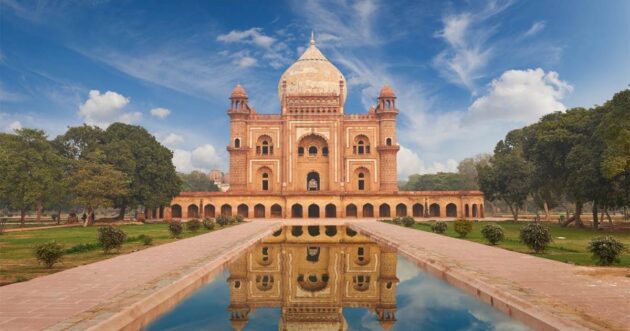
Isa Khan’s Tomb: A beautiful octagonal tomb within the complex, built earlier than Humayun’s.
Humayun’s Tomb Museum: Explore over 500 Mughal-era artifacts if time permits (note: closed on Mondays).
Photography: The site is highly photogenic. Best spots include the back corners in the morning, reflections in the water channels, and wide-angle shots of the gardens with the tomb in the background.
Allow 1.5–3 hours for a relaxed visit.
What to Bring & Practical Tips
Dress Code: Modest clothing — cover shoulders and knees (light scarf or cardigan works well). Comfortable walking shoes are essential as you’ll walk on uneven surfaces and stairs.
Essentials: Plenty of water, sunscreen, hat, and sunglasses. Delhi can be dusty and hot.
Photography Rules: Still photography is generally allowed. Avoid climbing structures or taking photos of security-sensitive areas. Drones usually require special permission.
Respect Local Customs: The site is a historical monument; maintain a respectful tone, especially near any prayer or quiet areas. Be cautious of unsolicited “selfie seekers.”
Accessibility: Some areas have stairs; wheelchairs may have limited access.
Food & Facilities: Limited options inside — carry snacks or eat at nearby restaurants in Nizamuddin or Lodi Colony. Restrooms are available.
Nearby Attractions
Sunder Nursery — Beautiful restored gardens right next door.
Hazrat Nizamuddin Dargah — A vibrant Sufi shrine famous for qawwali music (evenings are magical).
Purana Qila (Old Fort) — Just a short distance away.
Lodi Gardens — Another peaceful green space with tombs (10–15 minutes by taxi).
Where to Stay
For convenience, choose hotels in South Delhi (Lodi Colony, Defence Colony) or central areas like Connaught Place. Options range from luxury (The Oberoi, Taj) to budget guesthouses and boutique stays near Nizamuddin.
Final Thoughts
Humayun’s Tomb is a serene highlight of any Delhi itinerary, blending history, architecture, and tranquility. Visit early to soak in its timeless beauty before the city fully wakes up.
Safe travels and enjoy this Mughal masterpiece!