
Delhi Travel Guide (2026)
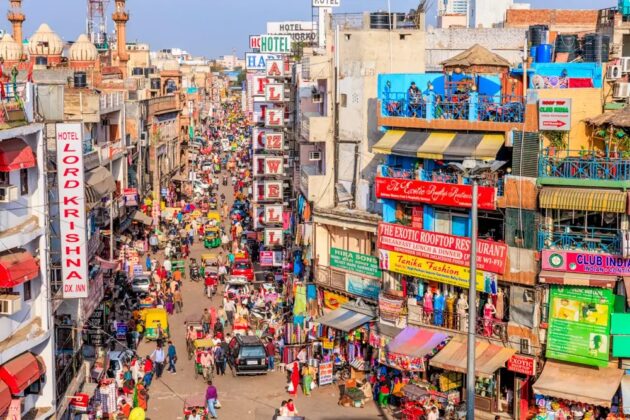
Delhi, the vibrant capital of India, is a city where ancient history collides with modern energy. Home to over 20 million people, it seamlessly blends Mughal-era monuments, bustling bazaars, serene temples, and British colonial architecture. As the starting point for many travelers exploring the Golden Triangle (Delhi–Agra–Jaipur), Delhi offers a chaotic yet captivating introduction to India’s rich culture, cuisine, and heritage. Whether you’re drawn to UNESCO World Heritage Sites or the flavors of street food, Delhi rewards those who embrace its intensity.
Why Visit Delhi?
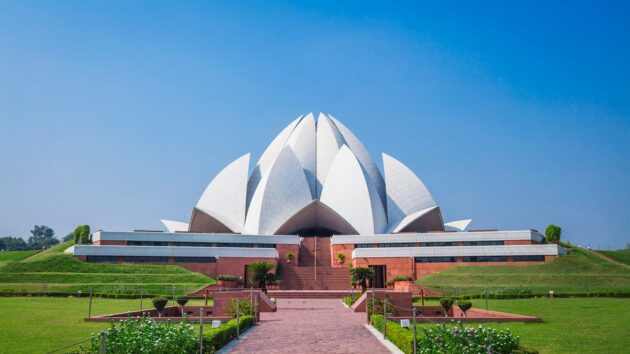
Delhi is divided into Old Delhi (historic, crowded, and soulful) and New Delhi (planned, green, and monumental). It boasts multiple UNESCO sites, world-class museums, spiritual landmarks, and some of India’s best food scenes. From the majestic Red Fort to the peaceful Lotus Temple, the city showcases layers of history spanning over 1,000 years. It’s also a gateway to the Taj Mahal in Agra (just a few hours away by train or car).
Best Time to Visit
The ideal time to visit Delhi is October to March, when the weather is cool and pleasant (daytime temperatures typically range from 10°C/50°F to 25°C/77°F). This period avoids the extreme summer heat (April–June, often exceeding 40°C/104°F) and the monsoon rains (July–September).
Peak Season (November–February): Coolest months with clear skies, but expect higher crowds and prices. Winter mornings can be foggy, and air pollution may spike in November–December.
Shoulder Months (October & March): Fewer crowds, pleasant weather, and major festivals like Diwali (October/November – festival of lights) and Holi (March – festival of colors).
Avoid: Summer for unbearable heat; monsoon for heavy rains and potential flooding.
Note: Delhi’s air quality can be poor in winter due to pollution and crop burning. Check the Air Quality Index (AQI) before outdoor plans and consider N95 masks if sensitive.
How to Get There
By Air: Indira Gandhi International Airport (DEL) is well-connected with direct flights from major global cities. It’s modern and efficient; use the metro or pre-paid taxis/Uber to reach the city center (about 30–60 minutes depending on traffic).
By Train: Delhi has major stations like New Delhi Railway Station (NDLS) and Hazrat Nizamuddin (NZM). High-speed trains connect to Agra and Jaipur.
By Road: Buses and taxis from nearby cities; however, traffic is notoriously heavy.
Getting Around Delhi
Delhi’s traffic is chaotic, so plan extra time.
Delhi Metro: Clean, affordable (₹10–60 per ride), and extensive. It’s the best way to avoid road congestion. Runs from ~4:45 AM to 11:30 PM.
Ride-Hailing Apps: Uber and Ola are widely used for cars and auto-rickshaws. They offer fixed pricing and are safer than street haggling.
Auto-Rickshaws & Taxis: Use apps or negotiate firmly. Avoid unmarked taxis.
Walking & Cycling: Feasible in areas like Connaught Place or Lodhi Gardens, but not ideal for long distances.
Pro Tip: Download the Delhi Metro app and Google Maps offline. Hire a driver for a full day if visiting multiple sites.
Top Things to Do & Must-See Attractions
Red Fort (Lal Qila)
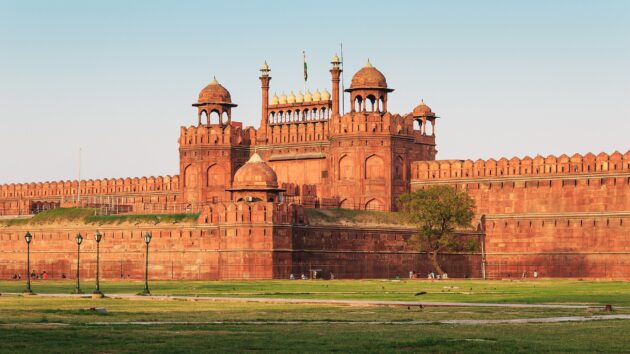
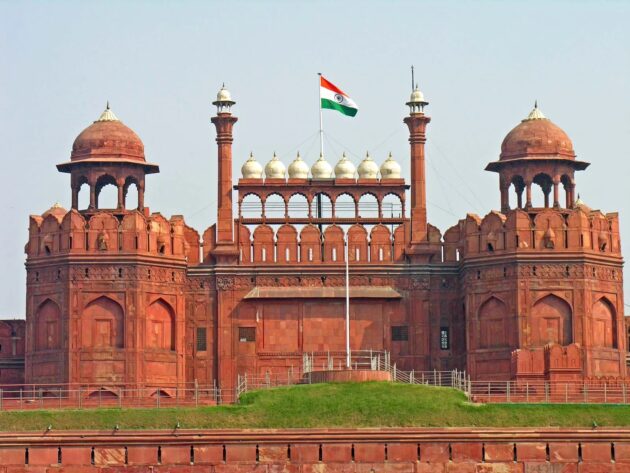
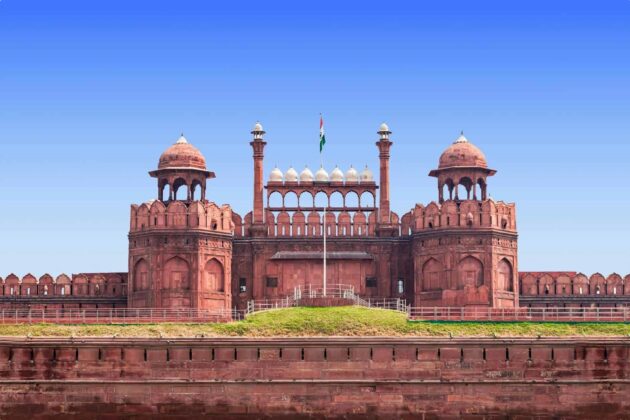
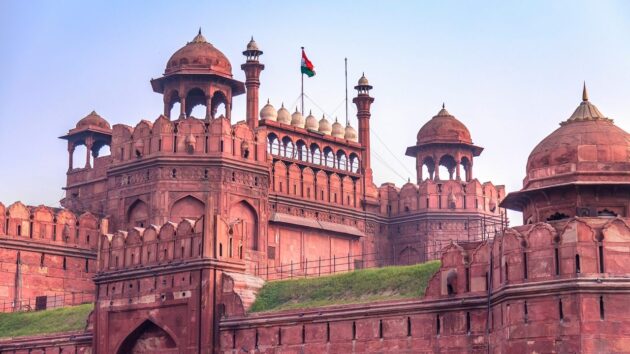
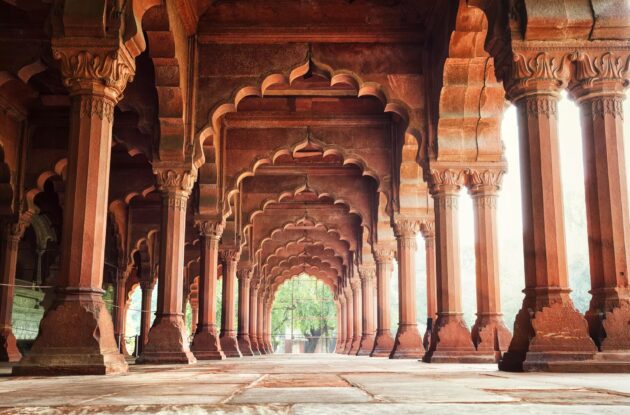
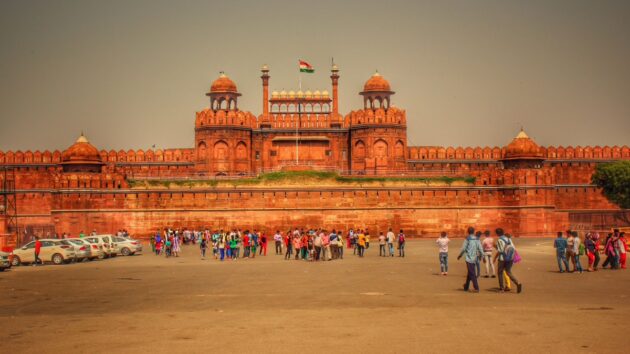
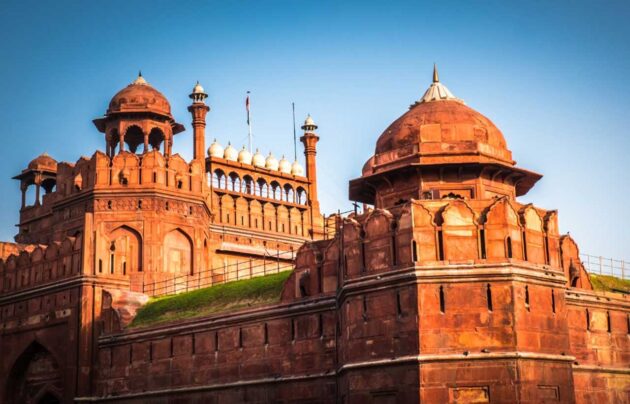
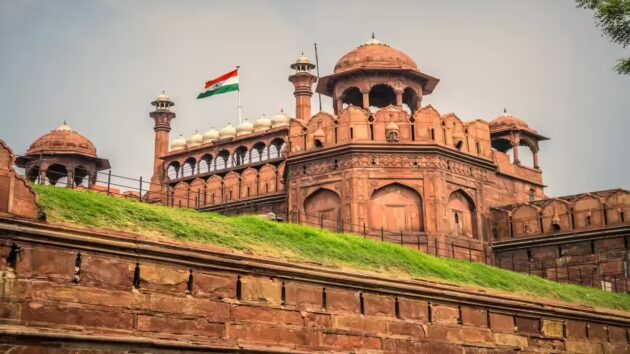
The Red Fort, also known as Lal Qila, is one of India’s most iconic landmarks and a UNESCO World Heritage Site. Built in the 17th century by Mughal Emperor Shah Jahan, this massive red sandstone fortress served as the main residence of Mughal emperors for nearly 200 years. Its imposing walls, elegant marble palaces, grand halls, and lush gardens offer a glimpse into the grandeur of the Mughal Empire.
Jama Masjid
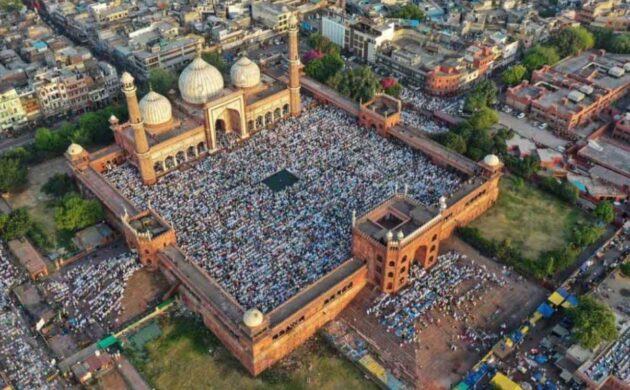
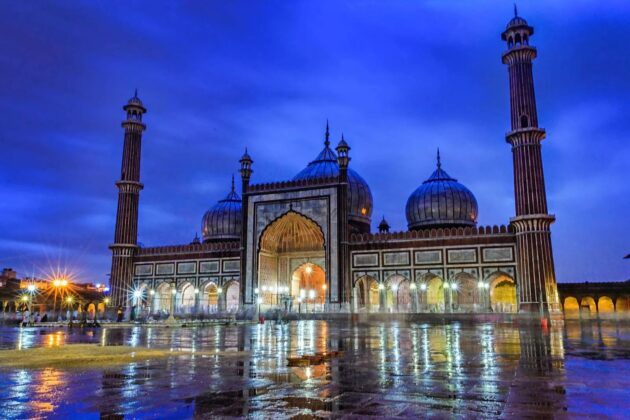
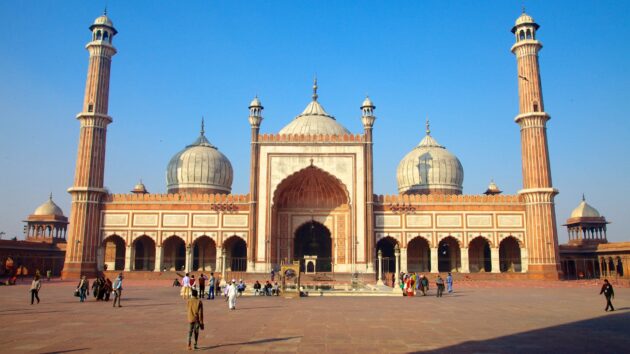
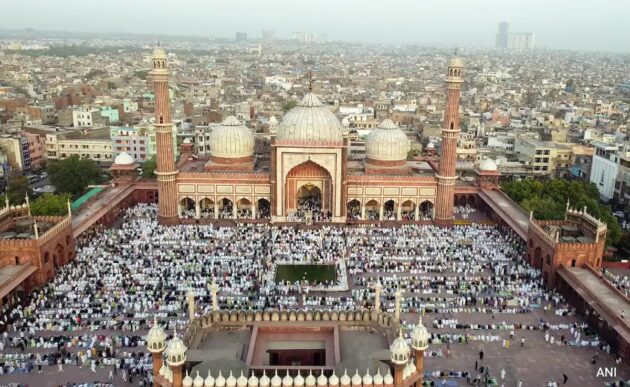
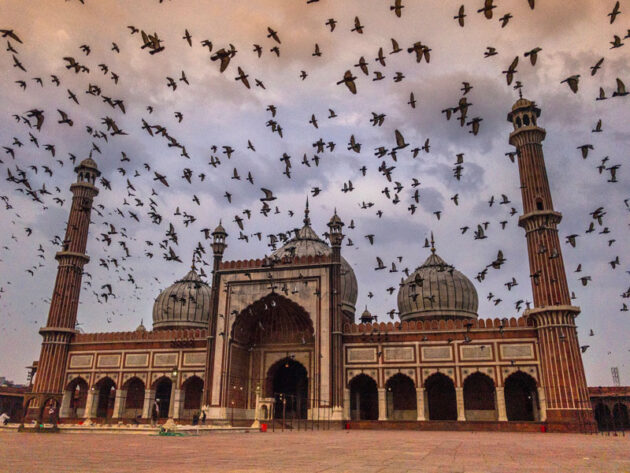
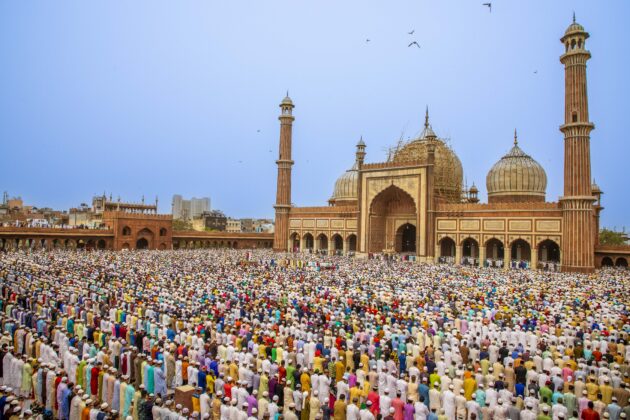
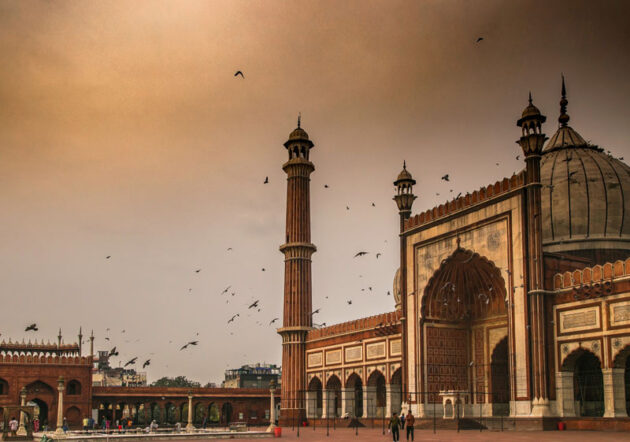
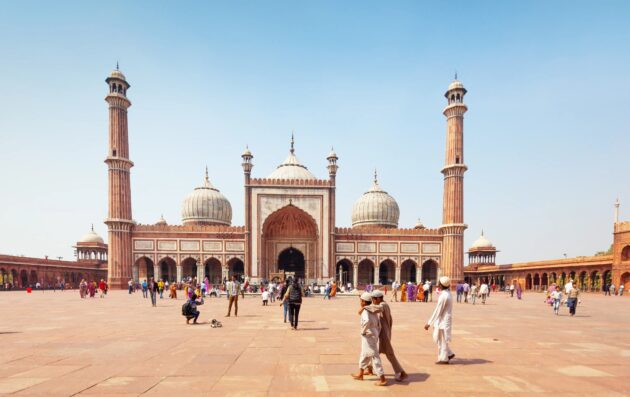
Jama Masjid (Masjid-i-Jehan-Numa, or “World-reflecting Mosque”) is the largest mosque in India. Mughal Emperor Shah Jahan commissioned it, and it was completed in 1656. It can accommodate up to 25,000 worshippers and stands as a masterpiece of Mughal architecture with red sandstone domes, white marble accents, three grand gateways, and two towering minarets.
Humayun’s Tomb
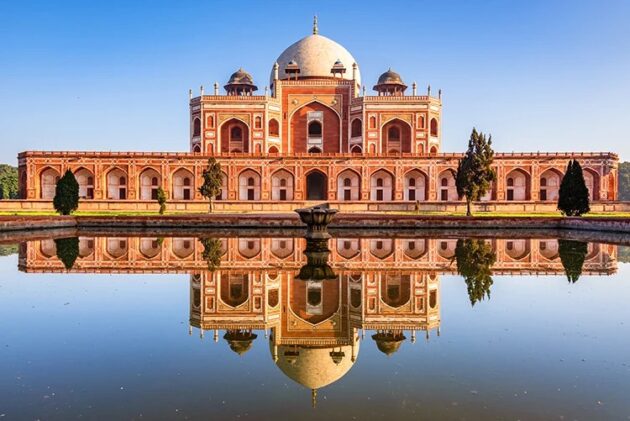
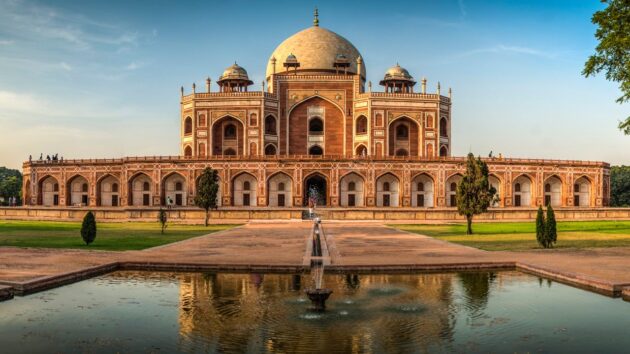
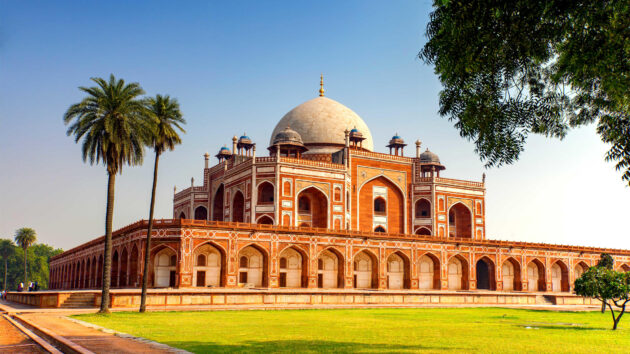
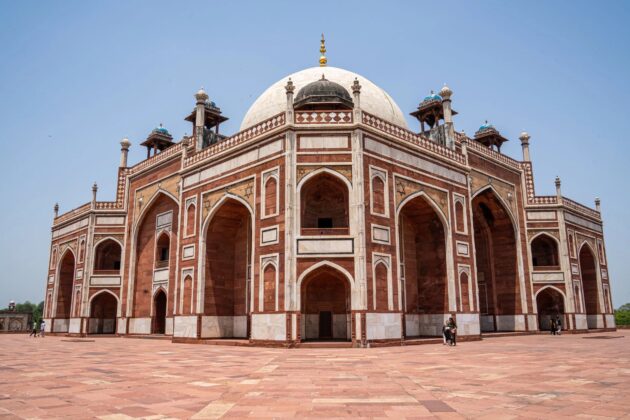
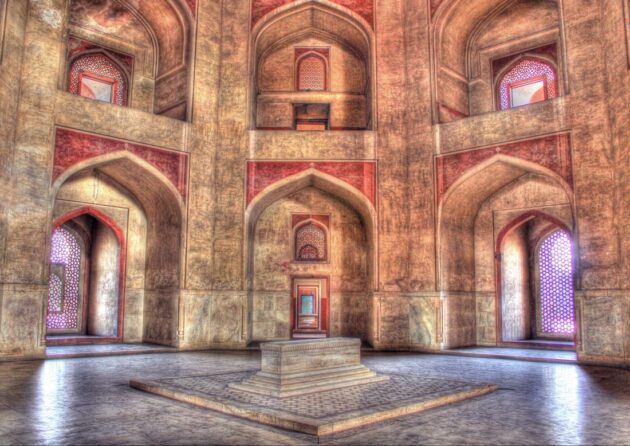
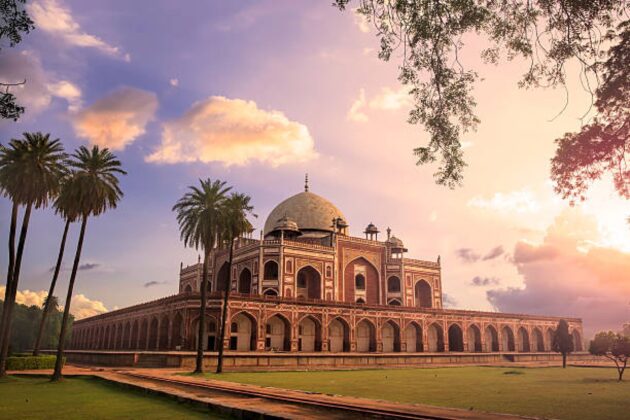
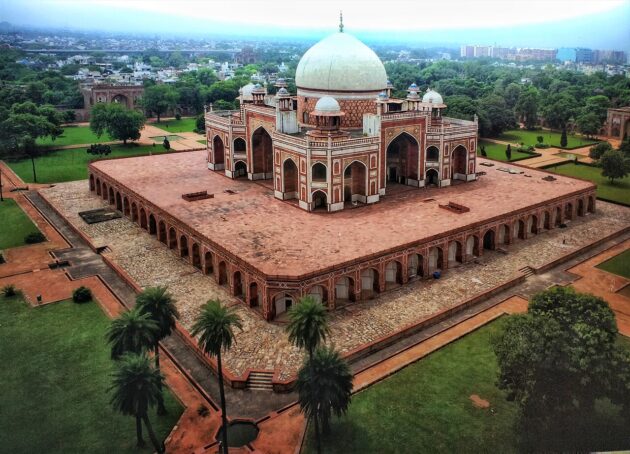
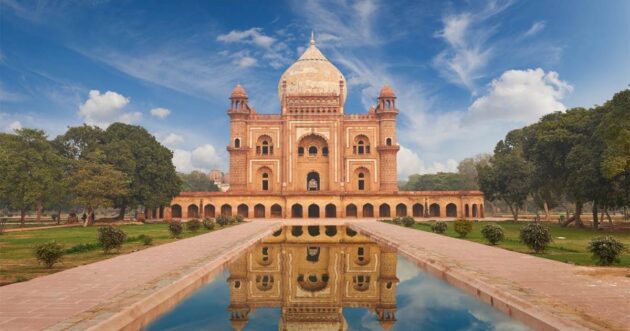
Humayun’s Tomb is one of Delhi’s most magnificent UNESCO World Heritage Sites and a masterpiece of Mughal architecture. Built between 1565 and 1572 by Empress Bega Begum (Humayun’s widow), it is the first garden-tomb on the Indian subcontinent and served as a major inspiration for the Taj Mahal nearly a century later.
Qutub Minar
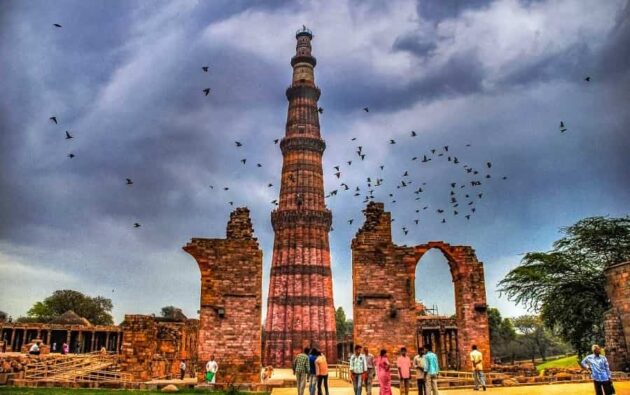
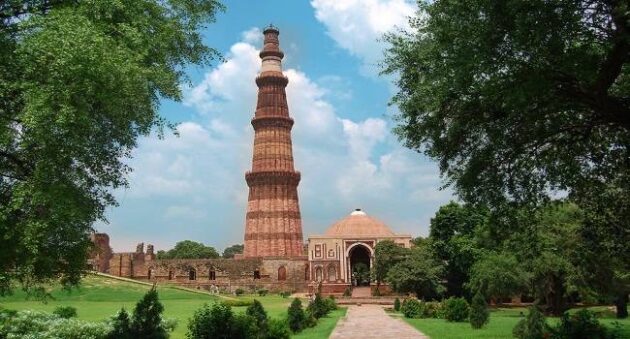
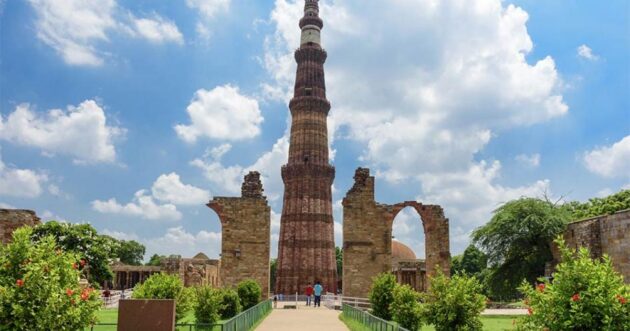
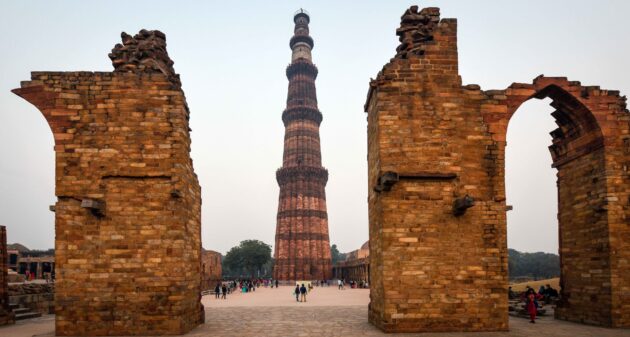
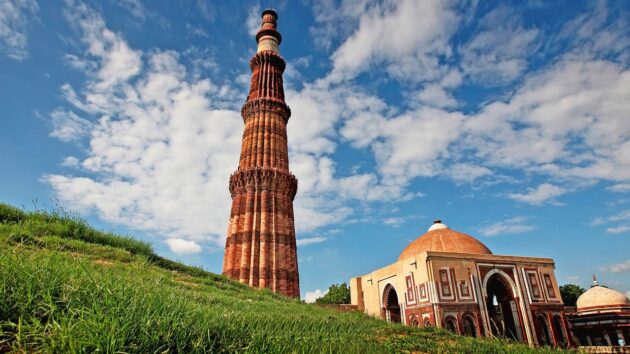
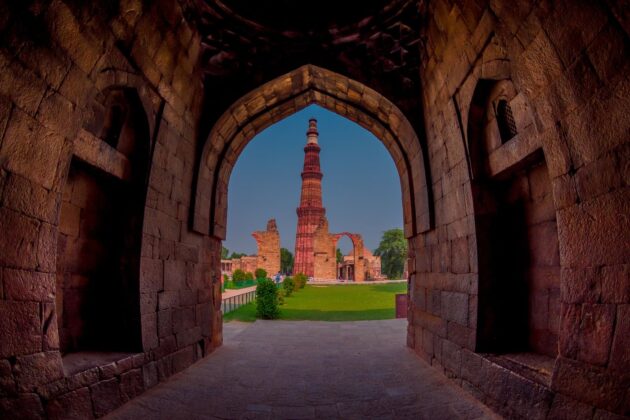
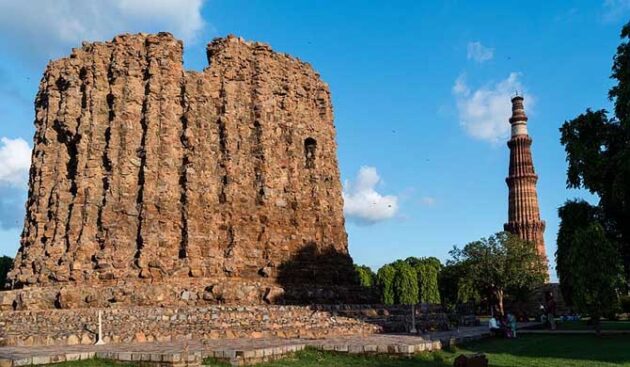
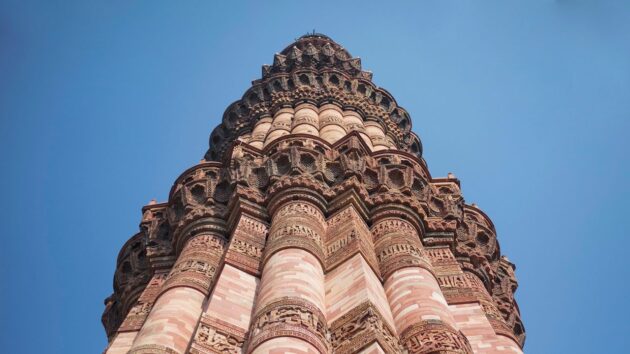
Qutb Minar (also spelled Qutub Minar), located in the Mehrauli area of South Delhi, is one of India’s most iconic historical landmarks and a UNESCO World Heritage Site. This towering 72.5-meter (238-foot) minaret, built in the early 13th century, showcases stunning Indo-Islamic architecture with intricate carvings, red sandstone, and marble.
Lodhi Gardens
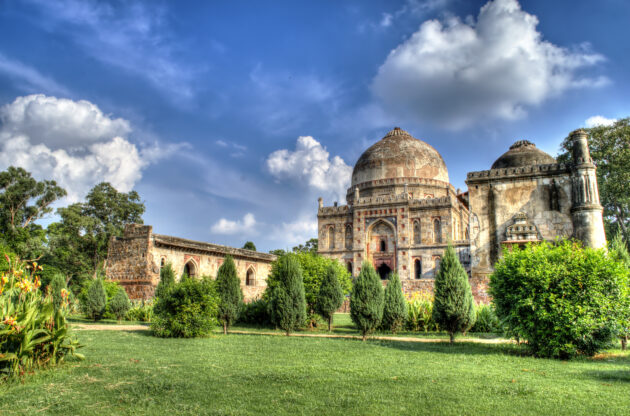
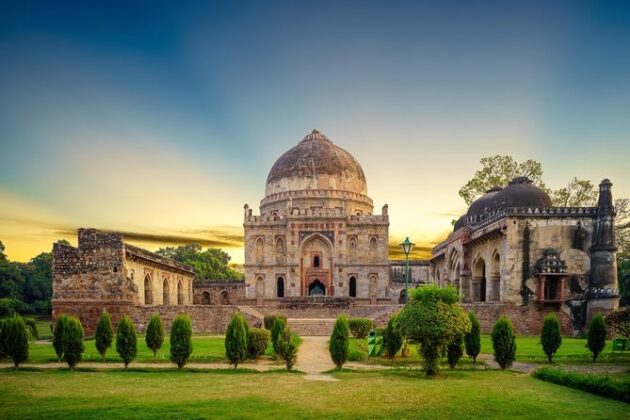
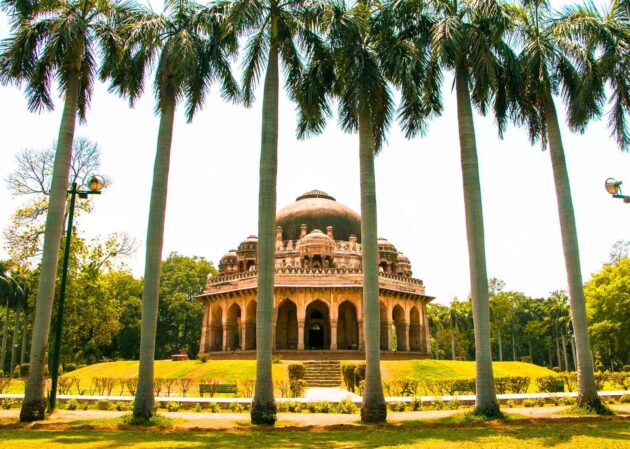
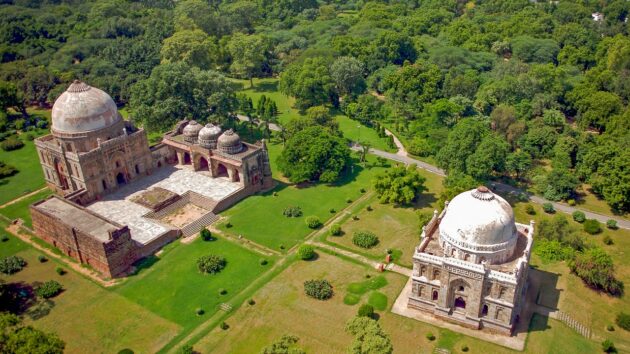
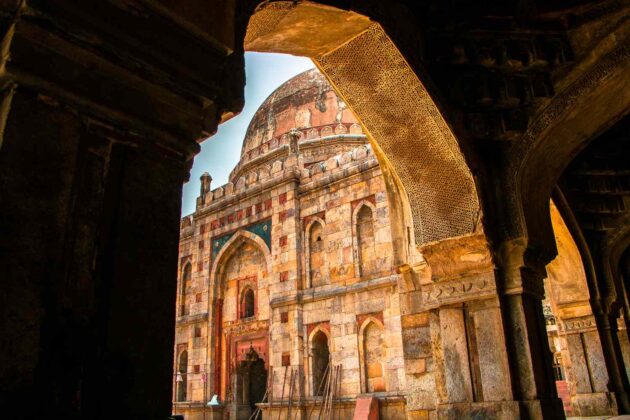
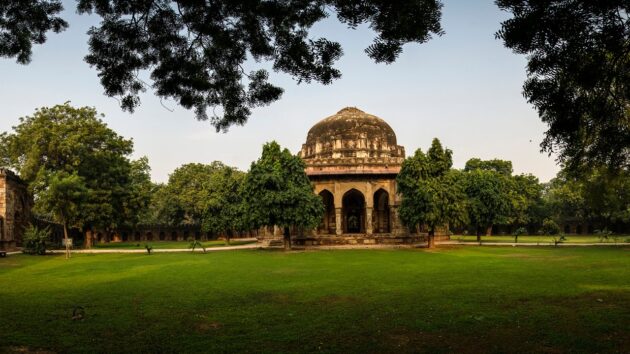
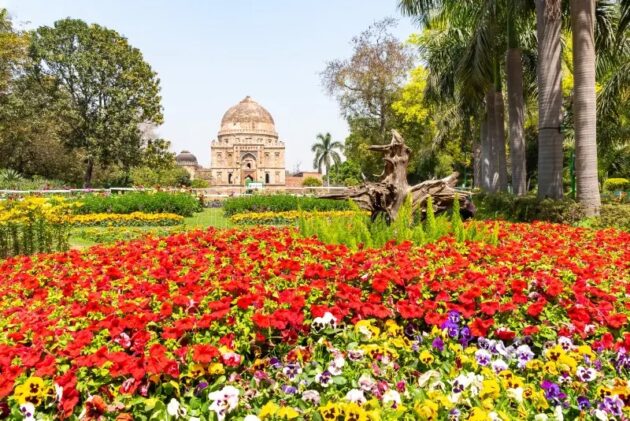
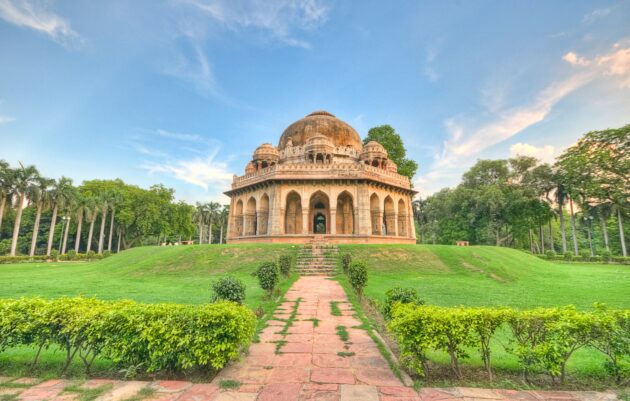
Lodhi Garden (also spelled Lodi Garden) is one of Delhi’s most beloved urban oases, blending lush greenery, historical monuments, and a peaceful atmosphere in the heart of the city. Spanning about 90 acres in Lutyens’ Delhi, this landscaped park features 15th- and 16th-century tombs and structures from the Sayyid and Lodi dynasties of the Delhi Sultanate.
Food in Delhi
Delhi is a paradise for food lovers. Must-try dishes include:
Street Food: Chole bhature, parathas (at Paratha Wali Gali in Chandni Chowk), pani puri, and seekh kebabs.
Fine Dining: Butter chicken, biryani, and dal makhani at iconic spots like Karim’s or Bukhara.
Sweets: Jalebi, gulab jamun, and kulfi.
Safety Note on Street Food: Choose busy stalls with high turnover where food is cooked fresh in front of you. Avoid raw salads, cut fruits, and chutneys made with tap water. Drink only bottled water (Bisleri, Aquafina). Start slow if your stomach isn’t used to spices. Consider a guided street food tour for safer exploration.
Where to Stay
Old Delhi / Chandni Chowk: Budget guesthouses and heritage hotels for an authentic vibe.
New Delhi / Connaught Place: Convenient mid-range hotels with easy metro access.
South Delhi (Aerocity or Hauz Khas): Modern luxury hotels, closer to the airport and upscale areas.
Popular options: The Oberoi, Taj hotels, or budget-friendly spots via Airbnb.
Book in advance during peak season (Oct–Mar).
Practical Tips
Currency & Payments: Indian Rupees (INR). Cards are widely accepted in tourist areas, but carry cash for markets and street vendors.
Dress Code: Modest clothing at religious sites (cover shoulders and knees). Comfortable shoes for walking on uneven surfaces.
Safety: Delhi is generally safe for tourists in main areas, but exercise caution. Avoid walking alone at night, especially women. Use ride apps, don’t accept food/drinks from strangers, and be wary of scams (e.g., overcharging taxis or “friendly” guides). High caution is advised due to petty crime and occasional harassment.
Health: Get travel insurance. Consider vaccinations (hepatitis A, typhoid). Delhi Belly is common—carry rehydration salts and probiotics.
Etiquette: Bargain in markets (start at half the quoted price). Remove shoes at temples. Tipping is appreciated but not always expected.
Sustainability: Use reusable water bottles with purification if possible; avoid single-use plastics.
Final Thoughts
Delhi is intense, colorful, and unforgettable—a city that challenges and enchants in equal measure. Embrace the chaos, respect local customs, and you’ll leave with stories of grand monuments, flavorful feasts, and the warmth of its people. Combine your visit with Agra and Jaipur for the classic Golden Triangle experience.
Safe travels and enjoy the incredible energy of Delhi! 🇮🇳