
Jama Masjid Travel Guide (2026)
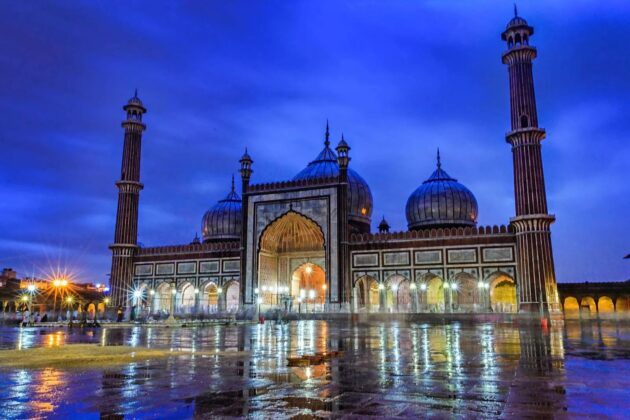
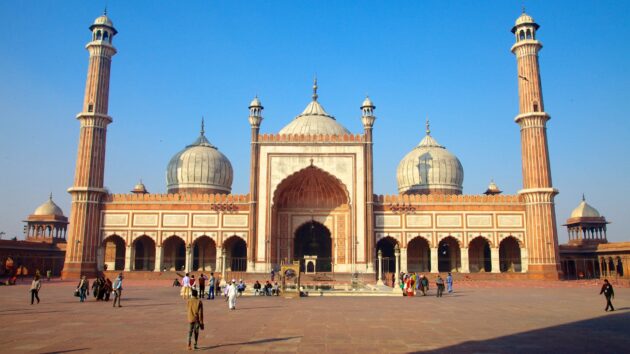
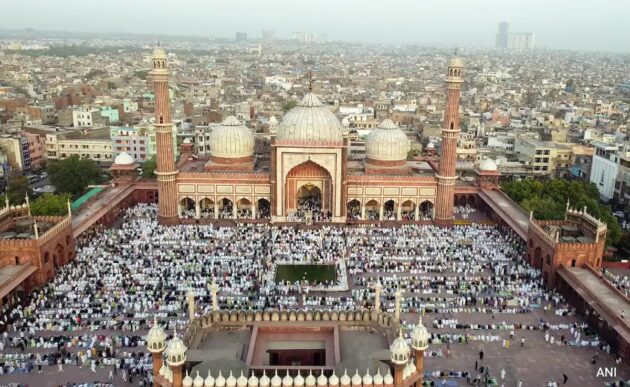
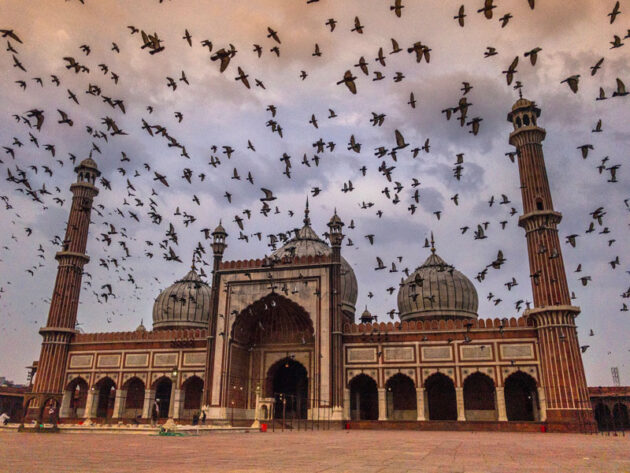
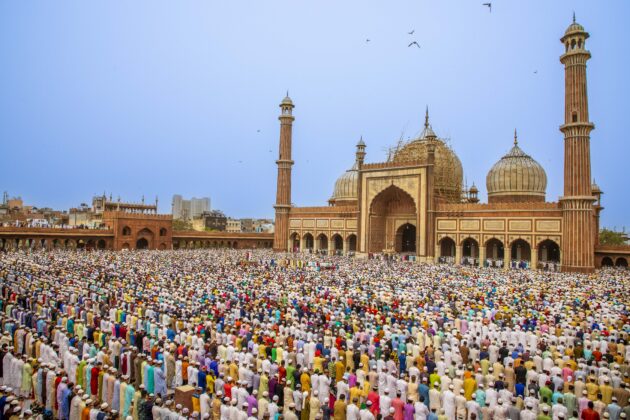
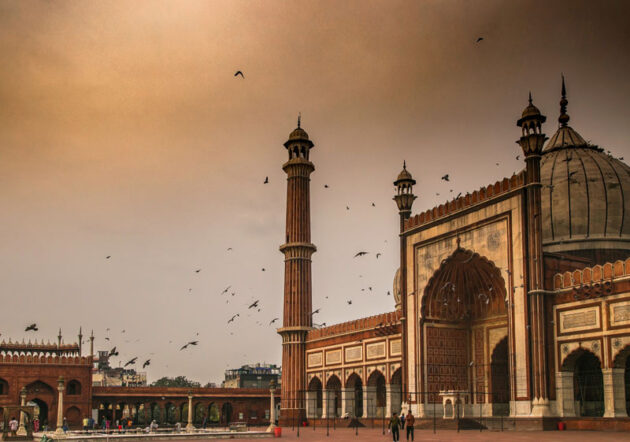
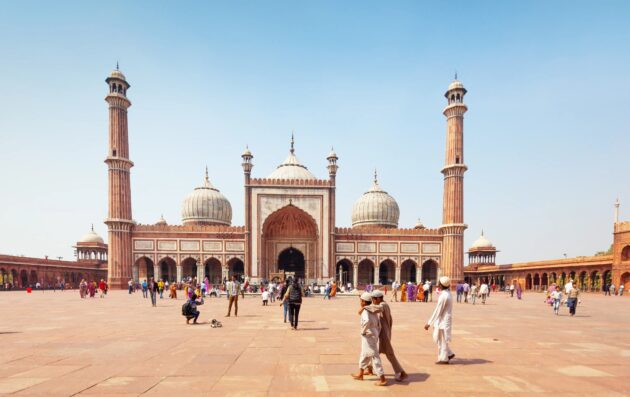
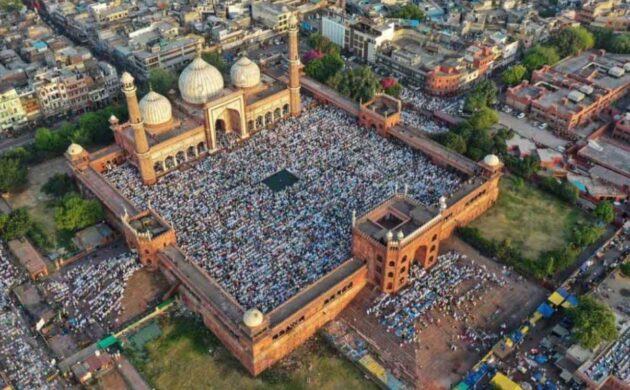
Jama Masjid (Masjid-i-Jehan-Numa, or “World-reflecting Mosque”) is the largest mosque in India. Mughal Emperor Shah Jahan commissioned it, and it was completed in 1656. It can accommodate up to 25,000 worshippers and stands as a masterpiece of Mughal architecture with red sandstone domes, white marble accents, three grand gateways, and two towering minarets.
The vast courtyard offers stunning views of Old Delhi, especially from the southern minaret. It remains an active place of worship, blending spiritual serenity with historical grandeur in the heart of chaotic Old Delhi.
How to Get There
Jama Masjid is located in Old Delhi (Shahjahanabad), opposite the Red Fort and near Chandni Chowk.
By Metro (Recommended): Jama Masjid station (Violet Line) — closest, short walk. Chawri Bazaar station (Yellow Line) — also convenient, about 8–12 minutes walk through lively lanes.
By Taxi/Auto-Rickshaw/Uber: Easy from Connaught Place (15–20 minutes), Red Fort (very short), or New Delhi Railway Station. Cycle rickshaws work well for navigating narrow Old Delhi streets.
Walking: Ideal if combining with Red Fort or Chandni Chowk.
Best Time to Visit
October to March — pleasant weather (cooler days, less heat).
Daily opening hours (approximate, confirm locally as they can vary): 7:00 AM – 12:00 PM and 1:30 PM – 6:30 PM. Non-Muslims are generally not allowed during prayer times, especially Friday Jumma prayers around noon.
Visit early morning or late afternoon for softer light, fewer crowds, and better photos. Avoid midday heat in summer.
The mosque closes to tourists after sunset (only devotees for Isha prayer).
What to Expect and See
Enter mainly through Gate 3 (Northern Gate).
Explore the expansive courtyard paved with red sandstone, the main prayer hall with intricate marble inlay, and the three domes.
Climb the southern minaret (121 steep steps) for panoramic views over Old Delhi, Red Fort, and beyond (small additional fee; not suitable for everyone due to narrow stairs).
Admire the symmetry, calligraphy, and Mughal design details.
Spending 1–2 hours is sufficient, including the minaret climb.
Entry Fees and Practical Info
Entry — Free for Indian nationals; foreigners may pay ₹300–₹500 (varies by source; check on-site). Camera fee for professional gear is often around ₹300 (mobile phone photography is usually free).
Minaret climb — Small additional fee (approx. ₹100).
Shoes — Remove shoes before entering (pay a small fee for storage or bring socks/disposable slippers, as the ground can get hot).
Dress Code (Strictly Enforced): Dress modestly — cover shoulders, chest, and knees. Women may need to wear a headscarf and a provided robe/gown (often complimentary or ₹50 rental at the gate). Men should wear long trousers (no shorts). These rules show respect for an active place of worship.
Tips for Visitors
Respect prayer times and maintain silence inside the prayer areas.
Photography is allowed in the courtyard but avoid intrusive shots of worshippers; some areas may restrict filming.
Be cautious of touts near entrances offering “guides” or inflated fees — official entry is straightforward.
Bring water, wear comfortable shoes for walking/climbing, and carry cash for small fees.
Women visiting alone or in groups: The site welcomes female visitors, but follow dress code strictly.
Combine your visit with a heritage walk or rickshaw ride through Old Delhi for a fuller experience.
Nearby Attractions and Experiences
Red Fort (Lal Qila) — Just across the road.
Chandni Chowk — Iconic bustling market street for street food and shopping.
Kinari Bazaar, Dariba Kalan, Nai Sarak — For jewelry, spices, and traditional goods.
Food Heaven: Try legendary Mughlai dishes nearby — Karim’s (famous kebabs, biryani, mutton), Al Jawahar, Qureshi Kebab Corner, Aslam Chicken (butter chicken), or fried fish/chicken spots. Old Delhi street food is a highlight, but choose hygienic places.
Where to Stay
For convenience, stay in Old Delhi (budget guesthouses or heritage havelis) or nearby areas like Paharganj, Connaught Place, or New Delhi. Options range from luxury hotels to affordable Airbnbs with easy access to the mosque.
Final Thoughts
Jama Masjid offers a profound mix of history, architecture, and living culture. Visit with respect, embrace the energy of Old Delhi, and enjoy one of India’s most majestic monuments. Plan ahead for timings and dress code to make your experience smooth and memorable.
Safe travels!