


Red Fort (Lal Qila) Comprehensive Travel Guide (2026)
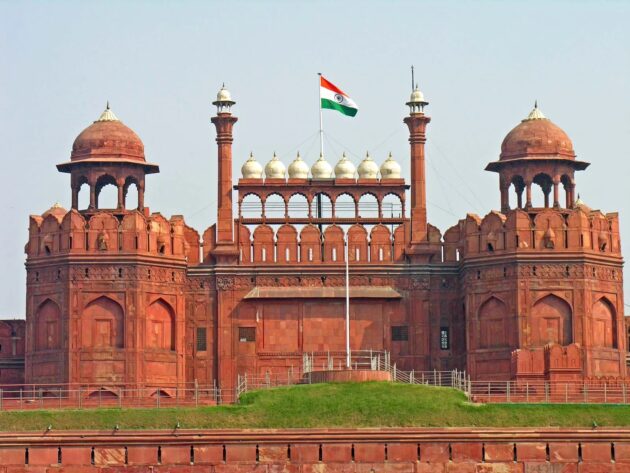
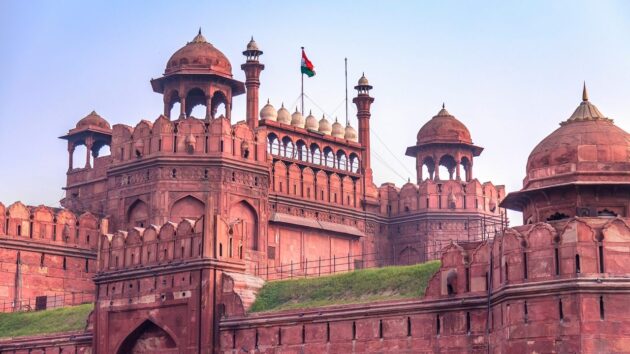
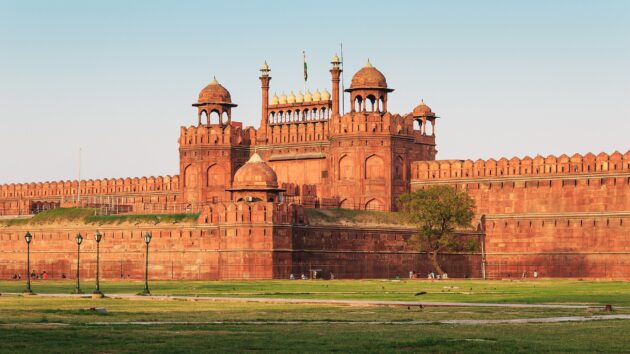
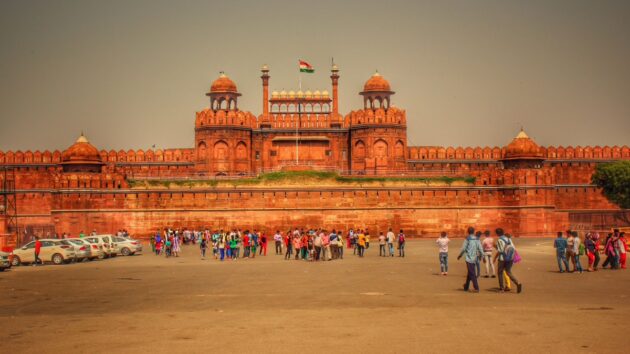
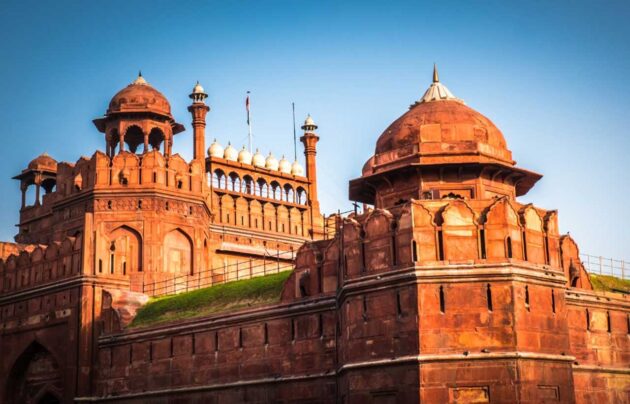
The Red Fort, also known as Lal Qila, is one of India’s most iconic landmarks and a UNESCO World Heritage Site. Built in the 17th century by Mughal Emperor Shah Jahan, this massive red sandstone fortress served as the main residence of Mughal emperors for nearly 200 years. Its imposing walls, elegant marble palaces, grand halls, and lush gardens offer a glimpse into the grandeur of the Mughal Empire. Located in the heart of Old Delhi, the Red Fort is a must-visit for history lovers, architecture enthusiasts, and anyone exploring Delhi’s rich heritage.
Why Visit the Red Fort?
The Red Fort symbolizes India’s Mughal legacy and played a central role in the country’s history—from the height of imperial power to the 1857 uprising against British rule. Highlights include:
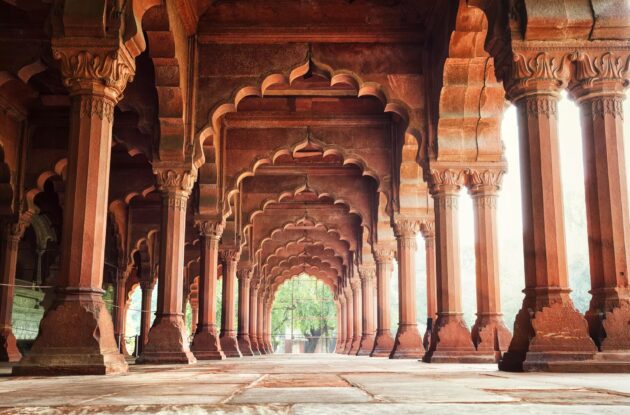
Diwan-i-Aam (Hall of Public Audience) — where emperors addressed the public.
Diwan-i-Khas (Hall of Private Audience) — famous for its marble inlay work and the former site of the legendary Peacock Throne.
Rang Mahal (Palace of Colors) and other royal pavilions with intricate carvings.
Beautiful gardens, fountains, and the Moti Masjid (Pearl Mosque).
Several on-site museums showcasing Mughal artifacts, weapons, and India’s independence struggle.
The fort’s blend of red sandstone and white marble architecture creates stunning visual contrasts, especially in the soft morning light.
History in Brief
Shah Jahan commissioned the Red Fort in 1639 when he shifted the capital from Agra to Delhi (then Shahjahanabad). Construction took about nine years. The fort’s name comes from its distinctive red sandstone walls, which rise up to 33 meters (108 feet) high and stretch over 2.5 km in perimeter. It remained the seat of Mughal power until 1857. Today, it hosts India’s Independence Day speech from its ramparts every August 15.
How to Get There
The Red Fort is easily accessible in central Old Delhi:
By Metro: The nearest station is Lal Qila Metro Station (Violet Line) or Chandni Chowk Metro Station (Yellow Line). From either, it’s a short 5–10 minute walk.
By Taxi/Ride-Share: Uber, Ola, or prepaid taxis from anywhere in Delhi take 20–60 minutes depending on traffic.
From Delhi Airport (IGI): Take the Airport Express Metro to New Delhi station, then switch to the Violet or Yellow Line. Total journey: about 40–60 minutes.
Walking/Rickshaw: From Chandni Chowk market or Jama Masjid, it’s a pleasant short walk or quick auto-rickshaw ride.
Tip: Old Delhi traffic can be chaotic—use the metro for efficiency during peak hours.
Best Time to Visit
Season: October to March (winter and early spring) offers pleasant weather (15–25°C / 59–77°F). Summers (April–June) are extremely hot (often above 40°C / 104°F), making outdoor exploration tiring.
Time of Day: Arrive right when gates open at 9:30 AM to beat crowds and enjoy cooler temperatures with better light for photos. Avoid midday heat.
Closed: Mondays (and some national holidays). Last entry is usually around 4:00 PM.
The fort is open Tuesday to Sunday, 9:30 AM to 4:30 PM (timings may vary slightly; confirm closer to your visit).
Entry Fees and Tickets
Indian/SAARC/BIMSTEC citizens: ₹35 per person (additional fee for museum access).
Foreign tourists: ₹500–₹550 per person (museum package around ₹870).
Children under 15: Free.
Video camera fee: ₹25 extra.
Light & Sound Show (evening, separate ticket): ₹60–80 for adults.
Recommendation: Buy skip-the-line tickets online in advance via official ASI portals, TripAdvisor, or platforms like Viator. This saves significant waiting time, especially for foreigners. Guided tours with pickup are also available and highly recommended for deeper historical context.
What to Do and See
Plan for 2–3 hours to explore comfortably:
Enter through the grand Lahori Gate.
Visit the main Mughal palaces at the eastern end (Diwan-i-Aam, Diwan-i-Khas, Rang Mahal).
Explore the gardens and smaller pavilions.
Check out the on-site museums (military history, war memorial, and archaeology).
Optional: Attend the evening Sound & Light Show (separate ticket, usually starts after 6–7 PM) for a dramatic narrated history with lights.
Pro Tip: Start from the back (eastern side) and work your way forward for a logical flow.
What to Bring and Practical Tips
Comfortable walking shoes (the complex is large with uneven paths).
Sunscreen, hat, and water (especially in warmer months). No food is allowed inside.
Modest clothing (shoulders and knees covered as a sign of respect).
Download an offline audio guide or hire a licensed local guide for richer insights.
Photography is allowed (no flash in sensitive areas); the marble inlays and archways make excellent shots.
Beware of touts and pickpockets near the entrance—stick to official guides.
Combine your visit with nearby attractions: Chandni Chowk street food market, Jama Masjid, and Chandni Chowk bazaars.
Where to Stay Nearby
For convenience, stay in areas like Connaught Place, Paharganj, or Old Delhi itself. Luxury options include The Imperial or Taj hotels; budget-friendly guesthouses abound near the metro stations.
Final Thoughts
The Red Fort is more than a monument—it’s a living testament to India’s imperial past and architectural brilliance. Whether you spend a couple of hours wandering its halls or join a guided tour, the experience captures the grandeur and drama of Mughal Delhi. Visit early, respect the site, and let its red walls and marble wonders transport you back in time.
Happy travels in Delhi! If you’re planning a longer itinerary, pair the Red Fort with a full Old Delhi heritage walk for an unforgettable day.