
A Travel Guide to Qutb Minar (2026)
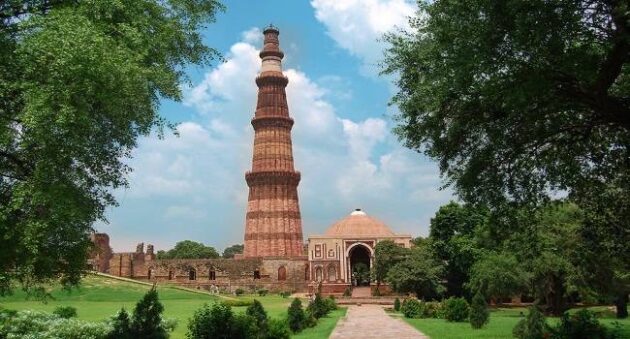
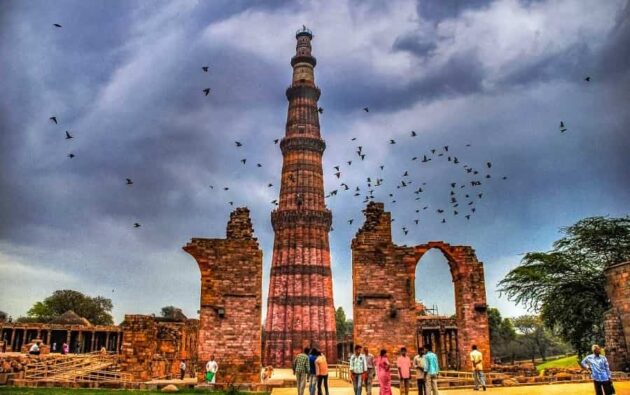
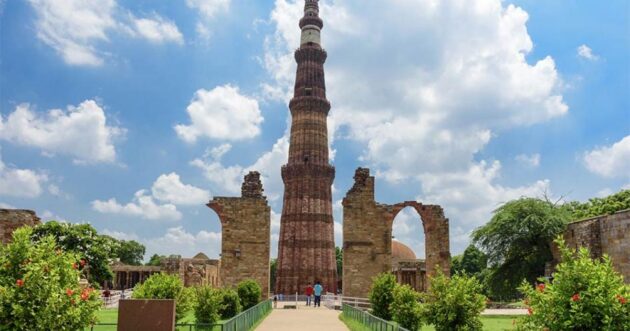
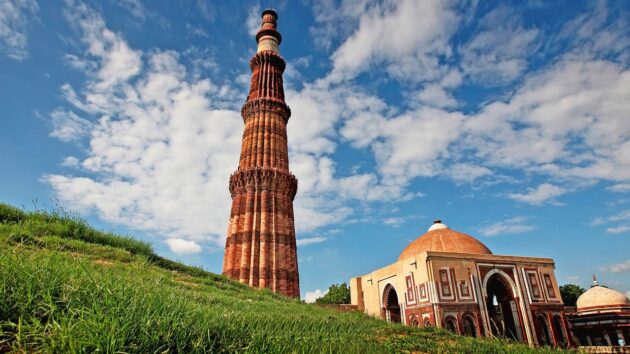
Qutb Minar (also spelled Qutub Minar), located in the Mehrauli area of South Delhi, is one of India’s most iconic historical landmarks and a UNESCO World Heritage Site. This towering 72.5-meter (238-foot) minaret, built in the early 13th century, showcases stunning Indo-Islamic architecture with intricate carvings, red sandstone, and marble. The surrounding Qutb Complex includes ancient ruins, mosques, tombs, and pillars that offer a fascinating glimpse into Delhi’s medieval history.
Why Visit Qutb Minar?
The Qutb Minar was commissioned by Qutb-ud-din Aibak, the founder of the Delhi Sultanate, to celebrate victory and mark the beginning of Muslim rule in northern India. Construction started in 1193 and was completed by his successors, including Iltutmish. The complex features:
The Quwwat-ul-Islam Mosque — one of the earliest mosques in India, built using materials from demolished Hindu and Jain temples.
The Iron Pillar — a 7th-century metallurgical marvel that has resisted rust for over 1,600 years.
Tombs, madrasas, and the Alai Darwaza gateway.
The site beautifully blends history, architecture, and serene gardens, making it ideal for exploring Delhi’s layered past.
How to Get There
Qutb Minar is about 15 km south of central Delhi (Connaught Place) and easily accessible:
By Metro: The most convenient option. Get off at Qutub Minar Metro Station on the Yellow Line. From there, it’s a 1–1.5 km walk (20–25 minutes) or a short auto-rickshaw ride (₹50–100).
By Taxi/Ride-Hailing: Use Uber, Ola, or a prepaid taxi from anywhere in Delhi. The ride from the airport takes 30–45 minutes depending on traffic.
By Bus: Several DTC buses stop nearby.
Tip: Traffic in Delhi can be heavy, so plan extra time during peak hours.
Best Time to Visit
Season: October to March (winter) is ideal, with pleasant temperatures (10–25°C / 50–77°F) and clear skies. Avoid April–June (extreme heat up to 45°C) and July–September (monsoon rains).
Time of Day: Arrive early in the morning (right after opening) to beat crowds and enjoy soft morning light for photos. Evenings offer a different atmosphere, with some sources mentioning occasional light shows around sunset or later.
Crowds: Weekdays are quieter than weekends. The complex gets busier in the afternoon.
Visiting Hours and Ticket Prices
Opening Hours: Daily from sunrise (around 7:00 AM) to sunset or up to 8:00–9:00 PM (varies seasonally; last entry often earlier). Many visitors recommend checking the latest on the official Archaeological Survey of India (ASI) site.
Entry Fees: Indian citizens & SAARC/BIMSTEC nationals: ₹35–50 (online cheaper than cash). Foreign tourists: ₹550–600. Children under 15: Free.
Still camera/video: Small additional fee (around ₹25) may apply for non-commercial use.
Recommendation: Buy tickets online in advance via official ASI portals or authorized platforms to skip long queues.
Note: Climbing the minaret is not allowed due to safety reasons (a tragic stampede occurred decades ago).
What to See and Do
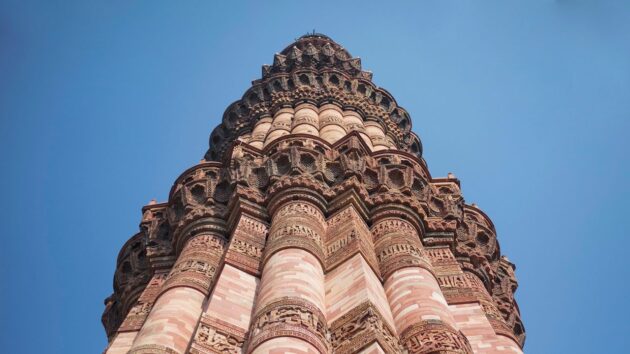
Qutb Minar Tower — Marvel at the tapering structure with its balconies and Quranic inscriptions.
Quwwat-ul-Islam Mosque — Admire the ornate pillars and arches.
Iron Pillar — Stand next to this ancient engineering wonder.
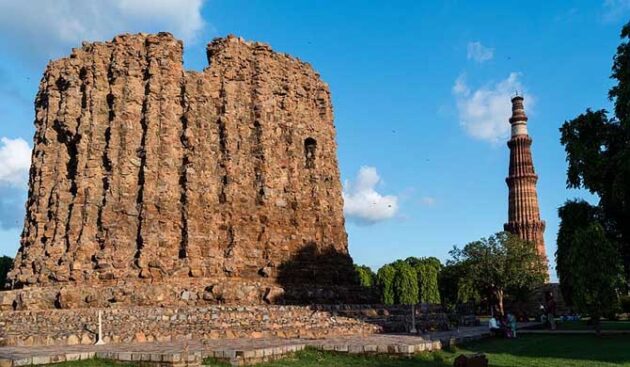
Alai Darwaza and other tombs — Including the tomb of Iltutmish.
Gardens and ruins — Stroll through the well-maintained grounds for peaceful moments and great photo opportunities.
Hire an official guide or use an audio guide for deeper historical context. Information plaques are also placed at key spots.
Photography Tips
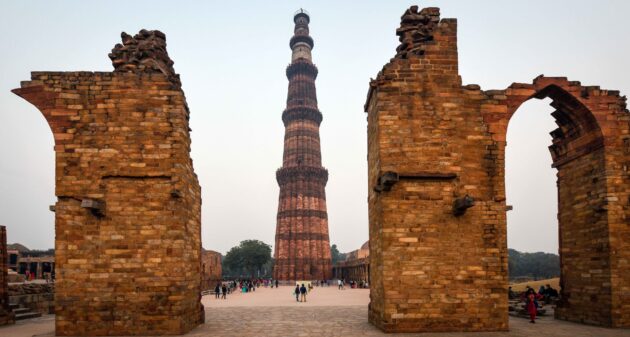
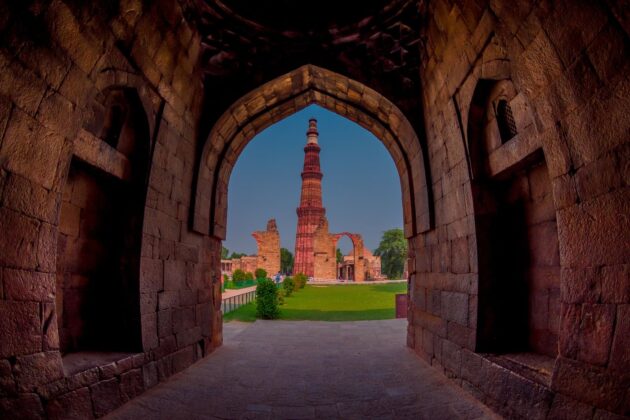
Best spots: Southeast corner for framing the Minar behind gateways; early morning or golden hour for dramatic lighting.
Security guards may offer to take your photo at scenic points — they often expect a tip (₹100 or so). Politely negotiate or decline if unwanted.
Bring a wide-angle lens for the tall tower and details of carvings.
What to Bring and Practical Tips
Comfortable walking shoes (the grounds involve uneven paths and some steps).
Water, sunscreen, hat, and light clothing (modest dress is respectful but not strictly enforced).
Cash or card for tickets and small purchases.
No food is allowed inside the complex; eat before or after your visit.
Respect the monuments — do not touch carvings or litter.
Be cautious of touts; stick to official services.
Nearby Attractions
Mehrauli Archaeological Park — A vast area with over 100 monuments, tombs, and stepwells (great for a longer historical walk).
Garden of Five Senses or Sultan Garhi for more exploration.
Hauz Khas Village — About 8–10 km away, known for its trendy cafes, boutiques, and medieval ruins.
Where to Eat Nearby
After your visit, head to Mehrauli or nearby areas for:
Local street food or North Indian cuisine at casual spots.
Upscale options in nearby malls or villages like Hauz Khas for cafes and fine dining.
Final Thoughts
Qutb Minar is a timeless symbol of Delhi’s rich history and architectural brilliance. Its towering presence and serene complex make it one of the most rewarding historical sites in the city. Plan a half-day visit, arrive early, and soak in the stories carved into its stones.
Whether you’re on a short layover or a longer India trip, Qutb Minar offers a perfect blend of history, culture, and photography. Safe travels and enjoy this UNESCO gem!