
Dakshineswar Kali Temple Travel Guide (2026)
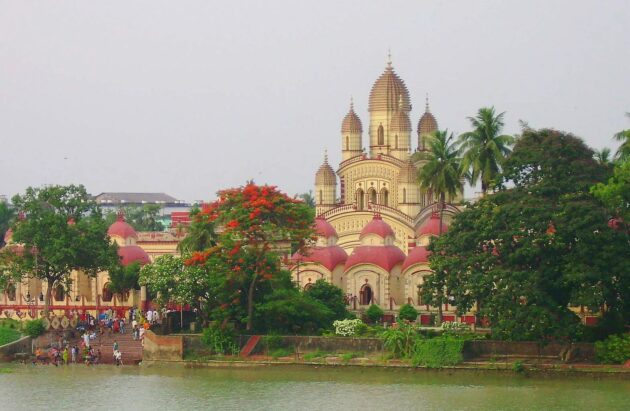
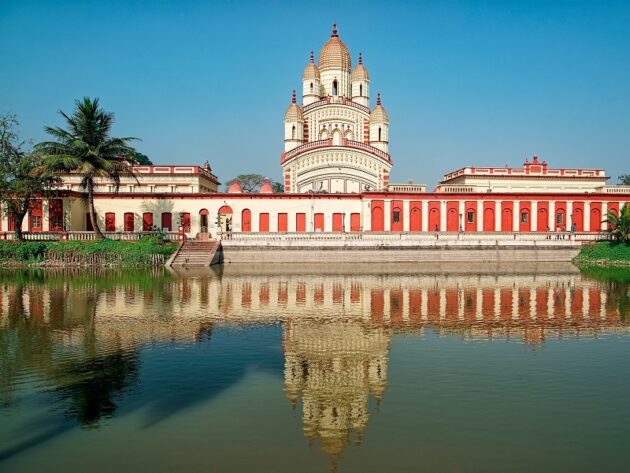
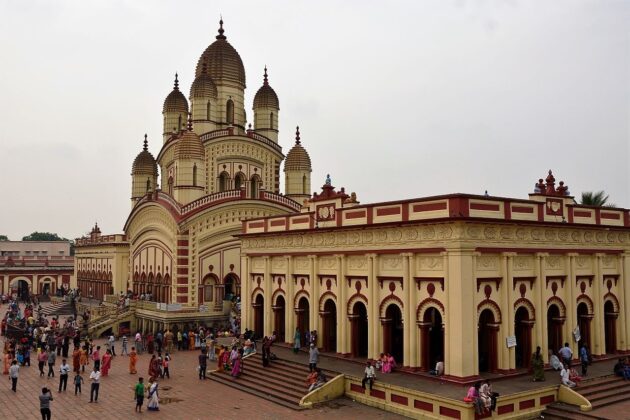
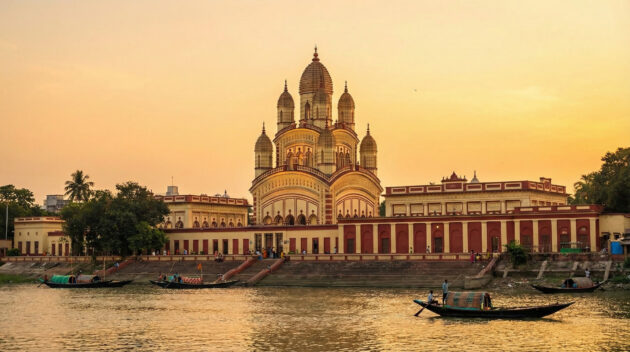
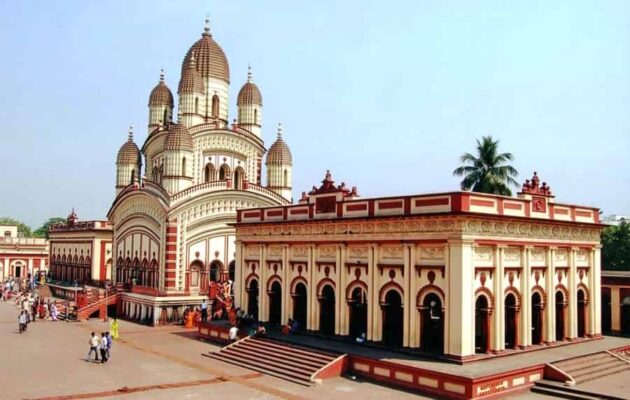
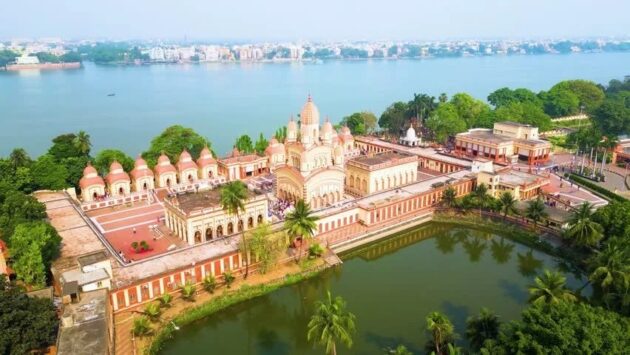
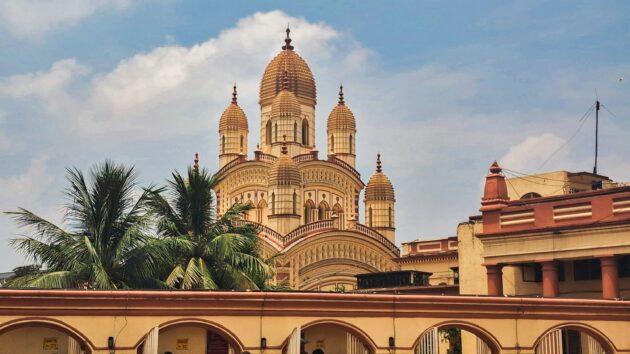
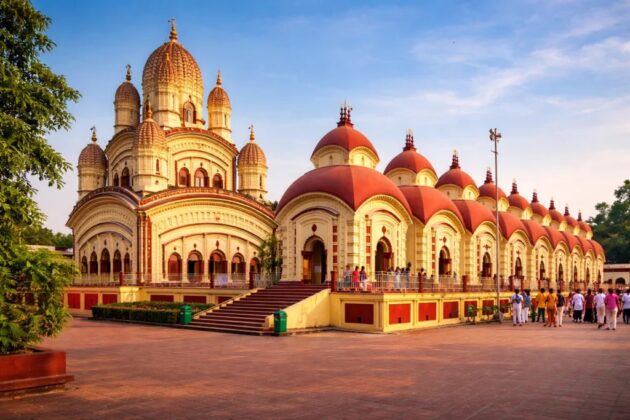
Dakshineswar Kali Temple is one of Kolkata’s most revered and vibrant Hindu shrines, dedicated to Goddess Kali (known here as Bhavatarini). Built in 1855 on the eastern bank of the Hooghly River, the temple is famous for its association with the great saint Sri Ramakrishna Paramahamsa, who served as its priest and experienced profound spiritual visions here. The beautiful Nava-ratna (nine-spired) Bengali architecture, the serene riverside setting, and the 12 surrounding Shiva temples make it a must-visit for both spiritual seekers and cultural travelers.
Why Visit Dakshineswar Kali Temple?
This temple offers a powerful blend of devotion, history, and tranquility. Devotees come for darshan (viewing) of the fierce yet compassionate form of Kali, while visitors appreciate the peaceful atmosphere, evening aartis (prayer rituals with lamps and music), and the chance to learn about Ramakrishna’s life and teachings. The temple complex feels alive with chants, flowers, and the gentle flow of the Hooghly River.
History in Brief
Rani Rashmoni, a wealthy and devout philanthropist, built the temple after a divine vision instructing her to establish a Kali shrine. Sri Ramakrishna served here from 1855 onward and attracted disciples, including Swami Vivekananda, laying the foundation for the Ramakrishna Mission. The temple remains an important center of Shakti worship and Bengal’s spiritual heritage.
How to Reach Dakshineswar Kali Temple
The temple is located about 9–12 km north of central Kolkata in the Dakshineswar area.
By Metro (Recommended): Take the Blue Line to Dakshineswar Metro Station. A skywalk connects the station directly to the temple area, making it very convenient (about 1 km walk or short ride).
By Train: Dakshineswar Railway Station is very close. Local trains run from Sealdah or Howrah stations.
By Bus/Taxi/Auto-rickshaw: Easily accessible from anywhere in Kolkata. Taxis or ride-sharing apps (Uber/Ola) take 30–60 minutes depending on traffic.
From Airport: Netaji Subhas Chandra Bose International Airport is around 15–20 km away; a taxi ride takes about 45–60 minutes.
Pro Tip: Combine your visit with Belur Math (the headquarters of the Ramakrishna Mission), located on the opposite bank of the Hooghly River. You can take a short boat ride across for a peaceful experience.
Best Time to Visit
Overall Best Season: October to March (winter) — pleasant weather with cool temperatures.
Daily Timing: The temple is open every day with two sessions: Morning: 6:00 AM – 12:30 PM; Evening: 3:00/3:30 PM – 8:00/8:30 PM (may extend slightly in summer).
Best Time of Day: Early morning (6:00–8:00 AM) for a calmer darshan and morning aarti, or late afternoon/evening for the beautiful Sandhya aarti with lamps and devotional singing.
Avoid: Tuesdays and Saturdays are particularly crowded due to their religious significance. Weekdays and early hours are ideal to beat the queues.
Entry is completely free. The temple closes for a few hours in the afternoon for the deity’s rest.
What to Do at the Temple
Main Darshan — Offer prayers to Goddess Kali in the central sanctum.
Visit the 12 Shiva Temples — These smaller shrines surround the main temple in a picturesque courtyard.
Attend Aarti — Experience the vibrant morning or evening rituals.
Explore the Grounds — Walk along the Hooghly River ghat, enjoy the views of the Vivekananda Setu (bridge), and soak in the spiritual ambiance.
Learn about Ramakrishna — The temple complex has areas associated with the saint’s life.
Photography is usually allowed in the outer complex but not inside the main sanctum.
What to Bring & Dress Code
Dress Modestly: Wear conservative clothing — long pants/skirts, tops that cover shoulders (no shorts, tank tops, or revealing outfits). A light shawl or stole is useful.
Essentials: Remove shoes before entering (there are paid cloakrooms for shoes, bags, and mobiles — small fee of ₹3–20 per item). Carry water, especially in summer.
Offerings: You can buy flowers, sweets, or other puja items outside or inside the complex if you wish to offer them.
Avoid: Leather items are often not permitted in many Kali temples.
Tips for a Great Visit
Arrive early to avoid long queues, especially on weekends and festivals.
Be respectful of rituals and devotees — maintain silence inside the sanctum.
Watch out for “pandas” (temple guides) who may offer paid services; you can politely decline if not needed.
The temple grounds are partially wheelchair accessible, but the inner temple may not be.
Keep small change handy for cloakroom fees and local transport.
Respect the no-photography rule in sacred areas and enjoy the moment mindfully.
Nearby Attractions
Belur Math (opposite bank) — Serene headquarters of the Ramakrishna Mission.
Hooghly River Ghat — Pleasant riverside views and boat rides.
Other Kolkata highlights (further away): Victoria Memorial, Howrah Bridge, Mother House, and the bustling markets.
Where to Stay & Eat
Kolkata has excellent accommodation options from luxury hotels to budget guesthouses. For convenience, stay in central areas like Park Street, Esplanade, or near the metro. Near the temple, you’ll find simple vegetarian eateries serving Bengali snacks like hing er kochuri, luchi, and sweets.
Final Thoughts
A visit to Dakshineswar Kali Temple is a deeply moving experience that offers insight into Kolkata’s spiritual soul. Whether you come as a devotee or a curious traveler, the energy of the temple and the legacy of Ramakrishna leave a lasting impression.
Jai Maa Kali! Safe and blessed travels!