
Kolkata Travel Guide (2026)
Kolkata (formerly Calcutta), India — known as the “City of Joy.” This vibrant metropolis blends rich colonial history, intellectual heritage, Bengali culture, chaotic street life, and world-class food. As India’s cultural and artistic capital, Kolkata offers majestic architecture, bustling markets, sacred temples, and legendary street eats.
Why Visit Kolkata?
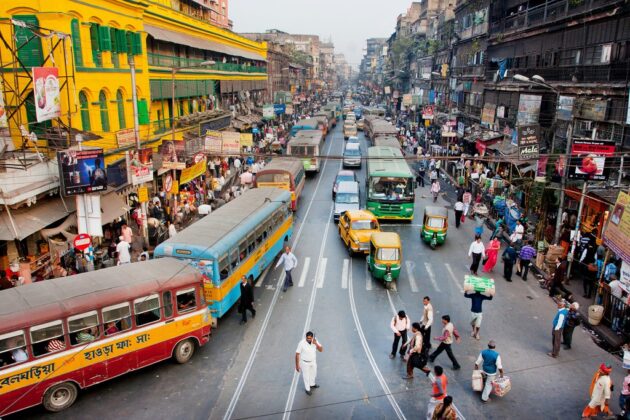
Kolkata is a city of contrasts: grand British-era buildings stand alongside lively temples and chaotic bazaars. It is the birthplace of Rabindranath Tagore, home to Mother Teresa’s Missionaries of Charity, and famous for its passionate Durga Puja festival. Visitors love its literary vibe, tram rides, riverside views, and unparalleled Bengali cuisine. While it can feel overwhelming at first, the warmth of the locals and depth of its history make it deeply rewarding.
Best Time to Visit
The ideal time is October to March (winter/dry season), when temperatures are pleasant (12–25°C / 54–77°F), humidity is lower, and skies are clearer. This period is perfect for sightseeing and festivals.
Peak season (November–February): Coolest and most comfortable, but busier.
Avoid: April–June (extreme heat, up to 40°C+) and July–September (monsoon rains and possible flooding).
Festivals: Durga Puja (September/October) transforms the city with pandals and celebrations. Kali Puja and Christmas lights on Park Street also add magic.
How to Get There
By Air: Netaji Subhas Chandra Bose International Airport (CCU) connects to major Indian cities and international hubs. It’s about 15–20 km from the city center; take a prepaid taxi, Uber, or airport bus.
By Train: Kolkata has major stations like Howrah (HWH) and Sealdah (SDAH). Well-connected across India.
By Road: Long-distance buses arrive at Esplanade or other terminals.
Getting Around
Trams: Asia’s oldest operating tram system — a slow, scenic way to see the city (highly recommended).
Metro: Efficient and affordable for longer distances.
Taxis/Uber/Ola: Convenient; use apps for ease.
Yellow taxis or auto-rickshaws: Bargain or use meters where available.
Walking/Foot: Best for areas like Park Street, Sudder Street, or North Kolkata heritage zones.
Tip: Traffic can be heavy — allow extra time.
Top Things to Do and Attractions
Victoria Memorial
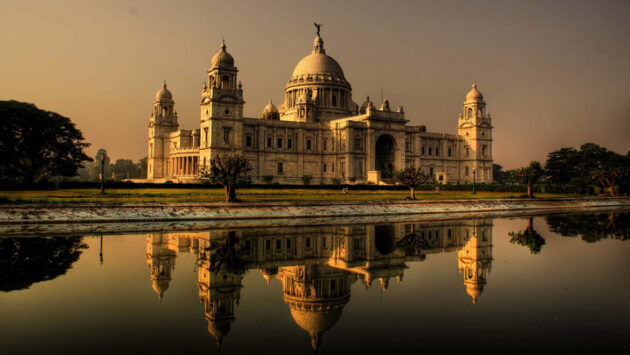
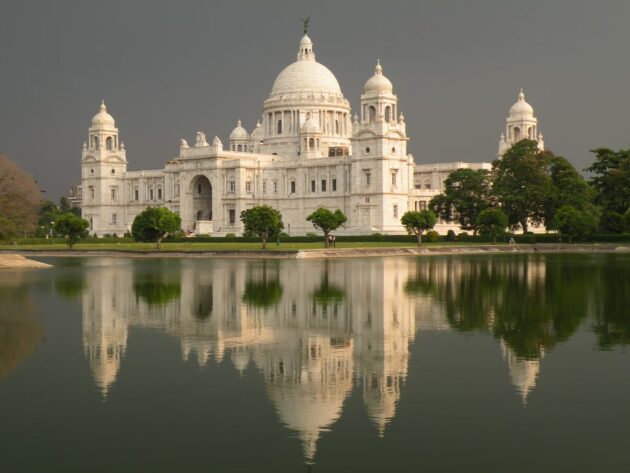
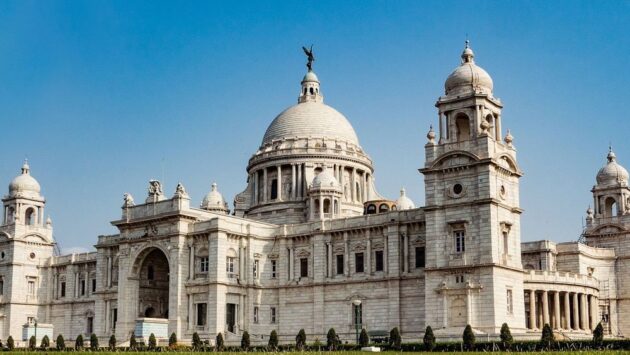
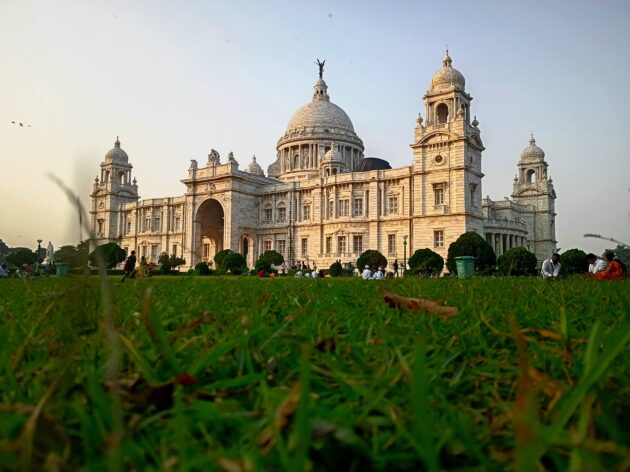
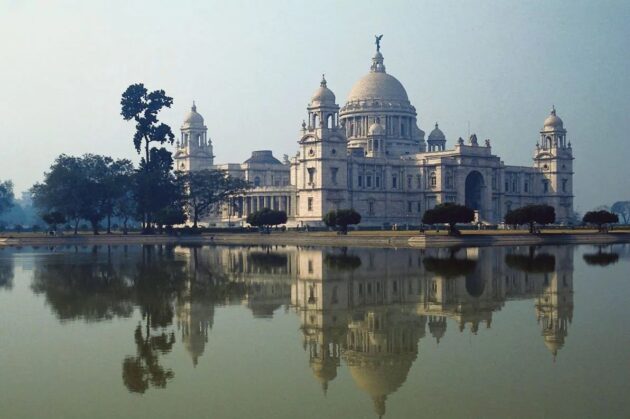
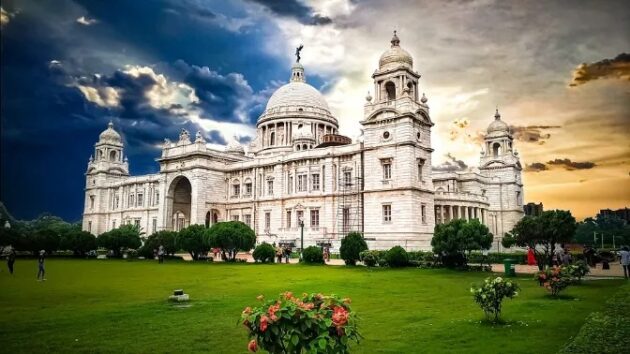
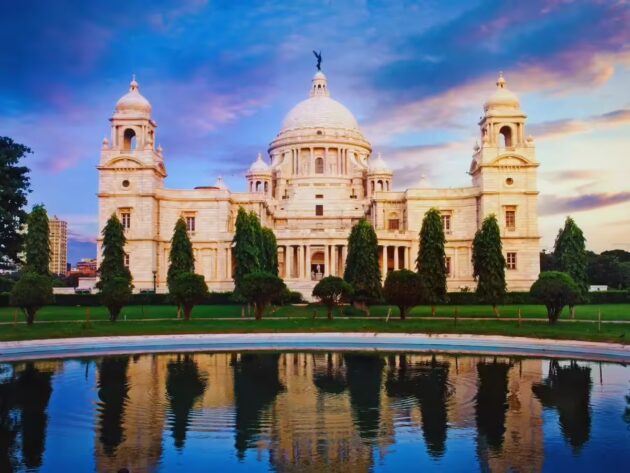
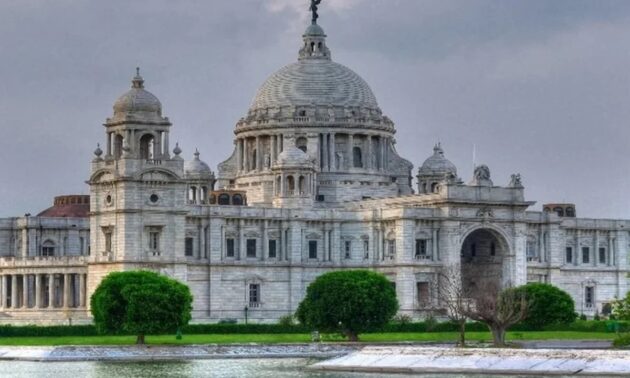
The Victoria Memorial is one of Kolkata’s most iconic landmarks and a stunning example of Indo-British architecture. Built between 1906 and 1921 in memory of Queen Victoria, this magnificent white marble monument stands proudly in the heart of the city, surrounded by sprawling 64-acre gardens. Often compared to the Taj Mahal for its grandeur, it serves as both a memorial and a world-class museum showcasing the history of the British Raj, Kolkata, and Indian art and culture.
Howrah Bridge (Rabindra Setu)
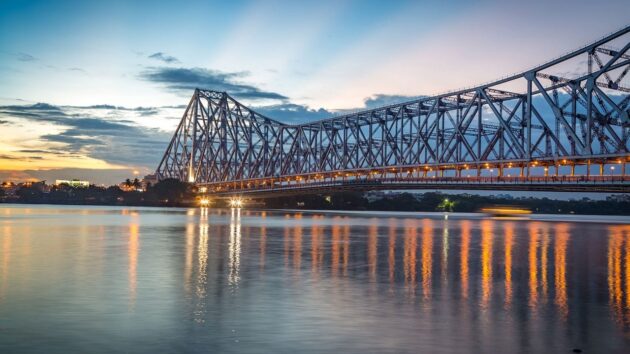
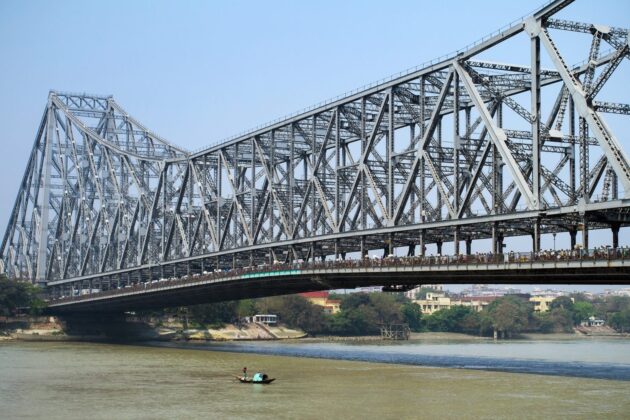
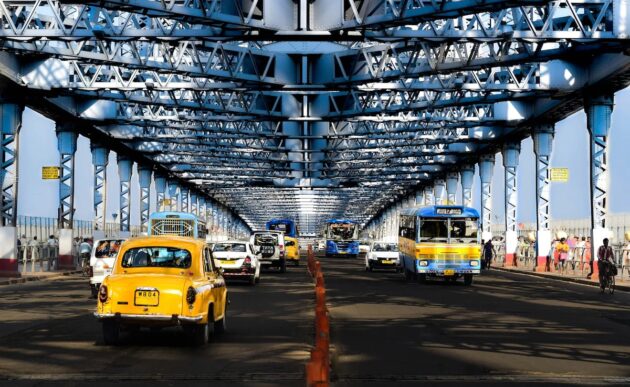
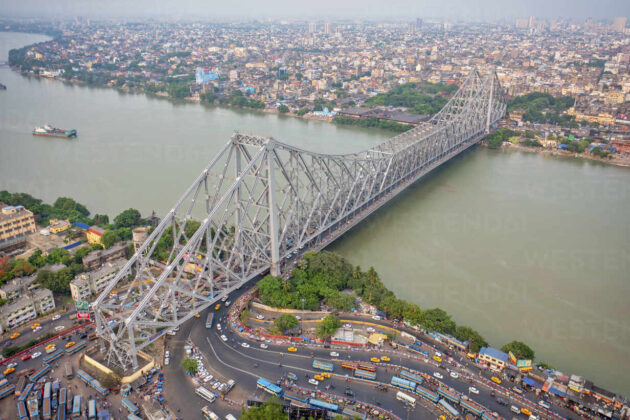
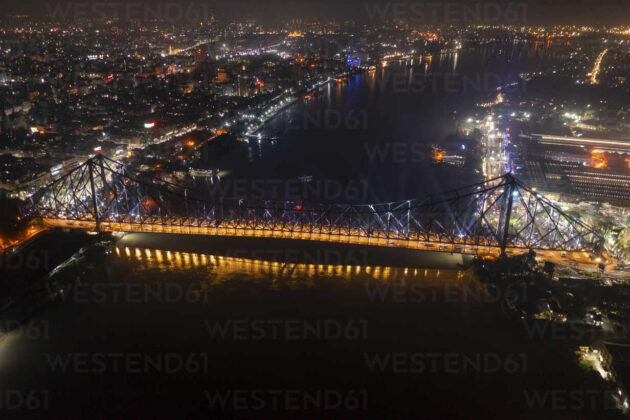
Howrah Bridge, officially known as Rabindra Setu, is one of Kolkata’s most iconic landmarks and a symbol of the city’s vibrant spirit. This massive cantilever bridge spans the Hooghly River, connecting the bustling districts of Kolkata and Howrah. Opened in 1943, it is one of the world’s busiest cantilever bridges, carrying over 100,000 vehicles and countless pedestrians daily.
Indian Museum
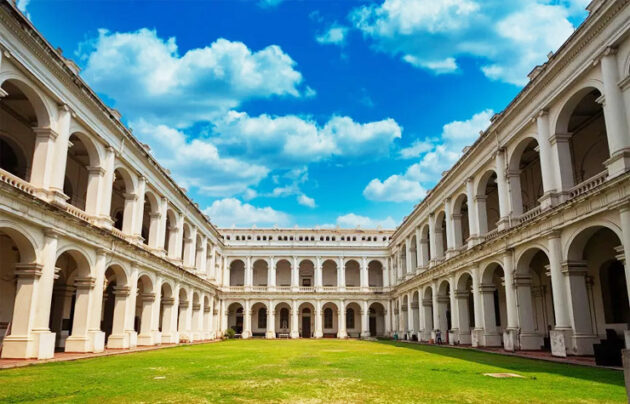
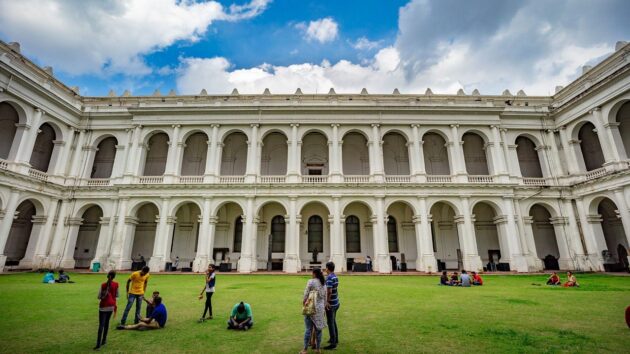
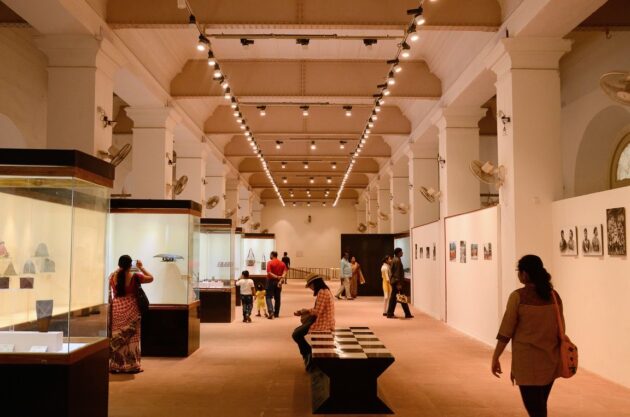
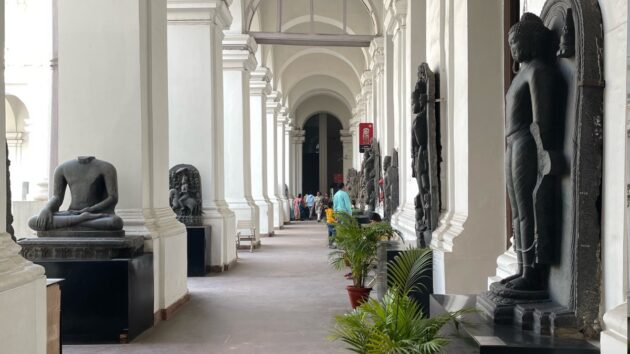
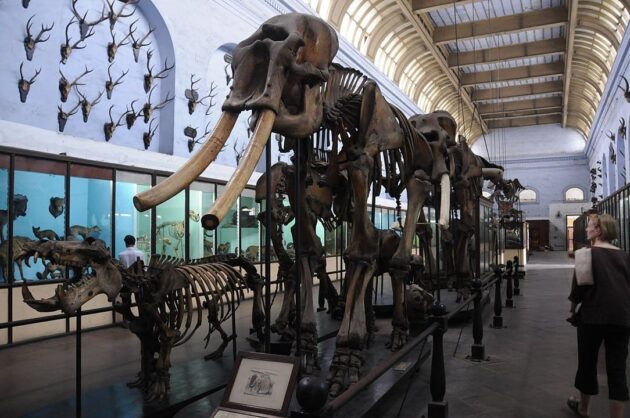
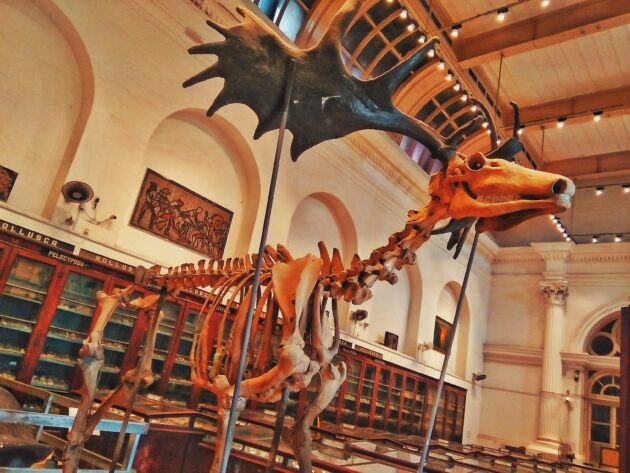
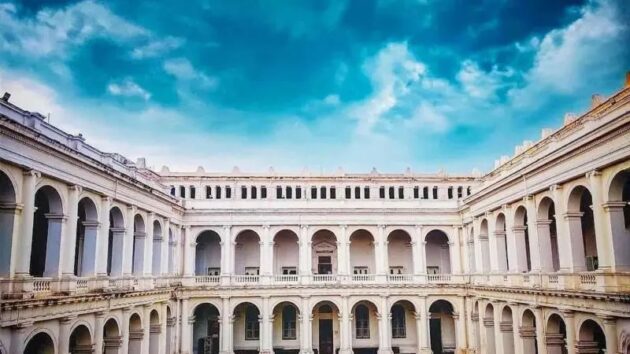
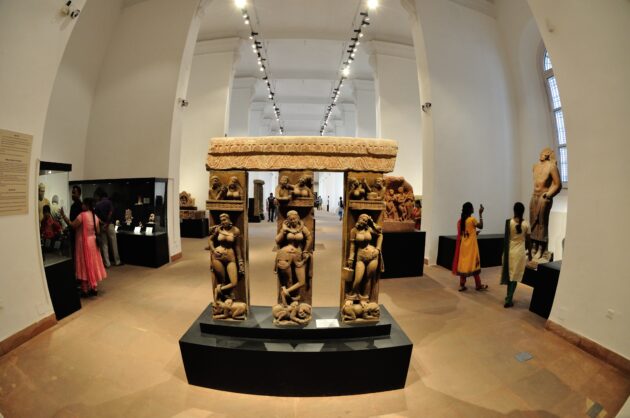
The Indian Museum in Kolkata is India’s oldest and largest museum, founded in 1814 by the Asiatic Society of Bengal. It is the ninth-oldest museum in the world and a treasure trove of over a million artifacts spanning art, archaeology, anthropology, geology, zoology, and economic botany. Housed in a grand neoclassical building in the heart of the city, it offers visitors a fascinating journey through India’s rich cultural heritage and natural history.
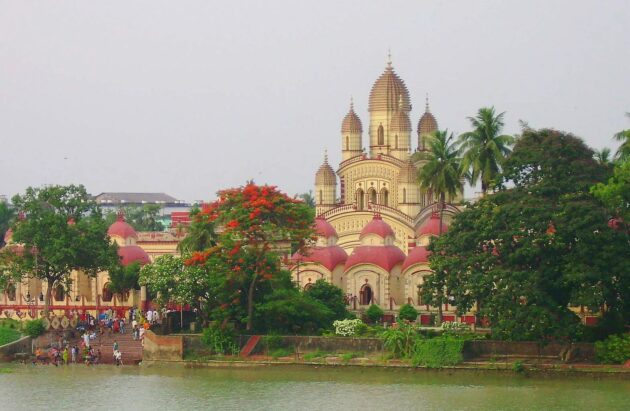
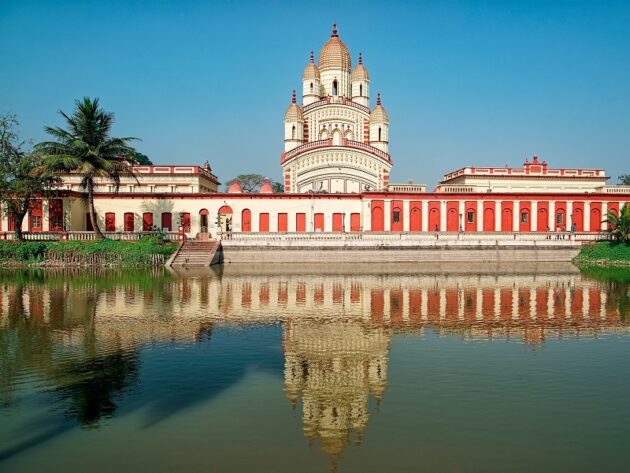
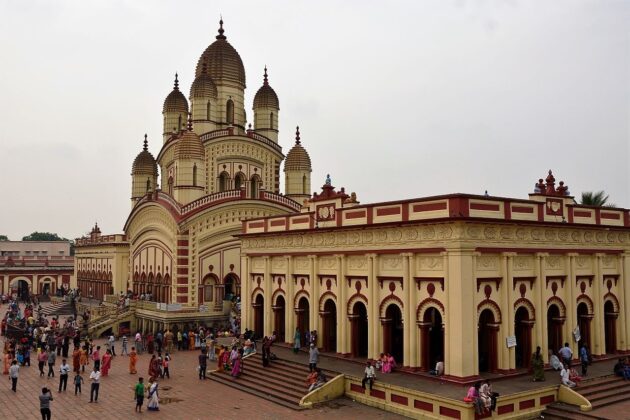
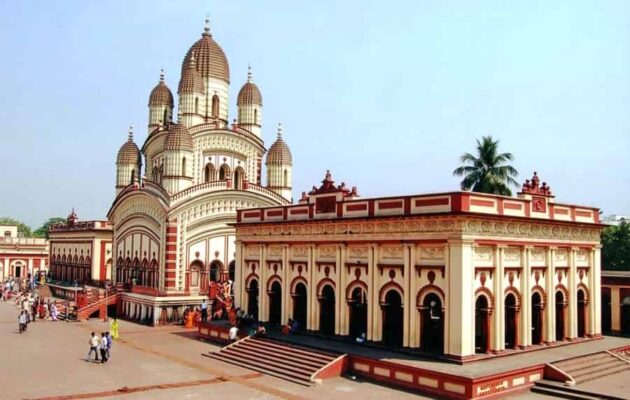
Dakshineswar Kali Temple
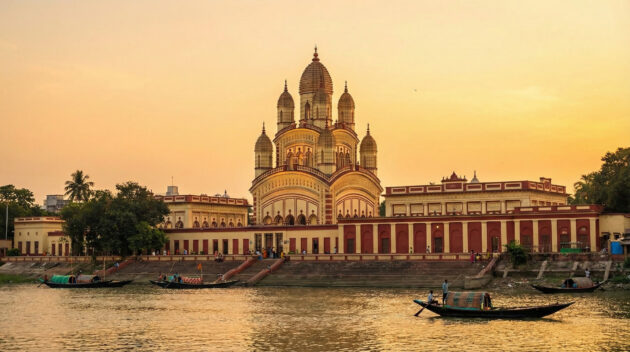
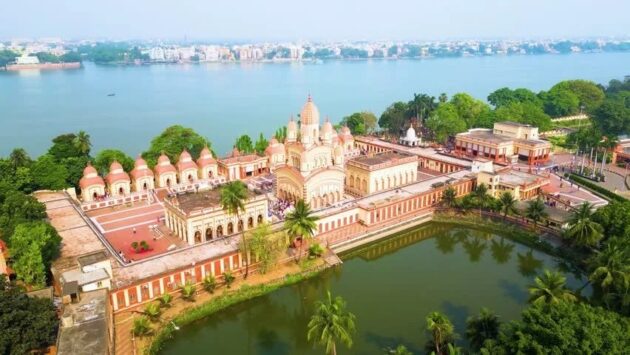
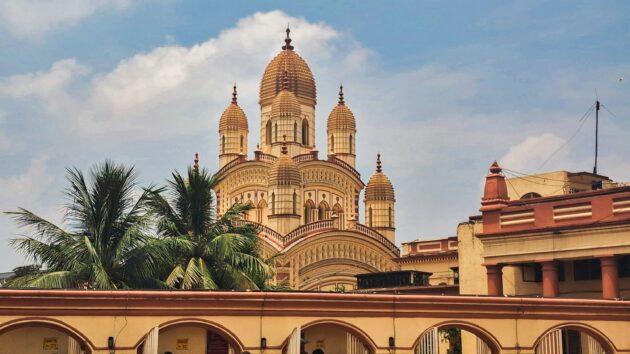
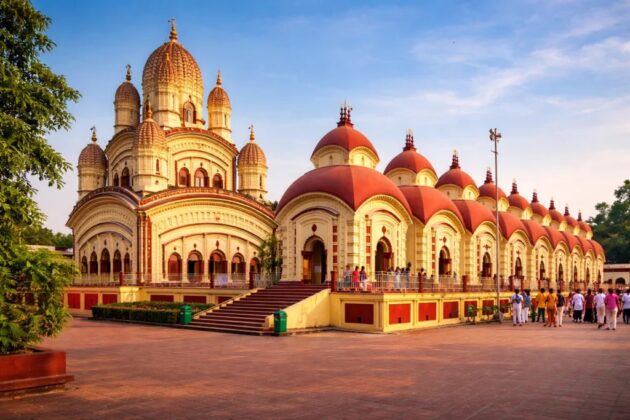
Dakshineswar Kali Temple is one of Kolkata’s most revered and vibrant Hindu shrines, dedicated to Goddess Kali (known here as Bhavatarini). Built in 1855 on the eastern bank of the Hooghly River, the temple is famous for its association with the great saint Sri Ramakrishna Paramahamsa, who served as its priest and experienced profound spiritual visions here.
College Street (Boi Para)
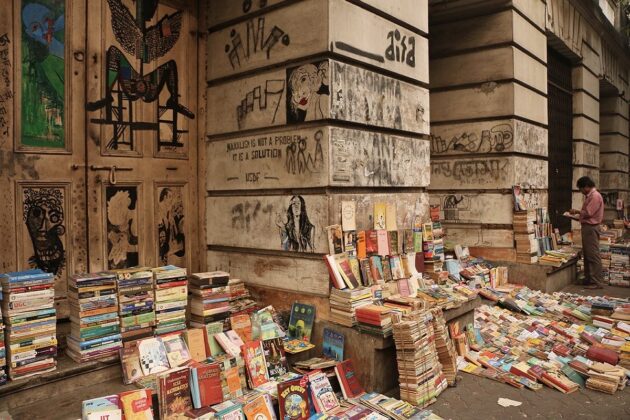
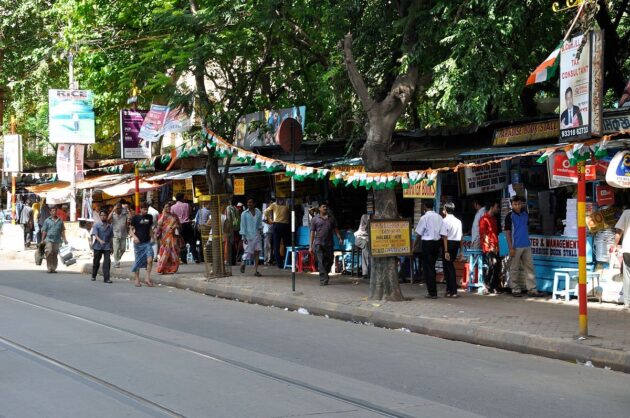
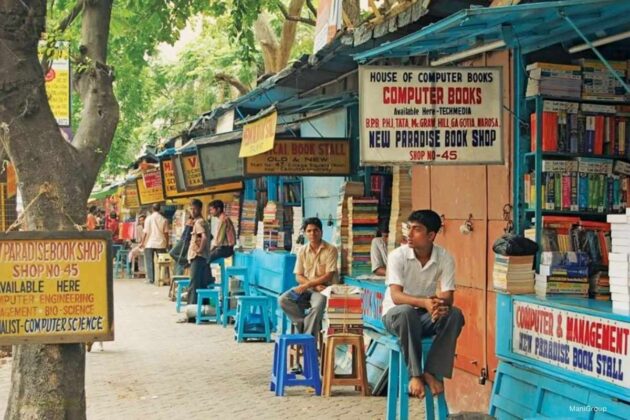
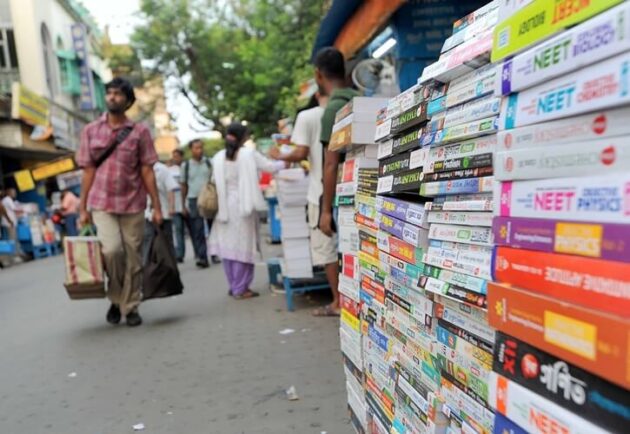
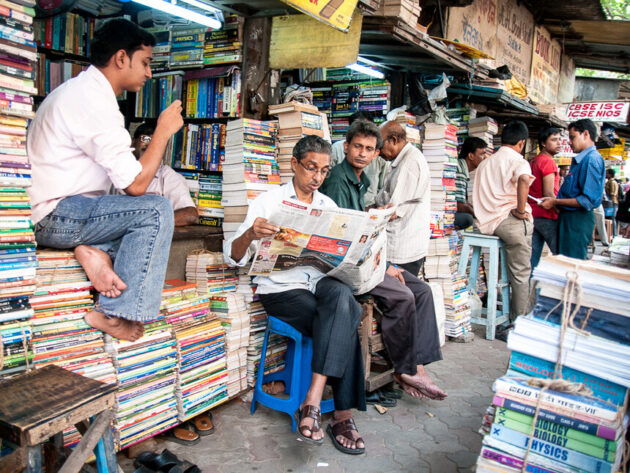
College Street, affectionately known as Boi Para (Book Colony or Book Town), is one of Kolkata’s most iconic and vibrant destinations. This historic 900-meter to 1.5 km stretch in central Kolkata is celebrated as the world’s largest second-hand book market and India’s biggest book market overall. Lined with hundreds of bookstores — from tiny roadside stalls piled high with books to established publishing houses — it has been a hub of intellectual life for over 200 years.
Food Scene: A Highlight of Kolkata
Kolkata is a food lover’s dream, famous for Bengali cuisine and street food.
Must-Try Dishes: Phuchka/Pani Puri (tangy, spicy version); Kathi rolls (especially at Nizam’s or Kusum); Kosha Mangsho (slow-cooked mutton); Ilish (Hilsa) fish preparations like Shorshe Ilish; Rasgulla, Sandesh, Mishti Doi (sweets).
Jhalmuri (spicy puffed rice), Mughlai paratha, and Chinese-Indian fusion in Tangra (Chinatown)
Recommended Spots: Street food: Dacres Lane, Gariahat, or College Street. Bengali restaurants: 6 Ballygunge Place, Aaheli, Kasturi, Bhojohori Manna, Oh! Calcutta. Iconic: Peter Cat (for Chelo Kebab), Flurys (for tea and pastries).
Join a food walk for safe and delicious exploration.
Where to Stay
Budget/Backpacker: Sudder Street area — lively with hostels and guesthouses.
Mid-range: Park Street or Esplanade — convenient for attractions and dining.
Luxury: The Lalit Great Eastern, Taj Bengal, or Oberoi Grand — historic charm with modern comfort.
Heritage/Unique: Boutique options in North Kolkata or near the river.
Book in advance during festival seasons.
Practical Tips
Safety: Generally safe for tourists, but stay alert in crowded areas. It’s considered one of India’s more tolerant cities for solo female travelers.
What to Bring: Modest clothing for temples, comfortable shoes for walking, mosquito repellent, and cash (many small vendors prefer it). Download offline maps and translation apps.
Respect Customs: Remove shoes in temples; ask before photographing people.
Health: Drink bottled water; consider a travel insurance policy.
Sustainability: Use public transport or trams to reduce your footprint; avoid single-use plastics.
Final Thoughts
Kolkata rewards those who embrace its pace. Slow down, chat with locals, ride the tram, and savor the chaos — you’ll leave with a deeper appreciation for India’s cultural soul.
Whether you’re here for history, food, festivals, or simply the “feel” of the city, Kolkata offers an unforgettable Indian experience. Safe travels and enjoy the City of Joy!