
A Travel Guide to the Indian Museum (2026)
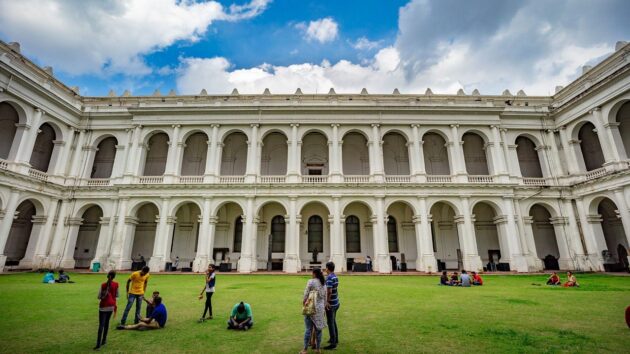
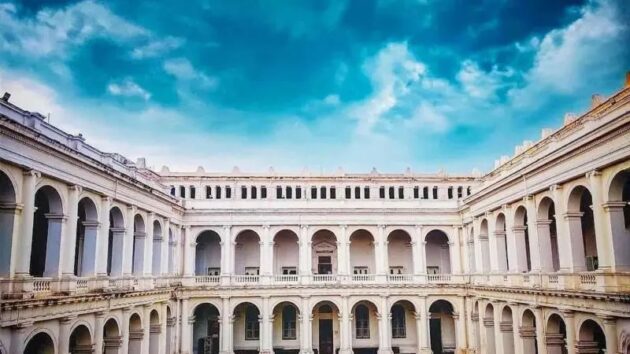
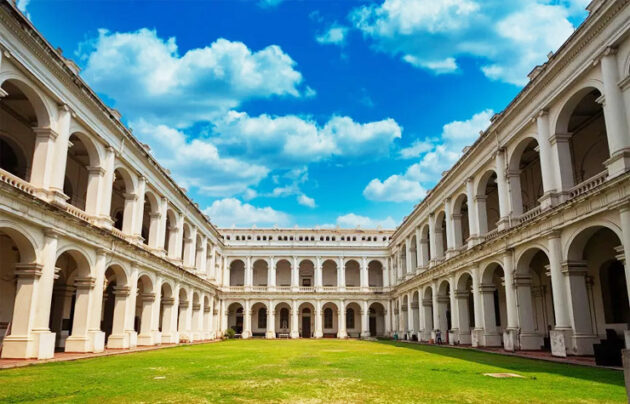
The Indian Museum in Kolkata is India’s oldest and largest museum, founded in 1814 by the Asiatic Society of Bengal. It is the ninth-oldest museum in the world and a treasure trove of over a million artifacts spanning art, archaeology, anthropology, geology, zoology, and economic botany. Housed in a grand neoclassical building in the heart of the city, it offers visitors a fascinating journey through India’s rich cultural heritage and natural history. From an ancient Egyptian mummy to intricate Buddhist sculptures and prehistoric fossils, this museum is a must-visit for history buffs, students, and curious travelers alike.
Why Visit the Indian Museum?
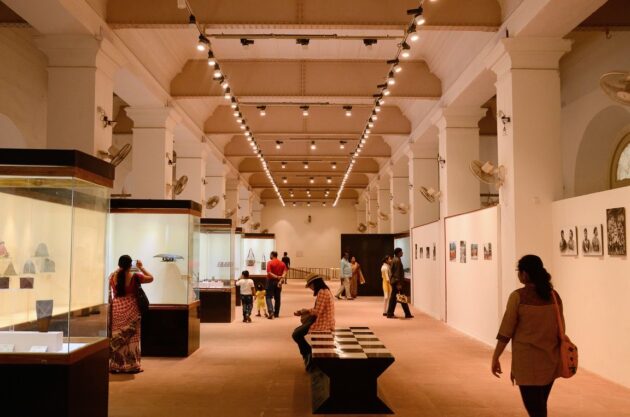
With 35 galleries across three floors and six major sections, the museum showcases India’s diverse history and global connections. Highlights include rare antiquities, Mughal paintings, ancient coins, tribal artifacts, and unique natural history specimens. It provides deep insights into Indian civilization, from the Indus Valley to the Mughal era, and even features international exhibits. Whether you’re interested in archaeology, art, or science, the Indian Museum delivers an educational and awe-inspiring experience in one location.
How to Get There
By Metro (Recommended): The nearest station is Park Street Metro Station (Blue Line) — just a 5-minute walk. Other nearby stations include Esplanade and Maidan.
By Bus/Taxi: Easily accessible from major points. Buses and taxis from Howrah Station, Sealdah Station, or Netaji Subhas Chandra Bose International Airport (CCU) take 30–60 minutes depending on traffic.
From the Airport: Take a prepaid taxi, app-based cab (Uber/Ola), or airport bus to Park Street. The journey usually takes 45–90 minutes.
Walking/Rickshaw: In the bustling Park Street area, you can also reach it on foot or by traditional hand-pulled rickshaw from nearby landmarks like Victoria Memorial or New Market.
Opening Hours and Entry Fees
Opening Hours: Tuesday to Sunday, 10:00 AM to 6:00 PM (last entry usually around 5:00 PM). Closed on Mondays and all national/public holidays.
Entry Fees: Indian Adults: ₹75; Indian Children (above 5 years, under 18): ₹20; Children below 5 years: Free; Foreign Nationals: ₹500.
Photography Charges: Mobile phone/camera: ₹50–₹100 (extra fee applies; video shooting may require special permission and higher fees).
Tickets: Available at the counter or online via the official portal (indianmuseumkolkata.org). Booking online can help avoid queues during peak times.
What to See: Must-Visit Exhibits and Galleries
The museum is divided into major sections. Plan to spend 2–4 hours (or more) to explore properly. Key highlights include:
Egyptian Gallery: The star attraction — a 4,000-year-old Egyptian mummy and a mummified hand.
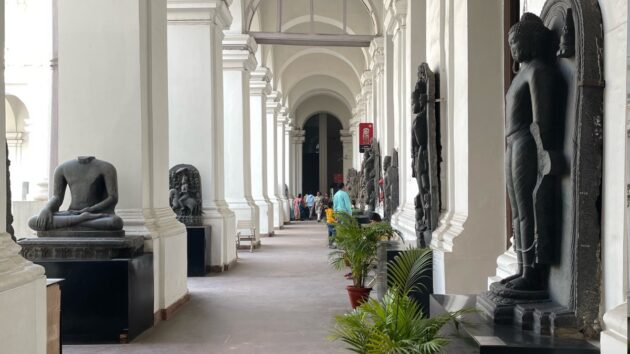
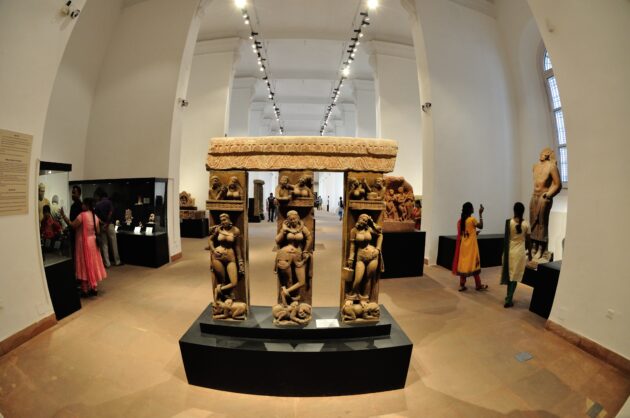
Bharhut Gallery: Remains of the ancient Bharhut Stupa with intricate Buddhist reliefs depicting Jataka tales.
Archaeology Section: Gandhara and Amaravati sculptures, Ashokan lion capital (copy), Indus Valley artifacts, and southern Indian stone carvings.
Art Galleries: Mughal paintings, Bengal School artworks, bronze sculptures, coins (over 50,000 pieces), textiles, and tribal masks from India and beyond.
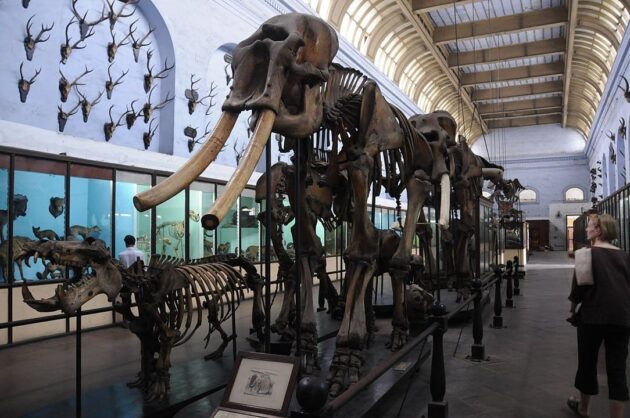
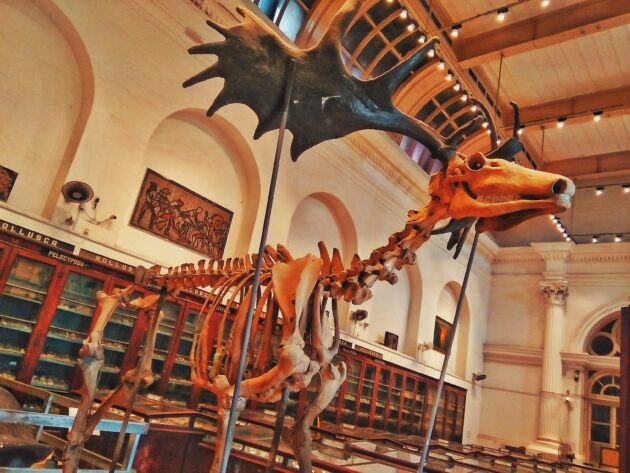
Natural History Sections: Fossils, dinosaur skeletons, meteorites, mammal and bird galleries, insect collections, and botanical specimens.
Other Notable Items: Buddha relics, armor, ornaments, and anthropological exhibits showcasing India’s diverse cultures.
Start from the ground floor and follow the layout map provided inside for a logical flow.
Best Time to Visit
Best Season: October to March (cooler and pleasant weather in Kolkata, 15–25°C). Avoid the hot summer (April–June) and monsoon (July–September) if possible.
Best Time of Day: Early morning (right after opening at 10 AM) on weekdays to avoid crowds and enjoy a peaceful experience. Weekends can get busier.
Duration: Allocate at least 2–3 hours; history enthusiasts may need 4+ hours.
Practical Tips for Visitors
What to Wear/Bring: Comfortable shoes (lots of walking), modest clothing, water bottle, and a small bag (larger bags may need to be checked).
Facilities: Basic canteen, drinking water, restrooms, cloakroom, and limited wheelchair accessibility (lifts and ramps in some areas). An information desk is available.
Photography: Pay the fee if you want photos; flash is usually prohibited.
Guides/Audio Aids: Consider hiring a guide or using any available audio guides for deeper insights (many exhibits have limited English captions).
Respect Rules: No touching artifacts, maintain silence in galleries, and follow security procedures.
Accessibility: Partially accessible for people with disabilities.
Crowd Levels: Weekdays and mornings are quieter. School groups often visit in the afternoons.
Where to Stay and Combine with Nearby Attractions
The museum is in a vibrant area, making it easy to combine with other sights:
Nearby: Victoria Memorial, St. Paul’s Cathedral, New Market, Park Street (for food and shopping), and the Maidan.
Accommodation: Stay in Park Street, Sudder Street, or Esplanade for budget to luxury options (e.g., The Oberoi Grand, historic guesthouses, or Airbnbs).
Kolkata offers excellent Bengali, Mughlai, and street food nearby — try rosogolla, phuchka, or a meal at Park Street restaurants after your visit.
Final Thoughts
The Indian Museum is more than just a repository of artifacts — it is a living chronicle of human civilization, blending Indian heritage with global wonders. Its vast collections make it one of Asia’s most significant museums and a perfect introduction to Kolkata’s rich cultural tapestry. Whether you’re a solo traveler, family, or history lover, a visit here is both educational and unforgettable.
Plan ahead, wear comfortable shoes, and immerse yourself in centuries of history. Enjoy your time at this iconic “Jadu Ghar”!
Safe travels!