
Travel Guide to Chhatrapati Shivaji Maharaj Terminus (2026)
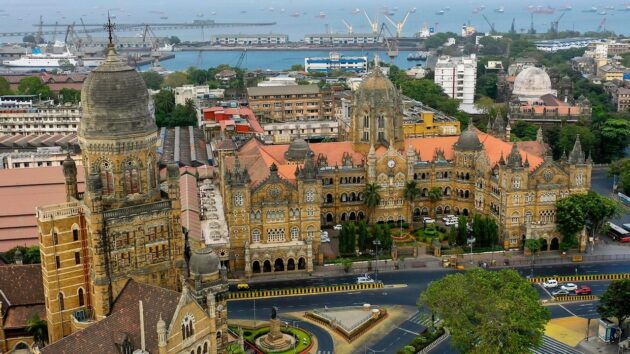
Chhatrapati Shivaji Maharaj Terminus, popularly known as CSMT (and formerly Victoria Terminus or CST), is one of Mumbai’s most iconic landmarks and a masterpiece of colonial architecture. This bustling railway station is not just a major transport hub but also a UNESCO World Heritage Site (inscribed in 2004) celebrated for its stunning fusion of Victorian Gothic Revival and traditional Indian architectural styles.
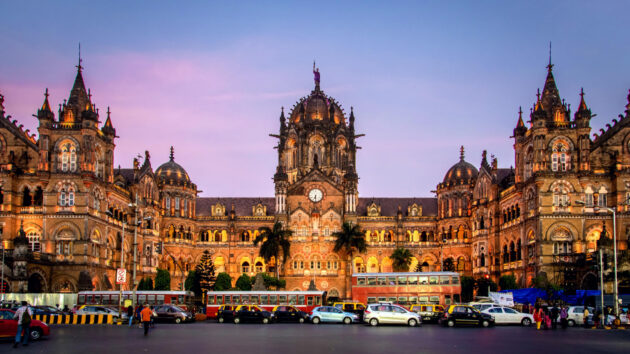
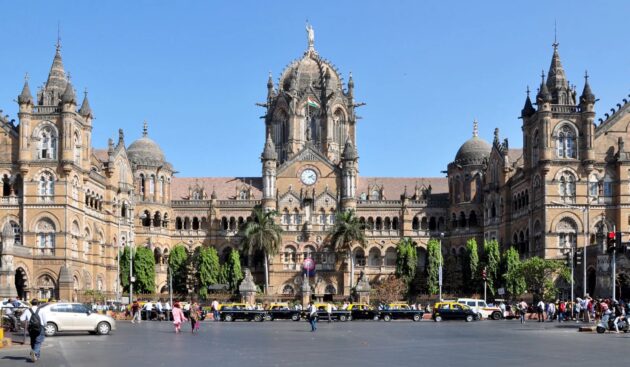
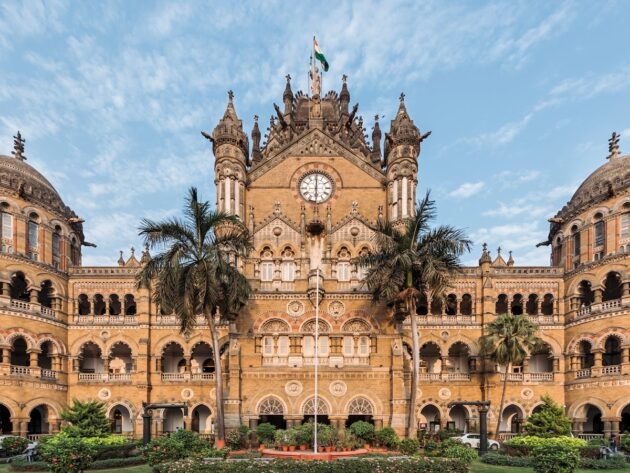
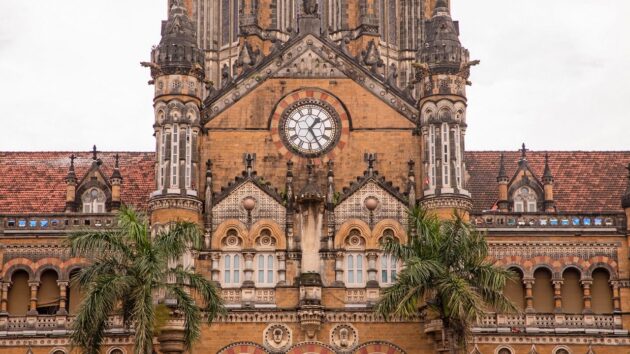
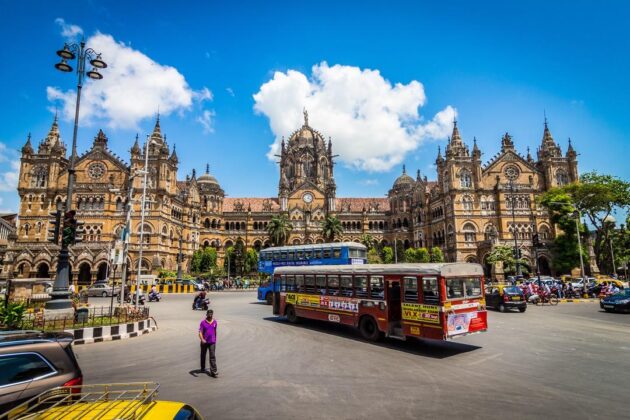
Designed by British architect Frederick William Stevens and completed in 1887–1888, CSMT symbolizes Mumbai’s historical role as a major international port and commercial center. With its towering spires, pointed arches, intricate stone carvings, ribbed dome, and statues (including a lion representing Britain and a tiger representing India at the entrance), it ranks among India’s most photographed monuments.
Why Visit CSMT?
Marvel at one of the finest examples of 19th-century Gothic architecture in India.
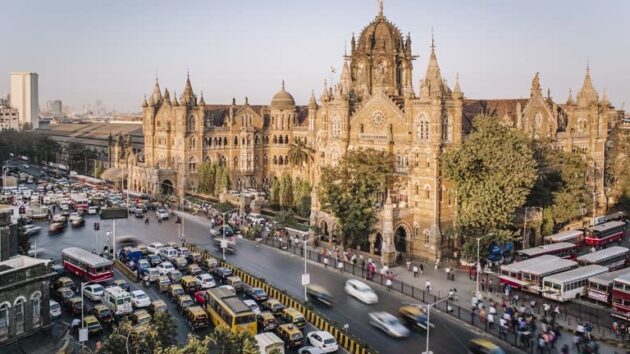
Experience the vibrant daily life of Mumbai as over 3 million commuters pass through every day.
Capture dramatic photos of the detailed façade, stained-glass windows, and grand interiors.
Feel the blend of history and modern chaos that defines Mumbai.
How to Get There
CSMT is located in the Fort area of South Mumbai, making it highly accessible:
By Local Train: The easiest and most authentic way — Mumbai’s suburban railway network connects directly to CSMT. It is a major terminus for both local and long-distance trains.
By Metro: The nearest metro station is CSMT on the Colaba-Bandra-SEEPZ line (Line 3).
By Taxi/Uber/Ola: Widely available from anywhere in Mumbai. From Chhatrapati Shivaji Maharaj International Airport, it takes about 45–90 minutes depending on traffic (approx. 25 km).
On Foot or by Bus: Many city buses stop nearby in the busy commercial district.
Best Time to Visit
Overall Season: November to February (cooler and drier winter months) for comfortable exploration.
Time of Day: Daytime (early morning or mid-morning): Best for admiring architectural details and carvings in natural light. Avoid peak rush hours (8–10 AM and 5–7 PM) if possible. Evening: The building is beautifully illuminated at night — perfect for dramatic photos. The station operates 24 hours, but the best time for sightseeing is during daylight or blue hour.
Note: Monsoon (June–September) brings heavy rain and possible waterlogging, which can make movement difficult.
What to Do at CSMT
Admire the Exterior — Walk around the grand façade to appreciate the turrets, pointed arches, sculptures of animals and flora, and the central octagonal ribbed dome topped by a statue of “Progress.”
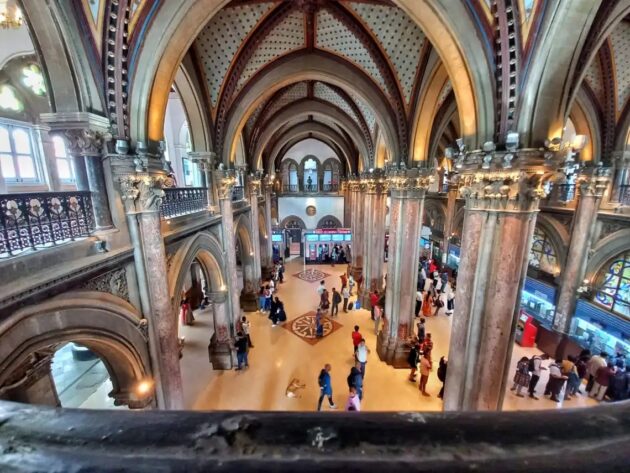
Explore the Interiors — Enter the main concourse (often called the Star Chamber) to see the high vaulted ceilings, ornate staircases, Italian marble, and stained-glass windows. Look for subtle Indian motifs blended with Gothic elements.
Heritage Walk or Guided Tour — Join a guided heritage walk (e.g., “The Crown Jewel of Mumbai” by Raconteur Tours) to learn deeper stories about the architecture and history. These typically last 1–1.5 hours and are available on weekdays and weekends.
Photography — Bring a wide-angle lens. The station is highly photogenic from multiple angles. Early morning or late evening offers the best light. Respect the busy environment and avoid obstructing commuters.
Watch the Daily Rush — Observe the organized chaos of millions of daily passengers — a fascinating slice of Mumbai life.
Entry: Free to visit as a public station (you may need a cheap platform ticket ≈ ₹10 if going deeper inside). No major entry fee for general sightseeing.
Nearby Attractions
CSMT sits in the heart of Mumbai’s heritage district. Combine your visit with:
Crawford Market (nearby) — Vibrant wholesale market with colonial architecture.
Flora Fountain & Oval Maidan — Short walk away for colonial buildings and green space.
Chhatrapati Shivaji Maharaj Vastu Sangrahalaya (formerly Prince of Wales Museum).
Gateway of India & Taj Mahal Palace Hotel (about 2–3 km south, easy by taxi or walk).
Marine Drive (“Queen’s Necklace”) for a scenic promenade.
Bombay High Court and University buildings nearby.
Practical Tips
Safety & Crowds: The area is generally safe during the day, but stay alert in the heavy crowds. Keep valuables secure.
Dress Code: Modest and comfortable clothing; comfortable shoes for walking on potentially uneven surfaces.
What to Bring: Water, comfortable shoes, camera/phone with extra battery, and mosquito repellent if visiting in the evening.
Respect Rules: Do not obstruct passengers. Photography is generally allowed outside and in public areas, but follow any on-site instructions. Flash and tripods may be restricted in certain spots.
Food Nearby: Try street food at Crawford Market or head south toward Colaba for iconic spots like Leopold Café.
Accessibility: The station is functional and largely accessible, but older sections may have challenges for wheelchair users.
Final Thoughts
Chhatrapati Shivaji Maharaj Terminus is far more than a railway station — it is a living monument to Mumbai’s colonial past and vibrant present. Whether you spend 30 minutes admiring its grandeur or combine it with a full heritage walk, a visit here offers an unforgettable introduction to the city’s soul.
Plan to arrive with patience and curiosity, and you’ll leave with stunning photos and a deeper appreciation for one of India’s architectural treasures.
Safe travels and enjoy the magic of Mumbai!