
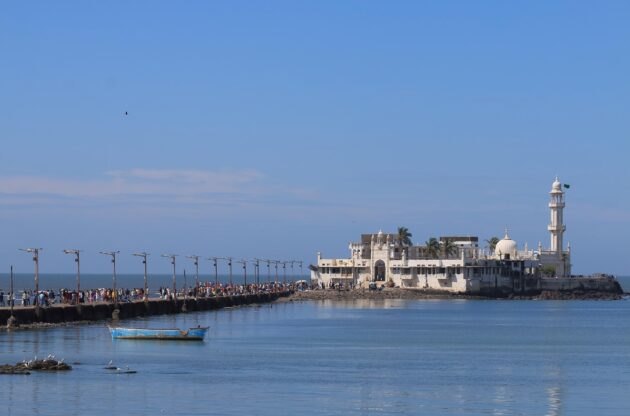
A Travel Guide to Mumbai (2026)
Mumbai, formerly known as Bombay, is India’s vibrant financial capital, Bollywood hub, and a melting pot of cultures, contrasts, and energy. This bustling coastal metropolis on the Arabian Sea blends colonial architecture, chaotic street life, world-class cuisine, and stunning waterfront views. From the iconic Gateway of India to the glittering Marine Drive, Mumbai offers an unforgettable mix of history, modernity, poverty, and glamour.
Why Visit Mumbai?
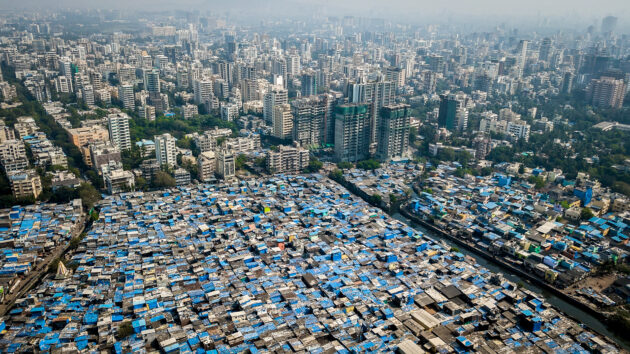
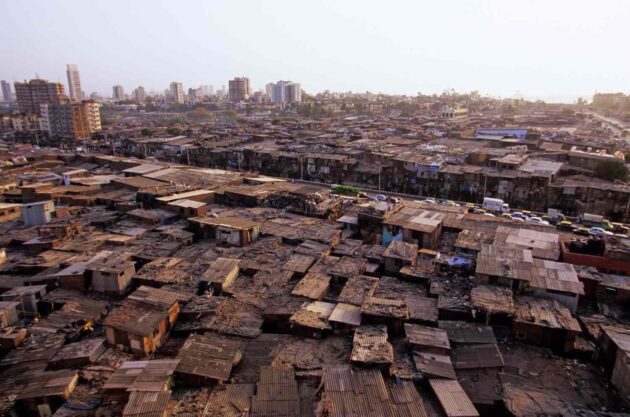
Mumbai embodies the spirit of India: chaotic yet inspiring, crowded yet captivating. It’s home to three UNESCO World Heritage Sites (Chhatrapati Shivaji Maharaj Terminus, Elephanta Caves, and the Victorian Gothic and Art Deco Ensembles), Asia’s largest slum (Dharavi), and the world’s most expensive private residence (Antilia). The city pulses with Bollywood dreams, bustling markets, and a resilient local spirit. It’s a place where colonial grandeur meets modern skyscrapers, and where you can enjoy sunset walks along the sea while savoring some of India’s best street food.
How to Get There
By Air: Chhatrapati Shivaji Maharaj International Airport (BOM) is well-connected with direct flights from major global cities. The new Terminal 2 is modern and efficient. Pre-paid taxis, Uber/Ola rides, or hotel transfers are recommended from the airport.
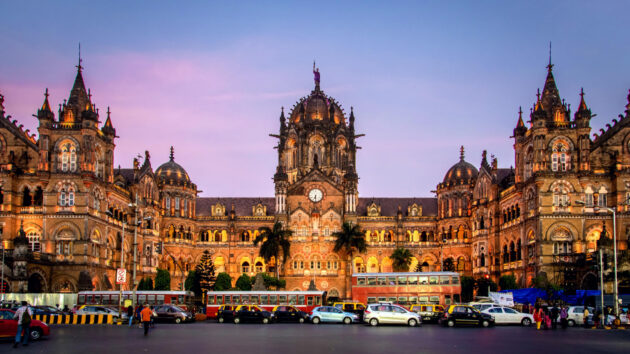
By Train: Mumbai has major railway stations like Chhatrapati Shivaji Maharaj Terminus (CSMT, formerly Victoria Terminus) and Mumbai Central. Trains connect to cities across India.
By Road: Long-distance buses arrive at various terminals, but trains or flights are generally more comfortable for long journeys.
Best Time to Visit
The ideal time to visit Mumbai is October to February (winter season). Temperatures are pleasant (17–30°C / 63–86°F), with lower humidity and clearer skies, perfect for sightseeing and outdoor activities. December and January are especially comfortable.
Avoid the monsoon (June–September) due to heavy rains and flooding.
March–May brings intense heat and humidity.
Festivals like Ganesh Chaturthi (August/September) or Diwali (October/November) add vibrant cultural experiences if your dates align.
Top Things to Do
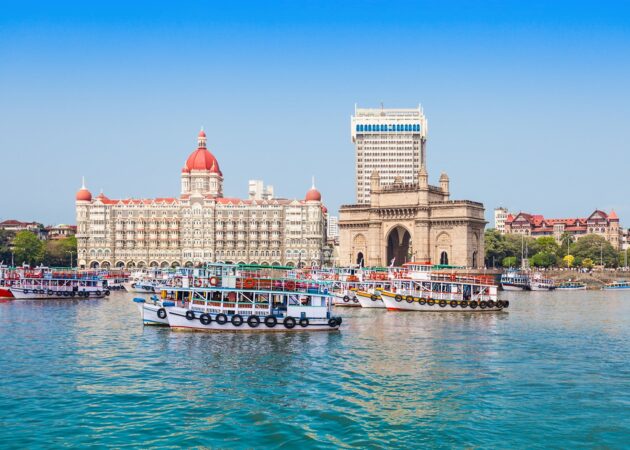
Gateway of India
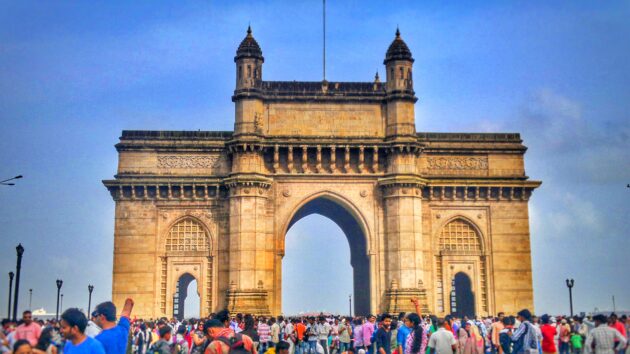
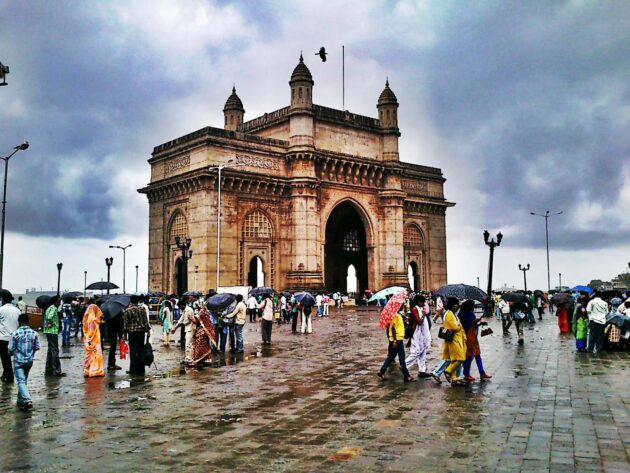
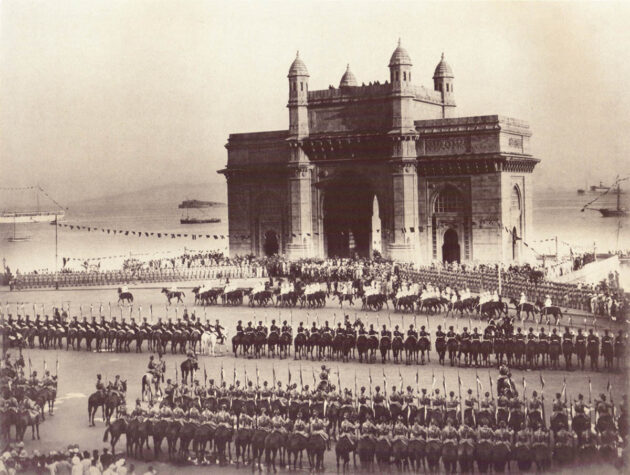
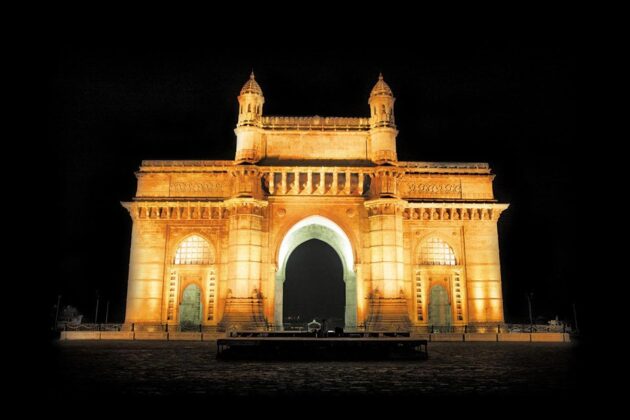
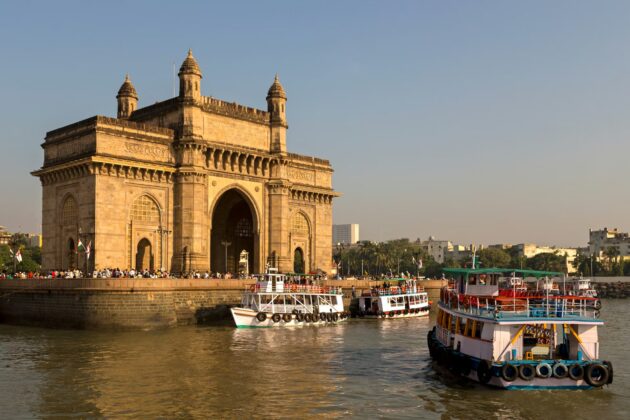
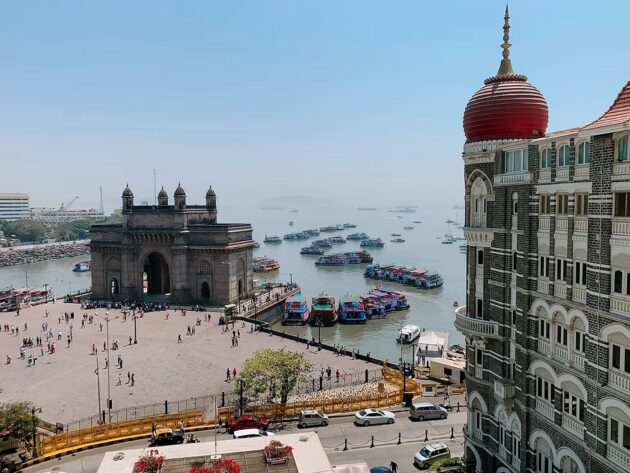
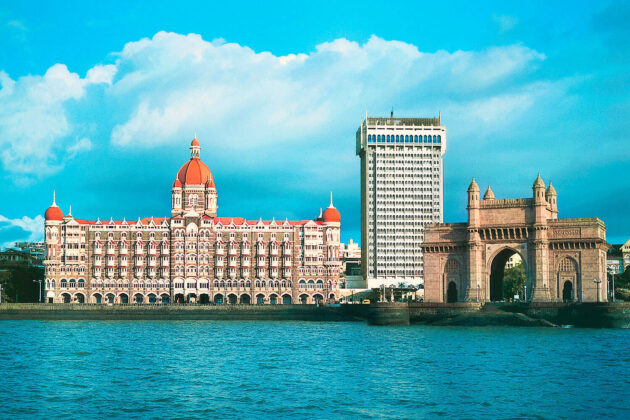
The Gateway of India is Mumbai’s most iconic landmark and a symbol of the city’s rich colonial history and vibrant present. Standing majestically on the Apollo Bunder waterfront in Colaba, this 26-meter-tall basalt arch overlooks the Arabian Sea. Built in 1924 in the Indo-Saracenic style to commemorate the visit of King George V and Queen Mary in 1911, it later became the departure point for the last British troops leaving India in 1948.
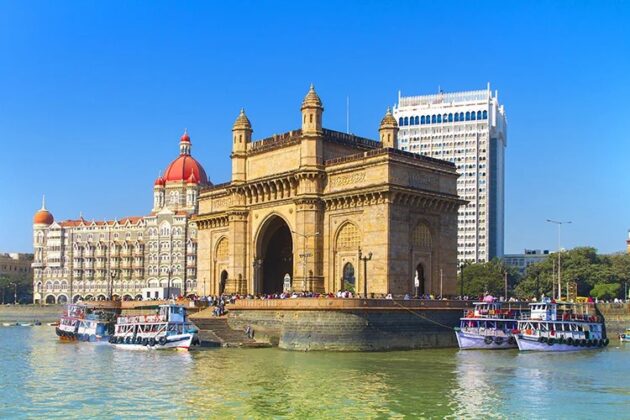
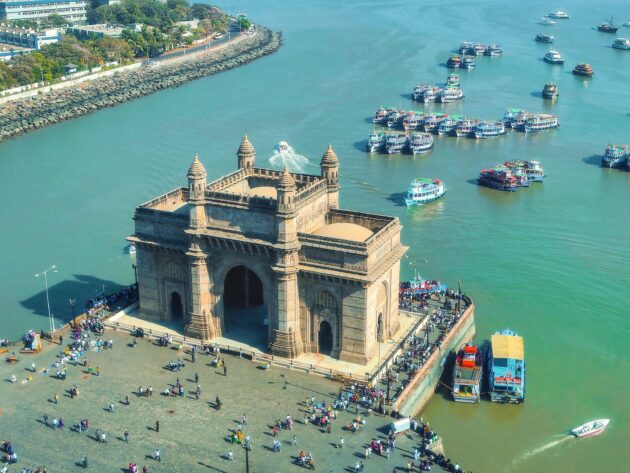
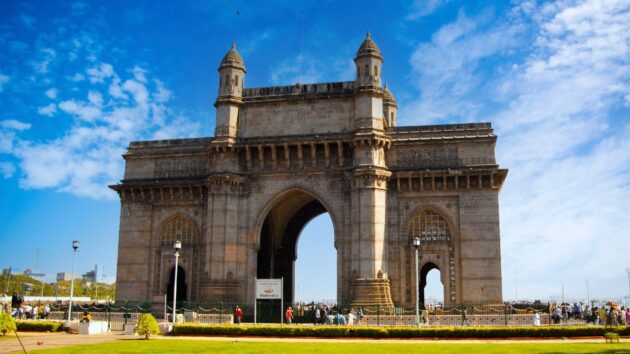
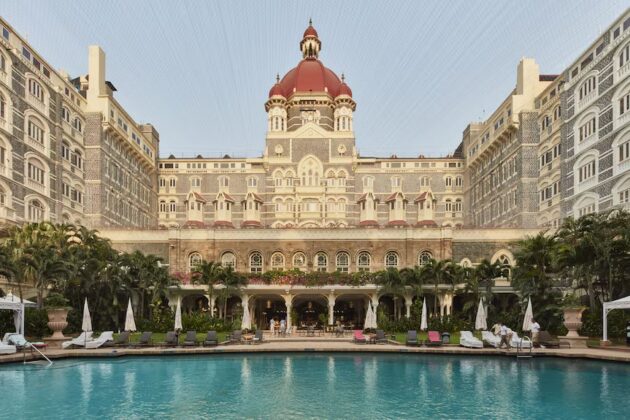
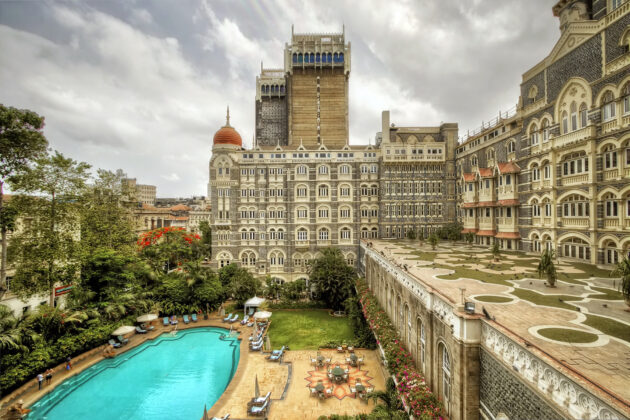
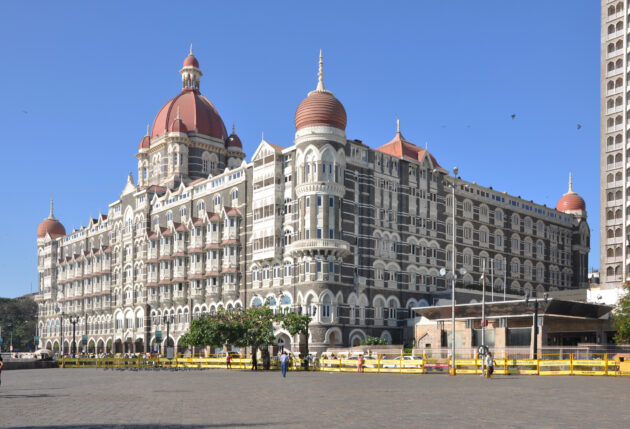
The Taj Mahal Palace
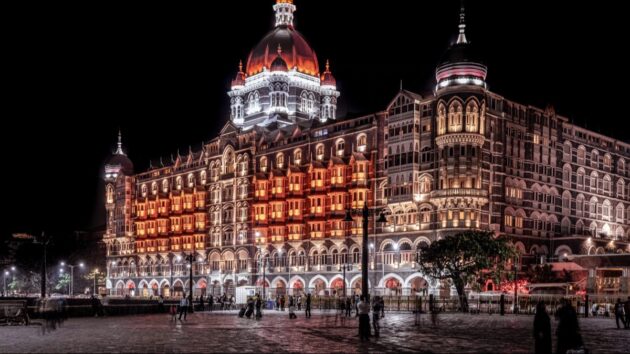
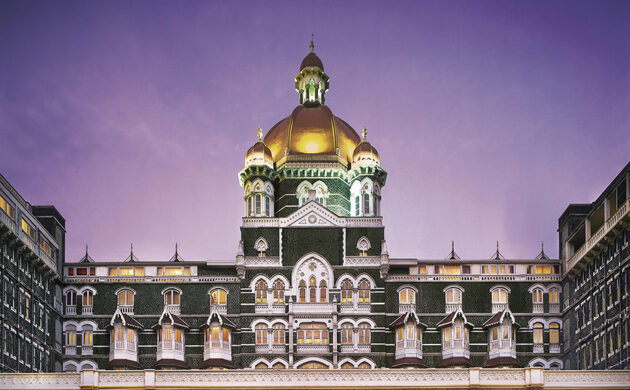
Mumbai’s most iconic landmark, the Gateway of India is a basalt arch built in 1924 to welcome British royalty. It overlooks the Arabian Sea and is especially beautiful at sunset. Right next door stands the historic Taj Mahal Palace Hotel — stroll the lobby or enjoy high tea if your budget allows.
Marine Drive (Queen’s Necklace)
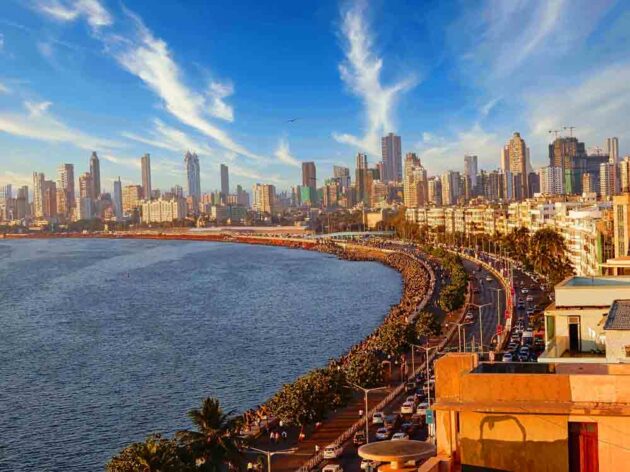
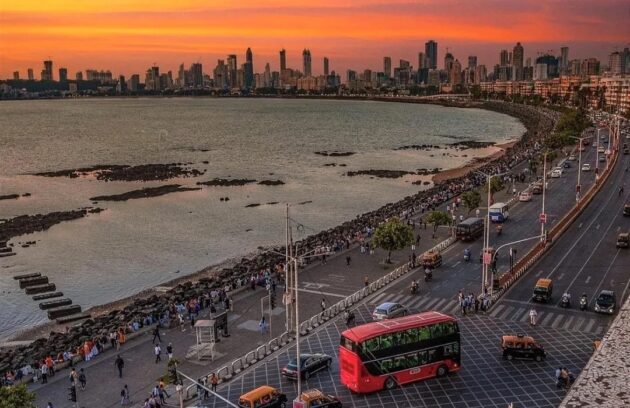
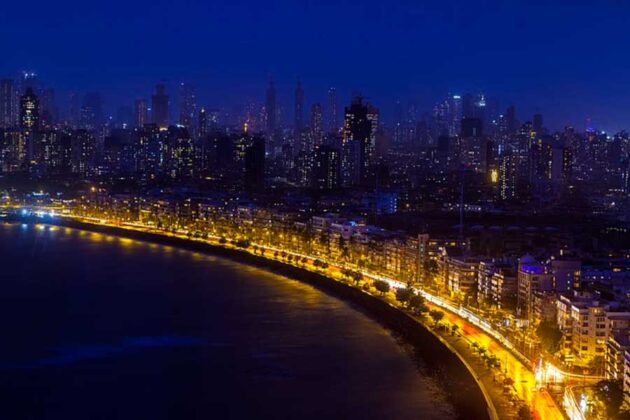
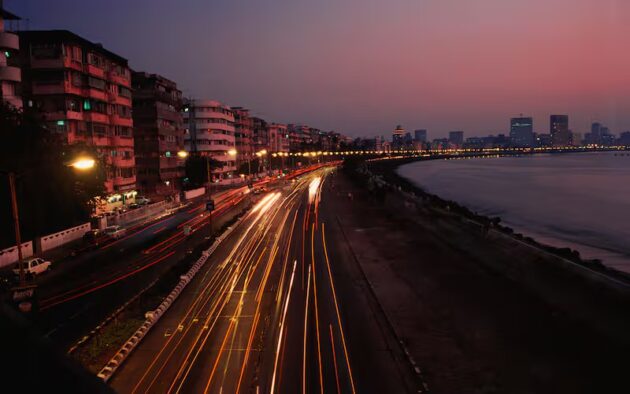
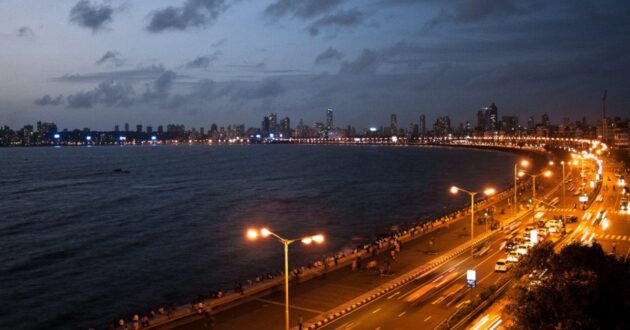
This elegant 3.6 km crescent-shaped boulevard hugs the Arabian Sea. Walk or drive along it at dusk to see the city lights sparkle like a necklace. It’s perfect for people-watching, street food, and romantic sunsets.
Elephanta Caves
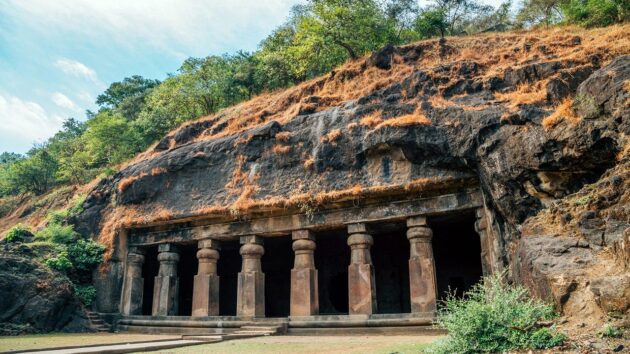
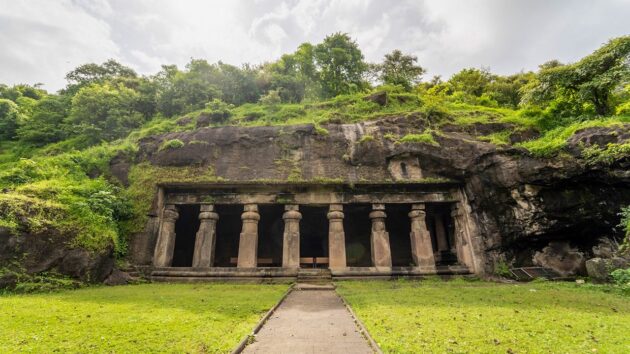
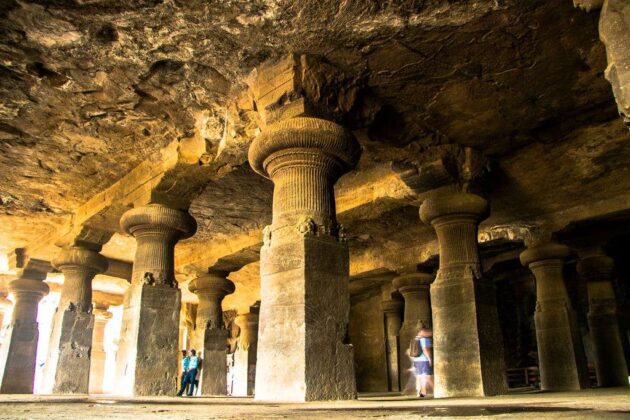
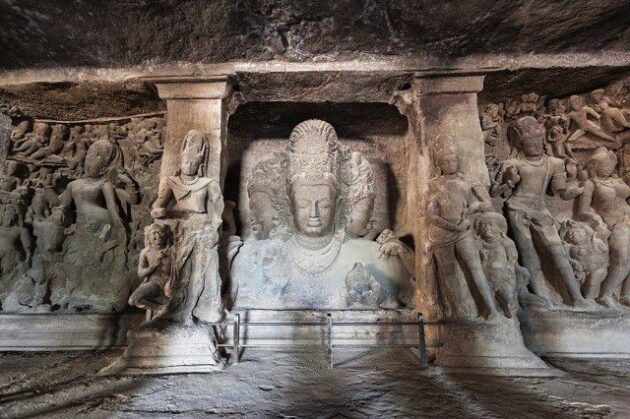
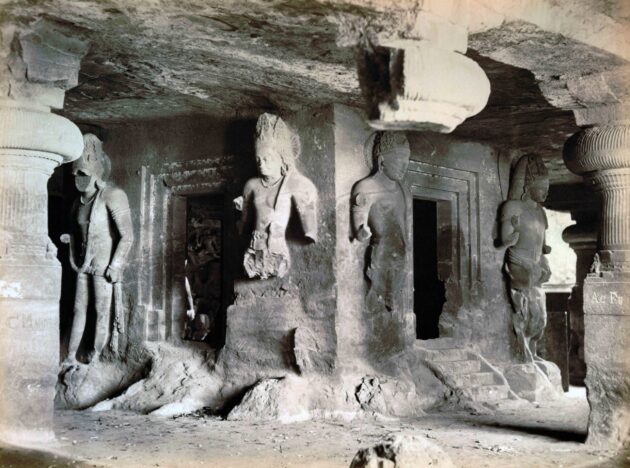
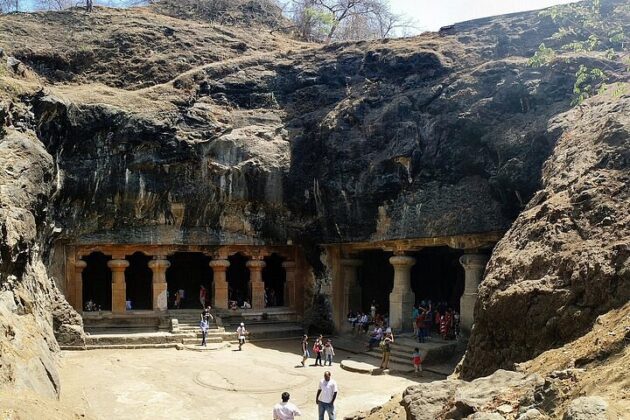
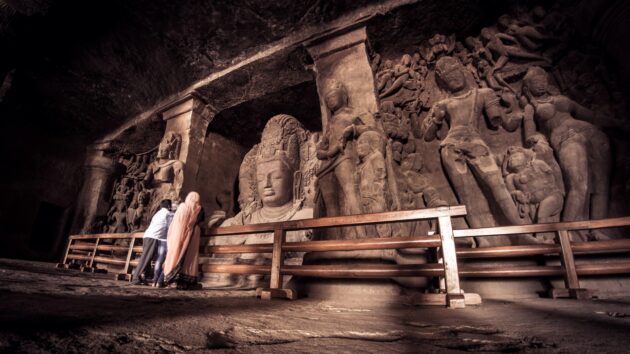
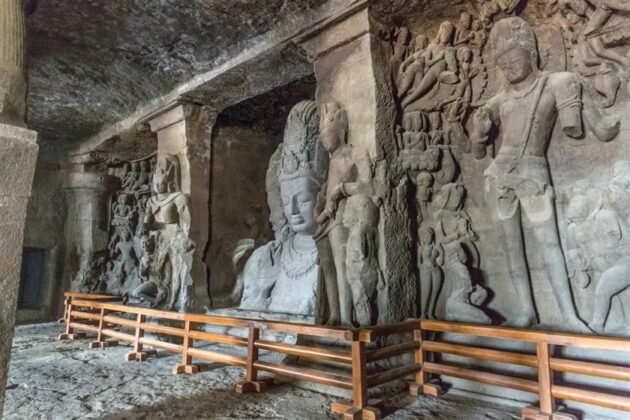
Take a ferry from the Gateway of India to this UNESCO-listed island (about 1 hour). The ancient rock-cut caves feature magnificent Hindu sculptures dedicated to Lord Shiva. Guided tours enhance the experience.
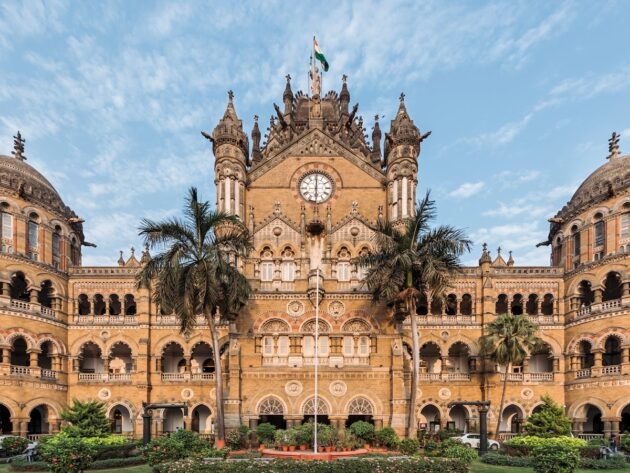
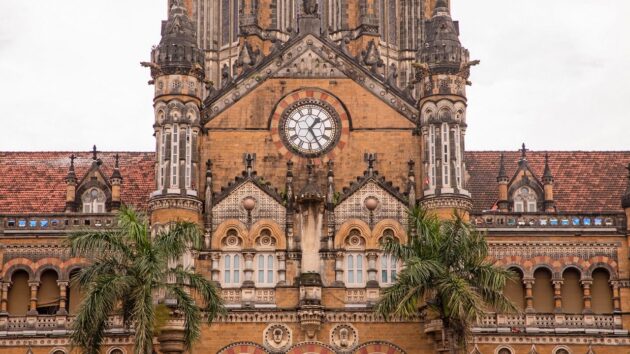
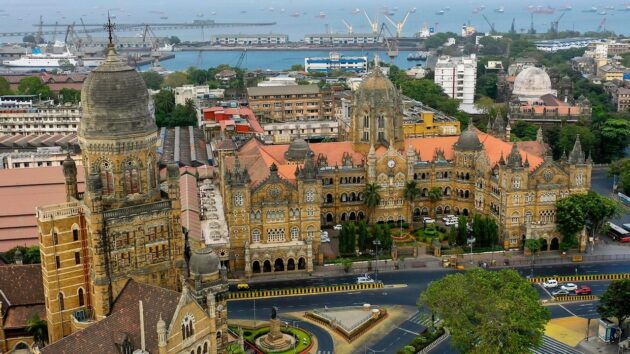
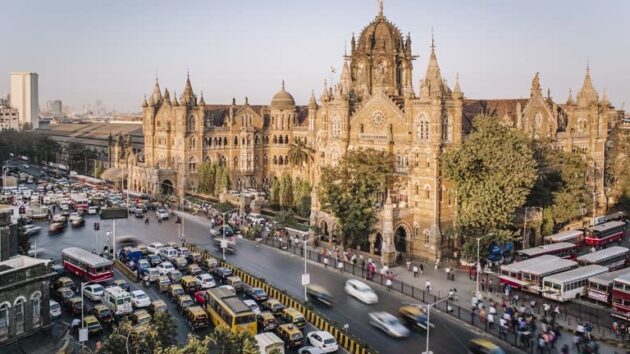
Chhatrapati Shivaji Maharaj Terminus (CSMT)
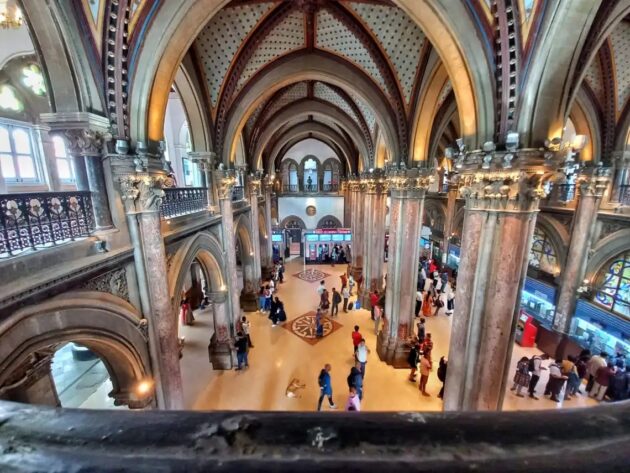
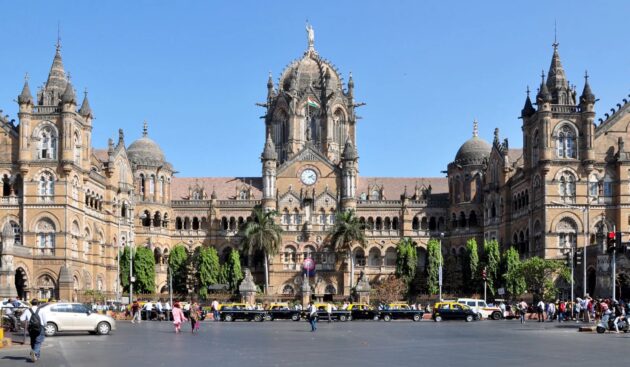
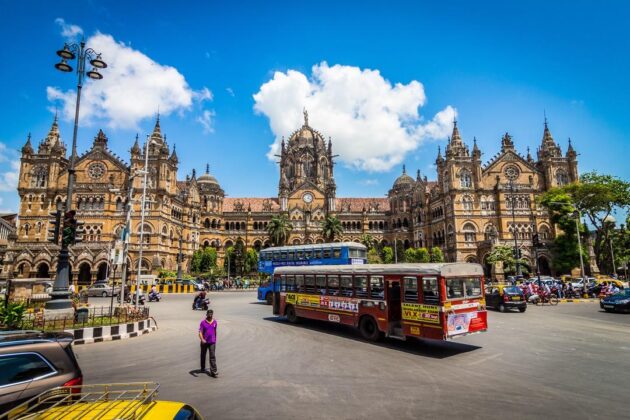
This stunning UNESCO World Heritage railway station showcases Victorian Gothic Revival architecture with Indian influences. Admire the exterior and interior details — it’s still a busy working station.
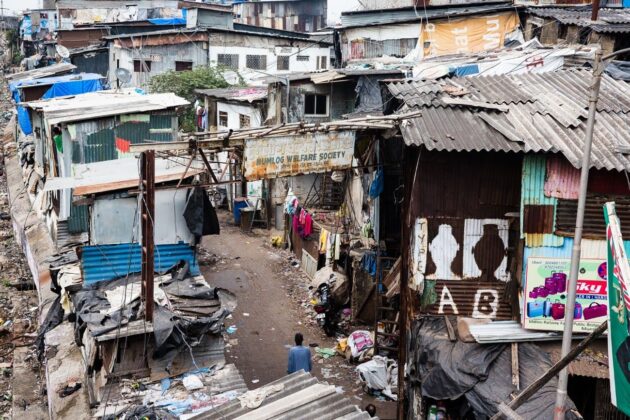
Dharavi Slum Tour
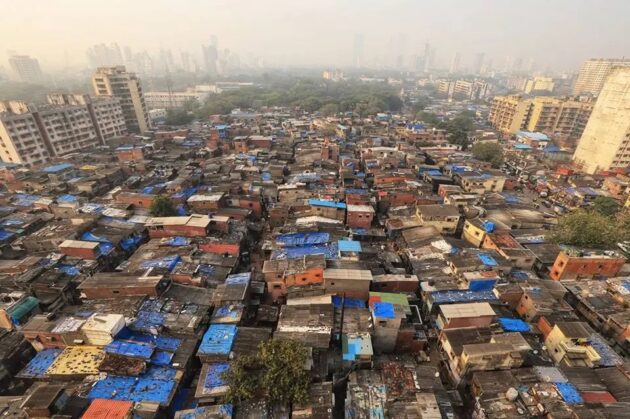
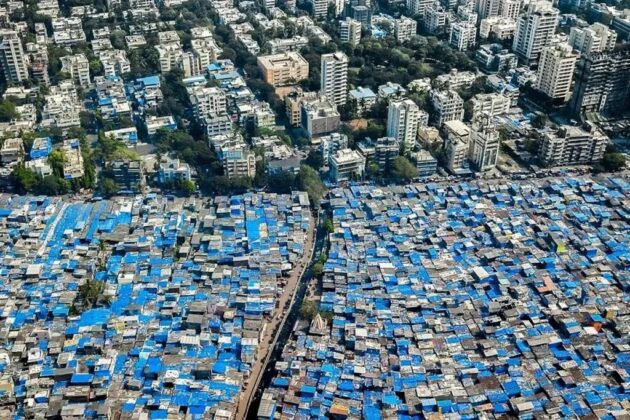
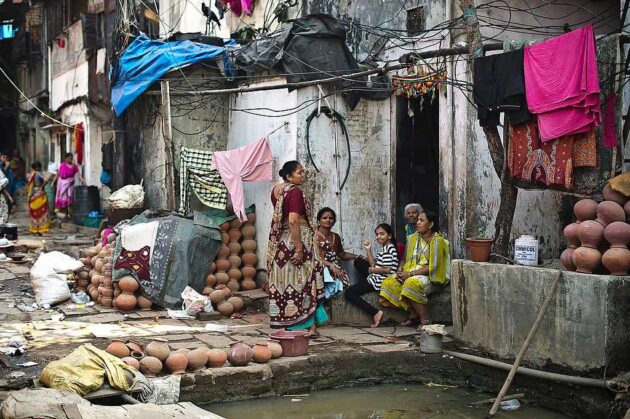
Join an ethical guided walking tour of Asia’s largest slum to gain insight into local entrepreneurship, pottery, leatherwork, and community life. It’s eye-opening and supports local initiatives.
Where to Stay
South Mumbai (Colaba/Fort/Churchgate): Best for first-timers — walkable to major sights. Options range from luxury (Taj Mahal Palace) to budget guesthouses.
Bandra/Worli: Trendier, with better nightlife and restaurants.
Mid-range picks: Hotels in Colaba or near Marine Drive offer great locations.
Luxury: Taj, Oberoi, or Four Seasons.
Budget: Hostels or Airbnbs in safer neighborhoods.
Book in advance during peak season (Oct–Feb).
Getting Around
Mumbai’s traffic is notorious, so plan accordingly:
Local Trains: Fastest for north-south travel, but extremely crowded during rush hours (avoid if possible). Ladies’ compartments are available.
Metro: Expanding network; clean and efficient for covered routes.
Uber/Ola: Convenient ride-hailing apps; use them for most trips.
Taxis/Auto-rickshaws: Black-and-yellow taxis are metered; autos are cheaper for short distances but negotiate or use apps.
Walking: Feasible in Colaba, Fort, and Bandra.
Tip: Avoid peak hours (8–10 AM and 6–8 PM) and download offline maps.
What to Eat
Mumbai is a food paradise:
Street Food: Vada pav (spicy potato burger), pav bhaji, bhel puri, pani puri.
Iconic Spots: Swati Snacks, Sardar Pav Bhaji, Chowpatty stalls, or Jimmy Boy for Parsi/Iranian cuisine.
Fine Dining: Bombay Canteen for modern Indian, or thali at traditional spots.
Drink fresh coconut water or masala chai everywhere.
Be cautious with street food hygiene — choose busy stalls and consider bottled water.
Practical Tips
Safety: Mumbai is relatively safe compared to other Indian cities, even for solo female travelers, but use common sense: avoid isolated areas at night, watch your belongings in crowds, and use ride apps.
What to Bring: Comfortable walking shoes, modest clothing for religious sites, sunscreen, insect repellent, and cash (ATMs are widespread but small notes help).
Health: Stay hydrated, use mosquito repellent, and consider travel insurance. Tap water is not safe — drink bottled.
Currency & Language: Indian Rupee (INR). English is widely spoken in tourist areas; Hindi/Marathi are local languages.
Respect Local Customs: Dress modestly at temples/mosques; remove shoes when required.
Sustainability: Support ethical slum tours and avoid single-use plastics.
Final Thoughts
Mumbai is intense, exhausting, and utterly addictive. Embrace the chaos, slow down to soak in the contrasts, and you’ll leave with a deeper appreciation for India’s “City of Dreams.”
Safe travels and enjoy the maximum city!