
A Travel Guide to Elephanta Caves (2026)
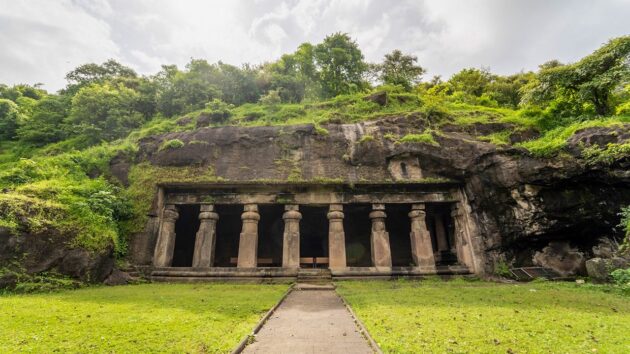
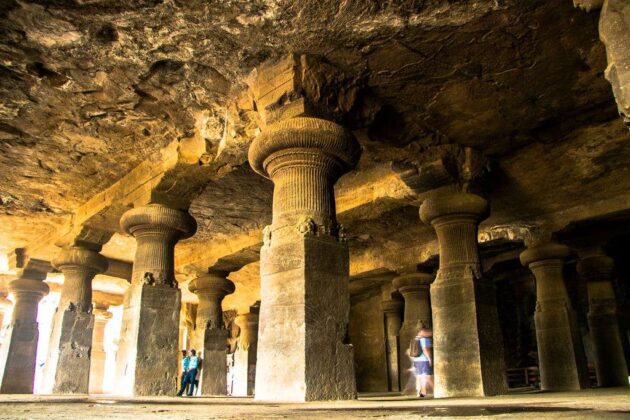
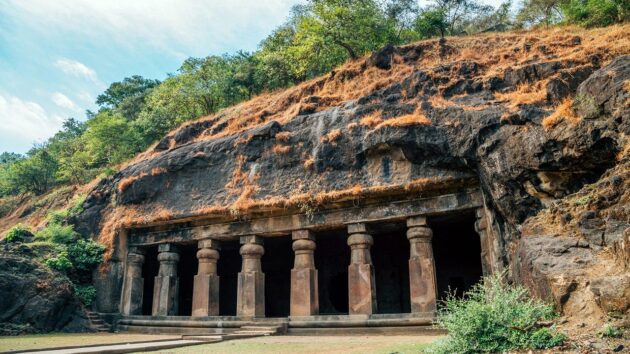
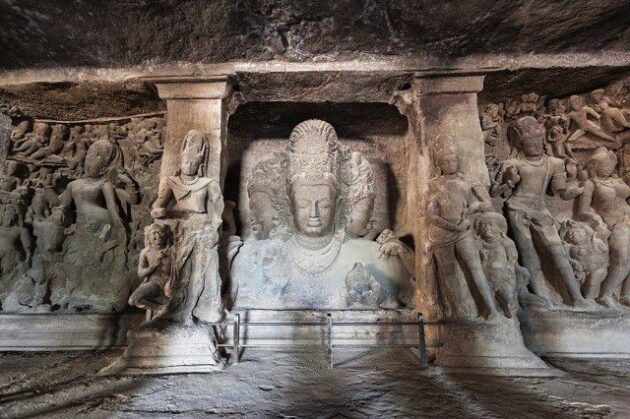
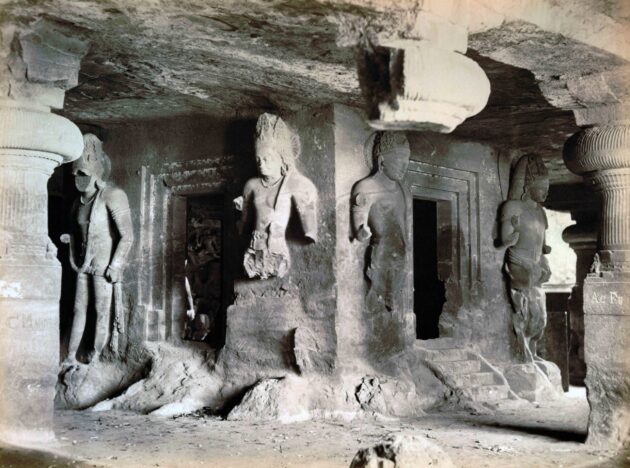
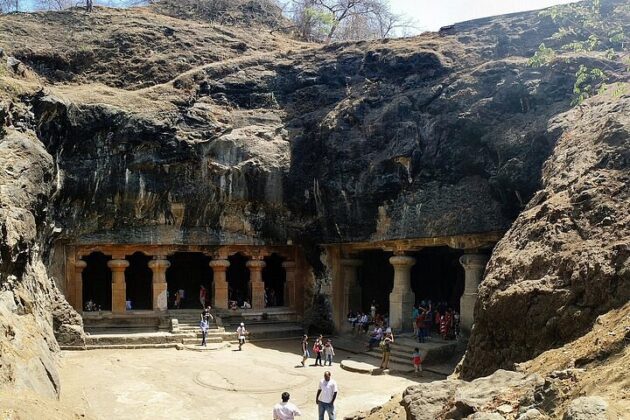
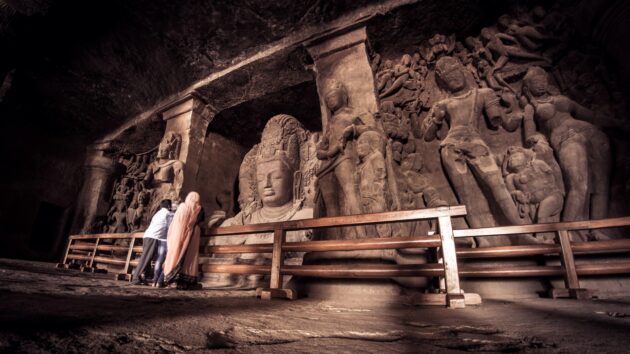
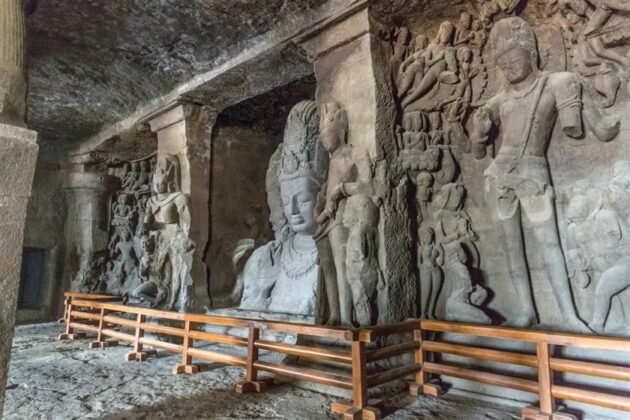
The Elephanta Caves, a UNESCO World Heritage Site, are a stunning collection of rock-cut cave temples dedicated primarily to the Hindu god Shiva. Located on Elephanta Island (also known as Gharapuri) about 7–10 km off the coast of Mumbai in the Arabian Sea, these ancient caves date back to the 5th–8th centuries CE. Carved from solid basalt rock, they feature intricate sculptures, including the iconic 20-foot-tall Trimurti (three-headed Shiva) depicting creation, preservation, and destruction. The site blends history, art, and spirituality, offering a peaceful escape from Mumbai’s bustling streets while providing breathtaking views of the harbor.
Visiting Elephanta Caves is a perfect half-day adventure that combines a scenic ferry ride with exploration of one of India’s most significant archaeological treasures.
Why Visit Elephanta Caves?
The caves showcase masterful Hindu rock-cut architecture with detailed panels depicting Shiva’s various forms (as Nataraja the cosmic dancer, as Ardhanarishvara the half-male half-female form, and more). There are seven main caves, with Cave 1 being the largest and most impressive. The island also offers panoramic views of Mumbai’s skyline and a chance to observe local wildlife, including mischievous monkeys. It’s an ideal spot for history buffs, photography enthusiasts, and anyone seeking a cultural contrast to modern Mumbai.
How to Get There
The only practical way to reach Elephanta Island is by ferry from the Gateway of India in Colaba, South Mumbai.
Ferry Details: Ferries depart every 30 minutes starting from around 9:00 AM, with the last departure to the island typically around 2:00–3:30 PM. The journey takes about 1 hour each way, offering scenic views of the Mumbai harbor, naval ships, and the Taj Mahal Palace Hotel. Return ferries from the island run until about 5:30 PM.
Ferry Tickets: Round-trip tickets cost approximately ₹150–₹260 per adult (regular or “luxury” boats with slightly better seating). Children have concessional rates. Tickets can be purchased at counters near the Gateway of India (look for MTDC or private operators). Booking in advance via tour operators is recommended during peak season.
From Other Parts of Mumbai: Reach the Gateway of India by taxi, local train (Churchgate or CST station), or metro. It’s well-connected and easy to access.
Note: Ferries may be suspended during rough weather, especially in the monsoon season (June–September).
Best Time to Visit
Season: The ideal time is November to February (winter), when the weather is cooler and more pleasant for outdoor activities and the ferry ride. Avoid the hot summer (March–May) and monsoon (June–September) due to heat, humidity, or rough seas.
Time of Day: Go early in the morning (catch the 9:00 AM ferry) to beat the crowds and the afternoon heat. The caves are less crowded before noon.
Opening Hours: Open Tuesday to Sunday from 9:00/9:30 AM to 5:00/5:30 PM. Closed on Mondays and on public holidays when ferries don’t operate. Last entry is usually around 4:30 PM.
What to Do
Explore the Caves: Start with Cave 1, home to the magnificent Trimurti sculpture and other panels like Shiva as Nataraja and the marriage of Shiva and Parvati. Wander through the other caves (some smaller and less preserved) and admire the ancient architecture and carvings.
Climb the Steps: From the ferry jetty, you’ll take a short walk or a toy train (₹10–15) to the base of a steep flight of about 100–120 steps leading up to the caves. The climb offers great views but can be tiring in the heat.
Guided Tours: Hire a local guide at the site or book a guided tour from Mumbai for deeper insights into the history and mythology. Many operators include ferry tickets, entry, and transport.
Island Exploration: Stroll around the island, visit souvenir shops, or enjoy simple meals at local stalls. Keep an eye on the monkeys—they are playful but can snatch food or bags!
Tickets and Costs
Ferry Round-Trip: ₹150–₹260 per adult.
Cave Entry Fee: Indian citizens and citizens of SAARC/BIMSTEC countries (e.g., Bangladesh, Nepal, Bhutan, Sri Lanka, Thailand): ₹35–₹40. Other foreign tourists: ₹550–₹600. Children under 15: Free.
Photography: Still photography is usually free; video may have a small fee.
Guided Tours: Full-day tours from Mumbai (including transport, ferry, entry, and guide) start from around ₹2,000–₹4,000+ per person depending on group size and inclusions.
What to Bring and Wear
Clothing: Comfortable, modest clothes that cover shoulders and knees (respectful for a religious site). Loose cotton outfits are best for the heat.
Footwear: Sturdy walking shoes or sneakers with good grip—the steps and paths can be uneven and slippery.
Essentials: Plenty of water (stay hydrated; carry it in a bag to avoid monkey attention). Sunscreen, hat, sunglasses, and a light scarf. Small backpack for valuables. Cash (rupees) for snacks, souvenirs, or the toy train.
Avoid: Revealing clothes, heavy bags, or visible food items.
Important Tip: The site is not very wheelchair-friendly due to the steps and uneven terrain. Those with mobility issues should consider private arrangements or skip the visit.
Where to Stay and Combine Your Trip
Elephanta Caves make an excellent half-day trip from Mumbai, so base yourself in South Mumbai (Colaba, Fort, or Marine Drive areas) for convenience. Popular areas include:
Luxury: Taj Mahal Palace Hotel (right next to the Gateway).
Mid-range/Budget: Hotels in Colaba or near CST.
Combine your visit with: Gateway of India and Taj Mahal Palace. Colaba Causeway for shopping and street food. Marine Drive or Chowpatty Beach in the evening.
Tips for a Great Experience
Respect the Site: The caves are sacred—speak softly, don’t touch the sculptures, and follow all rules.
Monkeys: They are everywhere on the island. Never feed them, and secure your belongings.
Crowds and Heat: Early morning visits minimize both.
Food: Simple vegetarian snacks and drinks are available on the island, but quality varies. Eat at reputable stalls or bring light snacks.
Safety: Stick to marked paths, watch your step on the stairs, and be cautious during the ferry ride if the sea is choppy.
Book Ahead: During peak tourist season (winter), consider booking a guided tour for hassle-free experience.
Final Thoughts
A visit to the Elephanta Caves feels like stepping back in time amid the vibrant energy of Mumbai. The combination of the harbor ferry, ancient rock-cut art, and island tranquility makes it one of the most rewarding day trips from the city. Whether you’re a first-time visitor to India or a seasoned traveler, the majestic Trimurti and serene cave atmosphere will leave a lasting impression.
Plan your trip carefully around the ferry schedule and weather, and you’ll enjoy a memorable blend of history, culture, and nature. Safe travels!