
A Travel Guide to the Gateway of India (2026)
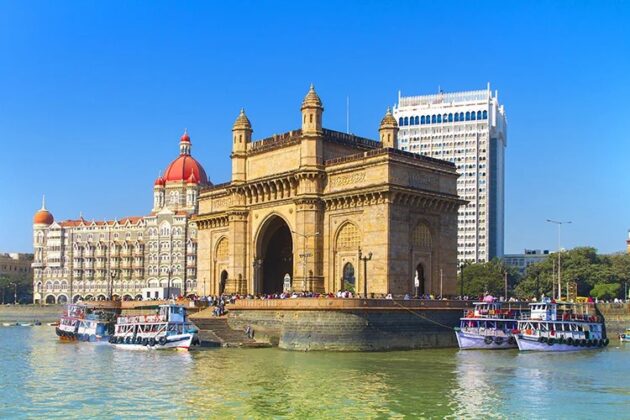
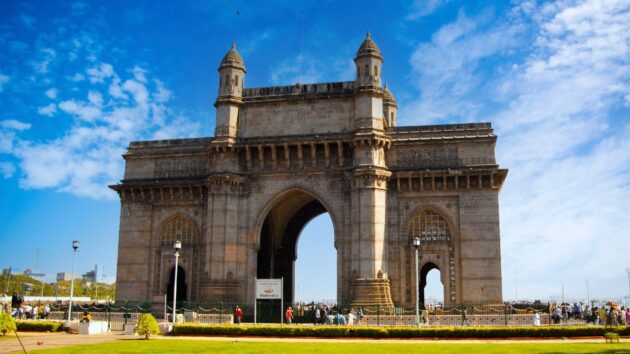
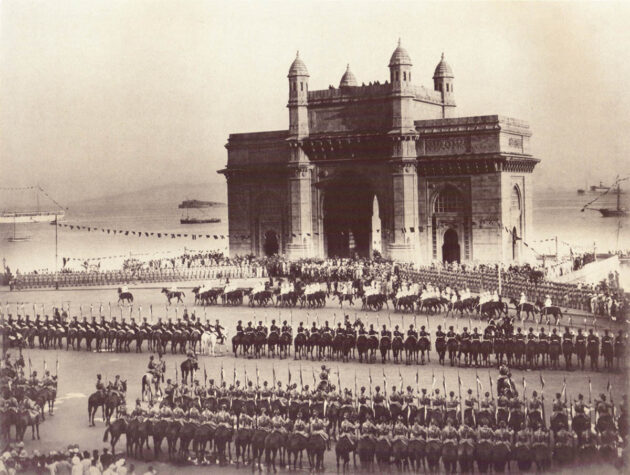
The Gateway of India is Mumbai’s most iconic landmark and a symbol of the city’s rich colonial history and vibrant present. Standing majestically on the Apollo Bunder waterfront in Colaba, this 26-meter-tall basalt arch overlooks the Arabian Sea. Built in 1924 in the Indo-Saracenic style to commemorate the visit of King George V and Queen Mary in 1911, it later became the departure point for the last British troops leaving India in 1948. Today, it serves as a bustling gathering spot for locals, tourists, and photographers, offering stunning views of the sea, the Taj Mahal Palace Hotel, and the harbor.
Why Visit the Gateway of India?
Architectural Beauty: The grand arch blends Hindu, Muslim, and European architectural elements, making it a perfect example of Indo-Saracenic design.
Historic Significance: It marks both the arrival of British royalty and the end of colonial rule in India.
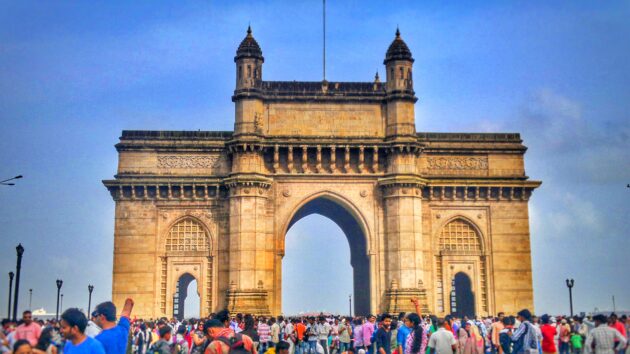
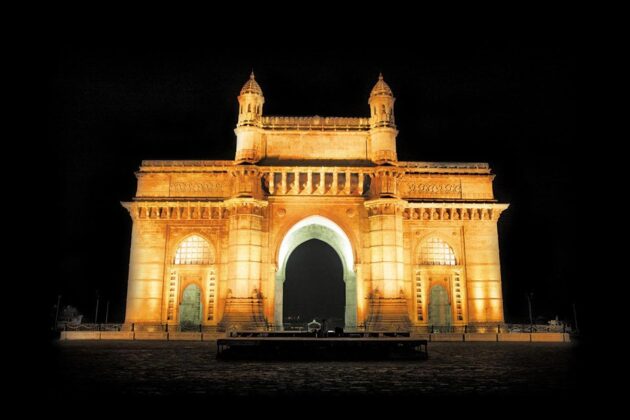
Vibrant Atmosphere: The plaza is alive with street vendors, photographers, horse carriages, and locals enjoying the sea breeze. At night, the monument is beautifully illuminated.
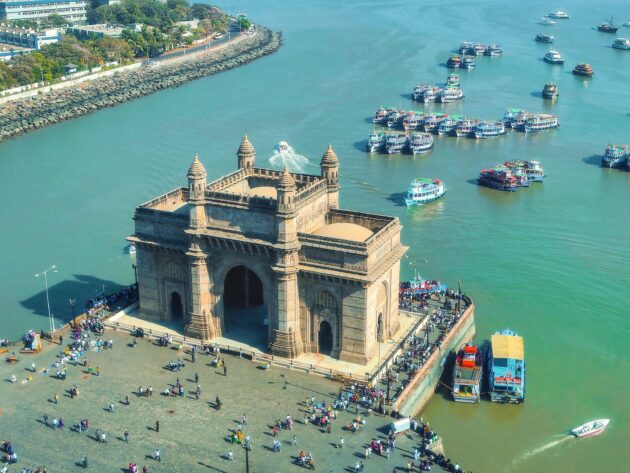
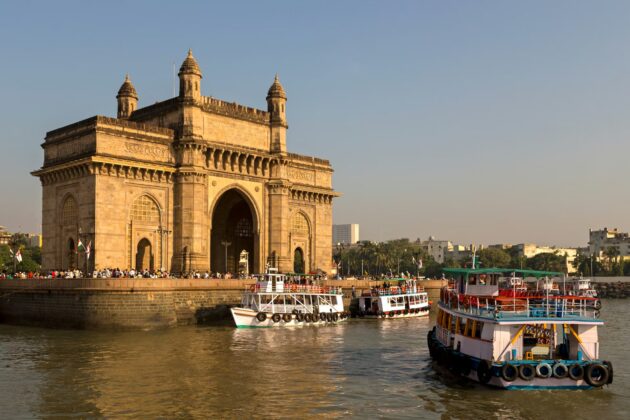
Gateway to Adventures: It serves as the departure point for ferries to the UNESCO-listed Elephanta Caves.
How to Get There
The Gateway of India is located in South Mumbai’s Colaba area, making it easily accessible:
By Metro: The nearest station is Churchgate (Western Line) or Chhatrapati Shivaji Maharaj Terminus (CSMT) (Harbor Line). From there, it’s a pleasant 15–20 minute walk or a short taxi/auto-rickshaw ride.
By Taxi or Ride-Hailing: Use Uber or Ola for convenience. It’s about 30–45 minutes from Mumbai’s Chhatrapati Shivaji Maharaj International Airport (BOM), depending on traffic.
By Local Train: Churchgate or CSMT stations are major hubs; the area is well-connected.
Tip: Mumbai traffic can be heavy, so plan extra time during peak hours (morning and evening rush).
Best Time to Visit
Optimal Season: October to March (winter/post-monsoon) is the best time. Temperatures range from 15–30°C (59–86°F), with pleasant weather ideal for walking and photography. Humidity is lower, and skies are clearer.
Time of Day: Early morning (6–8 AM) for fewer crowds and soft golden light. Evening/sunset for magical lighting, illuminated monument views, and a lively atmosphere.
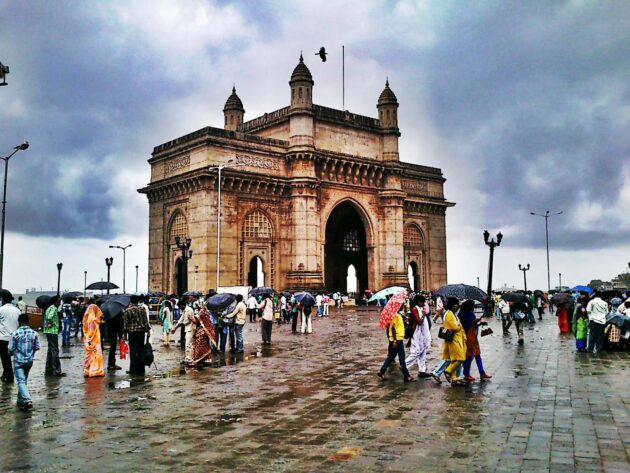
Avoid: Monsoon season (June–September) brings heavy rain, though the dramatic stormy sea can be atmospheric for some. The site is open all day, year-round.
Note: Elephanta Caves (a popular side trip) are closed on Mondays.
What to Do at the Gateway of India
Admire the Monument: Walk around the arch, take classic photos with the sea in the background, and watch the waves crash against the waterfront.
Ferry to Elephanta Caves: Board a ferry (about 1-hour ride) to Elephanta Island for ancient rock-cut caves dedicated to Lord Shiva (UNESCO World Heritage Site). Ferries depart from 9 AM to around 3:30 PM. Round-trip ferry tickets cost approximately ₹150–₹260 (standard/luxury). Caves entry: ₹40 for Indians, ₹600 for foreigners. The last return boats leave in the afternoon.
Stroll the Waterfront: Enjoy the promenade, horse-drawn carriage rides, or simply people-watch.
Visit Nearby Taj Mahal Palace Hotel: Admire this historic luxury hotel right next to the Gateway (you can enter the lobby or enjoy a meal/drinks with views).
Evening Vibes: Return at night when the Gateway is lit up beautifully. Nearby rooftop bars or cafes offer great views.
Nearby Attractions
Combine your visit with these spots within walking distance or a short ride:
Colaba Causeway: Vibrant street for shopping (souvenirs, clothes, jewelry) and street food.
Chhatrapati Shivaji Maharaj Terminus (CST): Stunning Victorian Gothic architecture (UNESCO site), about 2–3 km away.
Marine Drive (Queen’s Necklace): Scenic coastal road for sunset walks (short taxi ride).
Jehangir Art Gallery and Prince of Wales Museum (Chhatrapati Shivaji Maharaj Vastu Sangrahalaya): Excellent for art and history lovers.
Sassoon Docks: For a glimpse of local fishing life (early morning best).
Where to Stay
For the best experience, stay in Colaba or South Mumbai:
Luxury: Taj Mahal Palace Hotel (iconic views) or The Oberoi.
Mid-range: Hotels along Colaba Causeway or near Churchgate.
Budget: Guesthouses and hostels in Colaba offer great value and location.
Staying nearby allows easy evening visits when the area feels most magical.
What to Bring & Practical Tips
Essentials: Comfortable shoes (for walking), sunscreen, hat, water bottle, and a camera/phone for photos.
Money & Payments: Carry some cash for street vendors and small ferries; UPI/digital payments are widely accepted.
Food: Try local street snacks like vada pav or bhel puri, but choose hygienic stalls. Nearby restaurants offer everything from Indian to international cuisine.
Crowds & Safety: The area is very crowded, especially evenings and weekends. Watch your belongings (pickpockets are possible). Mumbai is generally safe for tourists, but stay alert in busy spots. Women travelers should avoid isolated areas at night.
Photography: Professional photographers will offer instant prints—negotiate prices. Early morning or late evening gives the best shots with fewer people.
No Entry Fee: Visiting the Gateway itself is free.
Final Thoughts
The Gateway of India is more than a photo opportunity — it’s a vibrant crossroads where Mumbai’s past and present meet. Spend at least 1–2 hours here, or combine it with a ferry trip to Elephanta Caves for a full half-day adventure. Whether you visit at sunrise, sunset, or under the night lights, this landmark will leave a lasting impression of India’s energy and history.
Plan your Mumbai trip around the cooler months for maximum comfort, and embrace the lively chaos that makes this city unforgettable. Safe travels!