
Bhaktapur Durbar Square Travel Guide (2026)
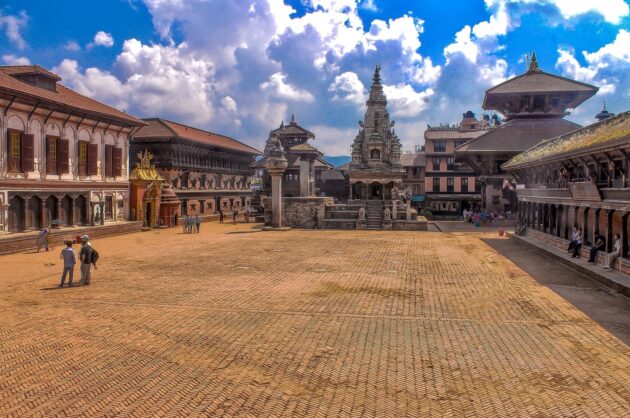
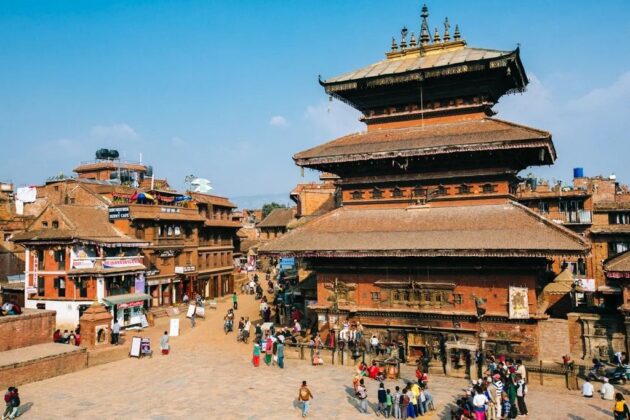
Bhaktapur Durbar Square is one of the most beautifully preserved medieval heritage sites in Nepal’s Kathmandu Valley. Often called the “City of Devotees” (Bhaktapur or Bhadgaon), this UNESCO World Heritage Site (inscribed in 1979 as part of the Kathmandu Valley sites) showcases exquisite Newar architecture, intricate wood carvings, pagoda-style temples, and a living cultural atmosphere that feels like stepping back into the Malla dynasty era (12th–18th centuries).
Unlike the busier Durbar Squares in Kathmandu and Patan, Bhaktapur offers a quieter, more atmospheric experience with fewer crowds, traditional brick buildings, and locals going about daily life amid the monuments. It suffered damage in the 1934 and 2015 earthquakes but has undergone significant restoration.
History in Brief
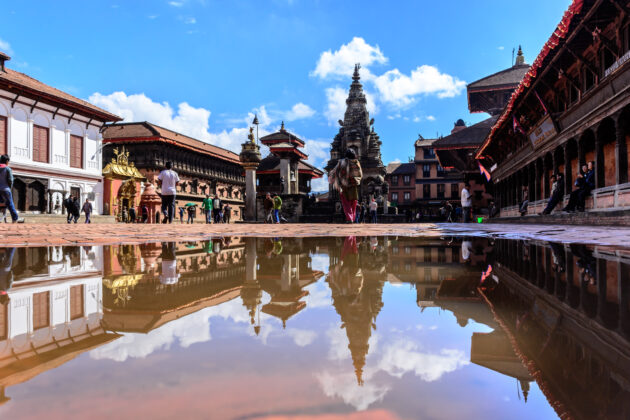
Bhaktapur served as the capital of the independent Bhaktapur Kingdom under the Malla rulers. The square was the royal palace complex, filled with temples, palaces, and public spaces built primarily between the 15th and 18th centuries. It reflects the peak of Newar art, craftsmanship, and Hindu-Buddhist syncretism. Key features include the Golden Gate (a masterpiece of repoussé metalwork) and the Palace of 55 Windows.
Key Attractions
Spend at least 3–4 hours exploring (a full day is ideal to wander the connected squares). Highlights include:
Palace of 55 Windows (Pachpanna Jhyale Durbar): Built in the 15th–17th centuries, this elegant palace features 55 uniquely carved wooden windows. It now houses a national art gallery with paintings and artifacts.
Golden Gate (Lun Dhwākhā): A stunning gilded copper entrance to the inner palace courtyards, considered one of Nepal’s finest examples of metalwork. It leads toward the Taleju Temple (dedicated to the royal goddess, generally not open to the public).
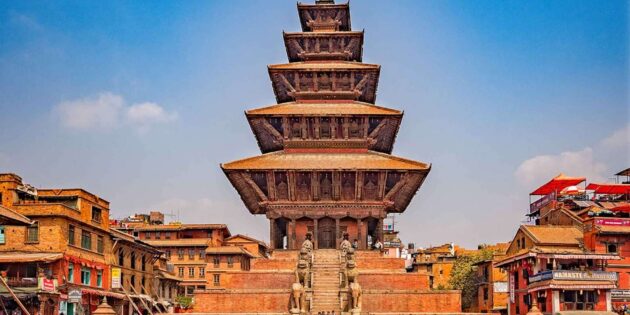
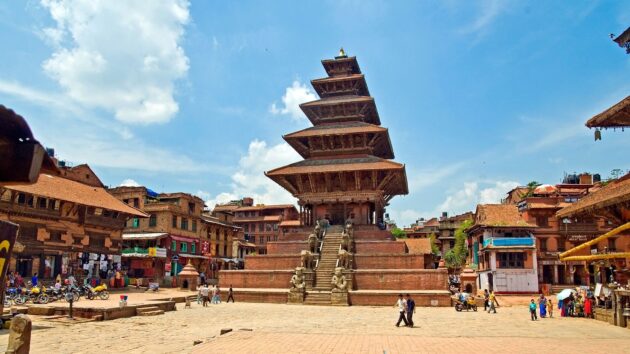
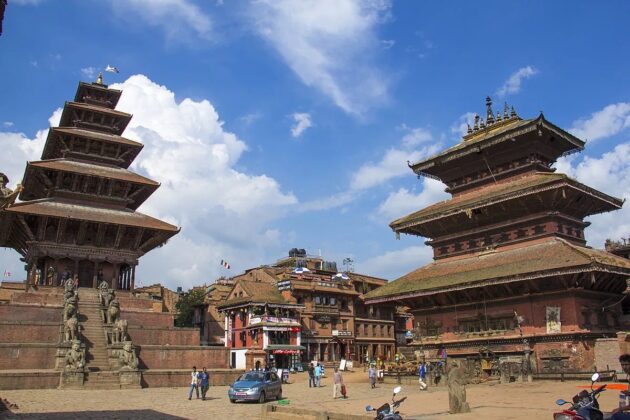
Nyatapola Temple: The tallest and most iconic five-story pagoda temple in Nepal (built 1702). “Nyatapola” means “five stories,” symbolizing the elements. It is flanked by massive guardian statues (wrestlers, elephants, lions, etc.) on the steps.
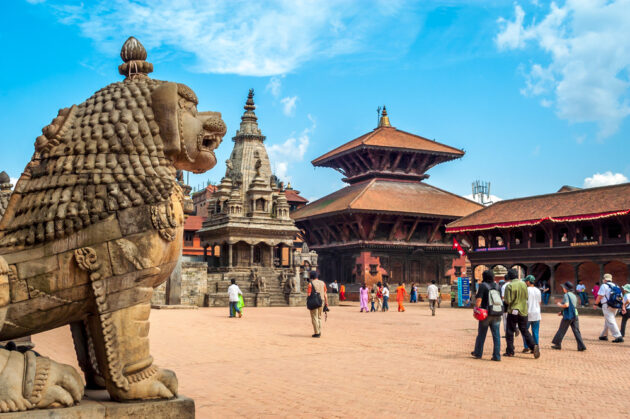
Vatsala Temple: A stone shikhara-style temple dedicated to Vatsala Devi (an incarnation of Durga), known for its intricate carvings and bell.
Statue of King Bhupatindra Malla: A prominent pillar statue of the king in a prayerful pose, facing the square.
Bhairava Nath Temple: Dedicated to the fierce form of Shiva; it has a large mask of Bhairava displayed during festivals.
Other spots: Lion Gate, Batsala Temple, Chyasilin Mandap (octagonal pavilion), and surrounding courtyards. Don’t miss the connected areas: Taumadhi Square (with Nyatapola), Dattatreya Square (with its own temples and the famous Peacock Window woodcarving), and Pottery Square (where potters shape clay by hand).
The entire old town feels like an open-air museum—wander the narrow brick alleys for hidden shrines, traditional houses, and artisan workshops.
Entry Fees and Practical Info
Foreign tourists (non-SAARC): NPR 1,800 (about US$13–18, depending on exchange rates). Some sources mention slight variations around NPR 1,500–2,000—confirm on arrival. SAARC/Chinese citizens: NPR 500. Nepali citizens: Free.
Children under 10 usually free; the ticket is valid for multiple entries the same day and covers access to the main square, museums, and key sites.
Opening hours: The square is a public space open 24/7 for strolling, but ticket counters and internal sites (museums, palace areas) typically operate ~9 AM–5/6 PM. Best to arrive early morning or late afternoon for fewer crowds and softer light.
Pay at the main entry checkpoints (taxi/bus drop-off points). Keep your ticket handy.
How to Get There
Bhaktapur lies about 13 km (8 miles) east of central Kathmandu (30–45 minutes by road, longer in traffic).
Taxi or ride-hailing (recommended for comfort): From Thamel or Kathmandu, expect 800–1,500 NPR one way (use apps like Pathao or InDrive for better rates). Private transfers are easy to arrange via hotels.
Local bus/microbus: Cheapest option (~25–50 NPR). Departs from Ratna Park or Koteshwor in Kathmandu; ask locals for the “Bhaktapur” bus. Journey takes 45–60 minutes. Buses from Patan (Lagankhel) also available. Return the same way.
Private car or tour: Ideal if combining with Patan Durbar Square or Changu Narayan Temple.
Many visitors do Bhaktapur as a day trip from Kathmandu, but staying overnight lets you experience it at dawn/dusk when it’s magical and less crowded.
Best Time to Visit
October–November and March–May: Clear skies, mild weather, and festivals. Ideal for photography.
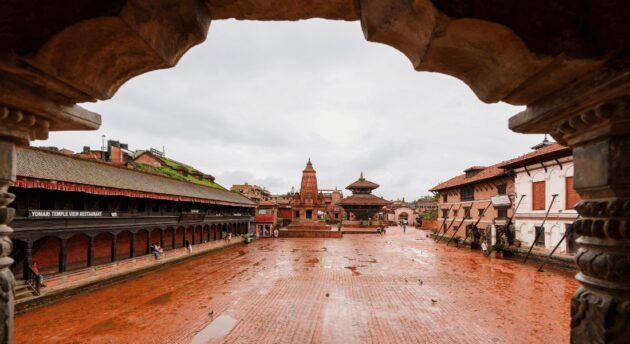
Avoid peak monsoon (June–August) due to rain, though the greenery is lush.
Festivals: Bisket Jatra (April/May, New Year celebration with chariot processions and pole-raising) is spectacular but crowded. Other events include Indra Jatra and local Newari celebrations.
Early morning (around sunrise) or late afternoon offers the best light and atmosphere; avoid midday heat.
What to Eat and Drink
Bhaktapur is famous for juju dhau (“king of yogurts”)—thick, creamy buffalo milk yogurt served in clay pots. Try it fresh from local shops.
Newari cuisine: Bara (lentil pancakes), chatamari (rice-flour “pizza”), choila (spiced grilled meat), and chyang (millet beer).
Rooftop restaurants with square views are perfect for meals. Popular spots include places near Taumadhi Square or those serving traditional thalis.
Street snacks and pottery-square vendors add to the experience.
Where to Stay
In/near the old town: Guesthouses or boutique hotels inside the heritage area (multi-entry ticket benefit). Options range from budget homestays to comfortable mid-range spots with rooftop views.
Day-trippers can base in Kathmandu’s Thamel (touristy hub with hotels, restaurants, and shops).
Tips for Visitors
Wear comfortable shoes—cobblestone/brick streets and stairs everywhere.
Respect customs: Remove shoes before entering temples; photography may be restricted at certain active religious sites or during ceremonies.
Hire a local guide if you want deeper historical context (or join a day tour from Kathmandu).
Watch for persistent souvenir sellers and guides near entrances—politely decline if not interested.
Safety: Generally safe for tourists, but standard precautions apply (watch belongings in crowds). The area feels very walkable and authentic.
Combine with: Patan Durbar Square, Swayambhunath or Boudhanath stupas, or a hike to Changu Narayan Temple (another UNESCO site).
Final Thoughts
Bhaktapur rewards slow exploration—sit on the steps, watch artisans at work, and soak in the timeless vibe. It’s often considered the most atmospheric of the three Durbar Squares. If you’re planning a trip, check current entry fees and road conditions locally, as they can fluctuate slightly. Enjoy your visit to this living piece of Nepal’s heritage!