
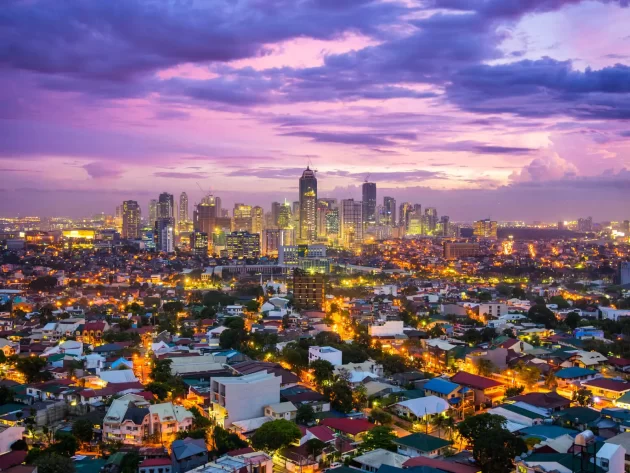
Manila Travel Guide (2026): The Vibrant Capital of the Philippines
Manila is a bustling, chaotic megacity that blends Spanish colonial history, Chinese influences, American-era architecture, and modern Filipino energy. As the heart of Metro Manila (a sprawling urban area of over 13 million people), it offers historic walled cities, world-class museums, incredible food scenes, massive malls, and stunning bay sunsets. While traffic and crowds can be intense, the city’s warmth, resilience, and cultural depth make it rewarding for travelers.
Best Time to Visit
The dry season (November to April) is ideal, with the most pleasant weather from January to April. Temperatures hover around 24–31°C (75–88°F), with low rainfall and sunny days perfect for sightseeing.
Peak season (Dec–Feb): Coolest, driest, and most festive (Christmas lights and celebrations linger). Book ahead.
March–May: Hotter, especially April–May; good for beaches but humid in the city.
Wet season (June–Oct): Heavy rains and typhoon risk; fewer crowds and lower prices, but flooding is possible.
Getting There
Ninoy Aquino International Airport (NAIA): The main gateway. Terminal 3 is the most modern. Use official transport or ride-hailing apps upon arrival.
Domestic flights: Easy connections to beaches like Palawan, Cebu, or Boracay.
Top Attractions
Intramuros (The Walled City) — The historic Spanish colonial heart. Explore cobblestone streets, ancient churches, and forts by foot or on a fun bamboo bike tour. Must-sees: Fort Santiago, San Agustin Church (a UNESCO site), Casa Manila museum, and Manila Cathedral.
Rizal Park (Luneta Park) — A large green space honoring national hero José Rizal. Great for people-watching and events.
Binondo (Chinatown) — The world’s oldest Chinatown. Join a food tour for dumplings, noodle soups, and Filipino-Chinese fusion delights.
National Museum Complex — Home to Juan Luna’s masterpiece Spoliarium and excellent galleries on Philippine art and history.
Manila Bay & Mall of Asia (MOA) — Iconic sunsets, the massive SM Mall of Asia for shopping/dining, and bayside promenades.
Other highlights: Manila Ocean Park, cultural districts in Makati or Bonifacio Global City (BGC), and nearby day trips to Tagaytay for views of Taal Volcano.
Food Scene
Manila is a food lover’s paradise, especially with the Michelin Guide expanding here.
Must-try: Adobo, sinigang, lechon, halo-halo, street food like isaw (grilled intestines), and fresh seafood.
Chinatown food tours are highly recommended.
Malls offer everything from fine dining to fast food. Try merienda (afternoon snacks) for a local experience.
Where to Stay
Historic/central: Intramuros or near Rizal Park for culture.
Upscale/modern: Makati (business and nightlife) or Bonifacio Global City (BGC) — safer, walkable, with great hotels and restaurants.
Budget: Hostels in Ermita/Malate or near airports.
New luxury openings are expected in 2026.
Getting Around
Grab app (ride-hailing): The most reliable and safest option. Avoid random taxis.
Jeepneys: Iconic but chaotic for locals.
MRT/LRT: Useful for some routes but can be crowded.
Traffic is notorious — plan extra time. Walking works well in Intramuros or malls.
Safety Tips
Manila has petty crime (pickpocketing, bag snatching) and traffic hazards common to big cities. Violent crime is less common in tourist areas but exercise caution.
Stay in safer districts like Makati or BGC at night.
Use Grab, avoid walking alone in dimly lit areas late at night.
Watch belongings in crowds and on public transport.
Drink spiking is possible in bars — buy your own drinks.
Tap water is not safe to drink; use bottled or filtered.
General advice: High situational awareness, especially in crowded spots.
Practical Tips
Currency: Philippine Peso (PHP). ATMs are widespread.
Language: English is widely spoken.
Power: Type A/B/C plugs; 220V.
Health: Mosquito repellent (dengue risk), sunscreen, and basic insurance. Pharmacies are common.
Etiquette: Filipinos are friendly and hospitable — smile and engage!
Final Thoughts
Manila is best as a gateway — spend a few days soaking in the history and energy, then head to the islands for paradise beaches. It’s raw, resilient, and full of life. Safe travels!