
Busan Travel Guide (2026): South Korea’s Vibrant Coastal Gem
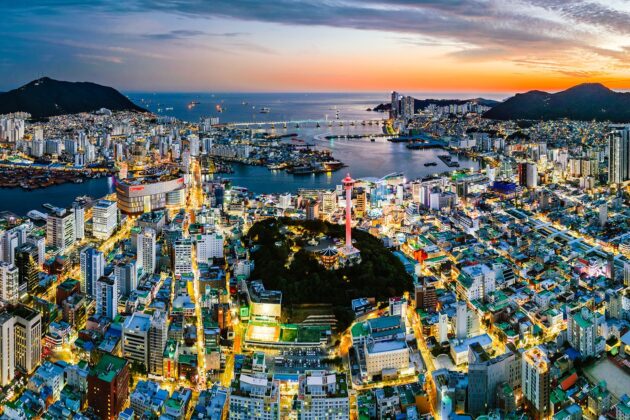
Busan (부산), South Korea’s second-largest city and major port, blends stunning beaches, dramatic cliffs, colorful hillside villages, fresh seafood, and a relaxed yet energetic vibe. Nestled between mountains and the sea, it offers a refreshing contrast to Seoul’s urban intensity. Whether you seek sun, culture, food, or nightlife, Busan delivers.
Best Time to Visit
The ideal periods are spring (April–June) and autumn (September–October), with mild temperatures (15–25°C/59–77°F), clearer skies, and lower humidity—perfect for beaches, walks, and sightseeing.
Spring: Cherry blossoms and flowers; pleasant for outdoor activities.
Summer (June–August): Hot and humid with beach season, but rainy (typhoon risk).
Autumn: Crisp air, fewer crowds, and beautiful foliage.
Winter: Milder than inland areas; good for fewer crowds and indoor spots like spas, though beaches are less appealing.
Note: Check for events like the Busan International Film Festival (BIFF) in fall or seasonal festivals.
Top Attractions and Things to Do
Pro Tip: Consider the Visit Busan Pass for discounts on attractions and transport.
Haeundae Beach
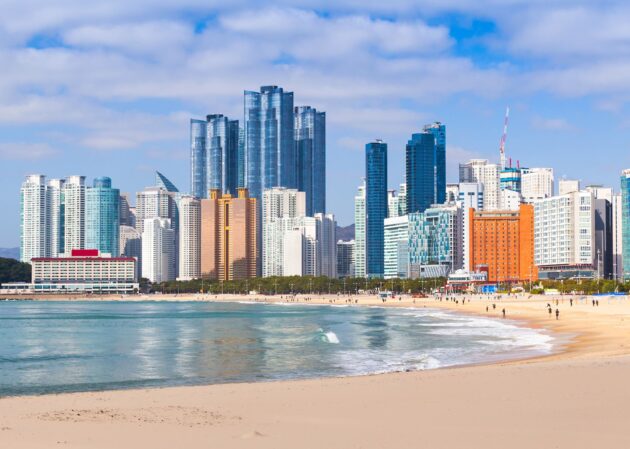
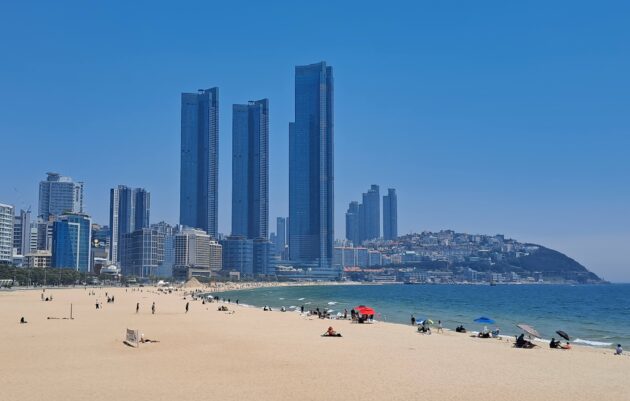
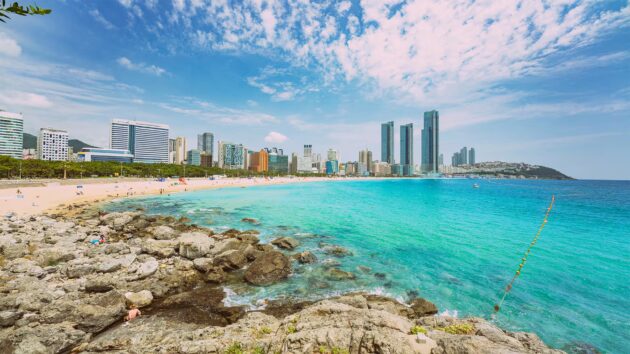
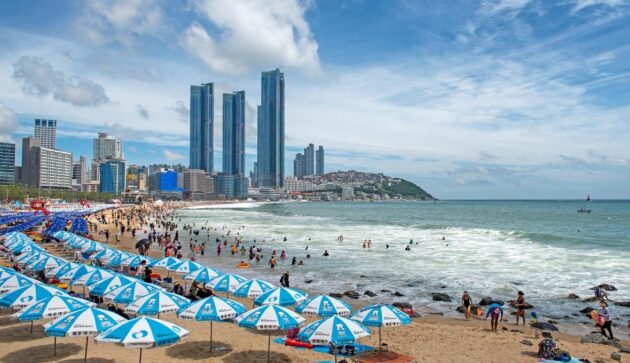
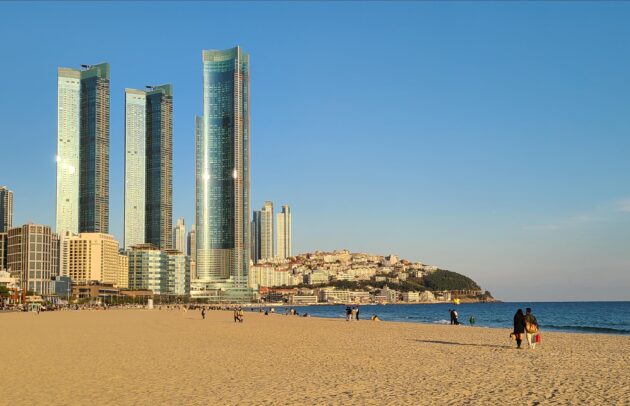
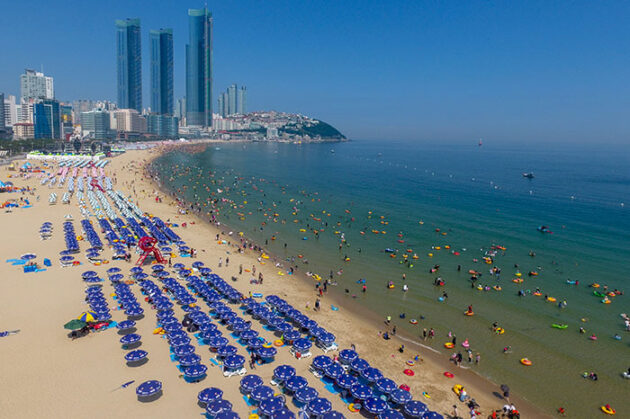
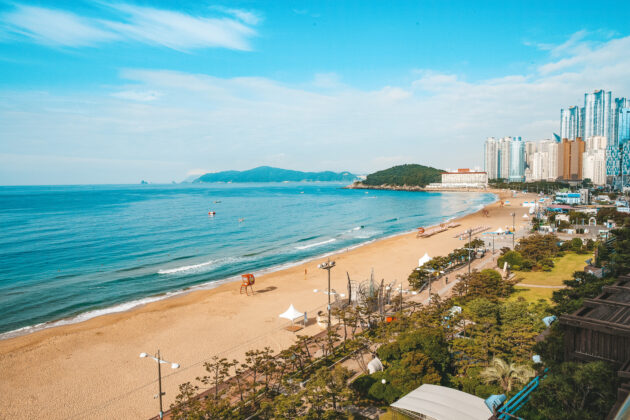
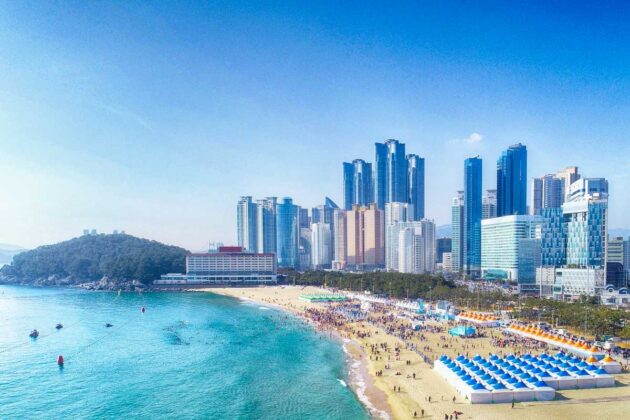
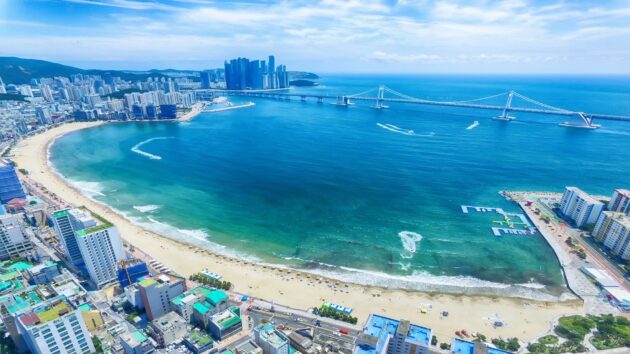
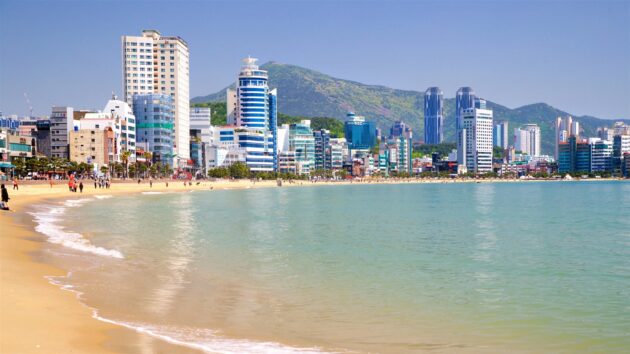
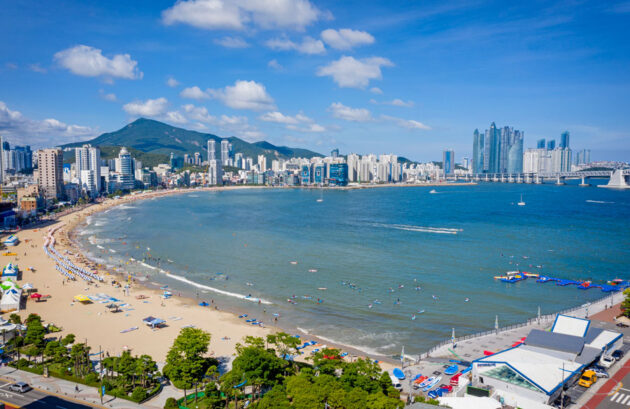
Haeundae Beach (해운대해수욕장) is South Korea’s most famous and beloved beach, located in the vibrant Haeundae district of Busan. Stretching about 1.5 km long and 70-90 meters wide with fine white sand, it offers a beautiful coastline, lively atmosphere, and easy access to urban amenities. It’s a perfect mix of beach relaxation, water activities, modern attractions, and excellent food—ideal for families, couples, solo travelers, and beach lovers alike.
Gwangalli Beach
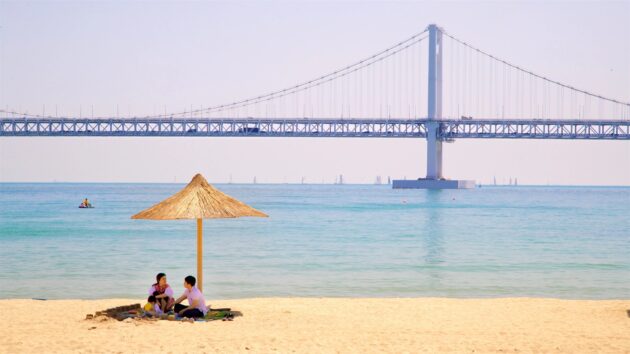
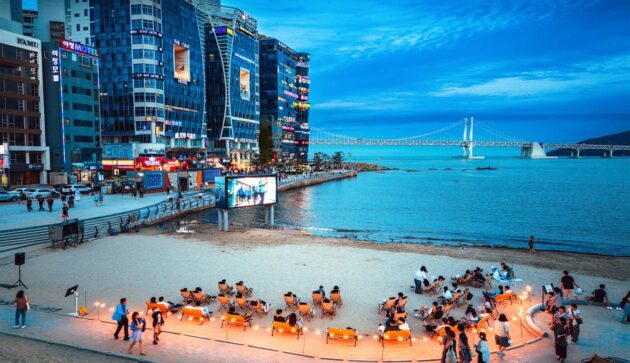
Gwangalli Beach is one of Busan’s most iconic destinations, offering a perfect blend of beautiful sandy shores, vibrant city energy, and breathtaking views of the illuminated Gwangandaegyo Bridge (often called the Diamond Bridge). At about 1.4 km long with fine white sand, it serves as a lively urban beach that shines both by day and especially at night. It attracts locals and tourists for beach walks, seafood feasts, cafes with ocean views, and spectacular light shows.
Haeundae Blueline Park
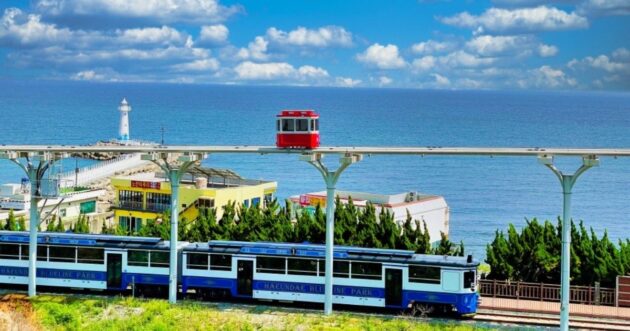
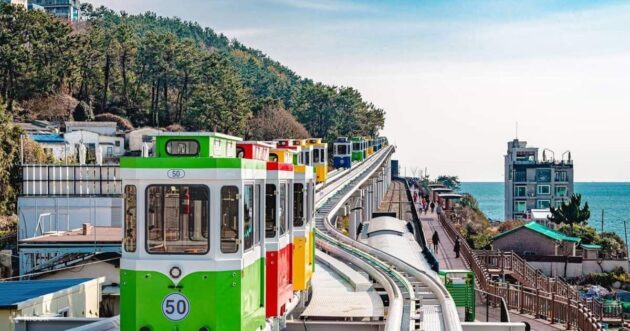
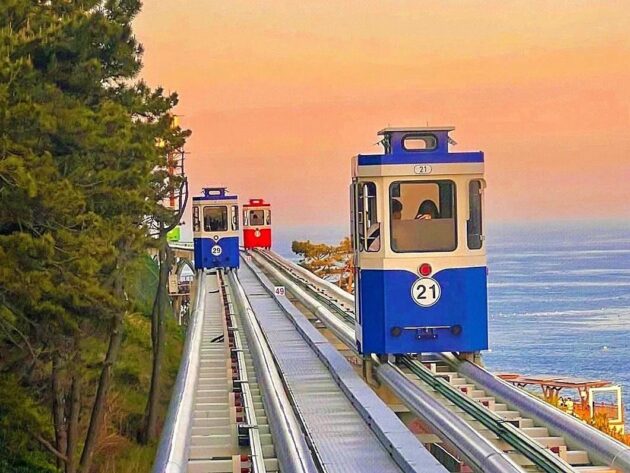
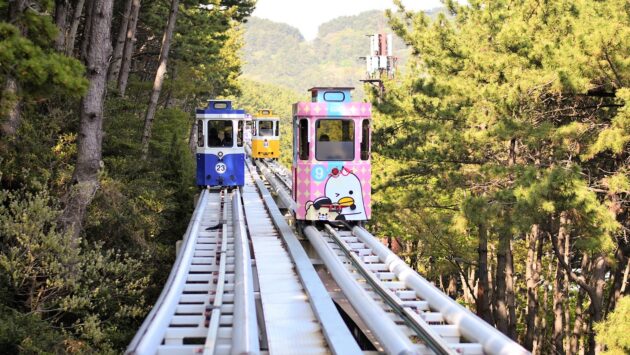
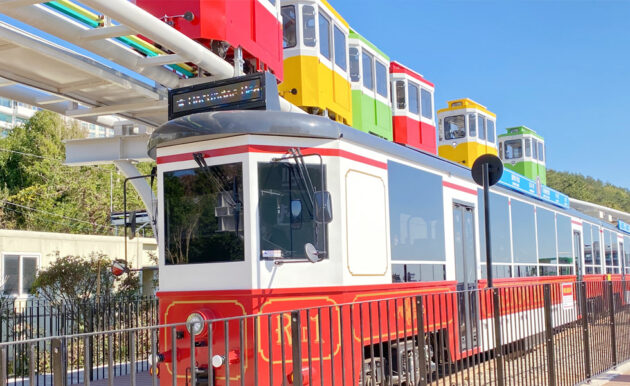
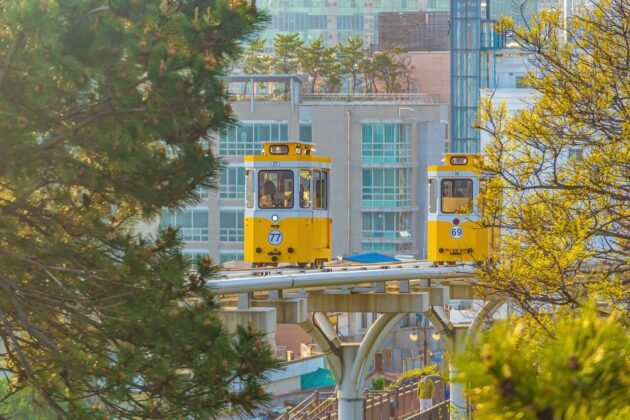
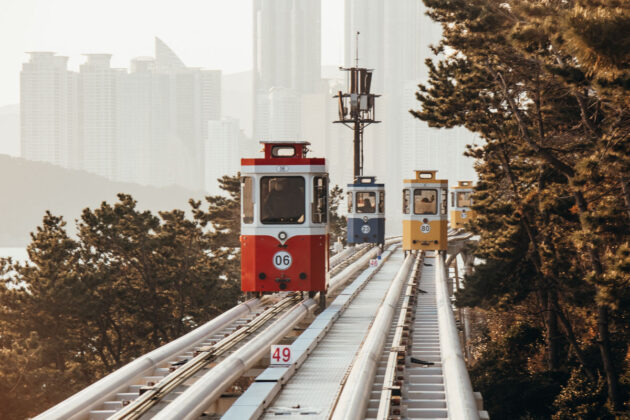
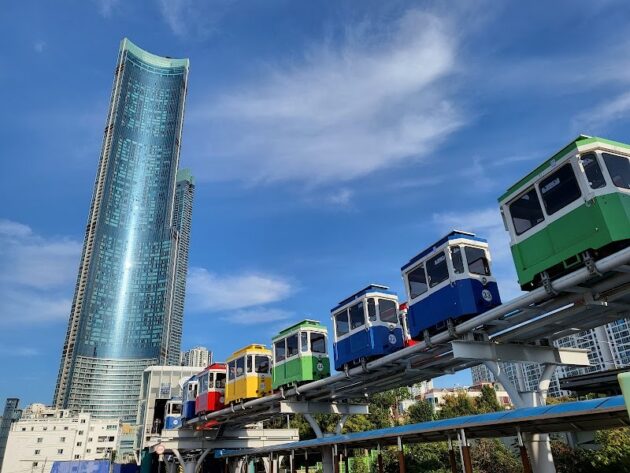
Haeundae Blueline Park is a scenic coastal attraction in Busan that transformed a 4.8 km section of the old Donghae Nambu Railway Line (from Mipo to Cheongsapo to Songjeong) into an eco-friendly tourist zone. It offers stunning ocean views, colorful rides, walking trails, and photo opportunities along the East Busan coastline. The park features two main rides—the elevated Sky Capsule and the Beach Train—plus the Busan Green Railway coastal walking path.
Marine Cable Car
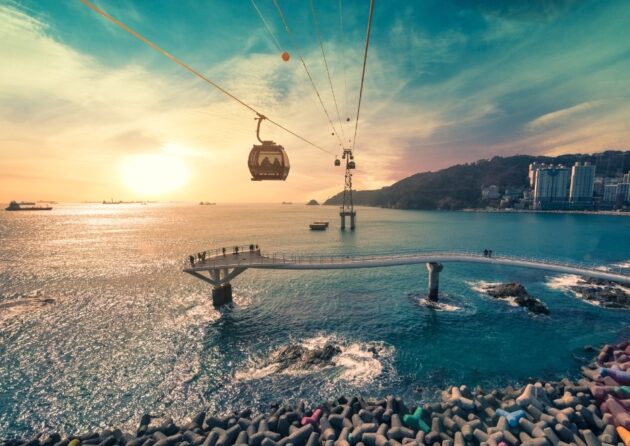
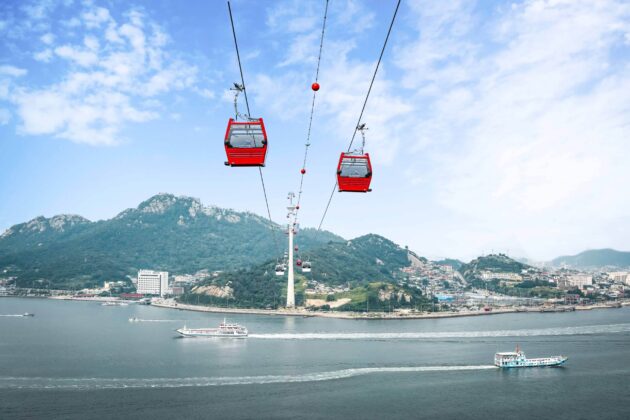
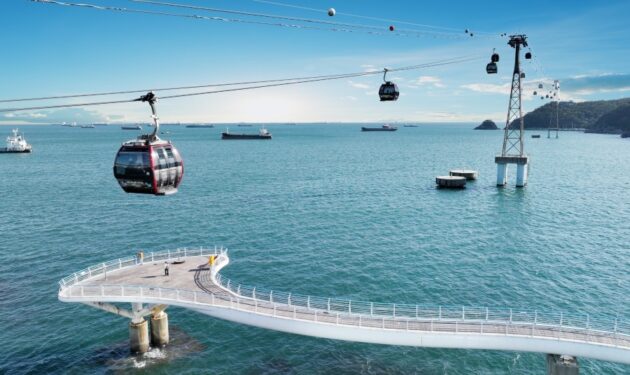
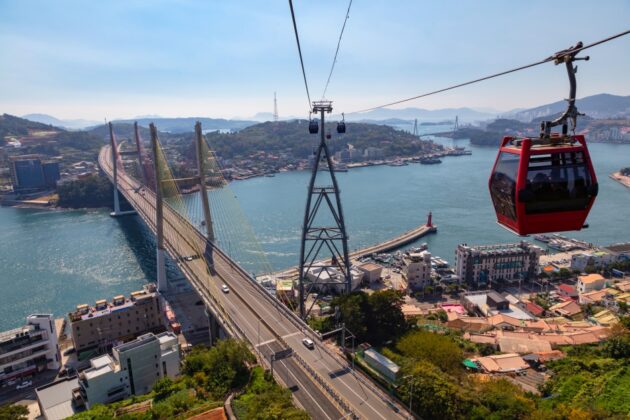
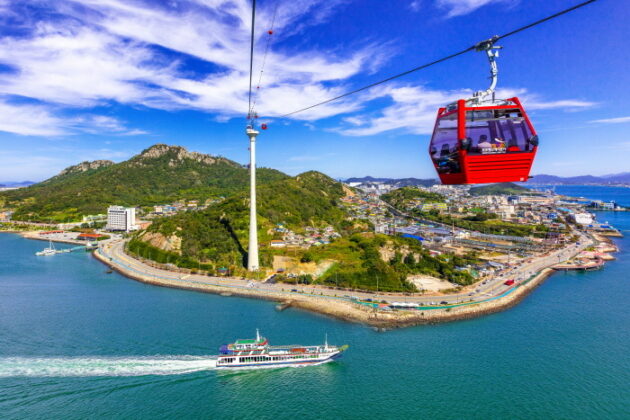
The Marine Cable Car in Busan, officially known as the Songdo Sea Cable Car or Busan Air Cruise, is one of the city’s most thrilling and scenic attractions. It offers breathtaking aerial views of the coastline, sparkling sea, dramatic cliffs, Songdo Beach, and iconic bridges like the Namhangdaegyo Bridge. Originally opened in 1964 as Korea’s first cable car, it was fully restored and relaunched in 2017.
Taejongdae Park
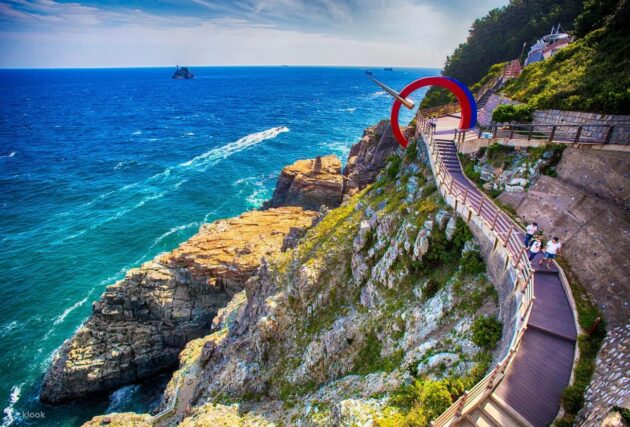
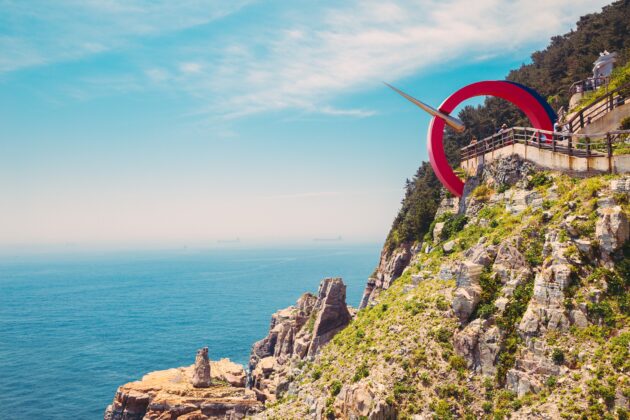
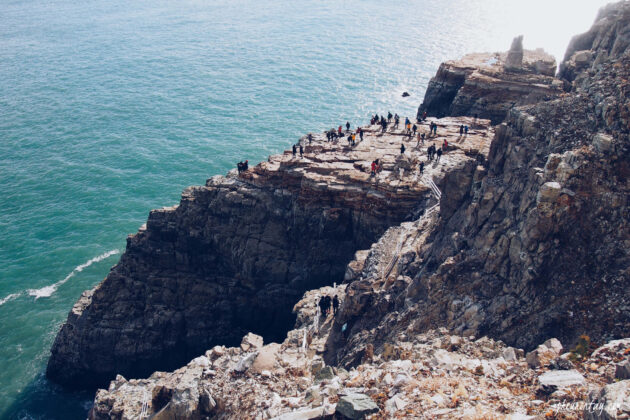
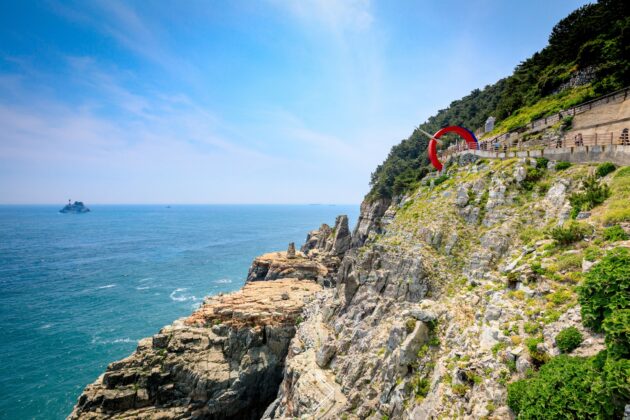
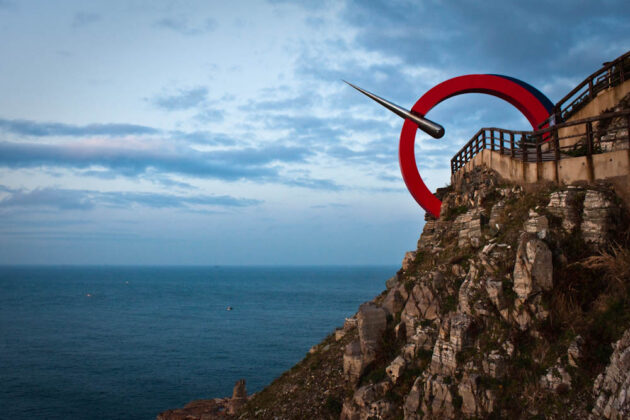
Taejongdae Resort Park, located on the southern tip of Yeongdo Island in Busan, is one of the city’s most scenic coastal destinations. It features dramatic rocky cliffs, stunning ocean views, lush forests, a historic lighthouse, and geological formations from the Cretaceous period. Named after King Taejong of the Silla Dynasty, who reportedly enjoyed archery here, the park offers a perfect blend of natural beauty, easy walking trails, and cultural spots.
Gamcheon Culture Village
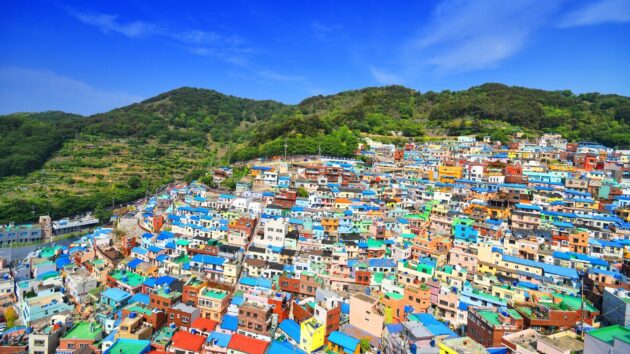
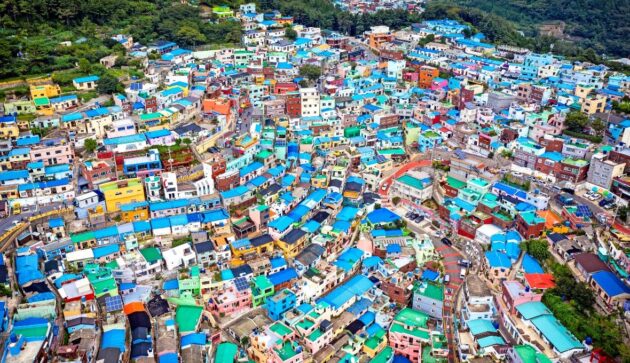
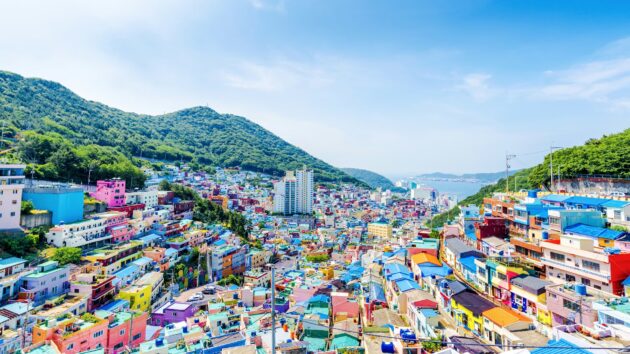
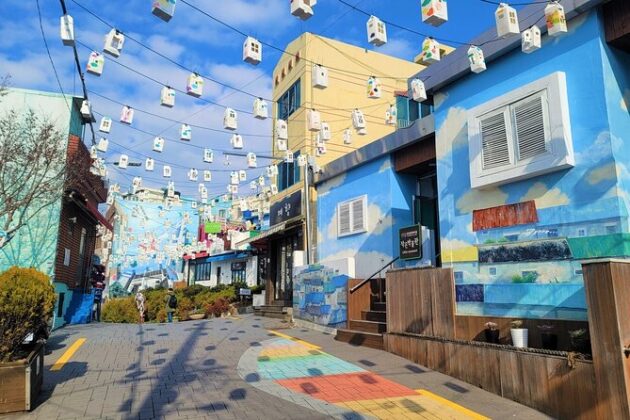
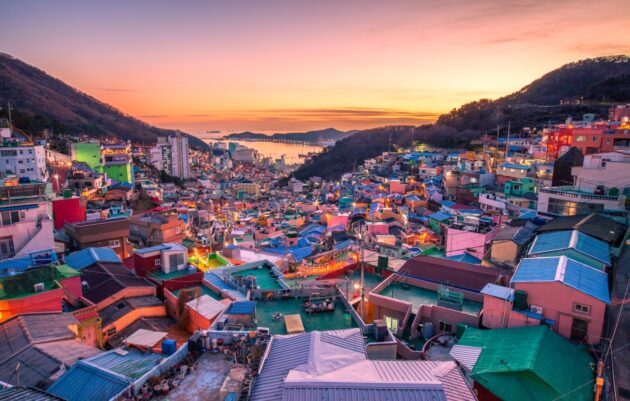
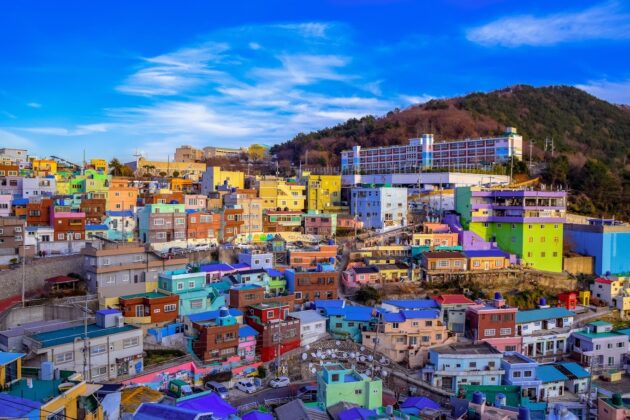
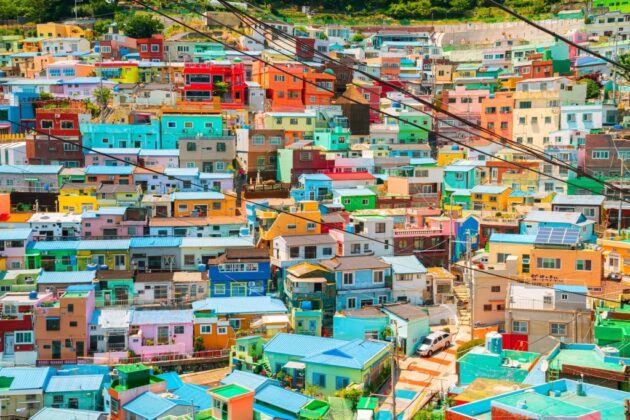
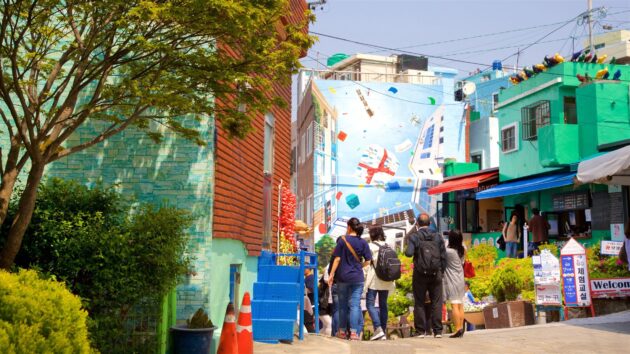
Gamcheon Culture Village, often called “Korea’s Santorini” or the “Machu Picchu of Busan,” is a vibrant hillside neighborhood famous for its colorful painted houses, narrow winding alleys, artistic murals, sculptures, and stunning panoramic views over the city and sea. Originally a refuge for Korean War displaced people in the 1950s, it transformed through art projects starting around 2009 into one of Busan’s most photogenic and charming attractions.
Huinnyeoul Culture Village
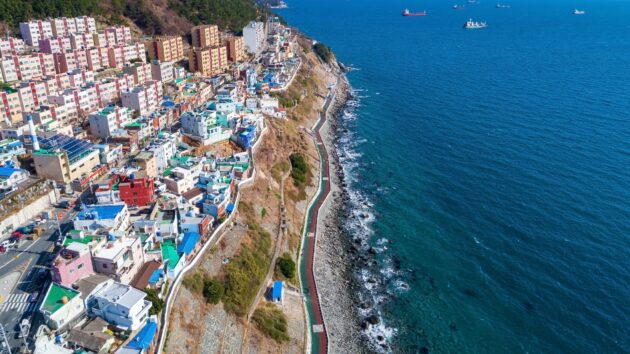
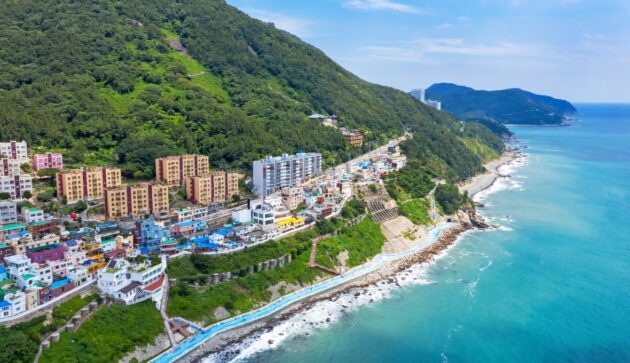
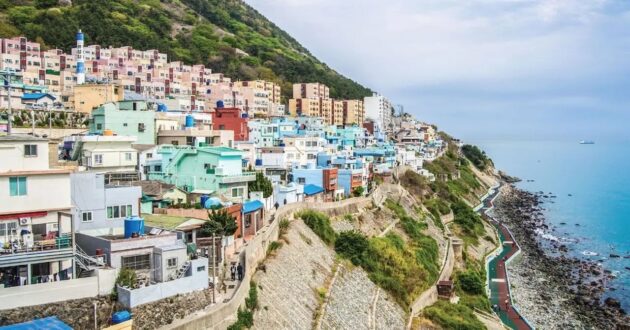
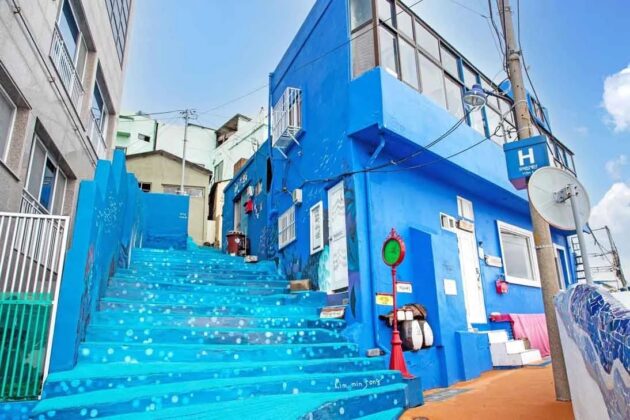
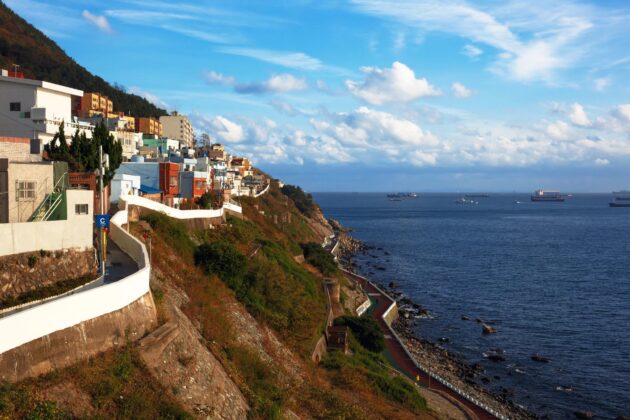
Huinnyeoul Culture Village is a charming, colorful hillside neighborhood perched on the cliffs of Yeongdo-gu in Busan. Often compared to a mini Santorini with its white-and-blue tones, sea views, and artistic vibe, it offers a more relaxed and local feel than the busier Gamcheon Culture Village. The village transformed from a Korean War refugee settlement into a vibrant arts community around 2011, when artists revitalized the area with murals, installations, cafes, and shops.
Haedong Yonggungsa Temple
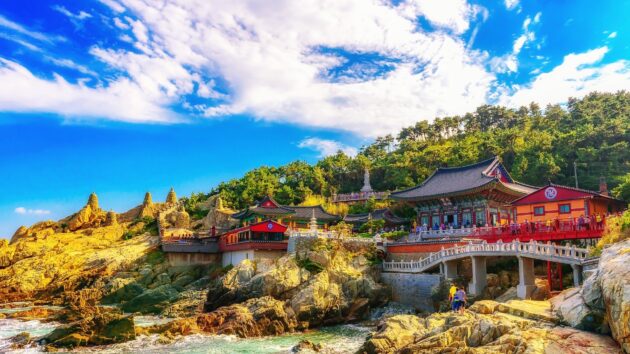
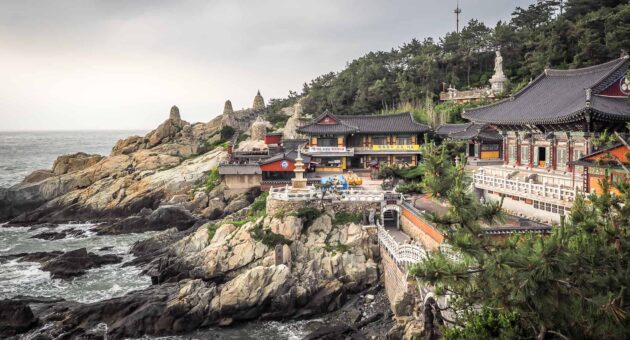
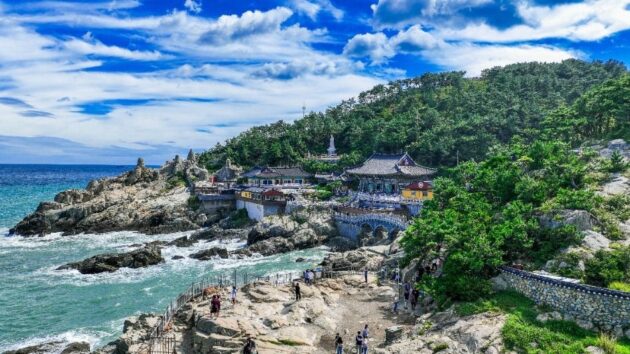
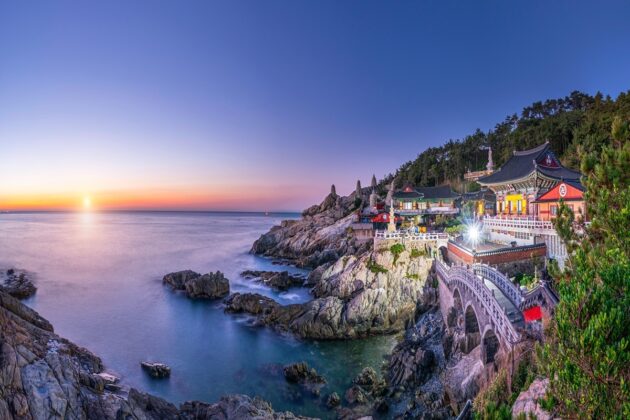
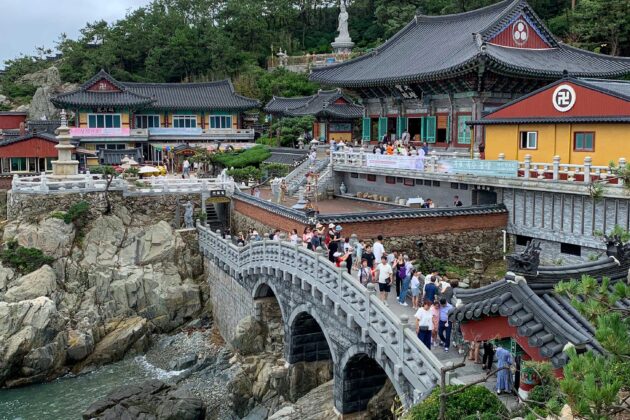
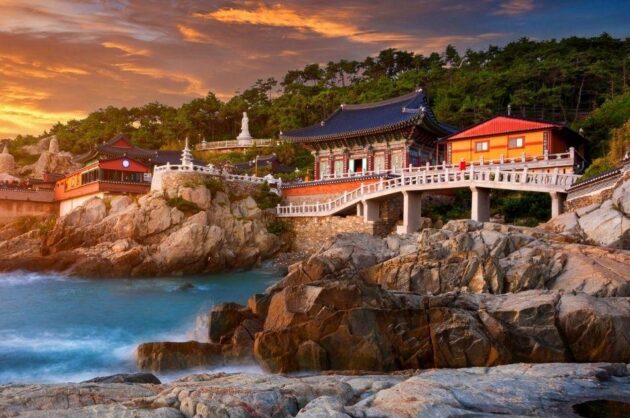
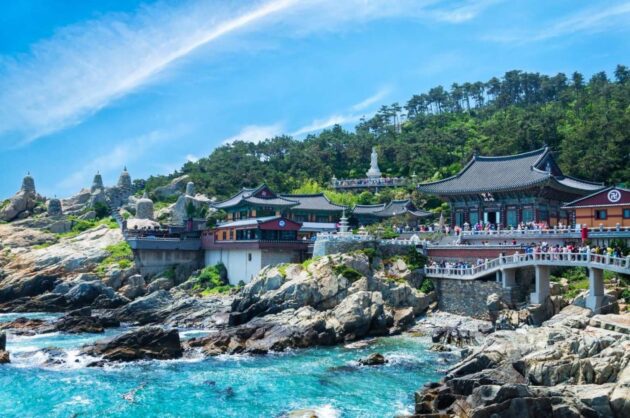
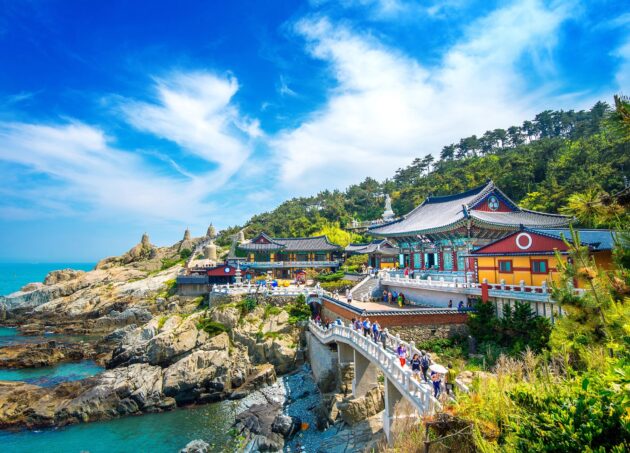
Haedong Yonggungsa, often called the “Dragon Palace Temple,” is one of Busan’s most iconic and photogenic attractions. Perched dramatically on rocky cliffs overlooking the East Sea, it is one of the few seaside Buddhist temples in South Korea. Its stunning coastal scenery, colorful architecture, and spiritual atmosphere make it a must-visit, especially for sunrise or sunset views.
Jagalchi Fish Market
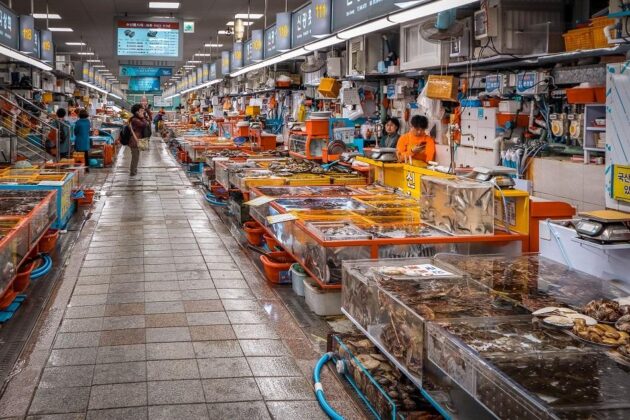
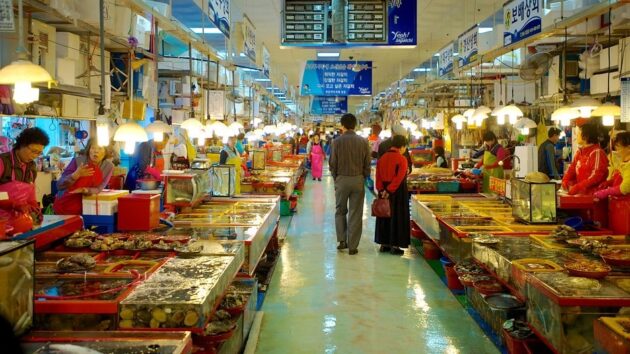
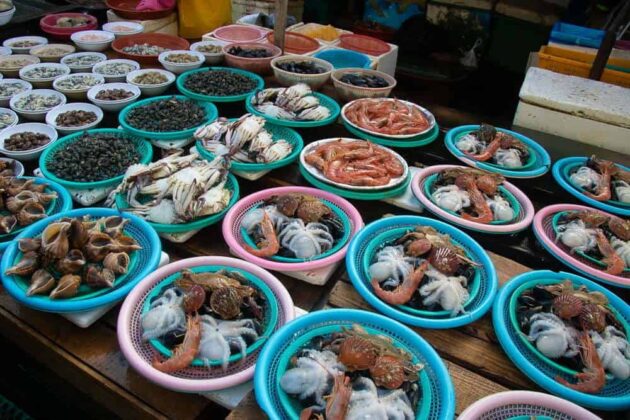
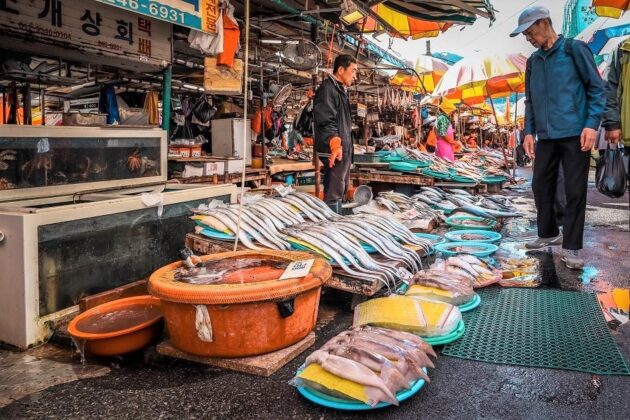
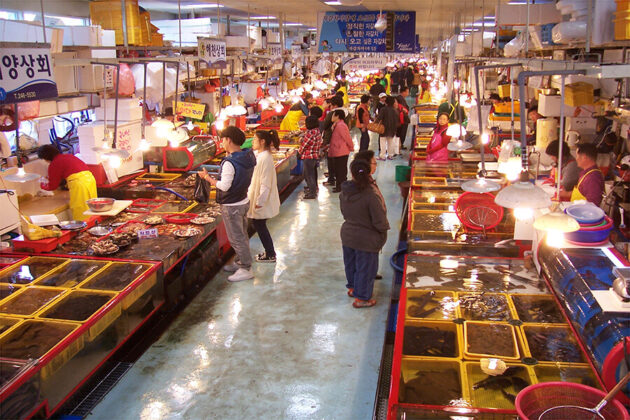
Jagalchi Fish Market (자갈치시장) in Busan is South Korea’s largest and most famous seafood market. It offers a vibrant, authentic experience with fresh catches from the sea, bustling energy, and the chance to enjoy incredibly fresh seafood. Located along the waterfront in Nampo-dong, it’s a must-visit for food lovers and anyone wanting a taste of local Busan culture.
BIFF Square
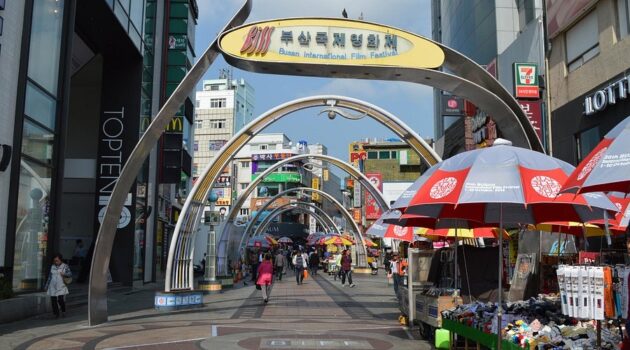
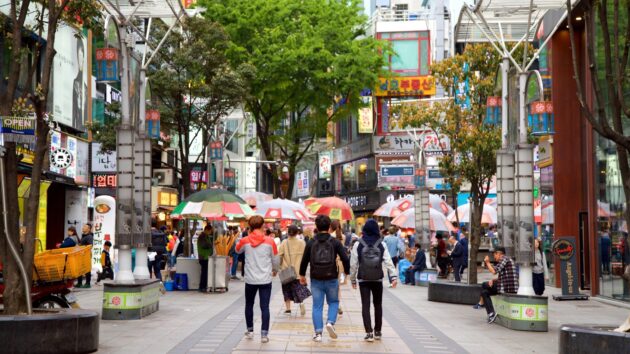
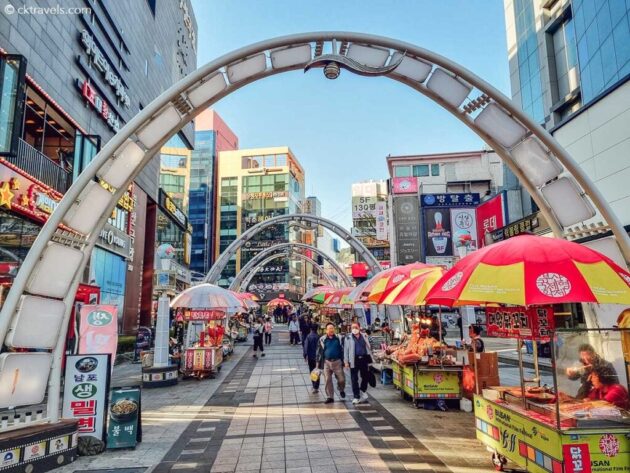
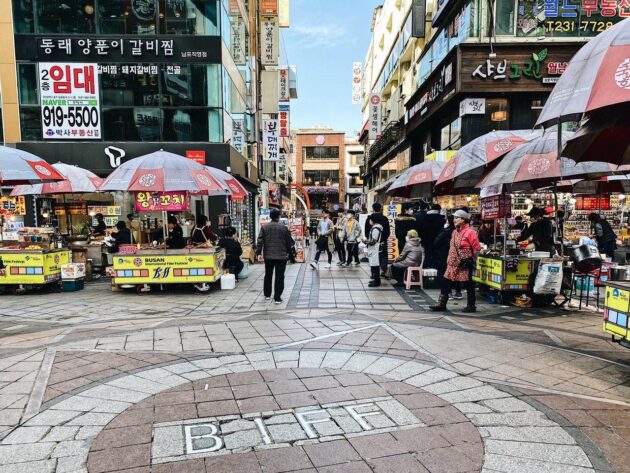
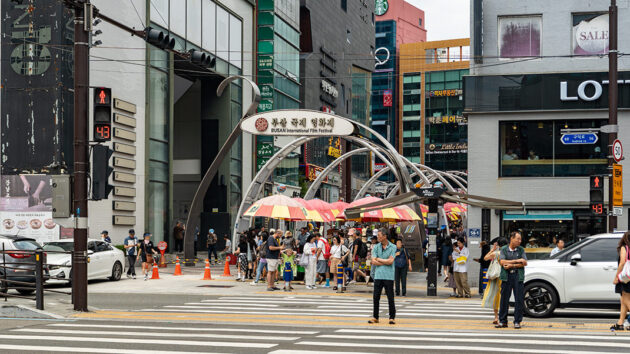
BIFF Square (BIFF 광장) is a vibrant pedestrian street in the Nampo-dong area of Jung-gu, Busan. Named after the Busan International Film Festival (BIFF), it serves as the symbolic heart of the festival. While it is no longer the primary venue for red carpets and screenings, it remains a lively hub for street food, shopping, celebrity handprints, and local energy.
Oryukdo Skywalk
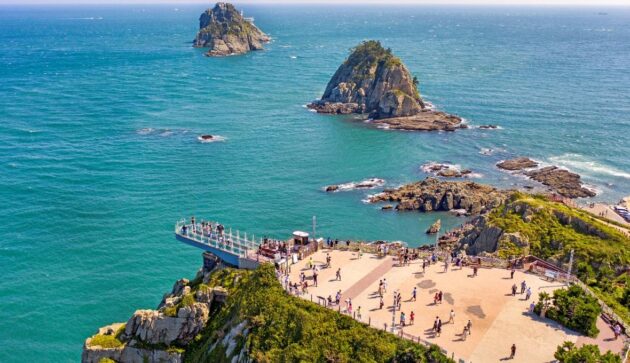
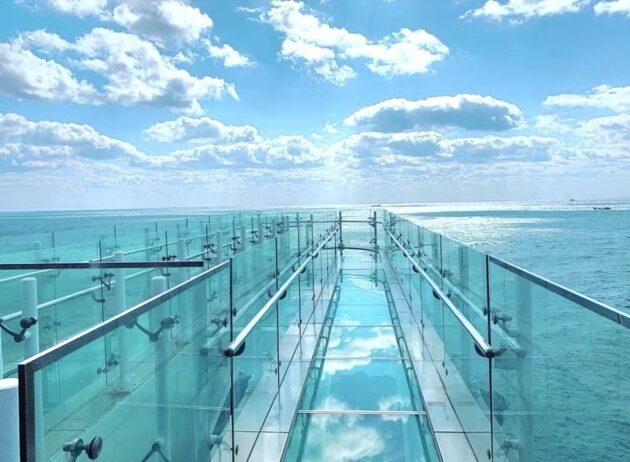
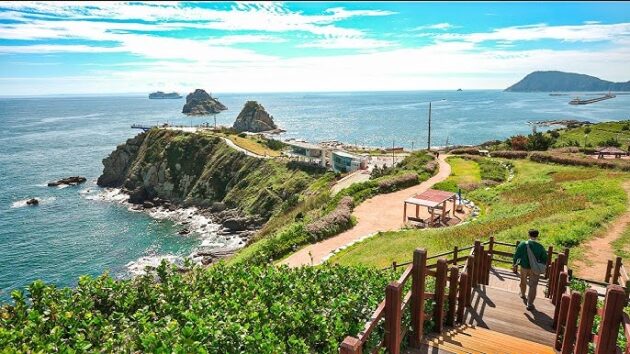
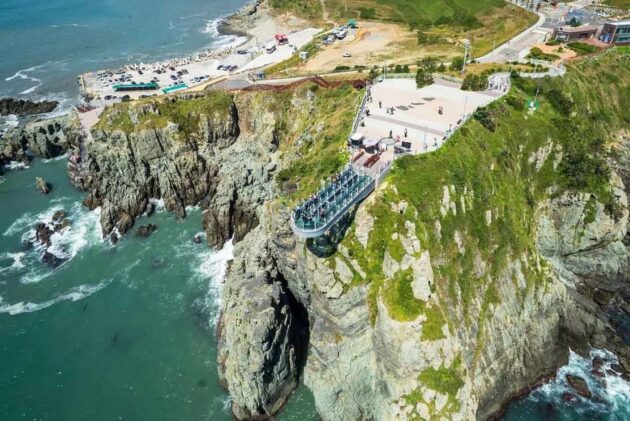
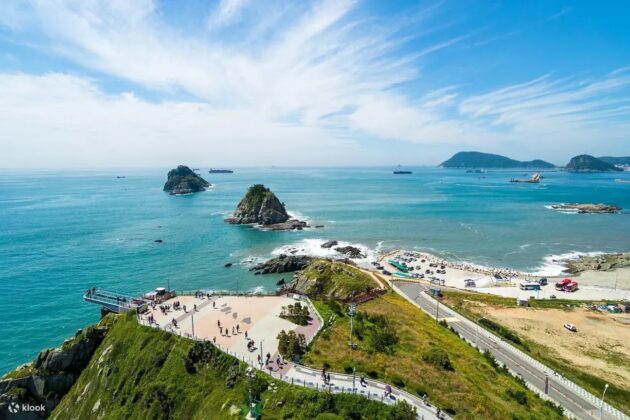
Oryukdo Skywalk (오륙도 스카이워크) is one of Busan’s most thrilling coastal attractions. This glass-bottomed observation walkway extends over a dramatic 35-meter cliff, offering heart-pounding views of the sea crashing below and the iconic Oryukdo Islets (Five or Six Islands) in the distance. Opened in 2013, it’s the first skywalk in Busan and remains popular for its unique “walking on air” experience at the boundary between the East Sea and South Sea.
Food You Must Try
Busan shines for seafood and street eats:
Fresh seafood at Jagalchi or Haeundae Market (sashimi, grilled fish, crab).
Dwaeji gukbap (pork rice soup) — hearty local comfort food.
Milmyeon (cold wheat noodles).
Street snacks like hotteok (sweet pancakes), tteokbokki, and fish cakes.
Try pocha (tent bars) for late-night vibes.
Vegetarian/less spicy options are available, but communicate preferences clearly.
Where to Stay
Haeundae: Beach access, modern hotels, convenient for first-timers.
Gwangalli: Trendy, great views, restaurants, and a relaxed atmosphere.
Seomyeon: Central hub for shopping, food, and transport.
Nampo-dong: Near markets and cultural spots.
Budget: Hostels/guesthouses; Mid-range/Luxury: Beachfront hotels or apartments.
Getting There and Around
From Seoul: KTX high-speed train (about 2.5 hours) is fastest and scenic. Flights to Gimhae International Airport (PUS).
Within Busan: Excellent subway, buses, and taxis. Get a T-money card for seamless public transport. Walking or rideshares work well in central areas.
Day trips: Gyeongju (ancient temples and history, ~1 hour away).
Sample 4-Day Itinerary
Day 1: Beaches & Lights — Haeundae Beach + Blueline Park, then Gwangalli for sunset/drone show.
Day 2: Culture Village & Market — Gamcheon + Huinnyeoul, Jagalchi Market dinner.
Day 3: Temple & Cliffs — Haedong Yonggungsa Temple, Taejongdae.
Day 4: Relax & Explore — Songdo Cable Car, spa, shopping, or a day trip.
Adjust based on your pace—3 days for highlights, 5+ for deeper exploration.
Practical Tips
Language & Apps: English is limited outside tourist areas; use Google Translate or Naver Map (better than Google for Korea).
Currency & Payments: KRW; cards widely accepted, but carry cash for markets.
Etiquette: Respect temple rules, remove shoes where required, and be mindful in residential villages.
Safety: Very safe city; standard precautions apply.
Connectivity: eSIM or local SIM for data.
Crowds: Book popular activities (e.g., cable cars, yachts) ahead, especially weekends/holidays.
Final Thoughts
Busan rewards slow exploration—stroll promenades, savor seafood, and soak in the sea air. It’s welcoming, scenic, and full of energy. Safe travels!
For the latest info, check the official Visit Busan site. Enjoy your trip! 🌊