
Travel Guide to Bibi-Khanym Mosque (2026)
Bibi-Khanym Mosque (also spelled Bibi Khanum or Bibikhanym) is one of the most impressive and iconic landmarks in Samarkand, Uzbekistan. This monumental 14th–15th century congregational mosque was commissioned by Amir Timur (Tamerlane) and named after his favorite wife, Bibi-Khanym (often identified as Saray Mulk Khanym). Once among the largest mosques in the Islamic world, it symbolizes the grandeur of the Timurid Empire and remains a highlight of any visit to this ancient Silk Road city.
Why Visit Bibi-Khanym Mosque?
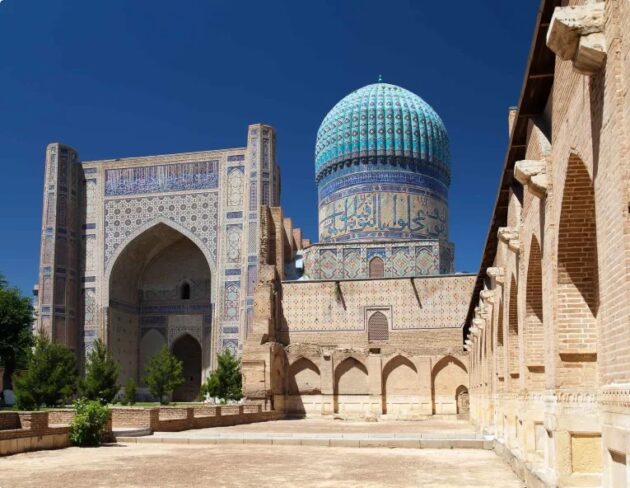
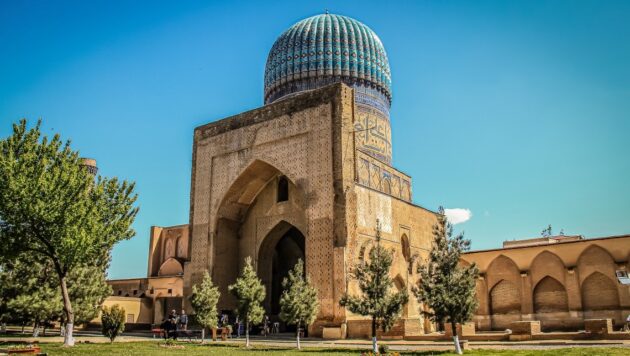
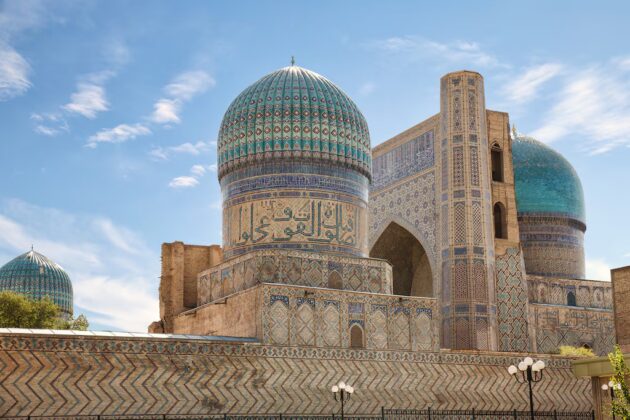
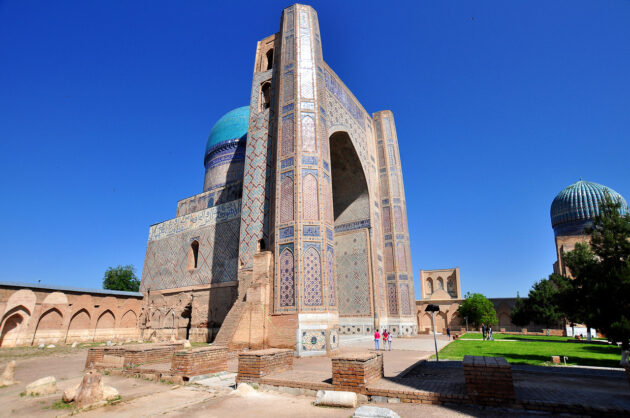
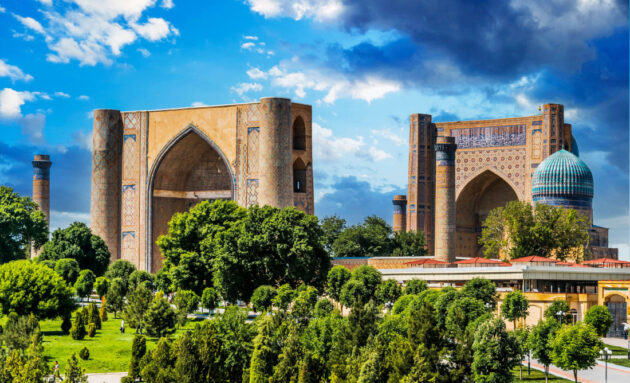
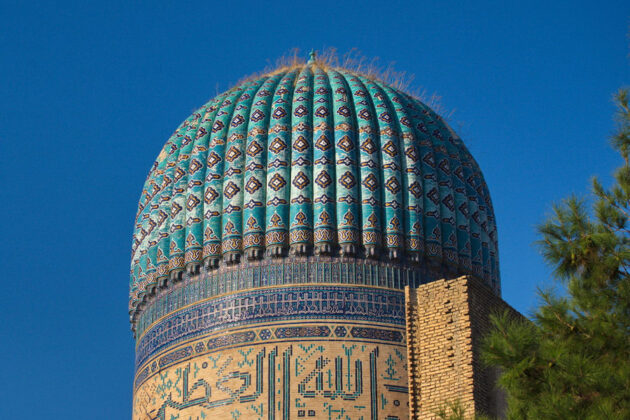
Built between 1399 and 1404 with spoils from Timur’s campaign in India (including labor and even elephants for transporting materials), the mosque was designed to be the jewel of Timur’s capital. Its massive scale — with a 41-meter-high main dome and a towering 38-meter entrance portal (pishtak) — pushed 14th-century construction techniques to the limit. Though structural issues appeared even during building, and it suffered major damage from an 1897 earthquake, extensive restorations (especially in the Soviet era and after Uzbekistan’s independence) have brought it back to life.
Today, visitors are awed by the vast courtyard, intricate turquoise tilework, towering arches, and the enormous marble Quran stand (rahla) in the center. It offers a more peaceful and contemplative experience compared to the bustling Registan Square nearby. As part of Samarkand’s UNESCO World Heritage-listed historic center, it provides deep insight into Timurid architecture, history, and Islamic heritage.
History in Brief
According to legend, Bibi-Khanym ordered the mosque built as a surprise for Timur while he was away on campaign. When he returned, he was displeased with the entrance portal’s scale and reportedly ordered it rebuilt. The mosque could once hold up to 10,000 worshippers and featured four iwans (vaulted halls) facing the cardinal directions, minarets at the corners, and lavish decoration.
How to Get There
Samarkand is well-connected, making the mosque easy to reach:
From Samarkand Airport or Train Station: The high-speed Afrosiyob train from Tashkent takes about 1.5–2 hours. From the train station (roughly 6 km away), take a taxi (inexpensive via the Yandex Go app) or local bus. The airport is also a short taxi ride away.
Within Samarkand: The mosque sits northeast of Registan Square, about a 15–20 minute walk along a pleasant heritage promenade. It is right next to the lively Siyob (Siab) Bazaar, making it easy to combine visits.
The site is walkable as part of Samarkand’s compact historic core.
Best Time to Visit
Season: Spring (March–May) and autumn (September–October) offer pleasant temperatures (around 20–25°C / 68–77°F) and fewer crowds. Summers can exceed 38°C (100°F), making midday visits hot, while winters are cold.
Time of Day: Early morning or late afternoon provides the best light for photos and avoids peak heat and crowds. The mosque is especially atmospheric at prayer times, though visitors should respect ongoing worship.
Opening Hours and Entrance Fees
Hours: Typically 8:00 AM – 7:00 PM (April–October) or 9:00 AM – 5:00/6:00 PM (November–March). Some sources note extended hours up to 10:00 PM in peak season — confirm locally.
Entrance Fee: Approximately 40,000–75,000 Uzbek Som (roughly $3–$6 USD) for adults, depending on the exact rate at the time of visit. Children and locals pay less. Tickets are purchased at the entrance; no advance booking is usually required.
Note: You can admire the grand exterior and portal for free from outside.
What to See and Do
Marvel at the monumental entrance portal and the vast central courtyard with flower beds and trees.
Examine the massive marble Quran stand in the middle (protected by glass).
Explore the four iwans, corner minarets, and remnants of original tilework and dome interiors (some areas show historical cracks from structural challenges).
Visit the adjacent Bibi-Khanym Mausoleum (separate small fee in some cases), where Timur’s wife is believed to be buried.
Enjoy the peaceful atmosphere — far quieter than Registan — and take time to appreciate the scale and restoration work.
Spend 45–90 minutes here, or longer if you enjoy photography and history.
Practical Tips
Dress Code: Modest clothing is required (cover shoulders, knees, and chest). Women may need a headscarf inside active prayer areas — bring one or borrow if needed. Shoes are usually removed in certain sections.
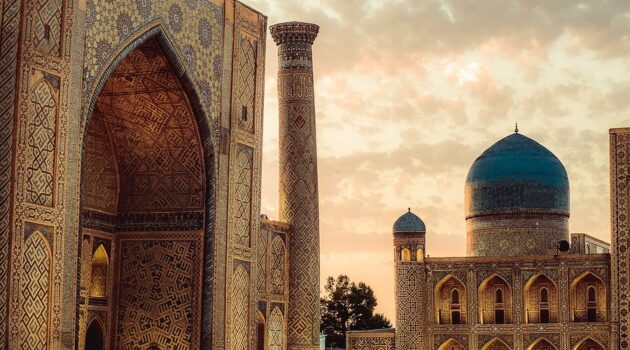
Photography: The site is highly photogenic, especially the blue domes and arches. Drones may be restricted.
What to Bring: Comfortable walking shoes, water, sunscreen/hat (for sun exposure), and cash in Uzbek Som for the entrance fee and nearby bazaar.
Respect: This remains an active place of worship in parts — be quiet and respectful during prayers.
Combine with Nearby Attractions:
Siyob Bazaar (right next door) — a vibrant local market for fresh produce, spices, nuts, and souvenirs.
Registan Square (10–15 minute walk) — the iconic ensemble of madrasas.
Shah-i-Zinda Necropolis and Gur-e-Amir Mausoleum (short taxi or walk).
For the best views of the mosque, consider the rooftop of the nearby Bibikhanum Hotel or a local teahouse.
Where to Stay Nearby
Stay in the old town or near Registan for easy access:
Mid-range options like Bibikhanum Hotel (great location and views).
Boutique guesthouses or hotels along the heritage trail.
Final Thoughts
Bibi-Khanym Mosque is a must-see for anyone exploring Samarkand. Its sheer size, dramatic history, and stunning Timurid architecture make it a powerful reminder of the Silk Road’s golden age. While much of what you see today is restored, the monumentality and beauty still captivate visitors.
Pair it with a wander through Siyob Bazaar and a sunset at Registan for a perfect Samarkand day. Uzbekistan is welcoming and safe for tourists — embrace the history, colors, and warmth of this legendary city.
Safe travels!