
Samarkand Travel Guide (2026)
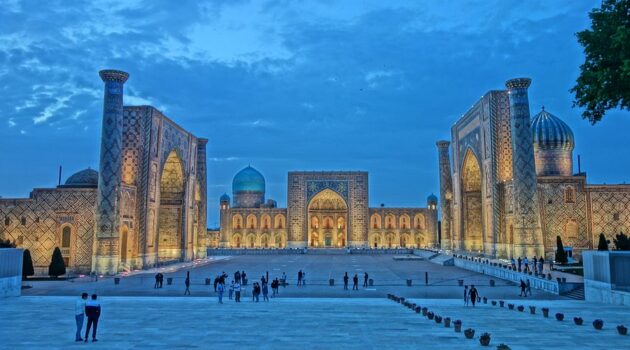
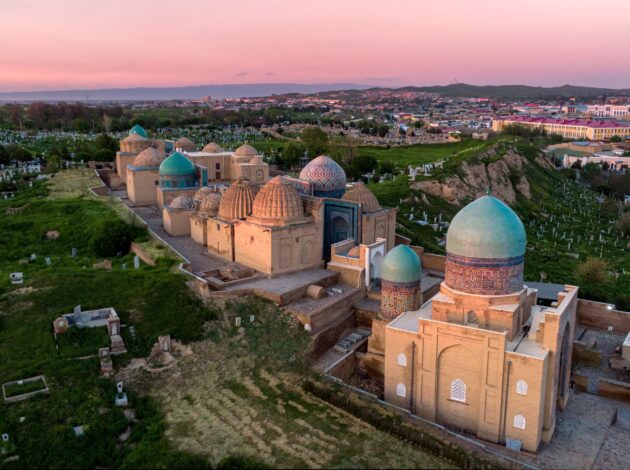
Samarkand is one of the most iconic cities on the ancient Silk Road, a UNESCO World Heritage site renowned for its dazzling turquoise-tiled architecture, monumental squares, and rich history spanning over 2,500 years. Once the capital of Timur (Tamerlane)’s empire in the 14th–15th centuries, it blends Persian, Islamic, and Central Asian influences. The city’s highlights — such as the majestic Registan Square, intricate Shah-i-Zinda necropolis, and Gur-e-Amir Mausoleum — make it a must-visit destination for history lovers, architecture enthusiasts, and cultural explorers. Uzbekistan’s improved infrastructure and hospitality make Samarkand easier and more rewarding to visit than ever.
Why Visit Samarkand?
Samarkand offers a mesmerizing journey through time. Its blue-domed madrasahs, bustling bazaars, and stories of conquerors and astronomers create an otherworldly atmosphere. It serves as a perfect stop on a classic Silk Road itinerary that includes Tashkent, Bukhara, and Khiva. The city feels grand yet approachable, with fewer crowds than many European heritage sites.
How to Get There
By High-Speed Train: The most popular and scenic option. The Afrosiyob train from Tashkent to Samarkand takes about 2–2.5 hours and is comfortable and affordable. Book tickets in advance, especially in peak season.
By Air: Samarkand International Airport (SKD) has domestic flights from Tashkent and some international connections. It’s convenient if you’re coming from further afield.
By Road: Shared taxis or private transfers from Tashkent (about 4–5 hours) or Bukhara (about 4 hours) work well for flexible itineraries.
Best Time to Visit
The ideal periods are spring (April–June) and autumn (September–October). Mild temperatures (around 15–30°C / 59–86°F) make sightseeing comfortable, with clear skies enhancing the turquoise tiles. Summers (July–August) can be extremely hot (over 35–40°C), while winters are cold with occasional snow. Avoid peak summer heat if possible, though shoulder seasons still offer good weather with fewer crowds.
Top Things to Do
Registan Square
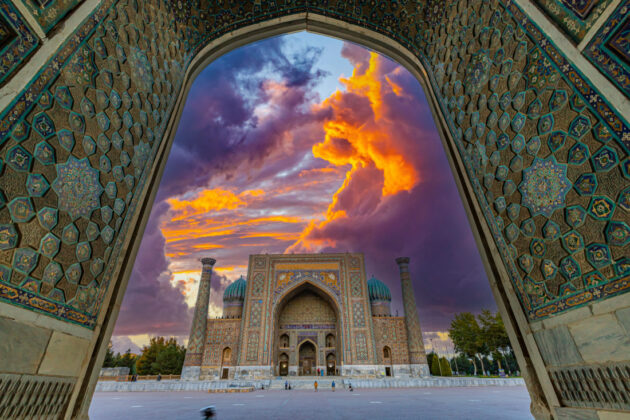
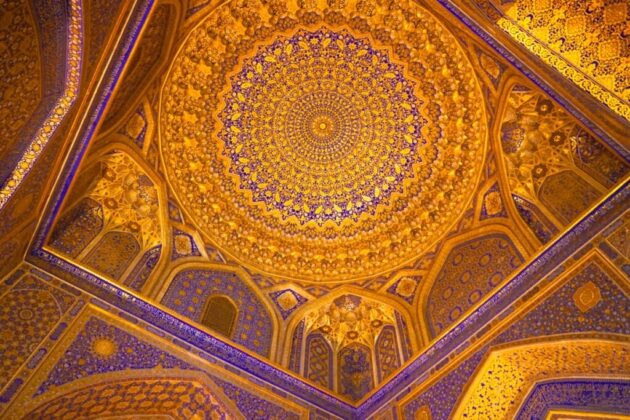
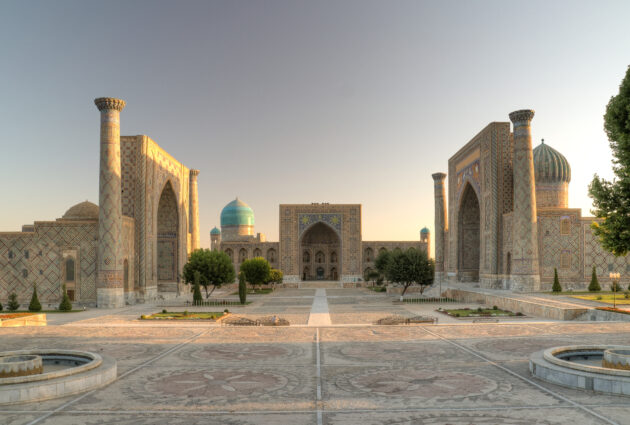
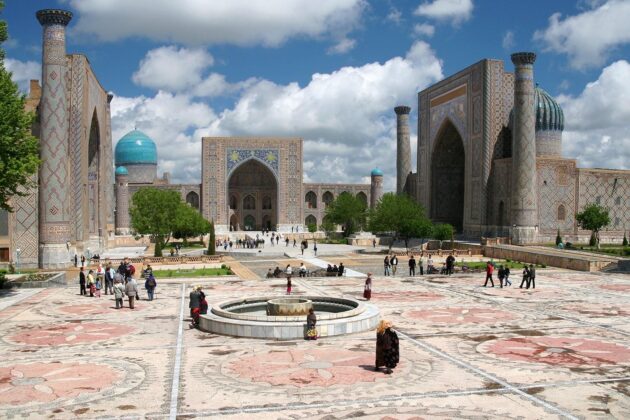
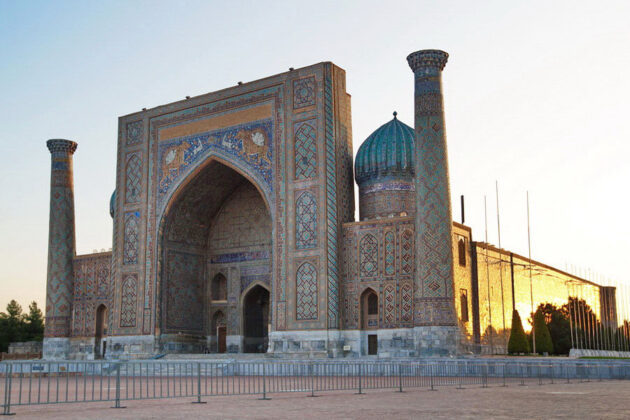
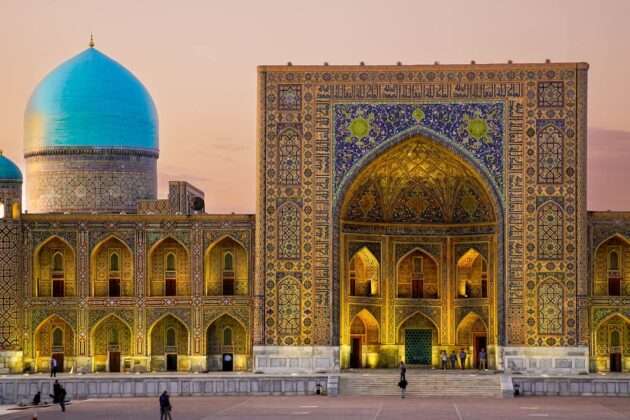
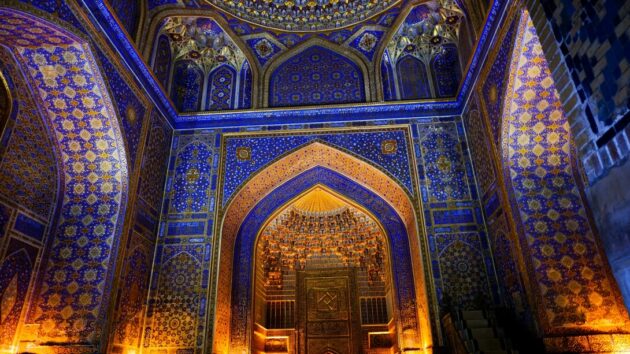
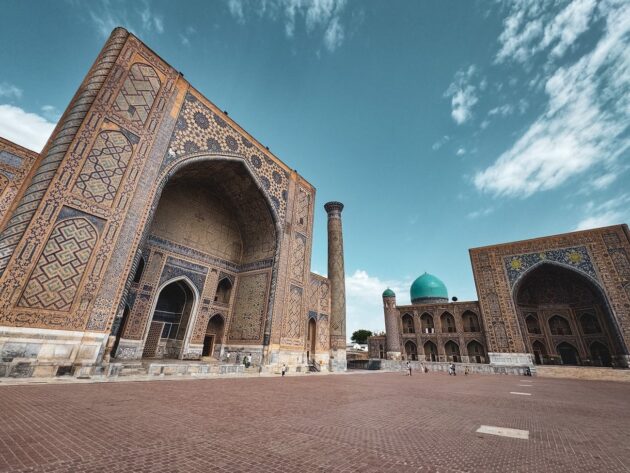
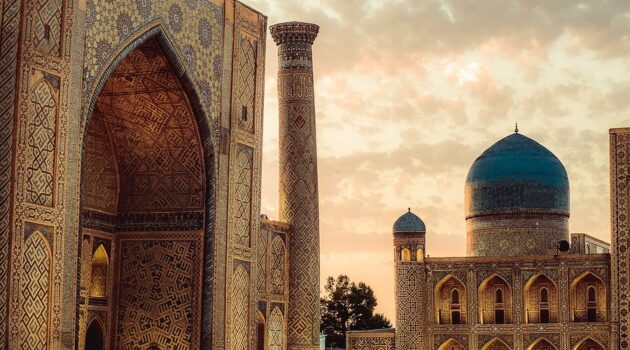
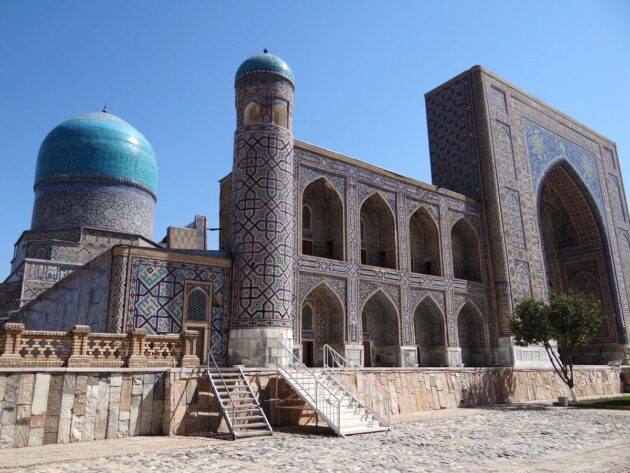
The undisputed heart of Samarkand. This ensemble of three grand madrasahs (Ulugh Beg, Sher Dor, and Tilya-Kori) features stunning tilework, mosaics, and symmetry. Visit during the day for details and return at sunset or night for magical lighting.
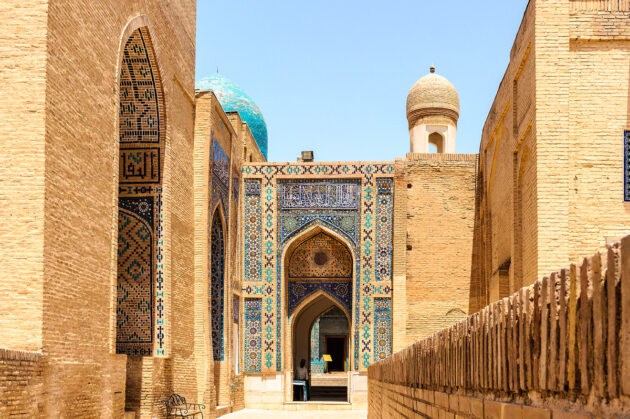
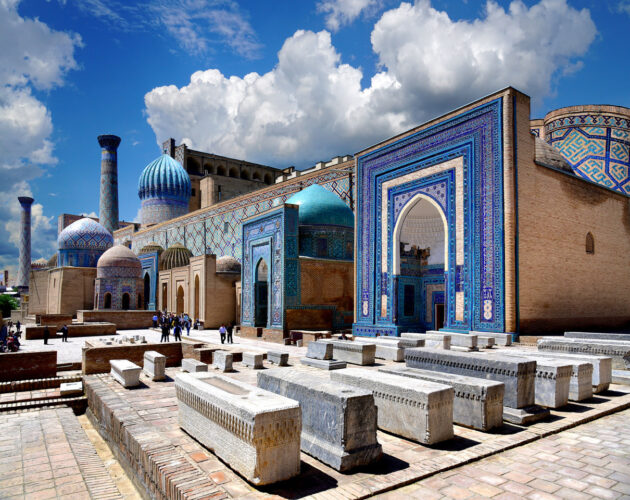
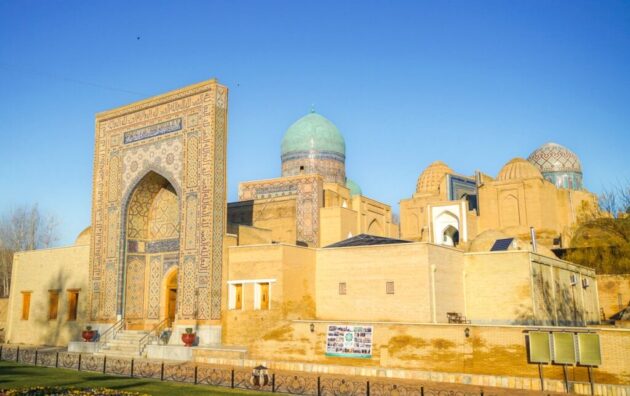
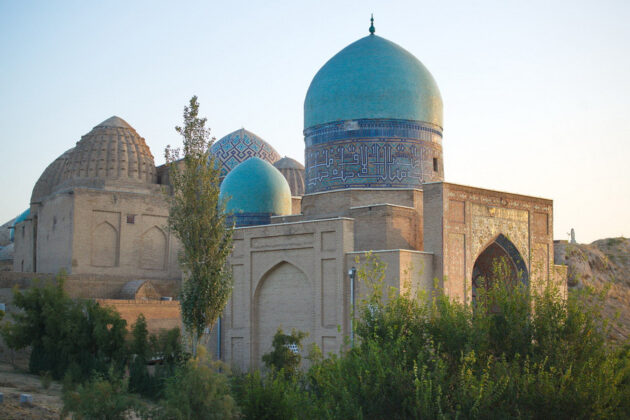
Shah-i-Zinda Necropolis
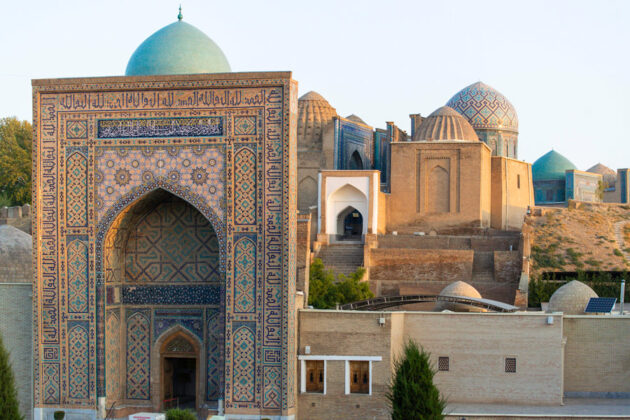
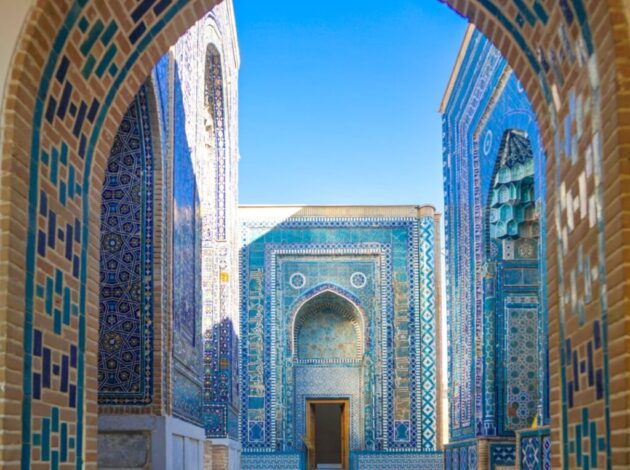
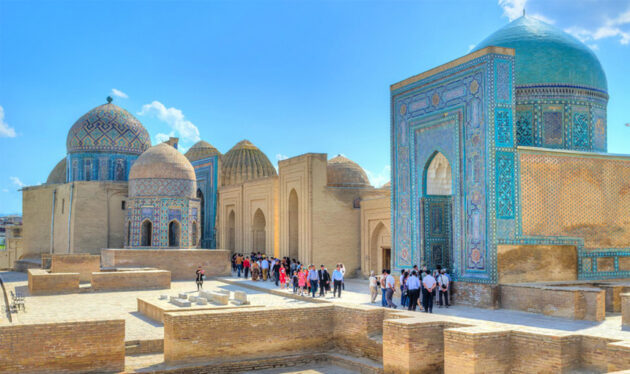
A breathtaking avenue of mausoleums with some of the finest turquoise and blue tilework in the Islamic world. Climb the stairs early morning to beat crowds and enjoy the serene, almost spiritual atmosphere.
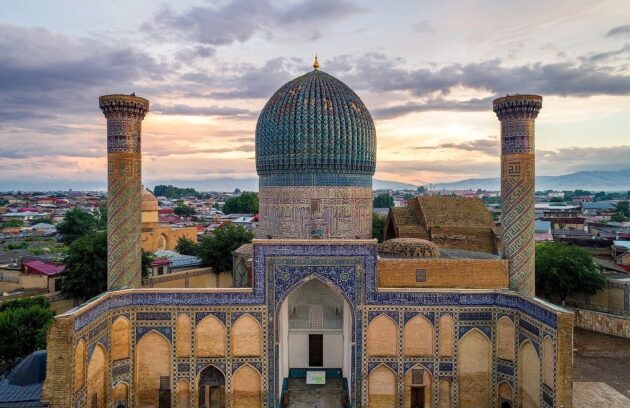
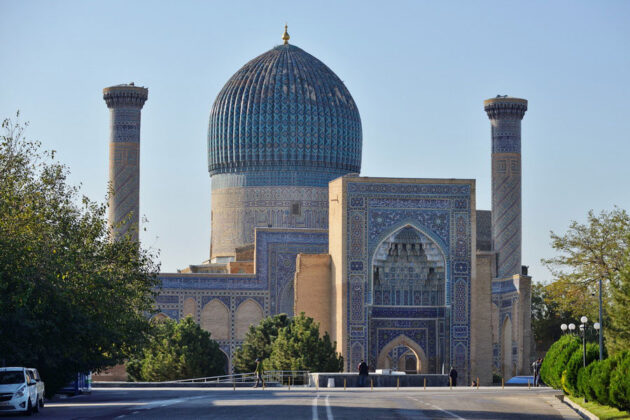
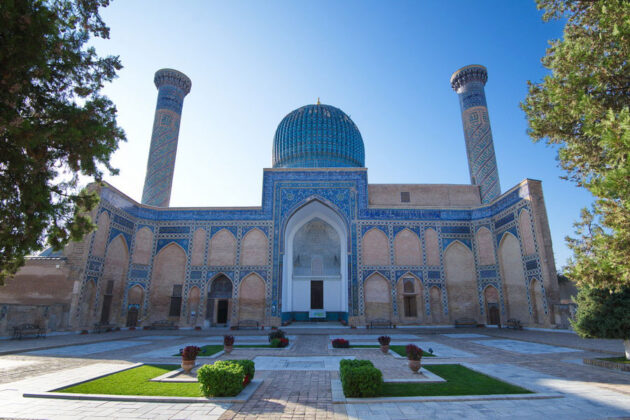
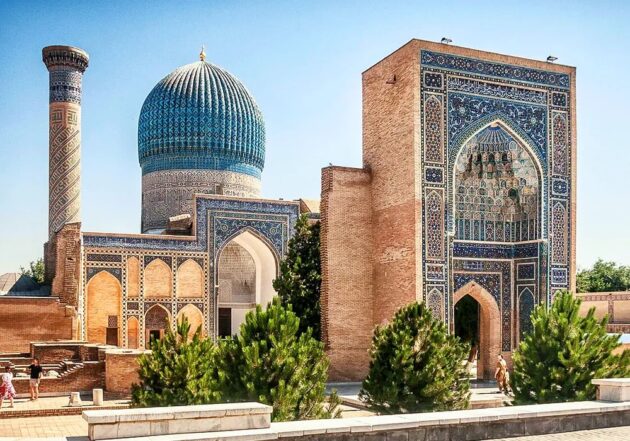
Gur-e-Amir Mausoleum
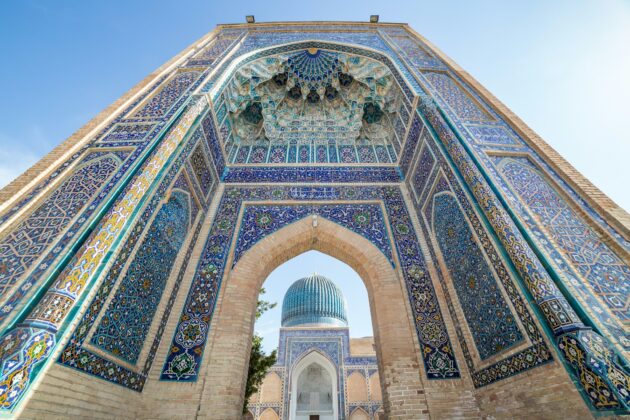
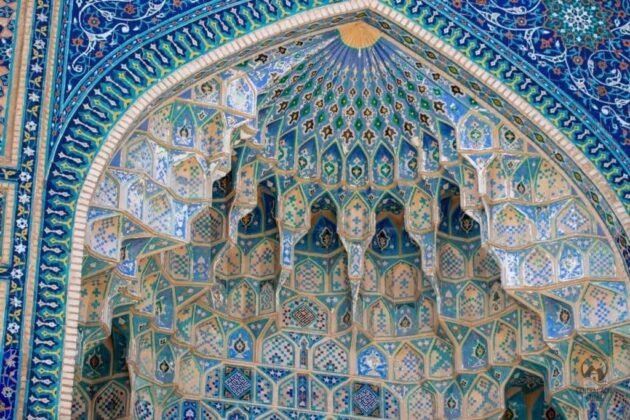
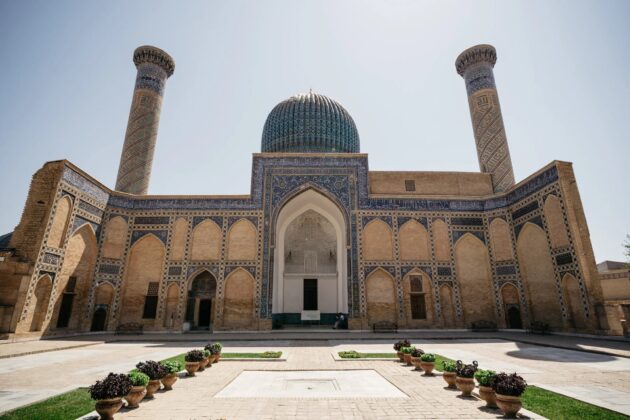
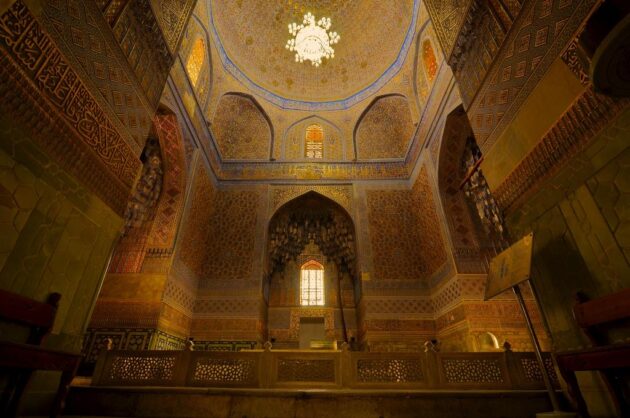
The resting place of Timur (Tamerlane) and his family. The interior boasts intricate muqarnas (stalactite vaulting) and onyx. It’s smaller than the Registan but deeply impressive.
Bibi-Khanym Mosque
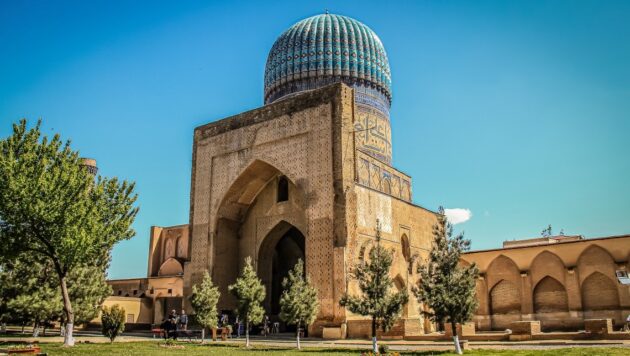
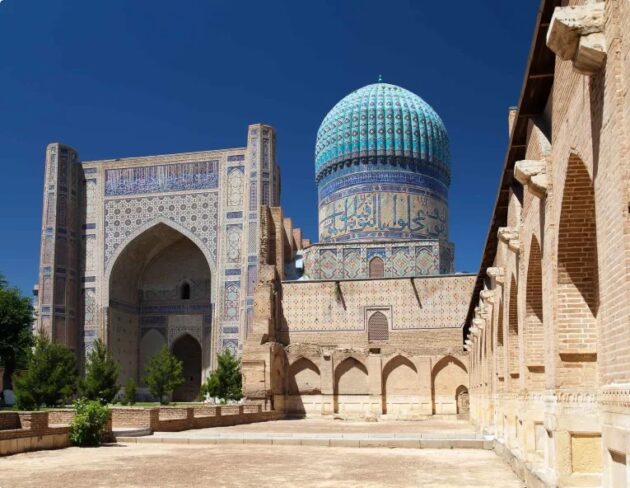
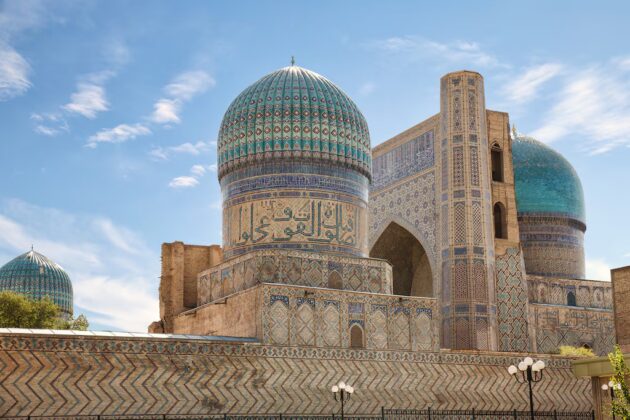
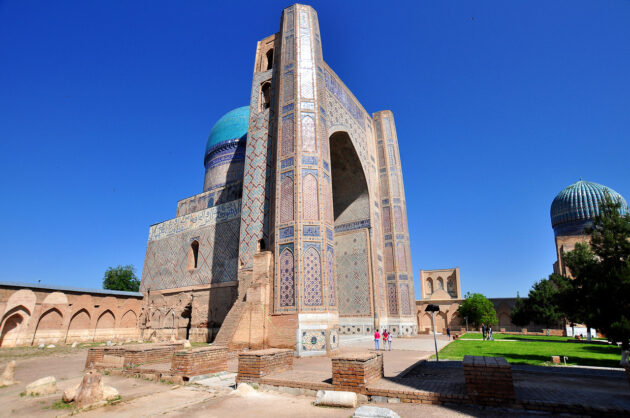
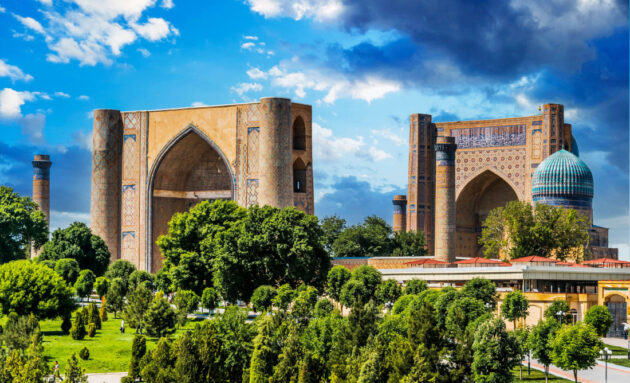
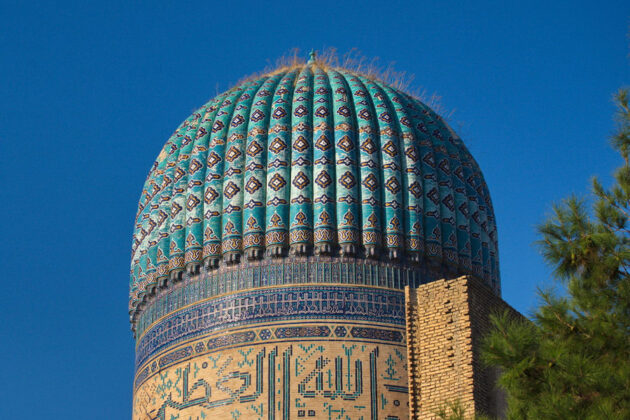
Once one of the largest mosques in the Islamic world, built by Timur’s wife. Though partially reconstructed, its massive scale and ornate details remain striking. Nearby Siyob (Siab) Bazaar offers a lively contrast with fresh produce, spices, and local snacks.
Ulugh Beg Observatory
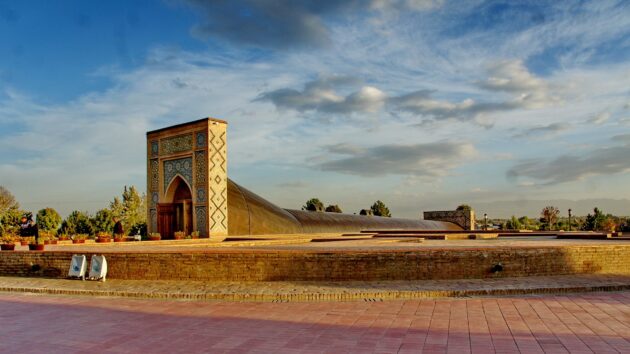
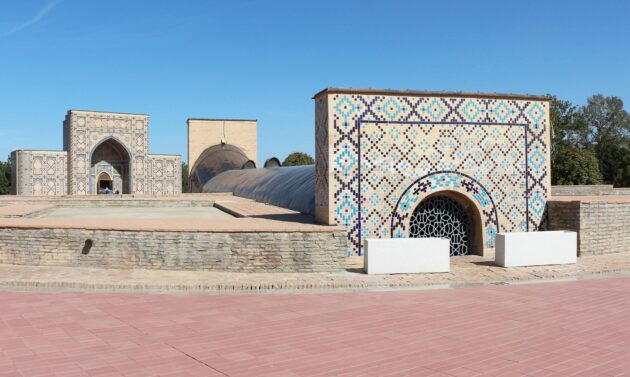
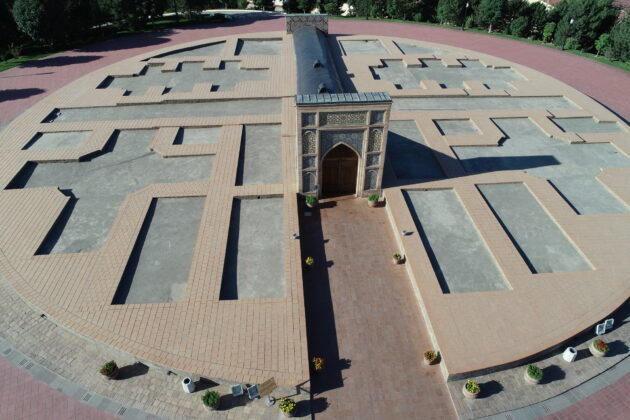
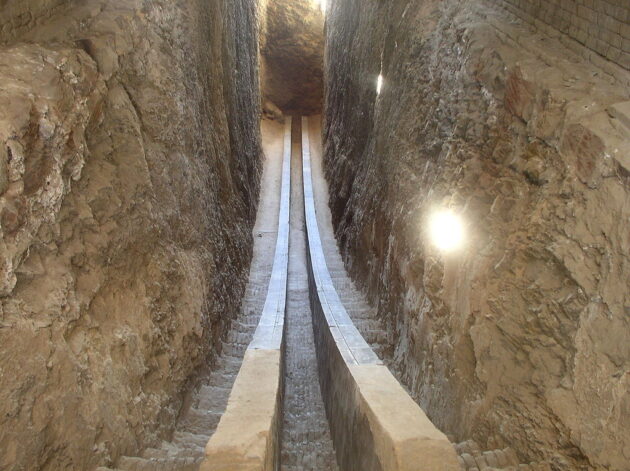
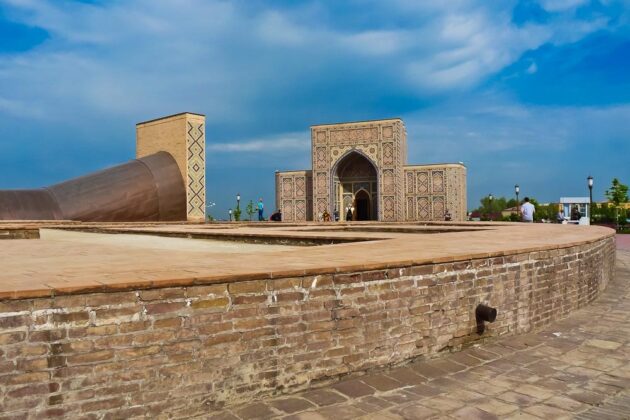
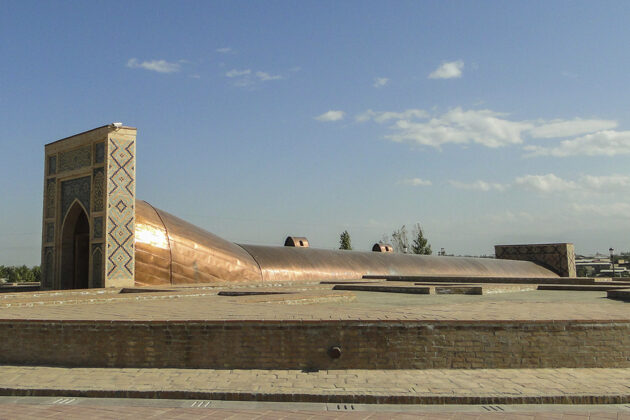
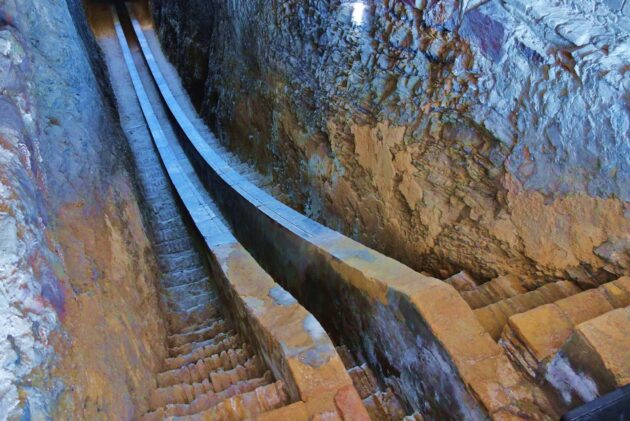
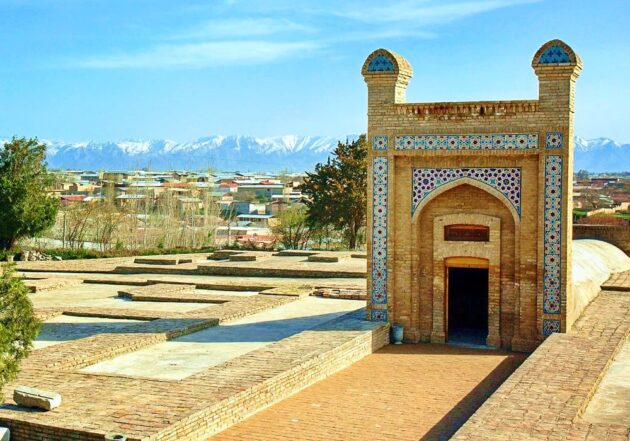
Ruins of the 15th-century astronomical observatory built by Timur’s grandson, a renowned scholar. The site includes a museum showcasing ancient scientific achievements.
Where to Stay
Luxury/Boutique: Hilton Samarkand Regency, Savitsky Plaza, or Zarafshon Parkside Hotel — central locations with modern comforts.
Mid-range: Sangzor Boutique Hotel or similar properties near Registan Square — great value with traditional charm.
Budget/Guesthouses: Options like Lion B&B or smaller hotels in quiet neighborhoods behind the main sights. Many offer beautiful courtyards and home-cooked breakfasts.
Stay within walking distance of Registan or Bibi-Khanym for convenience.
What to Eat and Drink
Plov (rice pilaf with meat and carrots) — the national dish.
Shashlik (grilled skewers), samsa, lagman noodles, and fresh bread from tandoor ovens.
Siyob Bazaar for dried fruits, nuts, spices, and seasonal melons/grapes.
Try local green tea in a chaikhana (teahouse) and sample Uzbek wines.
Popular spots include Art Cafe Norgis, Bibikhanum Teahouse, or restaurants with views of the Registan. Vegetarian options are available but less common — communicate dietary needs clearly.
Practical Tips
Dress Modestly: Cover shoulders and knees when visiting religious sites; women may need a headscarf at some mosques.
Photography: The tiles look incredible in golden hour light. Drones may have restrictions — check locally.
Money & Language: Uzbek som is the currency; cards are increasingly accepted, but carry cash for markets. Russian and English are useful; basic Uzbek phrases help.
Safety: Uzbekistan is generally very safe for tourists, with low crime rates. Standard precautions apply (watch belongings in crowded bazaars).
Tours: Guided walking tours or private drivers enhance the experience, especially for historical context. Many operators offer combined day trips to nearby Shahrisabz.
Respect Local Customs: Remove shoes when required, and avoid public displays that could offend conservative norms.
Final Thoughts
Samarkand is a highlight of any Central Asia trip — its timeless beauty and warm hospitality create lasting memories. Combine it with Bukhara and Khiva for the full Silk Road experience. Plan ahead for trains and accommodations during peak spring/autumn seasons.
Safe travels and enjoy the magic of this ancient crossroads!