
A Travel Guide to Shah-i-Zinda Necropolis (2026)
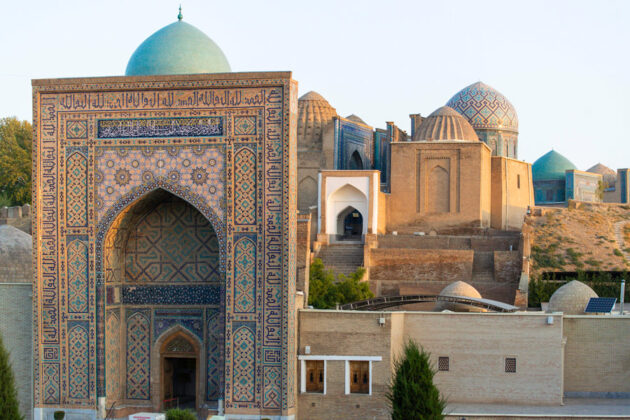
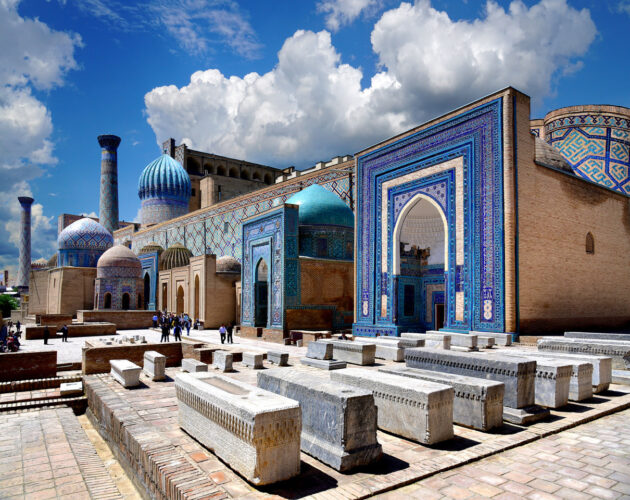
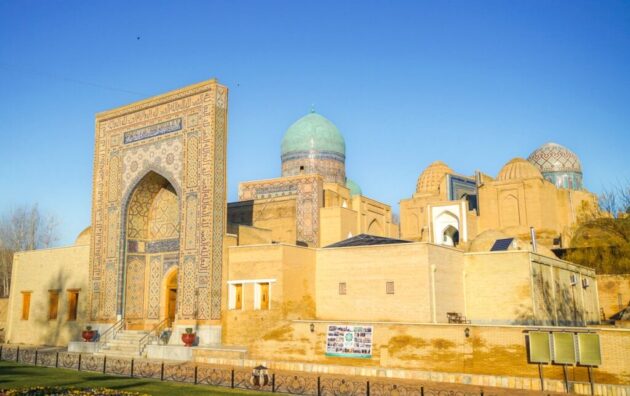
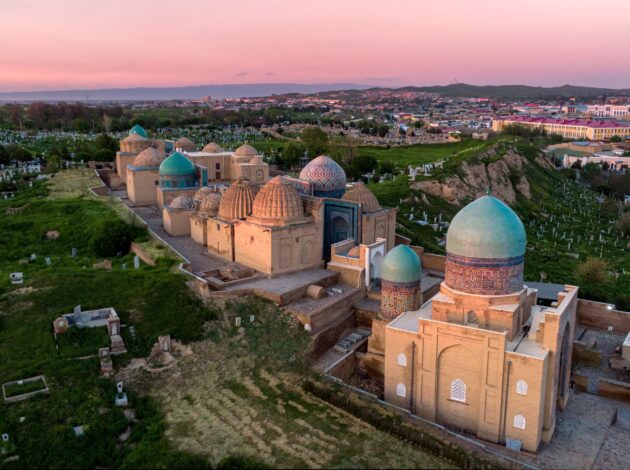
Shah-i-Zinda (also spelled Shahi-Zinda or Shohizinda), meaning “The Living King,” is one of the most breathtaking and spiritually significant sites in Samarkand. This UNESCO World Heritage-listed necropolis features a stunning avenue of intricately tiled mausoleums dating from the 11th to 19th centuries, with many masterpieces from the Timurid era (14th–15th centuries).
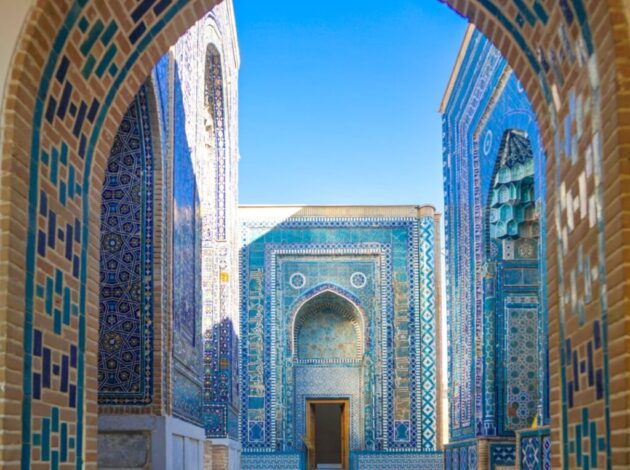
The vivid turquoise, blue, and gold tilework, narrow medieval lanes, and harmonious architectural ensemble make it feel like stepping into a living museum of Islamic art and history. It is often considered one of the highlights of the Silk Road city, rivaling even the iconic Registan Square for its intimate beauty and rich detail.
Why Visit Shah-i-Zinda Necropolis?
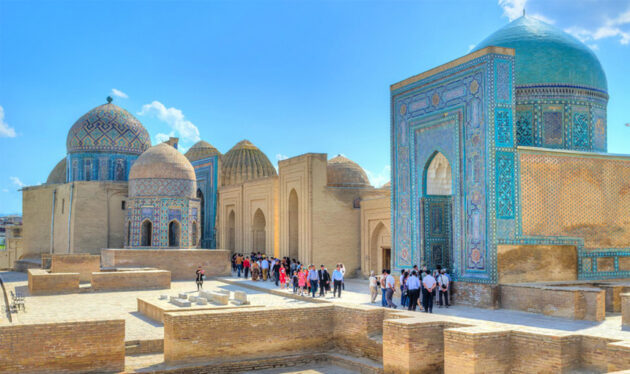
The complex is renowned for its exquisite majolica and mosaic tilework — some of the finest in Central Asia. It contains over twenty structures, including mausoleums of Timur (Tamerlane)’s family members, nobles, and saints. Legend says it is named after Qutham ibn Abbas, a cousin of the Prophet Muhammad, who is believed to be buried here and “did not die but went underground alive.” The site blends deep religious significance with artistic splendor, offering a quieter, more contemplative experience compared to Samarkand’s grander monuments.
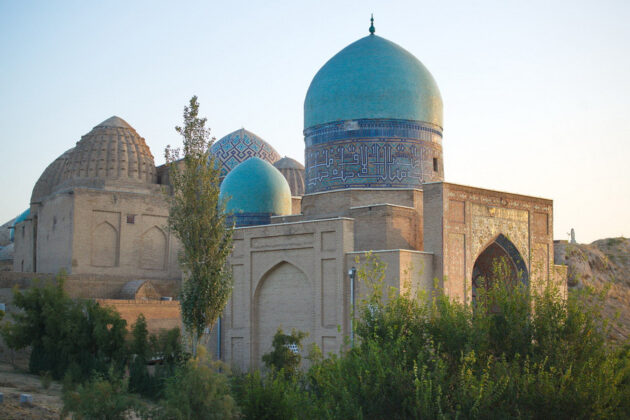
Key highlights include: The Kusam ibn Abbas Mausoleum (oldest part, 11th century); The Tuman Aka Mausoleum (1405–1406); The Shodi Mulk Oka and Shirin Beka Oka mausoleums; The Amirzadeh and Ali Nesefi mausoleums, famous for their elaborate blue domes and interiors.
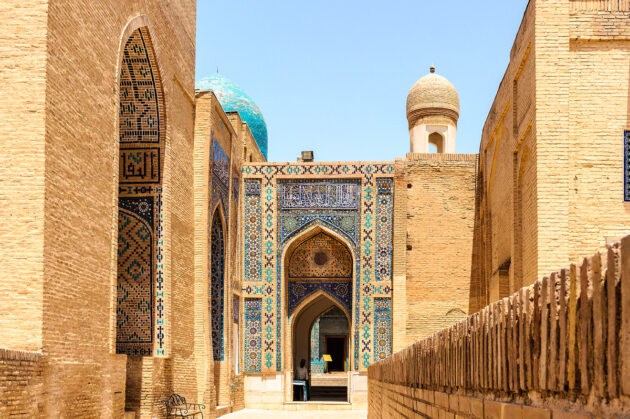
The narrow street-like layout creates dramatic perspectives, with each mausoleum revealing more intricate patterns as you ascend the hill.
How to Get There
Shah-i-Zinda is located on the northeastern edge of Samarkand, on the slope of the ancient Afrosiab hill, near the Bibi-Khanym Mosque and Siab (Siyob) Bazaar.
From Samarkand city center (e.g., Registan Square): It is about a 20–30 minute walk or a short 10–15 minute taxi ride (costing roughly 20,000–30,000 UZS / $1.5–2.5 USD). You can also take local buses (#3 or #75) or a tram (ensure you take the correct direction to avoid ending up back at Registan).
From the train station: A quick taxi ride or public transport option is available.
Combining with other sites: Many visitors walk from the Siab Bazaar after visiting Bibi-Khanym Mosque, making it easy to include in a half-day historical tour.
The main entrance and ticket booth are at the bottom of the stairs near the street.
Best Time to Visit
Time of day: Arrive early in the morning (around opening time) or late afternoon for the best light, fewer crowds, and cooler temperatures. Midday can be hot and busy, with harsh shadows affecting photography.
Season: Spring (April–May) and autumn (September–October) offer the most pleasant weather (15–25°C / 59–77°F) with mild days and fewer extremes. Summer (June–August) is very hot (up to 38–42°C), while winter is cold but brings fewer tourists and lower prices.
Duration: Plan for 45 minutes to 1.5–2 hours to explore the lanes, climb the stairs, and admire the details at your own pace.
Practical Information
Opening Hours: Generally open daily from about 7:00–8:00 AM to 7:00–8:00 PM (or later in summer; shorter in winter, e.g., 9:00 AM–5:00 PM). Hours can vary slightly by season — check locally upon arrival.
Entrance Fee: Approximately 50,000 UZS per adult (around $4–5 USD as of recent updates; prices have increased in recent years). Cash is recommended, though some reports note card acceptance. Reduced rates may apply for children or locals.
Accessibility: There are many stairs and uneven surfaces, so wear comfortable shoes. It may be challenging for those with mobility issues in the heat.
What to Do and See
Climb the stairs from the entrance and wander the narrow “street of the dead,” admiring the progression of architectural styles across centuries.
Look closely at the tilework — patterns include geometric designs, floral motifs, and calligraphy.
Visit the small museum inside the complex for additional context.
Respect the sacred nature of the site: some areas may have active prayer spots.
Photography is excellent here, especially the upward shots of domes against the sky or panoramic views from higher points.
Many guided tours of Samarkand include Shah-i-Zinda alongside Registan, Gur-e-Amir, and the bazaar. Hiring a local guide can enrich your understanding of the legends and history.
What to Bring and Dress Code
Modest clothing is recommended out of respect (cover shoulders and knees).
Comfortable walking shoes for the stairs and uneven paths.
Water, sunscreen, and a hat (especially in summer).
Cash for the entrance fee and any small purchases nearby.
A camera or phone — though the intricate details are best appreciated in person, as the vibrant blues shine beautifully in good light.
Tips for a Great Experience
Go early to beat tour groups and enjoy quieter moments.
Combine your visit with the nearby Siab Bazaar for fresh plov, fruits, and local atmosphere, or Bibi-Khanym Mosque.
Be mindful of the heat and stairs — take your time and rest in the shade.
The complex can feel crowded in peak season; early or late visits provide a more magical, reflective atmosphere.
Uzbekistan uses the Uzbek Som (UZS); exchange money or use ATMs in the city center.
Final Thoughts
Shah-i-Zinda is a jewel of Timurid architecture and a profound spiritual site that captures the artistic height of the Silk Road era. Its glowing turquoise tiles, layered history, and serene yet awe-inspiring setting make it an unforgettable stop in Samarkand. Whether you’re a history buff, architecture lover, or simply seeking beauty, this necropolis offers a deeply moving experience that lingers long after your visit.
Pair it with Samarkand’s other UNESCO gems for a complete journey through one of Central Asia’s most fascinating cities. Safe travels on the Silk Road!