
A Travel Guide to Gur-e-Amir Mausoleum (2026)
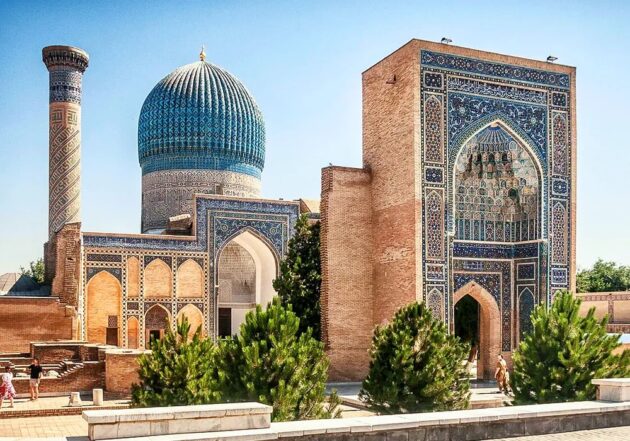
Gur-e-Amir Mausoleum (also spelled Gur-e-Emir or Gur-i Amir), meaning “Tomb of the King” in Persian, is one of the most iconic landmarks in Samarkand and a masterpiece of Timurid architecture. Built in the early 15th century, it serves as the final resting place of the legendary conqueror Amir Timur (Tamerlane) and several of his family members.
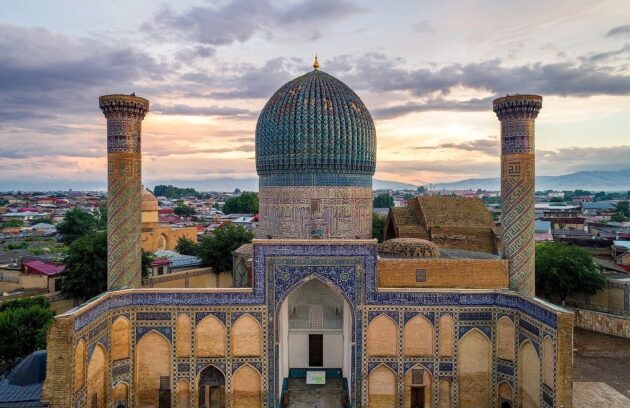
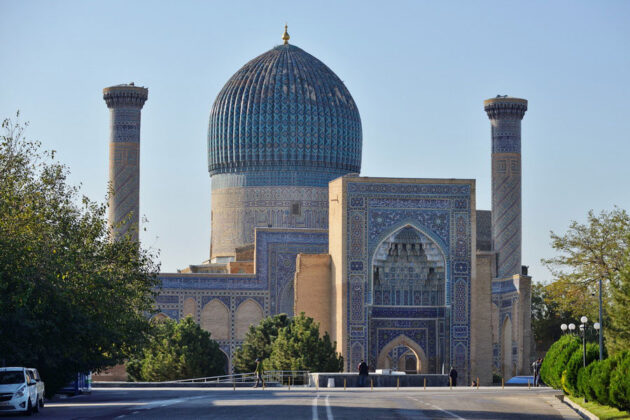
Its striking ribbed turquoise dome, intricate tilework, and historical significance make it a highlight of any trip to Uzbekistan’s ancient Silk Road city. Often considered a precursor to later Mughal wonders like the Taj Mahal, Gur-e-Amir offers a blend of grandeur, artistry, and powerful history.
Why Visit Gur-e-Amir Mausoleum?
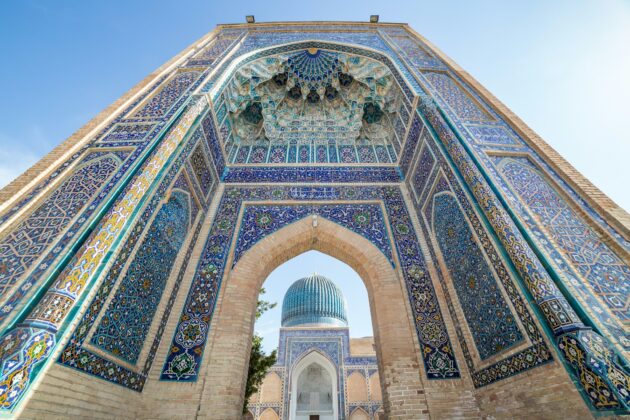
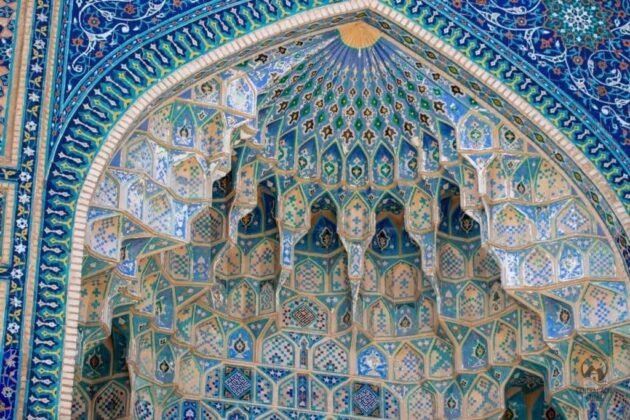
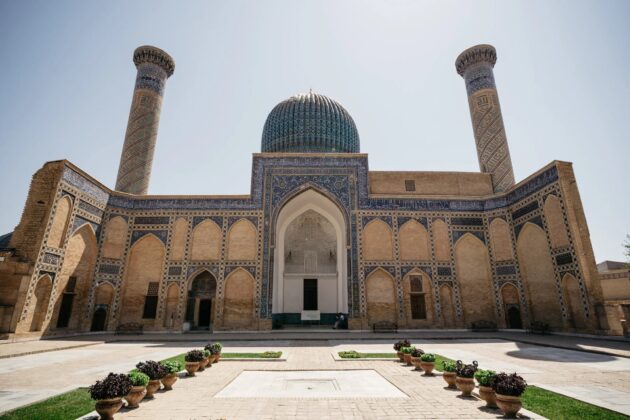
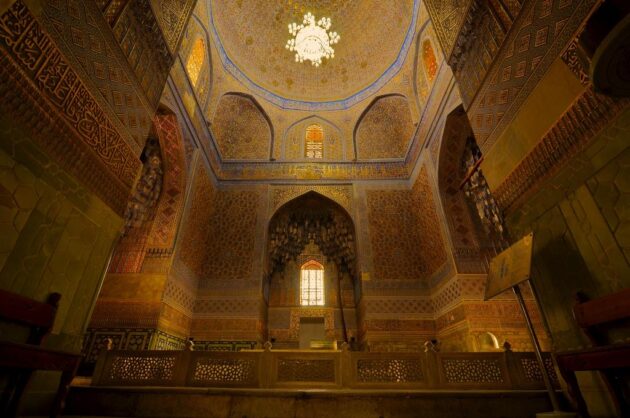
This mausoleum is not just a burial site but a symbol of Timur’s empire, which once stretched across vast parts of Asia. The exterior features beautiful blue and turquoise tiles with geometric patterns and calligraphy against terracotta brick. Inside, the chamber dazzles with gilded domes, stalactite decorations (muqarnas), and ornate marble sarcophagi marking the graves (the actual tombs lie in a crypt below). It is part of the UNESCO World Heritage-listed ensemble in Samarkand and provides deep insight into Central Asian Islamic architecture and Timurid legacy.
History in Brief
Originally constructed in 1404 as a mausoleum for Timur’s beloved grandson Muhammad Sultan, the complex was adapted after Timur’s death in 1405 to include his tomb. Other burials include Timur’s sons and grandsons. The site also features a madrasah and khanqah (Sufi lodge) elements. Despite earthquakes and restorations, the mausoleum retains much of its original splendor.
How to Get There
From Registan Square: Just a 10–15 minute walk (about 1 km) northeast. It’s easy to spot the turquoise dome from afar.
From Samarkand Railway Station: Take a taxi (inexpensive, around 20,000–30,000 UZS) or bus (lines #3 or #75). The ride takes 10–15 minutes.
From Samarkand International Airport: About 15–20 minutes by taxi or Yandex Go ride-hailing app.
Within the City: Walking or using local taxis/shared rides is convenient. Many visitors combine it with a walking tour that includes Registan Square and nearby sites.
Best Time to Visit
Season: Spring (April–June) and autumn (September–November) offer mild weather, clear skies, and pleasant temperatures for exploring Samarkand.
Time of Day: Early morning (right after opening) to avoid crowds and enjoy soft light. Sunset is magical as the golden hues illuminate the blue dome. Evening visits can reveal illuminated facades.
Hours: Generally open daily from 8:00 or 9:00 AM to 7:00 PM (may shorten to 5:00 PM in winter). Confirm locally as timings can vary slightly by season.
What to Expect and See
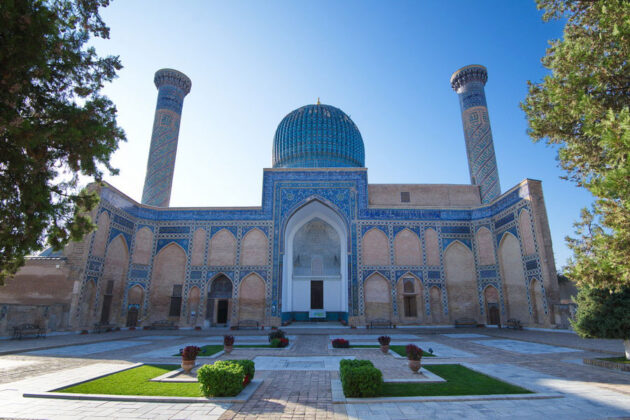
Exterior: Admire the grand portal, fluted azure dome, and tile mosaics.
Interior: Enter the main chamber to see the elaborate gilded dome, intricate geometric and calligraphic decorations, and the cluster of carved stone sarcophagi (including Timur’s, which is larger and simpler).
Surroundings: The complex includes a small garden area and nearby structures like the Ak Saray Mausoleum (worth a quick look if time allows).
Duration: Allow 30–60 minutes for a relaxed visit, longer if you want to sit and absorb the atmosphere or join a guided explanation.
Entrance Fee: Approximately 40,000–75,000 Uzbek Som (around $3–$6 USD) for foreigners, depending on the latest rates. Tickets are usually purchased on-site. Some sources mention multi-day validity for certain passes, but check current pricing.
Tips for Visitors
Dress Code: Modest clothing is required (cover shoulders, knees, and chest). Women may need a headscarf in some areas—bring one just in case.
Photography: Allowed in most areas, but avoid flash inside and respect any restrictions near the graves. The dome photographs beautifully against the sky.
Crowds: Tour groups can arrive midday; visit early or late to experience more tranquility.
Guided Tours: Hiring a local guide enhances the visit by explaining the history, symbolism, and architectural details (many speak English).
What to Bring: Comfortable shoes for walking Samarkand’s streets, water, and sunscreen. Cash in Uzbek Som is useful for tickets and small purchases.
Respect: This is a sacred site—maintain quiet inside the mausoleum and follow any rules set by staff.
Nearby Attractions
Gur-e-Amir pairs perfectly with other Samarkand highlights: Registan Square (must-see ensemble of madrasahs, just a short walk away). Bibi-Khanym Mosque. Shah-i-Zinda Necropolis. Siab Bazaar for local food and souvenirs. Ulugh Beg Observatory.
Many travelers do a full-day walking tour covering Registan, Gur-e-Amir, and the bazaar.
Where to Stay
Samarkand offers a range of accommodations near the historic center: Budget: Guesthouses and hostels in the Old Town. Mid-range: Hotels like Hotel Registan or boutique options with views of historical sites. Luxury: Modern hotels with easy access to the main attractions.
Final Thoughts
Gur-e-Amir Mausoleum is an essential stop that captures the power, artistry, and enduring legacy of Timur’s era. Its relatively compact size belies the profound historical and aesthetic impact it delivers. Whether you’re tracing the Silk Road, exploring Islamic architecture, or simply marveling at turquoise domes under the Central Asian sky, this site will leave a lasting impression.
Combine your visit with Samarkand’s other wonders for a rich, unforgettable journey through Uzbekistan’s golden age. Safe travels and enjoy the timeless beauty of Gur-e-Amir!