
A Travel Guide to Ulugh Beg Observatory (2026)
The Ulugh Beg Observatory (also spelled Ulugbek Observatory) is one of Samarkand’s most fascinating historical sites, offering a glimpse into the golden age of Islamic astronomy. Built in the 1420s by Ulugh Beg, the Timurid ruler, astronomer, and grandson of the conqueror Timur (Tamerlane), it was once the most advanced observatory in the world.
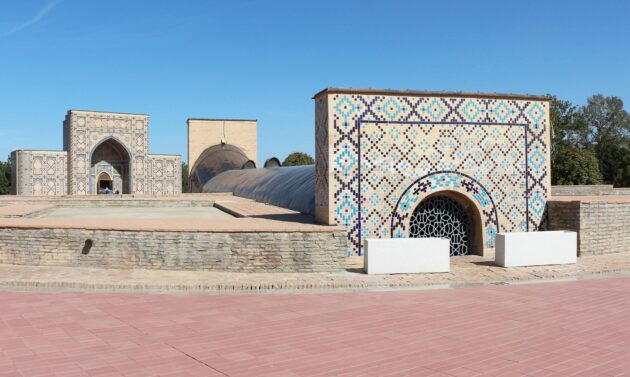
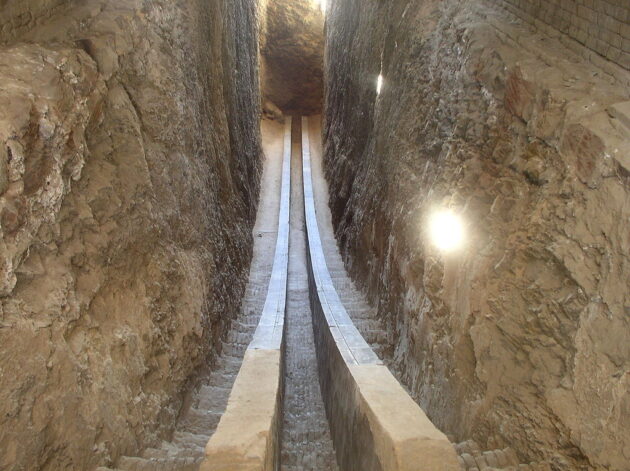
Today, visitors can explore the impressive underground remains of its giant sextant (or quadrant), along with a small museum that brings the story to life. This site appeals to history buffs, science enthusiasts, and anyone interested in Central Asia’s rich intellectual heritage.
Why Visit Ulugh Beg Observatory?
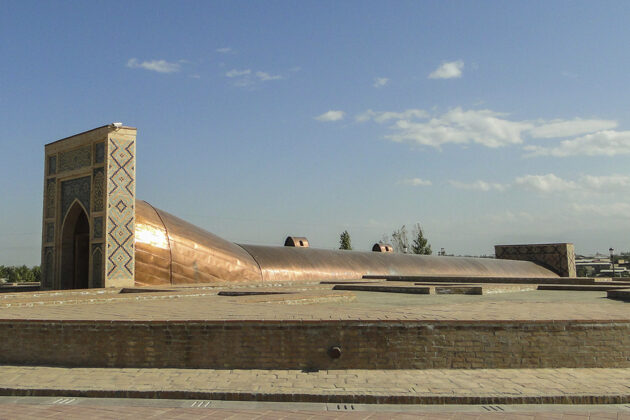
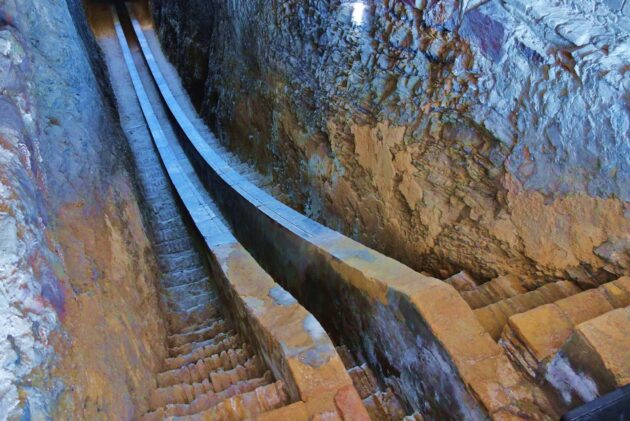
Ulugh Beg established a scientific school in Samarkand and compiled highly accurate star catalogs (Zij-i Sultani) that influenced astronomy for centuries, including work by European scholars. The observatory featured massive instruments, most notably a 40-meter meridian arc partially built underground for stability.
Although religious extremists destroyed the structure shortly after Ulugh Beg’s death in 1449, the surviving underground sextant and foundations remain impressive. A modest museum displays replicas, historical panels, and information about Ulugh Beg’s achievements and the broader Islamic scientific tradition.
While the site is smaller and less visually spectacular than Samarkand’s iconic Registan or Shah-i-Zinda, it provides a thoughtful contrast to the city’s architectural grandeur, highlighting its scientific legacy instead.
How to Get There
The observatory is located on a hill northeast of central Samarkand, about 5–6 km from the Registan Square area, near the Afrasiab Museum and ruins.
By Taxi (Recommended): The easiest and most convenient option. Use the Yandex Go app for reliable, affordable rides (usually very cheap in Uzbekistan). A one-way trip from the city center costs little and takes 10–15 minutes.
Public Transport: Shared taxis or marshrutkas (minibuses) depart from areas near the observatory or central points, but they can be less straightforward for first-time visitors.
Walking: Possible from the Afrasiab Museum (about a 10-minute walk uphill), but not ideal in summer heat.
Tours: Many guided day tours of Samarkand include the observatory as a stop, often combined with other sites.
Best Time to Visit
Optimal Seasons: Spring (April–June) and autumn (September–October) offer the best weather — mild temperatures (around 20–25°C / 68–77°F), clear skies, and comfortable conditions for exploring outdoors. These periods also have pleasant daylight hours and fewer extreme crowds.
Year-Round Access: The site is open daily, but avoid midday in summer (July–August) when temperatures can exceed 35–40°C (95–104°F), making the open ruins feel like an oven. Winters are cold but quieter.
Time of Day: Early morning for cooler temperatures and fewer people, or late afternoon for better photography light and thinning tour groups. The site closes earlier in winter.
What to See and Do
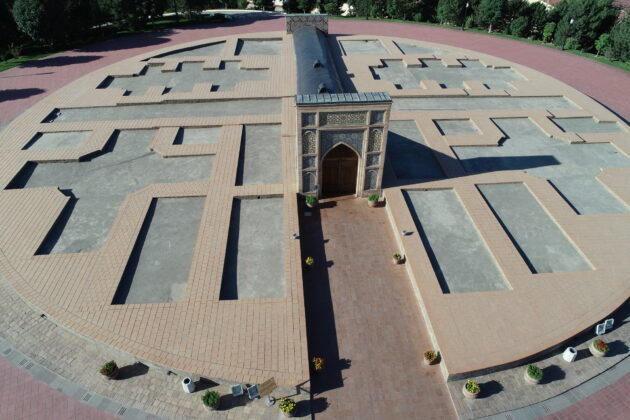
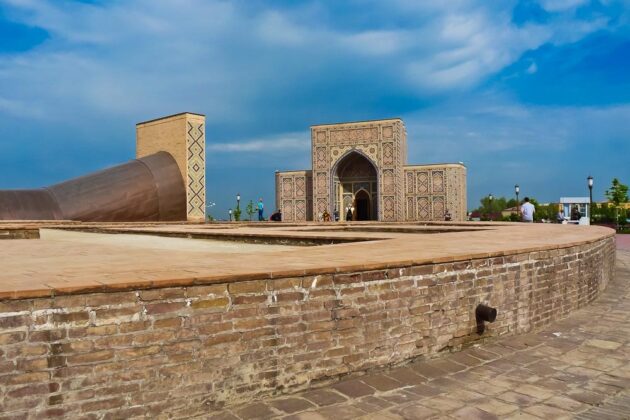
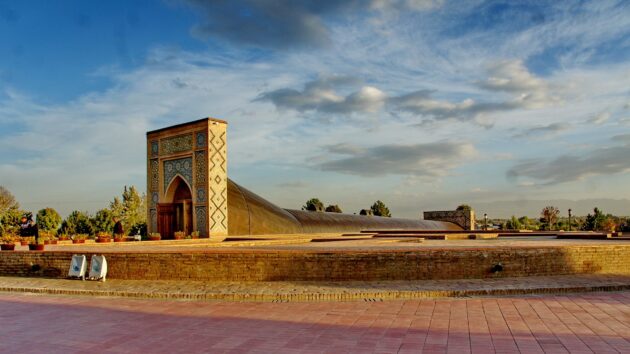
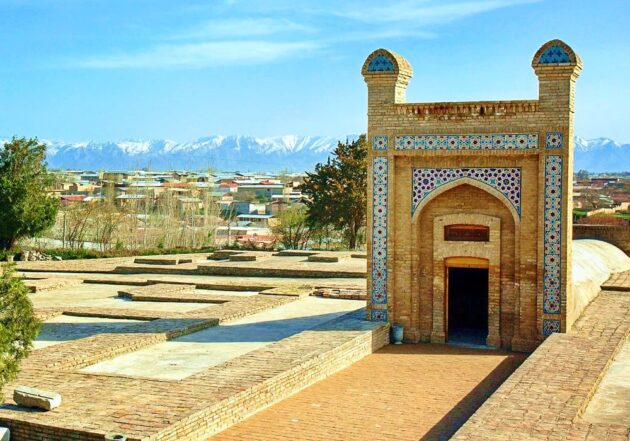
The Remains of the Sextant: Walk around the large circular foundations and descend to view the preserved underground marble arc of the giant quadrant — the most striking remnant of the original structure.
The Museum: A small but informative museum next to the ruins covers Ulugh Beg’s life, his astronomical work, the Timurid era, and the observatory’s global influence. Exhibits include models, panels, and a bust of Ulugh Beg.
Surrounding Area: Enjoy the hilltop views and the peaceful setting. The grave of archaeologist V. V. Vyatkin (who rediscovered the site in 1908) is also nearby.
Time Needed: Most visitors spend 30–90 minutes here, though astronomy enthusiasts or those with a guide may linger longer (1–2 hours recommended).
Note: The observatory is more about historical and scientific appreciation than grand architecture — come with some background knowledge or a good guide to fully appreciate it.
Practical Information
Opening Hours: Generally daily from 8:00 AM to 7:00 PM or 8:00 PM (last tickets sold earlier). Hours may shorten in winter.
Entrance Fee: Approximately 40,000–75,000 Uzbek som (UZS) for foreign adults (roughly $3–$6 USD, depending on exchange rates and recent adjustments). Cash in som is usually required; children and locals pay less. Photography fees may apply in some cases.
Facilities: Limited — basic restrooms and a small souvenir area. There is no large café on site.
What to Bring and Tips
Essentials: Comfortable walking shoes (there are stairs and uneven paths), sunscreen, a hat, and water (especially in warmer months). Bring cash in Uzbek som.
Respect and Etiquette: Dress modestly out of respect for local customs. Follow any rules about not touching artifacts.
Hire a Guide: Strongly recommended if you want deeper insights into the astronomy and history — many local guides are knowledgeable and can make the visit far more rewarding.
Combine with Nearby Sites: Pair your visit with the Afrasiab Museum and ruins, or make it part of a full-day tour including Registan, Gur-e-Amir, and Bibi-Khanym Mosque.
Crowds: The site is usually quieter than central Samarkand attractions, especially outside peak tour bus hours.
Where to Stay in Samarkand
Stay in the historic center or near Registan Square for easy access to most sights (the observatory is a short taxi ride away). Popular options include boutique guesthouses with traditional decor or modern hotels. Many travelers base themselves here for 2–3 nights to explore the city and surrounding areas.
Final Thoughts
A visit to the Ulugh Beg Observatory adds intellectual depth to any trip to Samarkand. It reminds travelers that this Silk Road gem was not only a center of art and architecture but also of groundbreaking science. Though the physical ruins are modest, the story of Ulugh Beg’s ambition and precision continues to inspire. Plan it as a thoughtful side trip during your exploration of Uzbekistan’s Timurid heritage.
Safe travels and clear skies!