
Nestled in the heart of Lhasa, the capital of Tibet Autonomous Region, Jokhang Temple is one of the most sacred and significant spiritual sites in Tibetan Buddhism. Built in the 7th century, this UNESCO World Heritage Site is revered as the spiritual center of Tibet, attracting pilgrims and travelers from around the world. With its intricate architecture, vibrant religious atmosphere, and rich history, Jokhang Temple offers a profound cultural experience. This guide will help you plan a memorable visit to this iconic landmark.
A Travel Guide to Jokhang Temple
Why Visit Jokhang Temple?
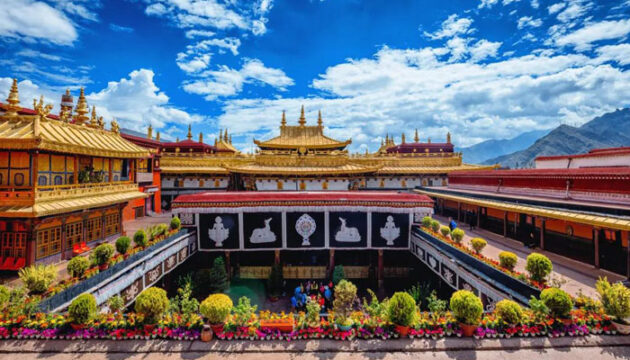
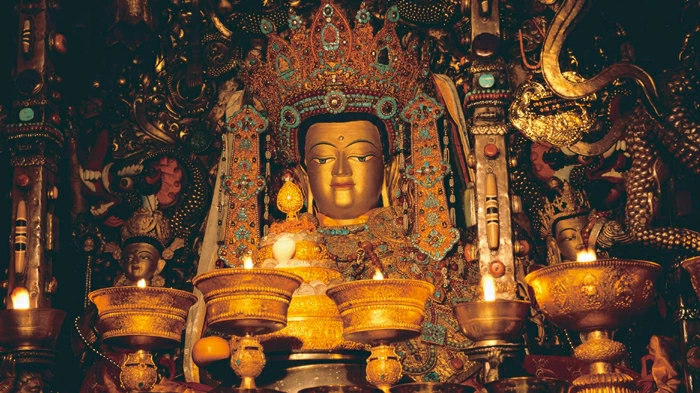
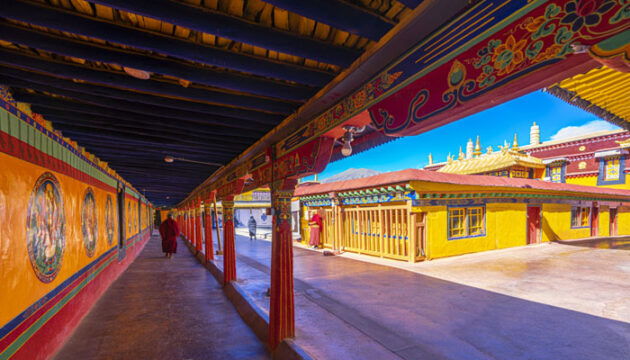
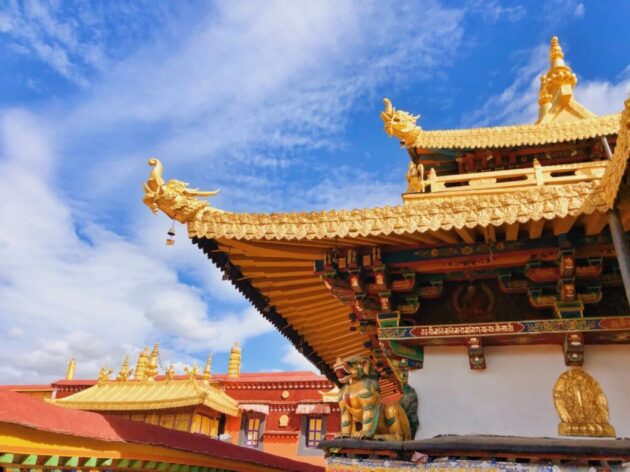
Jokhang Temple, also known as Qoikang Monastery, is the holiest site in Tibetan Buddhism, housing the sacred Jowo Shakyamuni statue—a life-sized image of the Buddha at age 12, believed to have been blessed by the Buddha himself. The temple’s blend of Tibetan, Nepalese, and Indian architectural styles reflects its historical role as a cultural crossroads. Surrounded by the bustling Barkhor Street, it offers a window into Tibetan spirituality, art, and daily life. Visiting Jokhang is not just a sightseeing trip but a journey into the heart of Tibetan culture and faith.
How to Get There
Jokhang Temple is located in central Lhasa, within the Barkhor area, making it easily accessible once you’re in the city. However, reaching Lhasa requires planning due to its high altitude (3,650 meters) and travel restrictions.
Getting to Lhasa: By Air: Fly to Lhasa Gonggar Airport (LXA), about 60 km from downtown Lhasa (1-hour drive). Direct flights are available from major Chinese cities like Beijing (4.5 hours, ¥1,000–3,000), Shanghai, Chengdu, and Xi’an. Airport shuttles or taxis (¥150–200) connect to the city. By Train: The Qinghai-Tibet Railway offers a scenic route to Lhasa from cities like Beijing (40 hours), Shanghai, or Xining. A soft sleeper ticket costs ¥800–1,200. The train is popular for its stunning Himalayan views but book early via platforms like Trip.com. By Road: Overland travel from mainland China or Nepal is possible but involves long drives and complex permits, so it’s less common.
Getting to Jokhang Temple: From Lhasa’s city center, the temple is a short walk or ride from most hotels. Take a taxi (¥10–20) or pedicab (¥5–10) to Barkhor Square. Walking: If staying in the old town, the temple is within 10–15 minutes’ walk from major landmarks like the Potala Palace. Note: Vehicles are restricted in the Barkhor area, so expect to walk the final distance.
Travel Permits: Non-Chinese visitors need a Tibet Travel Permit to enter Lhasa, obtainable only through a licensed travel agency. Additional permits (e.g., Alien Travel Permit) may be required for other Tibetan areas. Book a tour or permit at least 15–30 days in advance via agencies like Tibet Vista or Explore Tibet.
Altitude Tip: Lhasa’s high altitude can cause altitude sickness. Arrive a day early to acclimatize, stay hydrated, and consider medication like Diamox (consult a doctor).
Best Time to Visit
Spring (April–May) and Autumn (September–October): Mild weather (10–20°C), clear skies, and fewer crowds make these ideal seasons. Autumn coincides with vibrant Tibetan festivals like Saga Dawa (May/June).
Summer (June–August): Warmer (15–25°C) but rainy, with lush scenery. The Shoton Festival (August) features Tibetan opera and yogurt feasts near the temple.
Winter (November–March): Cold (–5 to 10°C) but sunny, with fewer tourists and a quieter atmosphere. Pilgrims remain active year-round.
Avoid: Chinese New Year (January/February) and National Day (early October) due to crowds and permit restrictions.
Cultural Tip: Morning visits (8:00 AM–11:00 AM) offer the most vibrant atmosphere, with pilgrims prostrating and praying.
Tickets and Opening Hours
Opening Hours: Generally 9:00 AM–6:00 PM, but pilgrim access starts earlier (around 7:30 AM). Afternoon hours (after 3:00 PM) are often reserved for tourists to avoid overcrowding. Hours may vary during festivals or religious events, so check with your guide or agency.
Ticket Prices: ¥85 for general admission. Photography inside the temple is restricted, and permits (if allowed) cost extra (¥100–500, depending on equipment). Tickets are purchased on-site, but during peak seasons, your tour guide may need to reserve a time slot.
Note: Entry is limited to a set number of visitors daily (around 1,000–2,000). Arrive early or have your agency secure a spot. Respectful attire (no shorts, sleeveless tops, or hats) is required.
What to See and Do
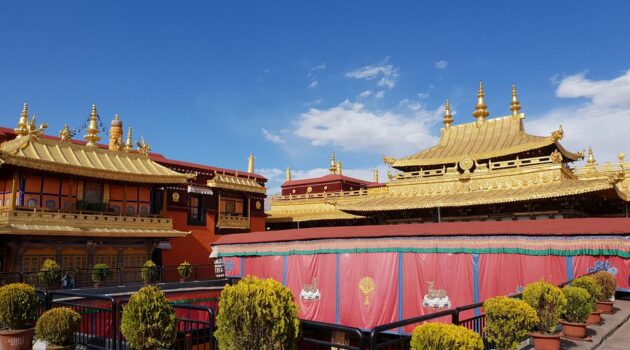
Jokhang Temple is a sprawling complex with inner sanctuaries, courtyards, and rooftop views. Here are the highlights:
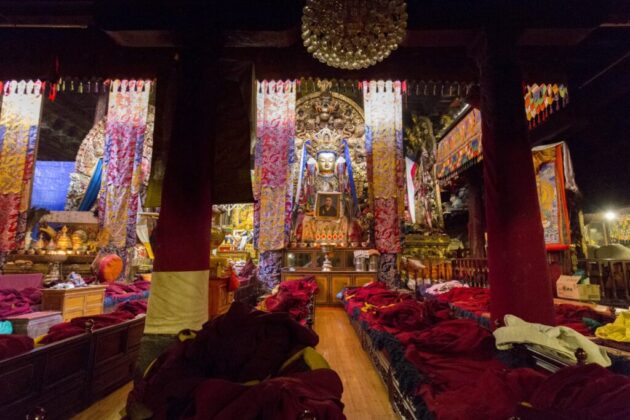
Jowo Shakyamuni Statue: Located in the main hall, this gilded statue is the temple’s spiritual heart. Pilgrims queue to offer khatas (white scarves) and pray. The statue, brought to Tibet by Princess Wencheng, is adorned with jewels and silk. Observe quietly and avoid photographing sacred areas.
Main Assembly Hall (Tsuglhakhang): The central hall features intricate murals, thangkas (Buddhist paintings), and statues of deities like Guru Rinpoche and Avalokiteshvara. The hall’s ancient pillars and woodwork reflect 7th-century craftsmanship.
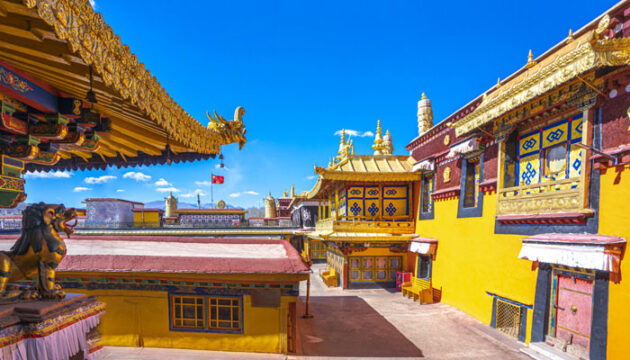
Rooftop Terrace: Offers panoramic views of Barkhor Square, Lhasa’s old town, and the distant Potala Palace. It’s a great spot for photography (exterior only) and soaking in the atmosphere.
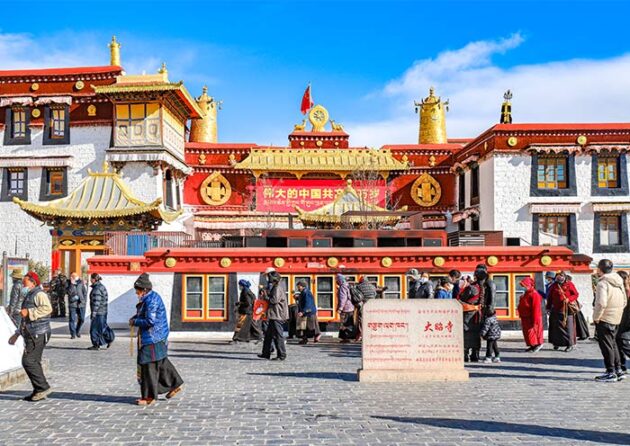
Barkhor Street: Encircling the temple, this bustling pilgrimage circuit is lined with shops selling prayer wheels, turquoise jewelry, and Tibetan carpets. Join pilgrims walking clockwise around the temple or shop for souvenirs. Try local street food like yak butter tea or momos (dumplings) at nearby stalls.
Cultural Experiences: Witness pilgrims prostrating or spinning prayer wheels, a humbling glimpse into Tibetan devotion. Visit during festivals like Losar (Tibetan New Year) or Saga Dawa for butter lamp ceremonies and monk debates.
Where to Eat
Inside the Temple: No dining facilities are available, and food is not allowed in sacred areas.
Barkhor Street: Numerous cafes and restaurants surround the temple, offering Tibetan, Chinese, and Western options: Makye Ame (Barkhor South): A cozy spot for yak meat noodles, tsampa (barley flour), and butter tea (¥20–50). Tibetan Family Kitchen: Offers hands-on cooking classes and authentic dishes like momos (¥30–60). Snowland Restaurant: Serves pizza, curry, and Tibetan staples for international travelers (¥25–70).
Tip: Try yak butter tea or sweet tea, but go slow if you’re new to the rich flavors. Bring snacks for energy during long temple visits.
Where to Stay
Staying near Jokhang Temple in Lhasa’s old town ensures easy access and immersion in the Tibetan atmosphere:
Luxury: The St. Regis Lhasa (~10-minute walk): Offers 5-star comfort with views of the Potala Palace, starting at ¥1,200/night. Shangri-La Hotel Lhasa (~15-minute drive): Modern amenities and Tibetan decor, around ¥800–1,000/night.
Mid-Range: House of Shambhala (Barkhor area): A boutique hotel with traditional Tibetan design, ¥300–500/night. Tashi Nota Hotel: Clean, central, and budget-friendly, around ¥200–350/night.
Budget: Dongcuo International Youth Hostel: Dorm beds and private rooms near Barkhor, ¥50–150/night.
Booking Tip: Book via Ctrip, Booking.com, or your travel agency at least a month in advance, as hotels fill up during peak seasons.
Tips for a Great Visit
Respect Religious Customs: Dress modestly (long pants, covered shoulders), remove hats, and avoid pointing at statues or monks. Speak softly and follow your guide’s instructions.
Photography Restrictions: No photos are allowed inside the temple’s sacred halls. Exterior shots and Barkhor Street are fine.
Health Precautions: Carry water, sunscreen, and sunglasses due to Lhasa’s high UV levels. Avoid overexertion to prevent altitude sickness.
Language: English signage is limited, so a guide (mandatory for foreign tourists) is invaluable for explanations and navigation.
Combine Your Trip: Pair your visit with nearby attractions like the Potala Palace (1.5 km away), Norbulingka (summer palace), or Sera Monastery for a full Lhasa experience.
Final Thoughts
Jokhang Temple is more than a tourist attraction—it’s the beating heart of Tibetan Buddhism and a testament to Lhasa’s enduring cultural legacy. From the golden glow of butter lamps to the rhythmic chants of pilgrims, a visit here is a deeply moving experience. Plan carefully, respect local traditions, and allow time to absorb the temple’s spiritual and historical richness. Whether you’re drawn by faith, history, or curiosity, Jokhang Temple will leave an indelible mark on your journey through Tibet.
Happy travels!