


Chengdu Travel Guide (2026)
Chengdu, the vibrant capital of Sichuan Province, is a city that blends ancient history, modern flair, and unparalleled culinary delights. Known as the “Land of Abundance,” Chengdu is famous for its relaxed pace, spicy Sichuan cuisine, and as the home of China’s beloved giant pandas.
Why Visit Chengdu?
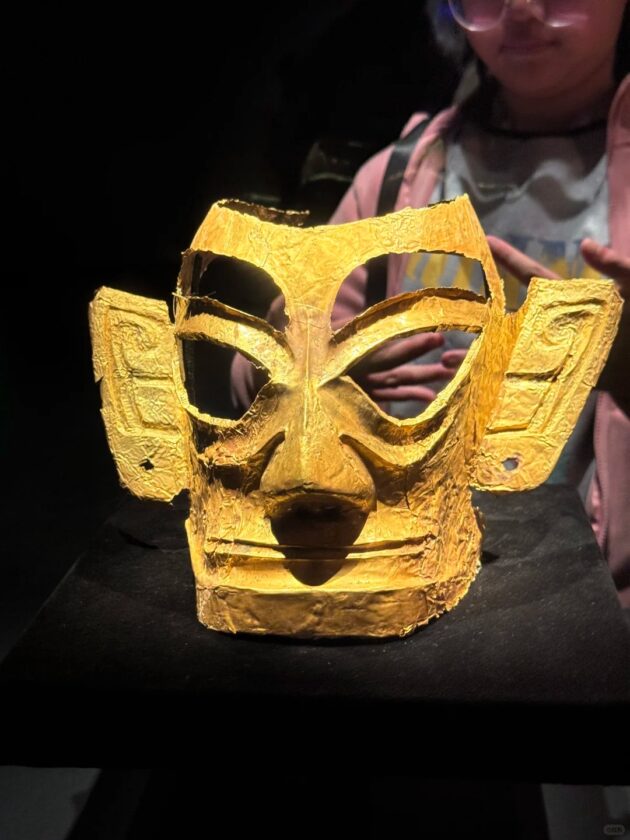
Chengdu is a cultural and gastronomic hub, offering a unique mix of experiences. It’s the gateway to see giant pandas at the Chengdu Research Base of Giant Panda Breeding, a must for animal lovers. The city’s rich history, tied to the ancient Shu Kingdom, is showcased in sites like the Jinsha Site Museum and Wuhou Temple.
Chengdu’s teahouse culture, lively nightlife, and spicy cuisine—think hotpot and mapo tofu—make it a paradise for foodies. With its proximity to natural wonders like Mount Qingcheng and Jiuzhaigou, Chengdu is also an ideal base for exploring Sichuan’s scenic beauty.
How to Get There
Chengdu is well-connected domestically and internationally, making it easy to reach:
By Air: Chengdu Shuangliu International Airport (CTU) serves flights from major cities like Beijing (2.5 hours), Shanghai (3 hours), and international hubs like Bangkok, Singapore, and Los Angeles. From the airport, take a taxi (¥50–80, 30 minutes to downtown), the metro (Line 10 to Line 3, ¥5–7, 40 minutes), or a shuttle bus to central Chengdu.
By Train: Chengdu is a high-speed rail hub. Chengdu East Railway Station connects to Beijing (8 hours), Shanghai (11 hours), and Chongqing (1.5 hours). Tickets range from ¥300–800 for second-class seats. The metro or taxis (¥20–30) provide easy access from stations to the city center.
By Bus: Long-distance buses from nearby cities like Chongqing or Leshan arrive at Xinnanmen Bus Station or Chadianzi Bus Station. Fares are affordable (e.g., ¥50–100 from Chongqing).
Tip: Use apps like Ctrip or Trip.com for flight and train bookings, and download Didi for ride-hailing within the city.
Top Attractions
Chengdu Research Base of Giant Panda Breeding
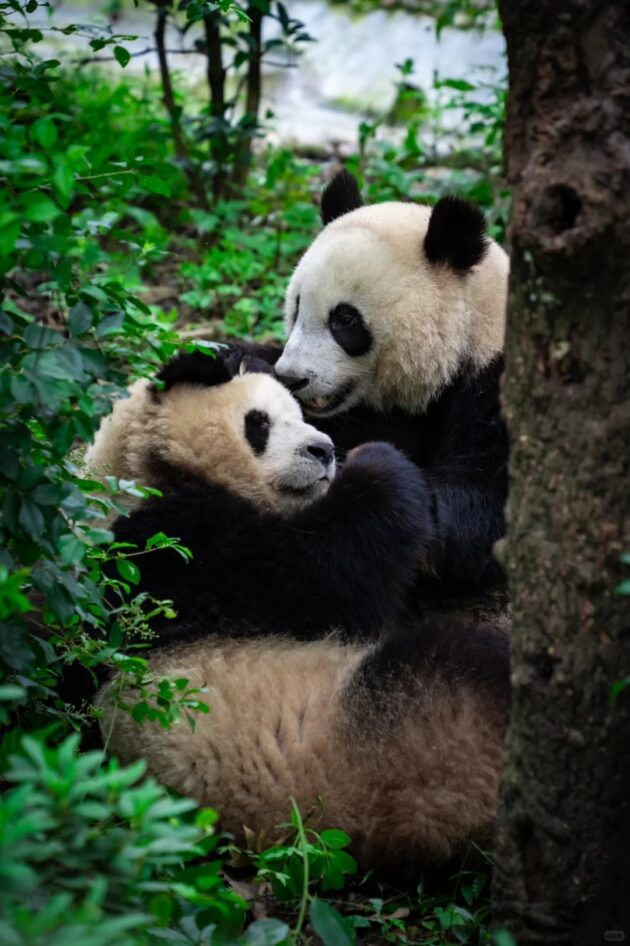
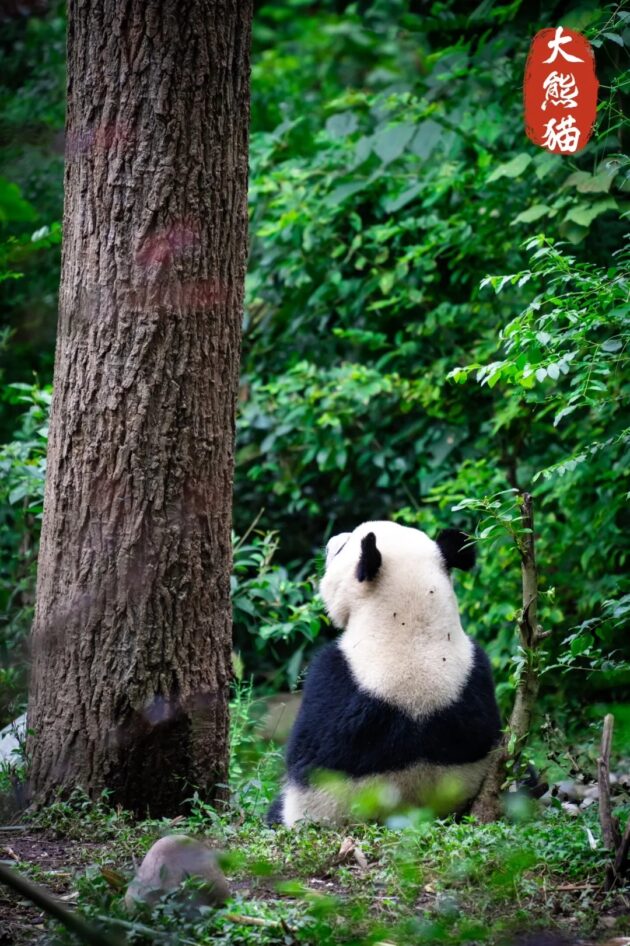
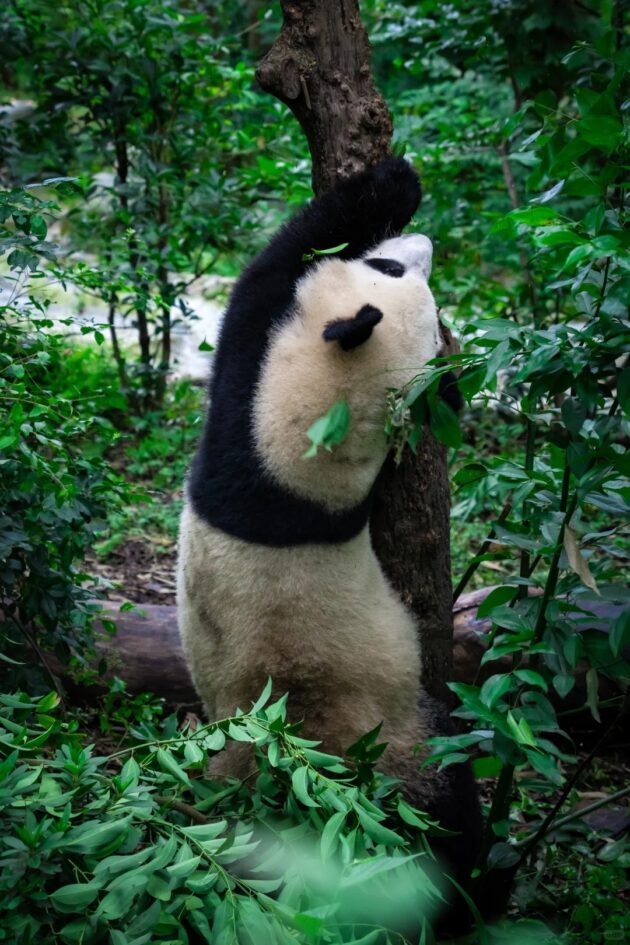
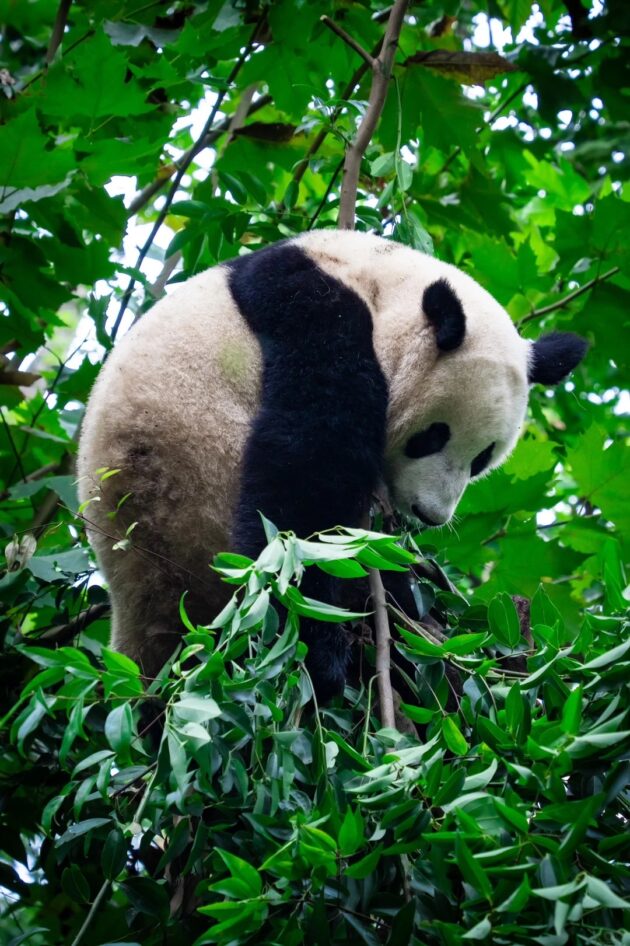
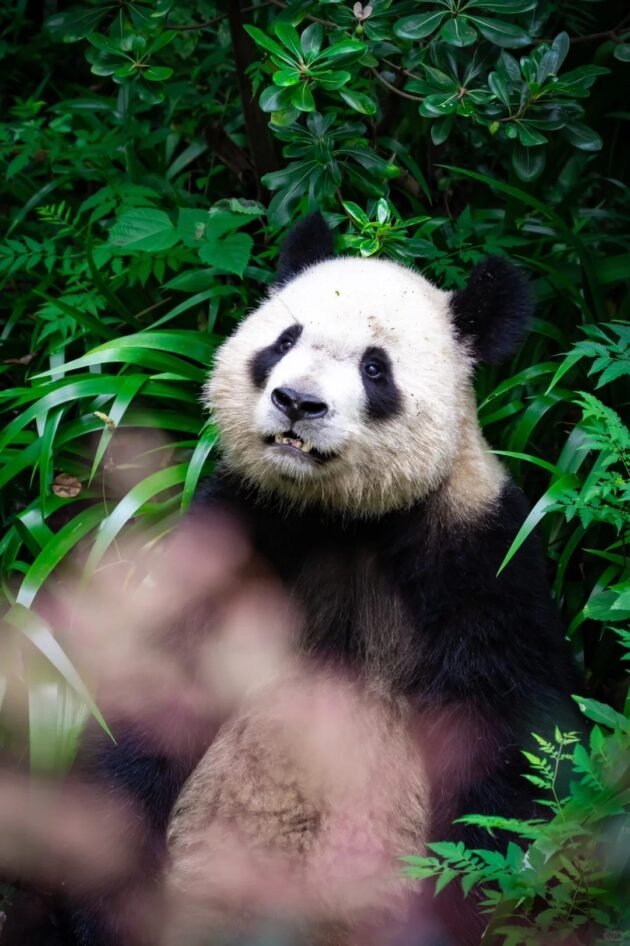
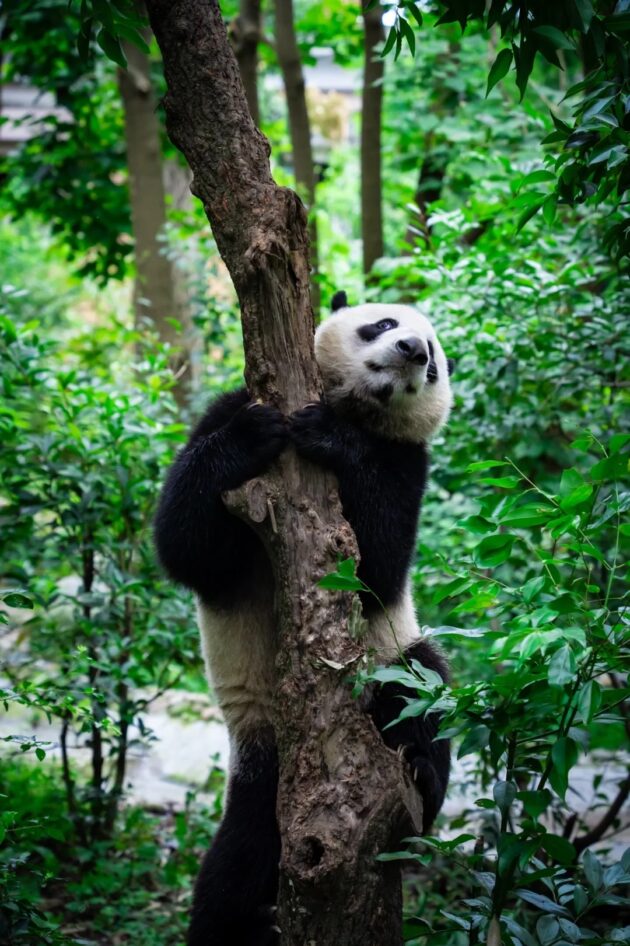
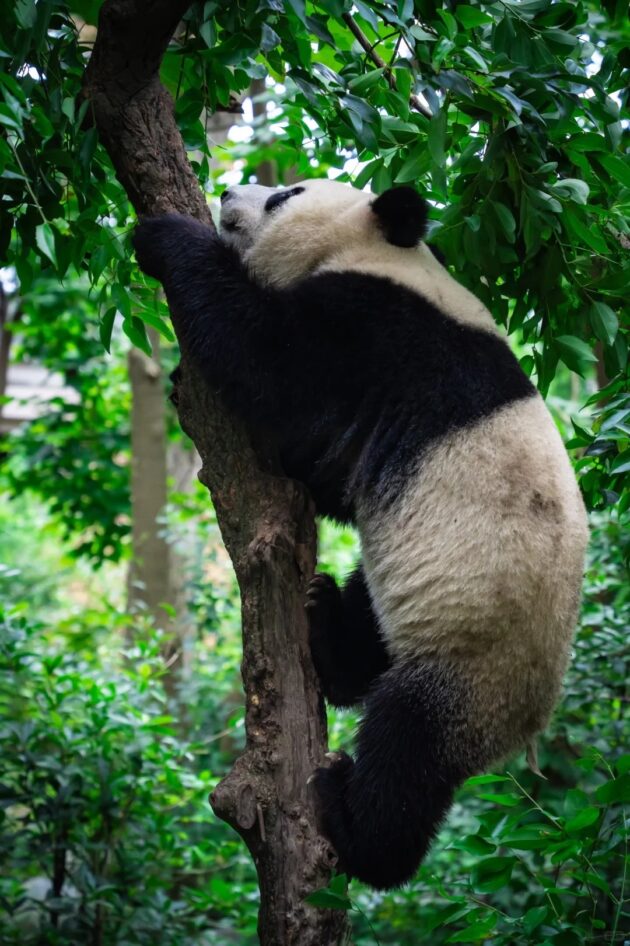
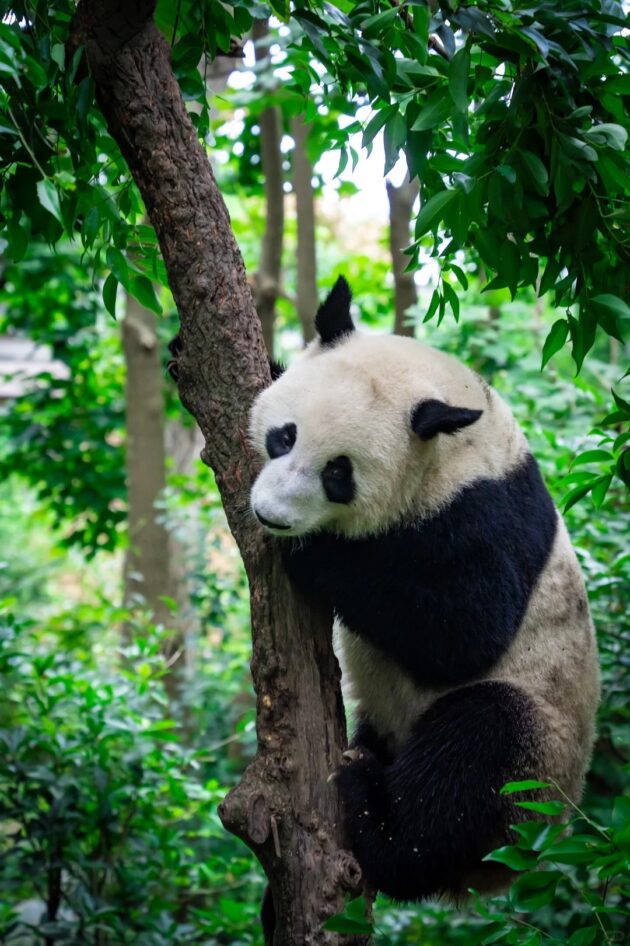
The Chengdu Panda Base is one of the best places in the world to see giant pandas up close. Home to over 200 pandas, including playful cubs, it combines education, conservation, and tourism in a beautifully landscaped environment. Beyond pandas, the base also houses red pandas and other species, making it a biodiversity hotspot.
Wide and Narrow Alleys
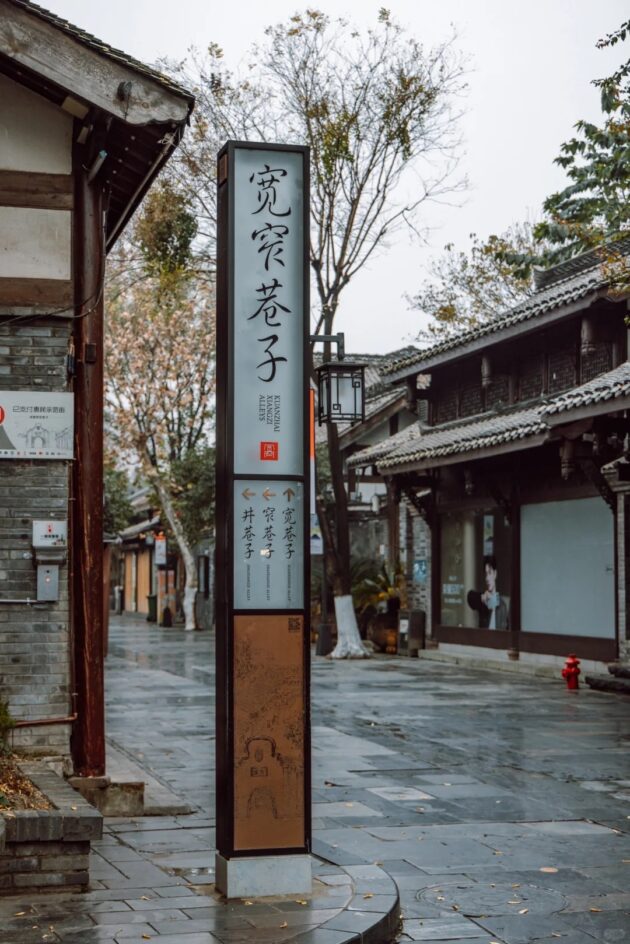
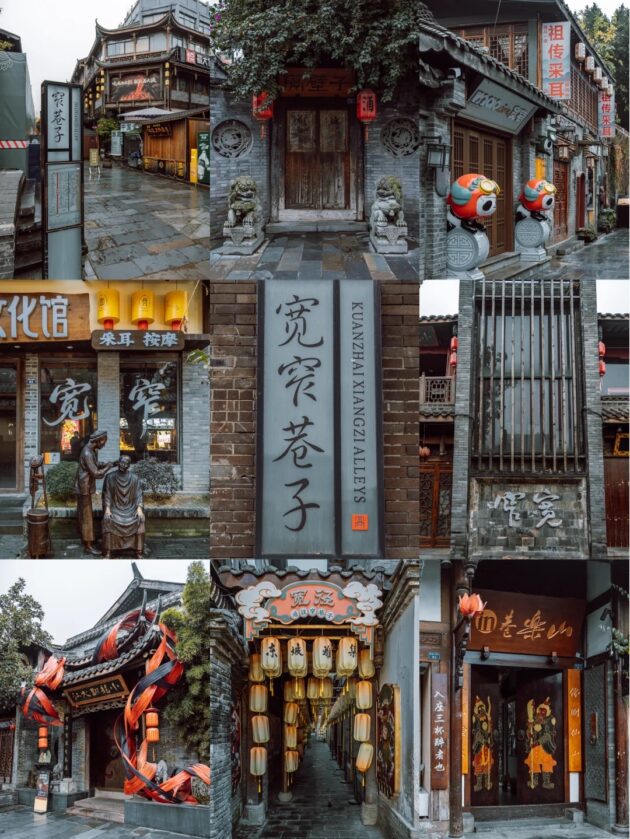
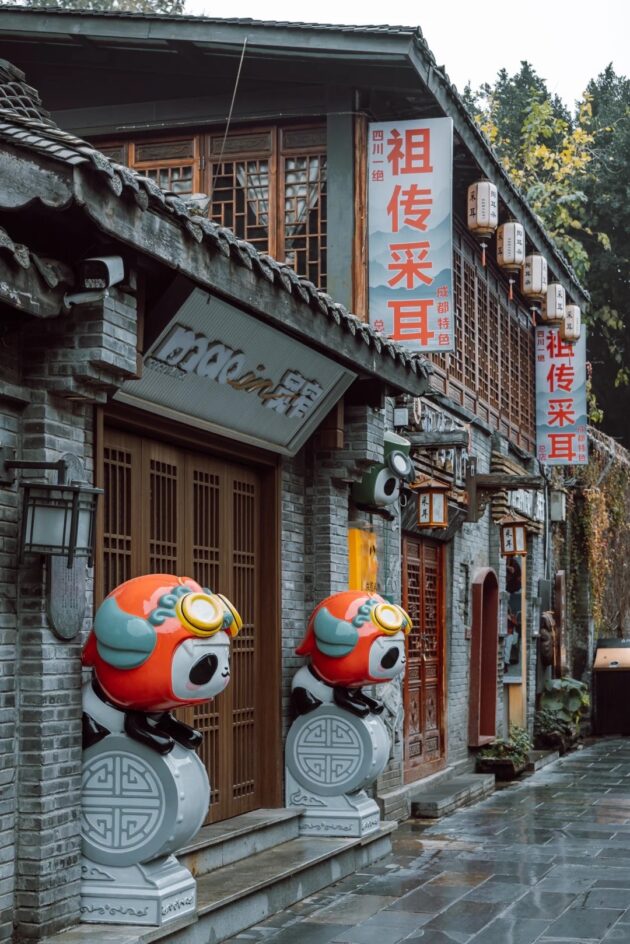
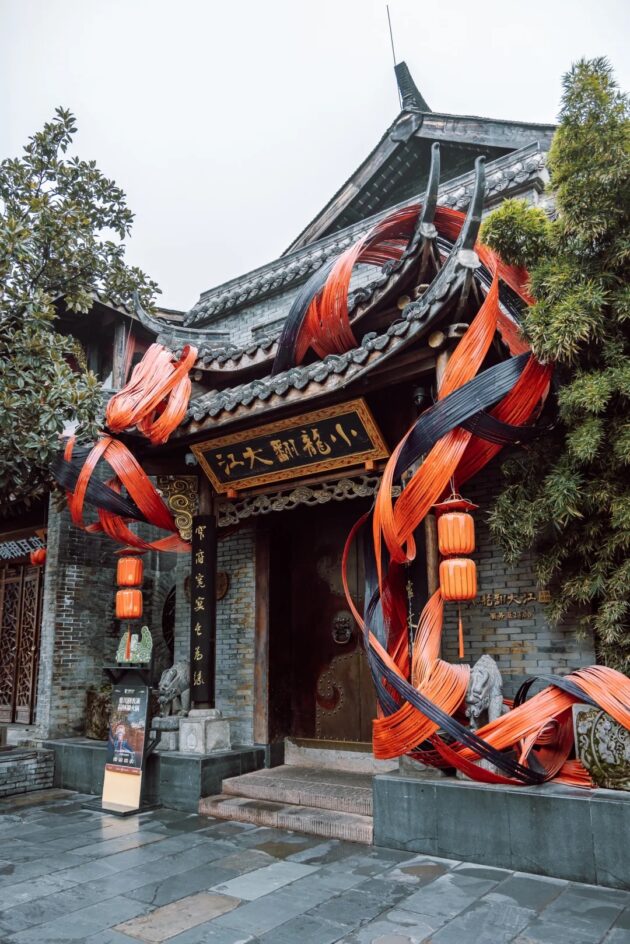
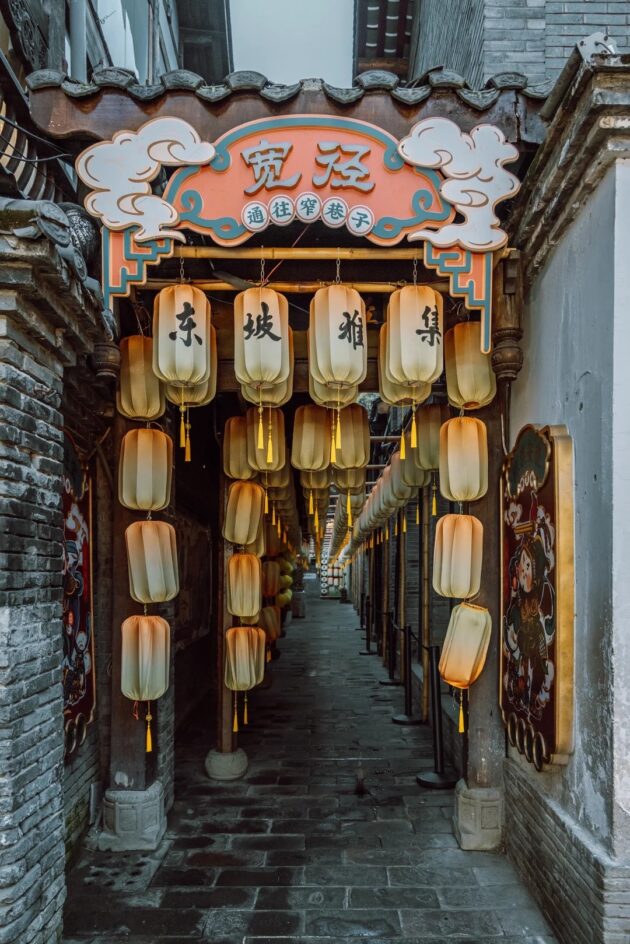
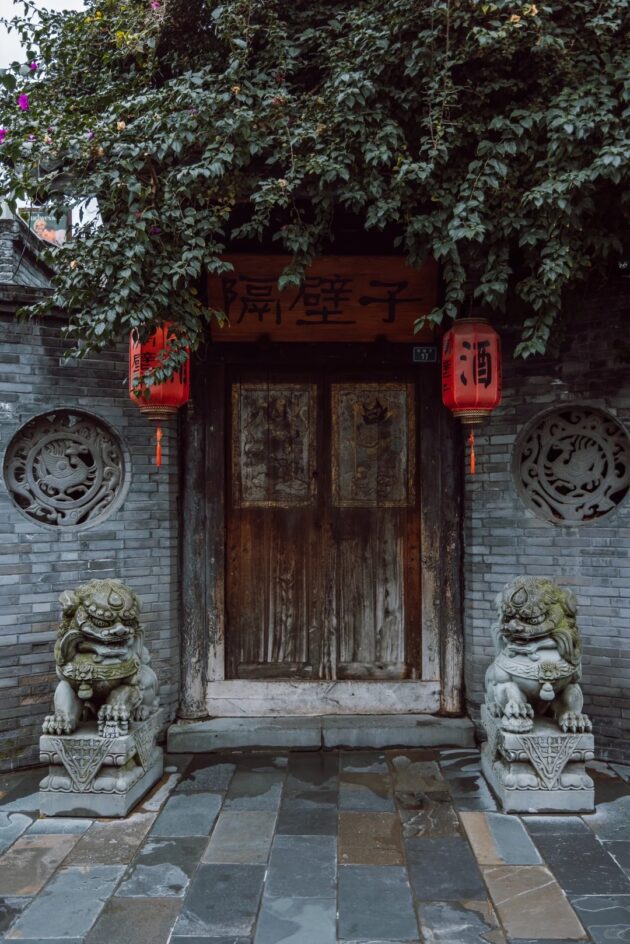
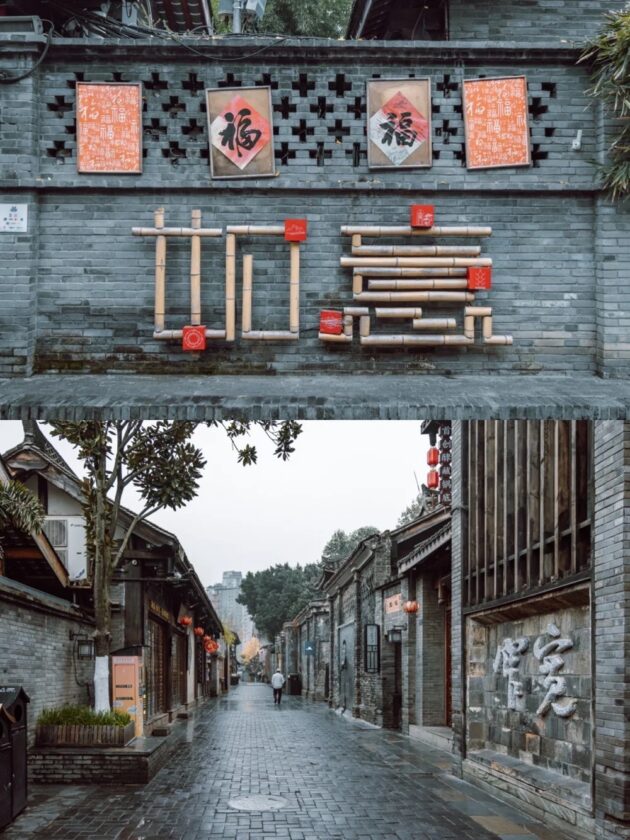
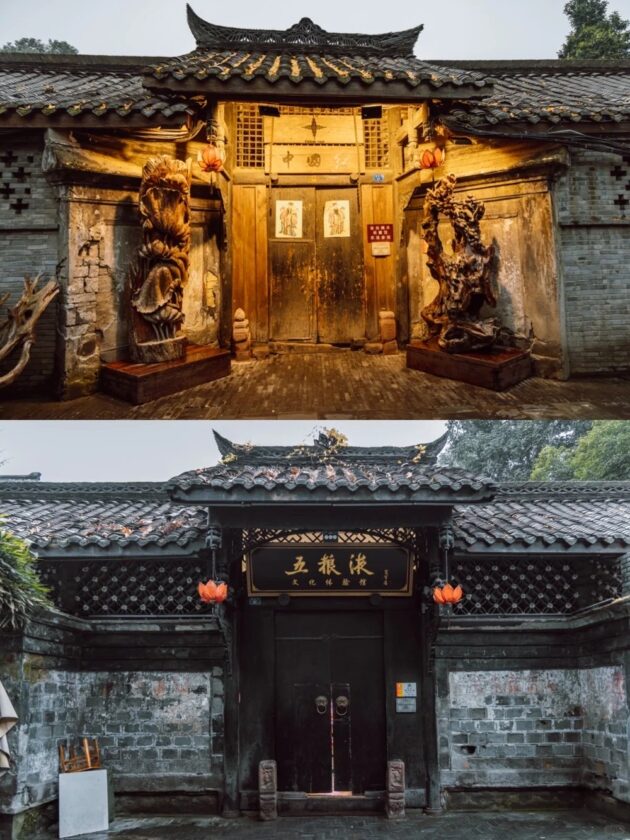
The Wide and Narrow Alleys are a microcosm of Chengdu’s unique blend of tradition and modernity. Originally built in the Qing Dynasty (1644–1911) to house Manchu soldiers, the alleys were renovated between 2005 and 2008 to preserve their historical architecture while transforming them into a commercial and cultural hub.
Jinli Ancient Street
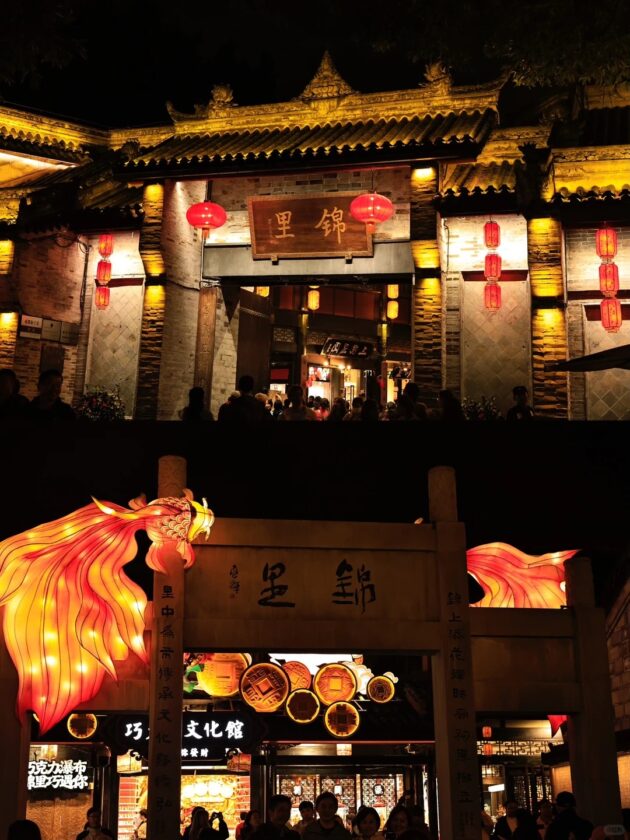
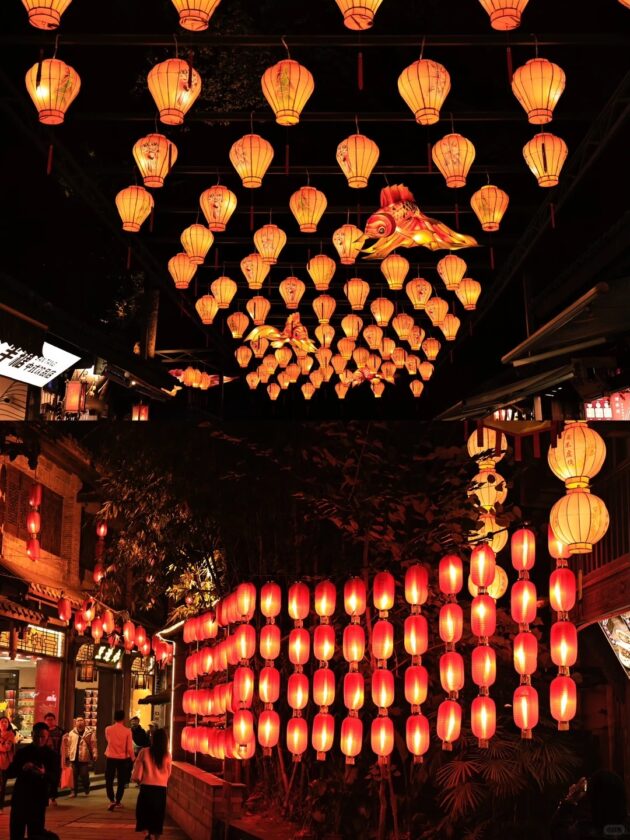
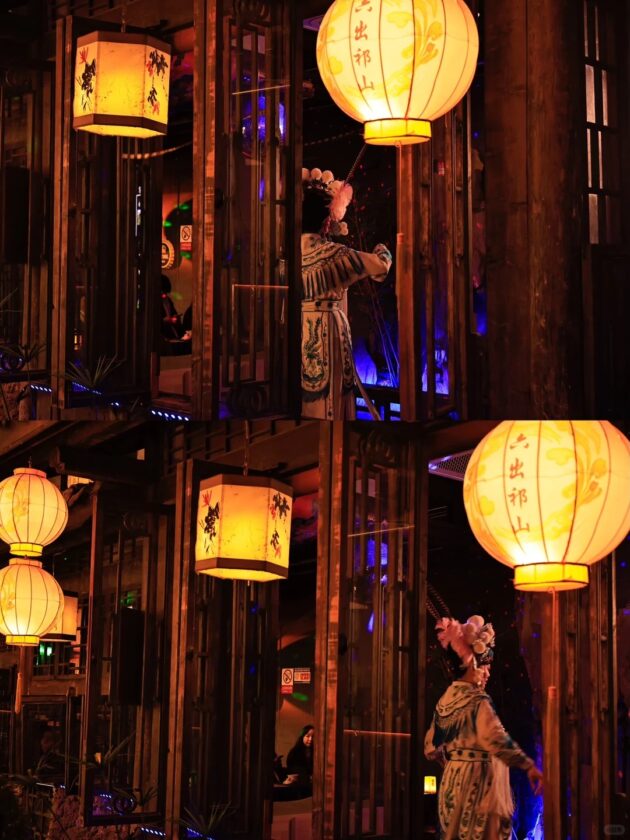
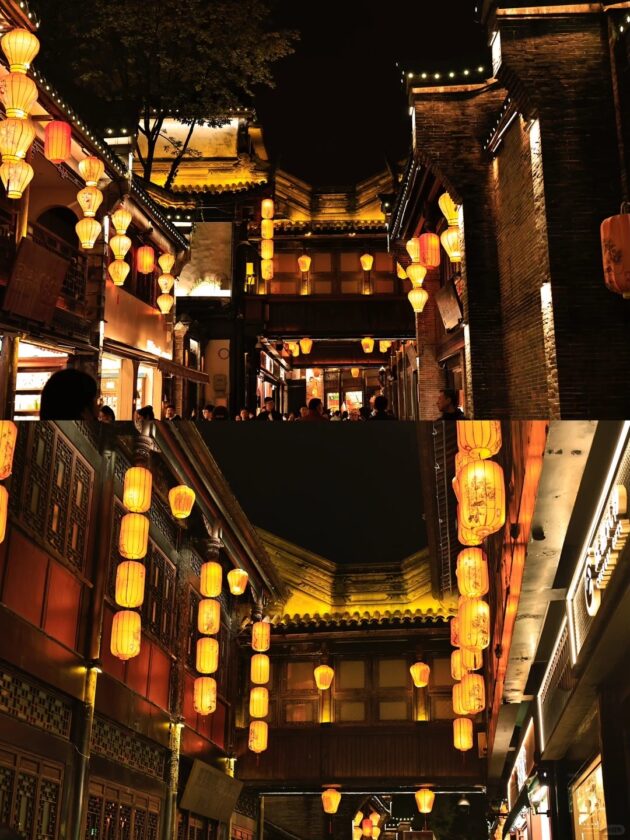
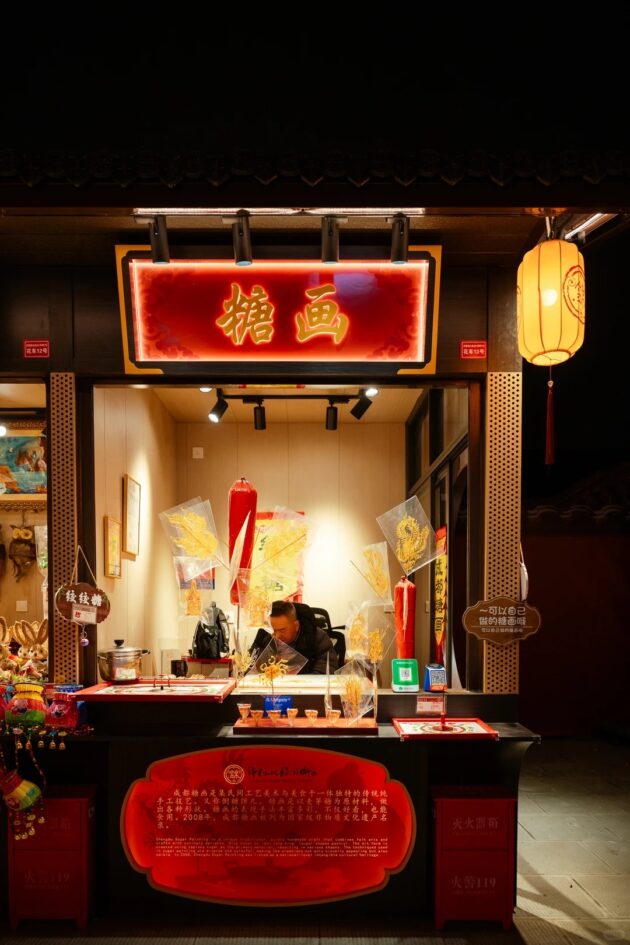
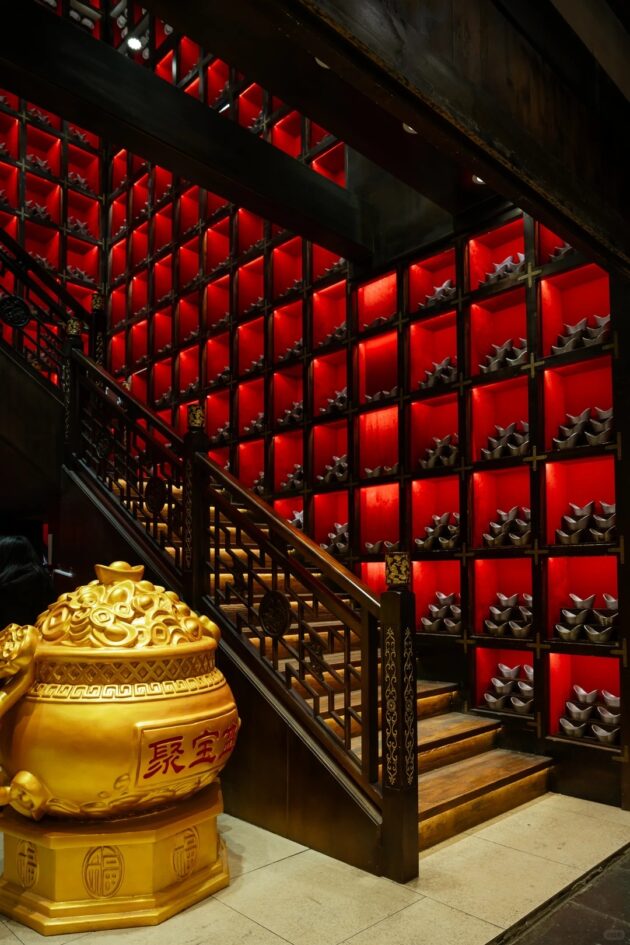
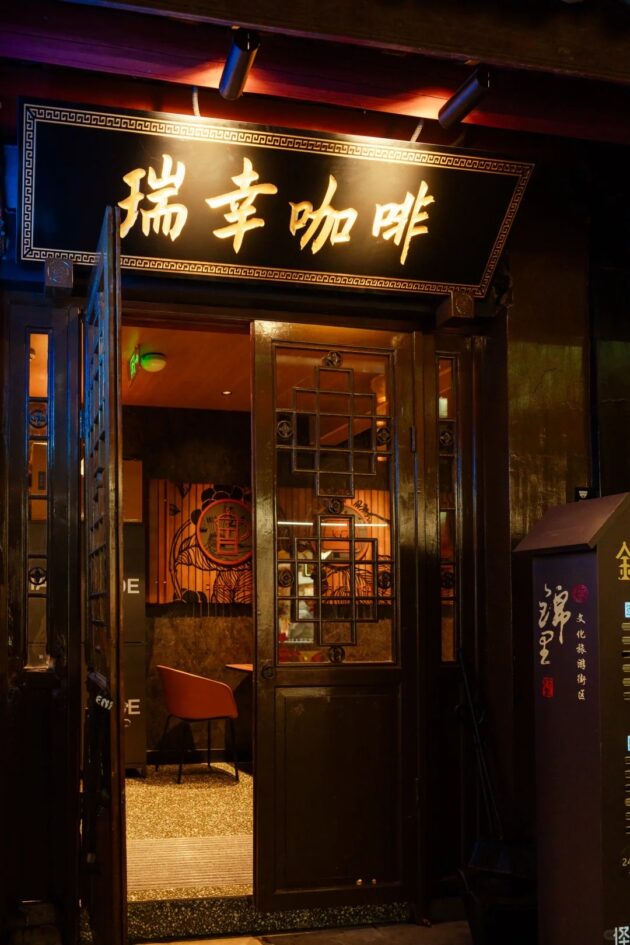
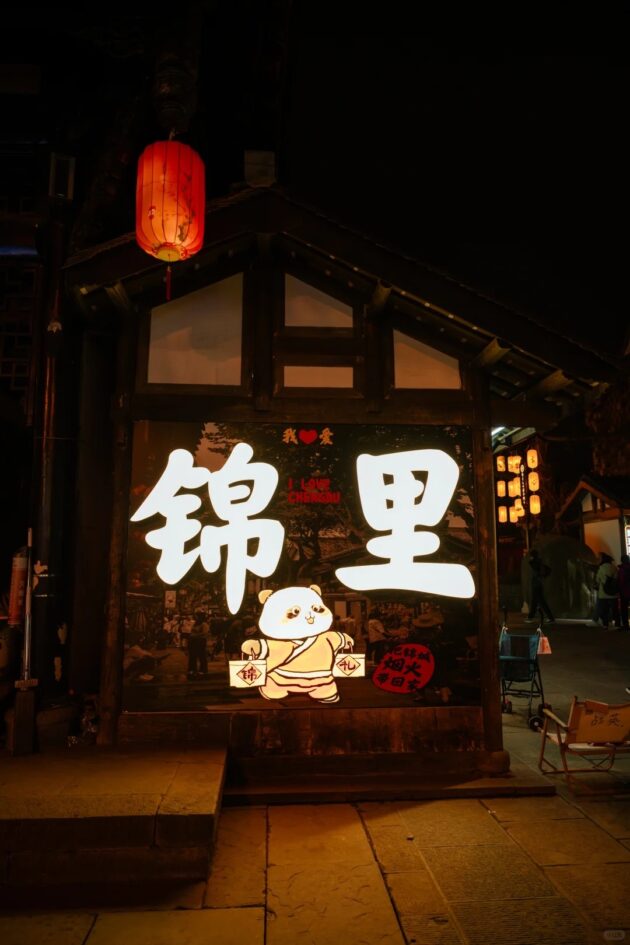
Jinli Ancient Street is more than just a tourist attraction—it’s a living showcase of Chengdu’s history, culture, and culinary prowess. Dating back over 1,800 years to the Shu Kingdom, it was once a bustling commercial hub famous for its ornate baldachin cloth. Restored in 2004 as part of the Wuhou Shrine Museum complex, Jinli has since been named one of China’s “Top Ten City Commercial Pedestrian Streets” and attracts around 18 million visitors annually.
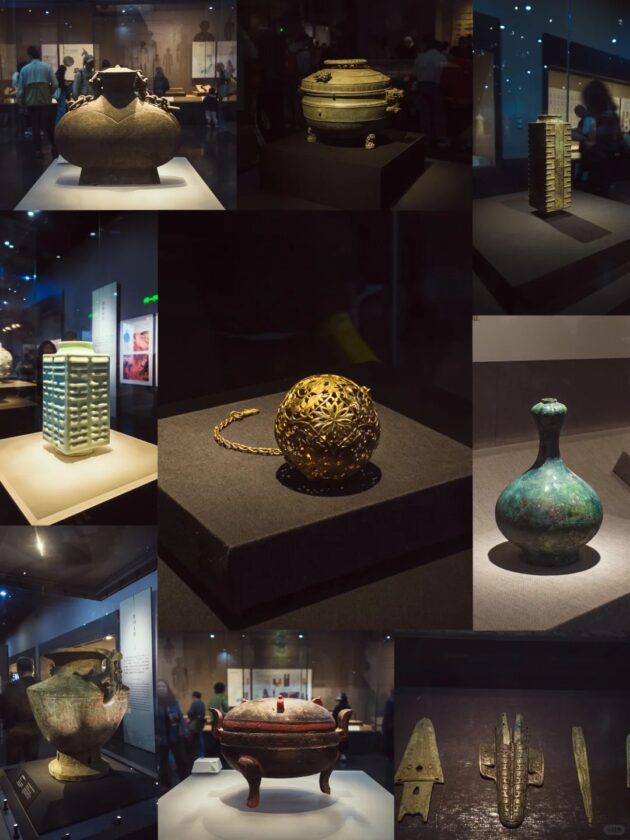
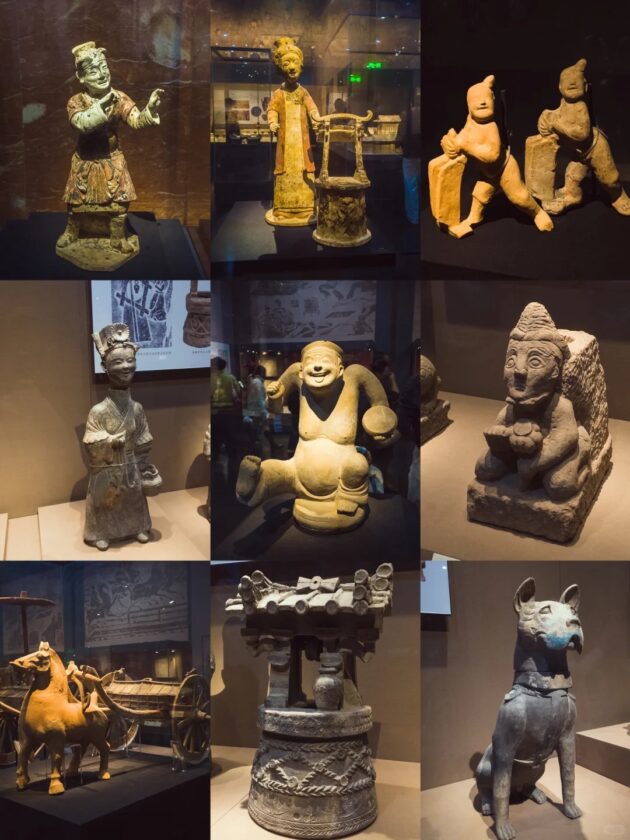
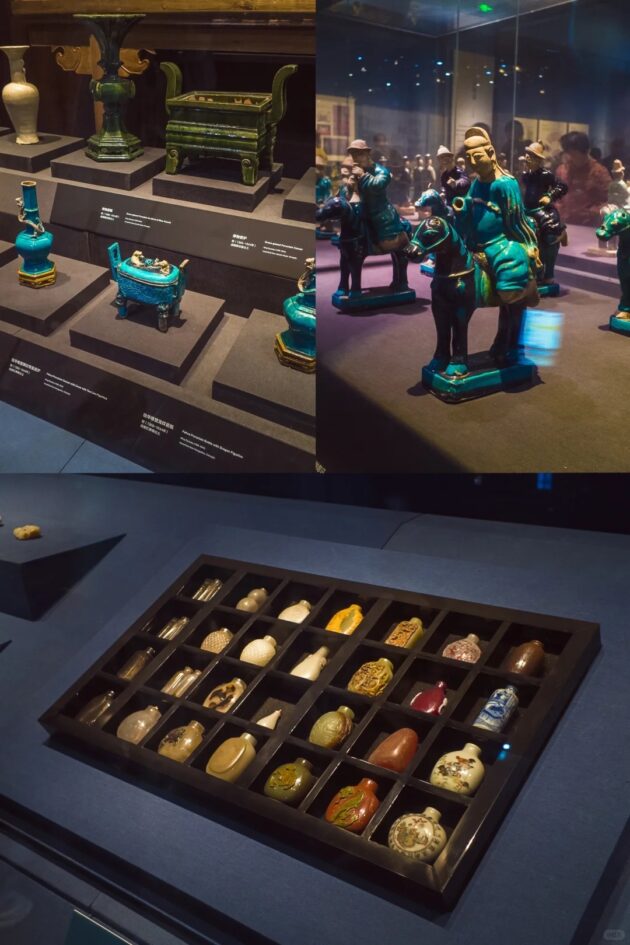
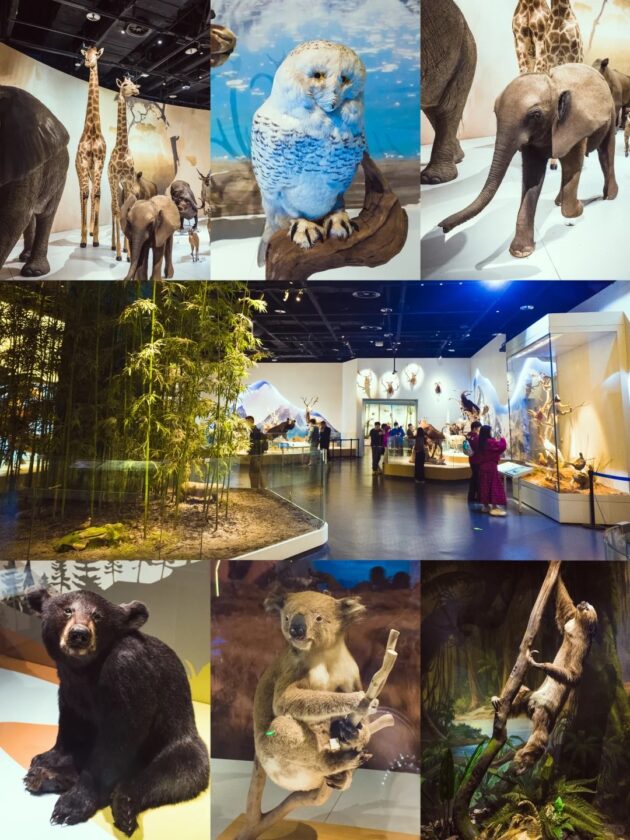
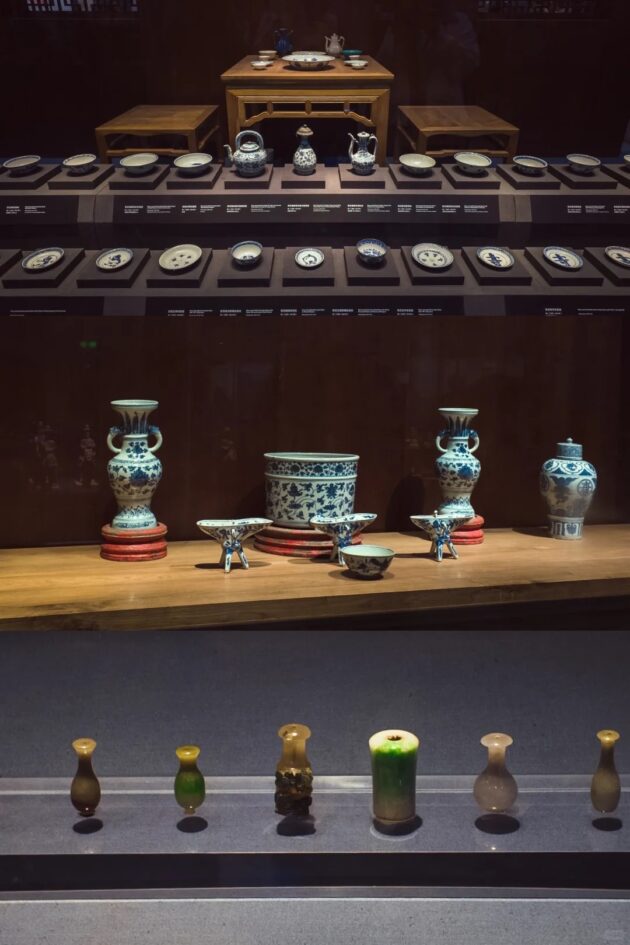
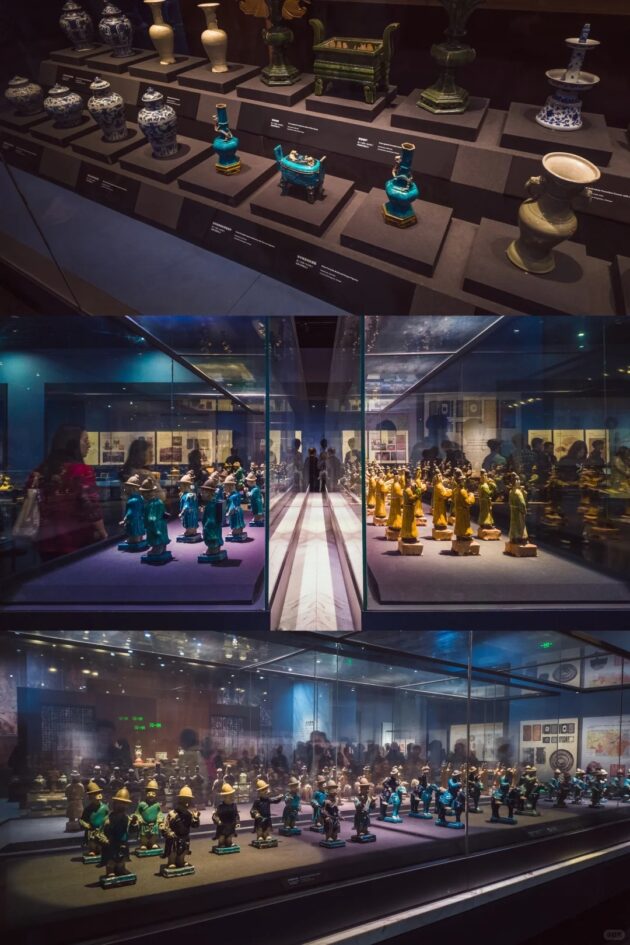
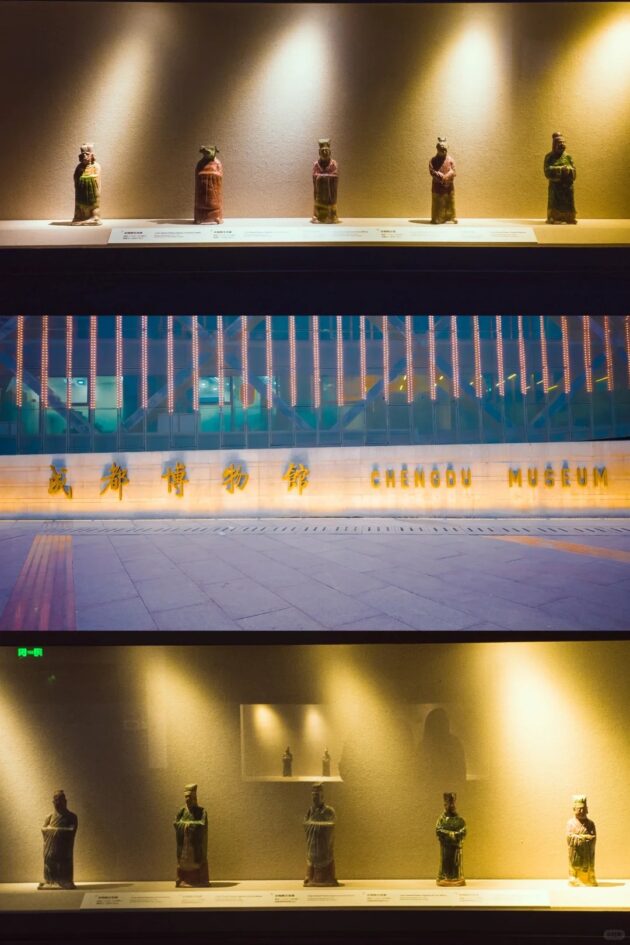
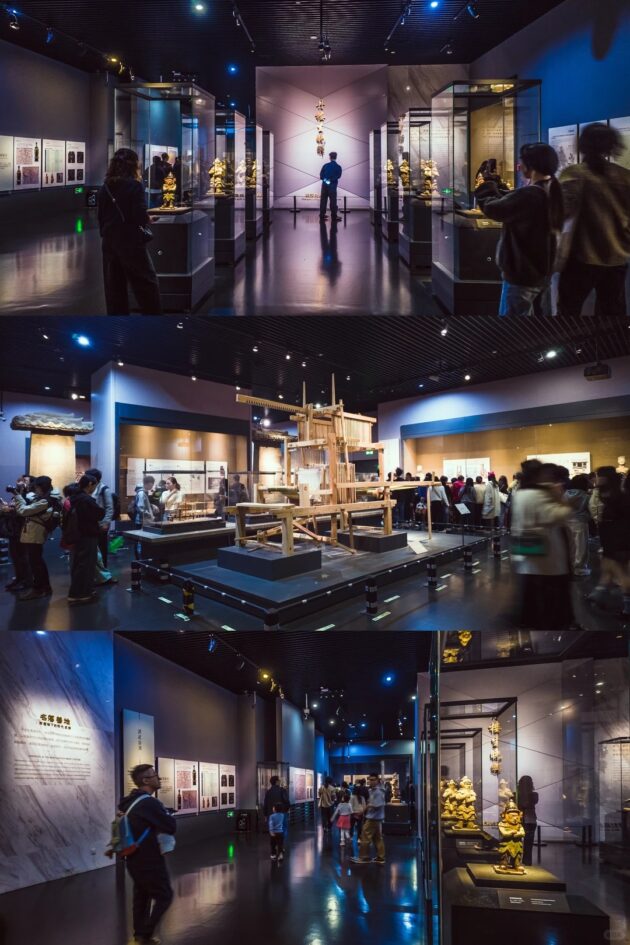
Chengdu Museum
Chengdu is famous for pandas, spicy hotpot, and a leisurely teahouse culture, but if you truly want to understand the soul of this 3,000-year-old city, start your journey at the Chengdu Museum. Sitting right on Tianfu Square, the geographic and symbolic heart of the city, this world-class museum is the keeper of Chengdu’s ancient Shu civilization, folk traditions, and vibrant urban story.
Jiuyanqiao
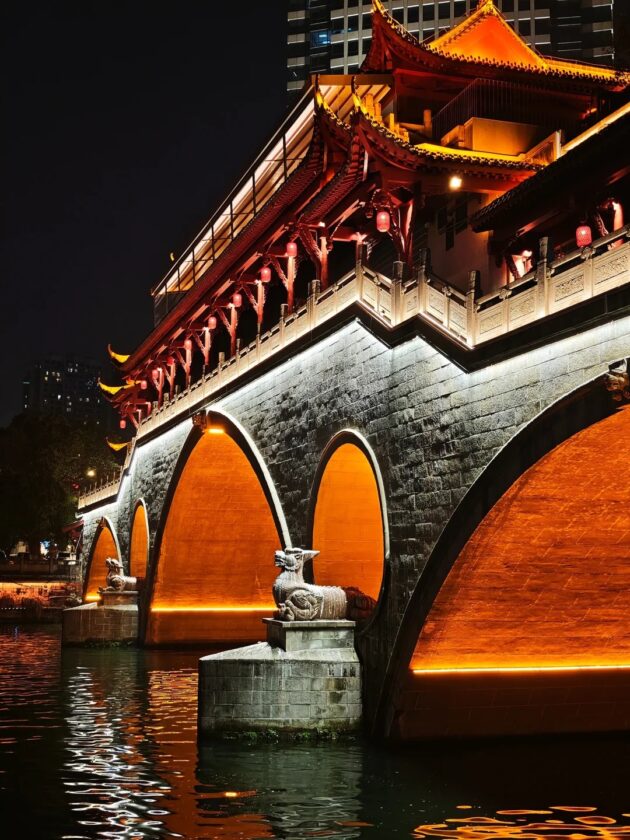
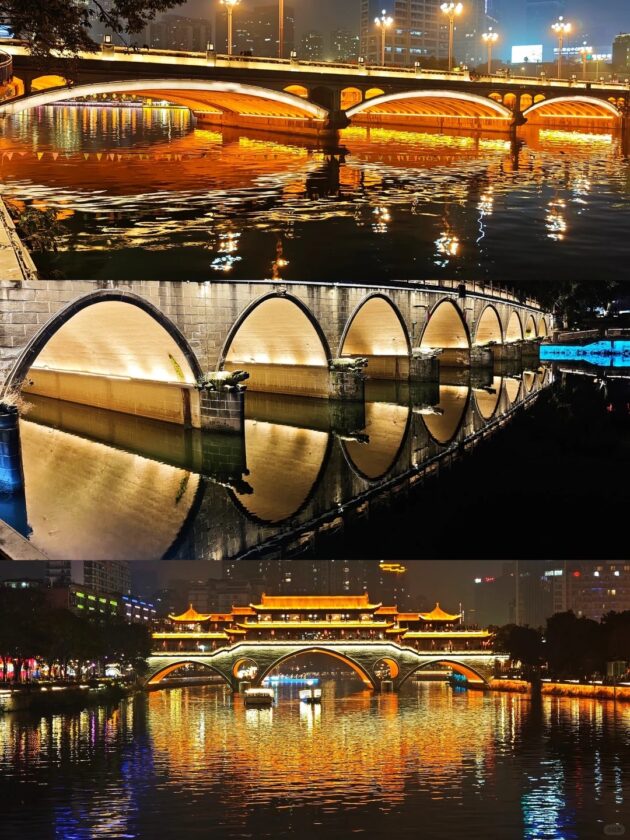
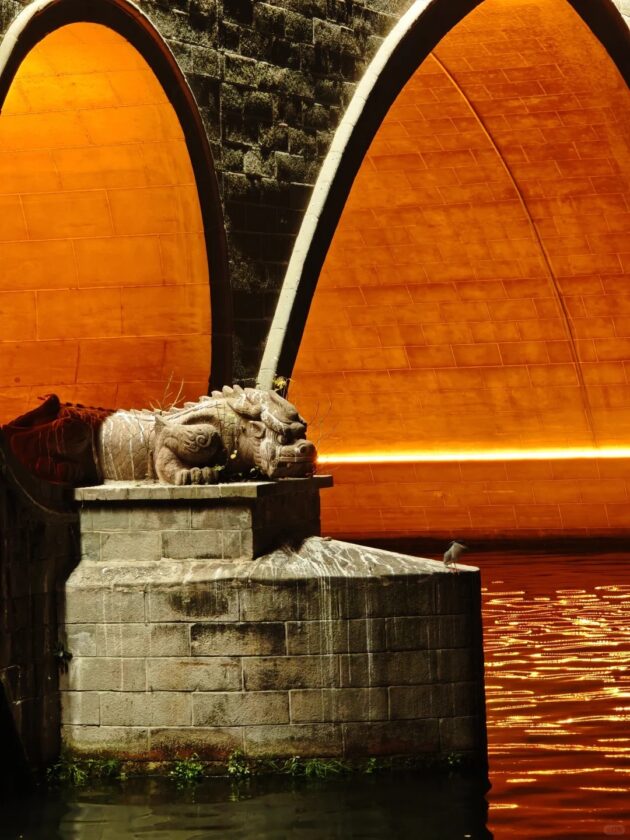
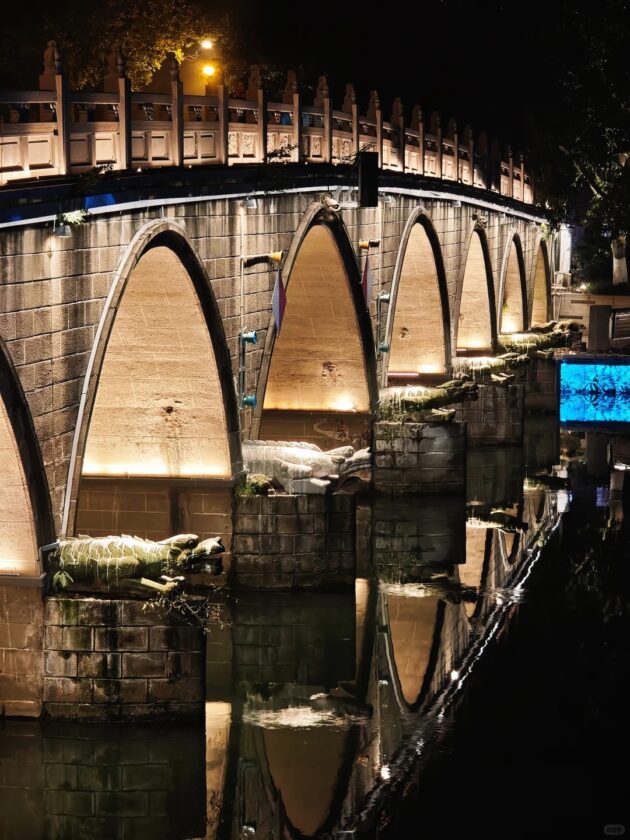
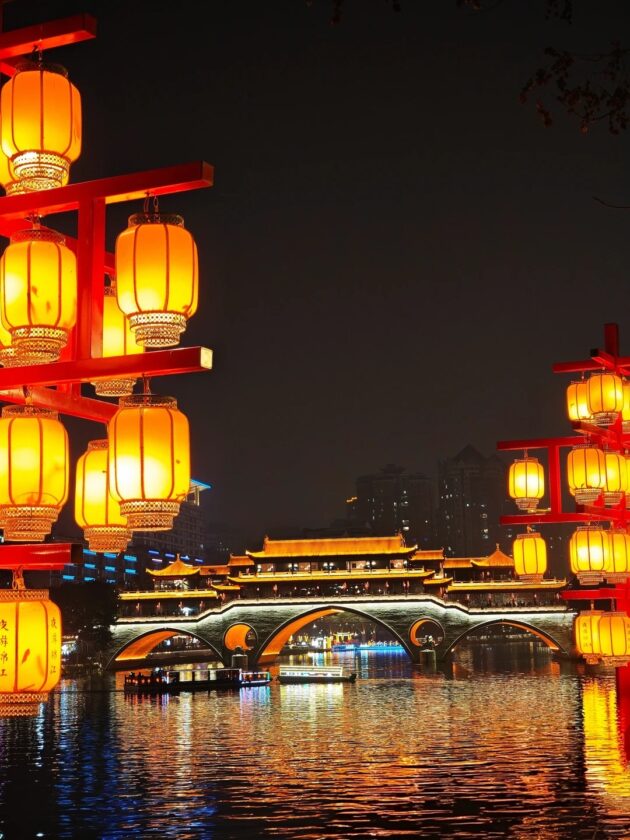
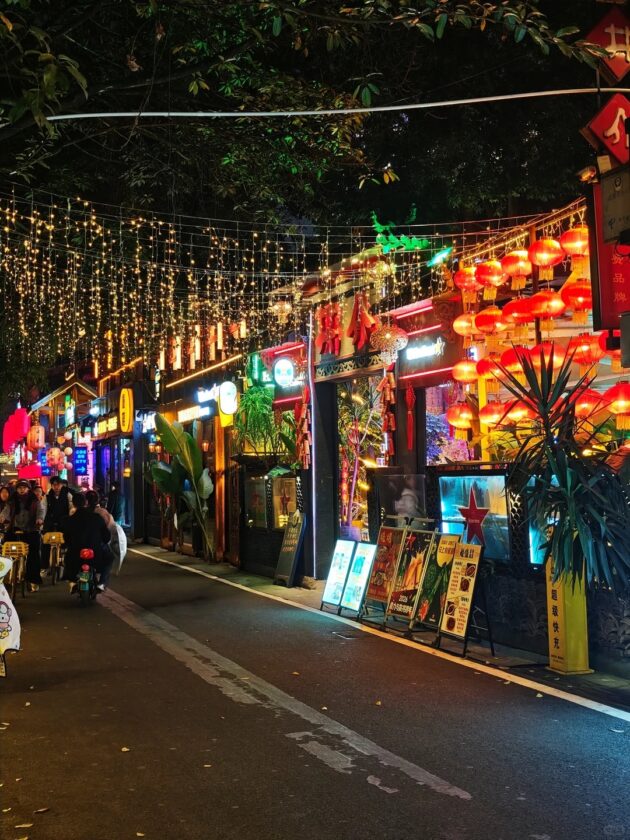
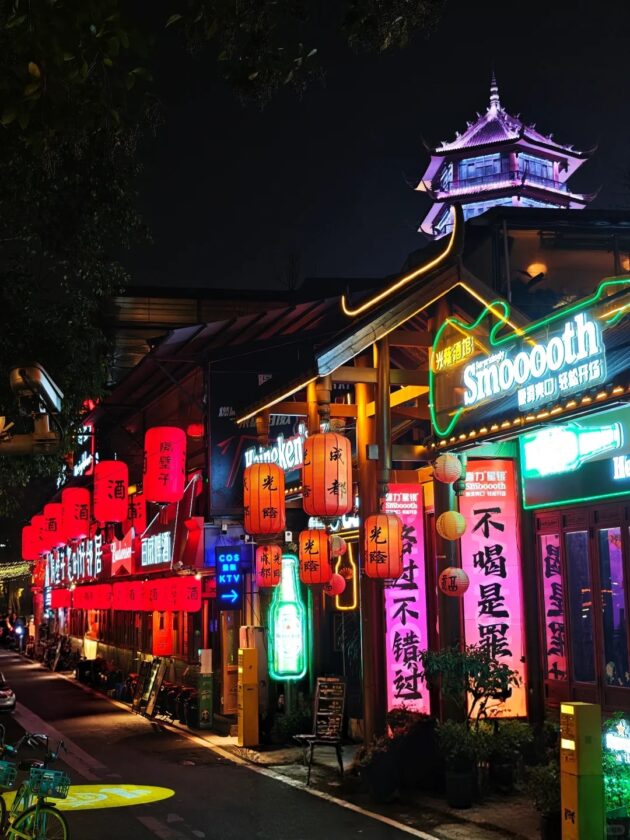
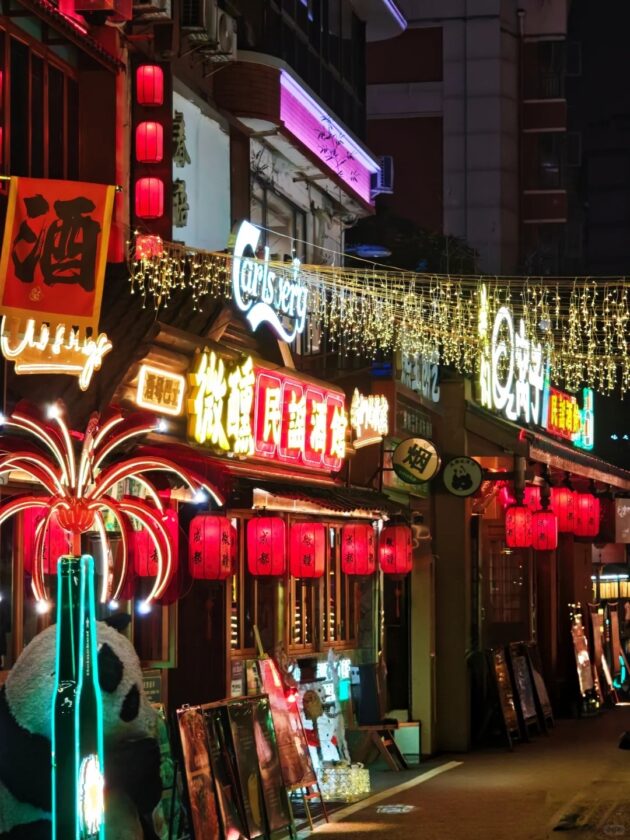
Jiuyanqiao (九眼桥) – the Nine-Eye Bridge – is far more than just a bridge. It’s Chengdu’s legendary nightlife district, a romantic riverside promenade, and one of the city’s most photogenic spots after dark. Straddling the Jin River in the heart of Chengdu, this area blends history, Sichuanese laid-back culture, and a pulsing modern bar scene.
Taikoo Li
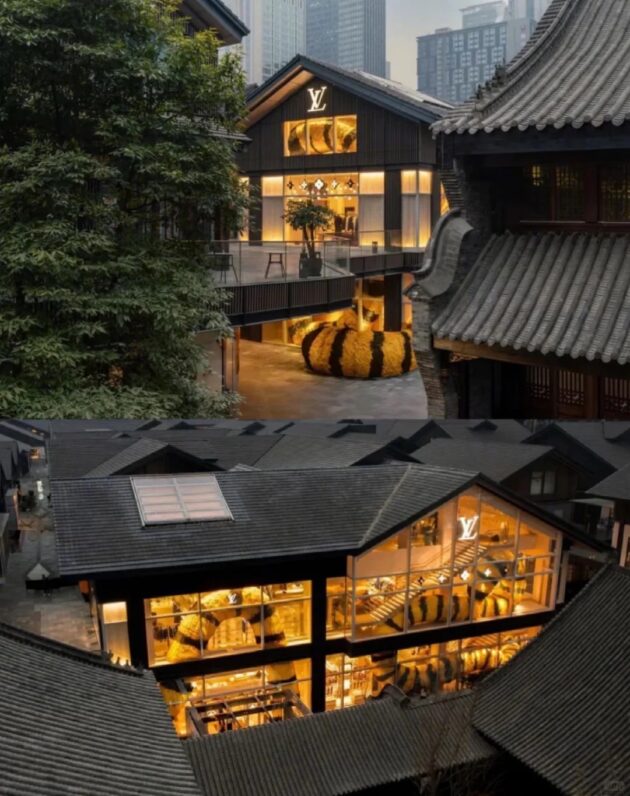
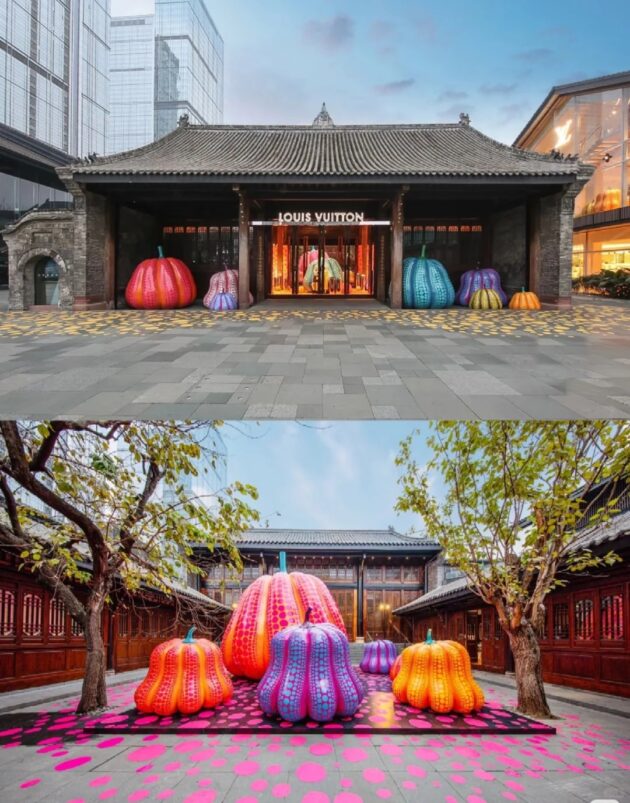
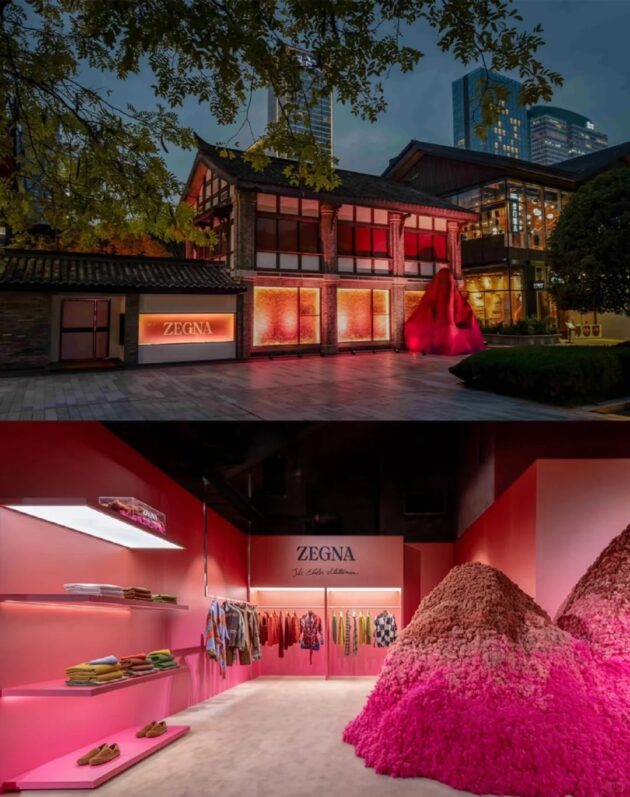
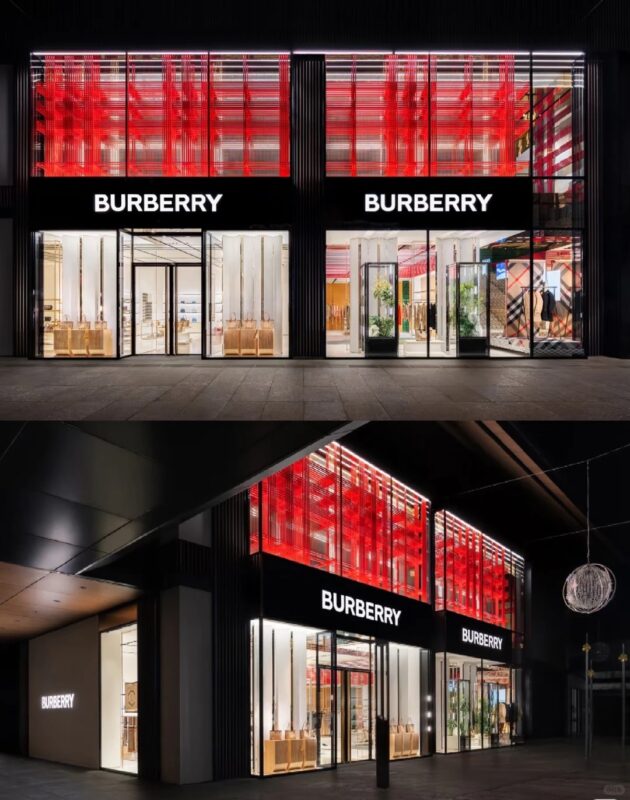
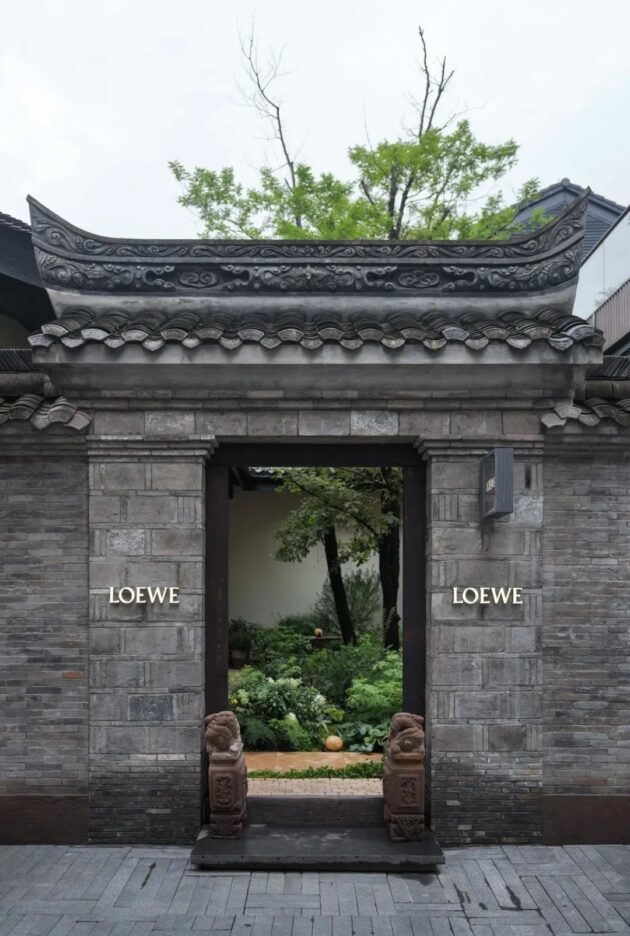
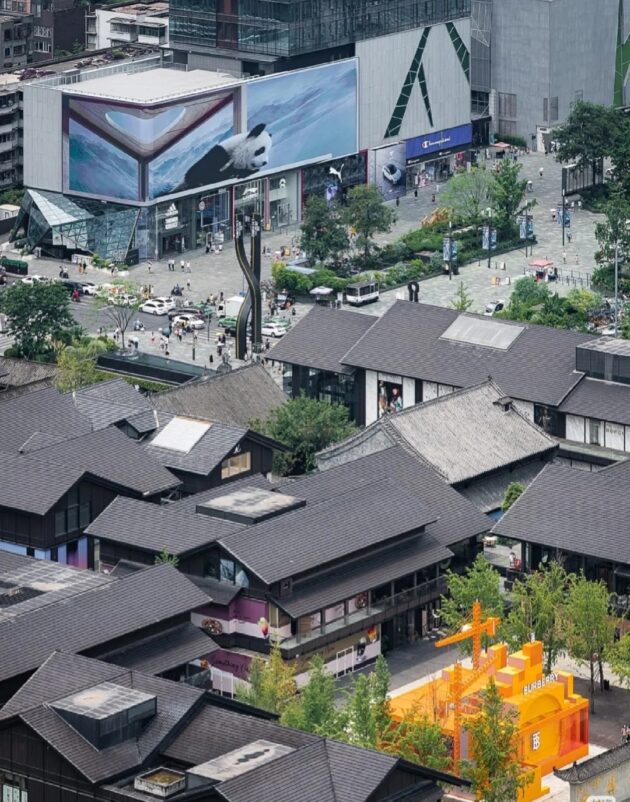
Taikoo Li Chengdu (成都太古里) is a landmark open-air, low-density, streetscape shopping destination in the heart of Chengdu. Developed by Swire Properties, it covers approximately 190,000 square meters and comprises 27 standalone buildings alongside 7 preserved historic structures. Its architectural design draws inspiration from traditional Western Sichuan (Chuanxi) style, featuring grey-tiled sloping roofs and grilles combined with large glass curtain walls


Tower of Vitality
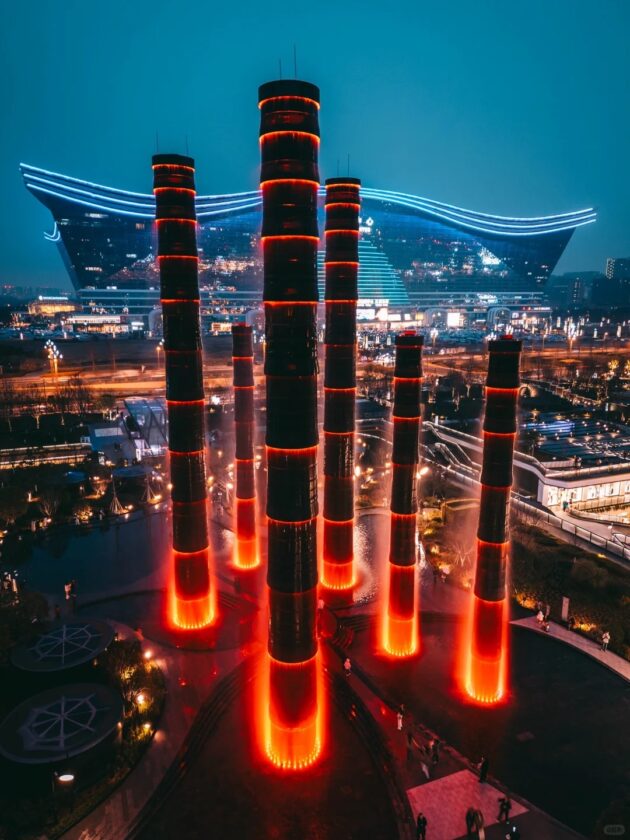
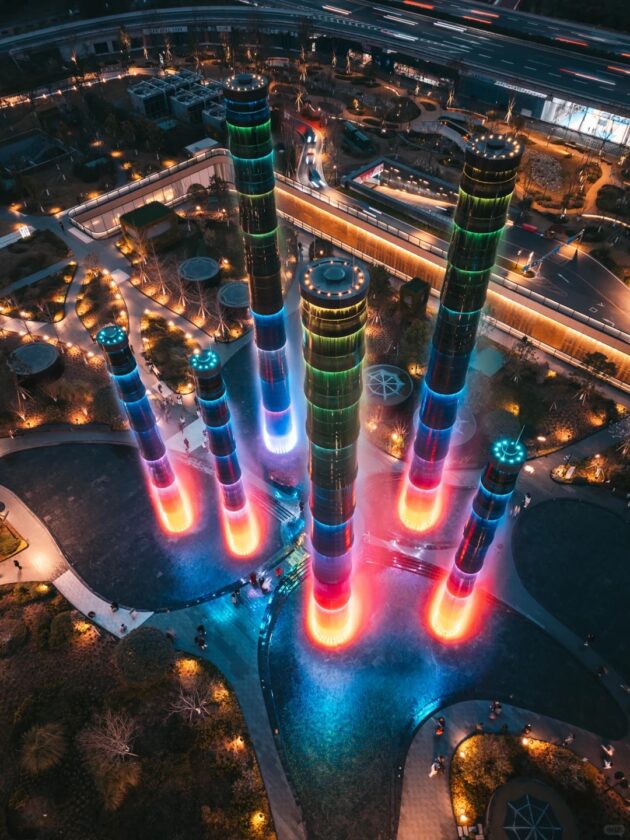
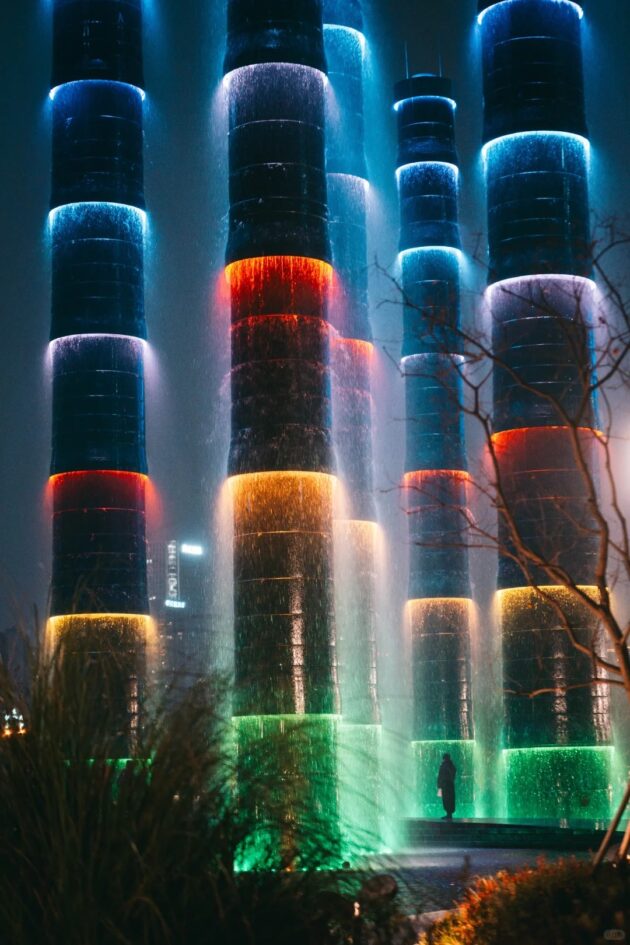
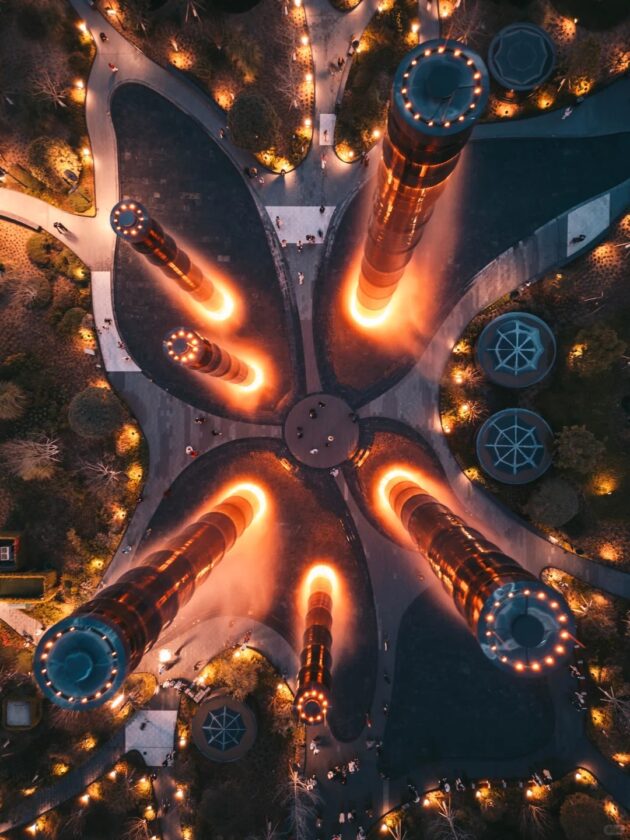
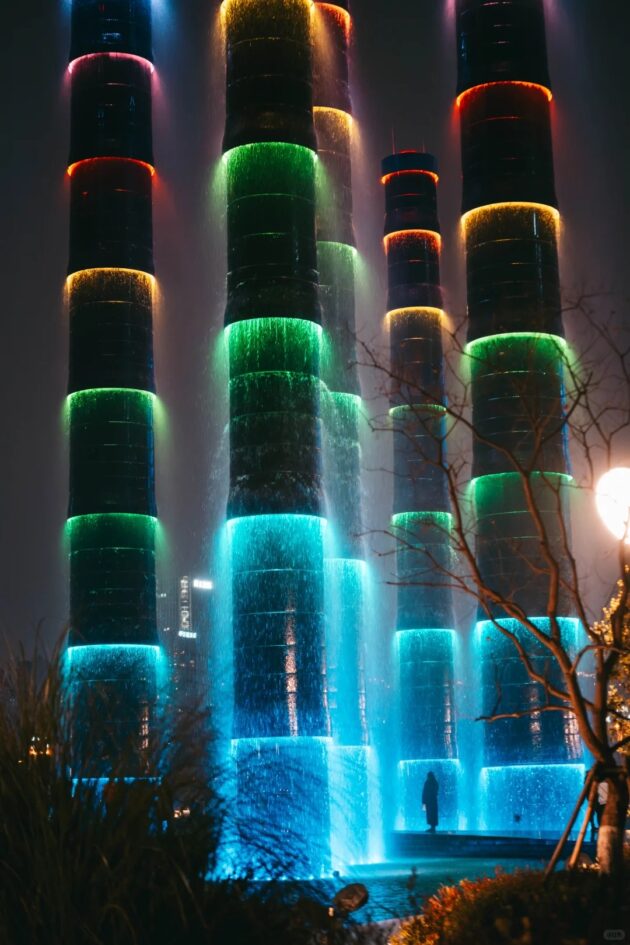
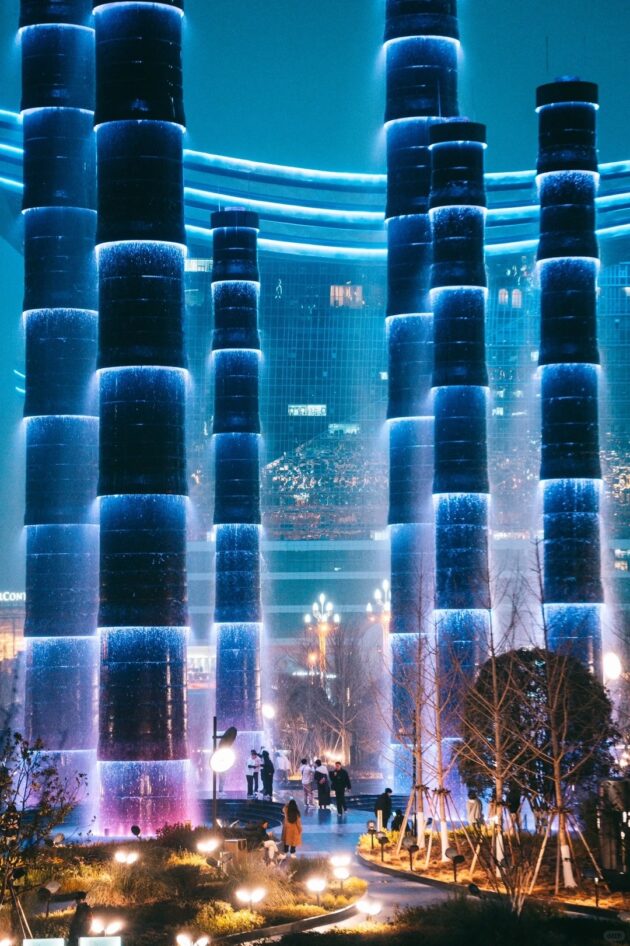
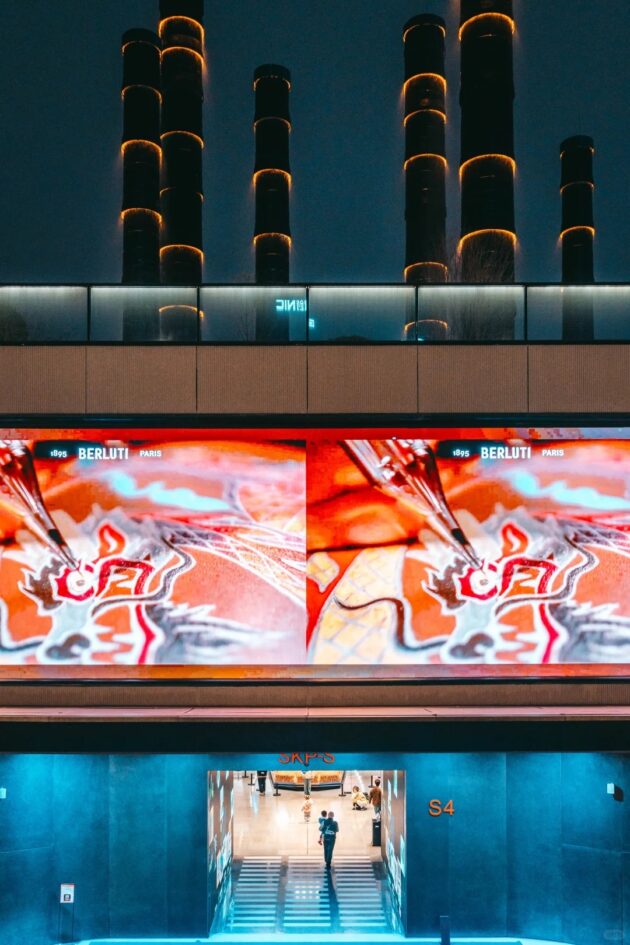
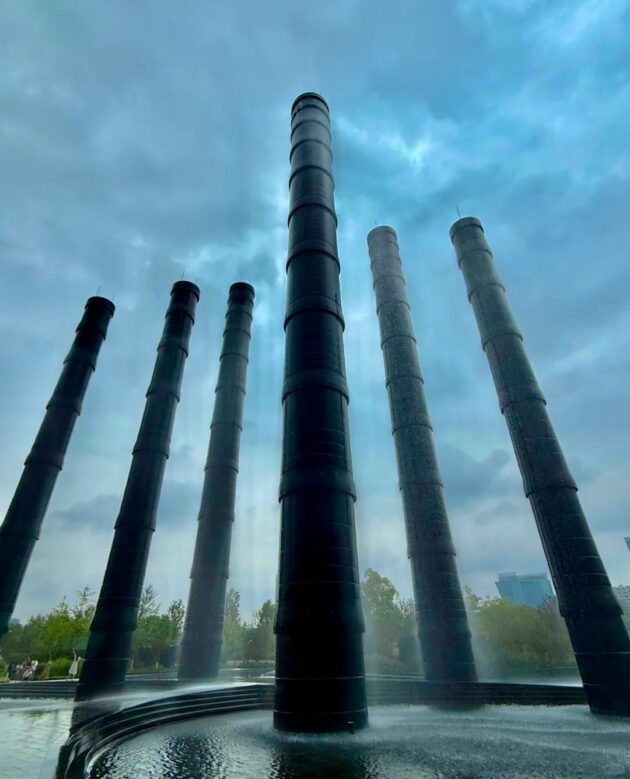
The Tower of Vitality (生机之塔) is one of Chengdu’s newest and most dazzling landmarks. Located in the ground-level park of the Chengdu SKP — Asia’s largest sunken luxury shopping complex — this futuristic art installation has quickly become a must-visit destination for travelers and photography enthusiasts alike.
Luodai Ancient Town
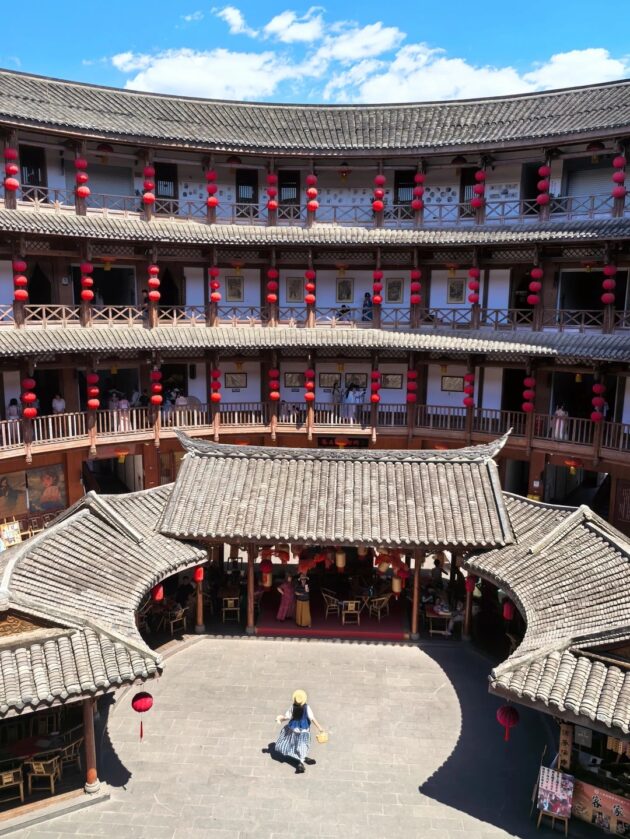
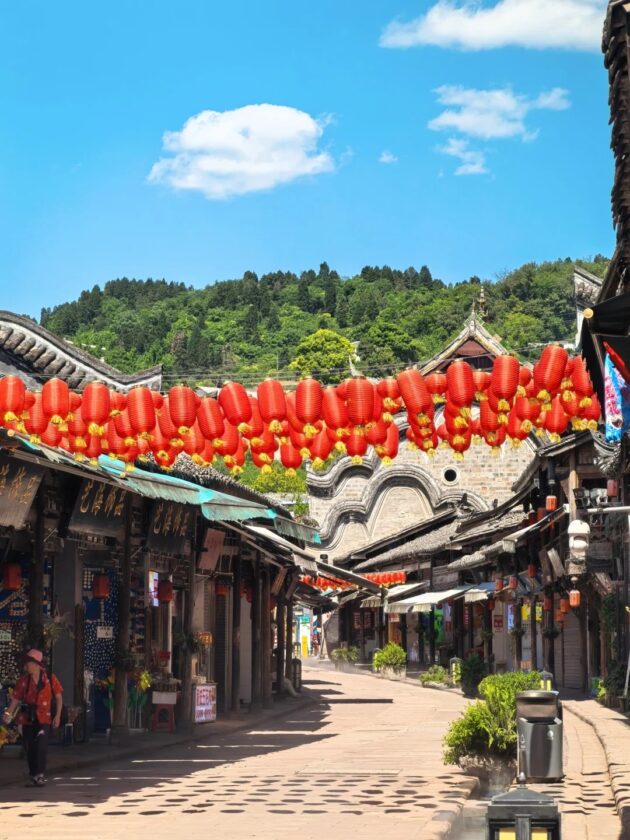
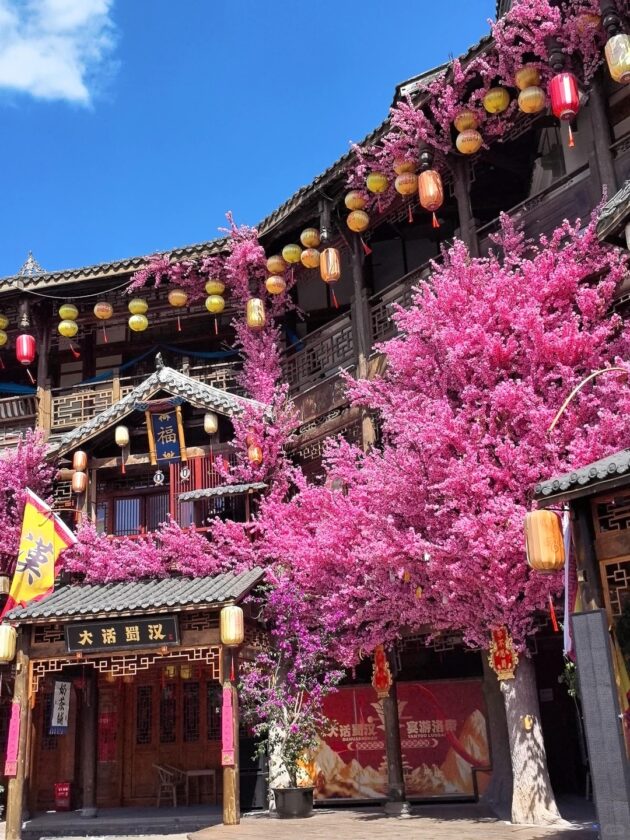
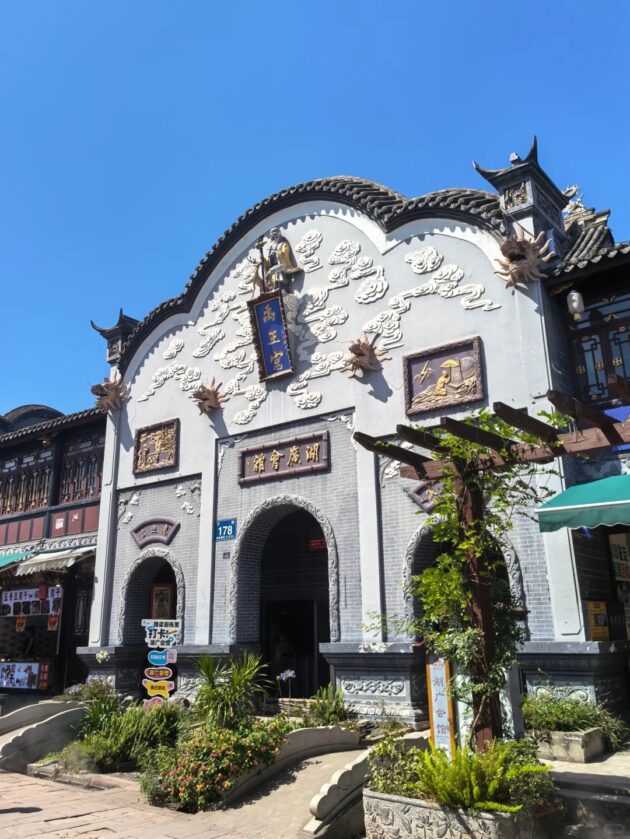
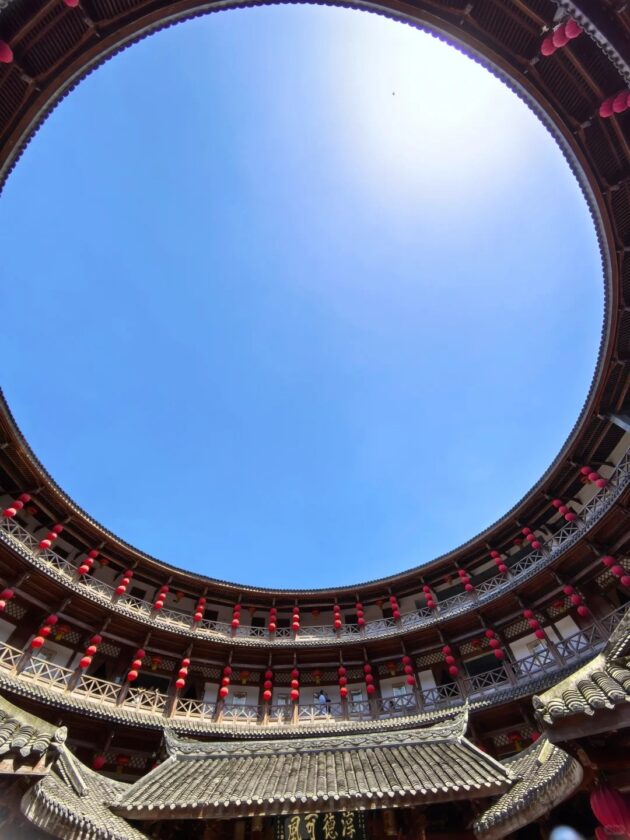
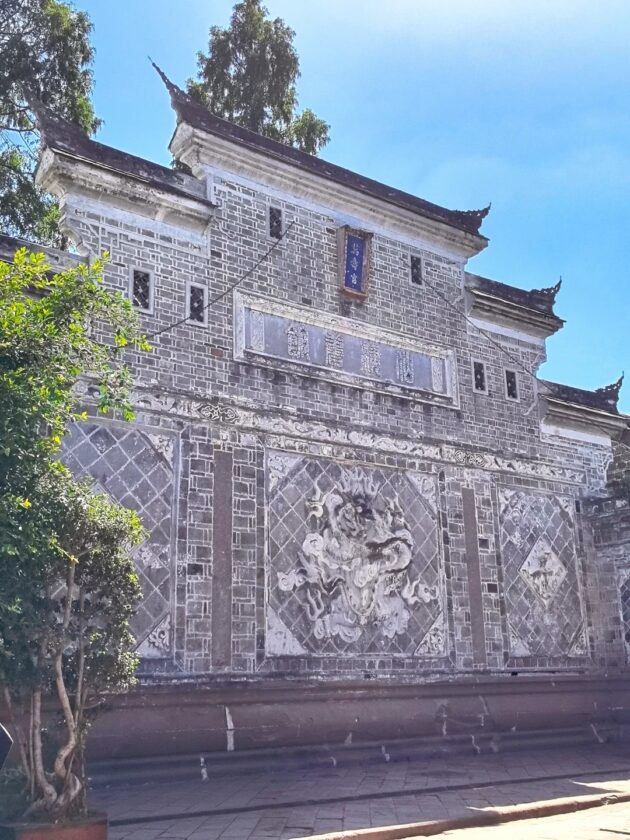
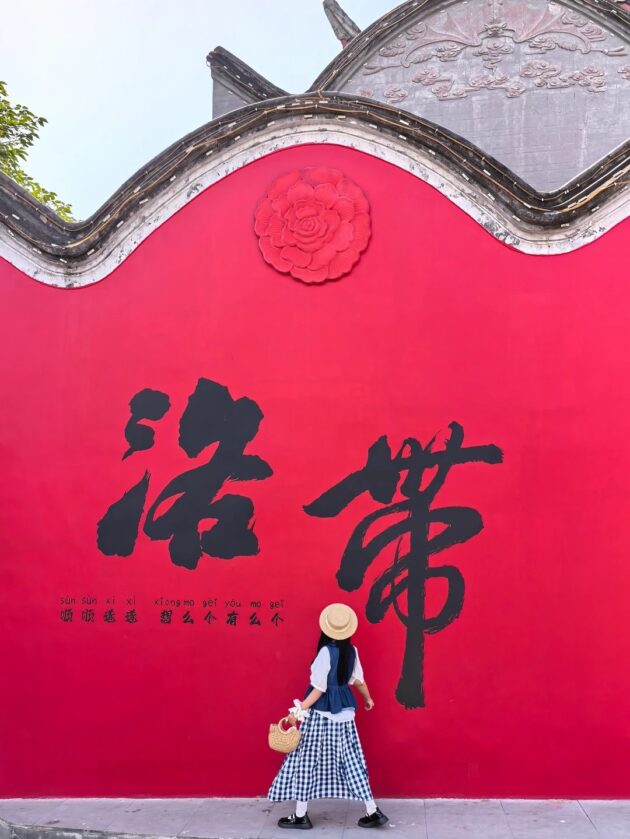
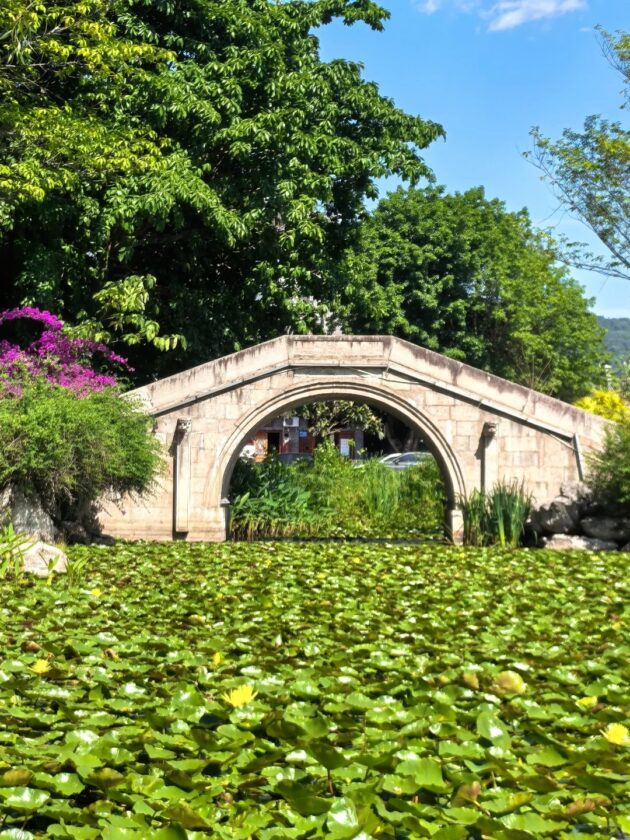
Luodai Ancient Town (洛带古镇) offers a completely different slice of Sichuan – one steeped in Hakka culture, with cobbled streets, ornate guild halls, and a gigantic Hakka earth building that will make you feel like you’ve been transported to Fujian. It makes for a perfect half-day or full-day escape from the city.
Dujiangyan Scenic Area
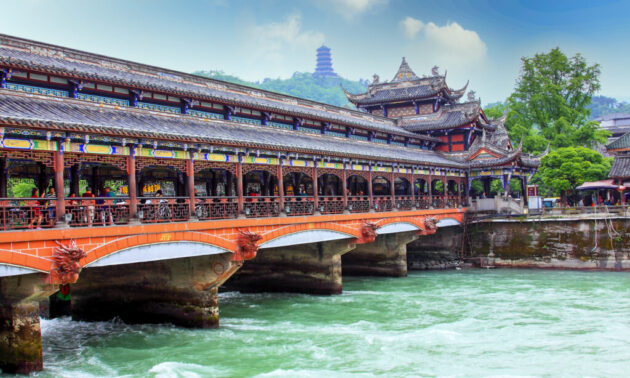
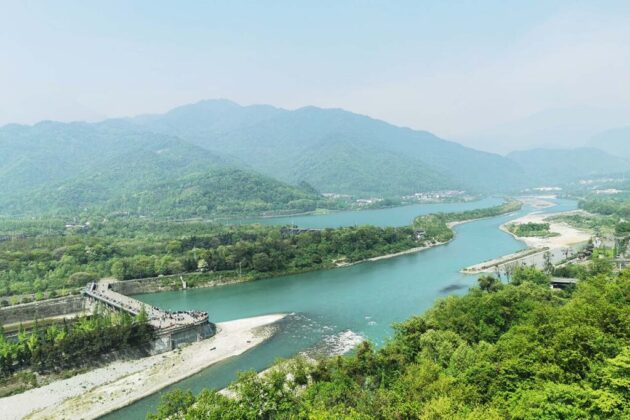
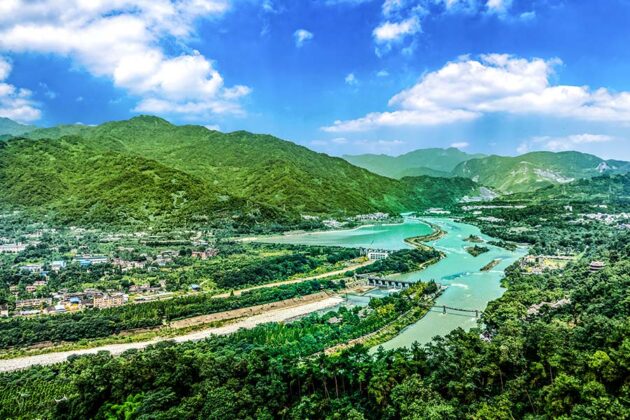
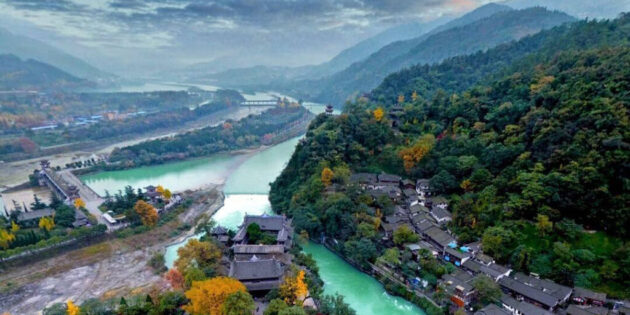
Dujiangyan (都江堰) is located in Dujiangyan City, about 50–60 kilometers northwest of Chengdu, Sichuan Province. It is one of the oldest and only large-scale hydraulic projects in the world characterized by dam-free water diversion.




Mount Qingcheng
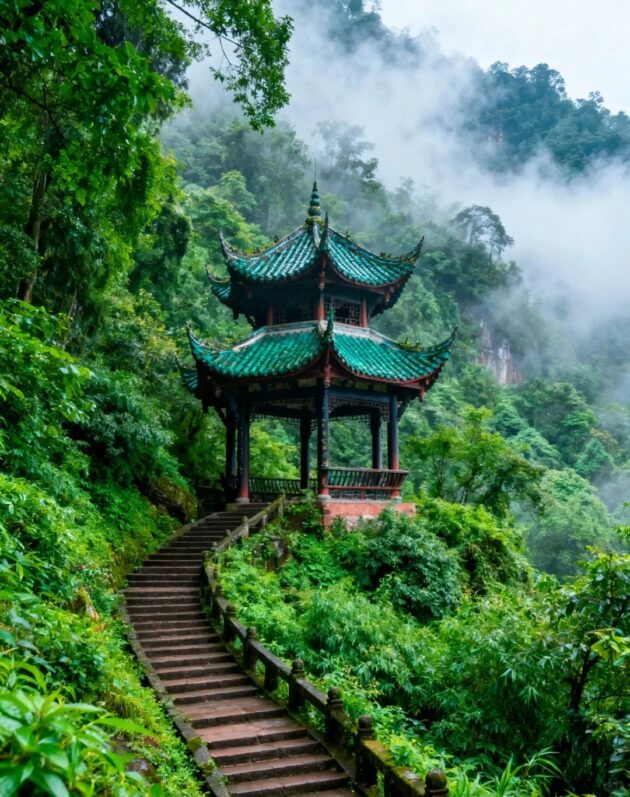
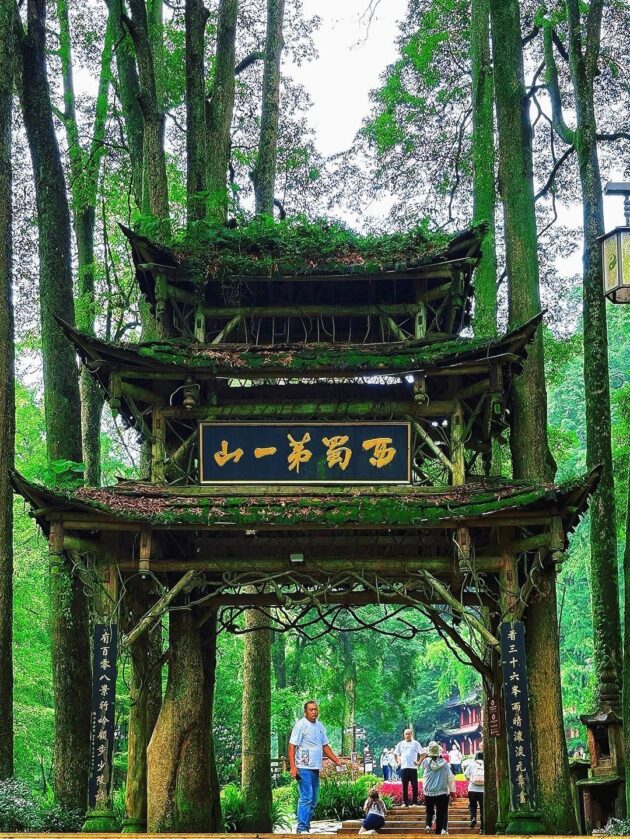
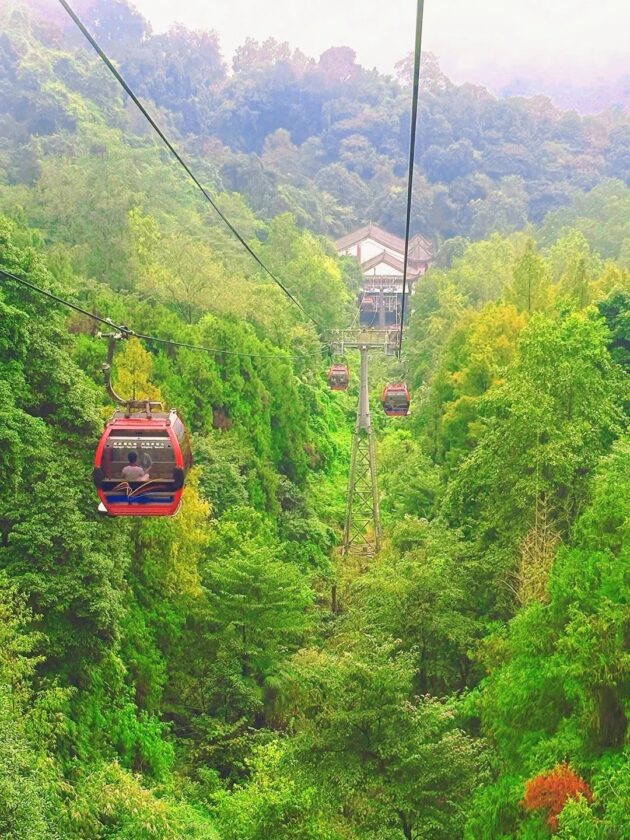
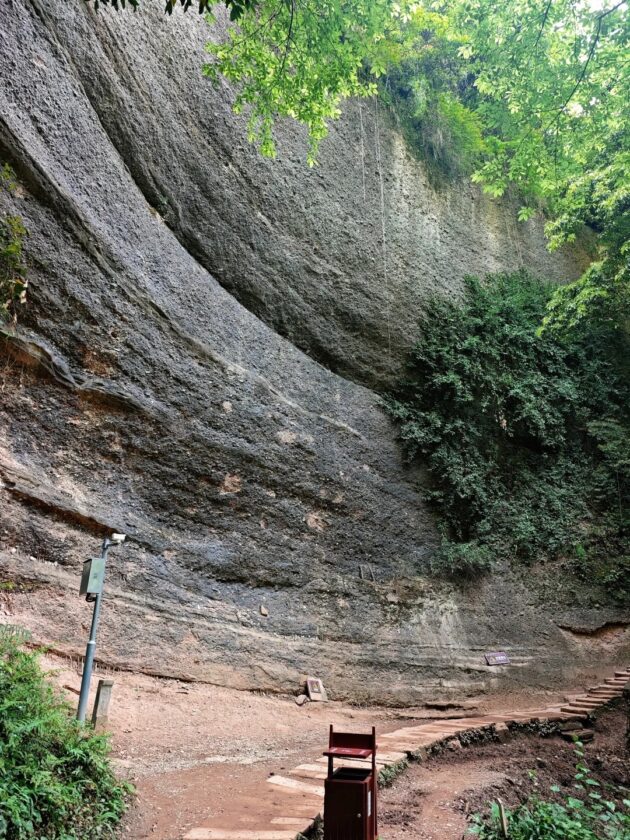
Mount Qingcheng (青城山) is located in Dujiangyan City, about 65 kilometers northwest of Chengdu, Sichuan Province. It is one of the most famous Taoist mountains in China and a UNESCO World Heritage Site (inscribed in 2000 alongside the Dujiangyan Irrigation System).
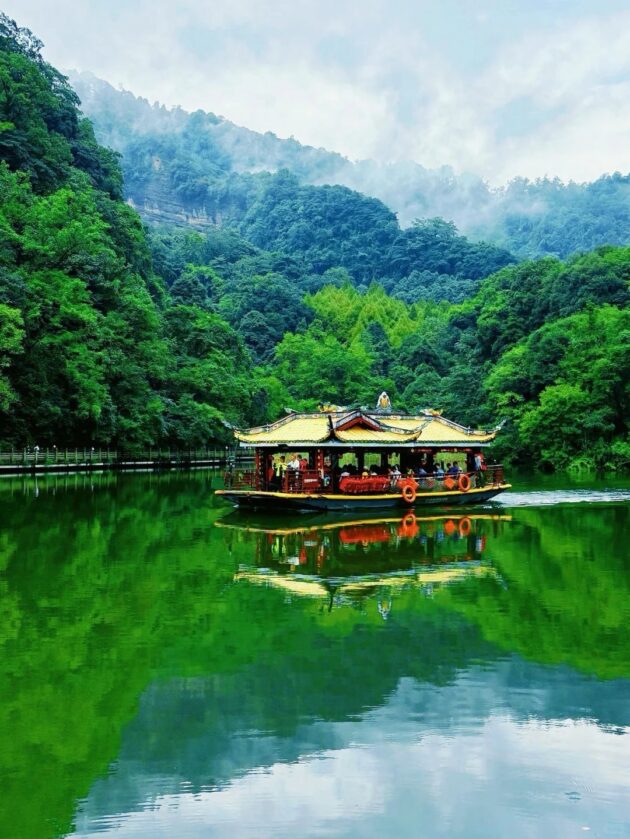
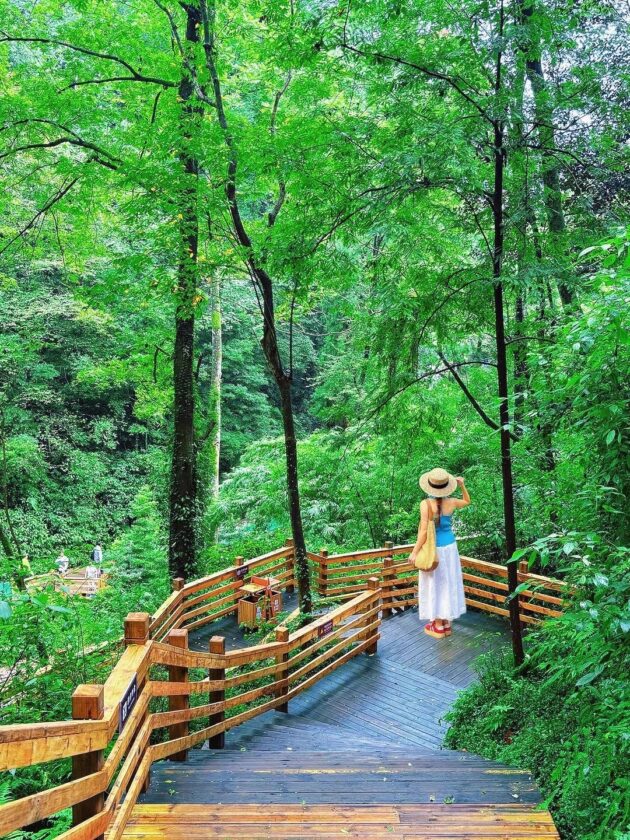
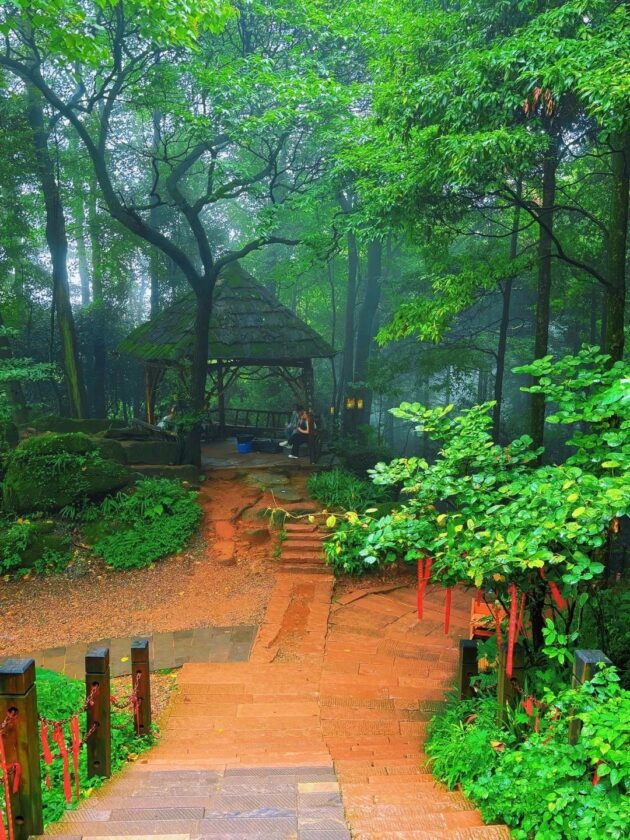
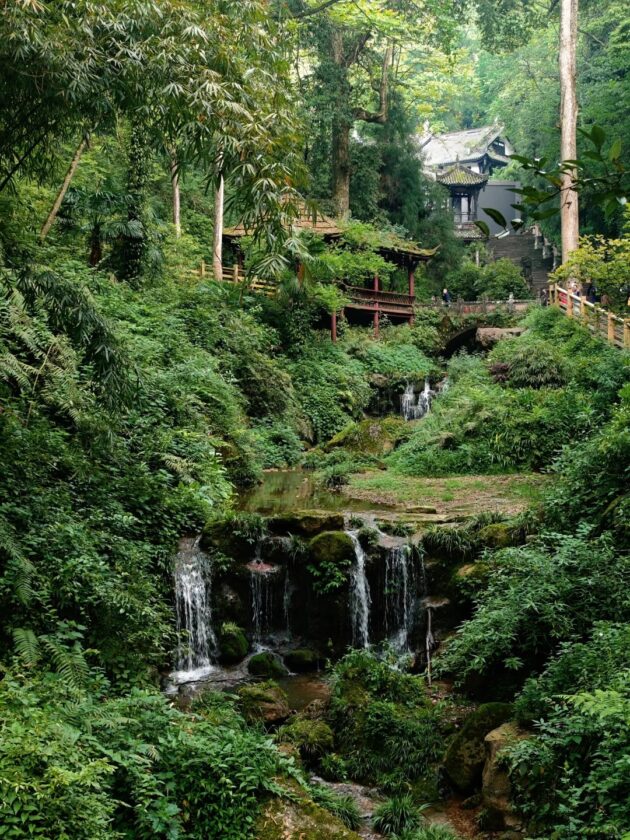
Xiling Snow Mountain
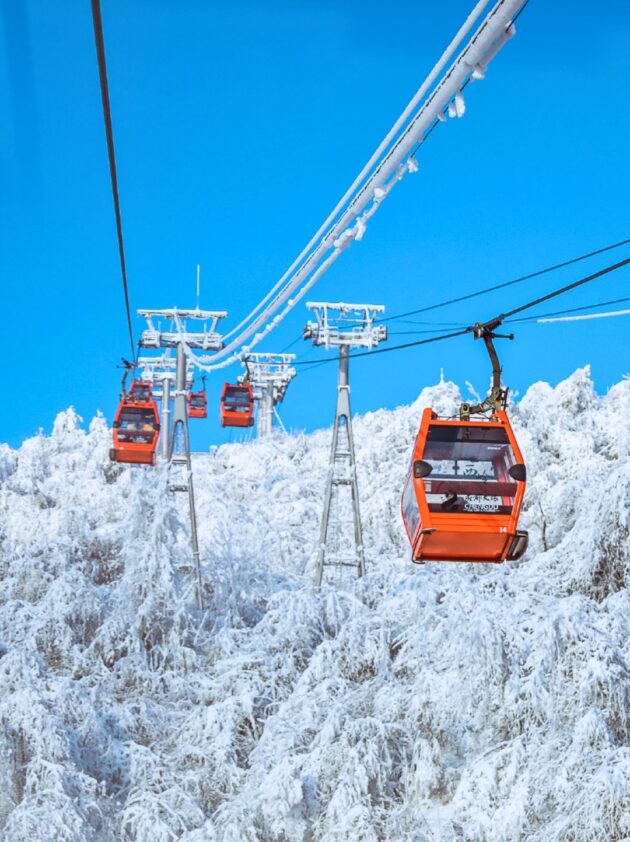
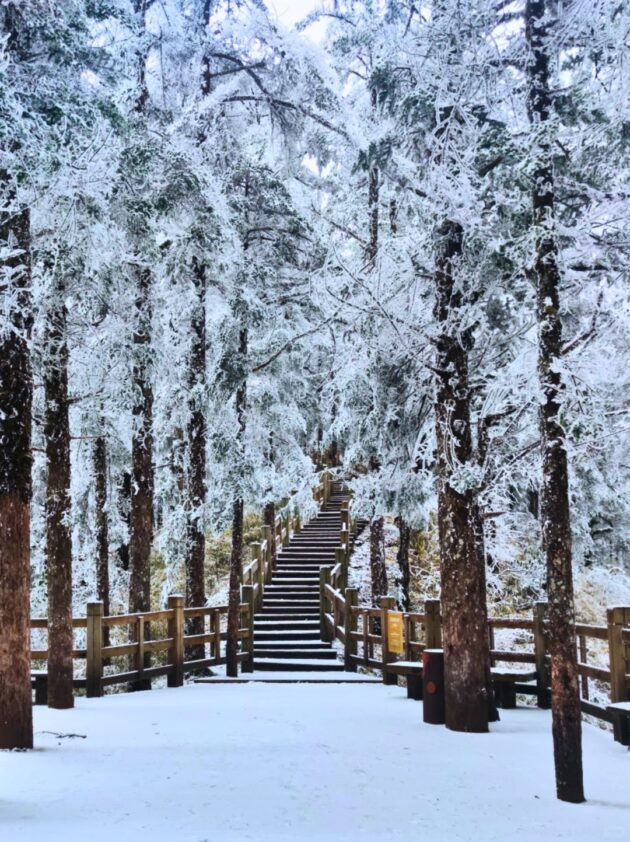
Xiling Snow Mountain (西岭雪山) is located in Dayi County, Chengdu, Sichuan Province, just 95 kilometers from downtown Chengdu. It is the closest snow mountain scenic area to a city with over ten million people. The main peak, Miaojiling (also known as Daxuetang), stands at 5,364 meters above sea level and is covered in snow year-round.





Teahouse Culture
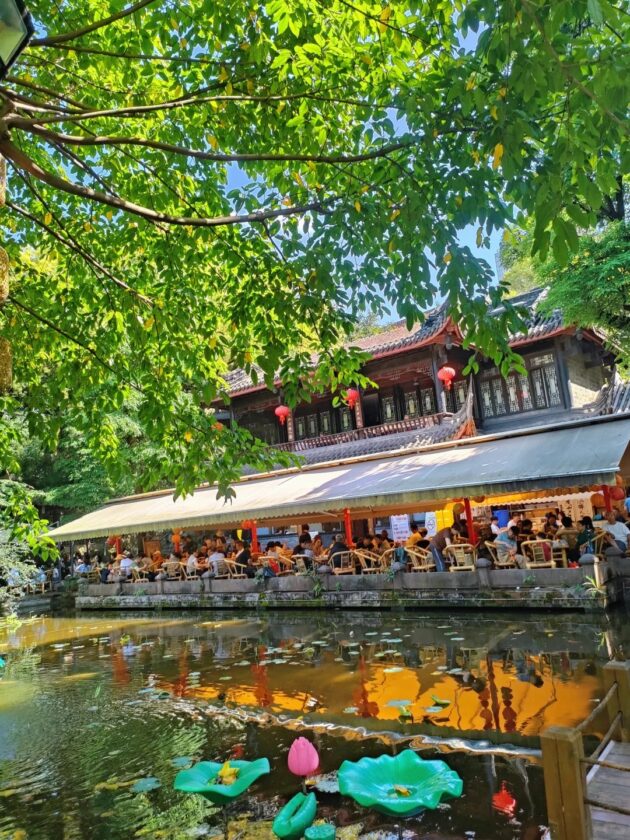
Visit People’s Park to experience Chengdu’s laid-back vibe. Locals sip tea, play mahjong, or practice tai chi. Try a traditional teahouse like Heming Teahouse for jasmine or green tea (¥20–50).
Sichuan Opera: Catch a performance at Shufeng Yayun Teahouse, featuring face-changing, fire-spitting, and acrobatics (¥150–300).
Food Adventures
Chengdu is a UNESCO City of Gastronomy. Must-try dishes include:
Sichuan Hotpot: Spicy and numbing, try it at Huangcheng Laoma or Shu Daxia (¥80–150/person).
Mapo Tofu and Kung Pao Chicken: Classic dishes at Chen Mapo Tofu or local eateries.
Street Food: Head to Jinli Street or Yulin Road for skewers, dan dan noodles, and bingfen (iced jelly, ¥5–15).
Tip: Request “wei la” (slightly spicy) if you’re not used to Sichuan’s fiery flavors.
Where to Eat
Chengdu’s food scene is legendary. Beyond street food and hotpot, try:
Chunxi Road: A bustling area with restaurants like Zhong Dumplings (for wontons) and Lao Ma Tou Hotpot.
Yulin District: Famous for casual eateries serving spicy noodles and grilled fish.
High-End Dining: Yu’s Family Kitchen offers Michelin-worthy Sichuan tasting menus (¥500+/person, book ahead).
Vegetarian/Vegan: Try Wenshu Monastery’s vegetarian restaurant for Buddhist-inspired dishes (¥30–50).
Tip: Carry tissues and water, as spicy food can be intense. Many menus have English or pictures.
Tips for a Great Visit
Language: English is limited outside major hotels and tourist sites. Download Pleco or Baidu Translate for menus and signs.
Transport: Chengdu’s metro is efficient (¥2–7). Use Didi for taxis (¥10–30 for short rides). Rent bikes via Mobike or Hellobike for ¥1–2/hour.
Cashless Payments: WeChat Pay or Alipay are widely used. Carry some cash (¥100–200) for street vendors.
Etiquette: Respect panda base rules (no flash photography). Bargain politely at markets.
Safety: Chengdu is safe, but watch for pickpockets in crowded areas like Jinli Street.
Combine Trips: Pair Chengdu with a 2–3 day trip to Jiuzhaigou or Emei Mountain for Sichuan’s natural wonders.
Final Thoughts
Chengdu is a city that captivates with its blend of cuddly pandas, fiery flavors, and rich heritage. From sipping tea in a historic park to savoring mouth-numbing hotpot, every moment in Chengdu feels like a celebration of life’s simple pleasures. Plan your visit around the pandas, dive into the food scene, and let the city’s relaxed charm win you over. Whether it’s a weekend getaway or a longer adventure, Chengdu promises memories that linger long after you leave.
Happy travels!