
Stone Forest Scenic Area Travel Guide (2026)
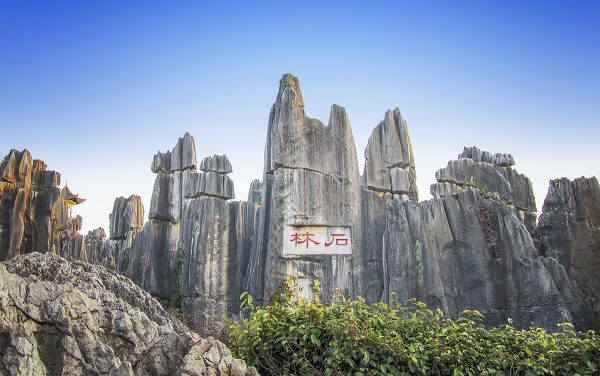
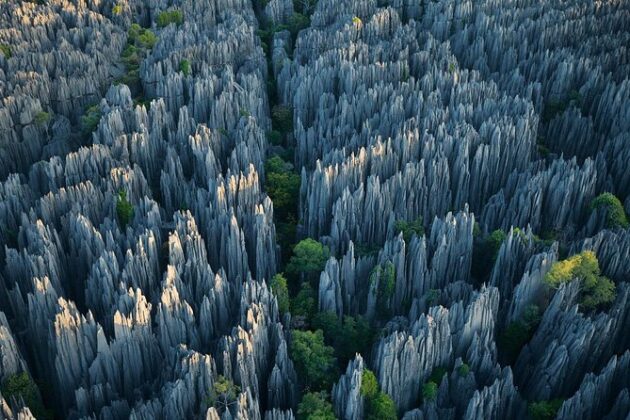
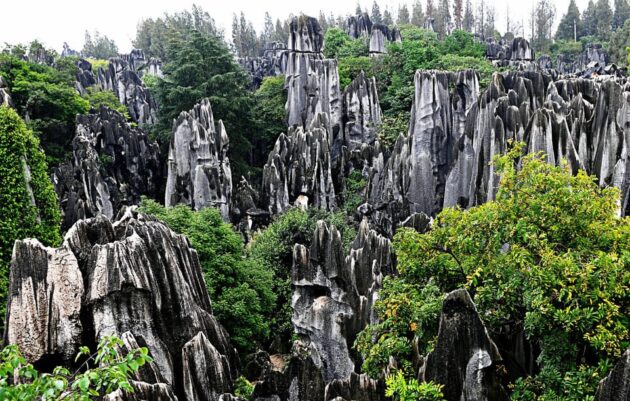
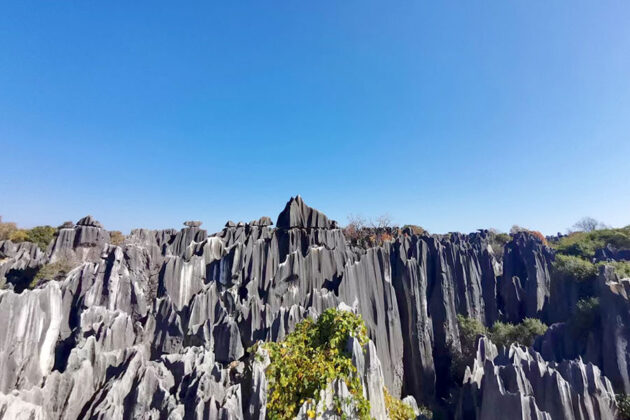
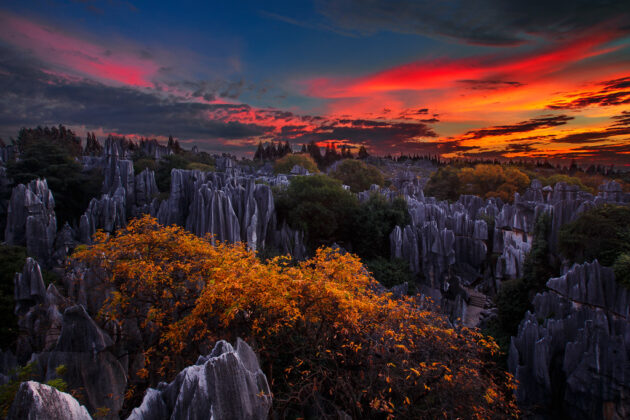
The Stone Forest Scenic Area, or Shilin, in Yunnan’s Shilin Yi Autonomous County, is a geological marvel and UNESCO World Heritage Site renowned for its otherworldly limestone karst formations. Located about 78 km southeast of Kunming, this 400-square-kilometer natural wonder, formed over 270 million years, resembles a petrified forest with towering pillars, caves, and lakes.
Why Visit the Stone Forest?
Listed as part of the South China Karst by UNESCO in 2007, the Stone Forest is celebrated for its unique karst topography, with limestone pillars shaped like trees, animals, and human figures, such as the iconic Ashima Rock, tied to Sani folklore. The area’s dramatic landscapes, labyrinthine paths, and cultural significance make it a must-see for nature lovers, photographers, and cultural explorers. Its AAAAA-class rating, China’s highest tourism standard, underscores its global appeal.
How to Get There
The Stone Forest is approximately 78–90 km from Kunming, accessible by various transport options:
By Car (Private Transfer): The fastest and most convenient option, taking about 1–1.5 hours from Kunming. Private cars with drivers cost around ¥500 round-trip, often arranged through hotels or tour operators like China Discovery. Ideal for families or those seeking a hassle-free experience with an English-speaking guide.
By Bus: From Kunming East Bus Station: Regular coaches depart every 30–50 minutes (7:20 AM–4:40 PM) to Shilin County, costing ¥35. The journey takes ~1.5 hours, followed by a 20-minute taxi ride (¥10) to the scenic area. Airport Shuttle: Direct buses from Kunming Changshui International Airport to the Stone Forest run at 9:40 AM, 11:30 AM, 1:30 PM, 3:00 PM, 4:30 PM, and 6:30 PM, costing ¥60 for a 2-hour trip.
By Train: Take a bullet train from Kunming Railway Station or Kunming South Railway Station to Shilin West (20–40 minutes, ¥18–29). Then, catch Bus 99 (¥8–10, 50 minutes) to the scenic area. Trains are frequent, making this a budget-friendly and efficient option.
Tip: Private transfers or guided tours are recommended for non-Chinese speakers to avoid navigation challenges. Arrive by noon to avoid morning crowds.
Best Time to Visit
Spring (March–May) and Autumn (September–November): Mild weather (10–20°C) and blooming flowers or clear skies enhance the landscape, ideal for hiking and photography. Summer (June–August): Lush greenery and vibrant vegetation make the scenery captivating, though it’s humid with occasional rain. Bring rain gear.
Winter (December–February): Quieter with mild daytime temperatures (10–15°C), suitable for those seeking fewer crowds. Festivals: The Torch Festival (late June, lunar calendar) features Yi cultural events like wrestling, bullfighting, and traditional dances, adding vibrancy to your visit.
Weather Tip: Check forecasts for rain, especially in summer, and wear comfortable shoes for uneven paths.
Tickets and Opening Hours
Opening Hours: March–November: 8:00 AM–6:00 PM; December–February: 8:00 AM–5:30 PM.
Ticket Prices: General admission: ¥175 (includes Greater and Lesser Stone Forests, Naigu Stone Forest, and other areas like Bushao Mountain). Electric shuttle bus: ¥25 (covers the 3-km stretch from the ticket office to the park and between scenic areas). Discounts: Available for students, seniors (60+), and children under 1.2 meters (free).
Booking: Purchase tickets on-site or via platforms like Trip.com or Ctrip. Buy shuttle bus tickets to save energy for exploring. Tip: The ticket’s back includes a map of the scenic area, useful for navigation.
What to See and Do
The Stone Forest is divided into seven scenic areas, with the following highlights:
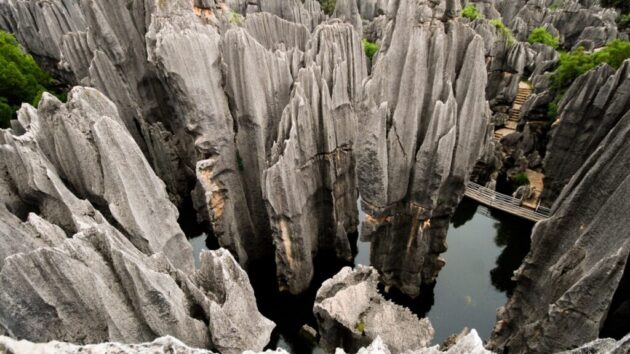
Greater Stone Forest (Da Shilin): The main attraction, featuring dense, maze-like limestone pillars up to 30 meters high, resembling swords, animals, or figures. Key spots include Sword Peak Pond and Lotus Peak. Expect more crowds here. Climb to Lion Pavilion for panoramic views, often less crowded.
Lesser Stone Forest (Xiao Shilin): A quieter, flatter area ideal for leisurely walks or visitors with mobility issues. The Ashima Rock, named after a Sani legend of a girl turned to stone, is a highlight. Accessible paths make it stroller- and wheelchair-friendly.
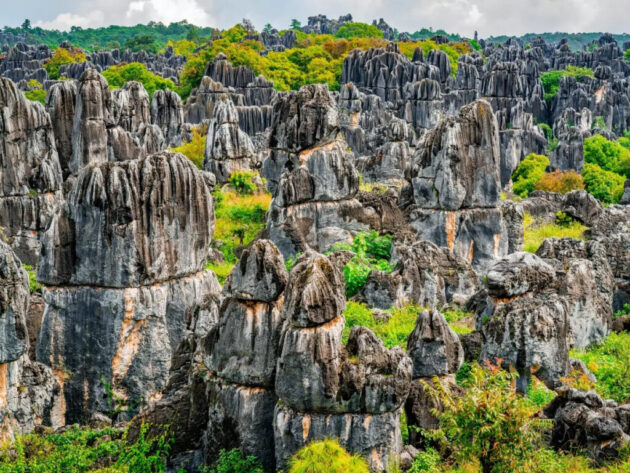
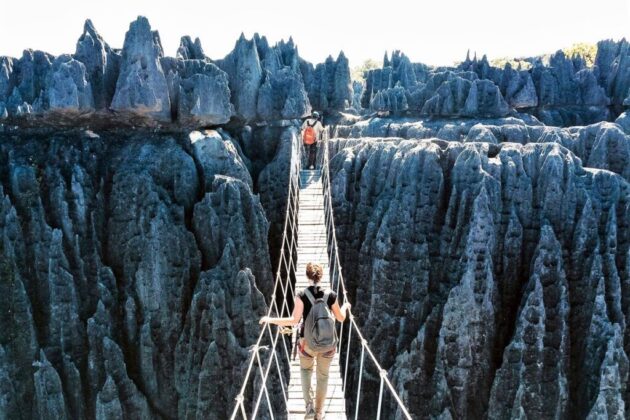
Naigu Stone Forest (Black Stone Forest): Known for its coal-black, rugged formations and karst caves, this 10-square-kilometer area offers a wild, less crowded experience. The ticket includes access. Explore underground caves for a unique adventure.
Lakes and Waterfalls: Long Lake and Moon Lake are serene spots surrounded by stone formations and greenery, perfect for photography. Dadieshui Waterfall, Yunnan’s largest at 90 meters, is a scenic detour for deeper tours.
Cultural Experiences: Engage with Sani culture through guided tours by local Sani girls, who share stories behind formations like “Woman Awaiting Her Husband.” Visit during the Torch Festival to see traditional Yi performances, including the A-Xi Moon Dance and wrestling.
Outdoor Activities: Walk paved paths or venture off to quieter trails like Twin Pavilion for farmland views. Electric carts (included in shuttle ticket) connect major spots, reducing walking for those with limited mobility.
Tip: A half-day tour covers the Greater and Lesser Stone Forests, but a full day allows exploration of Naigu and waterfalls.
Where to Eat
On-Site: Restaurants in the scenic area cater to groups, offering Yunnan specialties like rice noodles and spicy fish hotpot (¥30–60). Options are limited, so individual travelers should pack snacks or fruit.
Nearby: Shilin County has local eateries serving crossing-the-bridge noodles and Yunnan ham. Fast-food joints near the bus station are available but check prices to avoid overcharging.
Tip: Bring water and snacks, as food stalls may be crowded during peak hours.
Where to Stay
Most visitors do a day trip from Kunming, but staying in Shilin County or Kunming enhances flexibility:
Shilin County: Shilin Yinruilin International Hotel (4-star): Comfortable with modern amenities, ~¥300–500/night. Budget Hostels: Options like Shilin guesthouses cost ¥100–200/night. Overnight visitors can re-enter the scenic area with a hotel room card, saving on tickets.
Kunming: CitiGo Hotel Kunming (mid-range): Near Kunming Railway Station, ~¥400/night, ideal for couples. Green Lake Hotel (5-star): Luxury near Green Lake Park, ~¥600–800/night.
Booking: Use Trip.com or Booking.com for deals, and reserve early during peak seasons (spring/autumn).
Tips for a Great Visit
Wear Sturdy Shoes: Uneven paths and slippery stones require climbing boots or sneakers. Hire a Guide: Local Sani guides (¥150–200) offer insights into legends and formations, enhancing the experience. Avoid large group tours for a more personalized visit. Avoid Peak Crowds: Arrive at noon or explore quieter areas like Naigu or Twin Pavilion to escape morning rushes.
Combine Your Trip: Pair with Jiuxiang Cave (underground karst world) or Nuohei Village (Yi culture) for a full day. Extend to Yuanyang Rice Terraces or Dali for a 5–8-day Yunnan adventure. Respect Nature: Stick to paved paths to protect the fragile karst ecosystem and avoid climbing restricted formations.
Final Thoughts
The Stone Forest Scenic Area is a breathtaking blend of geological wonder, cultural richness, and natural beauty. From the towering pillars of the Greater Stone Forest to the tranquil Ashima Rock and vibrant Sani traditions, it offers an unforgettable journey into Yunnan’s heart. Plan your visit for spring or autumn, opt for a private transfer for convenience, and immerse yourself in this UNESCO-listed masterpiece. Whether you’re hiking through karst mazes or marveling at ancient legends, the Stone Forest promises a magical adventure.
Happy travels!