
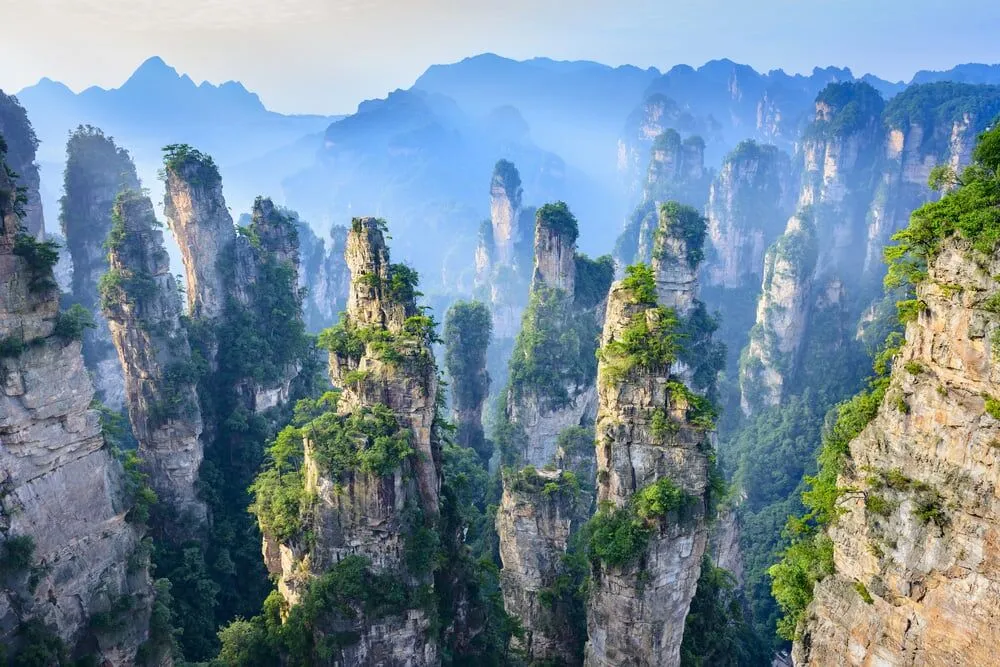
A Travel Guide to Hunan
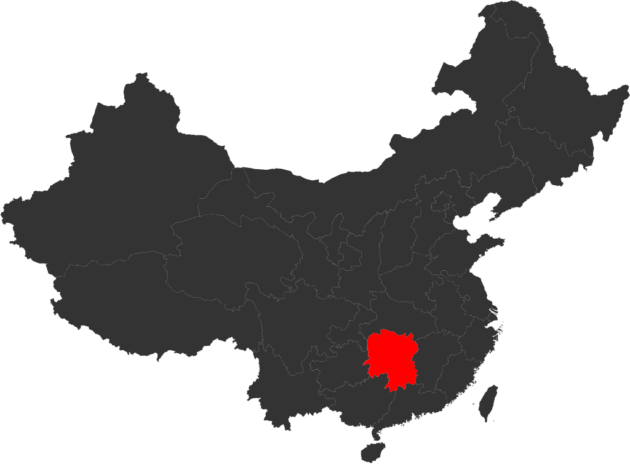
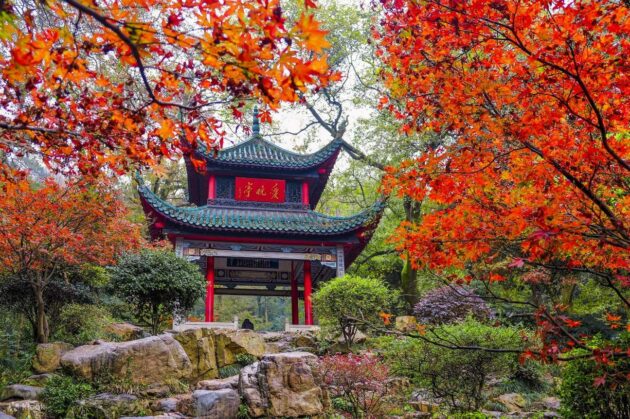
Hunan Province, located in south-central China, is a land of stunning natural beauty, rich cultural heritage, and spicy cuisine that captivates travelers seeking an authentic experience. Known as the “South of the Lake” due to its position south of Dongting Lake, Hunan offers a diverse mix of surreal mountain landscapes, ancient towns, and historical sites. From the otherworldly peaks of Zhangjiajie to the charming riverside alleys of Fenghuang Ancient Town, this guide will help you plan an unforgettable journey through Hunan in 2025.
Why Visit Hunan?
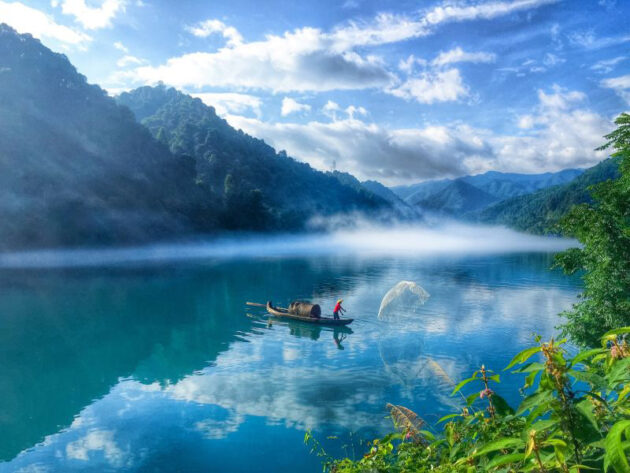
Hunan is a treasure trove of natural wonders and cultural gems. It’s home to Zhangjiajie National Forest Park, a UNESCO World Heritage Site that inspired the floating mountains in Avatar. The province also boasts Fenghuang Ancient Town, often called China’s most beautiful small city, and historical landmarks like Yuelu Academy and Yueyang Tower. As the birthplace of Mao Zedong, Hunan holds significant historical importance, while its vibrant Tujia and Miao ethnic cultures add a unique flavor. Expect spicy Hunan cuisine, misty lakes, and a perfect blend of adventure and tradition.
How to Get There
Hunan is well-connected, with Changsha, the provincial capital, serving as the main transportation hub.
By Air: Changsha Huanghua International Airport (CSX) offers domestic flights from major cities like Beijing (2.5 hours, ~¥500–1,000), Shanghai (2 hours, ~¥400–900), and Guangzhou (1.5 hours, ~¥300–700). International flights connect from places like Seoul, Bangkok, and Singapore. Other airports in Zhangjiajie (DYG), Hengyang (HNY), and Huaihua (HJJ) serve domestic routes, ideal for direct access to key attractions.
By High-Speed Train: Hunan’s extensive rail network links major cities. From Beijing, a high-speed train to Changsha takes ~5–6 hours (~¥550–700). From Shanghai, it’s ~4.5–5.5 hours (~¥400–600). Within Hunan, high-speed trains connect Changsha to Zhangjiajie (3–4 hours, ~¥150), Yueyang (1 hour, ~¥50), and Hengyang (1.5 hours, ~¥80). For smaller towns like Fenghuang, take a train to Jishou or Huaihua, then transfer to a bus or private car.
By Bus or Private Car: Buses are affordable for reaching smaller destinations like Fenghuang (4–5 hours from Changsha, ~¥100) or Shaoshan (1.5 hours, ~¥30). Private cars with drivers, available through agencies like China Discovery, offer flexibility for remote areas like Zhangjiajie or ethnic villages.
Visa Tip: Citizens of 54 countries can enjoy a 72-hour visa-free transit through Changsha’s airport, provided you have onward travel to another country. Check details before planning.
Best Time to Visit
Spring (March–May): Mild temperatures (15–25°C) and blooming landscapes make this ideal for Zhangjiajie and Fenghuang. Cherry blossoms and azaleas add color. Autumn (September–November): Cooler (10–20°C) and less humid, perfect for hiking and sightseeing with vibrant foliage.
Summer (June–August): Hot (up to 40°C in Changsha) and humid with monsoon rains (April–June). Avoid for outdoor activities unless you’re prepared for heat. Winter (December–February): Mild (0–10°C) with occasional snow on peaks like Mount Hengshan. Great for fewer crowds and indoor attractions like museums.
Tip: Visit during spring or autumn for the best weather and scenery. Book accommodations early for peak seasons, especially around National Day (early October).
Top Attractions
Zhangjiajie National Forest Park (张家界国家森林公园)
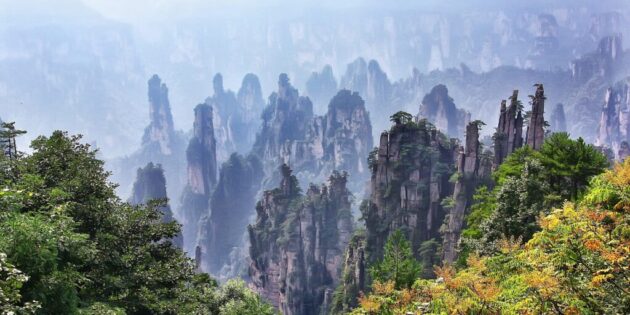
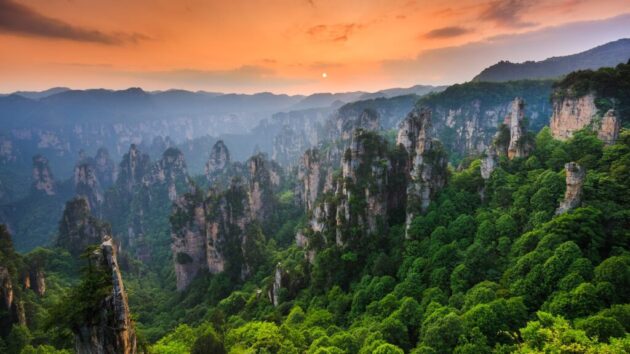
Zhangjiajie National Forest Park, located in Hunan Province, China, is a UNESCO World Heritage Site and one of the country’s most breathtaking natural wonders. Famous for its towering quartzite sandstone peaks, lush forests, and dramatic landscapes, the park inspired the floating Hallelujah Mountains in James Cameron’s Avatar. Spanning over 4,800 hectares, it’s part of the larger Wulingyuan Scenic Area and offers a surreal blend of rugged cliffs, deep valleys, and rich biodiversity.

Phoenix Ancient City (凤凰古城)
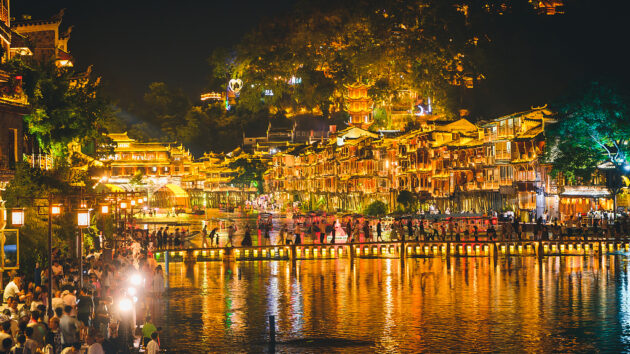
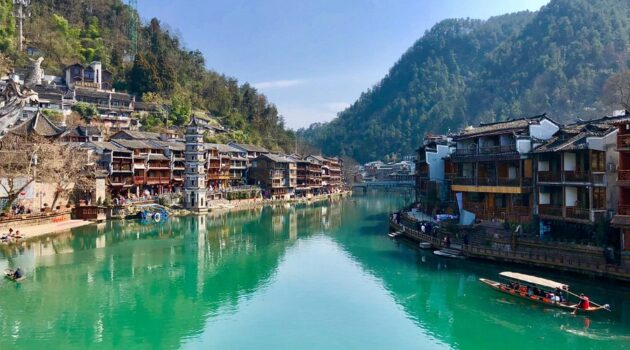
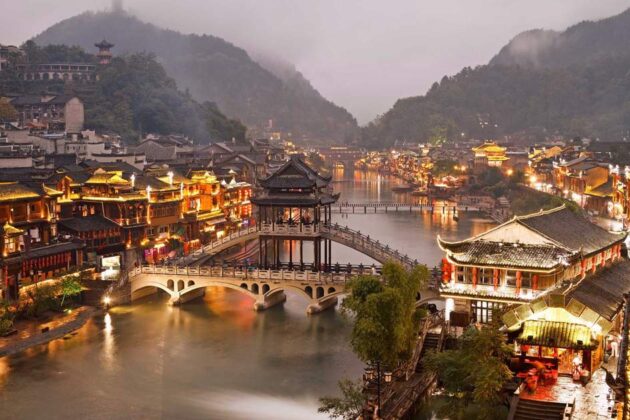
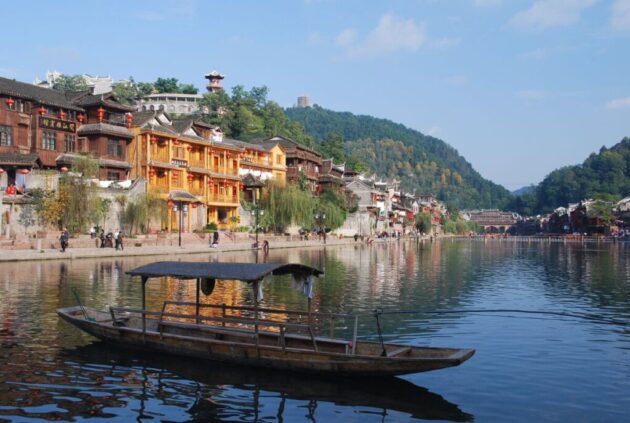
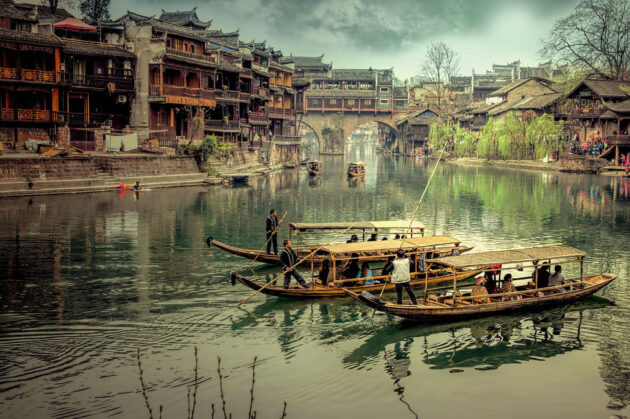
Nestled along the serene Tuojiang River in the Xiangxi Tujia and Miao Autonomous Prefecture of Hunan Province, Phoenix Ancient City (Fenghuang Gucheng) is a captivating destination often hailed as one of China’s most beautiful ancient towns. With over 400 years of history, this UNESCO World Heritage Tentative List site is renowned for its well-preserved Ming and Qing dynasty architecture, vibrant ethnic minority cultures (primarily Miao and Tujia), and picturesque riverside scenery.
Tianmen Mountain (天门山)
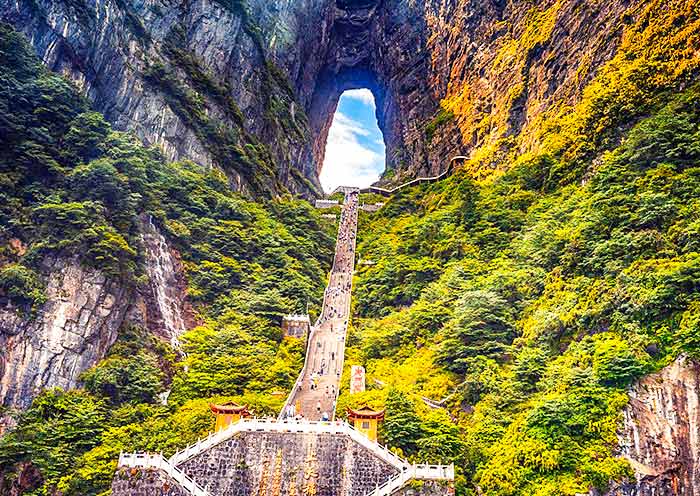
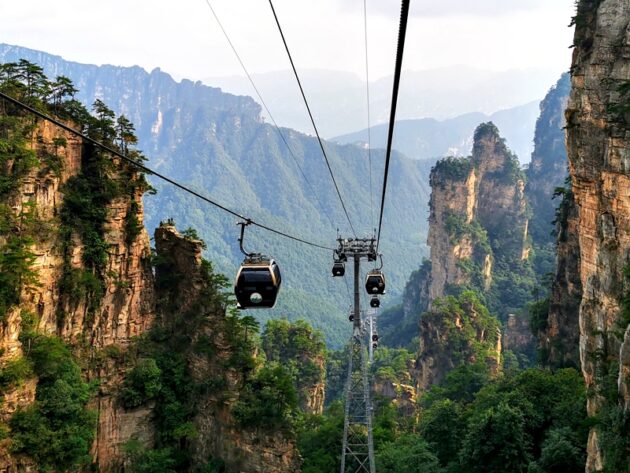
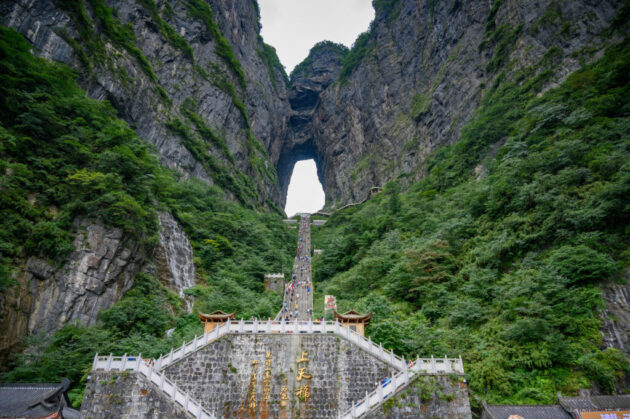
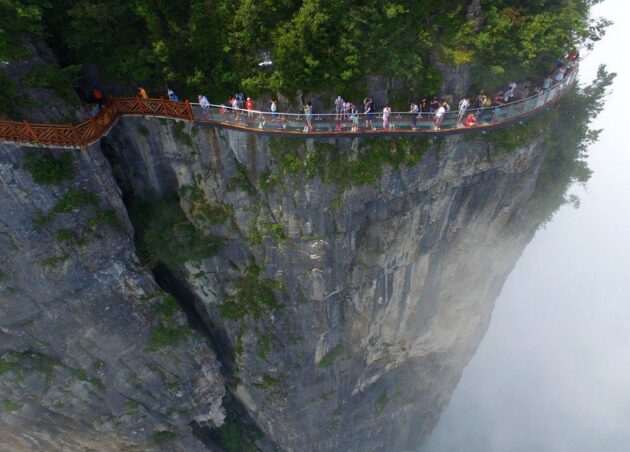
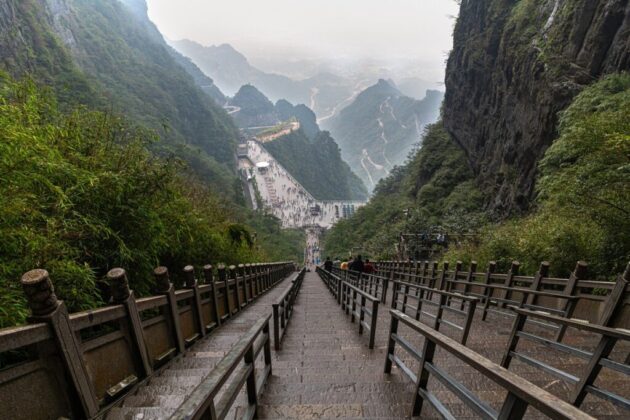
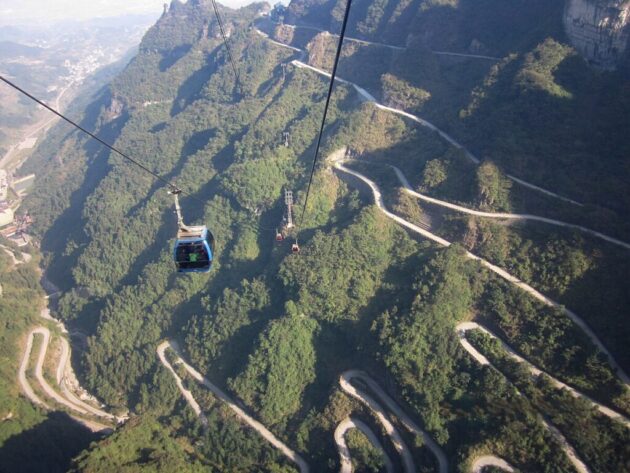
Tianmen Mountain, located in Zhangjiajie, Hunan Province, is one of China’s most breathtaking natural wonders, often called the “Soul of Zhangjiajie” and the “First Holy Mountain in Western Hunan.” Renowned for its dramatic karst cave (Tianmen Cave), the world’s longest cableway, thrilling glass skywalks, and a winding road with 99 bends, this national forest park offers an unforgettable blend of natural beauty, adventure, and cultural heritage.
Mount Heng (南岳衡山)
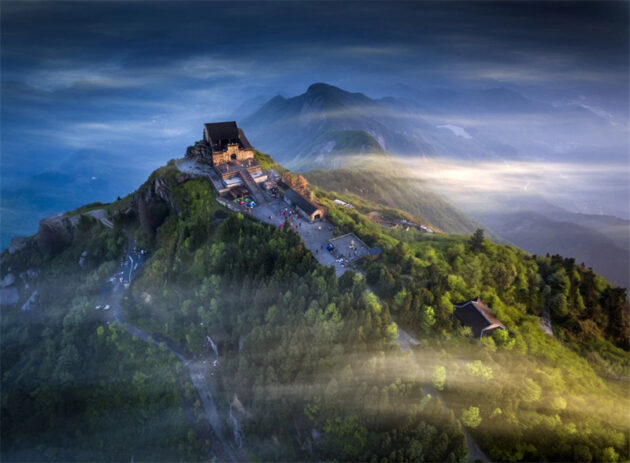
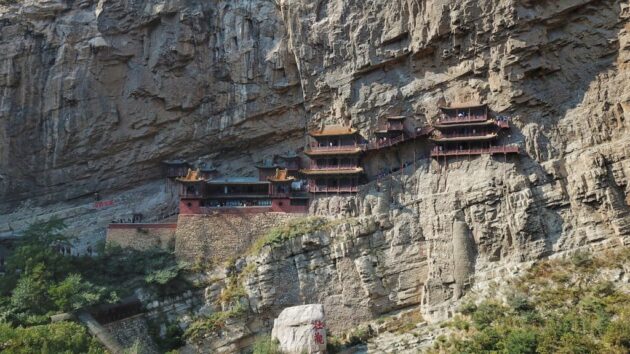
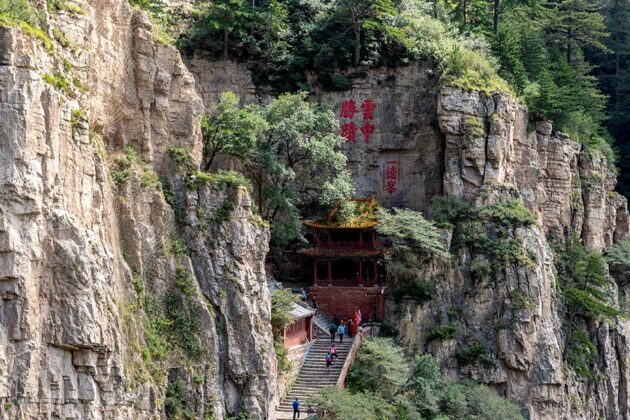
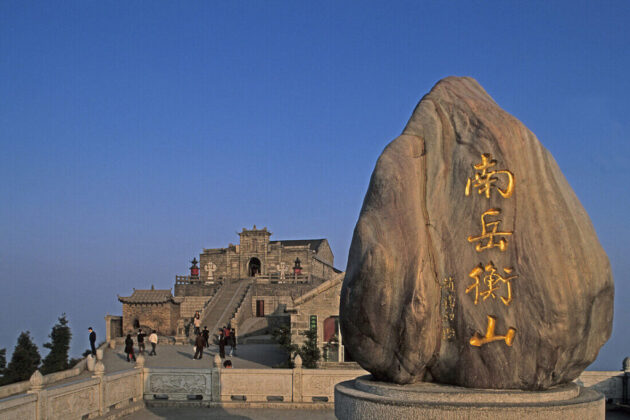
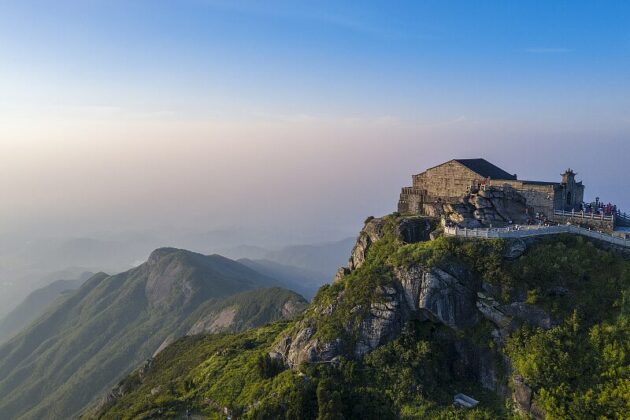
Mount Heng, also known as Hengshan or Nanyue (Southern Mountain), is one of China’s Five Great Mountains, located in Hengyang City, Hunan Province. Revered for its spiritual significance in both Taoism and Buddhism, this 150-kilometer mountain range with 72 peaks offers breathtaking scenery, ancient temples, and a rich cultural heritage. The highest peak, Zhurong Peak, stands at 1,300 meters, making it a manageable yet rewarding hike.
Where to Eat
Hunan’s spicy cuisine, known as Xiang cuisine, is one of China’s eight major culinary styles. Expect fiery flavors from chili peppers, garlic, and fermented ingredients. Must-Try Dishes: Stinky tofu, spicy noodles, braised pork (Hongshao Rou), and spicy crayfish.
In Changsha: Head to Pozi Street or Wenheyou for street food like stinky tofu and spicy dumplings (~¥10–30). For upscale dining, try SOCIAL Restaurant at The St. Regis Changsha (~¥100–200/person).
In Fenghuang: Riverside cafes serve Miao specialties like sour fish soup and sticky rice cakes (~¥20–50).
Tip: If spicy food isn’t your thing, request “bù là” (not spicy) when ordering. Vegan or dietary-restricted travelers may need to plan ahead, as Hunan cuisine is meat-heavy.
Tips for a Great Visit
Language: English is limited outside Changsha. Learn basic Mandarin phrases (e.g., “Nǐ hǎo” for hello) or use translation apps like Pleco. Transportation: High-speed trains are ideal for city-to-city travel; private cars are best for remote areas like Fenghuang or Dehang.
Crowds: Zhangjiajie and Fenghuang can be crowded, especially during holidays. Visit early morning or weekdays to avoid tour groups. Cash and Payments: Carry some cash (RMB) for smaller towns, though WeChat Pay and Alipay are widely accepted in cities. Respect Local Culture: Be mindful of ethnic minority customs in Fenghuang and Dehang, and avoid photographing locals without permission.
Final Thoughts
Hunan is a destination where nature, history, and culture converge to create a vibrant tapestry. Whether you’re hiking among Zhangjiajie’s surreal peaks, wandering Fenghuang’s ancient alleys, or savoring spicy noodles in Changsha, the province offers an immersive experience that lingers long after you leave. Plan your trip for spring or autumn, embrace the local flavors, and let Hunan’s charm unfold.
Happy travels!