
Nanxun Ancient Town, located in Huzhou City, Zhejiang Province, is one of China’s best-preserved water towns, offering a serene escape from the bustling crowds of more famous destinations like Wuzhen and Zhouzhuang. Known as the “land of culture” and “silk capital,” Nanxun blends traditional Jiangnan charm with unique Chinese-Western architectural influences, reflecting its prosperous history during the Ming and Qing Dynasties. With its tranquil canals, historic mansions, and vibrant local life, Nanxun is a hidden gem perfect for travelers seeking authenticity and history. This guide will help you plan a memorable visit.

A Travel Guide to Nanxun Ancient Town
Why Visit Nanxun Ancient Town?
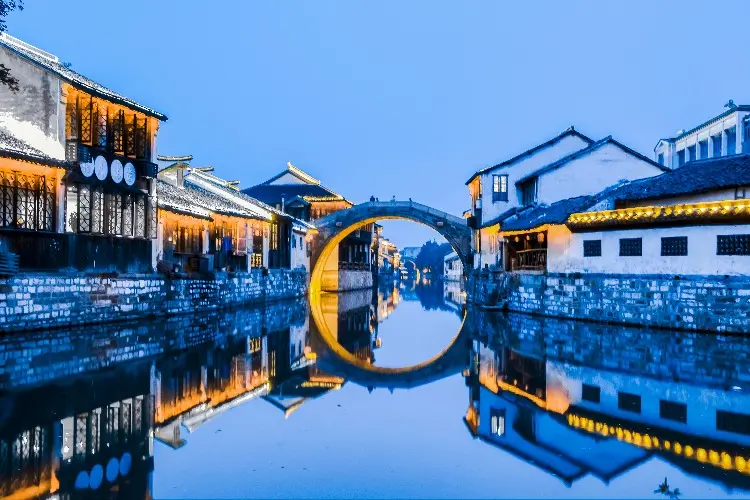
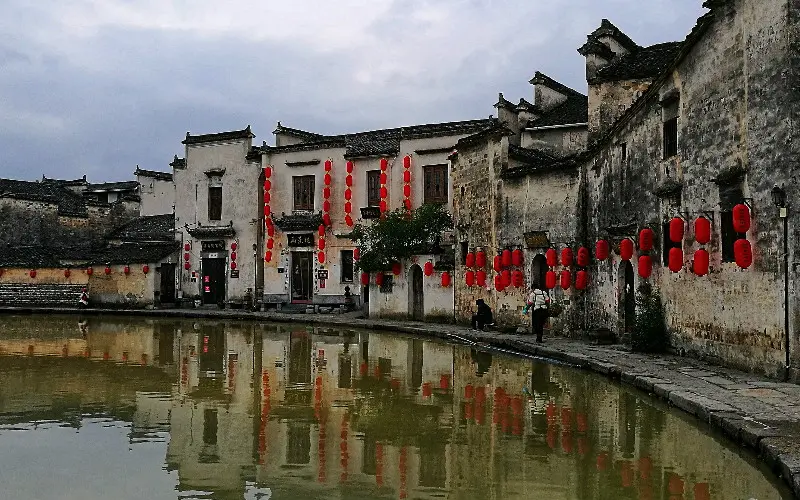
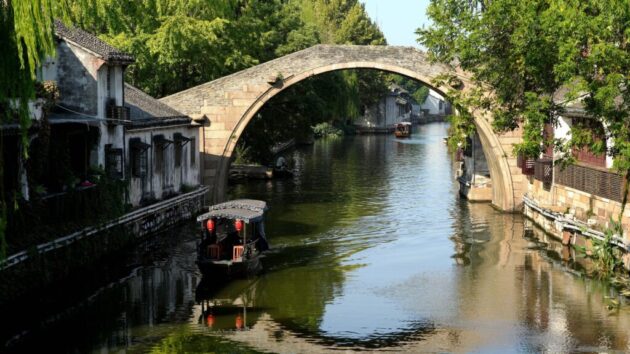
Nanxun stands out among Jiangnan’s water towns for its well-preserved heritage and relatively low tourist traffic. Established over 750 years ago, it was a thriving silk trade hub, home to wealthy merchants known as the “Four Elephants.” The town’s unique blend of Chinese and Western architectural styles, seen in its grand residences and gardens, reflects its historical trade connections along the Silk Road. Unlike more commercialized water towns, Nanxun retains an authentic atmosphere, with locals still living along its canals, creating a lively yet peaceful vibe. Its designation as a national 5A scenic spot and free admission (as of January 2023) make it an attractive destination for budget-conscious travelers.
How to Get There
Nanxun is conveniently located in the Yangtze River Delta, about 120 km from Shanghai, 88 km from Hangzhou, and 60 km from Suzhou, making it an ideal day trip or overnight stop.
By High-Speed Train and Bus: Take a high-speed train to Huzhou Railway Station (45 km from Nanxun) from Shanghai Hongqiao (1 hour, ¥50–80), Hangzhou East (20–30 minutes, ¥30–50), or other cities like Nanjing or Suzhou. From Huzhou Railway Station, catch Bus 101 to Nanxun Bus Station, then transfer to Bus 114, 171, or 168 to reach Nanxun Ancient Town (total bus fare ~¥2–5, 45–60 minutes). Alternatively, a taxi from Huzhou to Nanxun costs ~¥80–100.
By Direct Bus: From Hangzhou North Bus Station, buses to Nanxun run until noon, taking ~1.5–2 hours (¥10–20). From Shanghai, buses depart from Shanghai South Bus Station or Hongqiao West Bus Station, taking ~1.5–2 hours (¥30–50). Nanxun Bus Station is near the town center; a short auto-rickshaw ride (¥10) or 10-minute walk gets you to the scenic area.
By Private Car or Taxi: Driving or taking a taxi from Hangzhou (1.5 hours, ~¥400) or Shanghai (1 hour, ~¥400) is the most convenient option. Self-driving is recommended, with parking available near the town entrance.
From Nearby Water Towns: From Wuzhen (30-minute drive), ridesharing (e.g., Didi) or taxis are convenient (¥50–80). Combining Nanxun with Wuzhen or Fengjing in a day trip is feasible with a private driver.
Tip: Use apps like Apple Maps or Baidu Maps (with English options) for real-time navigation and ticket information.
Best Time to Visit
Spring (March–May): Ideal for pleasant weather, blooming plum blossoms, and green willows. The Canhua Festival (April 5–8) features boat races and cultural performances. Autumn (September–November): Cool, clear skies enhance the town’s scenic beauty, with vibrant foliage along the canals.
Summer (June–August): Warm and lush, but avoid midday heat. Evening visits (free after 5:00 PM) offer lotus fragrances and light shows. Winter (December–February): Quiet and less crowded, with a serene charm, though temperatures can drop below freezing.
Note: Avoid Chinese public holidays like National Day (October 1–7) and Labor Day (May 1–7) to escape crowds.
Tickets and Opening Hours
Opening Hours: The town is open 24/7. Specific attractions (e.g., Zhang Shiming’s Former Residence, Little Lotus Garden) operate from 7:30 AM–5:00 PM (March–October) or 8:00 AM–4:30 PM (November–February).
Tickets: As of January 18, 2023, Nanxun Ancient Town offers free admission to the main scenic area. Some attractions may still charge small fees (previously ~¥100 for a ticket package covering 9 sites), but many, including Liu’s Ladder Shop and Jiaye Library, are now free.
Night Tours: From July to August, select spots are free from 5:00 PM to 9:00 PM, featuring light shows and night markets.
Tip: Check with local ticket offices or apps like Trip.com for updated pricing on specific sites.
What to See and Do
Nanxun’s charm lies in its canals, historic residences, and cultural experiences. Here’s a suggested route: Little Lotus Garden → Jiaye Library → Nanxun History Museum → Zhang Shiming’s Former Residence → Baijian Lou (One-Hundred Residential Houses).
Little Lotus Garden (Xiaolian Zhuang): Built over 40 years by Liu Yong, one of Nanxun’s wealthiest merchants, this garden features a large lotus pond, temple, and memorial archway. Its tranquil setting is perfect for photography, especially in summer when lotuses bloom.
Jiaye Library (Jiaye Tang): A historic private library showcasing rare books and Chinese-Western architectural fusion. It reflects Nanxun’s cultural heritage as a “land of poetry and books.” Free to visit.
Zhang Shiming’s Former Residence: Known as the “first mansion of Jiangnan,” this Qing Dynasty residence blends traditional Chinese courtyards with French Renaissance elements, featuring intricate brick, wood, stone, and glass carvings. A must-see for architecture enthusiasts.
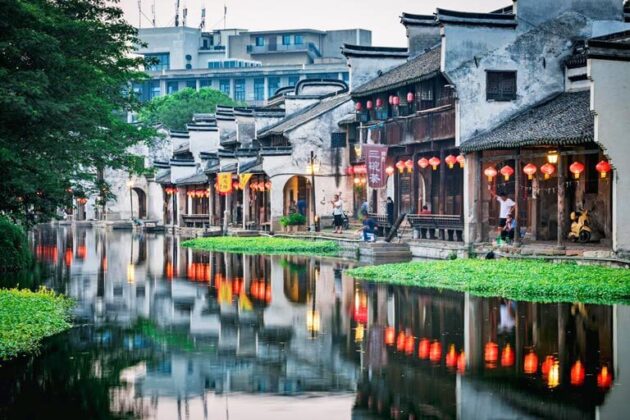
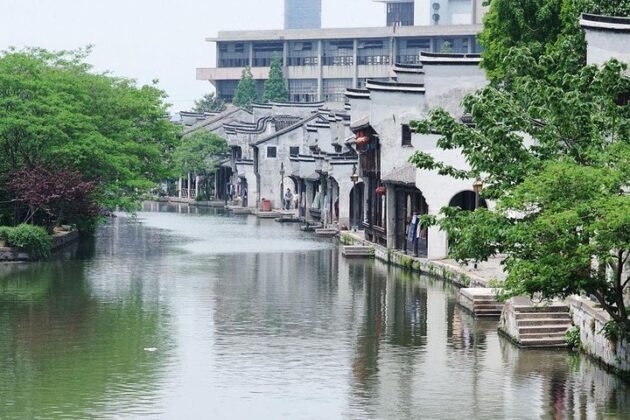
Baijian Lou (One-Hundred Residential Houses): A 400-meter stretch of 400-year-old Ming Dynasty houses along the Baijianlou River, connected by archways and bridges. This quiet, picturesque area offers a glimpse into traditional Jiangnan life.
Nanxun History Museum: Housed in buildings blending Chinese and Western styles, it displays artifacts and books tracing Nanxun’s history from the Southern Song Dynasty (1127–1279).
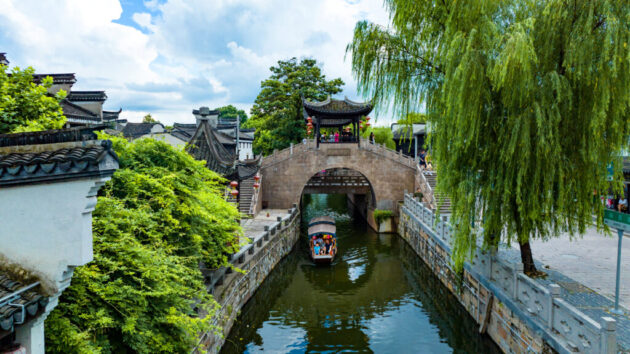
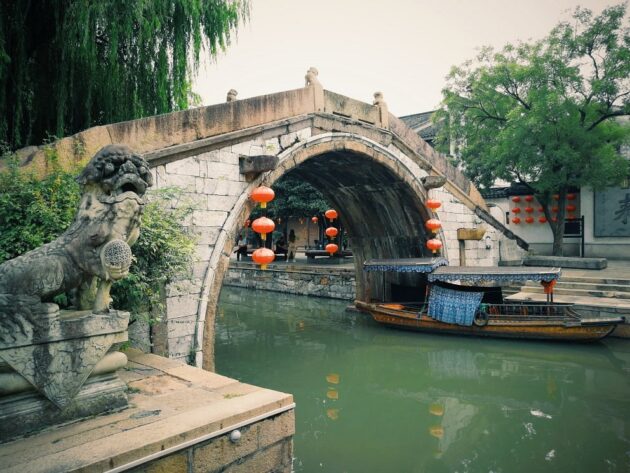
Boating on the Canals: Take a sculling boat ride (~¥240 for 30 minutes) to experience the town’s waterways, passing under ancient stone bridges like Tongli or Xingfu Bridge. Evening rides are especially scenic.
Cultural Experiences: Try Chinese block printing or writing brush-making at Liu’s Family Compound (Red House), a striking residence with French balconies and stained glass. Watch a traditional wedding show on the water, featuring decorated ferries with red flowers.
Where to Eat
Local Specialties: Savor freshwater fish dishes, wild water chestnut cakes, and pastries unique to Nanxun.
Restaurants: Longfeng Noodle Shop: A century-old local favorite serving authentic noodle dishes. WuFu Lou (0.5 miles from the town center): Offers Zhejiang cuisine like braised pork and fish (¥30–50 per dish). Dio Coffee (Renrui Road): A cozy spot for drinks and light snacks (~¥20–40).
Tip: English menus are rare, so use a translation app or point to pictures. Locals are friendly and accustomed to helping tourists.
Where to Stay
In Nanxun: Nanxun Shangyuege Eaglewood Hotspring Hotel: A comfortable option with modern amenities (~¥300–500/night). Shui An Han She Inn: A budget-friendly guesthouse with traditional charm (~¥150–250/night).
In Huzhou (2 km away): Offers 3- and 4-star hotels like GreenTree Inn or Ji Hotels (~¥200–400/night) with better amenities.
Tip: Book through Booking.com or Ctrip for deals. An English-Chinese translation app is handy, as some staff may not speak English.
Tips for a Great Visit
Wear Comfortable Shoes: The town’s cobblestone streets and bridges require good footwear for extensive walking. Photography: The best spots are Little Lotus Garden and Baijian Lou, especially at dusk when canals reflect soft lights.
Avoid Peak Hours: Visit early morning or late afternoon to enjoy quieter streets. Evening visits (after 5:00 PM) are free and offer a magical ambiance. Combine Your Trip: Pair Nanxun with Wuzhen (30 minutes away), Hangzhou (West Lake, 1.5 hours), or Shanghai (1 hour) for a multi-day itinerary.
Language Tip: Carry a translation app, as English is not widely spoken. Shop Smart: Bargain for silk clothing, calligraphy, and souvenirs along Dong Dajie. Bring small bills for easier negotiation.
Final Thoughts
Nanxun Ancient Town is a captivating blend of history, culture, and natural beauty, offering a less commercialized alternative to other Jiangnan water towns. Its serene canals, ancient bridges, and unique Chinese-Western mansions create an atmosphere that feels like stepping into China’s past. Whether you’re boating along the waterways, exploring historic residences, or savoring local delicacies, Nanxun promises an authentic and unforgettable experience. Plan your visit to this “nobility of water towns” and discover one of Zhejiang’s best-kept secrets.
Happy travels!