
Nestled in the heart of Hubei Province, Enshi Grand Canyon—often called the “Oriental Colorado Canyon”—is a breathtaking natural wonder in Enshi Tujia and Miao Autonomous Prefecture. Spanning 108 kilometers and covering 300 square kilometers, this National 5A-class scenic area is renowned for its dramatic karst landscapes, towering cliffs, cascading waterfalls, and unique cultural heritage. Comparable to the Grand Canyon in the USA, Enshi offers a blend of adventure, serenity, and Tujia ethnic charm, making it a must-visit for nature lovers and thrill-seekers. This guide will help you plan an unforgettable trip.

A Travel Guide to Enshi Grand Canyon
Why Visit Enshi Grand Canyon?
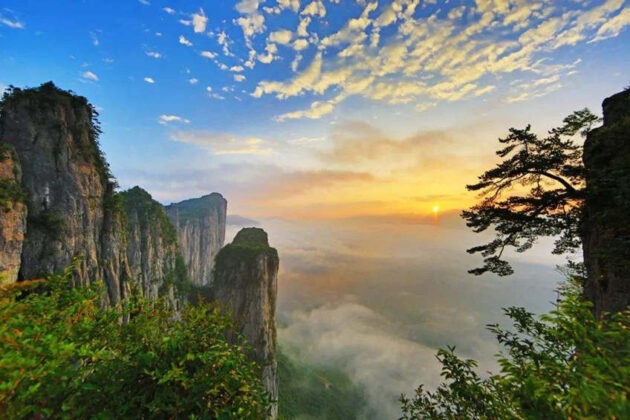
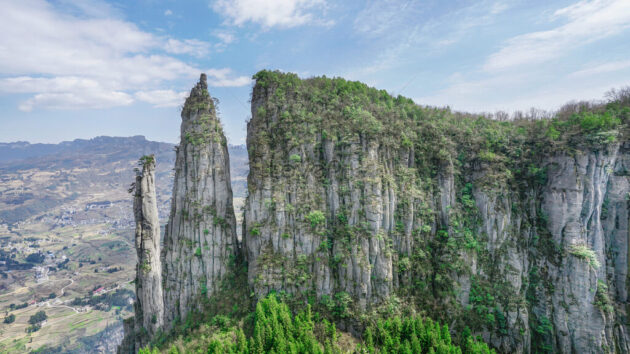
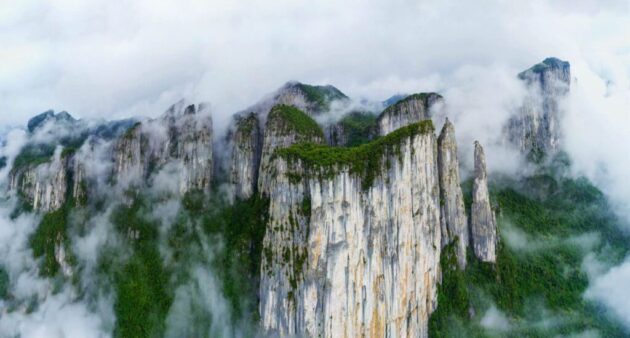
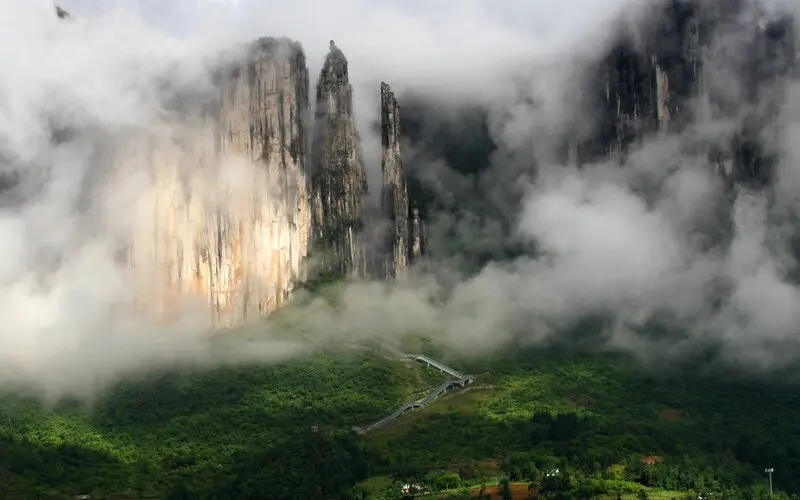
Enshi Grand Canyon is a geological marvel, often dubbed a “Karst Natural Museum” for its diverse landforms, including cliffs, peak clusters, caves, and underground rivers. Its iconic One Incense Pillar, a 150-meter-tall karst pinnacle only 4 meters wide, was named one of China’s 40 most beautiful scenic spots by CNN in 2013. The canyon’s two main areas—Seven Star Village (Qixingzhai) and Yunlong Ground Fissure—offer stunning vistas and thrilling activities like hiking, cable car rides, and plank road walks. Beyond its natural beauty, the region’s Tujia and Miao cultures add a vibrant cultural dimension, with traditional architecture, festivals, and cuisine.
How to Get There
Enshi Grand Canyon is located in Tunbao Township and Banqiao Town, about 64 km from Enshi City and 32 km from Lichuan City. Here’s how to reach it:
By Air: Enshi Xujiaping Airport (ENH): Fly from major cities like Beijing, Xi’an, Wuhan, or Shanghai (9-hour flight). The airport is just 5 km from Enshi City, and taxis to the canyon cost ~¥100–150 (1.5 hours). Major airlines include China Southern, China Eastern, and Air Guilin.
By Train: Enshi Railway Station: High-speed trains connect Enshi to Wuhan (2–3 hours), Chongqing (2 hours), or Chengdu. From the station, take a bus or taxi to the canyon. Lichuan Railway Station: Closer to the canyon (32 km), with direct buses available from March to November (¥25, 1 hour).
By Bus: From Enshi City: Minibuses depart from Aviation Road Bus Station (6:30 AM–6:00 PM, ¥20, 1.5 hours). From Lichuan City: A daily bus leaves Lichuan Train Station Tourist Center at 8:00 AM (¥25, 1 hour, March–November only). Scenic buses within the park cost ¥30 round-trip.
By Taxi/Ride-Hailing: A taxi from Enshi City to the canyon costs ~¥120–150. Didi is available and similarly priced. The drive takes about 1–1.5 hours.
Tip: English signage is available, but having a translation app or a local friend write down “Enshi Grand Canyon” in Chinese (恩施大峡谷) helps for non-Chinese speakers.
Best Time to Visit
Optimal Months: April to October, when the weather is mild (average 7.8–17.4°C) and landscapes are lush. Spring (April–May) offers vibrant greenery, while autumn (September–October) showcases golden foliage.
Avoid: July and August, as the weather can be sultry and rainy, making hiking challenging.
Weather Note: Enshi’s high altitude (300–1,800 meters) and subtropical climate mean foggy and rainy conditions are common. Pack rain gear and check forecasts.
Tickets and Opening Hours
Opening Hours: March–October: 8:00 AM–4:00 PM; November–February: 8:30 AM–3:00 PM; Recommended visit duration: 4–6 hours.
Ticket Prices: General admission (Seven Star Village + Yunlong Ground Fissure): ¥170 (March–November), ¥130 (December–February); Scenic bus (round-trip): ¥30; Ascending cable car: ¥110; Descending cable car: ¥90; One-way escalator: ¥20.
Booking: Purchase tickets on-site or via platforms like Trip.com or Ctrip. Book cable car tickets in advance during peak seasons (spring/autumn).
What to See and Do
The canyon is divided into two main areas, each offering unique experiences:
Yunlong Ground Fissure (Cloud Dragon Crack): A 3.6-km-long, 75-meter-deep fissure formed by an ancient underground river collapsing 20–30 million years ago. Highlights include seven and a half waterfalls (the “half” appears in wet seasons) and steep cliffs formed in different geological periods (Triassic and Permian). Walk along the scenic path to admire cascading waterfalls and murmuring streams. The trail ends with a challenging 300+ steep steps. Visiting time: 1–2 hours.
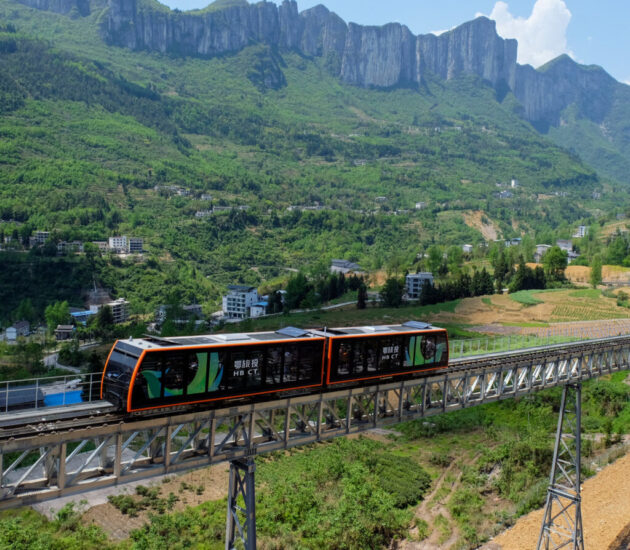
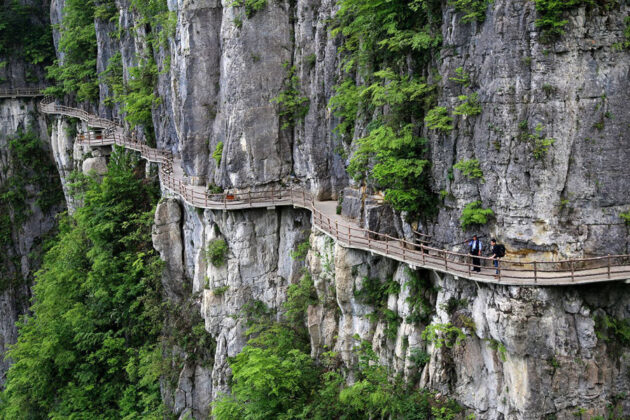
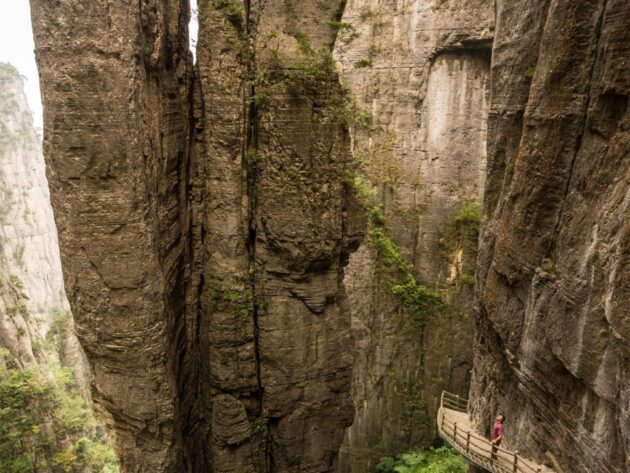
Seven Star Village (Qixingzhai): Located at 1,500–1,900 meters, this clifftop area features karst landscapes like the One Incense Pillar (150m tall, 4m wide), a karst pinnacle surviving earthquakes and revered in Tujia legend as a deity’s gift. Explore the Cliff Plank Road (488 meters, built in 2007 at 1,700 meters) for thrilling views and the Bowing Pine, a tree symbolizing the canyon’s natural wonders. Activities include hiking, zip-lining, and rock climbing (e.g., Lovers’ Peak, climbed by international climbers in 2017). Use the cableway (2,284 meters, 6.27 minutes, ¥110) to save energy and enjoy panoramic views. Visiting time: 3–4 hours.
Cultural Experiences: Learn about Tujia and Miao customs, including stilted architecture and festivals like Nverhui (Tujia Valentine’s Day, July 17 lunar calendar). Try Tujia dishes like sauce-flavored pancakes, Hezha (ropy soybean milk with vegetables), or cured pork.
Nearby Attractions: Pingshan Grand Canyon: A 1-hour drive away, known for its clear waters and boat rides through karst scenery. Dress in Tujia costumes for photos. Tenglong Cave: A massive karst cave 6 km from Lichuan, with dry and water sections. Suobuya Stone Forest: A karst stone forest with unique geological formations, 1–2 hours from the canyon.
Where to Eat
On-Site: Snack stalls and small restaurants near the ticket office offer Tujia specialties like noodle soup, fried potatoes, and spiced bean curd (¥10–30). Options are limited, so pack snacks for longer visits.
Enshi City: Try Dingshihui for local fish dishes or hot pot. Coffee is rare due to the traditional lifestyle.
Tip: Bring water and light snacks, as hiking can be demanding, but local food is affordable and widely available.
Where to Stay
Enshi City (64 km away): Yihe International Hotel: Centrally located, budget-friendly (~¥200–300/night). Ramada Plaza Hotel: Comfortable with modern amenities (~¥300–500/night).
Lichuan City (32 km away): Closer to the canyon, with guesthouses and small hotels (~¥150–250/night).
Near the Canyon: Xiaguxuan Hotel offers basic accommodations for convenience, though information is limited. Mountain Villas: Boutique villas on Enshi’s hills provide scenic views and Tujia-style ambiance (~¥200–400/night).
Booking: Use Trip.com, Ctrip, or WeChat for reservations. Book early during April–May or October.
Tips for a Great Visit
Wear Comfortable Gear: Sturdy shoes, sunscreen, and rain gear are essential due to steep trails and variable weather. Plan Your Route: Start with Yunlong Ground Fissure (less strenuous), then take the cable car to Seven Star Village to save energy.
Language Prep: English is limited; use a translation app or carry a note with “Enshi Grand Canyon” (恩施大峡谷). Photography: The One Incense Pillar and Cliff Plank Road are perfect for photos, but drones may require permits.
Extend Your Trip: Combine with Zhangjiajie National Forest Park (282 km, 5 hours by car) or Fenghuang Ancient Town for a multi-destination adventure. Respect Nature: Follow park rules to protect the fragile karst ecosystem.
Final Thoughts
Enshi Grand Canyon is a hidden gem that rivals global natural wonders with its dramatic cliffs, waterfalls, and unique karst formations. Whether hiking the Cliff Plank Road, marveling at the One Incense Pillar, or immersing in Tujia culture, this destination offers an exhilarating blend of adventure and tranquility. Plan your visit for spring or autumn, pack for an active day, and let Enshi’s majestic landscapes leave you in awe.
Happy travels!