
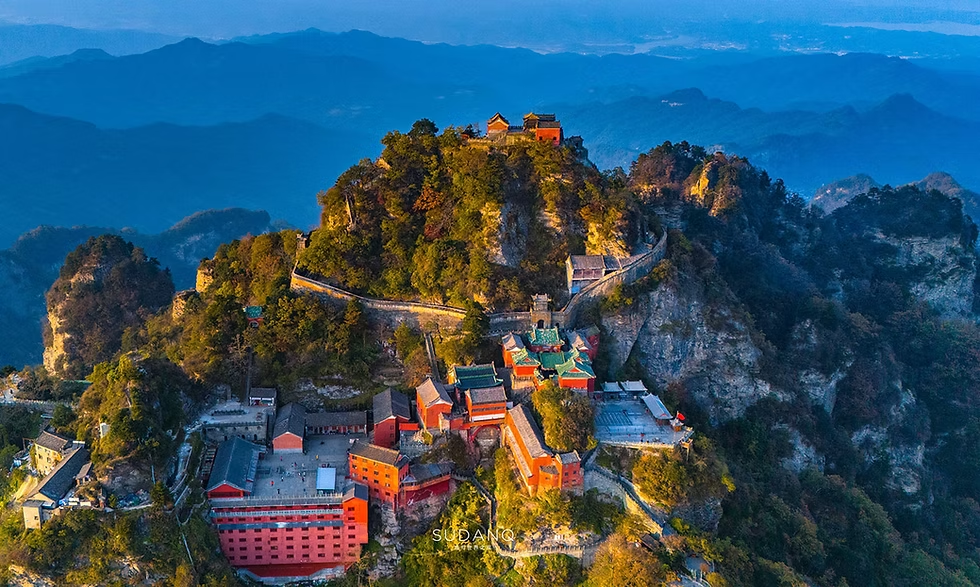
The Wudang Mountains, located in Hubei Province, China, are a UNESCO World Heritage Site renowned for their stunning natural beauty, ancient Taoist temples, and deep cultural significance as the birthplace of Tai Chi. Nestled in the northwest of Hubei near the city of Shiyan, this sacred mountain range attracts travelers seeking spiritual enrichment, martial arts history, and breathtaking landscapes. This guide will help you plan an unforgettable visit to this mystical destination.



A Travel Guide to Wudang Mountains
Why Visit the Wudang Mountains?
The Wudang Mountains are one of China’s most sacred Taoist sites, steeped in over 2,000 years of history. Known as the “Cradle of Tai Chi,” the mountains are home to ancient temples, monasteries, and martial arts schools where Taoist priests and practitioners have honed their skills for centuries. The dramatic peaks, lush forests, and serene vistas make it a haven for hikers, photographers, and spiritual seekers. Key attractions include the Purple Cloud Temple, the Golden Summit, and the chance to witness or learn Tai Chi in its birthplace.
How to Get There
The Wudang Mountains are located near Shiyan City, approximately 400 km northwest of Wuhan, the capital of Hubei Province. Here are the main transportation options:
By Air: The nearest airport is Wudangshan Airport (WDS) in Shiyan, with domestic flights from major cities like Beijing, Shanghai, and Wuhan. From the airport, it’s a 30–40 minute taxi ride (¥50–80) to the Wudang Mountains scenic area. Alternatively, fly to Wuhan Tianhe International Airport (WUH) (4–5 hours by train or bus to Shiyan).
By Train: Take a high-speed train from Wuhan to Shiyan Railway Station (2.5–3 hours, ¥100–200). From Shiyan, taxis or shuttle buses to the Wudang Mountains entrance take about 30 minutes (¥30–50). Direct trains are also available from Beijing (6–7 hours) or Xi’an (4–5 hours) to Shiyan.
By Bus: From Wuhan, long-distance buses to Shiyan depart from the Fujiapo Bus Station (5–6 hours, ¥120–150). From Shiyan’s bus station, take a local bus or taxi to the mountains. Within the scenic area, shuttle buses (included in the ticket price) connect key sites.
By Car: Renting a car or hiring a private driver from Wuhan or Shiyan is an option for flexibility. The drive from Wuhan takes about 4–5 hours via the G70 expressway.
Tip: Purchase train or bus tickets in advance via apps like Ctrip or Trip.com, especially during peak seasons.
Best Time to Visit
Spring (March–May): Mild weather (15–25°C) and blooming wildflowers make this ideal for hiking and sightseeing. The mountains are lush and vibrant. Autumn (September–November): Crisp air (10–20°C) and colorful foliage create stunning views, especially from the Golden Summit. This is the best season for photography.
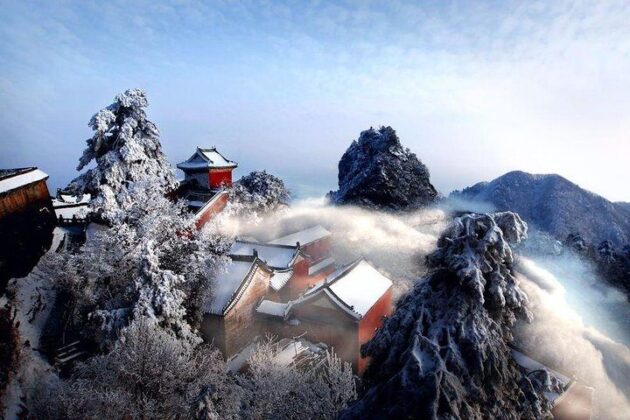
Summer (June–August): Warm and humid (25–35°C), with occasional rain. The greenery is at its peak, but bring rain gear and avoid slippery trails. Winter (December–February): Cold (0–10°C) with occasional snow, offering a quiet and mystical atmosphere but fewer crowds. Some trails may be icy, so exercise caution.
Crowd Tip: Avoid Chinese holidays like National Day (October 1–7) and Spring Festival (late January/early February) to escape crowds.
Tickets and Opening Hours
Opening Hours: The scenic area is open daily from 8:00 AM to 5:30 PM (last entry at 4:30 PM). Temples and specific sites may have slightly different hours.
Ticket Prices: General admission: ¥140 (includes access to the scenic area and shuttle buses). Cable car (to Golden Summit): ¥90 round-trip, ¥50 one-way. Individual temples (e.g., Purple Cloud Temple): ¥15–20 extra for some sites. Discounts are available for students, seniors (60+), and children under 1.2 meters (free).
Booking: Tickets can be purchased at the entrance or online via WeChat or Trip.com. Combo tickets covering admission, cable car, and major temples are cost-effective.
What to See and Do
The Wudang Mountains offer a mix of cultural, spiritual, and outdoor activities across their 72 peaks, with the main attractions concentrated in the scenic area:
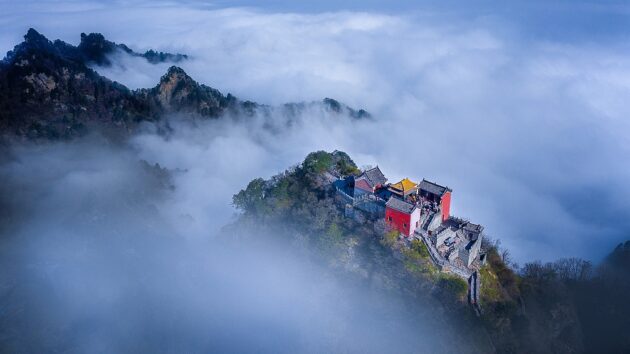
Golden Summit (Jinding): Perched at 1,612 meters, the Golden Summit is the highest point and spiritual heart of Wudang. The Taihe Palace here offers panoramic views and houses a bronze statue of Emperor Zhenwu, the Taoist deity. Access via a challenging 2–3 hour hike from Nanyan Temple or a 15-minute cable car ride from Qiongtai Temple.
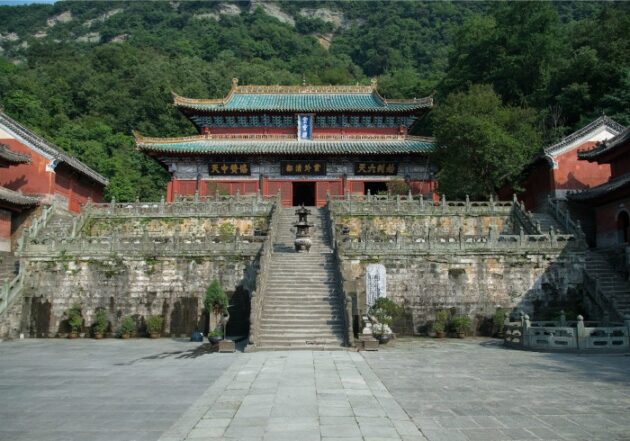
Purple Cloud Temple (Zixiao Palace): One of the best-preserved Taoist temples, built during the Ming Dynasty. Its vibrant architecture and serene courtyard are perfect for learning about Taoist rituals. Monks occasionally perform ceremonies here.
Nanyan Temple: Clinging to a cliff, this temple is famous for its dramatic setting and historical significance. It’s a key stop for hikers and offers stunning views of the surrounding peaks.
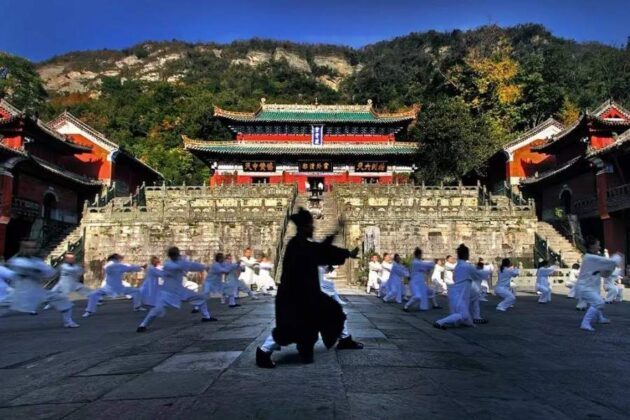
Tai Chi and Martial Arts: Visit martial arts schools or join short Tai Chi classes offered by some tour operators. The Wudang Taoist Kung Fu Academy provides immersive experiences for beginners and advanced practitioners. Watch morning Tai Chi demonstrations by local practitioners near major temples.
Hiking and Nature: The mountains feature well-marked trails ranging from easy strolls to strenuous climbs. Popular routes include the path from Prince Slope (Taizi Po) to the Golden Summit (4–5 hours round-trip). Look out for rare plants, waterfalls, and wildlife like monkeys and birds.
South Cliff Palace (Nanyan Palace): A sacred site with intricate carvings and a tranquil atmosphere, ideal for meditation or photography.
Where to Eat
On-Site Dining: Small restaurants and stalls near the main entrance and major temples serve local Hubei cuisine, such as spicy noodles, steamed buns, and grilled tofu (¥10–30). Vegetarian options are common due to Taoist dietary practices.
Shiyan City: For more variety, head to Shiyan (30 minutes away) for restaurants offering Hubei specialties like hot dry noodles (reganmian) or lotus root soup.
Tip: Bring snacks and water for long hikes, as food options are limited at higher elevations.
Where to Stay
Staying near the Wudang Mountains allows you to explore at a leisurely pace:
Wudangshan Town (at the base): Wudang International Hotel (4-star): Comfortable with modern amenities, ¥300–500/night. Taihe Xuanwu Hotel: Close to the entrance, offering Taoist-themed decor, ¥200–400/night. Budget Guesthouses: Simple lodgings near the scenic area cost ¥80–150/night.
Shiyan City (30–40 minutes away): Crowne Plaza Shiyan (5-star): Luxury option, ¥500–800/night. Hostels and Airbnb: Budget options start at ¥50–100/night.
Monastery Stays: Some temples offer basic accommodations for a unique Taoist experience, typically ¥100–200/night. Book through local tour operators.
Booking Tip: Use Ctrip or Booking.com for deals, and reserve early during peak seasons.
Tips for a Great Visit
Wear Comfortable Gear: Sturdy hiking shoes, layered clothing, and a hat are essential, as trails can be steep and weather unpredictable. Respect Taoist Customs: Dress modestly (avoid revealing clothing), speak quietly in temples, and ask permission before photographing monks or rituals.
Plan Your Route: The scenic area is vast, so prioritize key sites like the Golden Summit and Purple Cloud Temple if time is limited. Cash and Apps: Some vendors only accept cash or WeChat Pay/Alipay, so carry ¥100–200 in cash and have a mobile payment app ready.
Combine Your Trip: Pair your visit with nearby attractions like the Danjiangkou Reservoir (1 hour away) or Wuhan’s Yellow Crane Tower (4–5 hours away).
Final Thoughts
The Wudang Mountains offer a captivating blend of natural splendor, Taoist heritage, and martial arts culture. Whether you’re hiking to the Golden Summit, meditating at an ancient temple, or practicing Tai Chi under the guidance of a master, this sacred range promises a journey of both body and soul. Plan your visit during spring or autumn for the best weather, respect the local culture, and immerse yourself in the timeless serenity of one of China’s most iconic destinations.
Happy travels!