


Shaolin Temple Travel Guide (2026)
The Shaolin Temple, located at the foot of Songshan Mountain in Dengfeng, Henan Province, is one of China’s most iconic cultural and spiritual landmarks. Renowned as the birthplace of Chan (Zen) Buddhism and Chinese martial arts, this UNESCO World Heritage Site attracts millions of visitors yearly, from martial arts enthusiasts to history buffs and spiritual seekers.
Why Visit Shaolin Temple?
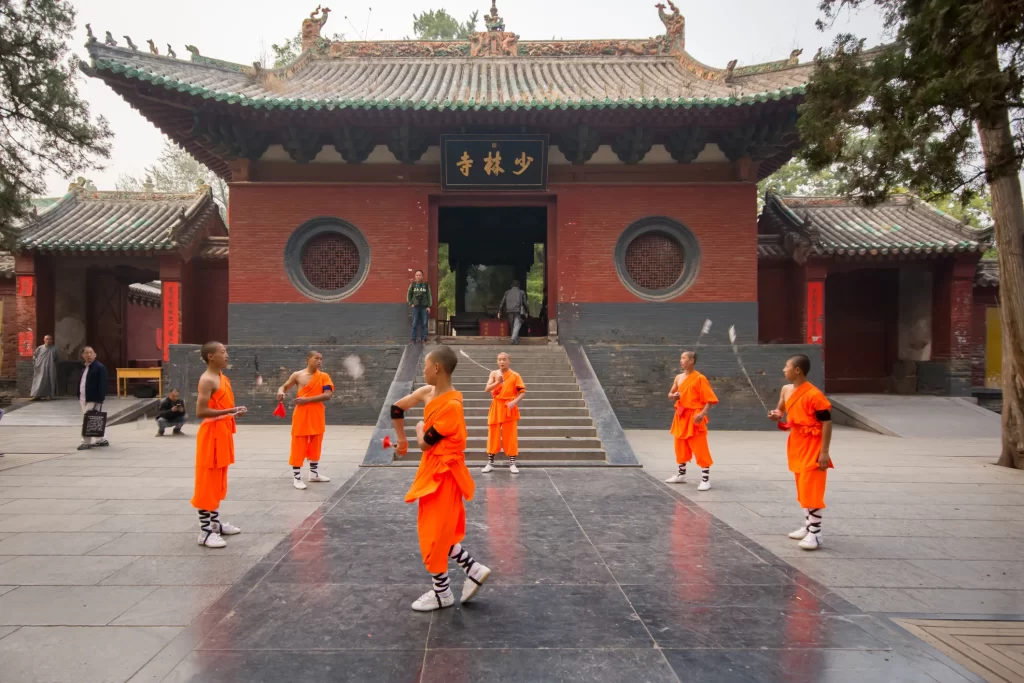
Founded in 495 CE during the Northern Wei Dynasty, the Shaolin Temple is celebrated for its profound influence on Buddhism and kung fu. The temple complex blends serene monastic life with the dynamic energy of martial arts, offering a unique glimpse into China’s spiritual and cultural history.
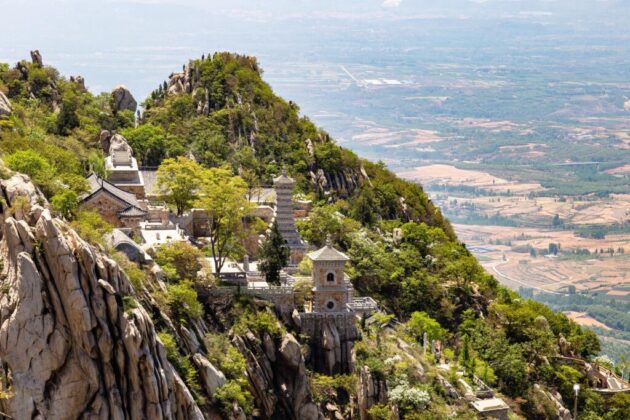
Key highlights include ancient architecture, the mesmerizing Pagoda Forest, and live kung fu performances. Surrounded by the scenic Songshan Mountain, the temple is also a gateway to hiking and exploring Henan’s natural beauty.
How to Get There
The Shaolin Temple is in Dengfeng, about 90 km southwest of Zhengzhou, Henan’s capital. Here are the main transportation options:
By Air: Fly into Zhengzhou Xinzheng International Airport (CGO), the nearest major airport. From there, it’s a 1.5–2-hour drive to Dengfeng. Domestic flights from Beijing, Shanghai, or Guangzhou cost ¥500–1,500 one-way, depending on the season.
By Train: Take a high-speed train (G-series) to Zhengzhou Railway Station from major cities (e.g., 2.5 hours from Beijing, ¥300–400). From Zhengzhou, catch a bus or taxi to Dengfeng (1–1.5 hours, ¥30–100). Alternatively, transfer to Luoyang Longmen Station (closer to Dengfeng) via high-speed train, then take a 1-hour taxi or bus.
By Bus: Direct buses run from Zhengzhou’s Central Bus Station to Dengfeng (¥30–40, 1.5 hours). From Dengfeng’s bus station, take a local taxi or minibus to the Shaolin Temple (10–15 minutes, ¥10–20). Some tour operators offer direct buses from Zhengzhou or Luoyang to the temple.
By Taxi or Ride-Hailing (Didi): A taxi from Zhengzhou to the Shaolin Temple costs ¥150–200. Didi is slightly cheaper and widely available. From Dengfeng city center, a taxi to the temple is about ¥15–25. By Car: Rent a car in Zhengzhou or Dengfeng for flexibility. The temple has parking facilities (¥10–20). Take the S85 Zhengshao Expressway for a direct route.
Tip: Dengfeng is the closest hub to the temple. Arriving early in the day helps avoid crowds and allows time to explore nearby attractions.
Best Time to Visit
Spring (March–May) and Autumn (September–November): Mild weather (15–25°C) and vibrant scenery make these seasons ideal for outdoor exploration and temple visits. Summer (June–August): Hot and humid (up to 35°C), but the surrounding greenery is lush. Bring sunscreen and water.
Winter (December–February): Cold (0–10°C) with fewer crowds, offering a quieter experience. The temple’s architecture and Pagoda Forest look striking in snow. Festivals: Avoid Chinese New Year (January/February) and National Day (early October) for fewer crowds. The Shaolin Martial Arts Festival (irregularly held) is a great time to see special performances.
Note: Kung fu shows are held year-round, but outdoor performances may be limited in bad weather.
Tickets and Opening Hours
Opening Hours: 7:30 AM–5:30 PM daily (last entry at 5:00 PM). Some areas, like the Pagoda Forest, may close earlier.
Ticket Prices: General admission: ¥80 (covers the temple, Pagoda Forest, and surrounding scenic area). Discounts: ¥40 for students and seniors (60+ with ID). Children under 1.2 meters enter free. Kung fu performances are included in the ticket, but premium seats or special shows may cost extra (¥20–50).
Booking: Tickets are available on-site or via platforms like Ctrip or WeChat. Book in advance during peak seasons to secure entry.
What to See and Do
The Shaolin Temple Scenic Area spans the temple complex, martial arts facilities, and nearby attractions. Here’s what to explore:
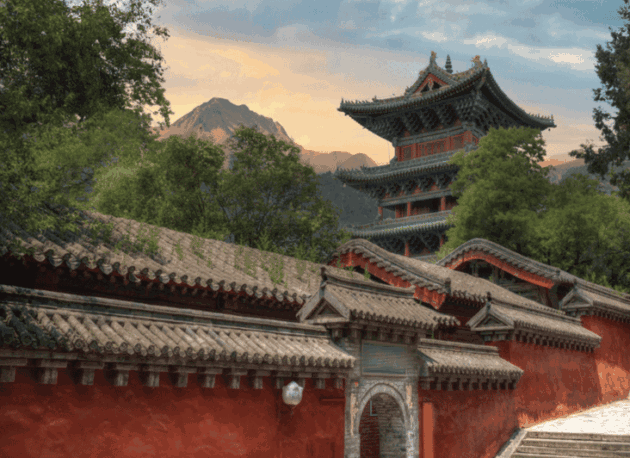
Shaolin Temple Complex: Main Hall (Daxiong Baodian): Admire the ornate Buddhist statues and intricate murals depicting Chan Buddhist teachings. Thousand Buddha Hall: Features ancient frescoes and a floor with indentations from monks practicing kung fu. Abbot’s Room: Offers insight into the temple’s monastic life and history.
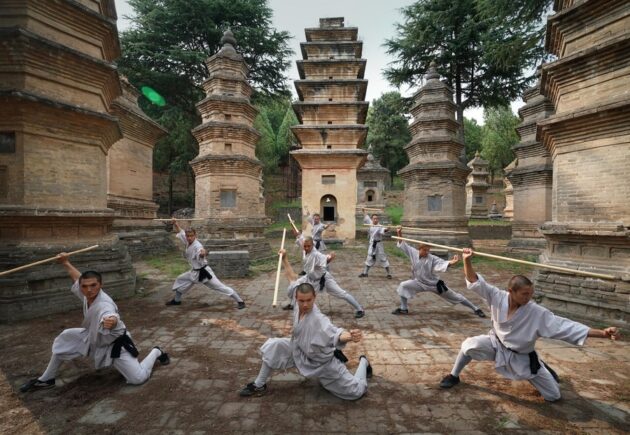
Pagoda Forest (Talin): A UNESCO World Heritage Site, this cemetery of over 240 stone pagodas dates back to the Tang Dynasty. Each pagoda honors a deceased monk, with varying designs reflecting their status. A 10-minute walk from the main temple, it’s a serene spot for photography and reflection.
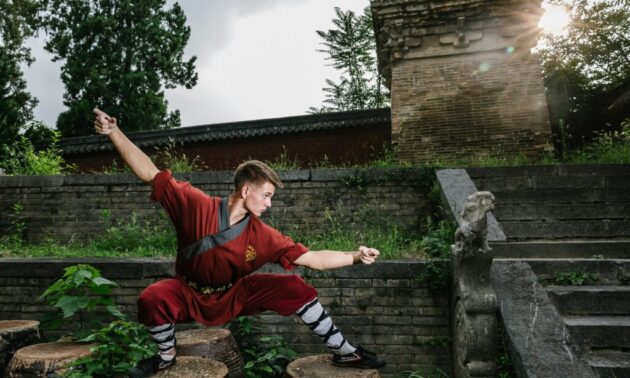
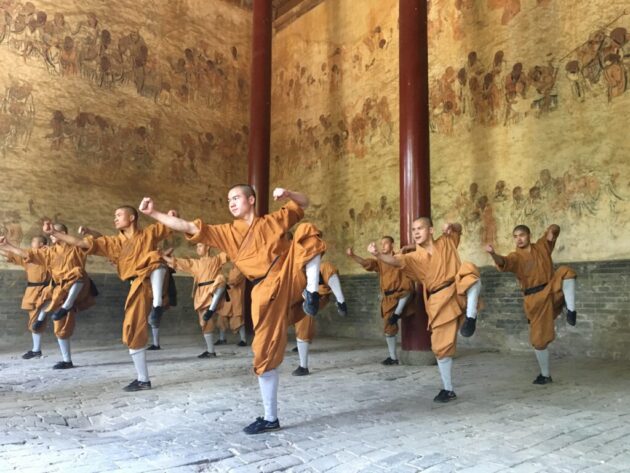
Kung Fu Performances: Daily shows (typically 10:00 AM, 11:30 AM, 2:00 PM, and 3:30 PM) showcase Shaolin monks performing martial arts, including staff fighting, qigong, and animal-style techniques. Performances last 20–30 minutes and are held at the Shaolin Wushu Training Center within the scenic area.
Songshan Mountain Hikes: The temple sits at the base of Songshan, one of China’s Five Great Mountains. Trails like Shaoshi Peak (2–3 hours round-trip) offer stunning views and a chance to visit smaller temples. Wear sturdy shoes and bring water for longer hikes.
Martial Arts Training: Short-term kung fu classes (1–3 days) are available at nearby schools for ¥200–500/day. Some programs include accommodation and meals. For serious learners, longer programs (weeks or months) can be arranged through Shaolin-affiliated academies.
Nearby Attractions: Songyang Academy (10 km away): A historic Confucian school with ancient architecture. Zhongyue Temple (12 km away): A Taoist temple dedicated to Songshan Mountain, ideal for cultural enthusiasts.
Where to Eat
On-Site Dining: The scenic area has small restaurants and stalls offering vegetarian Buddhist meals, noodles, and snacks (¥15–40). Try temple specialties like tofu dishes or steamed buns.
Dengfeng City: Head to Dengfeng for more options, including Henan cuisine (e.g., braised noodles, ¥20–50). Popular spots include Dengfeng Night Market or local restaurants like Shaolin Vegetarian Restaurant.
Tip: Vegetarian meals at the temple are affordable and align with Buddhist principles. Bring snacks for hiking or longer stays.
Where to Stay
Staying in Dengfeng is recommended for easy access to the temple:
Luxury: Kungfu Hotel Dengfeng (4-star, 10-minute drive): Modern amenities with a martial arts theme, ¥300–500/night. Shaolin Temple International Hotel (4-star, nearby): Comfortable with temple views, ¥350–600/night.
Budget: Dengfeng Hostels or guesthouses: Basic rooms for ¥80–150/night, available via Ctrip or Booking.com. Shaolin Temple Guesthouse: Simple accommodations near the temple, ¥100–200/night.
Unique Option: Some martial arts schools offer dorm-style lodging with training packages, ideal for immersive experiences. Booking Tip: Reserve early during peak seasons. Dengfeng has more options than staying directly at the temple.
Tips for a Great Visit
Dress Respectfully: The temple is a religious site. Avoid revealing clothing and wear comfortable shoes for walking and hiking. Photography: Photos are allowed in most areas, but tripods and flash may be restricted in the temple halls. Drones require permits.
Language: English signage is limited, so bring a translation app (e.g., Pleco) or hire a guide (¥100–200) for deeper insights. Crowds: Arrive early (before 9:00 AM) to avoid tour groups. Weekdays are less crowded than weekends.
Combine Your Trip: Pair your visit with Luoyang’s Longmen Grottoes (1.5 hours away) or Zhengzhou’s Yellow River Scenic Area for a multi-day Henan adventure.
Final Thoughts
The Shaolin Temple is more than a tourist destination—it’s a living testament to China’s spiritual, cultural, and martial arts heritage. From the awe-inspiring kung fu performances to the tranquil Pagoda Forest and rugged beauty of Songshan, a visit here offers a perfect blend of history, action, and serenity. Plan ahead, embrace the temple’s unique atmosphere, and prepare for a journey that connects you with centuries of tradition.
Happy travels!