
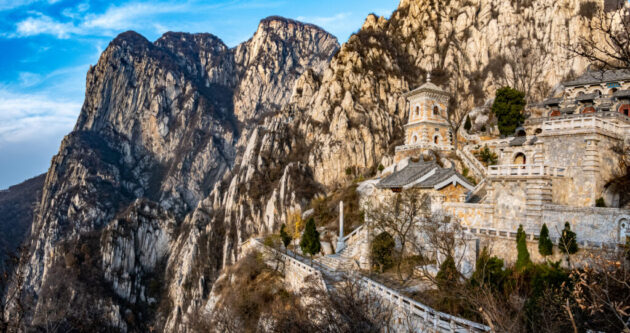
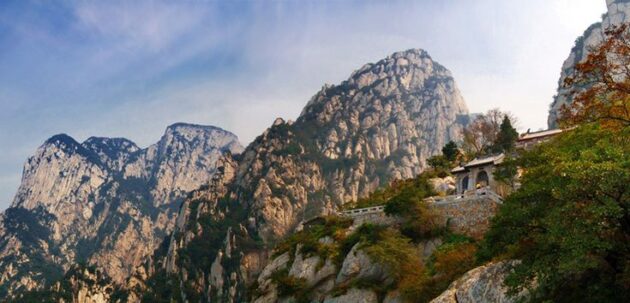
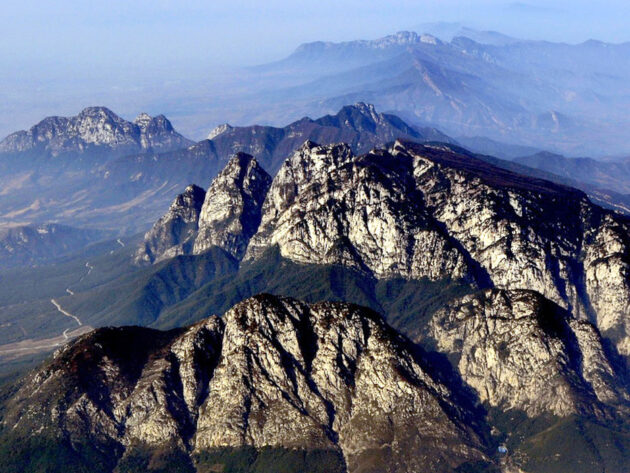
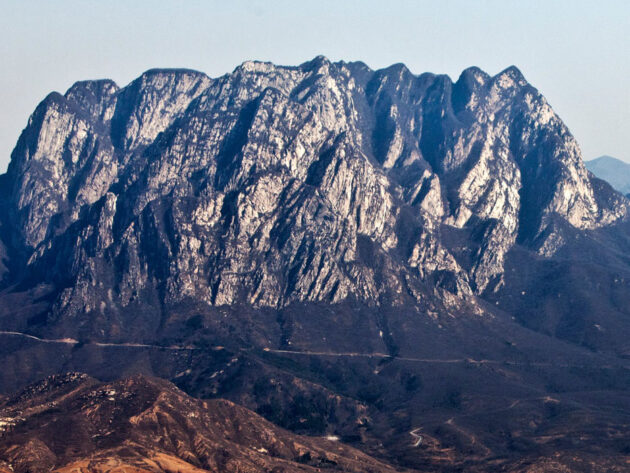
Songshan Mountain, also known as Mount Song, is one of China’s Five Great Mountains, revered as the “Central Mountain” (Zhongyue) in Taoist tradition. Located in Dengfeng City, Henan Province, approximately 80 kilometers east of Zhengzhou, this UNESCO World Geological Park and World Cultural Heritage site spans 450 square kilometers, featuring 72 peaks, with the highest, Lian Tian Feng, reaching 1,512 meters. Famous for its natural beauty, geological significance, and cultural landmarks like the Shaolin Temple, Songshan Mountain offers a unique blend of history, spirituality, and adventure. This guide will help you plan an unforgettable visit.
A Travel Guide to Songshan Mountain
Why Visit Songshan Mountain?
Songshan Mountain is a cradle of Chinese civilization, where Buddhism, Taoism, and Confucianism have converged for centuries. It’s home to the Shaolin Temple, the birthplace of Zen Buddhism and Shaolin Kung Fu, renowned worldwide through films and martial arts culture. The mountain’s dramatic landscapes, including cliffs, valleys, waterfalls, and caves, combined with its historical sites like the Zhongyue Temple, Songyue Pagoda, and Songyang Academy, make it a must-visit for nature lovers, history buffs, and those seeking cultural immersion. As a UNESCO-recognized site, Songshan’s unique geology and rich heritage offer a profound experience.
How to Get There
Songshan Mountain is easily accessible from Zhengzhou, Henan’s capital, or nearby Luoyang. Here are the main transportation options:
From Zhengzhou: By Bus: Direct buses depart from Zhengzhou Central Bus Station (next to Zhengzhou Railway Station) to Dengfeng or Shaolin Temple at 7:00, 8:00, 8:50, 9:40, and 11:00 AM. The journey takes about 1.5–2 hours and costs ¥20–28. Buses stop near the Shaolin Temple, a key entry point to the scenic area. By Train + Bus: Take a high-speed train from Zhengzhou to Gongyi South Station (30 minutes, ¥20–30), then a taxi or bus (Dengfeng Bus No. 8) to Songshan (30–40 minutes, ¥15–25). By Taxi/Ride-Hailing (Didi): A taxi from Zhengzhou to Dengfeng costs ¥150–200 and takes about 1.5 hours.
From Luoyang: Buses from Luoyang’s main bus station to Shaolin Temple take around 1.5 hours and cost ¥19–20. Return buses are less frequent, so plan accordingly. Taxis or Didi from Luoyang cost ¥100–150.
Within Dengfeng: Local buses (No. 1, 2, 3, 6, 8, 9) connect Dengfeng city center to key attractions like Shaolin Temple, Zhongyue Temple, or Songyang Academy (¥5, 20–40 minutes). Taxis within Dengfeng to Shaolin Temple or Songshan cost ¥15–35.
By Car: Renting a car offers flexibility. Drive from Zhengzhou via the G30 Expressway (70 km, ~1.5 hours). Parking is available at major scenic spots (¥10–20).
Tip: The Shaolin Temple is the most popular entry point to the Songshan Scenic Area. From there, you can access hiking trails and other attractions.
Best Time to Visit
Spring (March–May): Mild temperatures (10–20°C) and blooming flowers make this ideal for hiking and photography. The mountain is lush with greenery and wildflowers. Autumn (September–November): Crisp weather (10–15°C) and vibrant red maple leaves create stunning views, especially in the Sanhuang Village area. This is the peak season for scenic beauty.
Summer (June–August): Warm (25–35°C) and humid, with lush vegetation but occasional rain. Early mornings are best to avoid heat. Winter (December–February): Cold (0–5°C) and barren, but quieter. Some trails may be slippery, so check conditions.
Weather Tip: Avoid peak holiday periods like National Day (early October) for fewer crowds. Spring and autumn offer the best balance of weather and scenery.
Tickets and Opening Hours
Opening Hours: Most attractions are open from 8:00 AM to 5:00–6:00 PM, with slight variations by site (e.g., Shaolin Temple: 8:00 AM–6:00 PM).
Ticket Prices: Shaolin Temple Scenic Area: ¥100 (includes Shaolin Temple, Pagoda Forest, Damo Cave, Erzu Temple, Chuzu Temple, and Sanhuangzhai). Songyang Scenic Area (Songyang Academy, Songyue Pagoda, Fawang Temple, Huishan Temple): ¥80. Zhongyue Scenic Area (Zhongyue Temple, Luya Waterfall, Observatory): ¥80. Other Sites: Baisha Lake (¥10), Lotus Temple (¥10), Fawang Temple (¥20), Huishan Temple (¥40), Yongtai Temple (¥30).
Discounts apply for students, seniors (60+), and children under 1.2 meters (free). Active servicemen and those over 70 may enter free with valid ID. Combo Tickets: Available for multiple sites (e.g., ¥150–200 for Shaolin + Zhongyue + Songyang areas). Book via Trip.com or on-site.
Note: Some sources mention free entry to Songshan Mountain itself, but specific attractions require tickets. Cable cars and other amenities incur additional fees (¥50–100).
What to See and Do
Songshan Mountain is divided into three main scenic areas: Shaolin Scenic Area, Songyang Scenic Area, and Zhongyue Scenic Area. Here are the highlights:
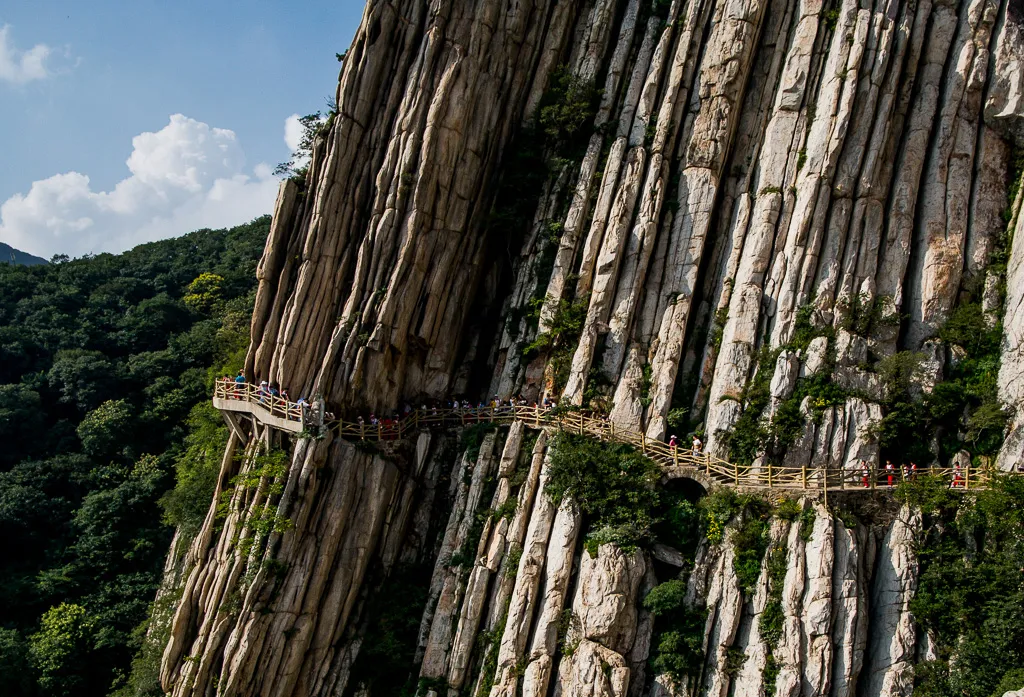
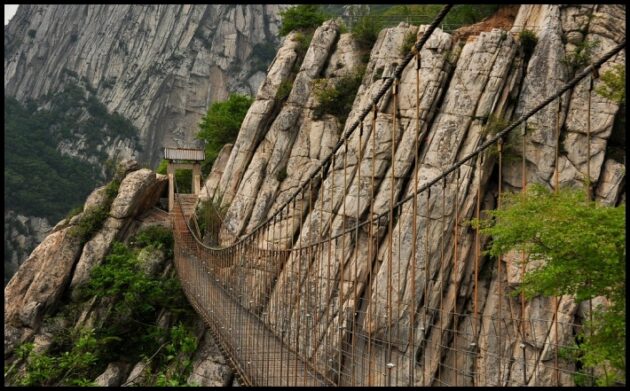
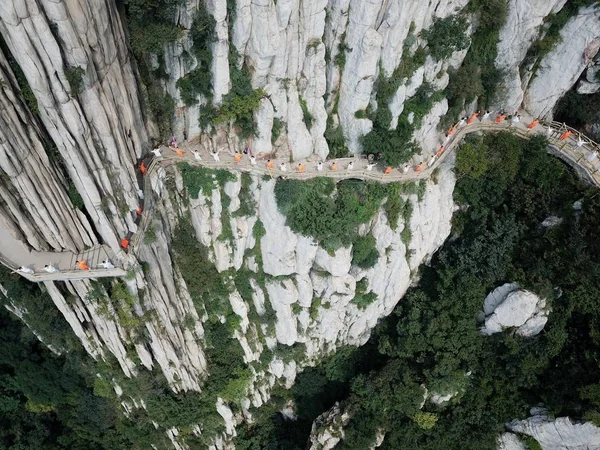
Shaolin Scenic Area (West): Shaolin Temple: The heart of Songshan, founded in 495 AD by Emperor Xiaowen for Indian monk Batuo. It’s the birthplace of Zen Buddhism and Shaolin Kung Fu. Explore the seven courtyards, Shakya Mani Hall, and Sutra Depository. Watch a Kung Fu show (30 minutes, typically at 9:30, 10:30, 11:30 AM, etc.) or join a short Kung Fu class for an immersive experience. Pagoda Forest (Ta Lin): The largest pagoda complex in China, with over 200 pagodas (most under 15 meters) serving as tombs for Buddhist monks. Sanhuang Village Scenic Resort: A picturesque area with cliffside plank paths, offering breathtaking views of peaks like Monkey Watching the Sky and Tiger Roaring on Cloud Peaks. Access via cable car (¥50–80) or hike (3–4 hours round trip). Damo Cave & Erzu Temple: Historical sites linked to Bodhidharma (Damo), the founder of Zen Buddhism, and Huike, the second ancestor.
Songyang Scenic Area (Central): Songyang Academy: One of China’s four great ancient academies, a center of Confucian learning with 2,000-year-old cypress trees and the famous Datang Tablet. Songyue Pagoda: Built in the Northern Wei Dynasty (520 AD), this 12-sided brick pagoda is China’s oldest intact pagoda, standing 40 meters tall with intricate carvings. Fawang Temple & Huishan Temple: Ancient temples with Tang Dynasty pagodas and serene courtyards.
Zhongyue Scenic Area (East): Zhongyue Temple: One of China’s oldest Taoist temples, built in the Qin Dynasty (221–206 BC) and rebuilt in the Qing Dynasty. Spanning 100,000 square meters, it features 330 ancient cypresses, 100 stone steles, and a 700-meter flagged pathway. Gaocheng Astronomical Observatory: A Yuan Dynasty (1271–1368) structure for tracking celestial movements, the oldest of its kind in China. Luya Waterfall: A scenic spot at the foot of Xuanlian Peak, ideal for photography.
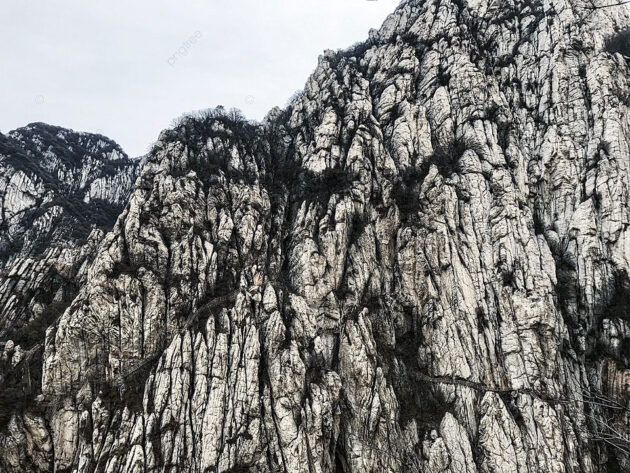
Hiking and Nature: Hike the Sanhuangzhai Trail (3–4 hours, moderate to strenuous) from Shaolin Temple to Sanhuang Village for stunning views. The trail includes cliffside paths and hundreds of steps, so wear sturdy shoes. Take a cable car to the top of Shaoshi Mountain for panoramic views of the 72 peaks (¥50–80). Explore geological formations, including fossils from the Archean to Cenozoic eras, earning Songshan the title “Natural Geological Museum.”
Cultural Experiences: Admire over 2,000 stele carvings by famous calligraphers like Yan Zhenqing and Su Dongpo. Learn about the confluence of Buddhism, Taoism, and Confucianism, which shaped Songshan’s cultural significance.
Where to Eat
On-Site: Food options within Songshan Scenic Area are limited to small stalls near Shaolin Temple, offering snacks like Shaolin Temple Vegetarian Cake, noodles, or dumplings (¥10–20).
In Dengfeng: Try local specialties like Pickled Mustard (made from Songshan-grown mustard) or Menzi (a jelly-like dish with meat and vermicelli). Restaurants near Shaolin Temple, such as Gougou Mutton Soup Restaurant or Yu Garden Chinese Restaurant, serve Henan cuisine (¥20–50/meal).
Tip: Bring water and snacks for hiking, as options are scarce on trails. For a wider variety, dine in Dengfeng’s city center.
Where to Stay
Dengfeng City: Le Méridien Jianye Hotel (4-star, ~10-minute drive): Modern comfort with mountain views, starting at ¥400–600/night. Holiday Inn Express Dengfeng (3-star, ~15-minute drive): Affordable and convenient, ¥200–350/night. Budget Guesthouses: Small hotels or hostels near Shaolin Temple cost ¥80–150/night. Book via Ctrip or Booking.com.
Zhengzhou (Day Trip Option): Hilton Zhengzhou (5-star, ~1.5-hour drive): Luxury option, ¥600–800/night. Zhengzhou Meihao Novotel (4-star): Cost-effective, ¥300–500/night. Unique Option: Stay in Sanhuang Village, a cliffside village halfway up Shaoshi Mountain, for a rustic experience (basic guesthouses, ¥100–200/night).
Tip: Book accommodations in advance during spring and autumn, as Dengfeng fills up quickly.
Tips for a Great Visit
Wear Proper Gear: Hiking trails involve steep stairs and uneven paths. Wear sturdy shoes and avoid high heels. Plan for Time: A full exploration of Shaolin Temple, hiking, and other sites requires 1–2 days. Allocate 3–4 hours for hiking and 2–3 hours for the temple.
Respect Cultural Sites: Dress modestly at temples and avoid touching relics or carvings. Combine Your Trip: Pair Songshan with nearby Luoyang (1.5 hours away) to visit the Longmen Grottoes or White Horse Temple.
Language Tip: English signage is limited, so bring a translation app or join a guided tour (available via China Discovery or China Xian Tour). Photography: The cable car and Sanhuangzhai Trail offer stunning photo opportunities, especially in autumn. Drones may require permits.
Final Thoughts
Songshan Mountain is a captivating destination that weaves together natural splendor, geological wonders, and profound cultural heritage. From the legendary Shaolin Temple to the ancient Zhongyue Temple and breathtaking hiking trails, it offers something for everyone—whether you’re drawn to martial arts, history, or scenic beauty. Plan your visit during spring or autumn, pack for adventure, and immerse yourself in the spiritual and natural marvels of one of China’s most iconic mountains.
Happy travels!