
Nestled at the foot of the majestic Huangshan (Yellow Mountain) in Yi County, Anhui Province, Hongcun Scenic Area is a UNESCO World Heritage Site and a National 5A-level tourist attraction renowned for its well-preserved ancient architecture, serene waterways, and picturesque landscapes. Often described as a “village in a Chinese painting,” Hongcun’s unique ox-shaped layout, Hui-style buildings, and tranquil ambiance make it a must-visit destination for travelers seeking a blend of cultural heritage and natural beauty. This guide will help you plan a memorable trip to this enchanting village.
A Travel Guide to Hongcun Scenic Area
Why Visit Hongcun Scenic Area?
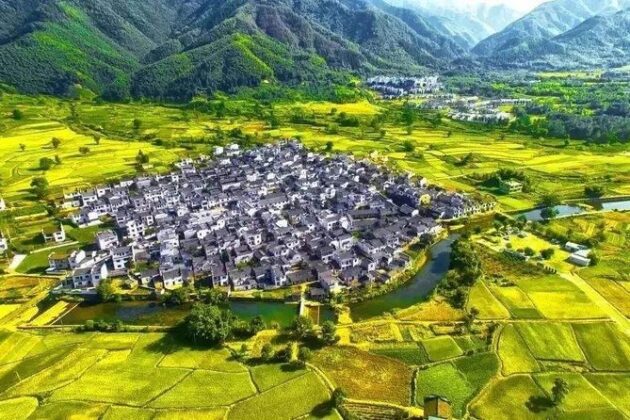
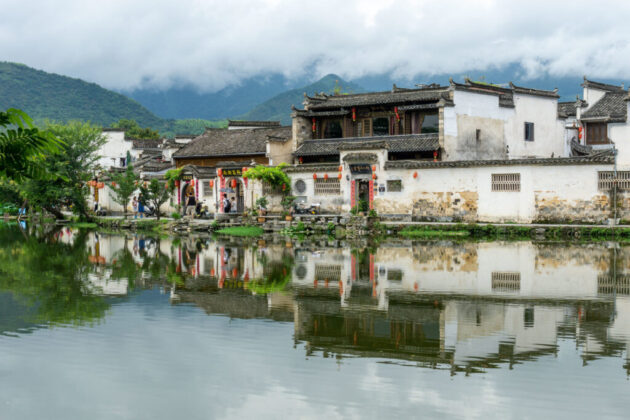
Hongcun, established in 1131 during the Southern Song Dynasty, is a living museum of traditional Chinese architecture and culture. Its fame soared after being featured in Ang Lee’s Academy Award-winning film Crouching Tiger, Hidden Dragon (2000), showcasing its photogenic charm. The village’s intricate water system, designed to resemble an ox, reflects ancient Chinese ingenuity in feng shui and irrigation. With over 140 preserved Ming and Qing Dynasty residences, cobblestone alleys, and serene lakes, Hongcun offers a glimpse into the elegance of ancient Huizhou culture. Whether you’re a history buff, a photographer, or simply seeking a peaceful retreat, Hongcun’s timeless beauty is sure to captivate.
How to Get There
Hongcun is located in Yi County, approximately 65 km from Huangshan City’s Tunxi District and 37 km from the Huangshan Scenic Area. Here are the main transportation options:
From Huangshan City (Tunxi): By Bus: Take a tourist bus from Tunxi Bus Station to Yi County (1.5 hours, ¥20–30). From Yi County Bus Station, frequent minibuses to Hongcun depart every 15 minutes (20 minutes, ¥2). Alternatively, direct buses from Huangshan Scenic Area’s South Gate to Hongcun run at 7:20 AM, 9:40 AM, 1:20 PM, and 3:40 PM (30 minutes, ¥24). By Taxi or Ride-Hailing (Didi): A taxi from Tunxi to Hongcun takes about 70 minutes and costs ¥150–200. Didi is a cheaper alternative, averaging ¥100–150. By Private Tour: Many travel agencies offer private cars with guides for a seamless trip, often combined with visits to nearby Xidi Village or Huangshan Mountain.
From Shanghai or Hangzhou: By High-Speed Train: Take a bullet train to Huangshan North Railway Station (3–4 hours from Shanghai, ¥300–400; 1.5–2 hours from Hangzhou, ¥100–150). From there, take a taxi (1 hour, ¥150) or a bus from the nearby Huangshan Tourism Passenger Transport Hub to Hongcun (1 hour, ¥30). By Flight: Fly to Huangshan Tunxi International Airport (1 hour from Shanghai, ¥500–1000). From the airport, take a taxi (1 hour, ¥150–200) or a bus to Hongcun.
From Huangshan Mountain: Tourist buses from Xinguoxian Huangshan Scenic Area Bus Station to Hongcun take 30 minutes and cost ¥24. Alternatively, join a guided tour combining Huangshan Mountain and Hongcun for convenience.
Tip: Renting a car or booking a private tour is recommended for flexibility, especially if combining Hongcun with nearby attractions like Xidi or Tachuan villages.
Best Time to Visit
Hongcun is a year-round destination, but certain seasons enhance its charm:
Spring (March–April): The village is surrounded by vibrant rapeseed flower fields, creating a stunning yellow sea. The weather is mild (7–15°C), and crowds are moderate. Autumn (October–Early November): Red and yellow foliage in nearby Tachuan Village and Leigang Hill offers spectacular scenery, ideal for photography. The weather is cool and pleasant (10–20°C).
Summer (June–August): Lush greenery and water lilies bloom, but expect higher humidity and occasional rain (20–30°C). Bring rain gear, as rainfall is heaviest from April to June. Winter (December–February): The village takes on a misty, serene vibe, with fewer tourists. Snow-dusted landscapes are photogenic, but temperatures can drop to 0–5°C.
Note: Avoid Chinese holidays like National Day (early October) and May Day, as the village can get crowded, leading to long queues and higher prices.
Tickets and Opening Hours
Opening Hours: 7:30 AM–5:30 PM (standard attractions); 24/7 access to the village, but indoor sites follow these hours. Night tours (7:00 PM–9:30 PM) include a light show.
Ticket Prices: General admission: ¥104 (valid for 3 days); Night tour: ¥60; Combo ticket (Hongcun + Xidi): ¥180; Discounts: Half-price for seniors (60–65) and students; free for seniors over 65.
Booking: Tickets can be purchased on-site or via platforms like Trip.com or WeChat. Book in advance during peak seasons to avoid queues.
What to See and Do
Hongcun’s compact 19.11-hectare layout is packed with cultural and natural highlights. A half-day or full-day visit is sufficient to explore the main attractions:
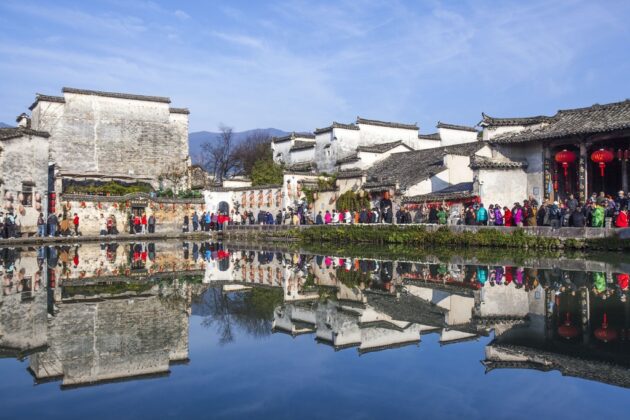
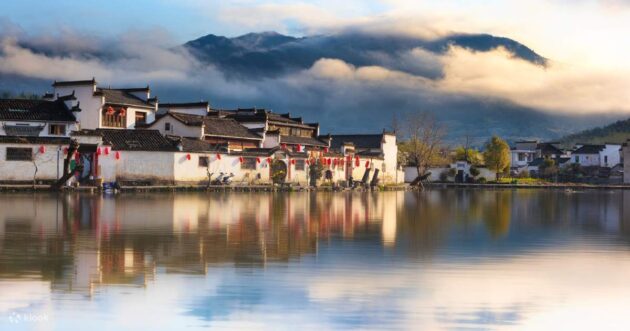
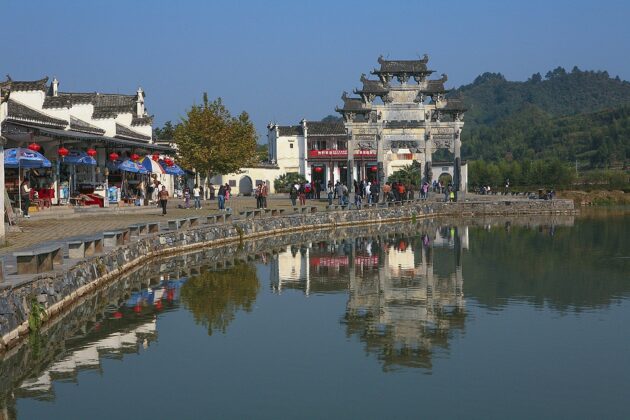
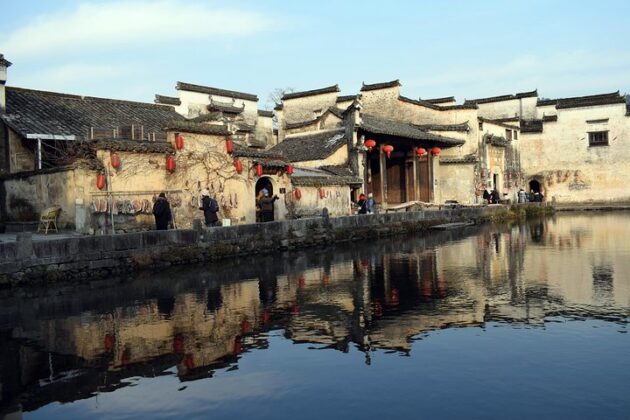
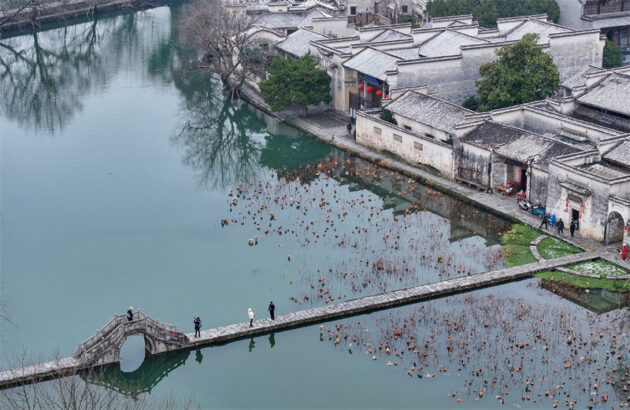
South Lake (Nanhu): Built in 1607 during the Ming Dynasty, this arch-shaped lake, modeled after Hangzhou’s West Lake, is a serene spot for photography or a peaceful stroll. Willow trees and water lilies frame the lake, reflecting Hui-style buildings. South Lake Academy: Located on the north bank, this well-preserved clan academy (6,600 sqm) features six sections, including Chidao Hall (teaching) and Wenchang Pavilion (Confucius worship). It’s a prime example of Anhui’s educational heritage.
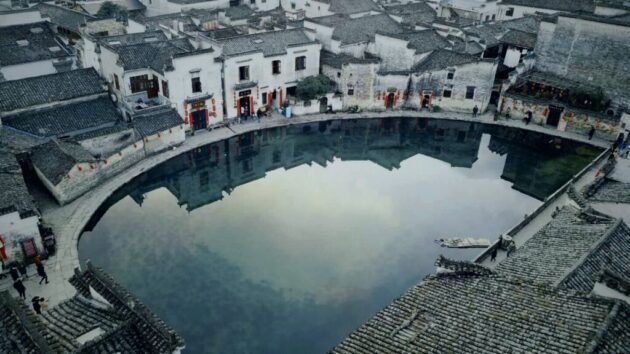
Moon Pond (Yuezhao): The crescent-shaped “heart of the ox” in the village’s feng shui layout, this pond is a central gathering spot. Surrounded by ancient houses, it’s perfect for capturing reflections and observing local life, like elders chatting or villagers washing clothes.
Chengzhi Hall: A highlight of Hui-style architecture, this ancestral hall is adorned with intricate wood, stone, and tile carvings, earning it the nickname “Folk Palace.” Built in the Qing Dynasty, it showcases the wealth of Huizhou merchants.
Water System and Ox-Shaped Layout: Designed by feng shui master He Keda, Hongcun’s waterways resemble an ox, with Leigang Hill as the head, ancient trees as horns, and canals as intestines. This system, still functional, irrigates fields and prevents fires, showcasing ancient engineering.
Other Notable Sites: Jingde Hall, Shuren Hall, and Lexu Hall: These Ming and Qing residences feature exquisite carvings and antique furniture, offering insight into Huizhou’s merchant culture. Leigang Hill: A short hike offers sunset views and panoramic vistas of the village’s ox-shaped layout. Painted Bridge: A charming stone bridge connecting South Lake to the village, ideal for photos.
Cultural Experiences: Ink-Making Workshops: Learn about Huizhou’s traditional ink-making, part of the “Four Treasures of the Study” (brush, ink, paper, inkstone). Local Cuisine: Try Hui cuisine, one of China’s eight major culinary traditions, featuring dishes like stinky mandarin fish or Hongcun pancakes stuffed with preserved vegetables and pork. Visit local eateries or join a cooking class in nearby Nanping Village. Bamboo Weaving: In nearby Nanping (15 km away), learn traditional bamboo weaving from local artisans.
Nearby Attractions: Tachuan Village (2 km): Famous for its autumn foliage (October–November), a 30-minute walk from Hongcun. Xidi Village (10 km): Another UNESCO World Heritage Site with similar Hui-style architecture, less commercialized than Hongcun. Huangshan Mountain: A 37-km drive away, this UNESCO site offers stunning granite peaks, pine trees, and hiking trails.
Where to Eat
In Hongcun: Small restaurants and street vendors offer Hui specialties like Hongcun pancakes, stewed wild mushroom chicken, and hairy tofu. The “Hongcun Pancake King” near Moon Pond is a popular spot (¥10–20 per dish).
Nearby: Tunxi Old Street (65 km away) has a wider range of dining options, including Huizhou restaurants serving stinky mandarin fish and braised pork (¥30–50 per dish).
Tip: For a unique experience, join a local family in nearby Nanping for a home-cooked Hui meal using fresh organic ingredients.
Where to Stay
In Hongcun: Hongcun Yishu Boutique Hotel: A Hui-style guesthouse with traditional decor, starting at ¥200–300/night. Pig’s Inn Hongcun: A charming boutique inn in a restored Qing Dynasty house, ideal for cultural immersion (¥300–500/night).
In Yi County or Tunxi: Huangshan International Hotel (Tunxi): A 4-star option with modern amenities, around ¥400–600/night. Bishan Village (20 km): Offers homestays for a rustic experience, starting at ¥150–250/night.
On Huangshan Mountain: For a combined trip, stay at hotels like Beihai Hotel on the mountain for sunrise views, though prices are higher (¥600–1000/night) due to porter-carried supplies.
Booking Tip: Book via Ctrip or Booking.com for deals, especially during off-peak seasons.
Tips for a Great Visit
Arrive Early: Entry is free before 8:00 AM, avoiding the ¥104 fee and morning crowds. Wear Comfortable Shoes: Cobblestone paths and alleys require sturdy footwear, especially if hiking to Leigang Hill.
Photography: Hongcun is a photographer’s paradise, but tripods may require a permit. Early mornings or late afternoons offer the best light. Respect Local Culture: Avoid littering or entering private residences without permission to preserve the village’s heritage.
Combine Your Trip: Plan a 3–4 day itinerary including Huangshan Mountain, Xidi, and Tachuan for a comprehensive Anhui experience. A sample itinerary: Day 1–Hongcun and Xidi; Day 2–3–Huangshan Mountain; Day 4–Tunxi Old Street.
Note on Commercialization: Some visitors note increased commercial activity (e.g., shops and loudspeakers). For a quieter experience, visit early or stay overnight after day-trippers leave.
Final Thoughts
Hongcun Scenic Area is a timeless gem that blends ancient architecture, ingenious design, and natural splendor. From the serene Moon Pond to the intricate carvings of Chengzhi Hall, every corner tells a story of Huizhou’s rich heritage. Whether you’re sketching its ink-painting-like vistas, savoring Hui cuisine, or exploring nearby Huangshan Mountain, Hongcun offers an immersive journey into China’s cultural heart. Plan your visit in spring or autumn for the best scenery, and let this “village in a painting” leave you enchanted.
Happy travels.