

A Travel Guide to Shaanxi
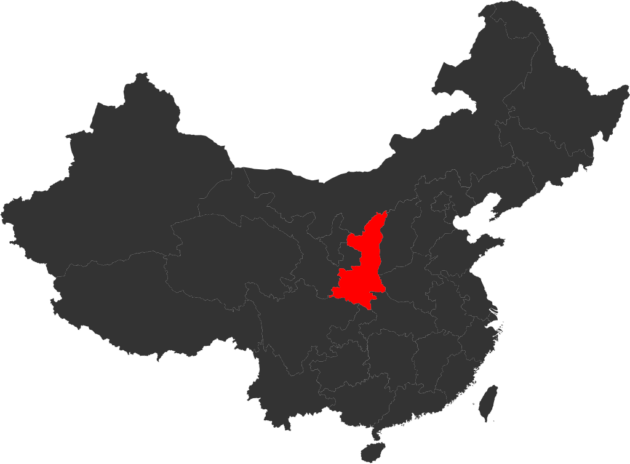
Shaanxi Province, located in the heart of China, is a treasure trove of history, culture, and natural beauty. As one of the cradles of Chinese civilization and the starting point of the ancient Silk Road, Shaanxi offers travelers an unforgettable journey through time. Its capital, Xi’an, is world-famous for the Terracotta Army, but the province also boasts stunning mountains, vibrant culinary traditions, and lesser-known historical gems. Whether you’re a history buff, a foodie, or an adventure seeker, here’s a comprehensive guide to exploring Shaanxi.
Why Visit Shaanxi?
Shaanxi is synonymous with China’s ancient past. For over 1,000 years, it served as the political, economic, and cultural center of 13 dynasties, including the Zhou, Qin, Han, and Tang. Xi’an, formerly Chang’an, was one of the world’s largest and most cosmopolitan cities during the Tang Dynasty (618–907). Today, Shaanxi blends this rich heritage with modern vibrancy, offering UNESCO World Heritage Sites like the Terracotta Army, breathtaking landscapes like Mount Huashan, and a culinary scene famous for its bold flavors and unique noodles. The province’s central location makes it an accessible hub for exploring China’s northwest.
How to Get There
By Air: Xi’an Xianyang International Airport (XIY) is the main gateway, with frequent flights from Beijing (1.5 hours), Shanghai (2 hours), and international hubs like Hong Kong and Seoul. From the airport, taxis or shuttles take about 45 minutes to reach central Xi’an.
By Train: Xi’an is a major high-speed rail hub. Bullet trains connect to Beijing (4.5–5.5 hours), Shanghai (6–7 hours), and Chengdu (3–4 hours). Xi’an North Railway Station handles most high-speed services.
Within Shaanxi: High-speed trains and buses link Xi’an to other cities like Baoji, Yan’an, and Hanzhong. For rural attractions like Mount Huashan, buses or private tours are convenient.
Best Time to Visit
Spring (April–May) and Autumn (September–October): Mild temperatures (15–25°C) and colorful scenery make these ideal seasons for sightseeing. Spring brings cherry blossoms, while autumn offers vibrant foliage.
Summer (June–August): Hot (up to 35°C) and rainy, but lush greenery enhances natural sites like Hukou Waterfall. Indoor attractions like museums are good options. Winter (November–March): Cold (0–10°C) with occasional snow, but fewer crowds at major sites like the Terracotta Army. Dress warmly for outdoor activities.
Major City
Xian (西安)
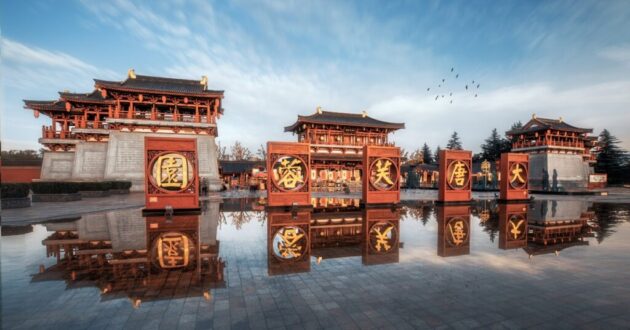
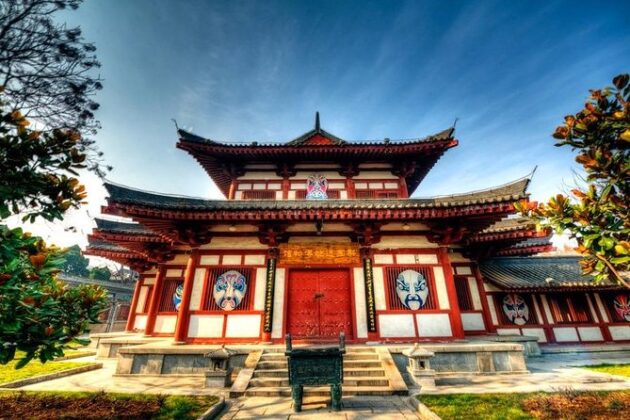
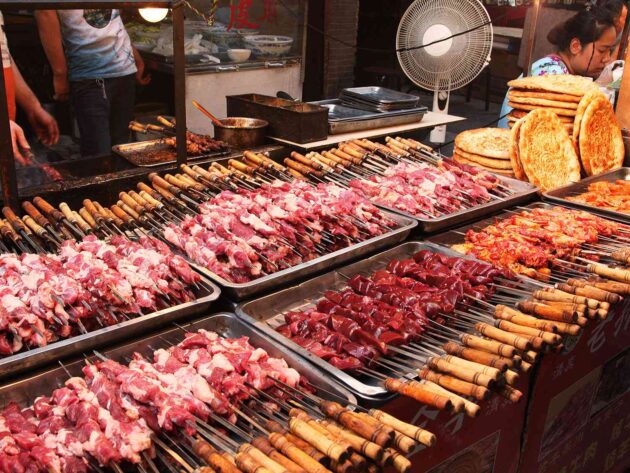
Xian, the capital of Shaanxi Province, is one of China’s most historically significant cities, often called the birthplace of Chinese civilization. As the eastern terminus of the Silk Road and the capital of 13 dynasties, including the Qin, Han, and Tang, Xian offers a captivating blend of ancient relics, vibrant culture, and modern energy. From the world-famous Terracotta Army to the bustling Muslim Quarter, Xian is a must-visit for history buffs, foodies, and adventurers alike.
Top Attractions
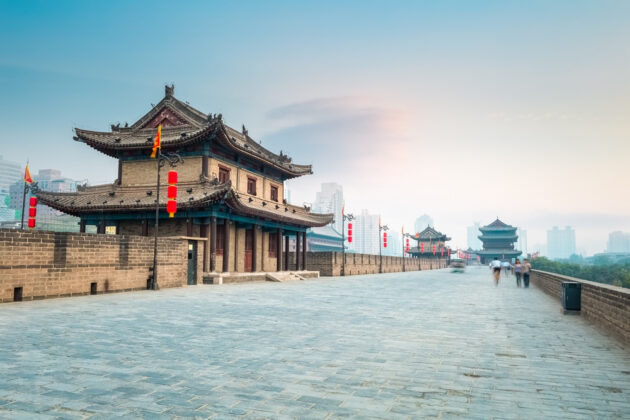
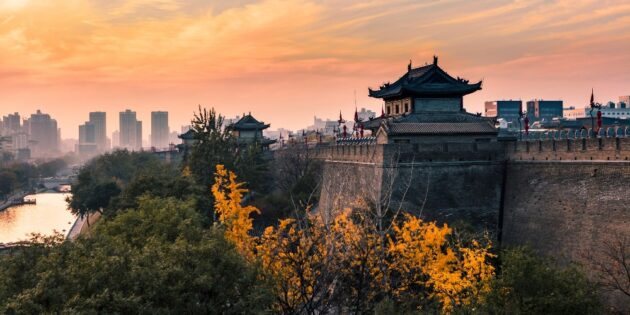
Xian City Wall (西安城墙)
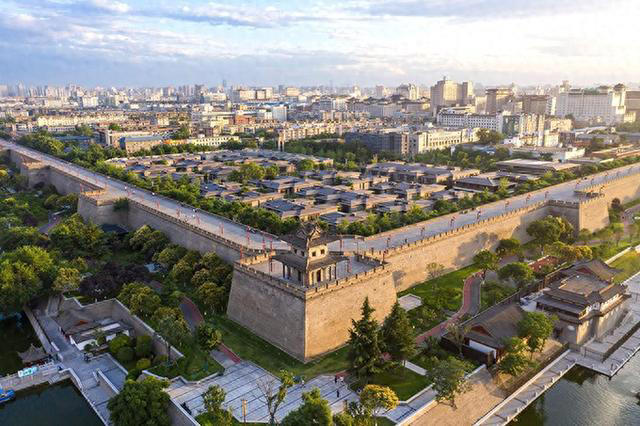
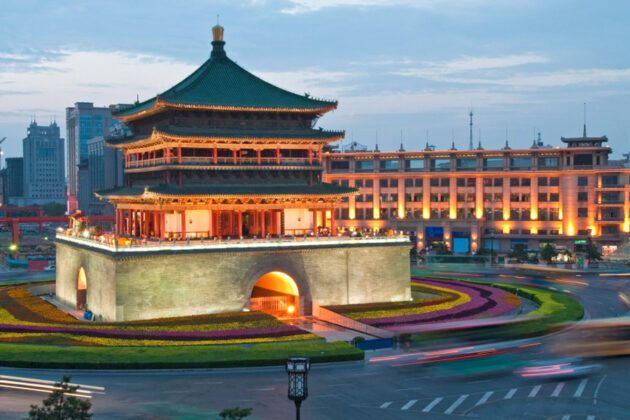
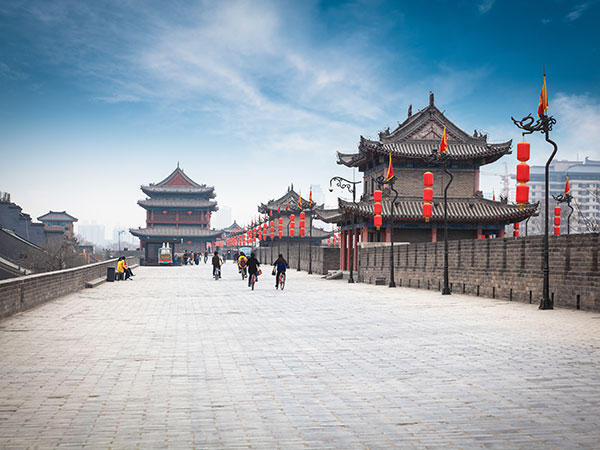
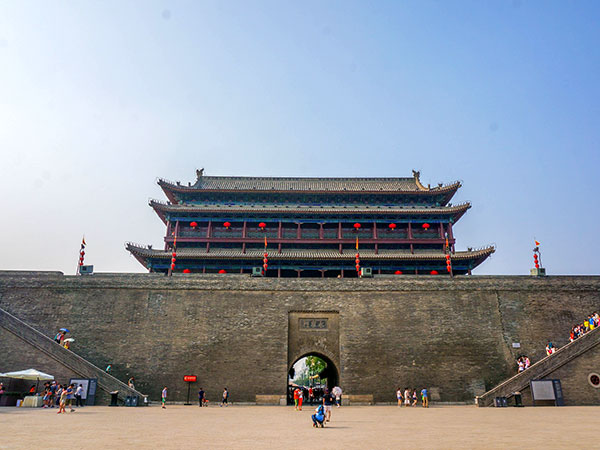
Built in 1370 under the orders of Emperor Zhu Yuanzhang, the Xian City Wall was designed to protect the city, which was then known as Chang’an, a key capital for multiple Chinese dynasties. Spanning 13.7 kilometers (8.5 miles) in a rectangular shape, the wall stands about 12 meters (40 feet) tall, 12–14 meters (40–46 feet) wide at the top, and 15–18 meters (50–60 feet) at the base. Its robust structure, dotted with 98 watchtowers and four main gates, reflects ancient Chinese military architecture and urban planning.
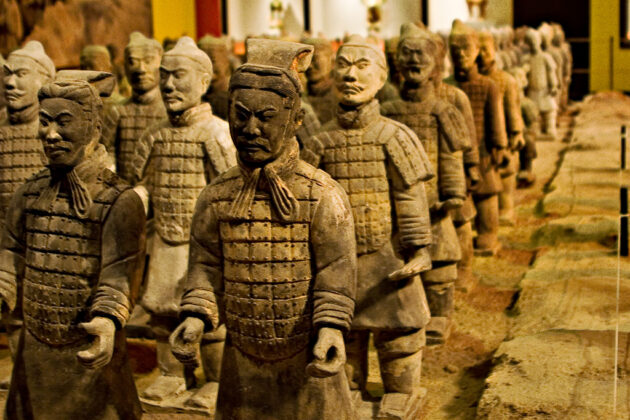
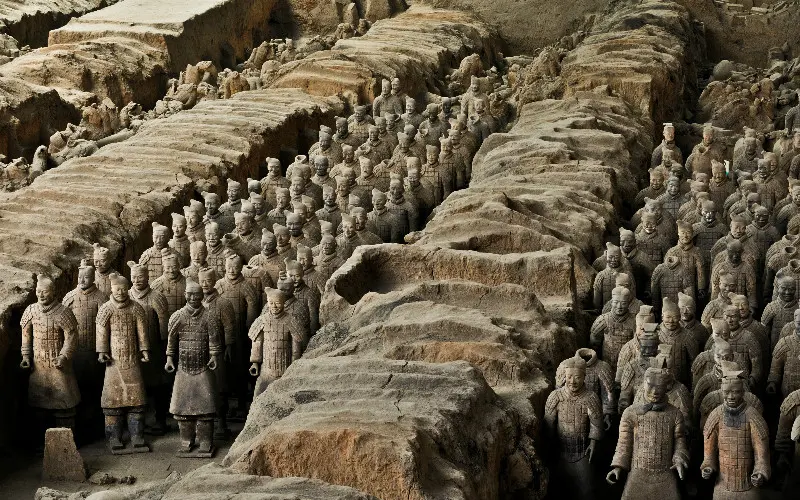
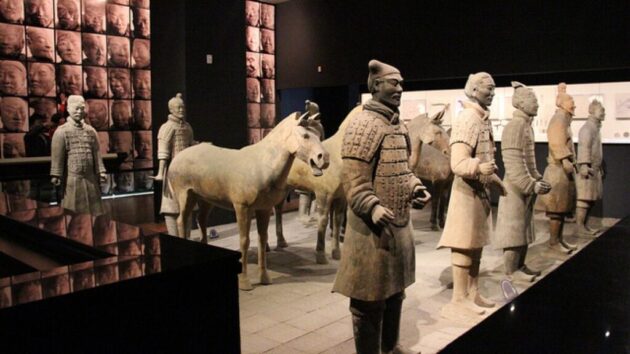
Terracotta Army (兵马俑)
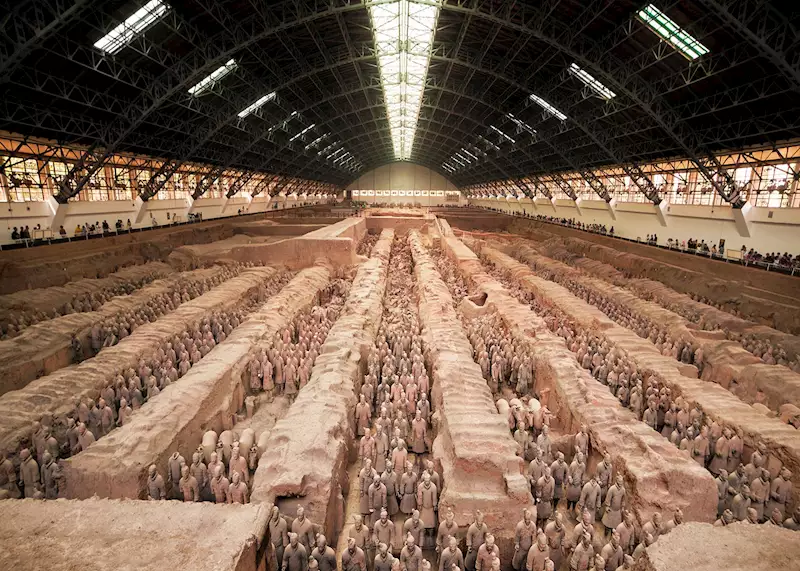
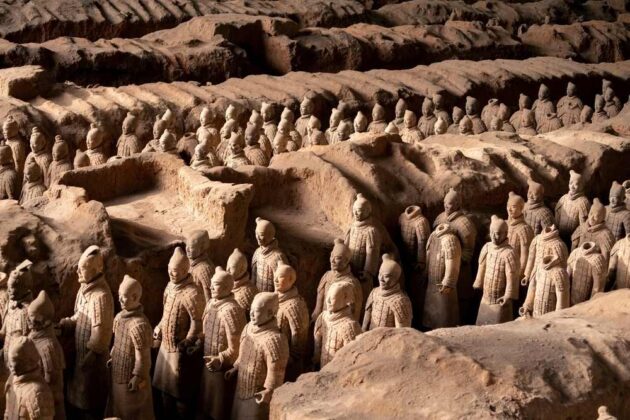
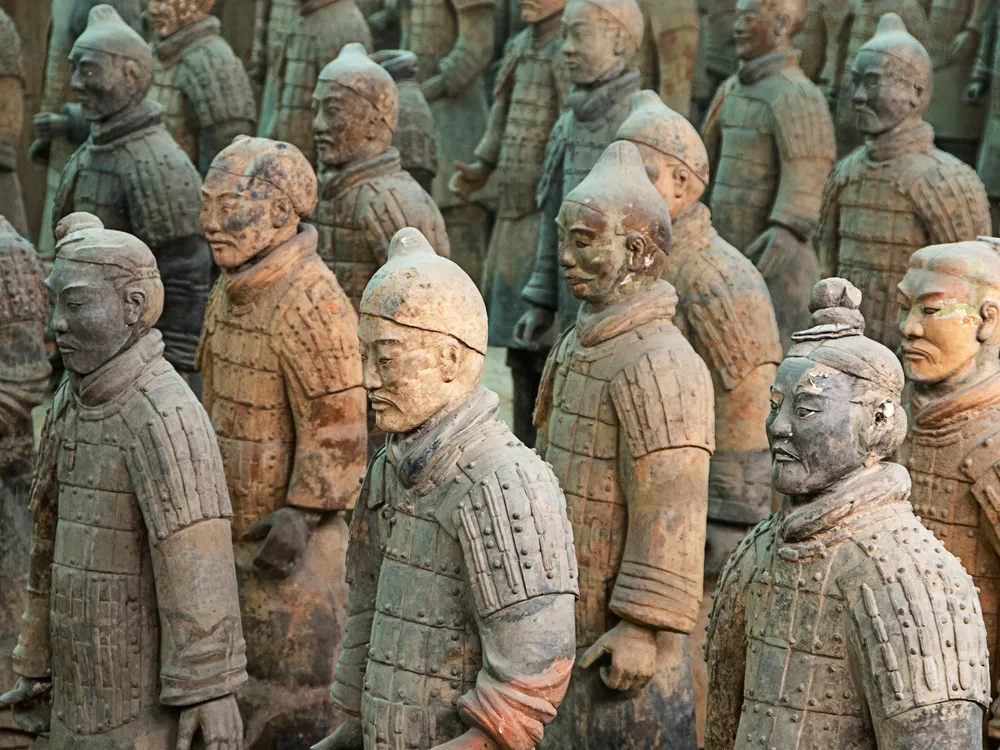
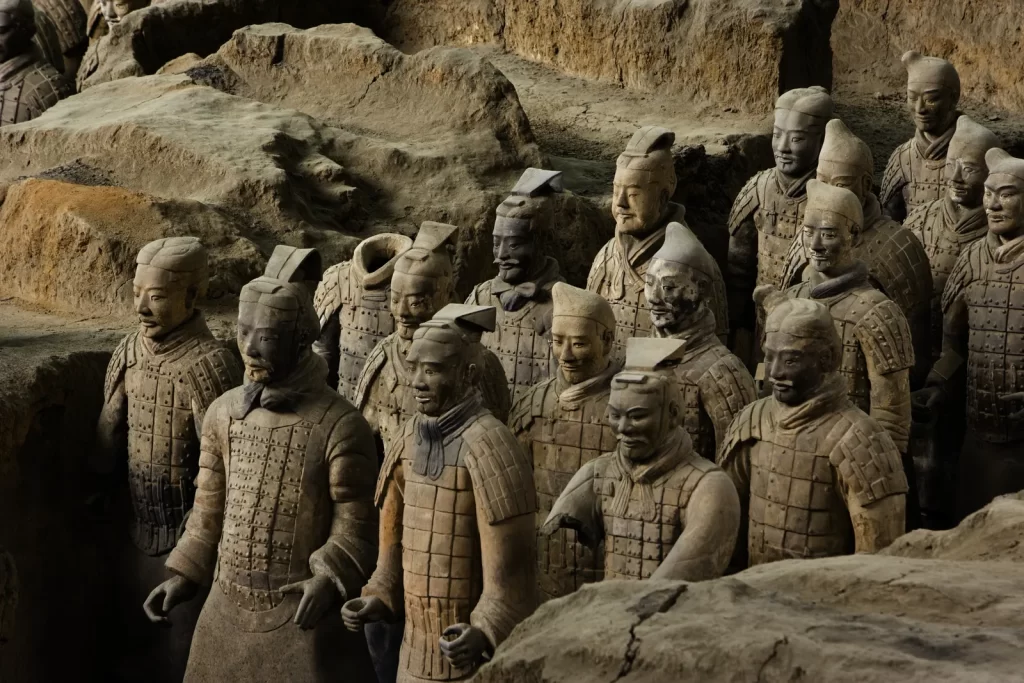
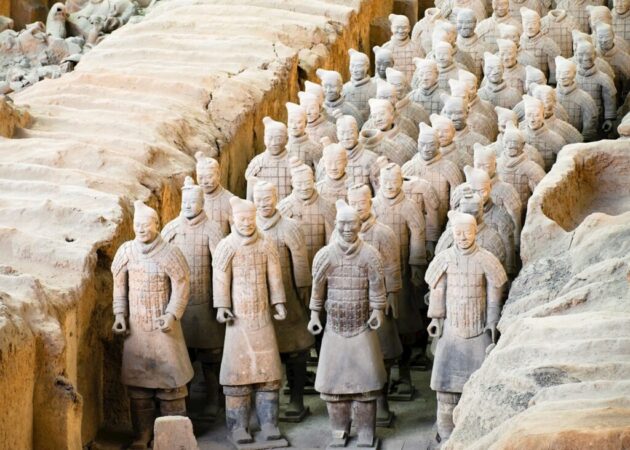
Discovered in 1974 by local farmers digging a well, the Terracotta Army is a testament to the power and vision of the Qin Dynasty (221–206 BCE). The site features thousands of intricately crafted figures, each with unique facial expressions, hairstyles, and armor, showcasing the remarkable artistry of ancient China. Beyond the warriors, the complex includes bronze chariots, weapons, and ongoing excavations, offering a window into a pivotal era that unified China. Visiting the Terracotta Army is a journey through time, blending awe-inspiring history with cultural significance.
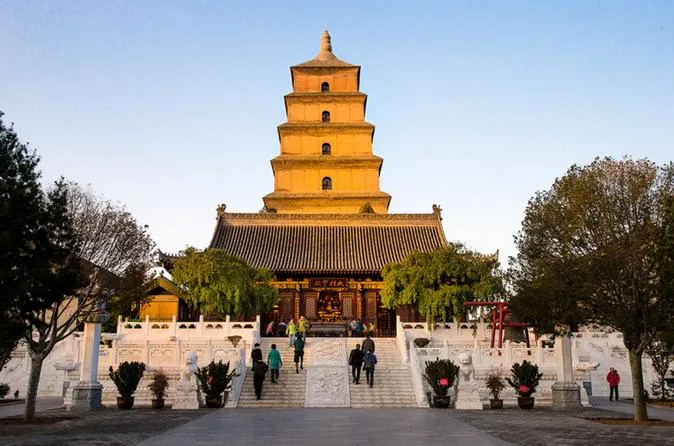
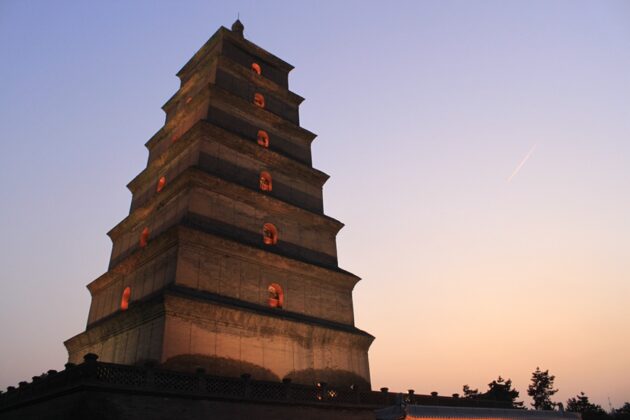
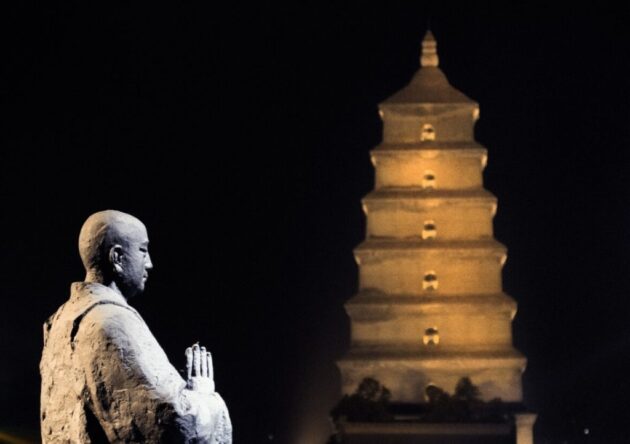
Giant Wild Goose Pagoda (大雁塔)
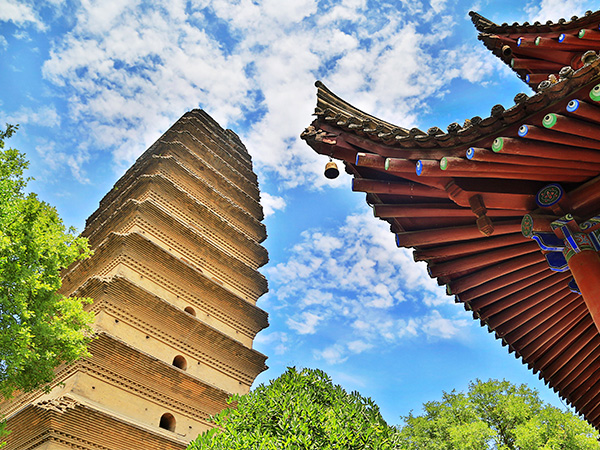
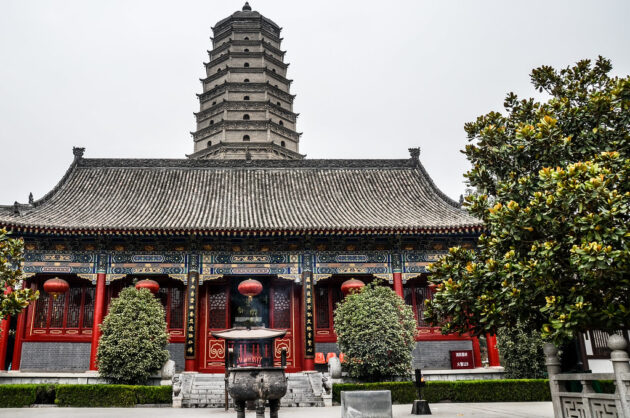
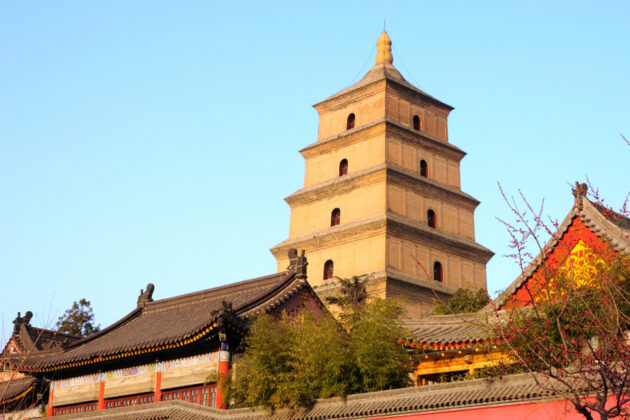
The pagoda was originally constructed to house Buddhist scriptures and relics brought back from India by the monk Xuanzang, whose journey inspired the classic Chinese novel Journey to the West. It symbolizes the spread of Buddhism in China and offers visitors a blend of architectural beauty, historical significance, and serene surroundings. The site is part of the larger Daci’en Temple complex, set within a peaceful park, making it a perfect stop for cultural immersion and relaxation.
Shaanxi History Museum (陕西历史博物馆)
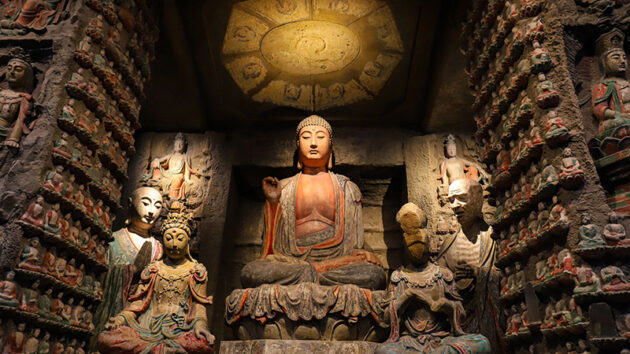
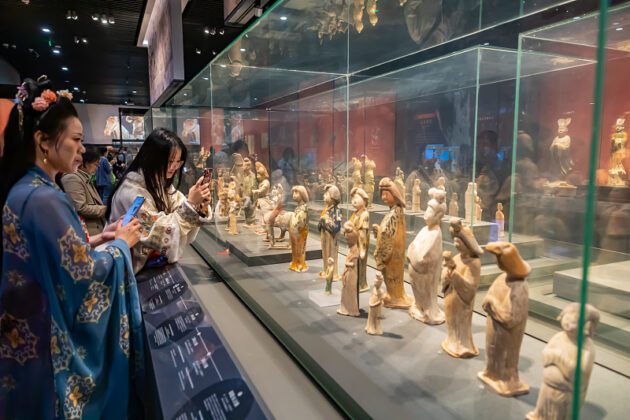
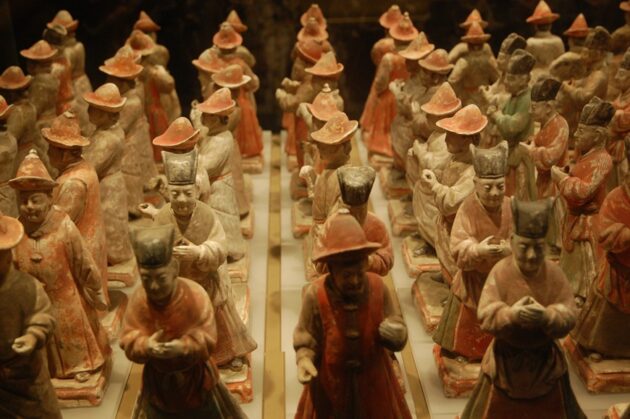
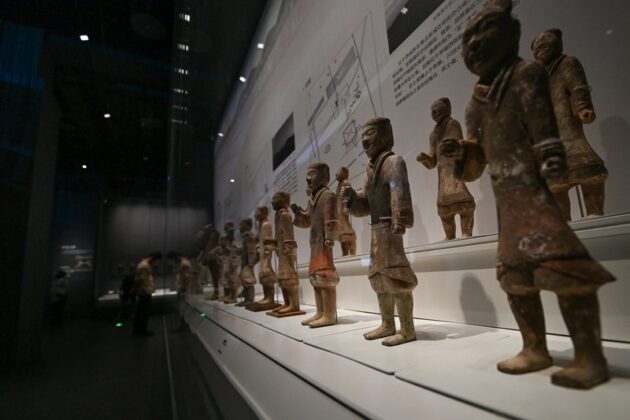
The Shaanxi History Museum in Xi’an is a must-visit destination for anyone interested in exploring the rich tapestry of Chinese civilization. Located in the ancient capital of Xi’an, which served as the seat of 13 dynasties, including the Zhou, Qin, Han, and Tang, this modern national museum offers an unparalleled journey through over a million years of history. With its Tang Dynasty-inspired architecture and a collection of over 370,000 artifacts, it’s often called the “Pearl of the Ancient Capital” and the “Treasure House of Chinese Civilization.”
Mount Huashan (华山)
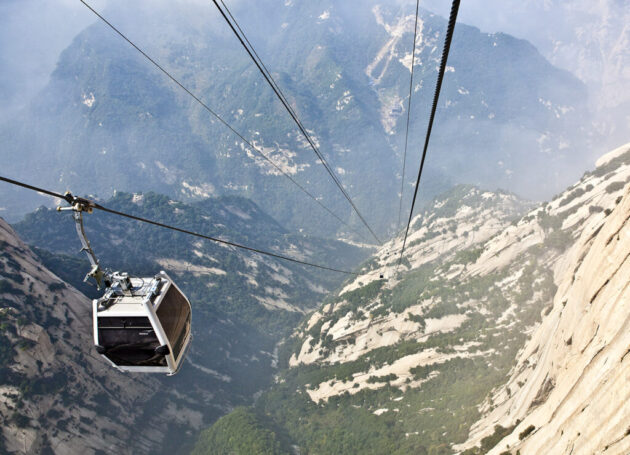
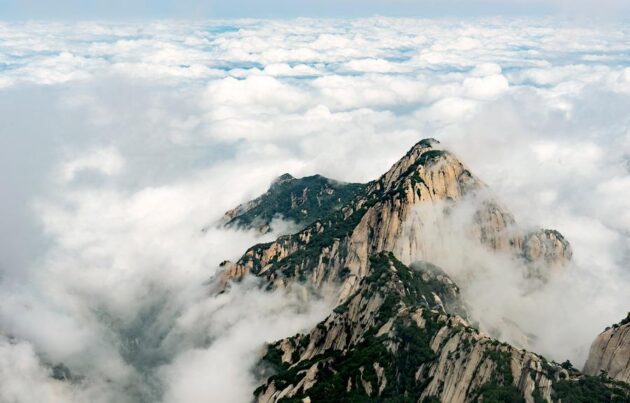
Mount Huashan, located in Huayin City, Shaanxi Province, is one of China’s Five Great Mountains and a bucket-list destination for adventurers, nature lovers, and cultural enthusiasts. Renowned for its steep cliffs, breathtaking views, and the infamous “Plank Walk” — one of the world’s most dangerous hiking trails — Huashan offers a thrilling blend of natural beauty, Taoist heritage, and physical challenge.


Hukou Falls (黄河壶口瀑布)
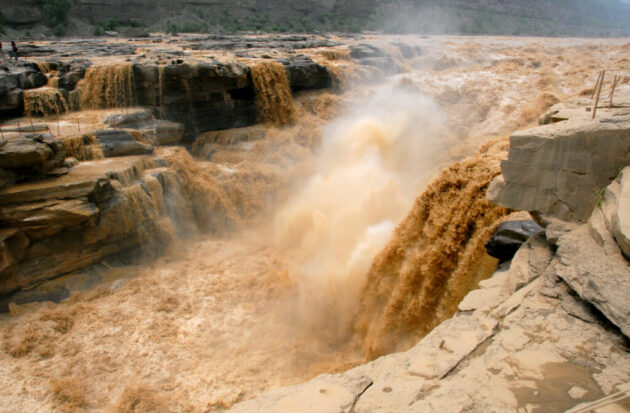
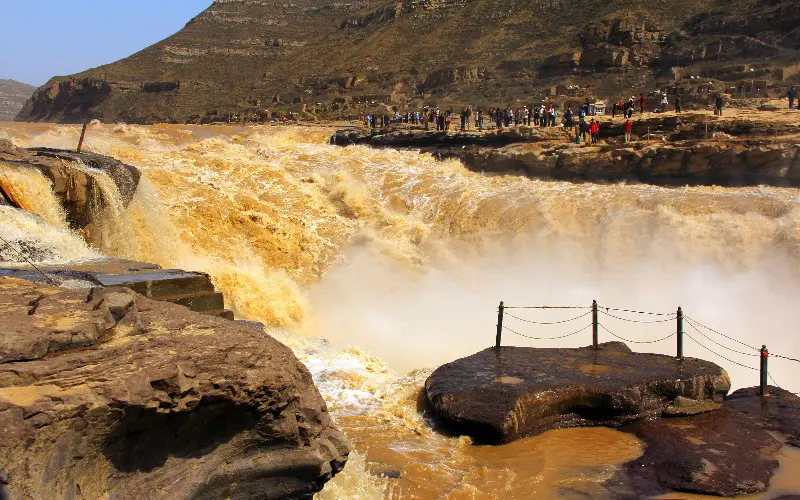
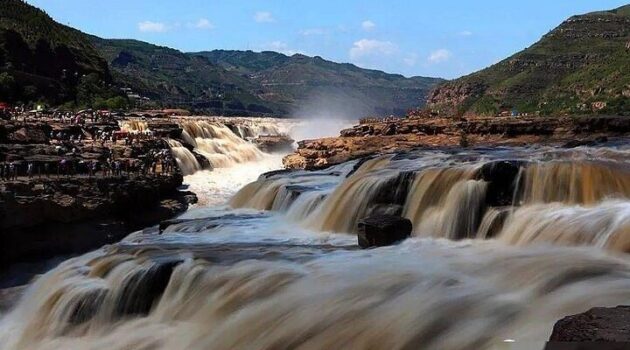
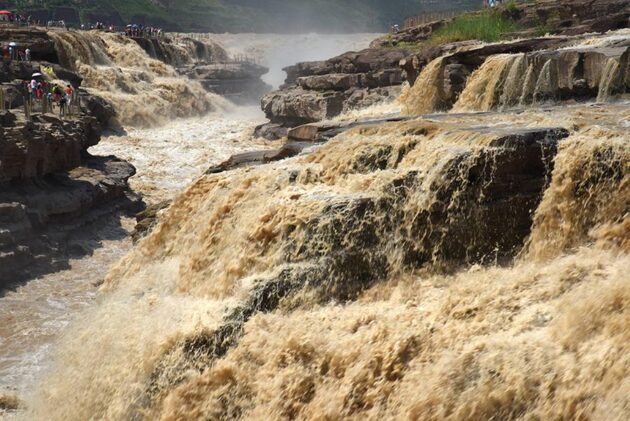
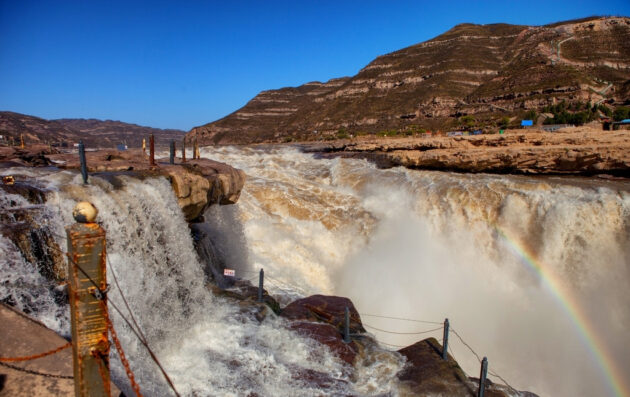
Hukou Falls, known as the “Kettle Spout Falls,” is the largest waterfall on the Yellow River and the second-largest in China. Located on the border of Shanxi and Shaanxi provinces, this majestic yellow waterfall is a natural wonder, renowned for its powerful roar and dramatic scenery. Its unique name comes from the way the river narrows abruptly, pouring through a tight gorge like water from a teapot.
Famen Temple (法门寺)
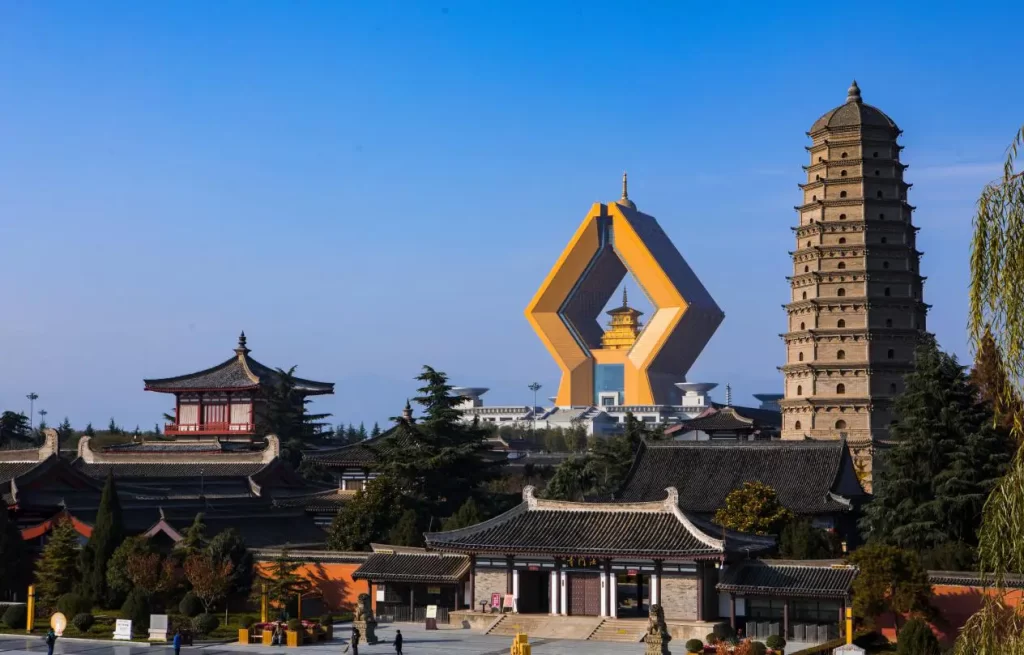
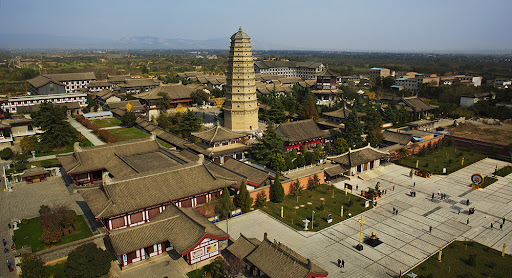
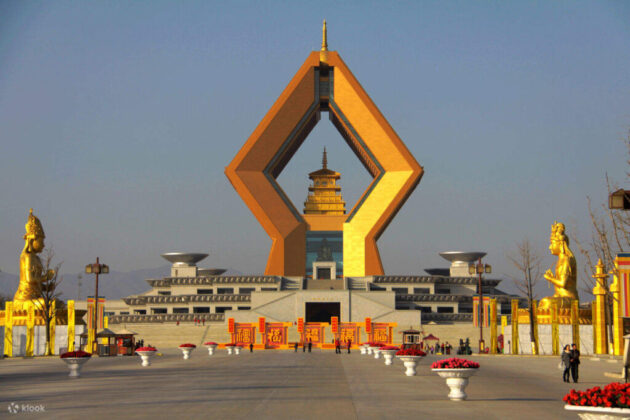
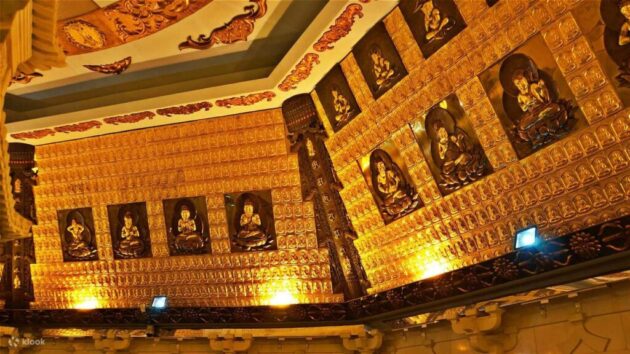
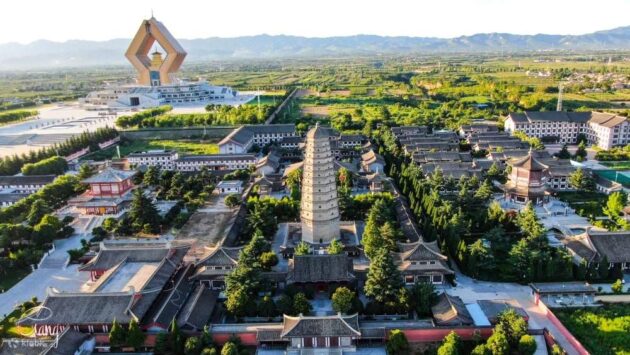
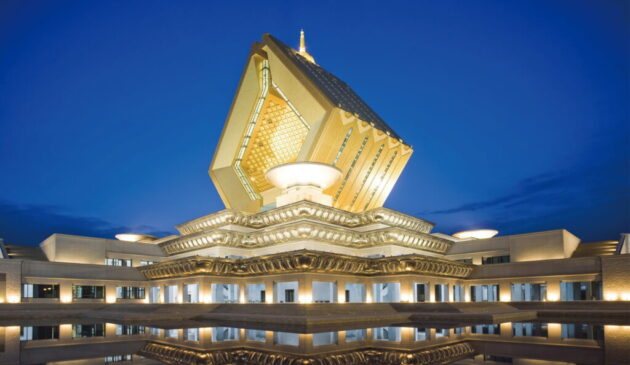
Famen Temple, located in Fufeng County, Shaanxi Province, is one of China’s most significant Buddhist sites, renowned for housing the sacred finger bone relic of Sakyamuni Buddha. Approximately 120 kilometers west of Xi’an, this temple, with over 1,700 years of history, blends ancient spirituality with Tang Dynasty treasures, making it a must-visit for history buffs, culture enthusiasts, and spiritual seekers.

Food to Try
Biangbiang Noodles: Wide, chewy noodles with chili oil and garlic. Try at First Noodle Under the Sun (10–15 CNY). Yangrou Paomo: Lamb stew with crumbled bread, a Hui specialty. Best at Muslim Quarter stalls (15–20 CNY).
Roujiamo: Shredded pork or lamb in flatbread, dubbed a “Chinese burger” (8–12 CNY). Liangpi: Cold rice noodles with sesame paste and chili (10 CNY). Tanghulu: Candied hawthorn skewers, a sweet street treat (5 CNY).
Practical Tips
Language: Mandarin dominates; English is limited outside tourist areas. Download Pleco (dictionary) or WeChat for translation. Payments: WeChat Pay and Alipay are king, but cash (CNY) works everywhere. Carry small bills for street vendors.
Transport: Xi’an’s metro is cheap (2–5 CNY) and efficient. Use Didi (China’s Uber) for taxis; fares start at 10 CNY. Crowds: Major sites like the Terracotta Army get packed. Visit early (8–9 AM) or late afternoon to avoid peak hours.
Visa: US, UK, and Canadian travelers get 6-day visa-free transit in Xi’an if transiting via XIY airport. Check China’s 2025 visa policies for updates. Safety: Shaanxi is safe, but watch for pickpockets in crowded markets. Use hotel safes for valuables.
Final Thoughts
Shaanxi is where China’s past comes alive, from the awe-inspiring Terracotta Army to the rugged peaks of Mount Huashan. Xi’an’s blend of ancient relics and modern energy makes it a perfect base, while the province’s lesser-known corners—like Hukou’s roaring falls or Yan’an’s caves—reward the curious. Savor the spicy noodles, cycle the ancient walls, and let Shaanxi’s 5,000-year story unfold. Plan ahead, pack comfortable shoes, and get ready for a journey through the heart of Chinese civilization.
Happy travels!