
The Xian City Wall, also known as the Xian Circumvallation, is one of the best-preserved and most complete ancient city walls in China. Located in the heart of Xian, Shaanxi Province, this magnificent structure from the Ming Dynasty (1368–1644) offers a unique blend of history, culture, and scenic beauty. Whether you’re a history enthusiast, a cyclist, or simply looking to soak in panoramic views of the city, this guide will help you plan an unforgettable visit to the Xian City Wall.





A Travel Guide to the Xian City Wall
Why Visit the Xian City Wall?
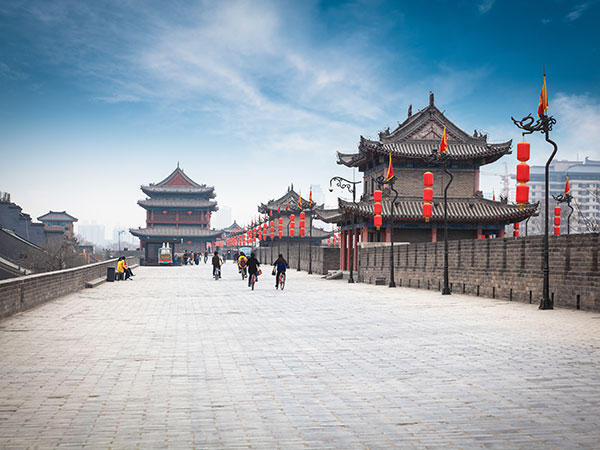
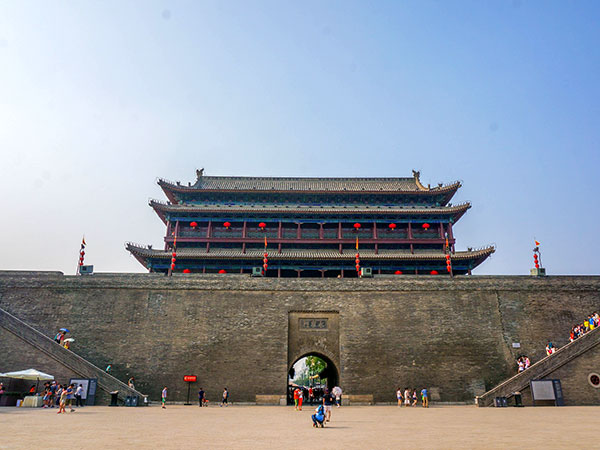
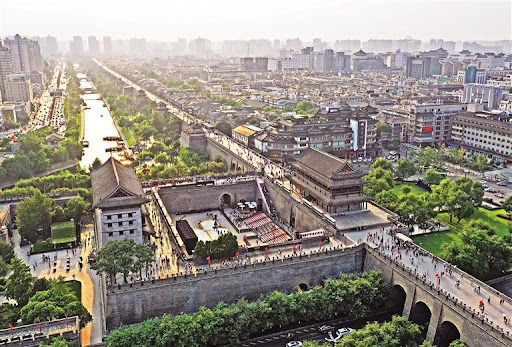
Built in 1370 under the orders of Emperor Zhu Yuanzhang, the Xian City Wall was designed to protect the city, which was then known as Chang’an, a key capital for multiple Chinese dynasties. Spanning 13.7 kilometers (8.5 miles) in a rectangular shape, the wall stands about 12 meters (40 feet) tall, 12–14 meters (40–46 feet) wide at the top, and 15–18 meters (50–60 feet) at the base. Its robust structure, dotted with 98 watchtowers and four main gates, reflects ancient Chinese military architecture and urban planning.
Visiting the wall offers a chance to step back in time, explore Xian’s role as the eastern terminus of the Silk Road, and enjoy a leisurely walk or bike ride with stunning views of the old city and modern skyline. The wall’s historical significance, combined with its accessibility, makes it a must-see for anyone traveling to Xian, a city UNESCO designated as a World Historical City in 1981.
How to Get There
The Xian City Wall encircles the central area of Xian, making it easily accessible from anywhere in the city:
By Metro: Xian’s metro system is efficient and affordable. Line 2 stops at Yongningmen Station (South Gate) and Zhonglou Station (Bell Tower, near the center), both of which are close to wall entrances. A metro ride costs around ¥2–5 depending on distance. By Bus: Numerous city buses serve stops near the wall’s main gates, including South Gate (Yongningmen), North Gate (Anyuanmen), East Gate (Changlemen), and West Gate (Yuxiangmen). Popular routes include Bus No. 6, 11, 12, and 610. A single ride costs about ¥1–2.
By Taxi or Ride-Hailing: Taxis are convenient, with fares within the city center typically ¥10–20. Use apps like Didi for ride-hailing if you prefer a pre-booked option. By Foot: If you’re staying in downtown Xi’an (e.g., near the Bell Tower), the South Gate is within a 10–15-minute walk. The city center’s compact layout makes walking a pleasant option.
From Xian Xianyang International Airport: The airport is about 30 km (19 miles) northwest of the city. Take an airport shuttle bus (¥25, ~45 minutes) to the city center, then transfer to a metro or taxi to the wall. Alternatively, a taxi directly to the wall costs ~¥100–150.
From Xian Railway Station: The main railway station is just north of the wall. Walk 5 minutes to the North Gate or take a short taxi ride (¥10). Public Bus No. 5 or 306 also connects to the South Gate.
Best Time to Visit
Year-Round Appeal: Xian’s temperate climate makes the wall accessible throughout the year. However, spring (March–May) and autumn (September–October) offer mild temperatures (15–25°C / 59–77°F) and clear skies, ideal for outdoor activities.
Avoid: Summer (June–August) can be hot and humid (up to 35°C / 95°F), while winter (December–February) may be cold (0–5°C / 32–41°F). Spring dust storms and summer rain (July–September) can occasionally disrupt plans, so check forecasts.
Special Events: The wall hosts cultural festivals, like lantern displays during the Spring Festival (Chinese New Year, typically January or February), and the Xian City Wall International Marathon (usually in November), adding vibrancy to your visit.
What to Do
The Xian City Wall offers a variety of activities to suit different interests:
Cycle the Wall: Rent a bicycle (single or tandem) at the South Gate or other major entrances for ~¥45 for 120 minutes (deposit ~¥200, refundable). Cycling the full 13.7-km loop takes about 1.5–2 hours and is the most popular way to experience the wall, offering panoramic views of Xi’an’s blend of ancient and modern. Tip: Start early in the morning or late afternoon to avoid crowds and enjoy cooler weather.
Walk and Explore: Walking sections of the wall (e.g., South Gate to East Gate) allows you to admire details like watchtowers, ramparts, and inscribed plaques. A full loop takes 3–4 hours at a leisurely pace. Key spots include the South Gate’s barbican (fortified entrance) and the North Gate’s moat views.
Attend Cultural Performances: The South Gate hosts occasional reenactments of Ming Dynasty guard ceremonies (check schedules locally). At night, the wall is illuminated, creating a dramatic backdrop for photos.
Visit Nearby Attractions: The wall’s central location makes it easy to combine with other sites: Bell Tower (0.5 km from South Gate): The symbolic center of Xian, offering historical exhibits. Muslim Quarter (near North Gate): A vibrant street food hub with local delicacies like roujiamo (Shaanxi-style burgers). Forest of Stone Steles Museum (near South Gate): A treasure trove of ancient calligraphy.
Photography and Sunset Views: The wall’s elevated position is perfect for capturing Xian’s skyline, especially at sunset when the city lights begin to glow. The South and West Gates offer particularly scenic vantage points.
Tickets and Costs
Entrance Fee: ¥54 per person (children under 1.2 meters free). Discounts may apply for students or seniors with valid ID. Bicycle Rental: ¥45 for a single bike, ¥90 for a tandem (120-minute limit). Deposit of ¥200–400, refunded upon return.
Access Points: The South Gate (Yongningmen) is the most popular entry, with ticket counters and bike rentals. Other gates (North, East, West) also have ticket booths. Hours: 8:00 AM–10:00 PM (South Gate); other gates may close earlier (e.g., 7:00 PM). Last entry typically 1 hour before closing.
Tip: Buy tickets at official booths to avoid scams. Some combo tickets include nearby attractions like the Bell Tower—ask at the counter.
What to Bring
Comfortable Shoes: Essential for walking or cycling, as the wall’s surface is uneven in places. Sun Protection: Hat, sunglasses, and sunscreen for daytime visits, especially in summer.
Water and Snacks: Vendors are limited on the wall, so carry a water bottle. Nearby Muslim Quarter offers plenty of food options post-visit. Camera/Phone: For capturing views, but secure your belongings while cycling. Light Jacket: Evenings can be cool, especially in spring or autumn.
Where to Stay
Luxury: Sofitel Legend People’s Grand Hotel Xian (near South Gate, ~¥800–1200/night) offers 5-star comfort and historic charm. Mid-Range: Grand Park Xian (city center, ~¥400–600/night) is walking distance to the wall and metro. Budget: Xian Simple Palace (near Bell Tower, ~¥150–300/night) provides affordable, cozy rooms with a traditional vibe.
Hostels: Han Tang Inn Hostel (Muslim Quarter, ~¥50–100/night) is popular with backpackers for its social atmosphere.
Tips for a Great Experience
Start at South Gate: It’s the most accessible entry, with ample facilities (restrooms, rentals, and ticket counters). Arrive early (8:00–9:00 AM) to beat crowds. Cycle One Way: If a full loop feels daunting, rent a bike at one gate and return it at another—most rental points allow this.
Combine with Other Sites: Plan a half-day for the wall, then visit the Muslim Quarter or Shaanxi History Museum (3 km away) to maximize your day. Check Weather: Avoid midday summer visits due to heat. Rain can make the wall slippery, so bring non-slip shoes if wet. Respect the Site: Don’t litter or damage the wall—it’s a protected cultural relic. Follow signs and staff instructions.
Final Thoughts
The Xian City Wall is more than just a historical monument; it’s a living testament to the city’s enduring legacy as a cultural and political hub. Cycling along its ancient stones, with views of Xian’s bustling streets below, offers a perfect blend of adventure and reflection. Pair your visit with the city’s other treasures—like the Terracotta Warriors or Giant Wild Goose Pagoda—for a deeper dive into China’s past. Plan ahead, embrace the journey, and let the Xian City Wall transport you through centuries of history.