
A Travel Guide to Hangzhou
Hangzhou, the capital of Zhejiang Province, is one of China’s most picturesque and culturally rich cities, often described as “paradise on earth” alongside Suzhou. Renowned for its UNESCO World Heritage-listed West Lake, ancient temples, tea culture, and vibrant modern economy (home to tech giant Alibaba), Hangzhou offers a perfect blend of natural beauty, history, and modernity. This guide will help you plan a memorable visit to this enchanting city.
Why Visit Hangzhou?
Hangzhou’s allure lies in its serene landscapes, historical significance, and modern conveniences. The West Lake (Xi Hu), a symbol of the city, is celebrated for its poetic beauty, with willow-lined shores, ancient pagodas, and misty hills. As one of China’s ancient capitals during the Southern Song Dynasty (1127–1276), Hangzhou boasts a 2,200-year history, with cultural treasures like Lingyin Temple and the Grand Canal. Its tea culture, centered around Longjing (Dragon Well) tea, and silk heritage add unique experiences. Whether you’re strolling along ancient streets, cruising on the lake, or savoring local cuisine, Hangzhou offers a leisurely yet captivating escape.
How to Get There
Hangzhou is located in the Yangtze River Delta, approximately 180 km (112 miles) southwest of Shanghai, making it easily accessible. Here are the main transportation options:
By Air: Hangzhou Xiaoshan International Airport (HGH) serves domestic flights to Beijing (2.5 hrs), Guangzhou (2.5 hrs), and international destinations like Tokyo, Singapore, and Seoul. The airport is 27 km from downtown, a 30–45-minute taxi ride (¥90–120) or shuttle bus (¥20). Alternatively, fly into Shanghai Pudong (PVG) or Shanghai Hongqiao (SHA) and take a high-speed train to Hangzhou (45–60 minutes).
By High-Speed Train: Hangzhou is a major rail hub with frequent high-speed trains from Shanghai (45–60 min, ¥78), Nanjing (1–2.5 hrs), Suzhou (1.5–2.5 hrs), and Beijing (3–5 hrs). Trains arrive at Hangzhou East Railway Station or Hangzhou Railway Station. Book tickets via Trip.com or at stations for convenience.
By Bus or Car: Long-distance buses connect Hangzhou to Shanghai, Suzhou, and Nanjing from stations like Hangzhou North Bus Station (¥58 from Shanghai). Driving from Shanghai via the G60 highway takes about 2 hours.
Within Hangzhou: The Hangzhou Metro is efficient, with lines covering key attractions (¥2–8). Buses (¥2–3) and tourist buses (marked with “Y,” ¥3) serve major sites. Taxis start at ¥11, with ¥4 per mile. Bike rentals (via IC card, ¥300 deposit) are popular for exploring West Lake.
Visa Tip: Travelers from 51 countries can enjoy a 144-hour visa-free transit in Hangzhou, Suzhou, and Shanghai, or a 240-hour transit visa exemption for broader travel across 24 provinces, ideal for short visits.
Best Time to Visit
Spring (March–May): Ideal for peach blossoms, willow catkins, and mild weather (15–25°C). West Lake is particularly stunning, but book early for the Cherry Blossom Season. Autumn (September–November): Comfortable temperatures (15–25°C) and vibrant foliage make this another prime time. The Qiantang River Tidal Bore (August–October) is a unique spectacle.
Summer (June–August): Hot and humid (up to 35°C), but lush greenery and lotus blooms are beautiful. Visit early mornings to avoid heat. Winter (December–February): Colder (0–10°C) but quieter, with snowy West Lake views. Avoid Chinese holidays like National Day (Oct 1–7) and Labor Day (May 1–7) due to crowds.
Tip: Check for events like China Tourism Day (May 19), when attractions like Xixi Wetland or Qiandao Lake may offer discounted or free entry.
Top Attractions
West Lake (西湖)
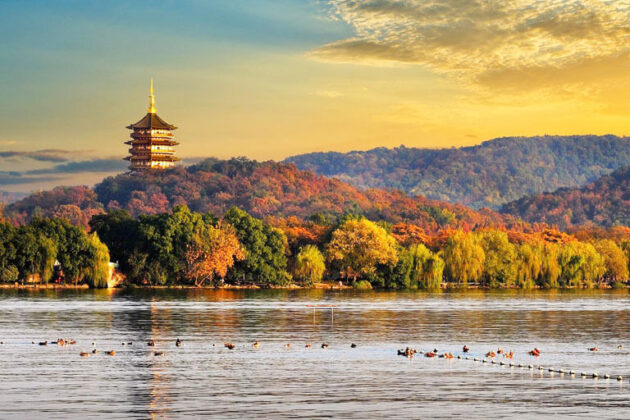
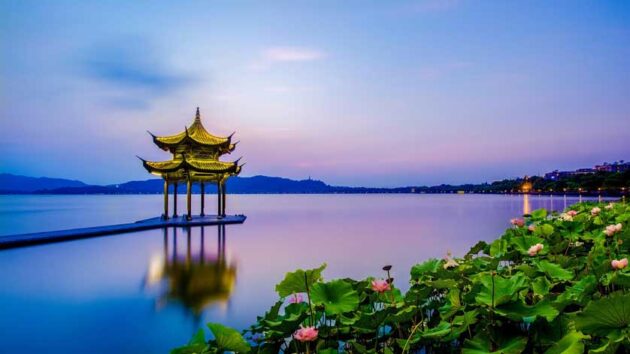
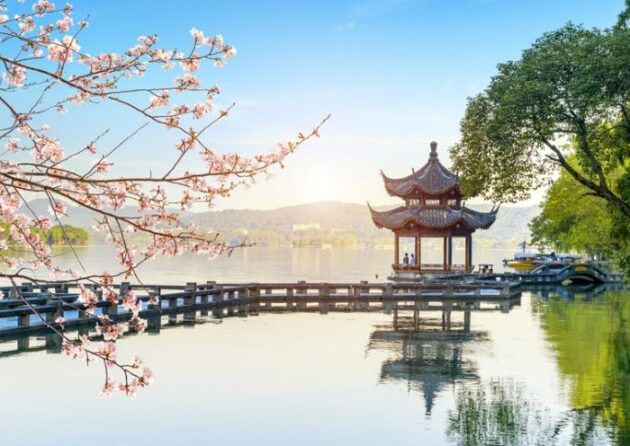
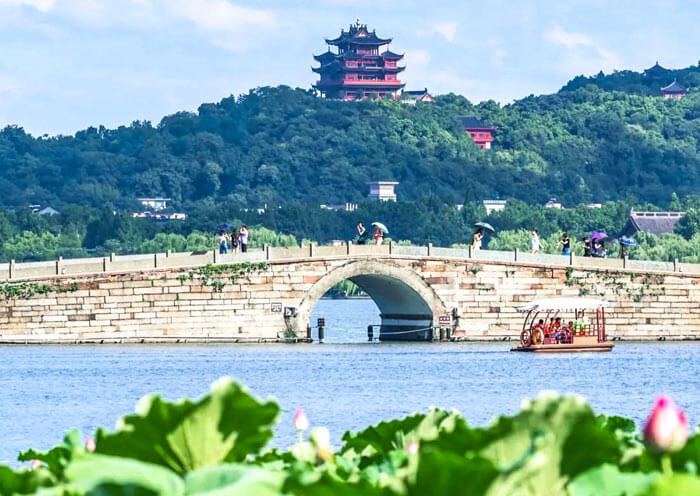
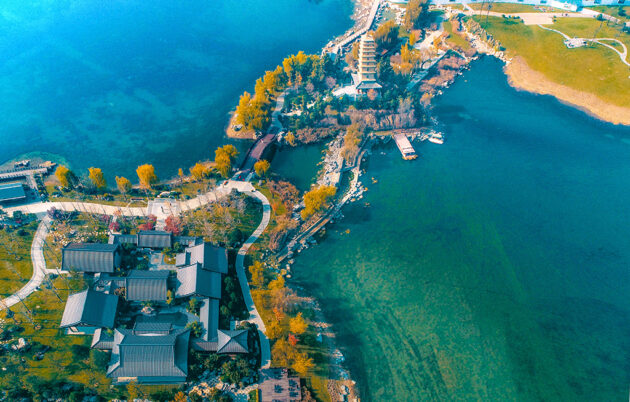
West Lake is the crown jewel of Hangzhou, Zhejiang Province, and one of China’s most iconic and picturesque destinations. Encircled by misty hills, ancient pagodas, and poetic landscapes, this UNESCO World Heritage Site has inspired poets, artists, and travelers for centuries. Covering 6.39 square kilometers, West Lake blends natural beauty with cultural landmarks, offering serene waters, historic causeways, and vibrant seasonal scenery.

Xixi National Wetland Park (西溪国家湿地公园)
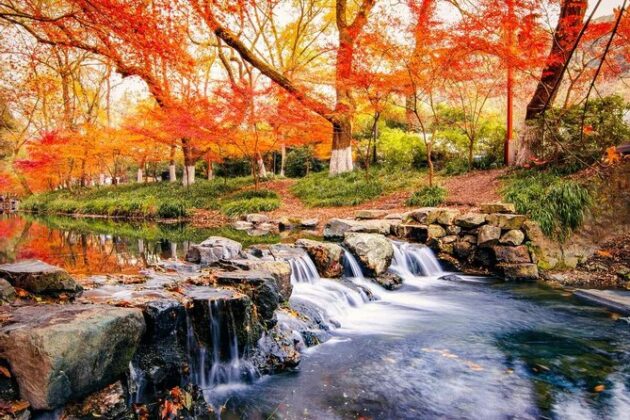
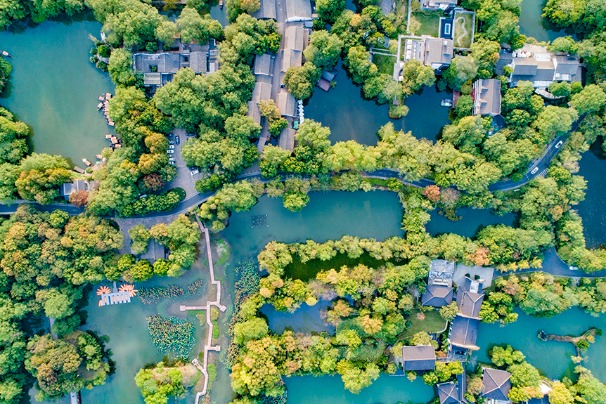
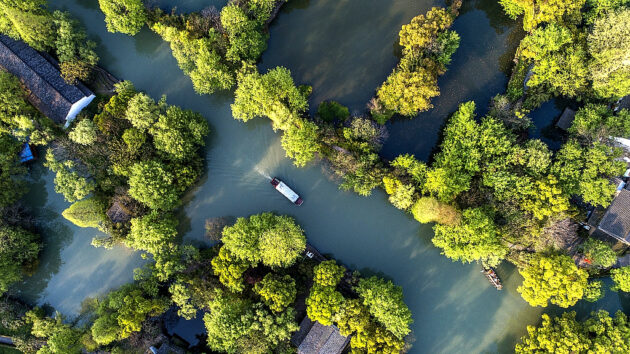
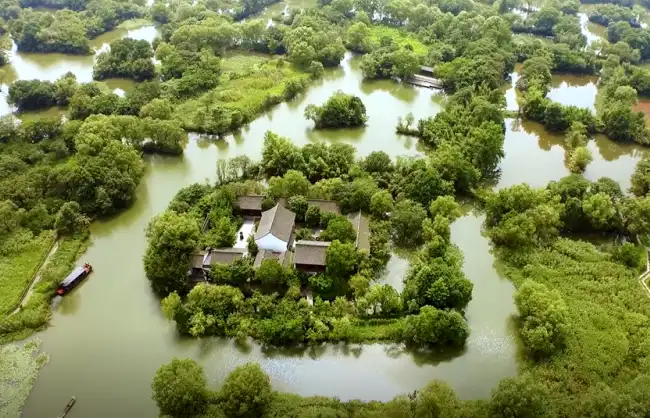
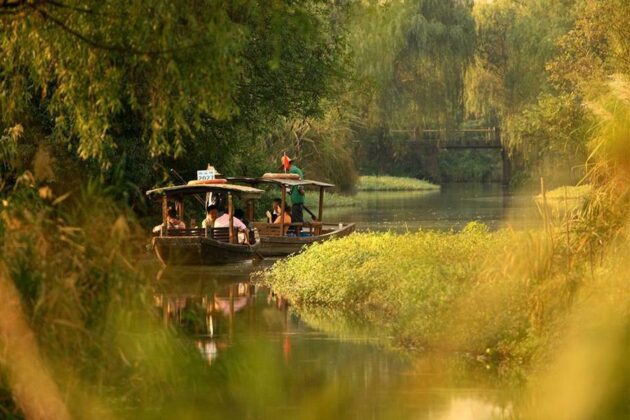
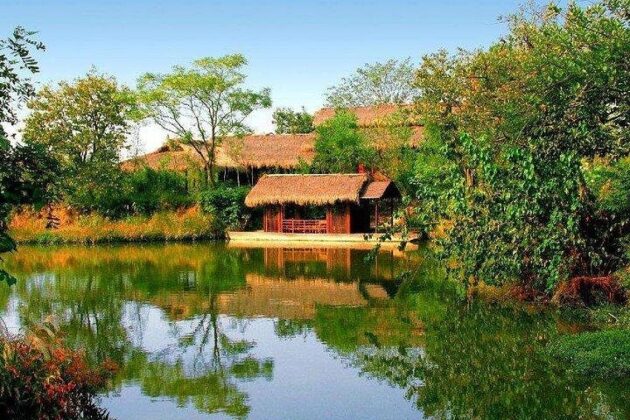
Xixi National Wetland Park, located in the western part of Hangzhou, Zhejiang Province, is a serene urban oasis and China’s first national wetland park, combining urban life, agriculture, and cultural heritage. Spanning approximately 11.5 square kilometers, with 70% of its area covered by rivers, ponds, lakes, and marshes, Xixi is celebrated for its lush ecosystems, tranquil waterways, and rich history. Known as one of Hangzhou’s “Three Wests” alongside West Lake and Xiling Seal Engravers’ Society, it’s a must-visit destination for nature lovers, culture enthusiasts, and those seeking a peaceful retreat from city life.
LingYin Temple (灵隐寺)
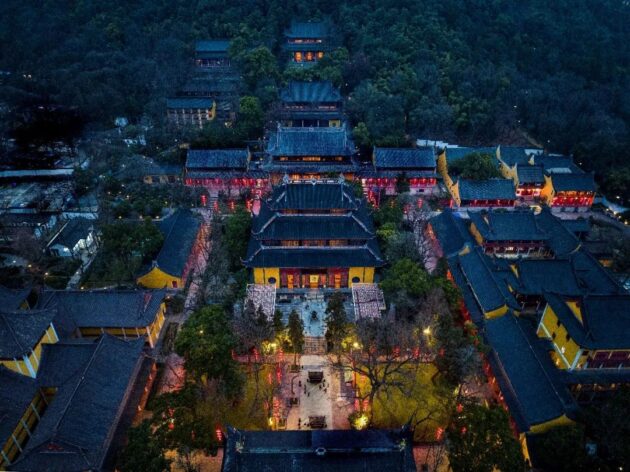
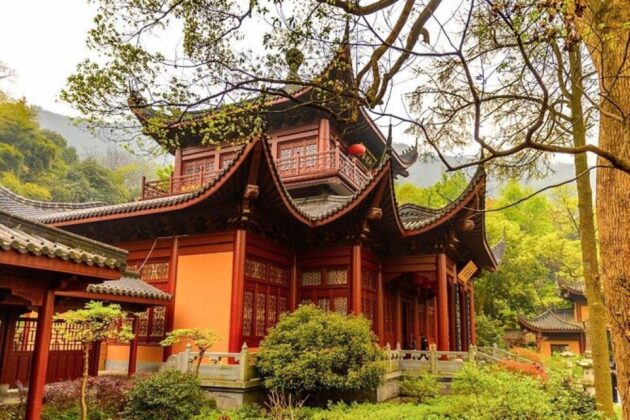
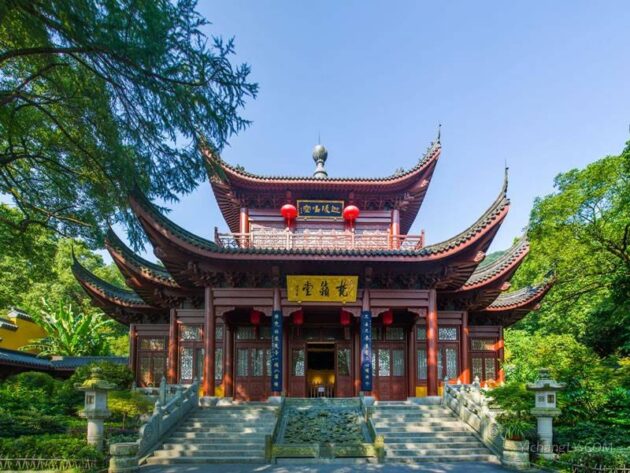
Nestled in the lush hills of Hangzhou’s West Lake area, Lingyin Temple (灵隐寺, Temple of the Soul’s Retreat) is one of China’s most revered Buddhist temples and a cultural gem in Zhejiang Province. Dating back to 328 AD, this ancient sanctuary combines spiritual significance, stunning architecture, and serene natural surroundings, making it a must-visit for travelers seeking history, tranquility, and scenic beauty.
Song Dynasty Town (宋城)
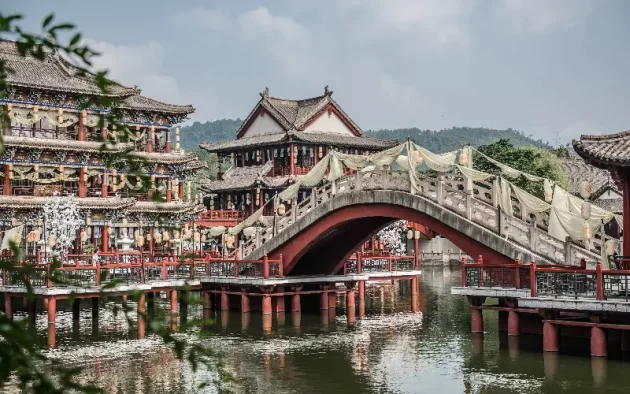
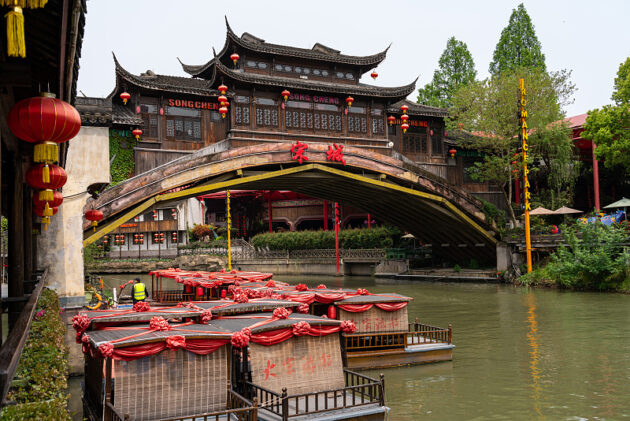
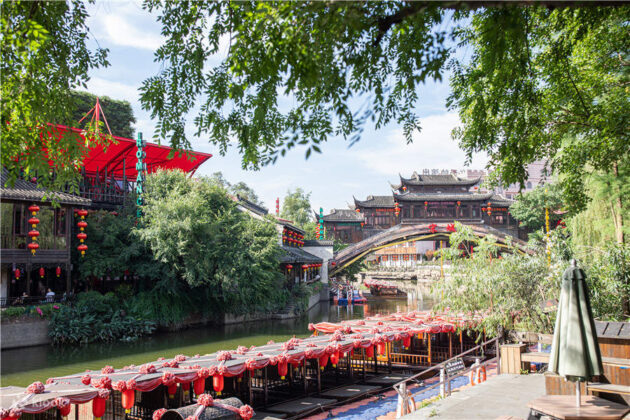
Song Dynasty Town is the largest theme park in Hangzhou and the first of its kind in Zhejiang, designed to showcase the cultural richness of the Song Dynasty, a golden era of Chinese art, commerce, and innovation. The park’s layout is inspired by the famous painting Along the River During the Qingming Festival by Zhang Zeduan, depicting the vibrant urban life of the period. Visitors can enjoy world-class performances like The Romance of the Song Dynasty, explore ancient-style streets, and engage in traditional activities.
Hefang Street (河坊街)
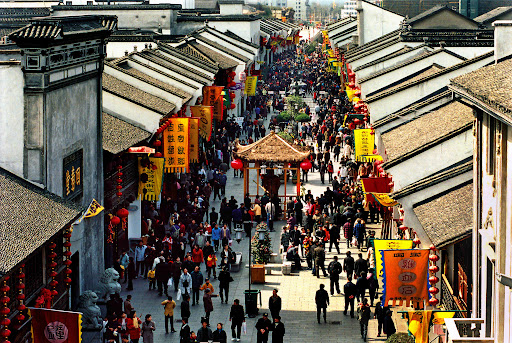
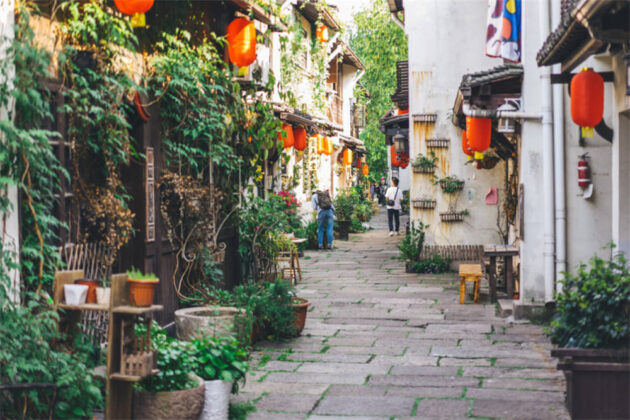
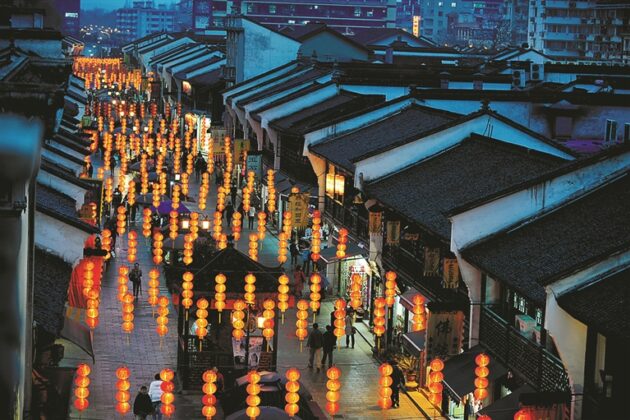
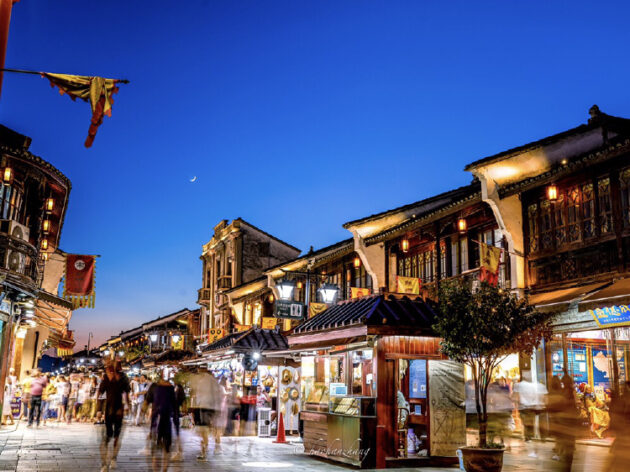
Hefang Street is a living snapshot of Hangzhou’s history, blending ancient architecture with modern vibrancy. Once a thriving commercial hub during the Southern Song Dynasty, it remains a cultural landmark, showcasing traditional Chinese medicine, silk, tea, and handicrafts. The street’s cobblestone paths, wooden shopfronts, and lively atmosphere make it perfect for leisurely strolls, shopping, and tasting authentic Zhejiang cuisine.
Where to Eat
Hangzhou’s cuisine, part of Zhejiang’s culinary tradition, emphasizes fresh ingredients and delicate flavors. Must-try dishes include:
Beggar’s Chicken (clay-baked chicken, ¥50–100); Dongpo Pork (braised pork, ¥30–60); West Lake Fish in Vinegar Sauce (¥40–80); Fried Shrimps with Longjing Tea (¥50–100).
Dining Options: Lou Wai Lou: A 150-year-old restaurant by West Lake, famous for Zhejiang specialties (¥100–200/person). Hefang Street Stalls: Affordable street food like yangchun noodles (¥10–20). Shengli River Food Street: Vibrant spot for local delicacies (¥20–50). Tea Houses: Enjoy Longjing tea and snacks in Manjuelong or Meijiawu Village (¥30–80).
Tip: Hangzhou is nearly cashless; use Alipay or WeChat Pay for most transactions.
Where to Stay
Hangzhou offers accommodations for all budgets, mostly in Xihu District (near West Lake) or Shangcheng District:
Luxury: Shangri-La Hotel Hangzhou (Xihu District, ~¥800–1200/night): Elegant rooms with lake views. Four Seasons Hotel Hangzhou at West Lake (¥1500+/night): 5-star luxury near attractions.
Mid-Range: Wyndham Grand Plaza Royale (Xihu District, ¥400–700/night): Comfortable with modern amenities. Nanshan Leisure Avenue Hotels (¥200–400/night): Well-located near West Lake.
Budget: Hangzhou Youth Hostel (¥100–200/night): Clean, central, and budget-friendly. Lavande Hotels (¥150–300/night): Affordable chain with multiple locations.
Tip: Book via Booking.com, Ctrip, or Agoda for deals, especially during peak seasons (spring/autumn).
Tips for a Great Visit
Dress Comfortably: Wear walking shoes for exploring West Lake and temples. Bring sunscreen and hats for summer, and layers for winter. Language: Most locals speak Mandarin; some know basic English. Use translation apps like Pleco for communication.
Mobile Payments: Hangzhou is tech-forward; Alipay or WeChat Pay are essential for payments. Carry some cash (¥100–200) for small vendors. Combine with Nearby Destinations: Extend your trip to Suzhou (1.5–2 hrs by train) for gardens, Wuzhen (1 hr by car) for water towns, or Shanghai (45 min by train) for a modern contrast.
Avoid Crowds: Visit attractions early or late to dodge peak-hour crowds, especially at West Lake. Cultural Events: Check for festivals like the Qiantang River Tidal Bore (August–October) or magnolia blooms at Faxi Temple (spring).
Final Thoughts
Hangzhou captivates with its blend of timeless beauty and modern vibrancy. From the poetic vistas of West Lake to the cultural depths of Lingyin Temple and the aromatic allure of Longjing tea, the city offers an immersive experience that feels both tranquil and dynamic. Plan your visit for spring or autumn, embrace the local cuisine, and explore nearby water towns for a complete Jiangnan adventure. As Marco Polo reportedly said, Hangzhou is “the finest and most magnificent city in the world”—come see why.
Happy travels!