

Tajikistan Travel Guide (2026)
Tajikistan, often called the “Roof of the World,” is a mountainous paradise where over 93% of the land is covered by the majestic Pamir and Fann ranges. It offers dramatic landscapes, crystal-clear alpine lakes, ancient Silk Road history, and warm hospitality from Tajik people. Highlights include the world-famous Pamir Highway (one of the highest and most scenic roads on Earth), turquoise lakes in the Fann Mountains, and remote Wakhan Corridor villages with views of the Hindu Kush and Afghanistan border.
How to Get There
By Air: Fly into Dushanbe International Airport (DYU), the main gateway. Direct or connecting flights are available from major hubs like Istanbul (Turkish Airlines), Dubai, Moscow, or Almaty. Some travelers fly into Khujand (LBD) in the north.
Overland: Common routes include from Uzbekistan (Tashkent or Samarkand to Khujand or Penjikent), Kyrgyzstan (Osh to Pamir Highway), or rarely China (via the Kulma Pass, which requires special permits).
Visa: Many nationalities (including US, EU, Australian, Canadian) enjoy visa-free entry for up to 30 days. For longer stays or the GBAO permit (required for the Pamir region), apply for an e-visa online via evisa.tj (around $70 for 45 days, including GBAO). Print multiple copies of your visa and passport for checkpoints.
Best Time to Visit
The ideal window is June to mid-September, when mountain passes on the Pamir Highway are open and weather is pleasant (though nights can be cold at high altitudes).
Summer (July–August): Best for trekking and the full Pamir Highway experience, but lowlands like Dushanbe can be hot (over 35°C/95°F).
Shoulder seasons (May/June or September/October): Milder temperatures and fewer crowds; great for combining cities and lighter hikes.
Avoid winter (November–March), as many high roads close due to snow.
Top Attractions and Things to Do
Fann Mountains
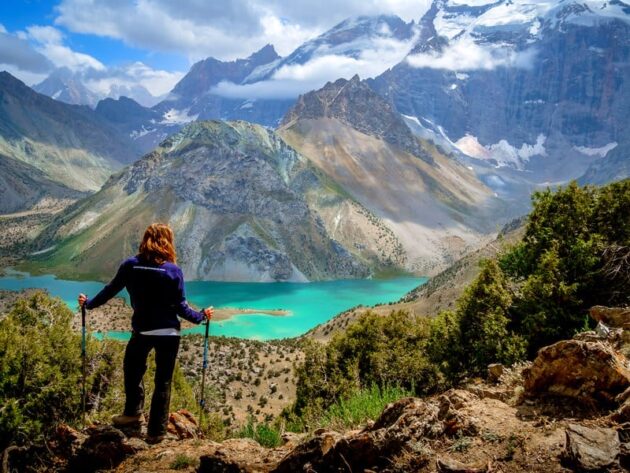
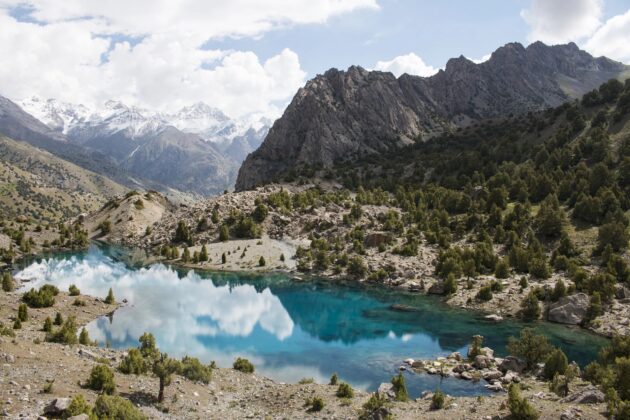
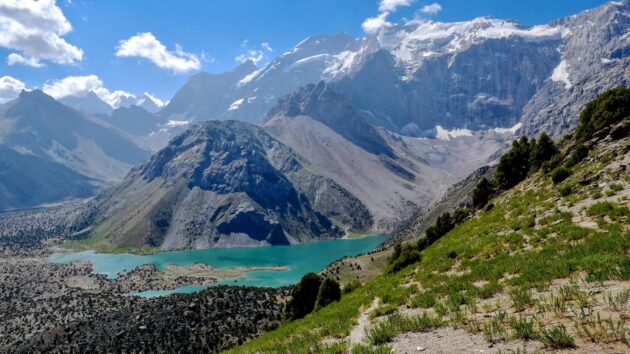
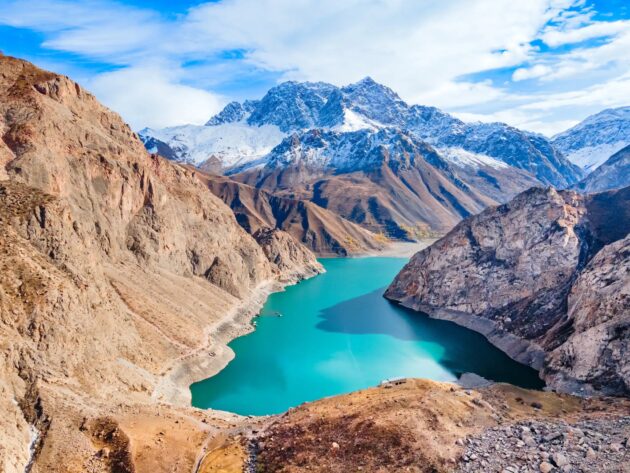
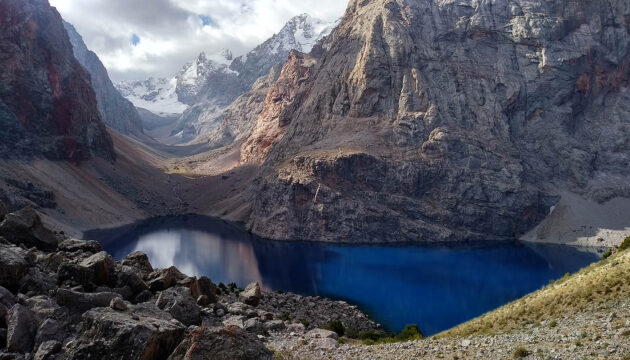
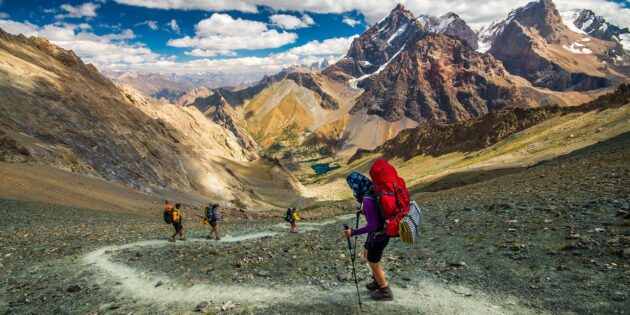
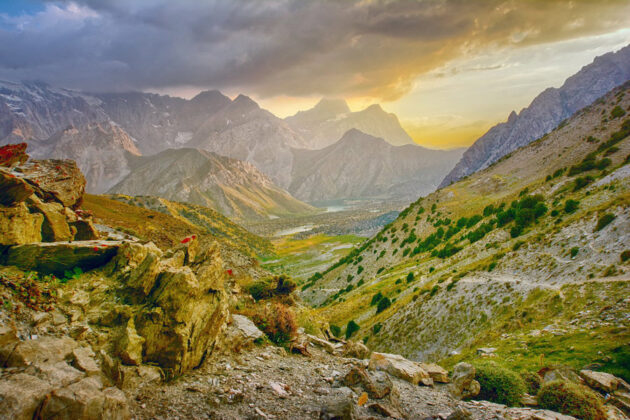
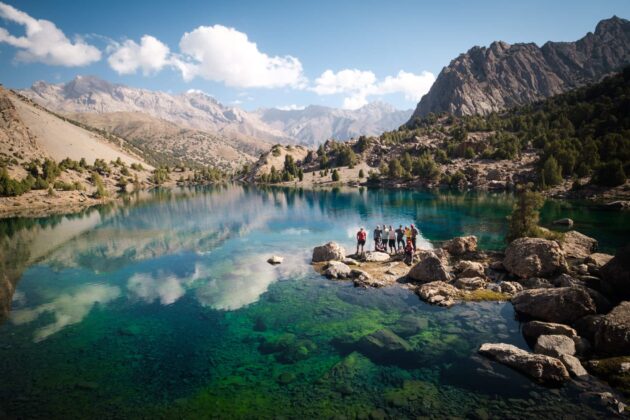
World-class trekking paradise with turquoise lakes (e.g., Iskanderkul, Seven Lakes/Marguzor), alpine meadows, and peaks over 5,000m. Popular for day hikes or multi-day treks from Penjikent or the Seven Lakes area.
Dushanbe (Capital City)
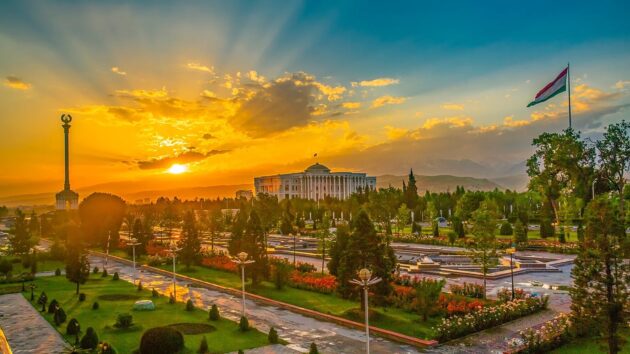
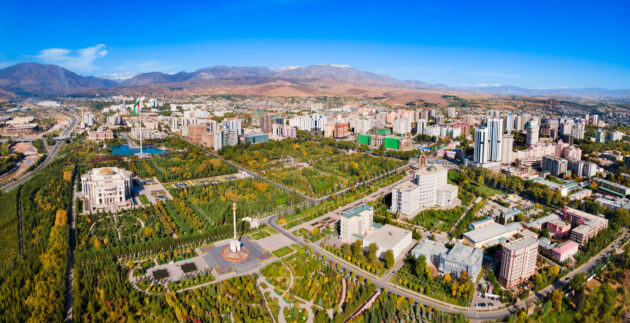
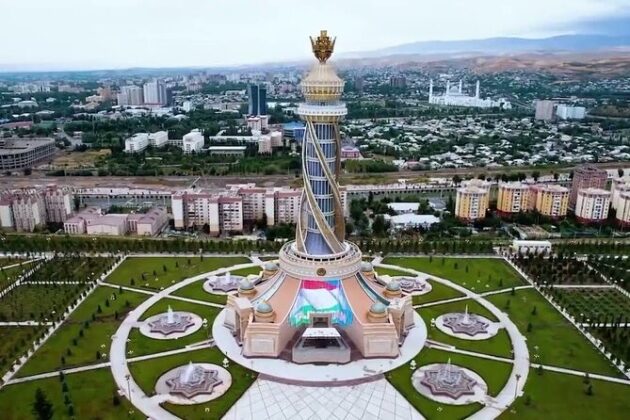
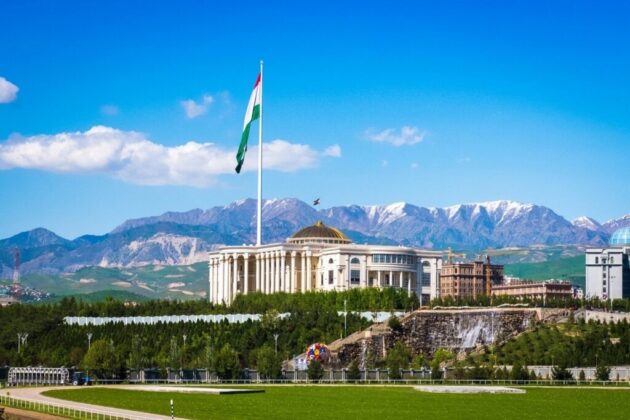
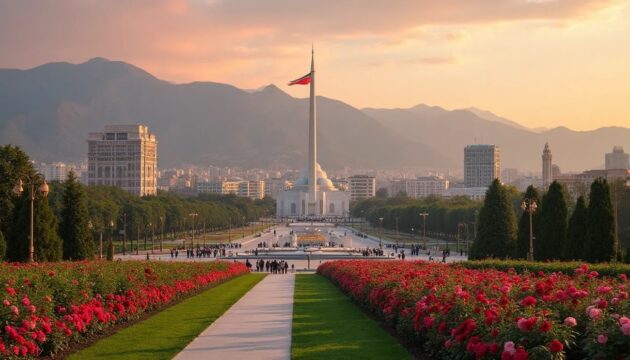
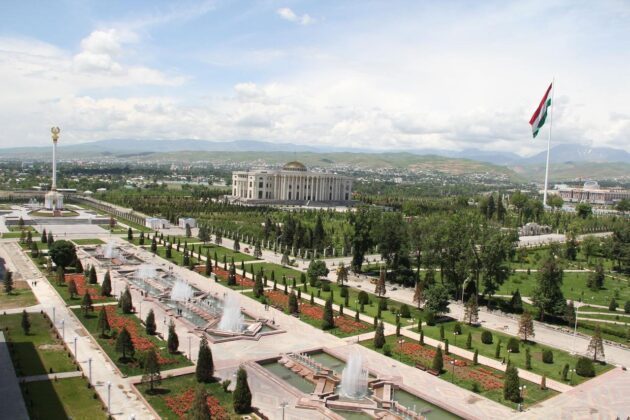
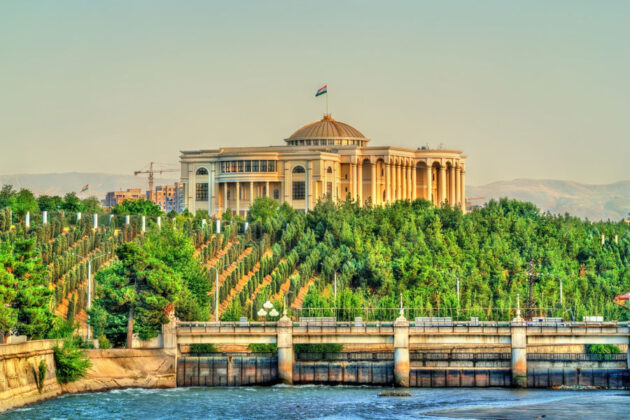
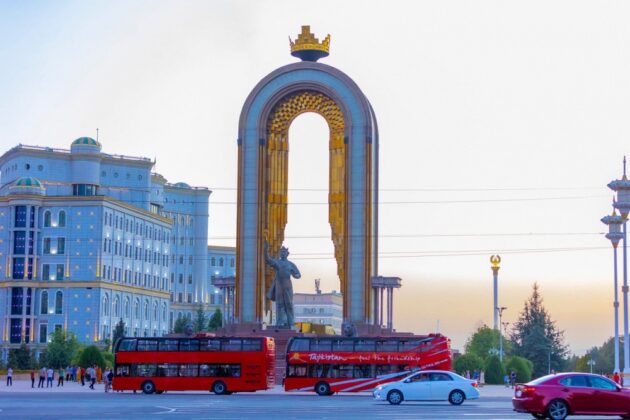
The relaxed capital features the massive National Museum of Tajikistan, Rudaki Park, the world’s tallest flagpole, and lively bazaars. It’s a good base for day trips to Varzob Gorge or Hisar Fortress.
How to Get Around
Shared Taxis & Private 4WD: The most common and reliable way, especially for the Pamir Highway. Hire a driver with a sturdy 4×4 (essential for mountain roads). Costs are reasonable when shared.
Domestic Flights: Quick hops between Dushanbe and Khorog (weather permitting).
Buses/Marshrutkas: Cheaper for shorter routes but slower and less comfortable on mountain paths.
Independent Travel: Possible but challenging due to checkpoints, poor road conditions in places, and the need for GBAO permits. Many opt for organized tours for logistics and safety.
Where to Stay
Dushanbe: Modern hotels like Serena Hotel or budget guesthouses and Airbnbs.
Khorog & Pamir Region: Homestays (very authentic and affordable) or simple guesthouses in Khorog, Murghab, or Langar. Pamiri homestays often include home-cooked meals.
Fann Mountains: Camping or basic homestays near lakes.
Budget travelers can manage on $40–60 USD per day; mid-range is $80–150 including transport and tours.
What to Eat
Tajik cuisine is hearty and flavorful: plov (rice with meat and carrots), shashlik (grilled kebabs), laghman (noodle soup), kurutob (bread with yogurt and herbs), and fresh fruits. Try green tea (always served) and local bread. In the Pamirs, meals are often simple but generous in homestays. Vegetarian options exist but are limited outside cities.
Practical Tips
Safety: Generally safe for tourists, especially on main routes. Stick to recommended areas, respect checkpoints, and avoid the Afghanistan border at night. Petty crime is low, but altitude sickness is a real risk — acclimatize properly and carry medication.
Health: No mandatory vaccines, but ensure routine shots (including measles). Drink bottled water; bring sunscreen, warm layers, and a good sleeping bag for high altitudes.
Money & Communication: Tajik Somoni (TJS) is the currency; ATMs are available in Dushanbe and Khorog but scarce elsewhere — bring cash (USD preferred). Wi-Fi is limited outside cities; get a local SIM (Tcell or Megafon).
Culture & Etiquette: Tajiks are hospitable — accept invitations for tea. Dress modestly, especially in rural or conservative areas. Remove shoes when entering homes.
What to Bring: Warm clothing (even in summer), sturdy hiking boots, power bank, printed documents, and eco-friendly items (leave no trace in fragile mountain environments).
Budget: Independent travel can be very affordable (~$45/day), but Pamir Highway tours add cost due to 4WD rentals.
Final Thoughts
Tajikistan rewards those willing to embrace its rugged beauty and remoteness. Whether driving the legendary Pamir Highway, trekking amid turquoise lakes in the Fann Mountains, or sharing plov in a Pamiri homestay, you’ll experience authentic Central Asia at its most dramatic. Plan carefully, respect the environment and local customs, and prepare for an unforgettable adventure on the Roof of the World.
Safe travels — Tajikistan awaits!