
Wazir Khan Mosque Travel Guide (2026)
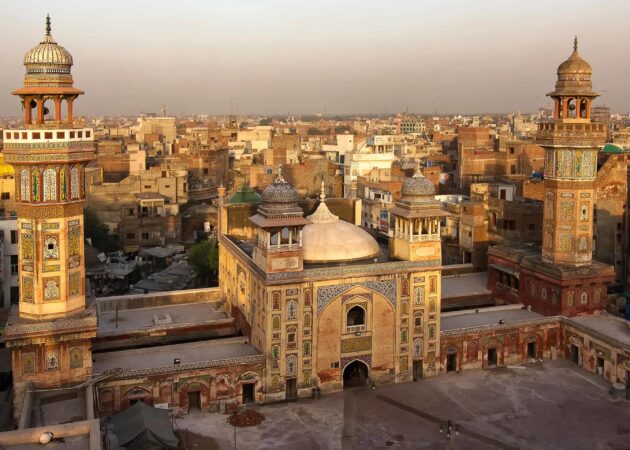
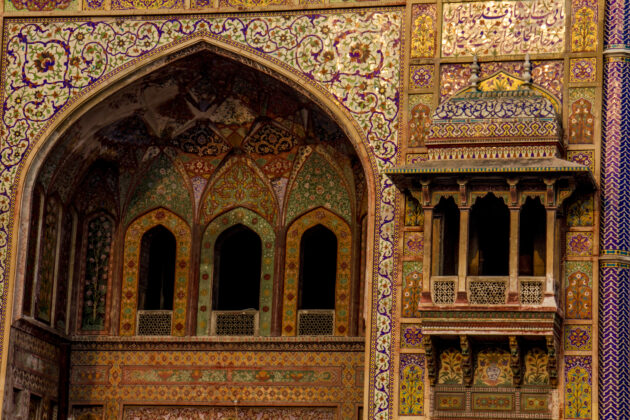
Wazir Khan Mosque (Masjid Wazir Khan) is one of Lahore’s most breathtaking Mughal-era landmarks and is widely regarded as the most ornately decorated mosque from the Mughal period. Built in the 17th century, it dazzles visitors with intricate kashi-kari (glazed tile work), vibrant frescoes, calligraphy, and floral motifs that cover almost every surface. Located inside the historic Walled City near Delhi Gate, this active place of worship offers a stunning blend of Persian, Central Asian, and Punjabi architectural influences. It is a must-visit for anyone exploring Lahore’s rich Mughal heritage.
Why Visit Wazir Khan Mosque?
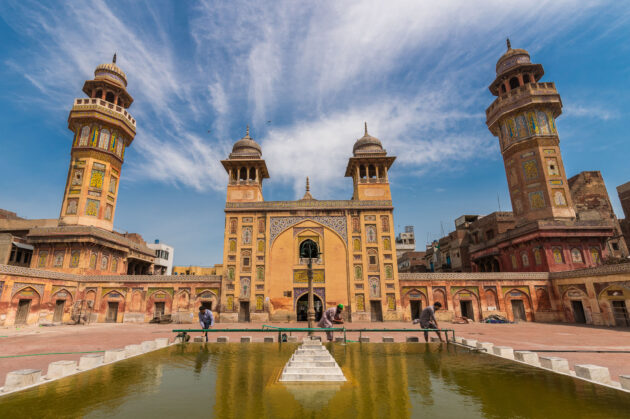
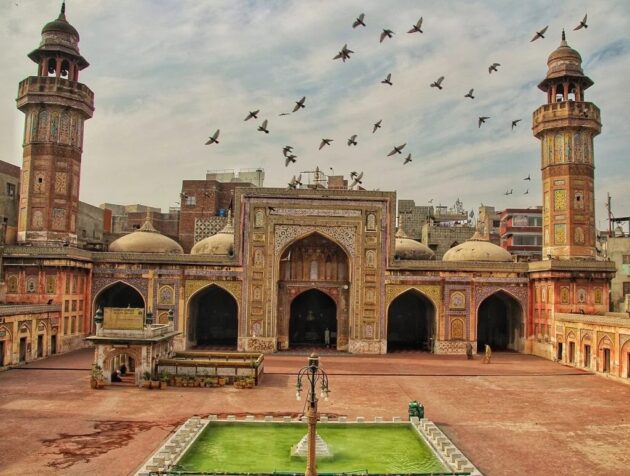
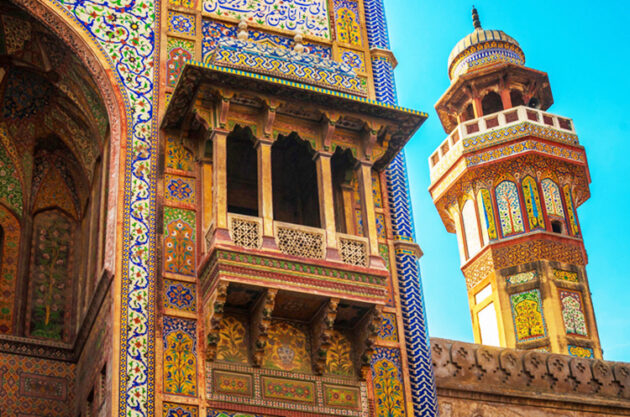
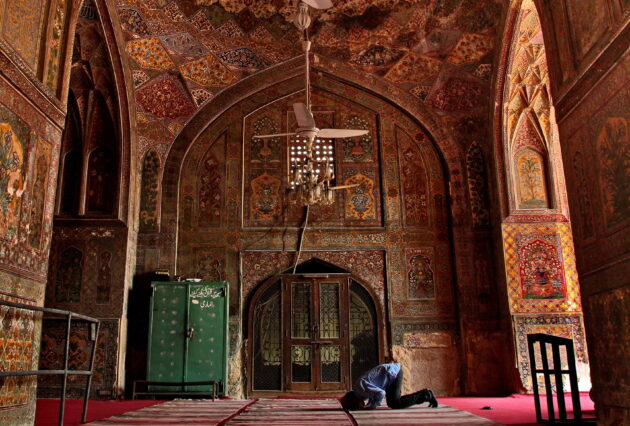
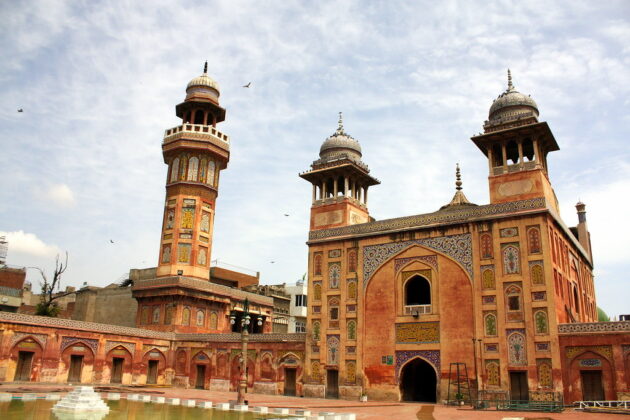
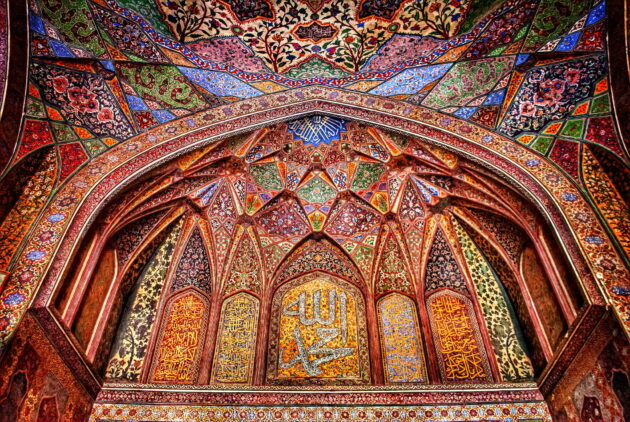
Completed in 1641, the mosque was commissioned by Hakim Ilm-ud-din Ansari (known as Wazir Khan), the governor of Punjab under Emperor Shah Jahan. It was constructed to enclose the tomb of a 14th-century Sufi saint, Miran Badshah. What sets it apart is its extraordinary decoration: the interior features elaborate frescoes (naqqashi) with blooming flowers, geometric patterns, and Qur’anic verses, while the exterior boasts colorful faience tiles in shades of cobalt blue, turquoise, white, and purple. The four towering octagonal minarets, spacious courtyard, and grand prayer hall create an immersive, kaleidoscopic experience. Many consider it more intricately detailed than even the larger Badshahi Mosque.
History and Architecture Highlights
Construction: Started in 1634 and completed in 1641.
Key Features: Ornate kashi-kari tile mosaics on the exterior. Interior walls and ceilings almost entirely covered in detailed frescoes and calligraphy. A unique integration of shops (including a historic Calligrapher’s Bazaar) into the complex, reflecting Central Asian influences. Muqarnas (stalactite-like) vaulting in parts of the prayer hall. The tomb of the Sufi saint in the courtyard.
The mosque showcases the pinnacle of Mughal artistry during Shah Jahan’s reign, fusing Persian elegance with local Punjabi craftsmanship.
How to Get There
Wazir Khan Mosque is located in the Walled City of Lahore, about 250–260 meters west of Delhi Gate (one of the historic gates).
From Lahore Airport: Take a taxi or ride-hailing app (Careem/Uber) — approximately 45–60 minutes depending on traffic.
Within Lahore: Easily reachable by taxi, rickshaw, or private car. The area is pedestrian-friendly once you enter the Walled City.
Public Transport: Local buses or rickshaws drop you near Delhi Gate; from there, it’s a short walk through bustling bazaars.
Tip: Combine your visit with nearby sites like Shahi Hammam (Royal Bath), Lahore Fort, Badshahi Mosque, and Minar-e-Pakistan for a full day of Mughal exploration.
Best Time to Visit
Season: The best time is winter (November to February), when Lahore’s weather is pleasant and cool, ideal for walking in the Old City.
Time of Day: Early morning or late afternoon offers the best natural light to appreciate the vibrant tiles and frescoes. Early mornings are quieter with fewer crowds.
Avoid: Peak prayer times (especially Friday noon prayers) if you are a non-Muslim visitor, as access may be restricted. The mosque is generally open from around 5:00 AM to 8:00 PM, though timings can vary slightly with seasons.
What to Expect and How to Visit
Entry is free, though a small tip is customary for shoe storage (you must remove your shoes before entering the main areas). Women should carry a headscarf (dupatta or scarf) for respect. Dress modestly: long sleeves, loose clothing covering shoulders and knees for both men and women.
Duration: Allow 45–90 minutes to explore the courtyard, prayer hall, and minarets (climbing a minaret may require a small fee or guide permission for panoramic views).
Photography: Allowed in most areas, but be respectful — avoid photographing people praying and check for any restrictions inside the prayer hall.
Guides: Free or low-cost local guides are often available near Delhi Gate or the Walled City Authority office. They can provide fascinating insights into the history and artwork.
Important Note: As an active mosque, visitors (especially foreigners) are typically asked to avoid prayer times and maintain respectful behavior.
Nearby Attractions
The mosque is perfectly situated for a walking tour of Lahore’s Walled City:
Shahi Hammam (just steps away) — beautifully restored royal bathhouse.
Delhi Gate and surrounding bazaars (Kashmiri Bazaar, Dabbi Bazaar) for shopping and street food.
Lahore Fort and Badshahi Mosque (a short rickshaw or walk away).
Food Street near the Fort for authentic Punjabi cuisine in the evening.
Practical Tips
Safety: The area is generally safe during daylight hours, but stick to main paths, visit in groups if possible, and avoid wandering alone after dark in the narrow lanes of the Walled City.
What to Bring: Comfortable walking shoes (you’ll remove them), water, a scarf, sunscreen/hat (in summer), and cash for small tips or souvenirs.
Dress Code: Conservative and modest clothing is essential.
Crowds: Weekends and Fridays can be busier; early weekdays are calmer.
Accessibility: The site involves some steps and uneven surfaces; it may not be fully wheelchair-friendly.
Final Thoughts
Wazir Khan Mosque is a hidden gem that captures the soul of Mughal Lahore — a place where art, spirituality, and history converge in a riot of color and detail. Whether you’re a history buff, architecture lover, or simply seeking a serene cultural experience, this mosque will leave a lasting impression. Pair it with the other wonders of the Walled City for an unforgettable day in Pakistan’s cultural heart.
Safe travels and enjoy the timeless beauty of Wazir Khan Mosque!