
A Travel Guide to Shalamar Gardens (2026)
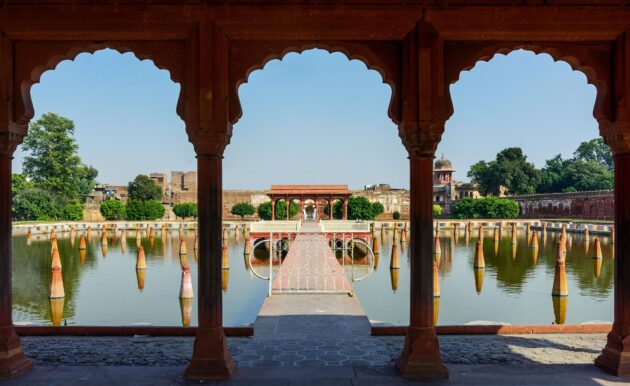
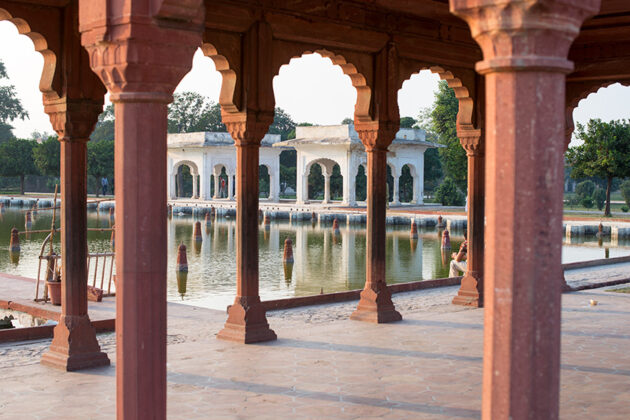
Shalamar Gardens (also known as Shalimar Bagh or Shalimar Gardens) is a magnificent Mughal-era masterpiece and one of Lahore’s most iconic historical attractions. Built in 1641–1642 by Mughal Emperor Shah Jahan (the same ruler who commissioned the Taj Mahal), this UNESCO World Heritage Site represents the pinnacle of Persian-influenced Mughal garden design, blending architecture, water features, and nature in perfect harmony. Often called a “paradise on earth,” the gardens offer a serene escape from the bustling city, with cascading terraces, elegant pavilions, and hundreds of fountains that once delighted Mughal royalty.
Inscribed on the UNESCO World Heritage List in 1981 alongside Lahore Fort, Shalamar Gardens embodies the artistic and engineering excellence of the Mughal Empire at its height. Spanning about 16 hectares (40 acres), it remains a living testament to medieval Islamic garden traditions.
Why Visit Shalamar Gardens?
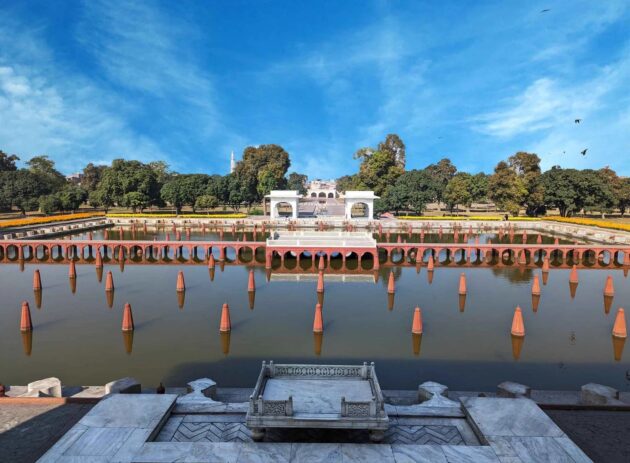
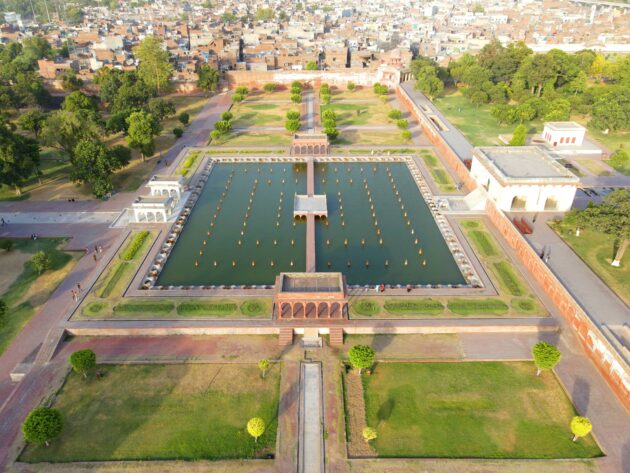
Historical Significance: Experience one of the finest examples of Mughal landscape architecture, featuring three descending terraces connected by marble cascades and irrigated by an ancient canal system.
Architectural Highlights: 410 fountains (many still functional), red sandstone walls, elegant pavilions (including the central marble pavilion), and symmetrical layouts with poplar and cypress trees.
Atmosphere: A peaceful green oasis ideal for photography, leisurely walks, and reflecting on centuries of history. The sound of flowing water and chirping birds creates a tranquil ambiance.
Cultural Experience: During special events like Mela Chiraghan (Festival of Lamps) in spring or evening light shows, the gardens transform into a vibrant celebration of Pakistani heritage.
How to Get There
Shalamar Gardens is located in Shalimar Town, about 7–10 km east of central Lahore, near the Grand Trunk Road (GT Road).
By Metro: The most convenient modern option is the Orange Line Metro. Get off at the Shalimar Gardens station, which is directly adjacent to the site.
By Taxi/Ride-Hailing: Uber, Careem, or local taxis from Lahore city center (e.g., from Mall Road or Anarkali) take 20–40 minutes depending on traffic. Cost: approximately PKR 300–800.
By Bus or Rickshaw: Public buses run along GT Road; auto-rickshaws are cheap for short distances but can be chaotic.
Private Car: Easy access via Shalimar Link Road. Parking is available (fees apply: around PKR 100 for cars).
Tip: Traffic can be heavy during peak hours—plan for extra time if traveling by road.
Best Time to Visit
Daily Hours: Generally open from 8:00 AM or 9:00 AM to 6:00 PM (timings may vary slightly; confirm locally as they can change). Some sources note closures or adjusted hours on Mondays.
Optimal Season: Spring (February–April): Pleasant weather and blooming flowers. Don’t miss the Mela Chiraghan festival (usually mid-April), when thousands of lamps illuminate the gardens with cultural performances. Winter (November–February): Mild days and fewer crowds—ideal for comfortable exploration.
Time of Day: Early morning or late afternoon for softer light, active fountains, and cooler temperatures. Avoid midday summer heat (May–September), when Lahore can be extremely hot.
Special Evening Experiences: “Chandni Raatein” (Moonlit Nights) tours occur on Saturdays (7:00 PM–9:00 PM), featuring lights, history narration, and refreshments (ticket around PKR 3,000).
What to See and Do
The Three Terraces: Walk from the highest southern terrace down to the lower levels, admiring the water channels and cascades.
Fountains and Water Features: Watch the 410 fountains come alive—especially impressive when operating.
Pavilions and Marble Structures: Explore the central pavilion and other elegant buildings designed for royal relaxation.
Gardens and Greenery: Stroll among the trees and lawns, which reflect the classic char bagh (four-garden) layout adapted into terraces.
Photography: Capture the symmetry, reflections in water basins, and Mughal details. Tripods are often allowed.
Duration: Plan for 1–3 hours. Combine with a visit to nearby Lahore Fort or other Mughal sites for a full historical day.
Entry Fees and Practical Information
Ticket Prices (approximate and subject to change): Pakistani nationals: PKR 20–50 (very affordable). Foreign tourists: PKR 500 (about USD 1.80). Children, students, and seniors may get discounts.
Additional Fees: Parking (bike PKR 30, car PKR 100). Camera fees are usually not required, but confirm on-site.
Facilities: Basic restrooms and some seating areas are available. Food options inside are limited—consider eating nearby.
What to Bring and Tips for Visitors
Essentials: Comfortable walking shoes (lots of walking on uneven paths), hat, sunscreen, water bottle, and a camera/phone for photos.
Dress Code: Modest clothing is recommended out of respect for the cultural site (cover shoulders and knees).
Respect the Site: Do not litter, climb structures, or damage plants/fountains. Follow conservation rules to help preserve this UNESCO treasure.
Guided Tours: Join a private or group tour for deeper historical insights (available via local operators or apps like Viator).
Safety: The area is generally safe for tourists during daytime, but stay aware in crowded spots. Women travelers may prefer visiting with a group.
Combine Your Trip: Pair with Lahore Fort, Badshahi Mosque, or Wazir Khan Mosque. Evening visits to the Wagah Border ceremony can also be added.
Where to Stay and Eat Nearby
Lahore offers excellent accommodation options ranging from luxury hotels (e.g., in the Gulberg or Mall Road area) to budget guesthouses. For dining, head to nearby spots serving traditional Punjabi cuisine like nihari, biryani, or street food in Anarkali Bazaar.
Final Thoughts
Shalamar Gardens is a timeless gem that captures the grandeur and poetic beauty of the Mughal era. Whether you’re a history buff, photographer, or simply seeking a peaceful retreat in vibrant Lahore, this UNESCO site delivers an unforgettable blend of architecture, water, and greenery. Visit with respect for its heritage, and you’ll leave with a deeper appreciation for Pakistan’s rich cultural legacy.
Happy travels to the Paradise Garden of Lahore!