
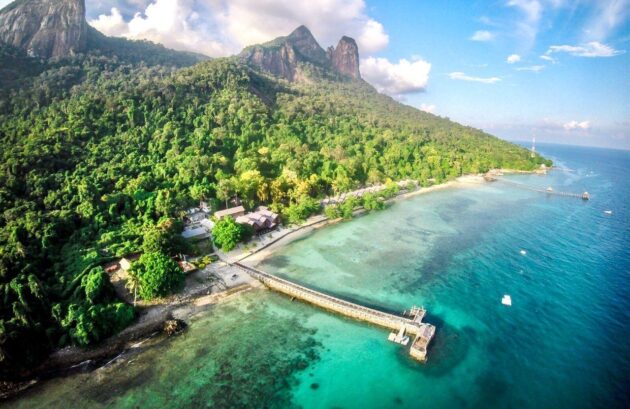
Malaysia Travel Guide (2026)
Malaysia is a vibrant, multicultural destination in Southeast Asia known for its blend of modern cities, historic sites, stunning beaches, rainforests, and incredible food. The slogan “Malaysia Truly Asia” captures its mix of Malay, Chinese, Indian, and indigenous influences. It’s an accessible and rewarding country for first-timers and repeat visitors, with highlighting events, heritage, beaches, and eco-tourism.
Best Time to Visit
Malaysia has a tropical climate—hot and humid year-round (around 28–32°C / 82–90°F), with rain possible anytime. Monsoons vary by region:
West Coast (Kuala Lumpur, Penang, Langkawi): Best from November to March (drier).
East Coast (Perhentian Islands, Tioman): Best from April to September.
Borneo (Sabah, Sarawak): March to October is generally better.
Peak season is December–February on the west coast. Shoulder months (e.g., March–April or October) often offer good deals and fewer crowds.
Top Destinations
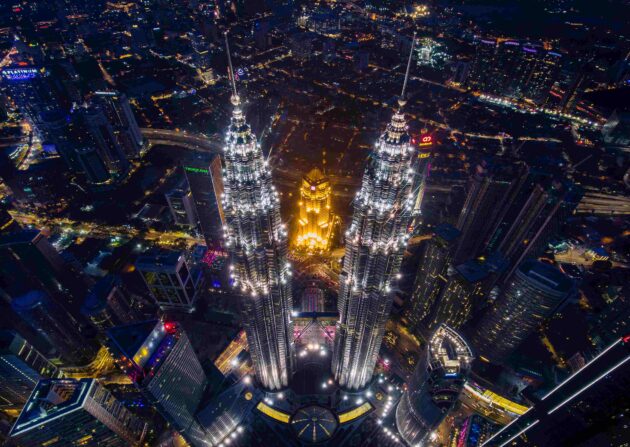
Kuala Lumpur (KL)
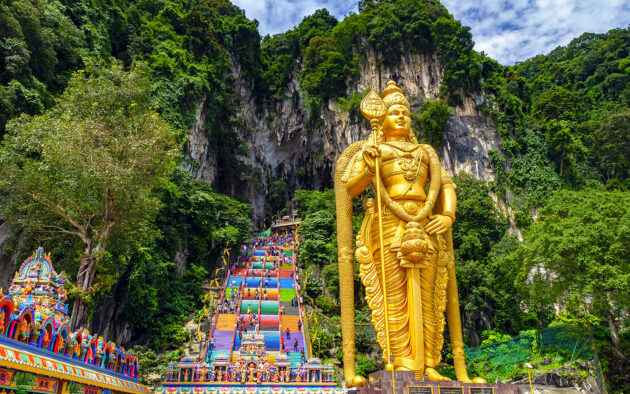
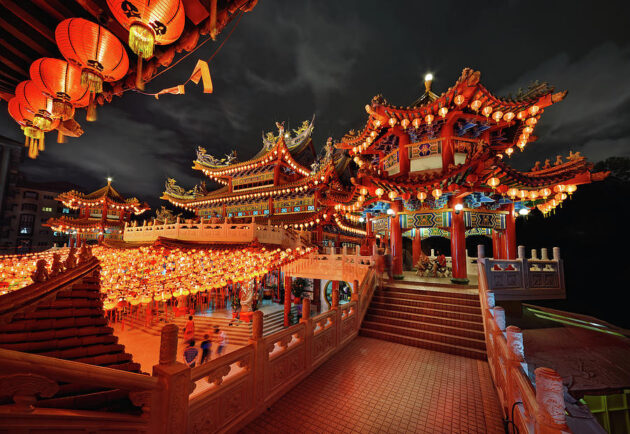
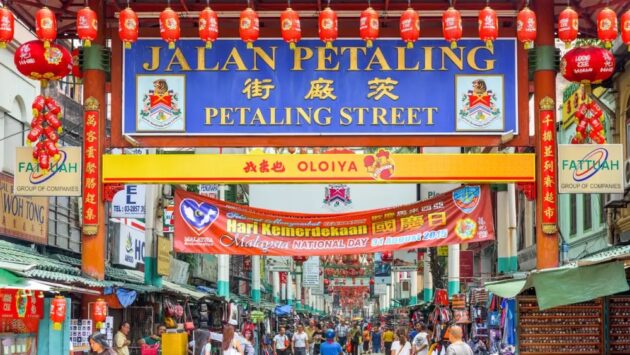
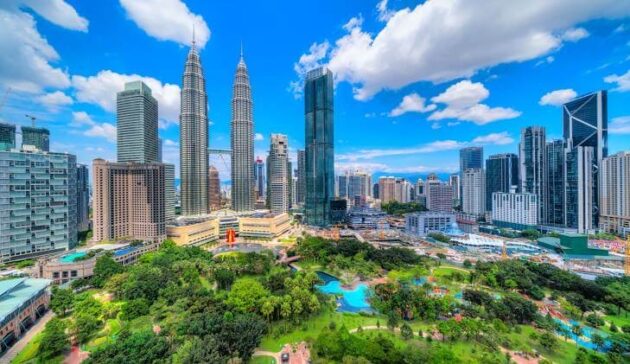
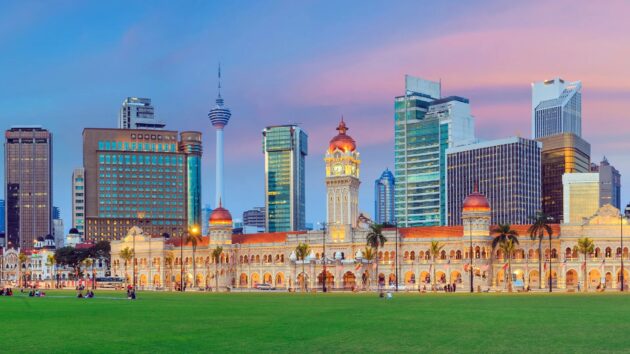
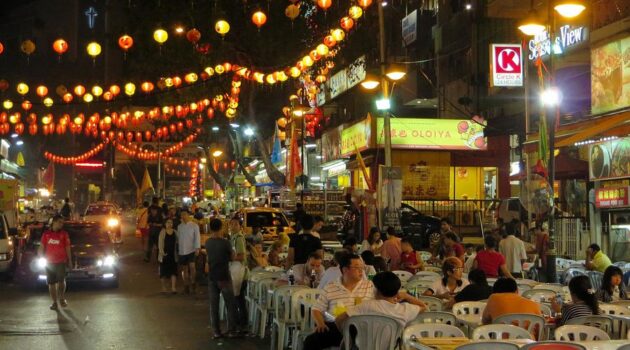
Kuala Lumpur (KL) is Malaysia’s vibrant, multicultural capital, blending modern skyscrapers like the iconic Petronas Twin Towers with historic temples, bustling street markets, and incredible food from Malay, Chinese, Indian, and other influences. It’s a compact yet diverse city that’s generally affordable, walkable in key areas, and a great base for exploring more of Malaysia.
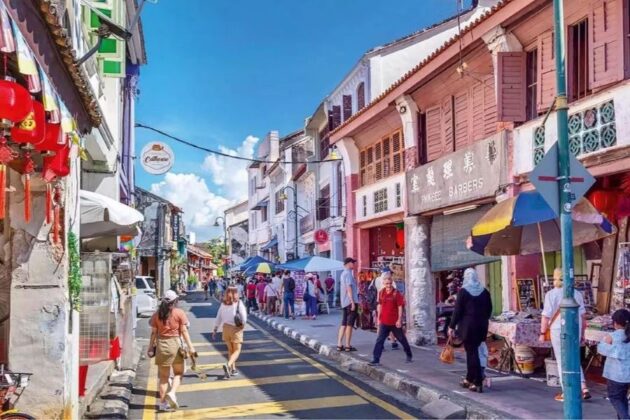
George Town
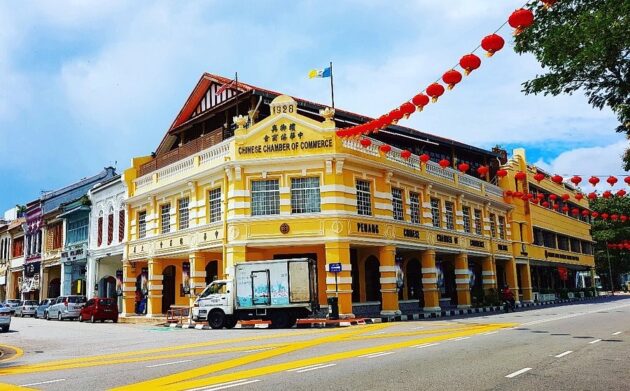
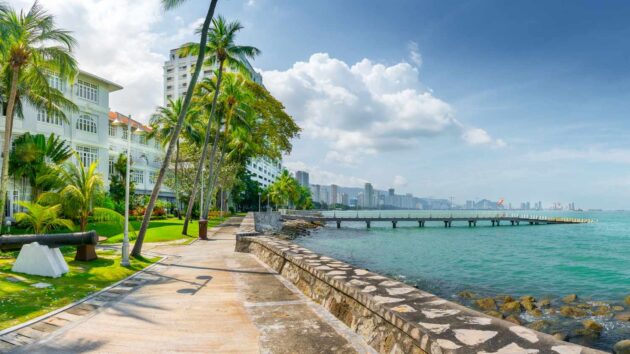
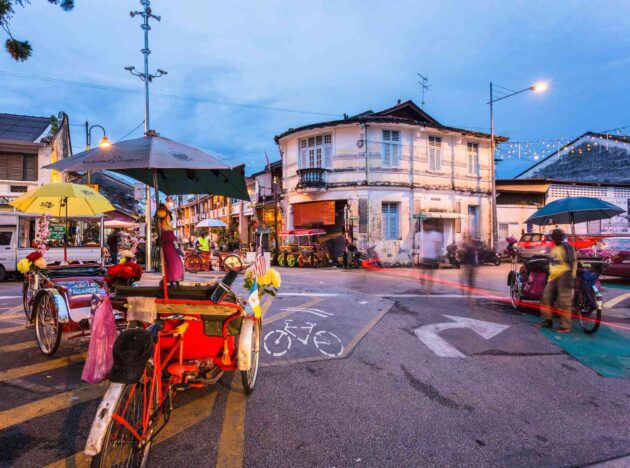
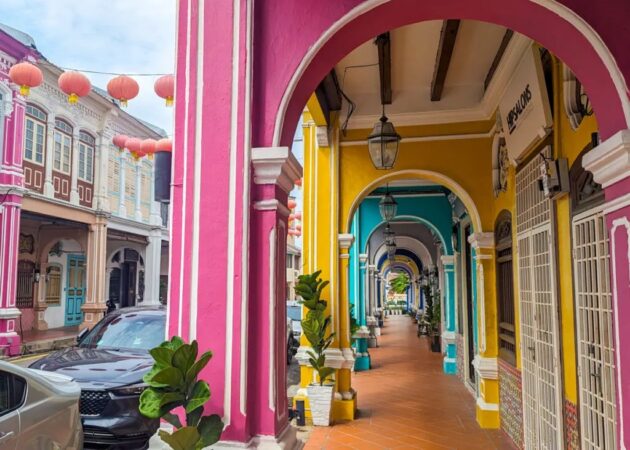
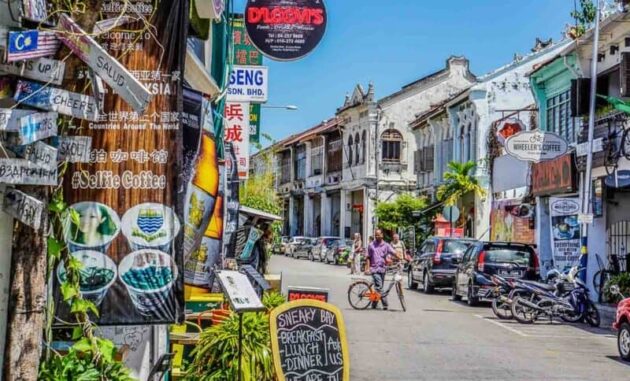
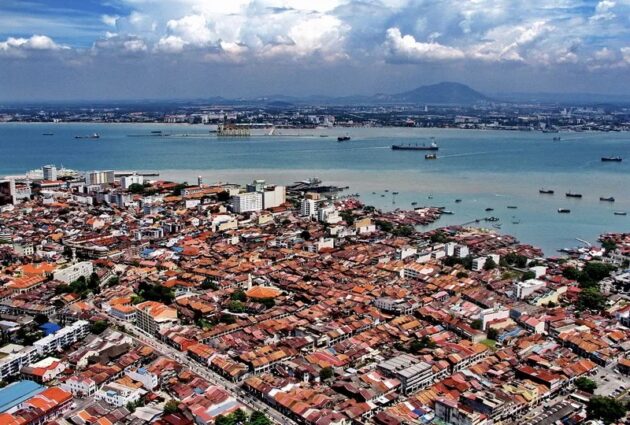
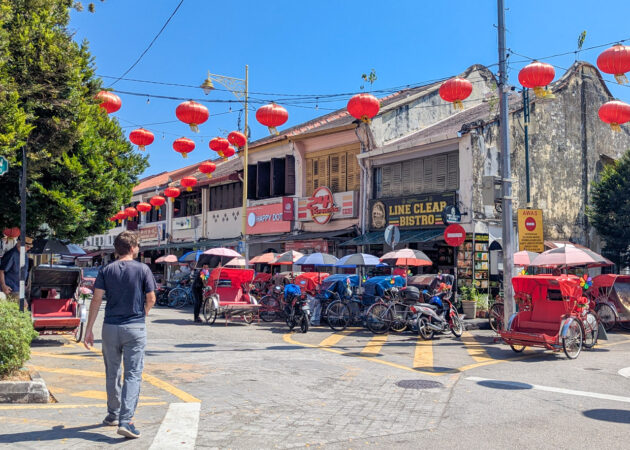
George Town (Georgetown), the capital of Penang Island in Malaysia, is a UNESCO World Heritage Site celebrated for its rich multicultural heritage, vibrant street art, colonial architecture, and world-class street food. It’s a compact, walkable historic core blending Chinese, Malay, Indian, and Peranakan (Straits Chinese) influences, making it one of Southeast Asia’s most charming destinations.
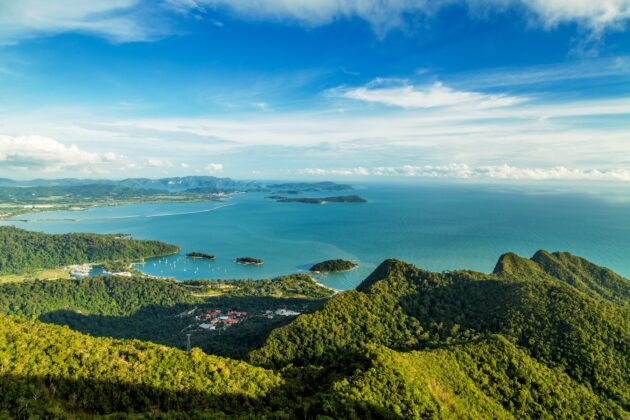
Langkawi
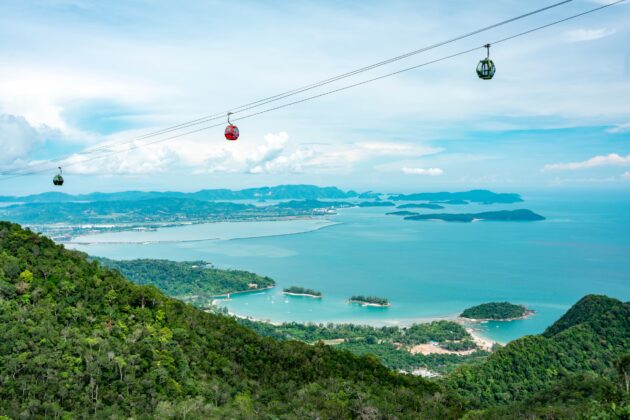
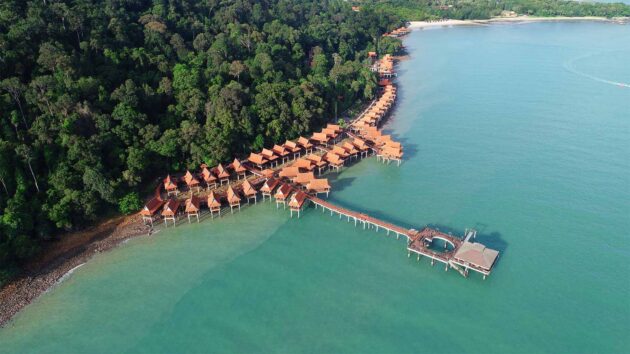
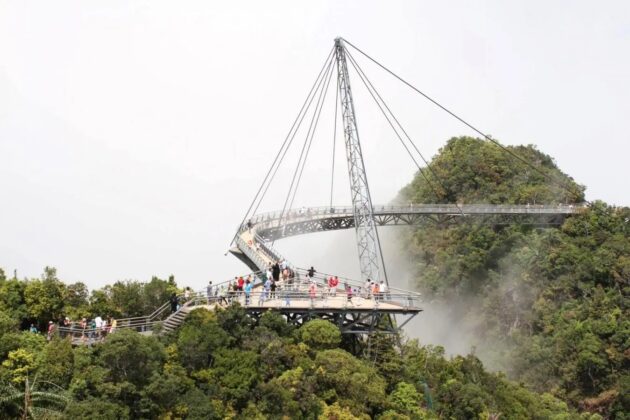
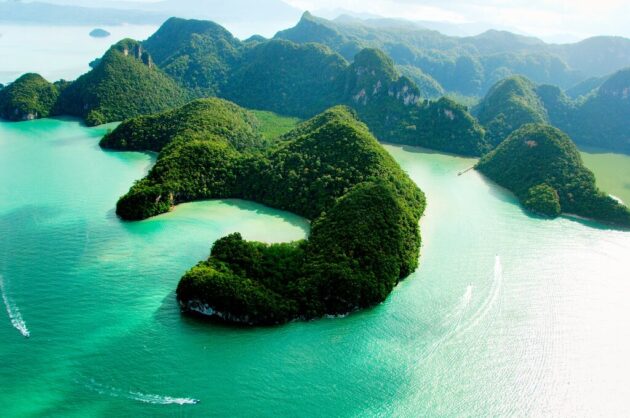
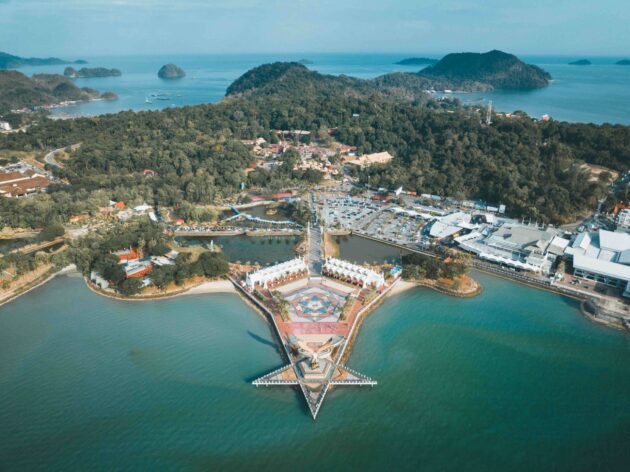
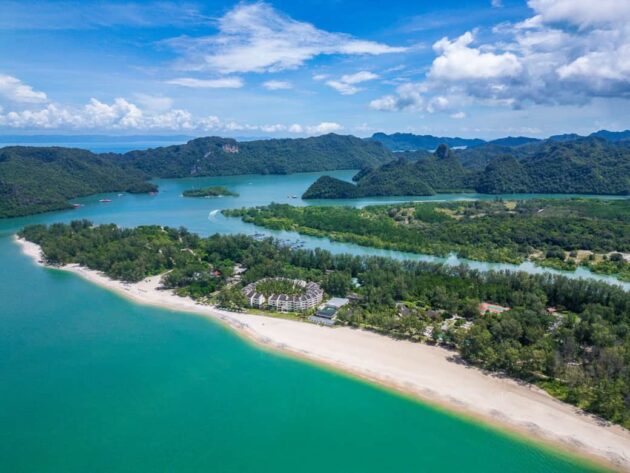
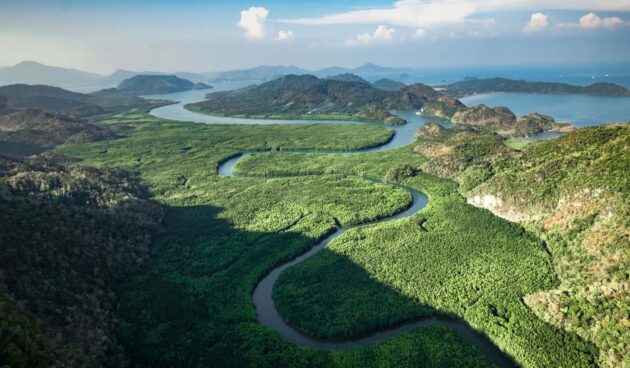
Langkawi (officially Langkawi Geopark or the Jewel of Kedah) is a stunning archipelago of about 99 islands in the Andaman Sea off northwest Malaysia. It features pristine white-sand beaches, lush rainforests, dramatic limestone karsts, mangroves, waterfalls, and UNESCO Global Geopark status. It’s known for duty-free shopping (alcohol, chocolates, perfumes), relaxed vibes compared to places like Bali, and a mix of adventure and relaxation.
Cameron Highlands
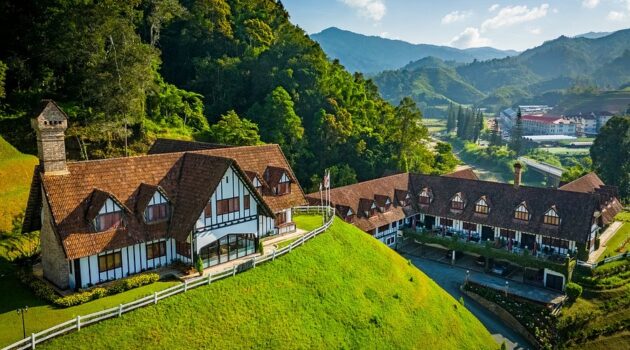
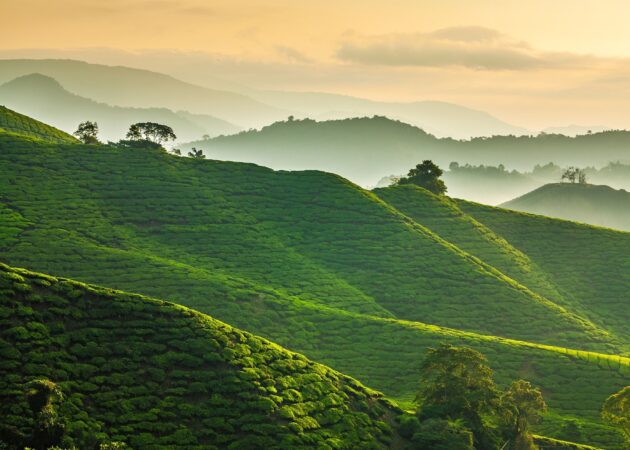
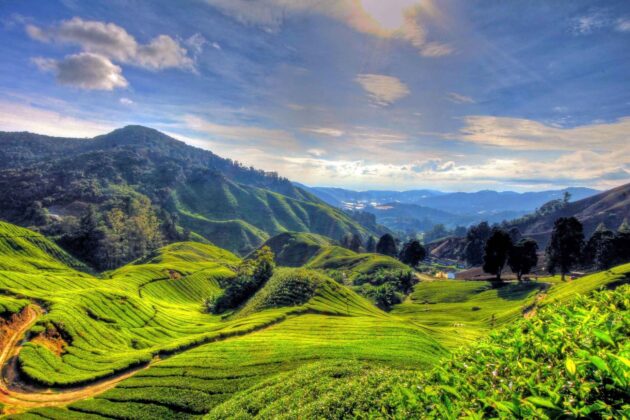
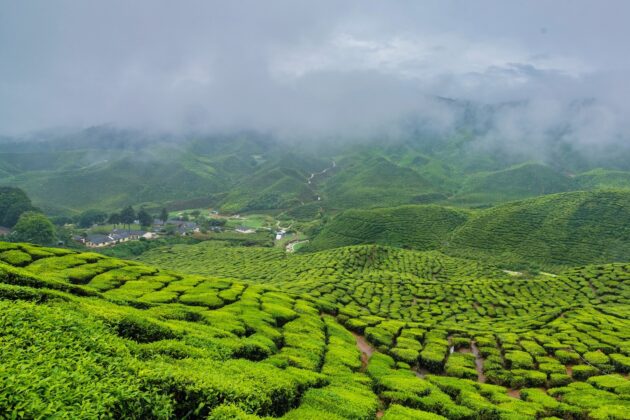
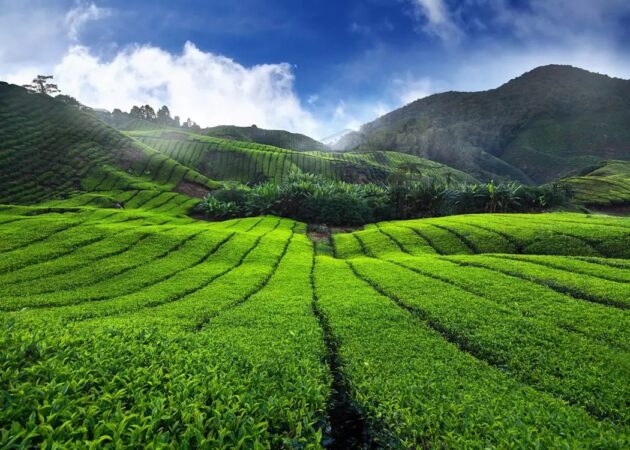
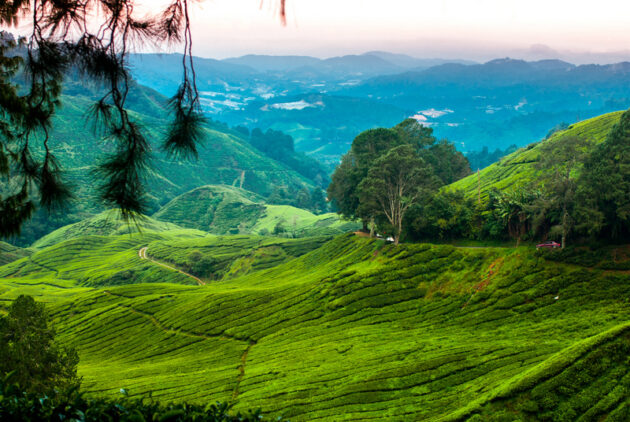
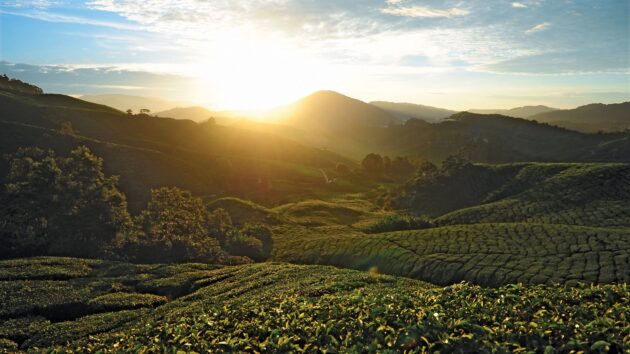
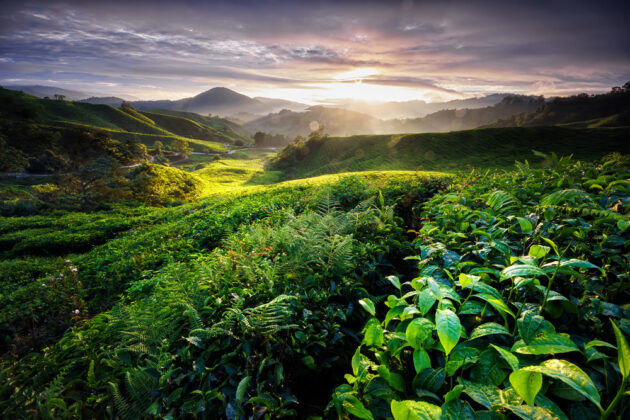
Cameron Highlands is a refreshing highland retreat in Pahang, Malaysia, known for its cool climate (typically 10–25°C / 50–77°F), rolling tea plantations, strawberry farms, misty forests, and colonial-era charm. It offers a welcome break from Malaysia’s tropical heat, with hiking, tea tasting, fresh produce, and relaxed vibes.
Malacca (Melaka)
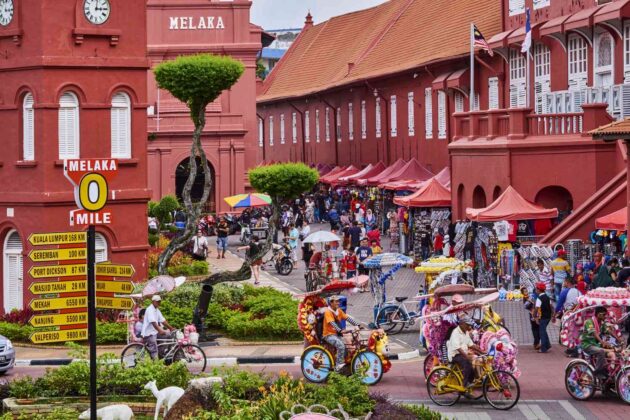
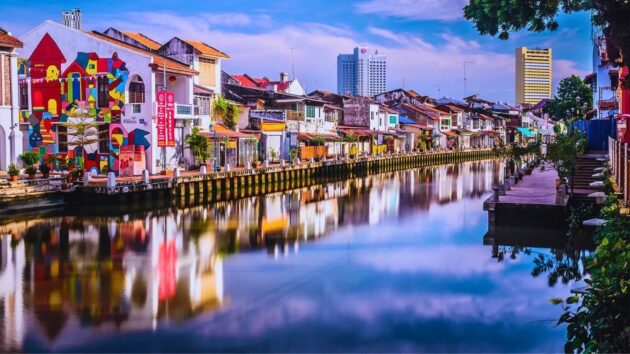
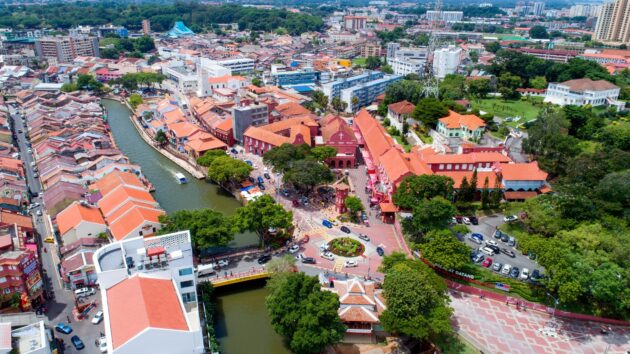
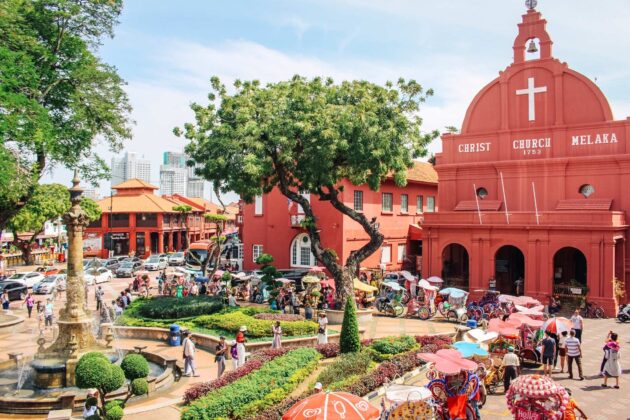
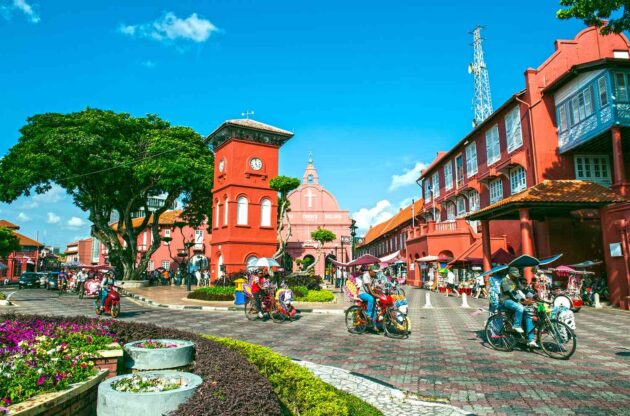
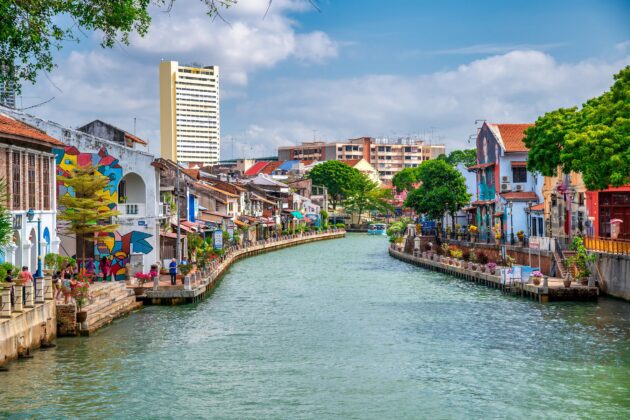
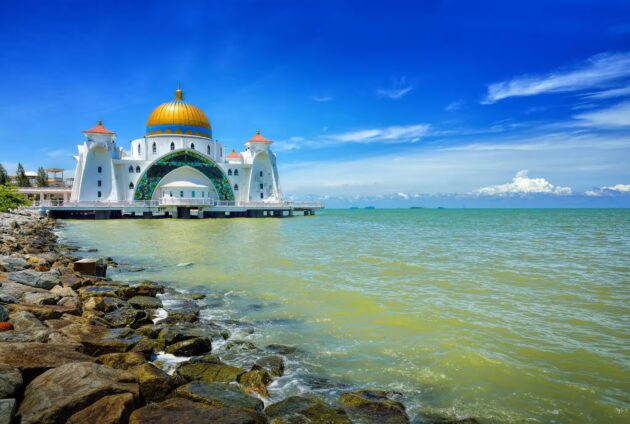
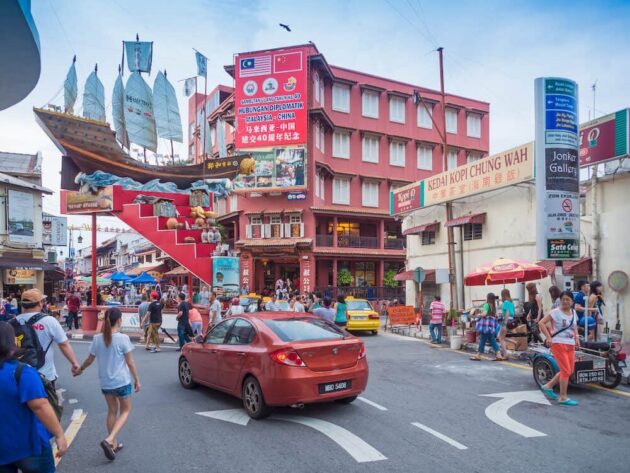
Malacca (Melaka), Malaysia, is a UNESCO World Heritage Site renowned for its rich multicultural history blending Malay, Chinese (Peranakan/Baba-Nyonya), Portuguese, Dutch, and British influences. It’s compact, walkable in the historic core, and ideal for a 2–3 day visit focused on colonial architecture, vibrant streets, museums, and delicious fusion food.
Mount Kinabalu
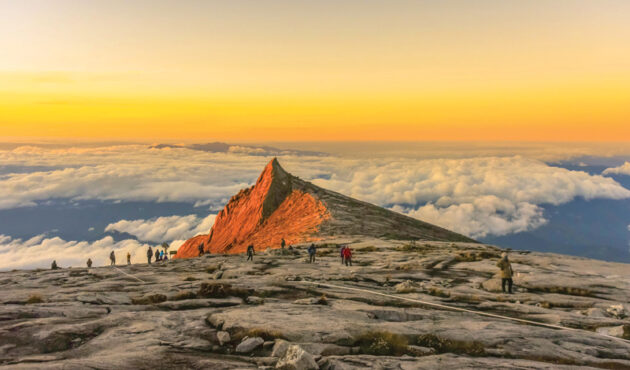
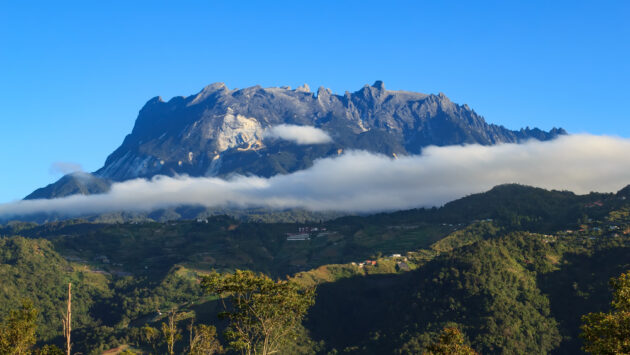
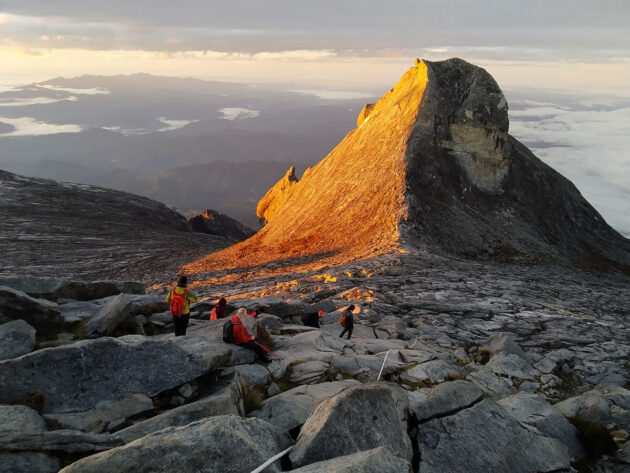
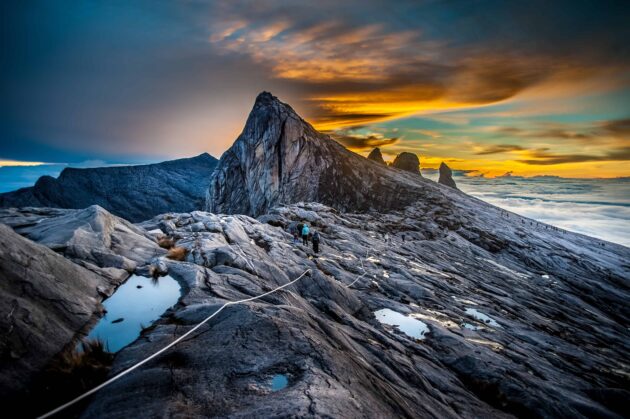
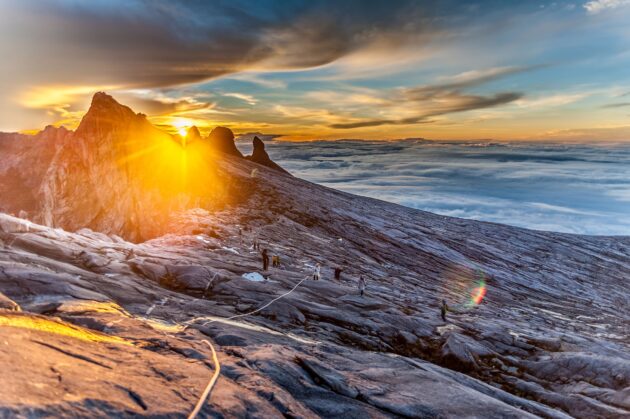
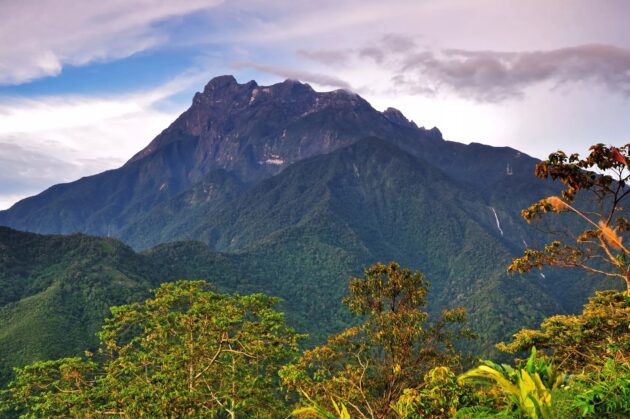
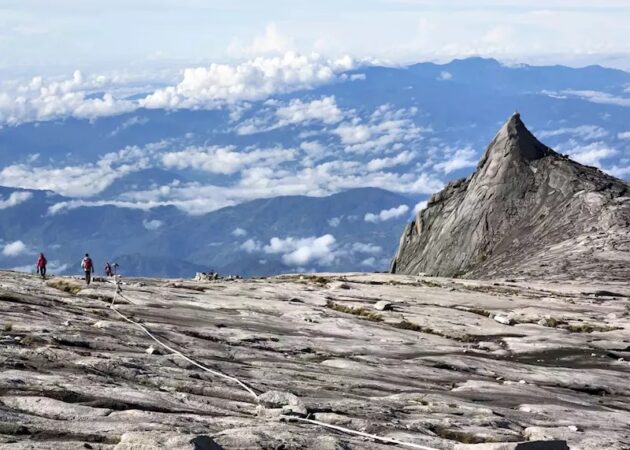
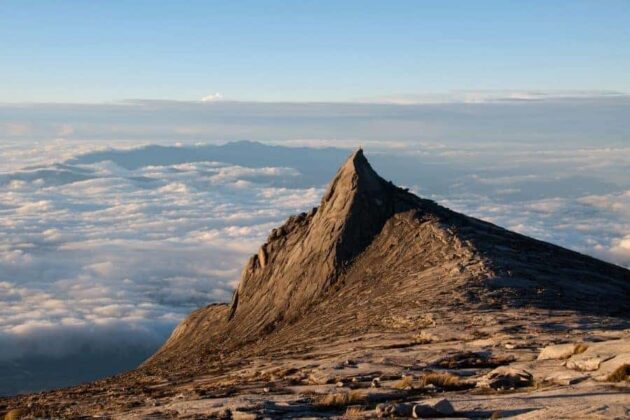
Mount Kinabalu (Gunung Kinabalu) is the highest mountain in Malaysia and Southeast Asia, standing at 4,095 meters (Low’s Peak). Located in Kinabalu National Park (a UNESCO World Heritage Site) in Sabah, Borneo, it offers stunning biodiversity, dramatic granite peaks, and a challenging but non-technical climb suitable for fit beginners.
Tioman Island
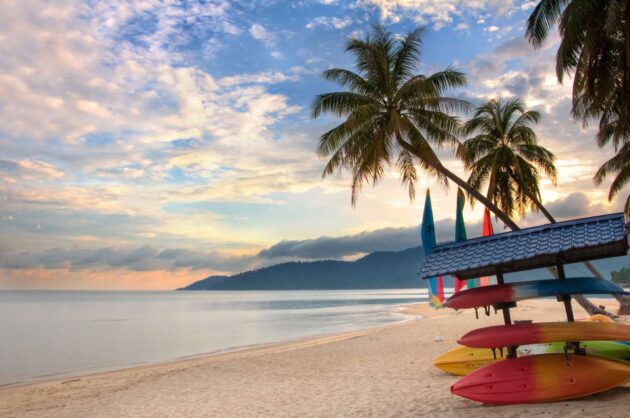
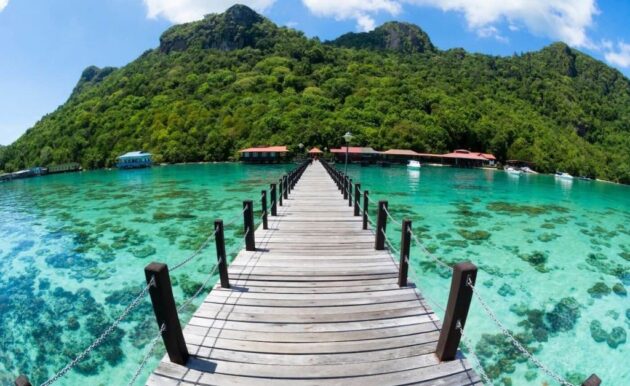
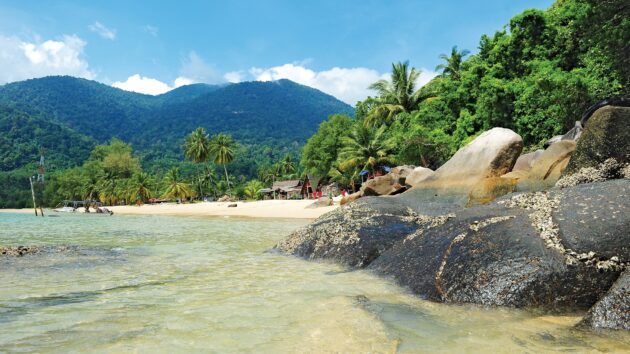
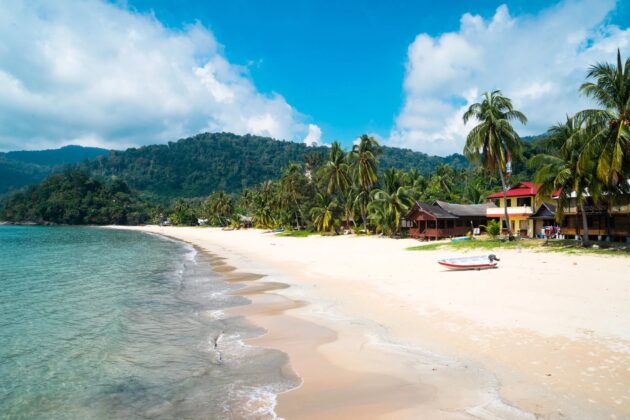
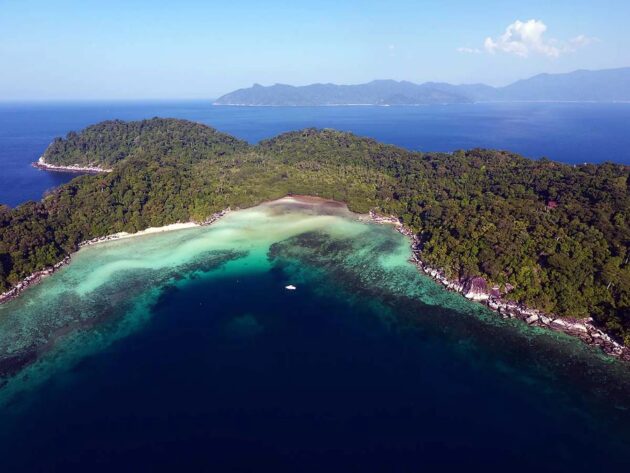
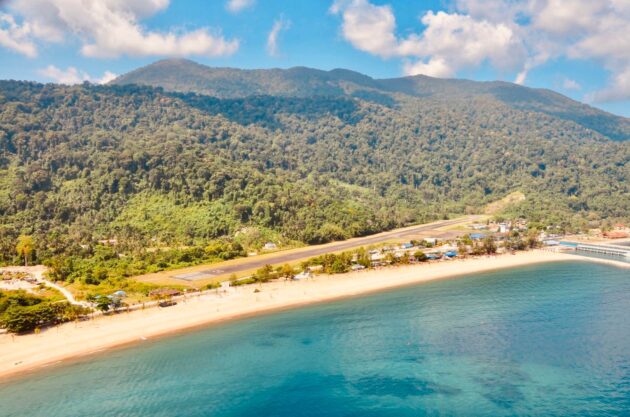
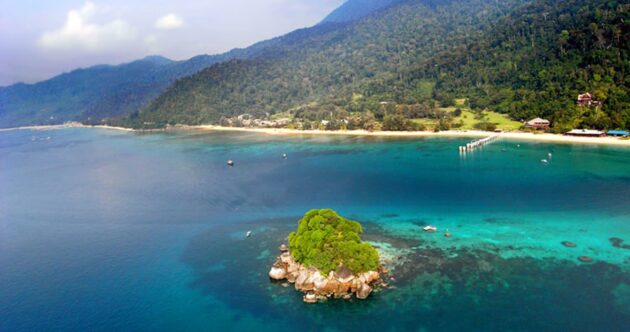
Tioman Island (Pulau Tioman), Malaysia, is a lush tropical paradise off the east coast in the South China Sea, part of a marine park with pristine beaches, vibrant coral reefs, jungle-covered hills, and relaxed island vibes. It’s less developed than Langkawi or Penang, offering excellent diving, snorkeling, hiking, and beach time—popular with divers, backpackers, families, and weekend visitors from Singapore.
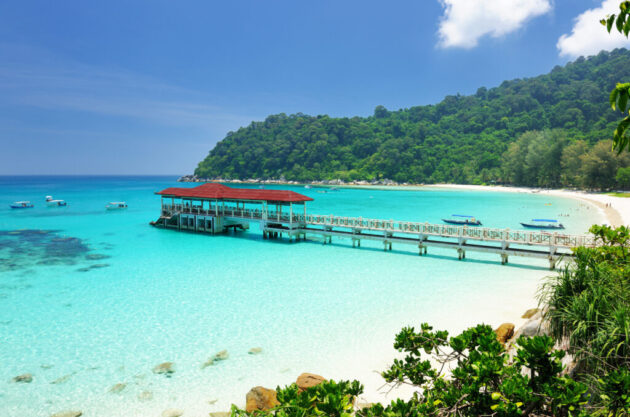
Perhentian Islands
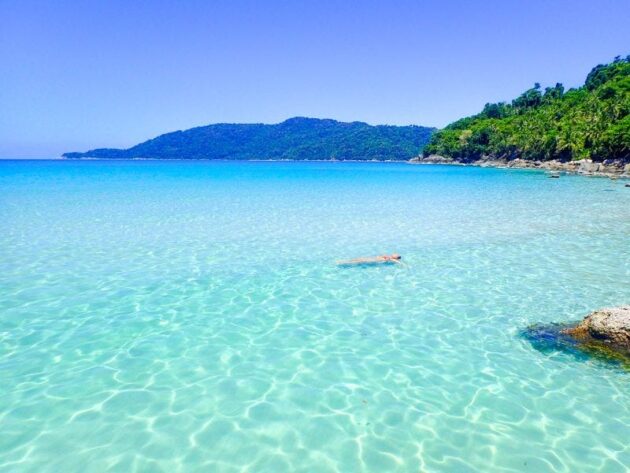
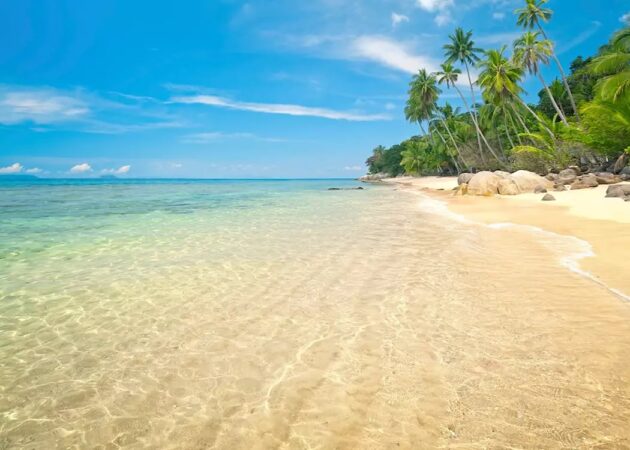
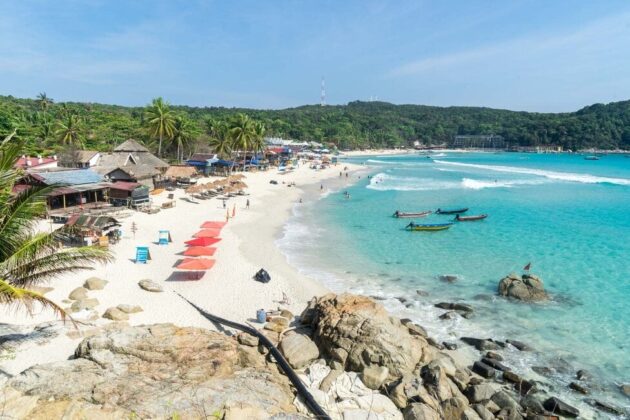
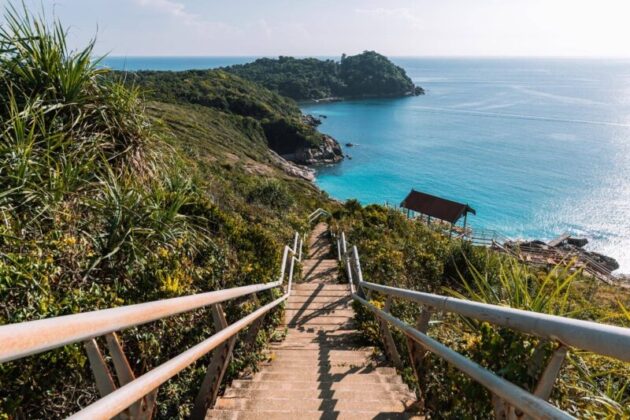
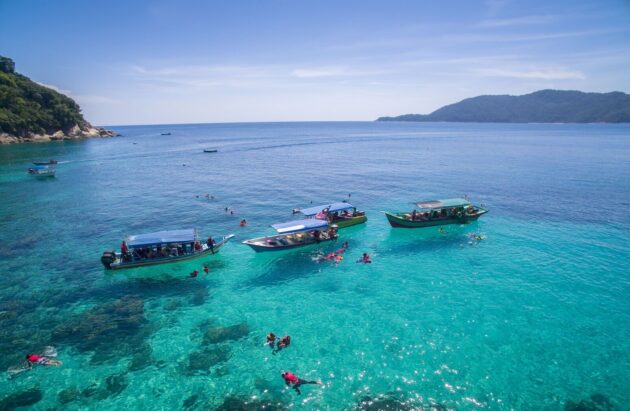
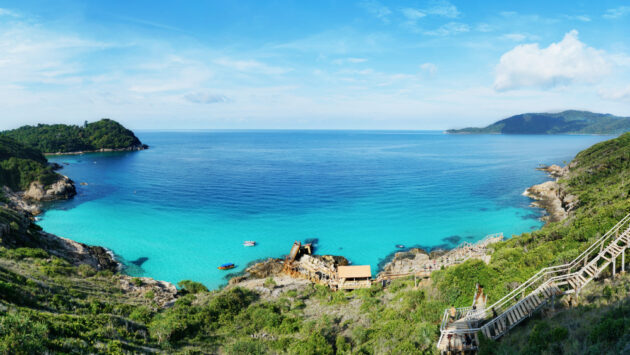
Perhentian Islands (Pulau Perhentian), Malaysia, are a stunning tropical paradise off the northeastern coast of Peninsular Malaysia in Terengganu state. They feature crystal-clear turquoise waters, vibrant coral reefs, white-sand beaches, and rich marine life including sea turtles, reef sharks, and colorful fish. The islands remain less developed than some Southeast Asian hotspots, offering a relaxed vibe with limited infrastructure—no cars, scarce ATMs, and spotty Wi-Fi.
Pulau Redang
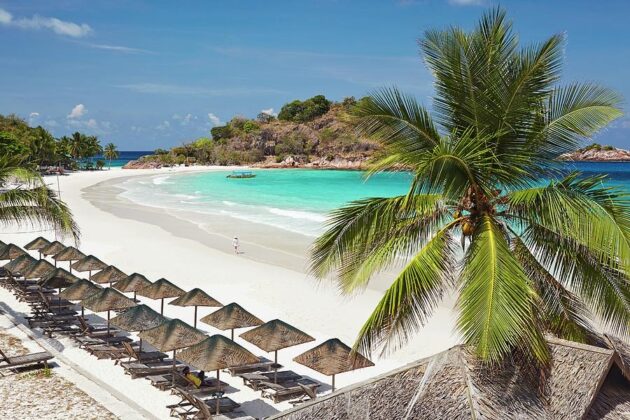
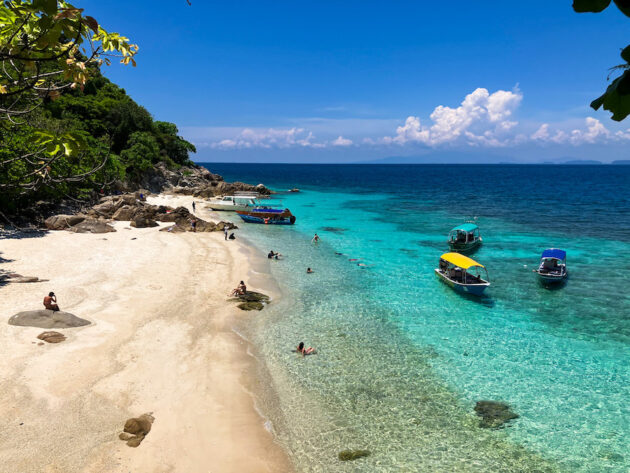
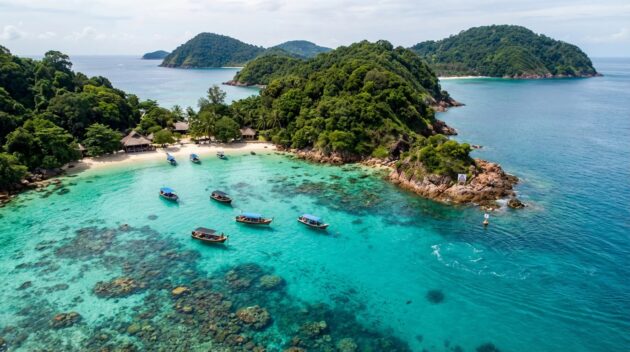
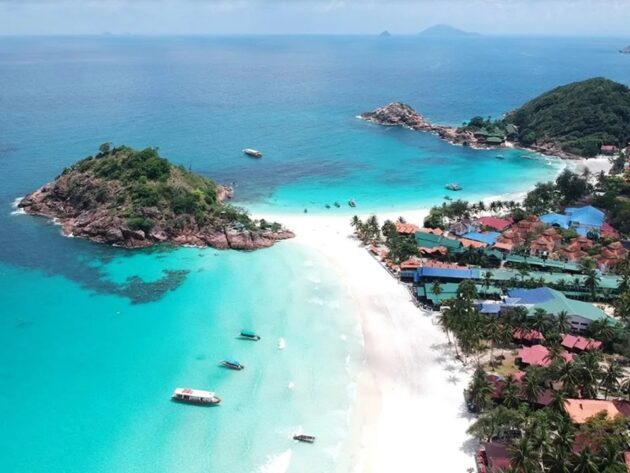
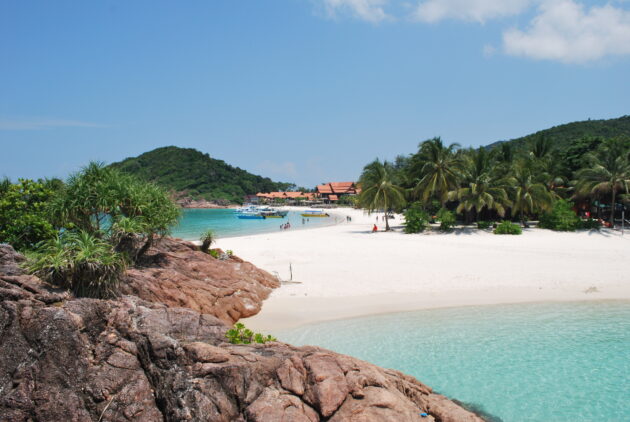
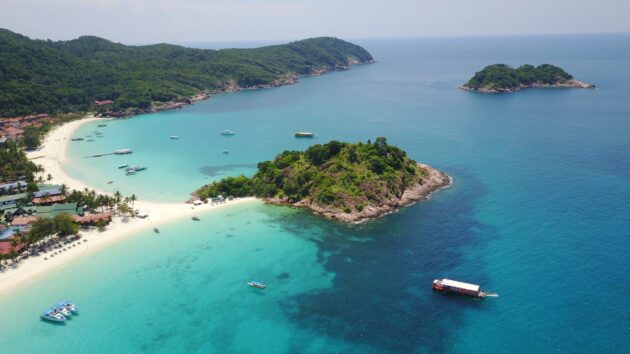
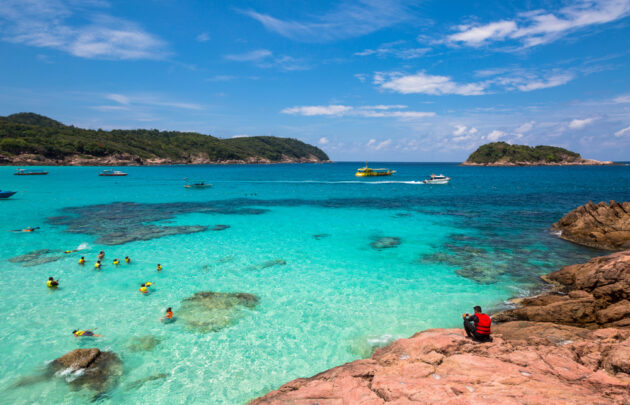
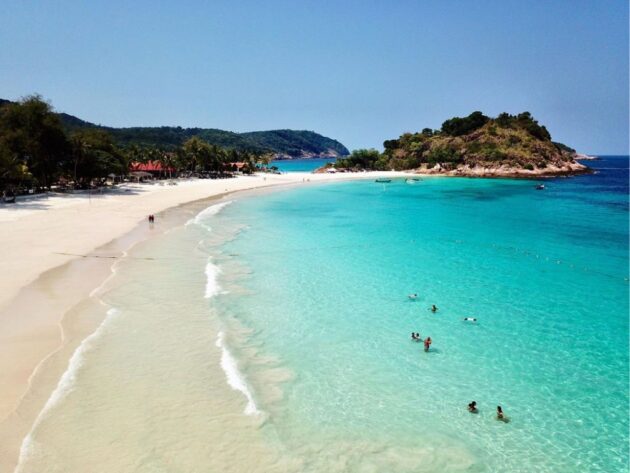
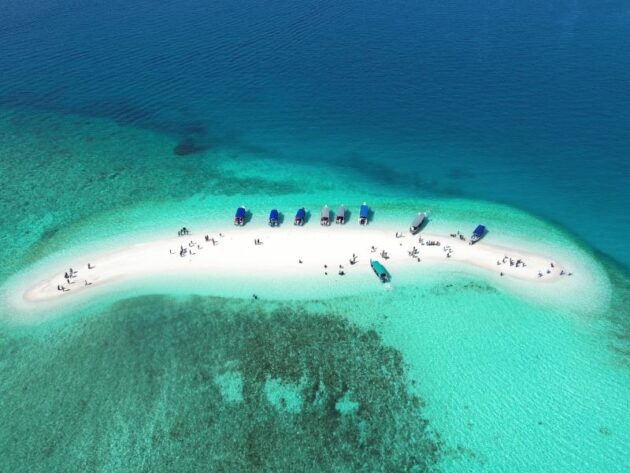
Pulau Redang (Redang Island) is one of Malaysia’s premier tropical island destinations, known for its powdery white-sand beaches, crystal-clear turquoise waters, vibrant coral reefs, and rich marine life. It is the largest island in the Redang Archipelago, part of the protected Redang Marine Park off the east coast of Terengganu, Peninsular Malaysia.
Food – A Major Highlight
Malaysian cuisine is a delicious fusion: Nasi Lemak — Coconut rice with sambal, anchovies, egg, peanuts (national dish). Roti Canai — Flaky flatbread with curry. Char Kway Teow — Stir-fried noodles. Satay, laksa varieties, banana leaf rice, rendang, and Hainanese chicken rice.
Eat at hawker centres, night markets, or mamak stalls for authentic, cheap meals. Penang and KL are foodie paradises. Try “open house” during festivals for hospitality.
Culture & People
Multicultural population: Malay (majority), Chinese, Indian, indigenous groups.
Religions: Islam (official), Buddhism, Hinduism, Christianity, etc.—festivals like Chinese New Year, Deepavali, Hari Raya, and Thaipusam are colorful.
Respect local customs: Dress modestly at religious sites; remove shoes before entering homes/mosques; use right hand for eating/giving.
Practical Tips
Currency: Malaysian Ringgit (MYR). ATMs widespread; cards accepted in cities.
Transportation: Grab (ride-hailing) is cheap and convenient. Taxis, buses, trains, and flights connect regions. Drive on the left.
Budget: Budget travelers: $30–50/day. Mid-range: $60–100+. Accommodations range from hostels to luxury resorts.
Health/Safety: Tap water often not safe—drink bottled. Use mosquito repellent (dengue risk). Standard travel insurance recommended. Malaysia is generally safe for tourists.
SIM/eSIM: Affordable data options at airports.
Packing: Light clothes, rain jacket, modest attire for sites, reef-safe sunscreen.
Final Thoughts
Malaysia combines urban energy, natural wonders, and warm hospitality. Whether you seek food adventures, beach relaxation, or jungle treks, it delivers. Plan around regions and weather for the best experience—safe travels! For specific needs (e.g., family, adventure, luxury), provide more details.