
Ubud Travel Guide (2026): Bali’s Cultural and Spiritual Heart
Ubud is the lush, artistic, and spiritual center of Bali, Indonesia. Known for its emerald rice terraces, ancient temples, vibrant arts scene, wellness retreats, and serene jungle vibes, it offers a refreshing contrast to the island’s busier southern beaches. Whether you seek yoga and meditation, cultural immersion, nature adventures, or delicious food, Ubud delivers a deeply rejuvenating experience.
Best Time to Visit Ubud
The dry season (April to October) is ideal, with sunny days perfect for outdoor activities like hiking rice fields, visiting waterfalls, and exploring temples. May, June, and September are particularly popular for pleasant weather and fewer crowds.
The wet season (November to March) brings lush greenery and occasional tropical showers (often afternoon or evening). It’s quieter and more affordable, with the rain adding to the serene jungle atmosphere. Temperatures are generally warm (20–30°C / 68–86°F), cooler in the evenings due to Ubud’s higher elevation.
How to Get to Ubud
From Ngurah Rai International Airport (DPS): The journey takes 1.5–2+ hours depending on traffic.
Private transfer or hotel shuttle: Most convenient (pre-book via your hotel or apps).
Grab/Gojek: Affordable ride-hailing options; use the airport Grab lounge.
Kura-Kura Bus: Budget shuttle service with routes connecting to Ubud.
Taxi: Metered options like Bluebird are available but can involve negotiation.
Traffic peaks in the late afternoon. Book in advance for peace of mind.
Getting Around Ubud
Walk central areas (Ubud Palace, Market, Monkey Forest).
Grab/Gojek for short rides (cheap and reliable).
Private driver for day trips (recommended; ~$40–70 USD per day).
Scooter rental: Popular but only for experienced riders due to traffic, narrow roads, and safety concerns. International driving permit required for motorbikes.
Top Things to Do in Ubud
Sacred Monkey Forest Sanctuary
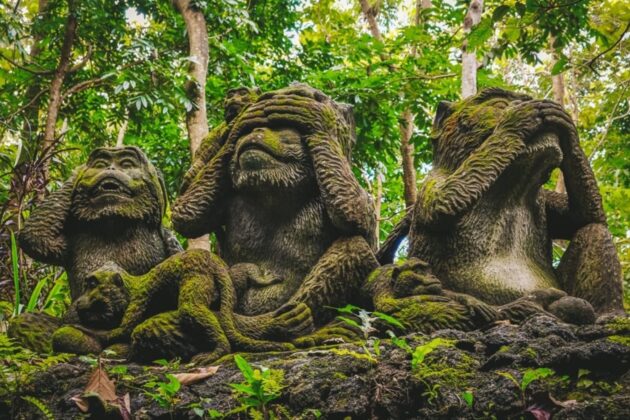
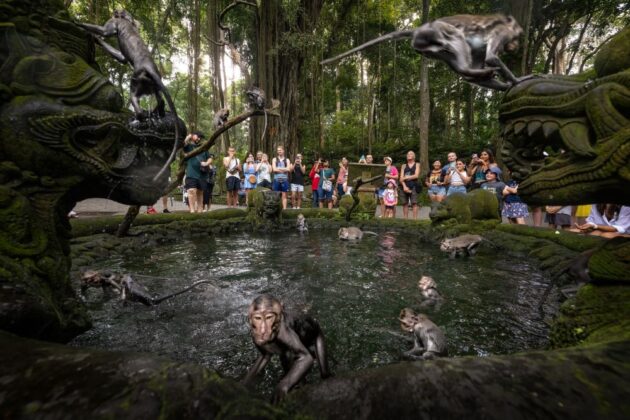
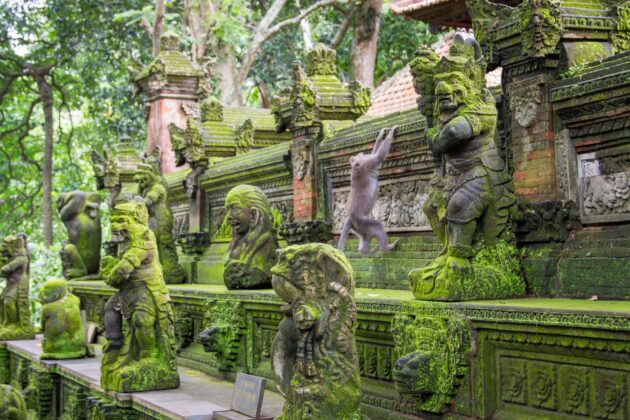
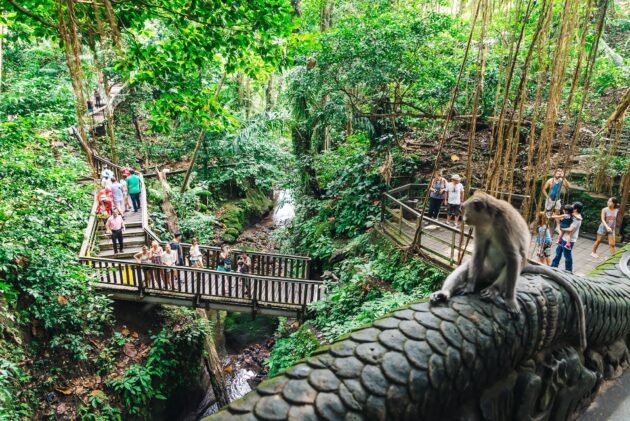
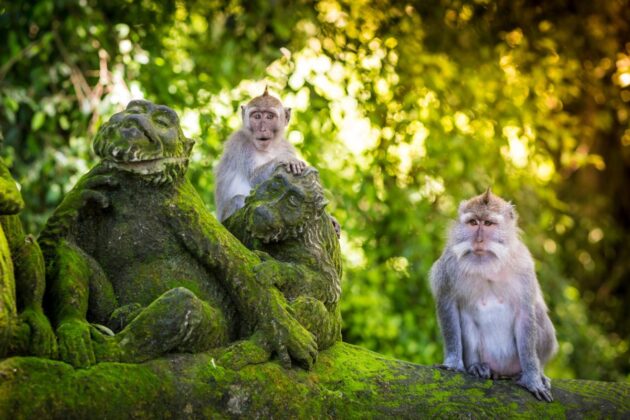
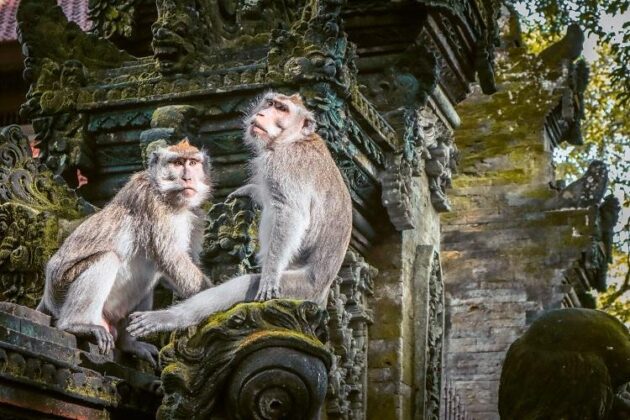
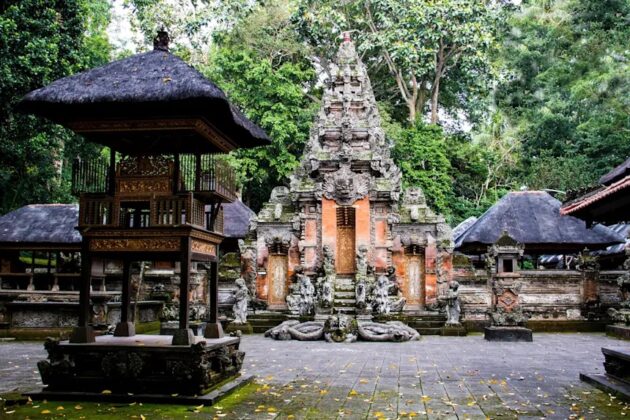
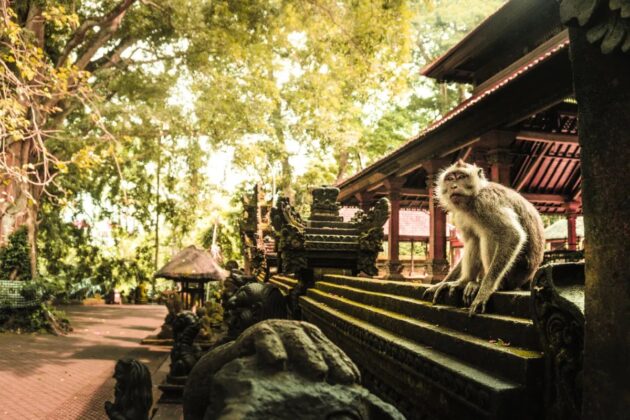
The Sacred Monkey Forest Sanctuary, also known as Mandala Suci Wenara Wana or simply Ubud Monkey Forest, is one of Bali’s most iconic attractions. Located in the heart of Ubud, this 12.5-hectare (about 31-acre) nature reserve and Hindu temple complex is home to over 1,260 long-tailed macaques (Macaca fascicularis). These monkeys are considered sacred by the Balinese people and are believed to protect the area and ward off evil spirits.
Tegallalang Rice Terraces
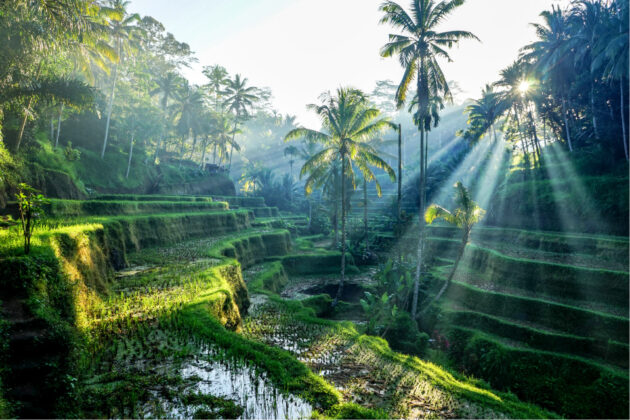
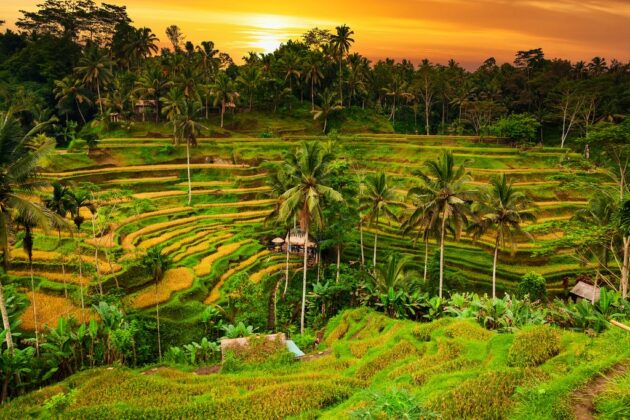
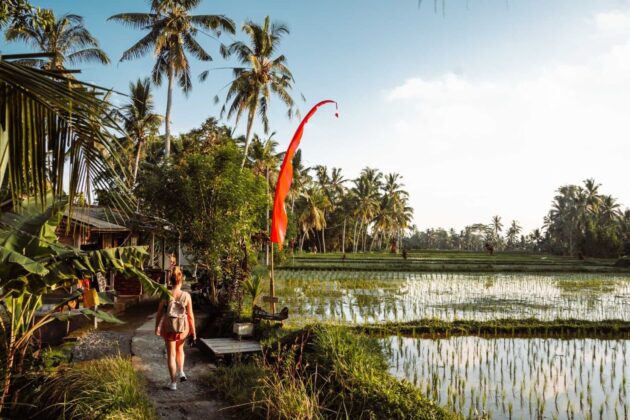
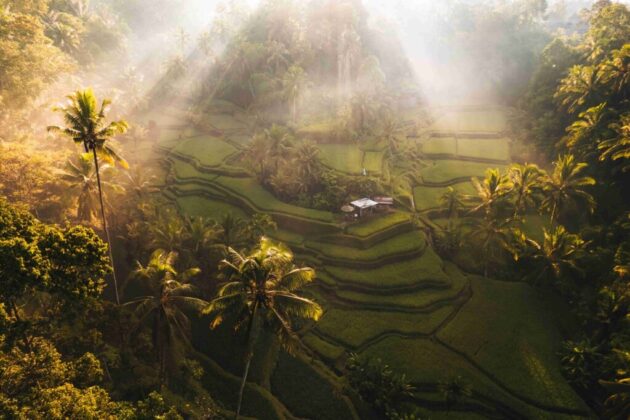
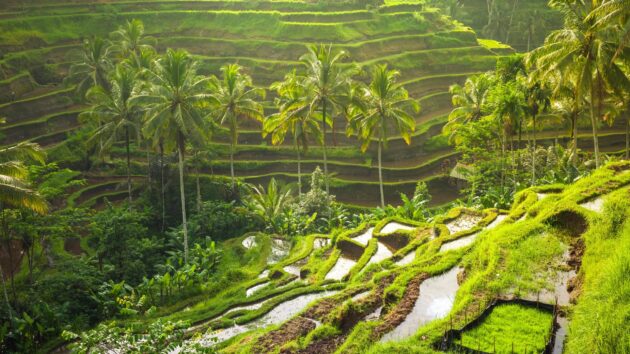
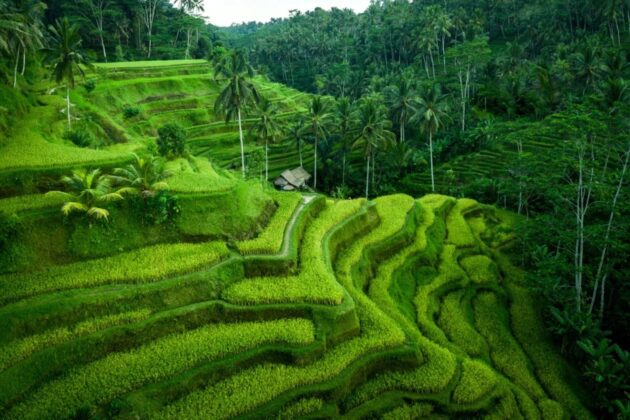
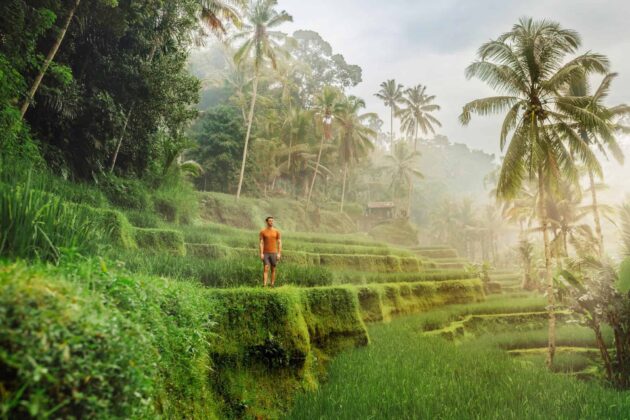
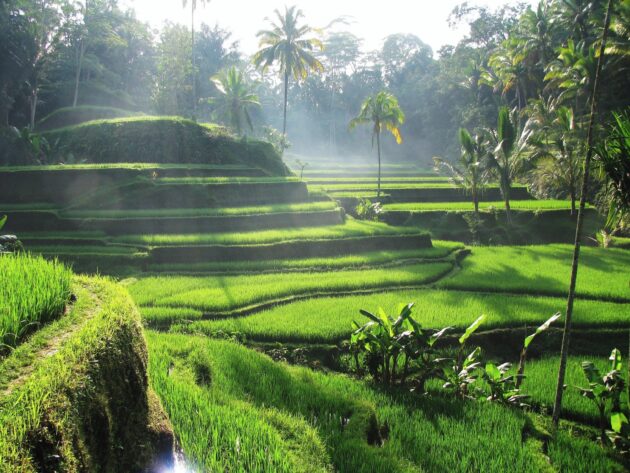
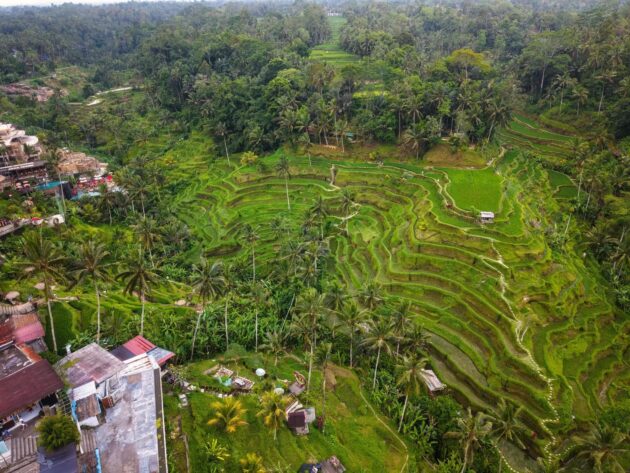
Nestled in the lush jungle hillsides of Ubud, Bali, the Tegallalang Rice Terraces are a stunning example of the island’s ancient subak irrigation system, where vibrant green paddies cascade down like layered steps. These breathtaking terraces offer visitors a chance to walk along narrow paths, witness local farmers at work, and capture iconic photos against a backdrop of swaying coconut palms and deep ravines.
Ubud Palace (Puri Saren Agung)
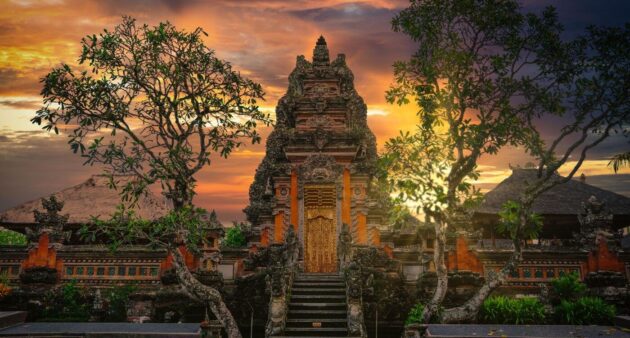
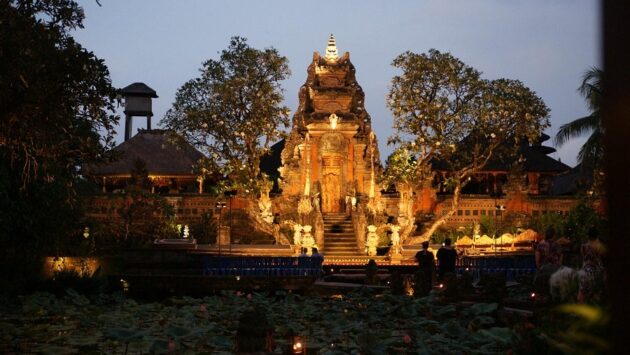
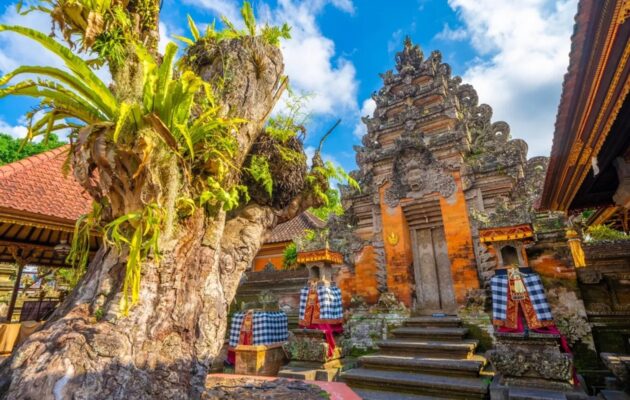
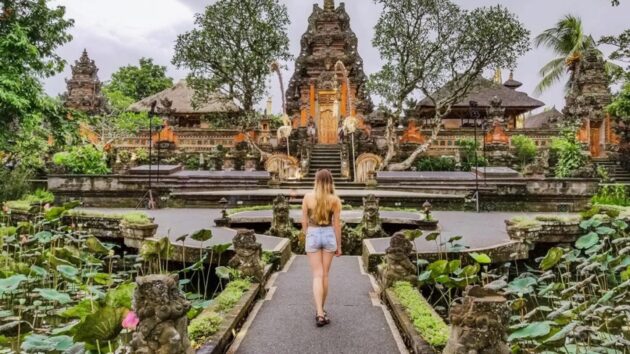
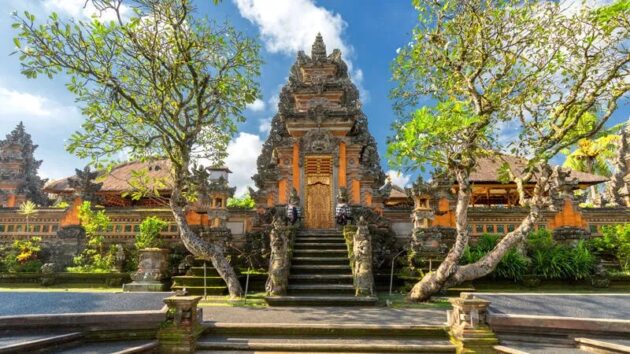
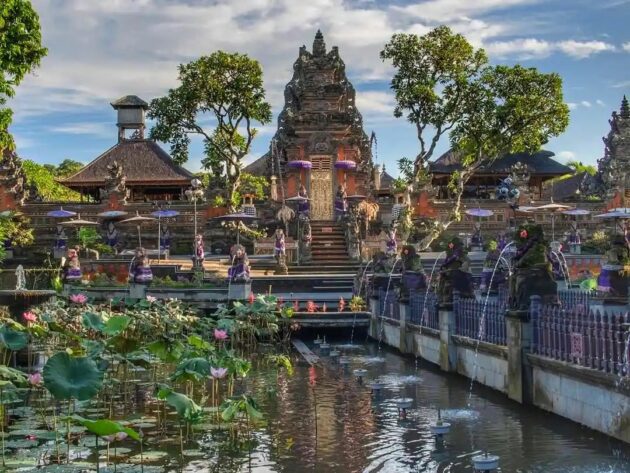
Ubud Palace, officially known as Puri Saren Agung, is a historic royal residence located in the heart of Ubud, Bali, Indonesia. Built in the 19th century during the reign of the Sukawati Dynasty, the palace showcases traditional Balinese architecture with its elegant stone carvings, ornate pavilions, and lush gardens. It serves not only as a cultural landmark but also as a venue for nightly traditional dance performances, such as the Legong dance, offering visitors a glimpse into Bali’s rich artistic heritage.
Ubud Art Market
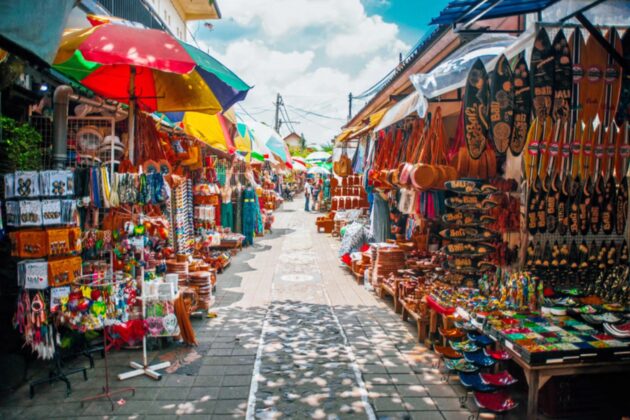
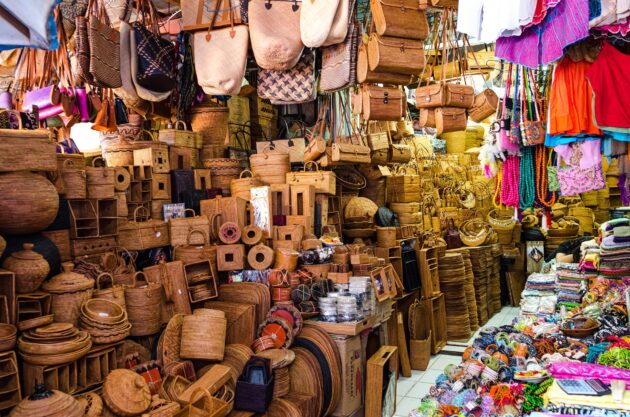
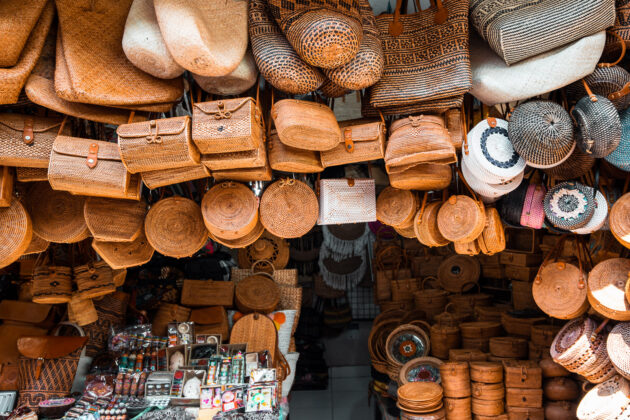
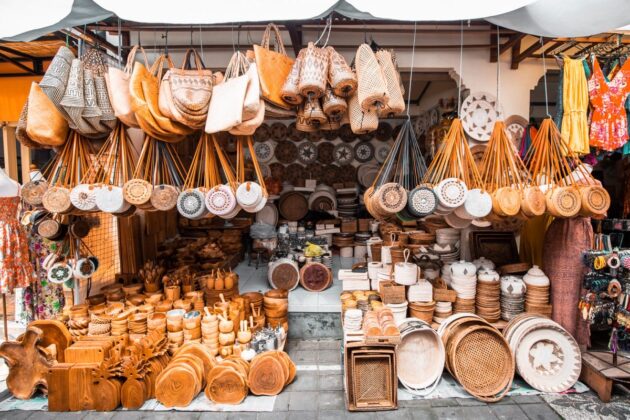
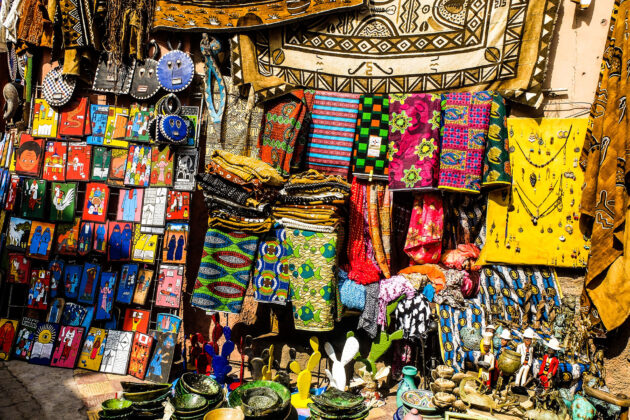
Located in the heart of Ubud, Bali, the Ubud Art Market (also known as Pasar Seni Ubud) is a vibrant, open-air marketplace famous for its wide array of handcrafted goods and cultural treasures. Operating daily, it offers everything from silk scarves, batik shirts, and woven bags to statues, kites, and hand-carved wooden masks. The market is a fantastic place to practice bargaining skills while supporting local artisans, and it sits directly across from the royal palace, making it a convenient stop for any traveler seeking authentic Balinese souvenirs and a lively shopping experience.
Campuhan Ridge Walk
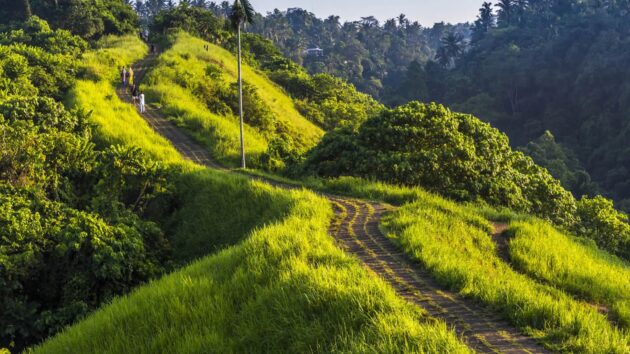
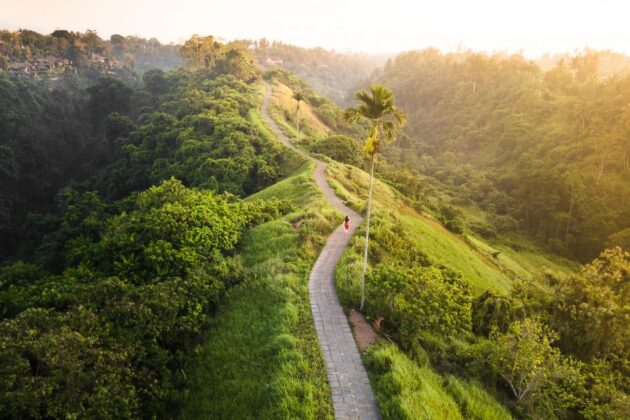
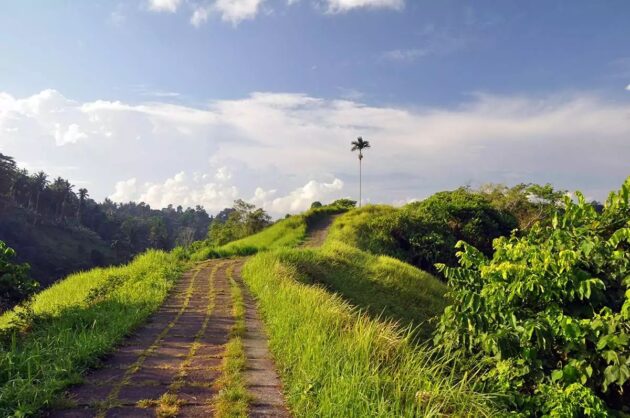
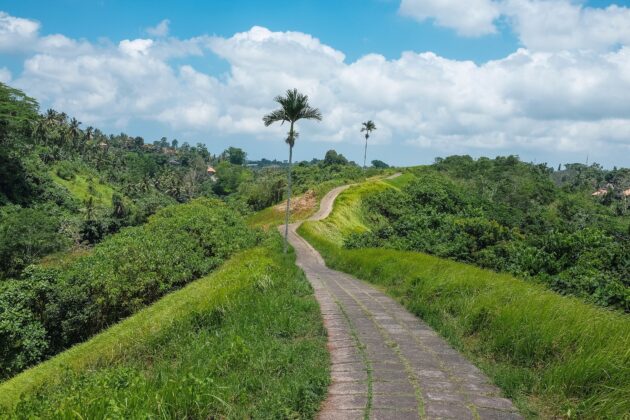
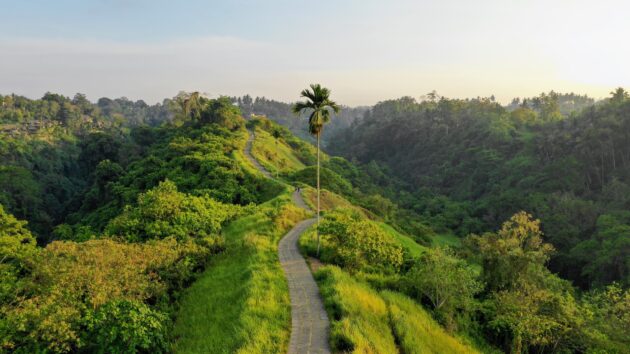
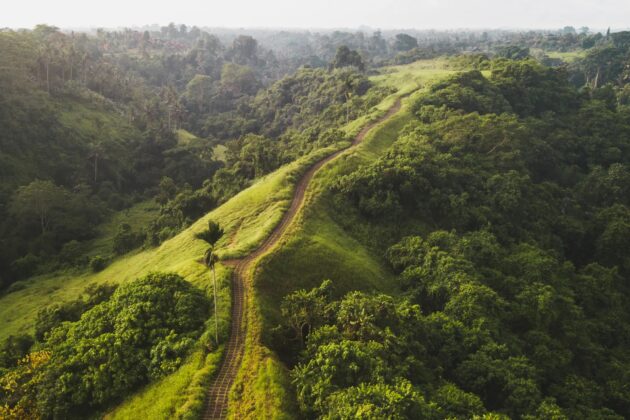
The Campuhan Ridge Walk in Ubud, Bali, is a serene and scenic trek that offers a tranquil escape from the town’s bustling center. Following a gentle paved path that winds along a narrow ridge between the lush, jungle-clad valleys of the Sungai Cerik and Sungai Tukad Pakerisan rivers, the walk provides stunning panoramic views of rolling green hills, swaying grasses, and distant palm trees.
Tegenungan Waterfall
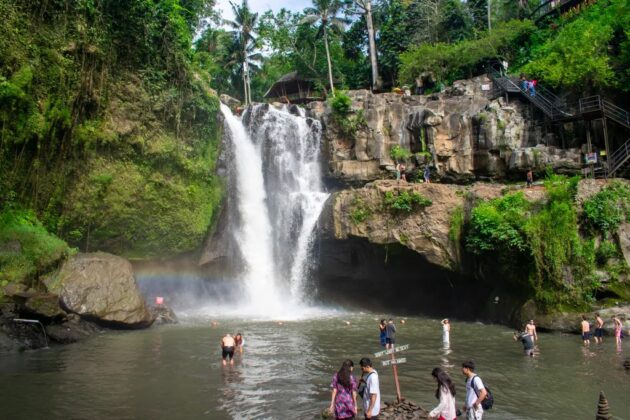
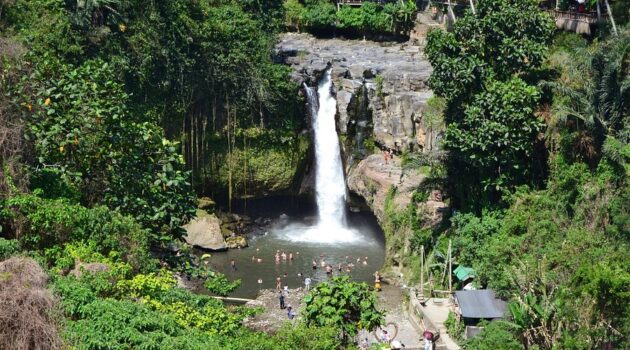
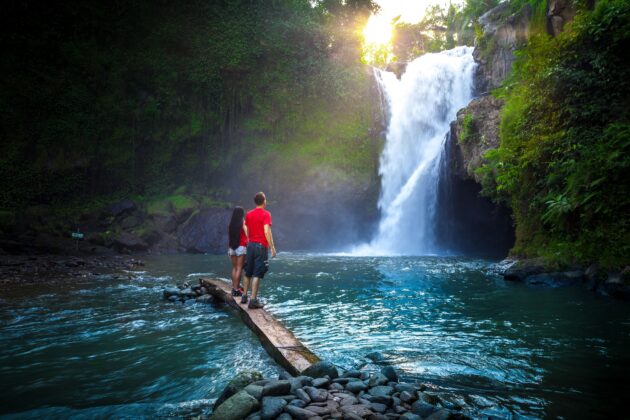
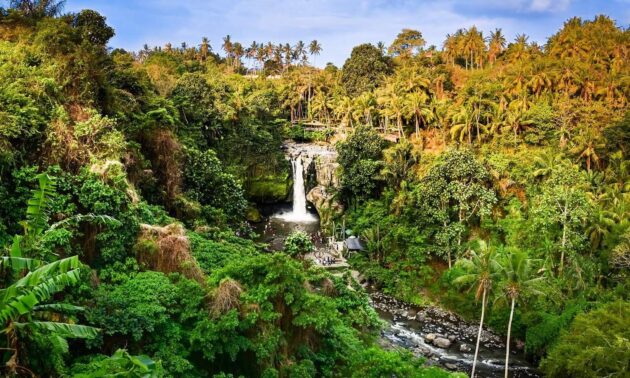
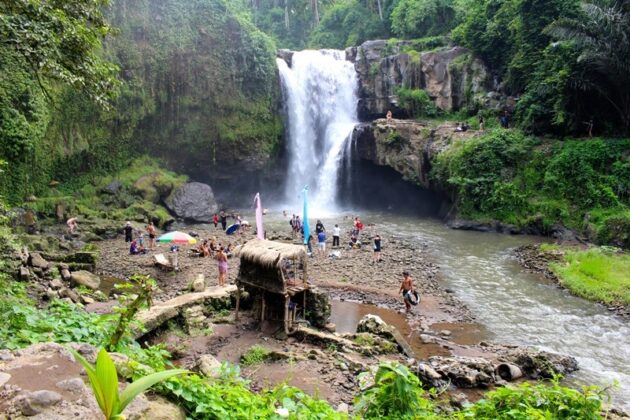
Tegenungan Waterfall, located just a short drive from Ubud in Bali, Indonesia, is a stunning and easily accessible natural attraction surrounded by lush jungle landscape. Unlike many waterfalls in Bali that require a long hike, Tegenungan offers powerful cascades of water crashing into a clear pool, making it a popular spot for swimming and photography.
Kanto Lampo Waterfall
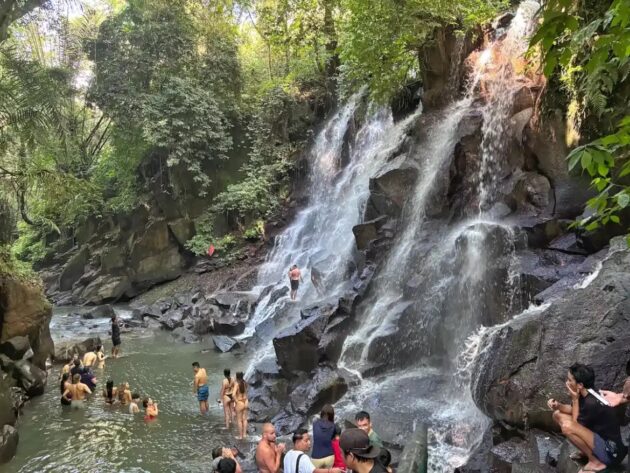
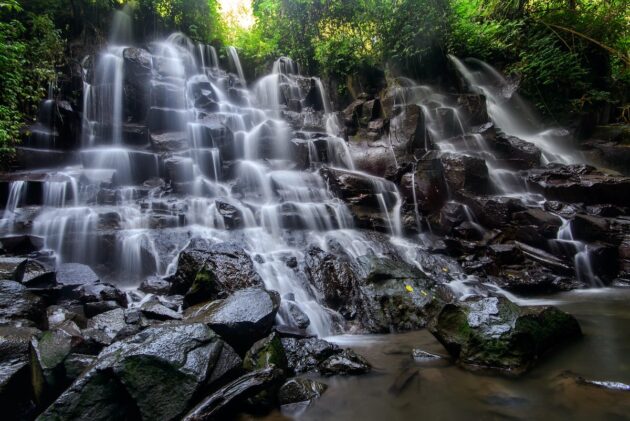
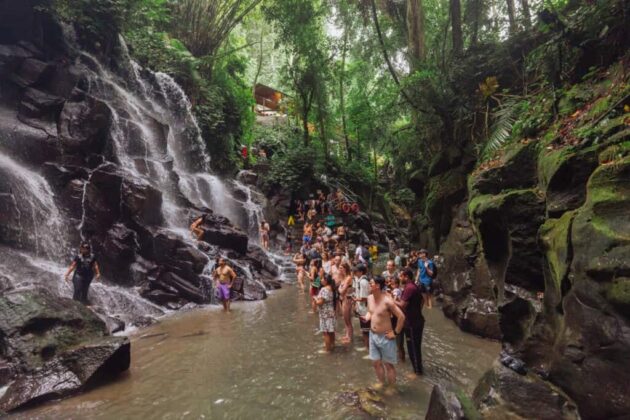
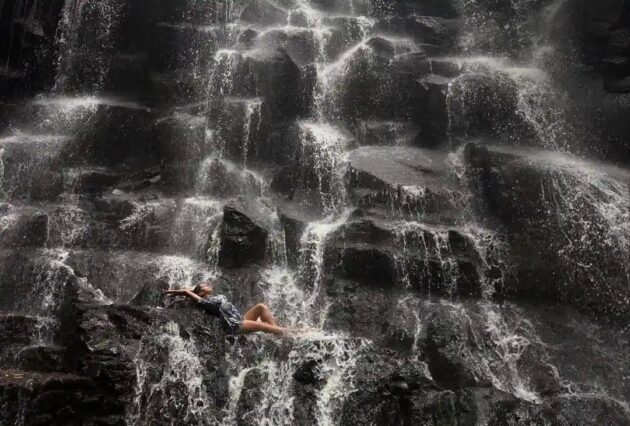
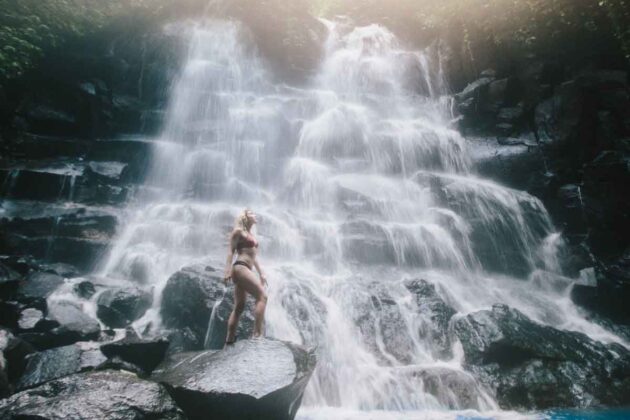
Kanto Lampo Waterfall in Ubud, Bali, is a unique and stunning natural attraction where cascading water flows over a series of rugged, tiered rock formations rather than plunging from a great height. Unlike many other waterfalls, visitors can wade into the shallow, fast-flowing river and stand directly under the powerful streams as they spill over the rocks, creating a exhilarating natural massage experience.
Pura Tirta Empul
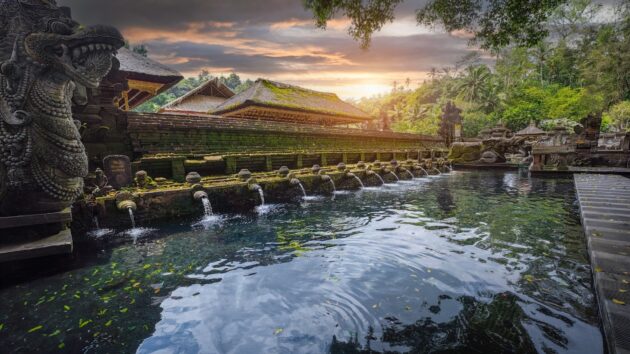
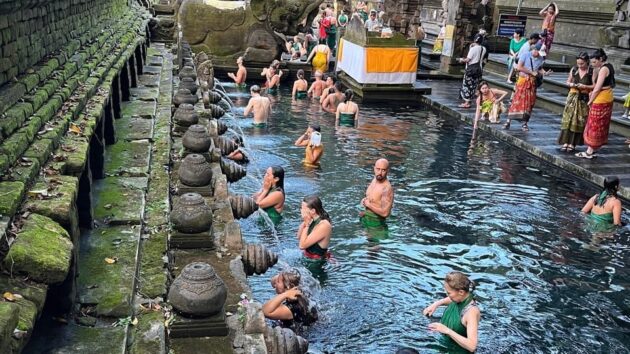
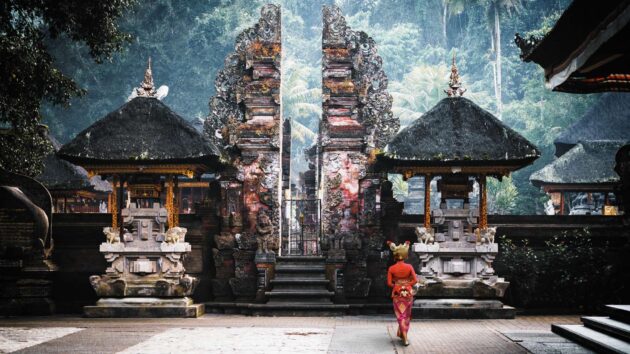
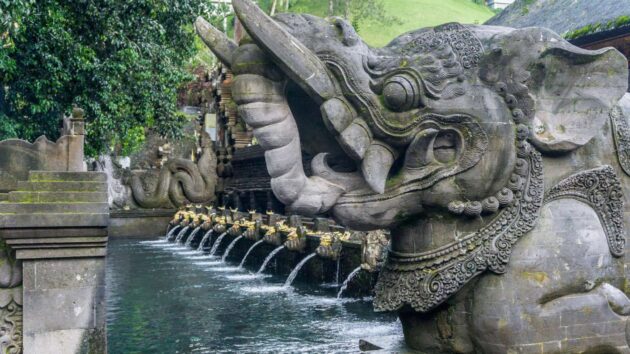
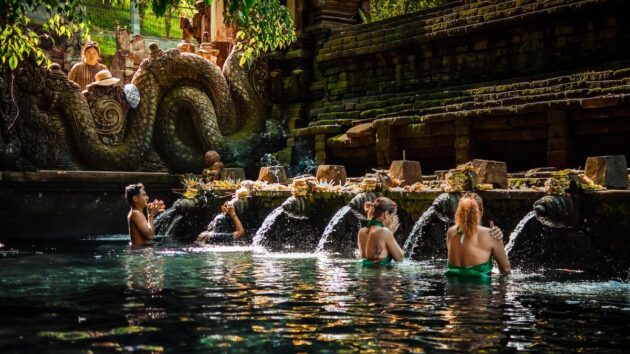
Pura Tirta Empul, located near Ubud in Bali, Indonesia, is a highly revered Hindu water temple renowned for its holy spring water, where locals and visitors alike participate in a centuries-old purification ritual. The temple’s central bathing pools feature stone fountains that have continuously flowed since 962 A.D., and devotees immerse themselves in the cool, clear water as an act of spiritual cleansing, washing away misfortune and negative energy.
Where to Stay
Ubud offers everything from budget guesthouses to luxury jungle villas:
Budget: Homestays or simple cottages (~$15–50/night).
Mid-range: Villas with rice field views (e.g., options like Gynandha or Abipraya).
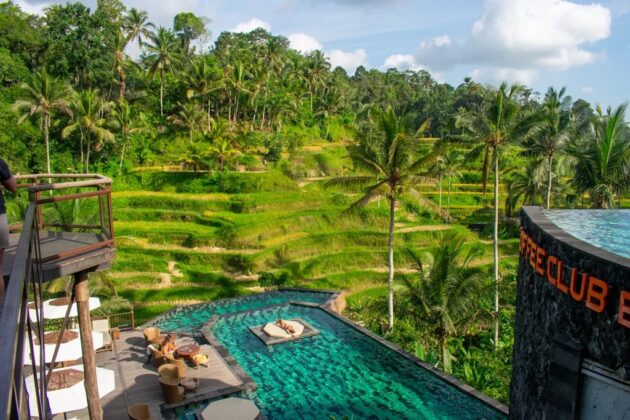
Luxury: Resorts like Alaya Resort, Tejaprana Bisma, or properties with infinity pools overlooking jungles.
Stay near the center for walkability or further out (e.g., Sayan or Nyuh Kuning) for tranquility.
Food Scene
Ubud is a foodie paradise with Balinese, vegan, and international options:
Traditional: Warungs serving Nasi Goreng, Satay, or Babi Guling.
Healthy/Vegan: Numerous cafes with organic ingredients and smoothies.
Fine dining: Jungle-view restaurants or spots with innovative fusion.
Must-tries: Fresh juices, coconut-based dishes, and market street food (eat where locals do for authenticity).
Practical Tips
Costs: Mid-range daily budget ~$50–100 USD per person (accommodation, food, activities, transport). Bali is relatively affordable but tourist spots can add up.
Safety: Generally very safe, but watch for petty theft in crowded areas like the market. Use reputable transport, wear helmets on bikes, and be cautious with monkeys. Standard precautions apply (drink bottled water, use repellent for mosquitoes).
Culture & Etiquette: Dress modestly for temples (sarong + sash often provided). Respect local customs and ceremonies. Tipping is appreciated but not mandatory.
Packing: Light clothing, rain jacket (wet season), comfortable shoes for walking/hiking, mosquito repellent, sunscreen, and modest temple attire.
Final Thoughts
Ubud is more than a destination—it’s an experience of balance, beauty, and Balinese hospitality. Slow down, immerse yourself, and let the magic unfold. Safe travels! 🌿