
Prambanan Temple Travel Guide (2026)
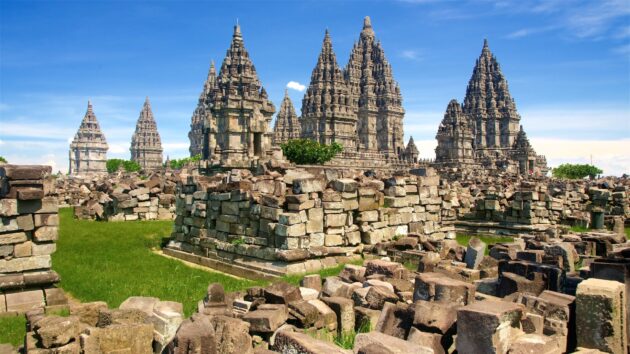
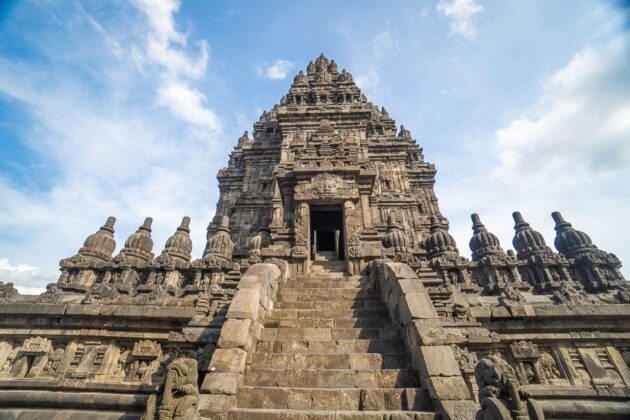
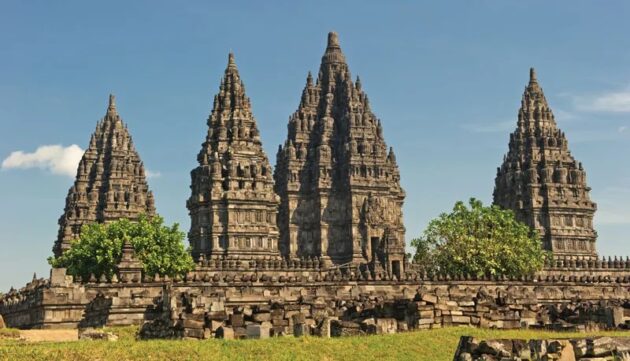
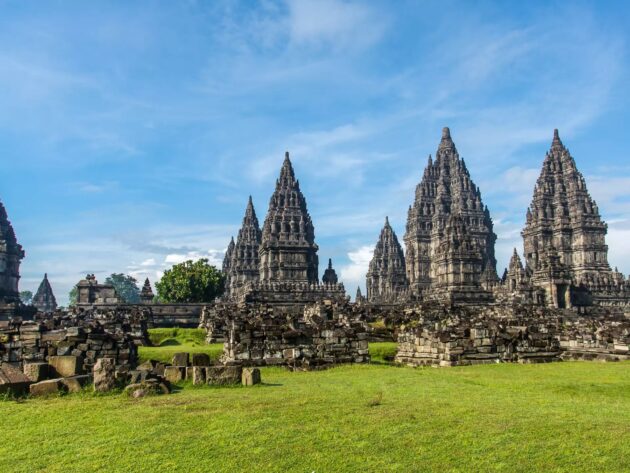
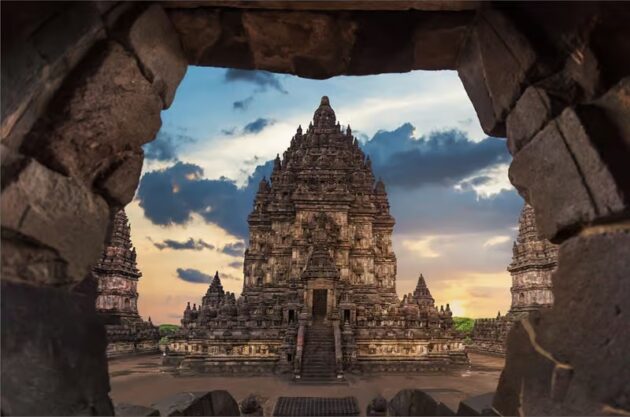
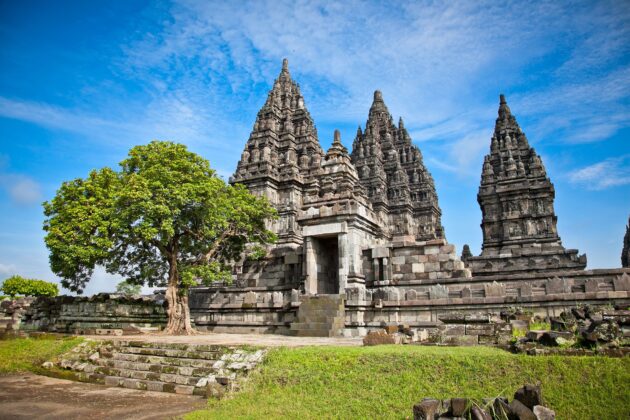
Prambanan (also known as Candi Prambanan or Loro Jonggrang) is Indonesia’s largest Hindu temple complex and a stunning UNESCO World Heritage Site. Built in the 9th century (around 850–856 AD) by the Mataram Kingdom’s Rakai Pikatan, it showcases intricate Hindu architecture dedicated to the Trimurti: Brahma (the Creator), Vishnu (the Preserver), and Shiva (the Destroyer). The towering spires, detailed bas-reliefs depicting the Ramayana epic, and surrounding smaller shrines make it a must-visit counterpart to the Buddhist Borobudur Temple.
The complex spans a large area with hundreds of temples (many in ruins from earthquakes and volcanic activity), but the main restored structures impress visitors most.
Getting There from Yogyakarta
Prambanan lies about 17 km (10–11 miles) northeast of central Yogyakarta, a 30–45 minute drive depending on traffic.
Grab/Gojek or Taxi: Most convenient and affordable. Expect IDR 80,000–150,000 one way for a car. Drivers know the route well.
Public Bus (Trans Jogja 1A): Very cheap (around IDR 4,000). Catch it near Malioboro Street; it drops you at Prambanan Terminal, a short walk or becak (cycle rickshaw) from the entrance. Buses run frequently.
Train: Take a local train to Brambanan Station and walk ~1.5 km.
Scooter Rental: Popular for independent travelers; roads are good.
Organized Tour: Easy if combining with Borobudur or other sites.
Many visitors do both Prambanan and Borobudur in one or two days.
Opening Hours and Tickets
Hours: Open daily from 6:30 AM to 5:00/5:30 PM (last entry around 5 PM). The main Shiva temple may close on Mondays for maintenance, but other areas remain accessible.
Ticket Prices (approximate; confirm on-site as they can vary): Foreign adults: IDR 400,000 (~USD 25–27); Foreign children: IDR 250,000; Indonesian/domestic: Much lower (IDR 50,000 adults).
Combined tickets with Borobudur are often available and can save money if visiting both. Sarongs are provided for modest dress. Lockers and basic facilities are available.
Best Time to Visit
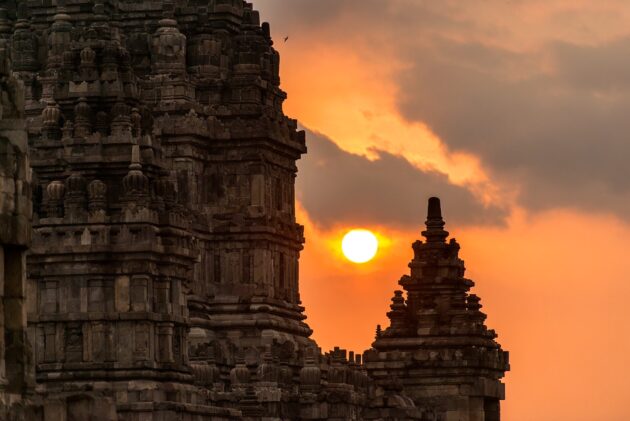
Daily: Early morning (right at opening) for fewer crowds and cooler temperatures, or late afternoon for golden-hour light and sunset glow on the stones. Avoid midday heat (10 AM–2 PM).
Season: Dry season (May–October) is ideal for clear skies and comfortable weather. Wet season (November–April) brings rain but fewer crowds.
Stay for the Ramayana Ballet (evenings, especially Tue/Thu/Sat in high season) performed outdoors with the temple lit up as a backdrop — a magical experience.
What to See and Do
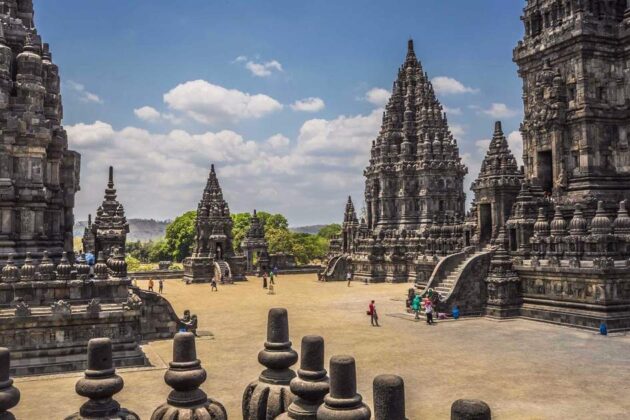
Main Prambanan Temple: The towering central Shiva Mahadeva temple (47m/154ft high) flanked by Brahma and Vishnu temples. Climb stairs for views (where permitted).
Reliefs and Carvings: Detailed Ramayana stories and mythological scenes.
Smaller Shrines: Explore the compound’s layout, including guardian statues and peripheral temples like Sewu (Buddhist, nearby).
Surroundings: Peaceful parkland; visit nearby sites like Ratu Boko if time allows.
Allow 2–3 hours to explore thoroughly.
Photography Tip: Late afternoon light makes the volcanic stone glow beautifully. Bring a wide-angle lens for the spires.
Practical Tips
What to Wear: Modest clothing (cover knees and shoulders). Sarongs are provided, but comfortable walking shoes are essential — the complex is large with uneven surfaces.
Essentials: Sunscreen, hat, water, umbrella (for sun or rain), insect repellent. Limited shade.
Food and Facilities: Restaurants and stalls near the entrance offer local Indonesian food. Bring snacks if needed.
Crowds: Weekdays are quieter. It can get busy with tour groups on weekends.
Accessibility: Some areas involve stairs; the grounds are mostly flat.
Respect: This is a sacred site — follow rules, don’t climb restricted structures, and be mindful.
Nearby Attractions
Combine with Borobudur (1–1.5 hours away), Yogyakarta’s Malioboro Street for shopping and street food, the Sultan’s Palace (Keraton), or Merapi Volcano tours.
Final Thoughts
Prambanan is a highlight of any Java trip, blending ancient history, architecture, and culture in a breathtaking setting. Whether you visit at sunrise, explore the carvings in peace, or watch the ballet under the stars, it’s an unforgettable experience. Safe travels!