
Seoul Travel Guide (2026): South Korea’s Vibrant Capital
Seoul is a dynamic metropolis where ancient palaces, traditional hanok villages, and Buddhist temples coexist with futuristic skyscrapers, K-pop culture, and world-class food scenes. As one of the most technologically advanced and culturally rich cities in the world, it offers something for every traveler—history buffs, foodies, shoppers, and nightlife seekers alike.
Best Time to Visit
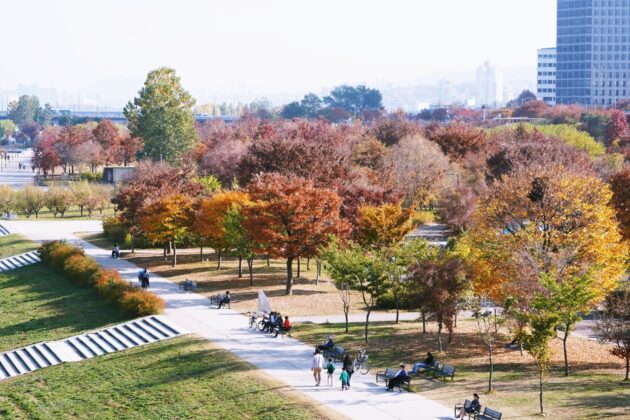
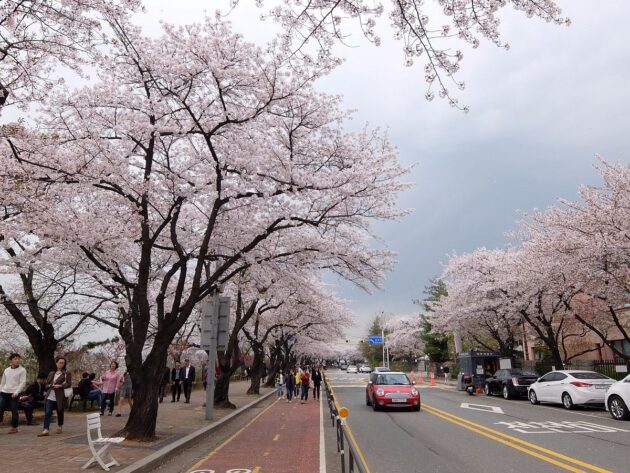
Seoul experiences four distinct seasons. Spring (March–May) brings cherry blossoms, while autumn (September–November) offers colorful foliage and comfortable temperatures. These are peak tourist seasons. Summers are hot and humid (with monsoon rains), and winters are cold but festive with holiday lights and markets. Avoid major holidays like Lunar New Year or Chuseok if you prefer fewer crowds.
Getting There and Around
Incheon International Airport (ICN): The main gateway. Take the AREX Airport Express train to Seoul Station (about 43–60 minutes, affordable and efficient). Taxis are available but more expensive.
Public Transportation: Seoul’s subway and bus system is excellent, clean, and extensive. Get a T-money card (reloadable transport card) at convenience stores or machines for seamless rides. Download Naver Map or KakaoMap for real-time navigation (Google Maps is less reliable here).
Taxis: Use Kakao T app for easier rides. Black deluxe taxis are comfortable for longer trips.
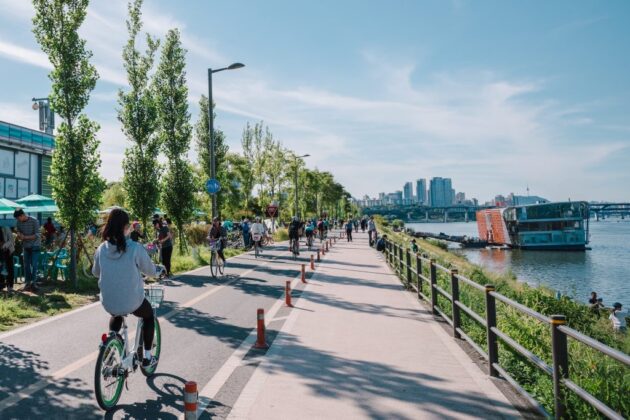
Walking and Biking: Many central areas are pedestrian-friendly. Bike rentals are available along the Han River.
Pro Tip: Buy a Climate Card or unlimited transit pass for heavy sightseeing days.
Top Attractions and Things to Do
Gyeongbokgung Palace
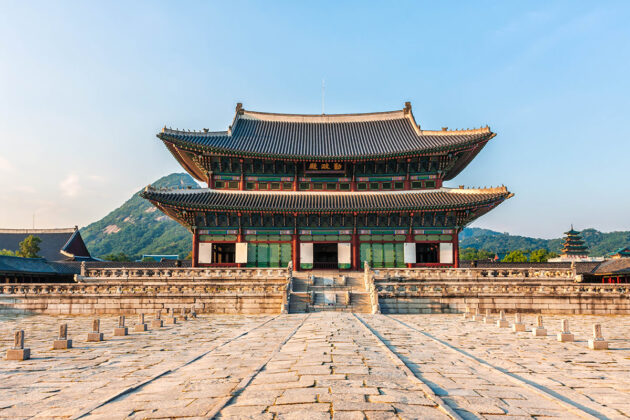
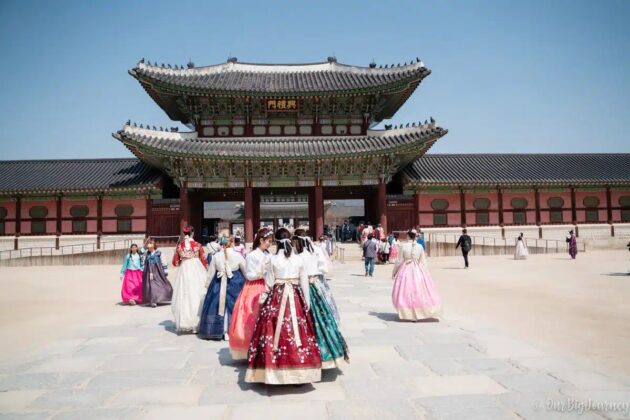
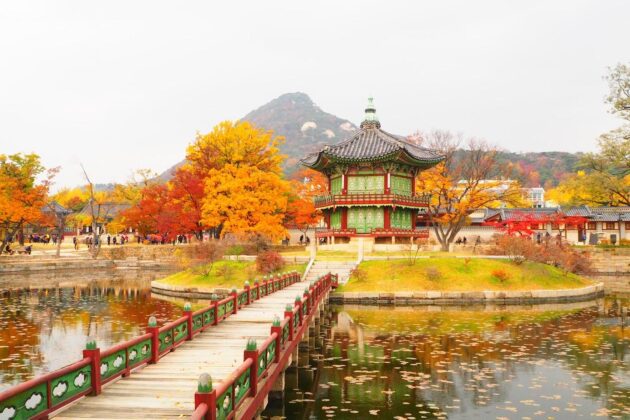
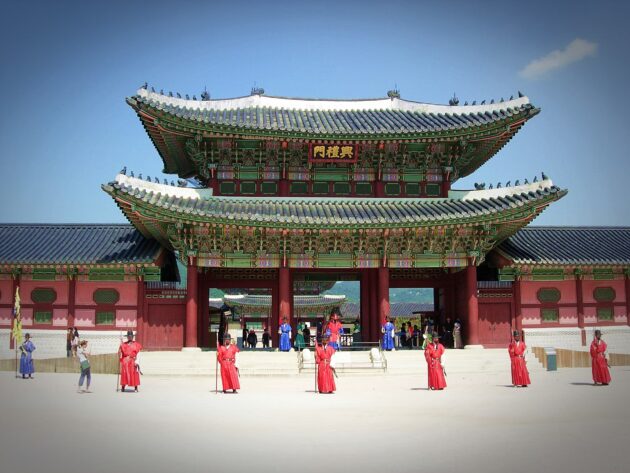
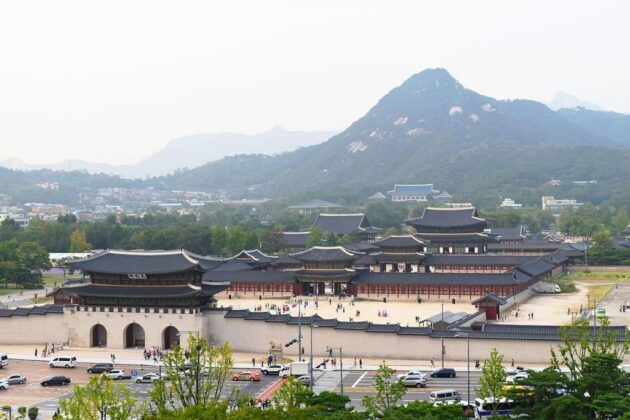
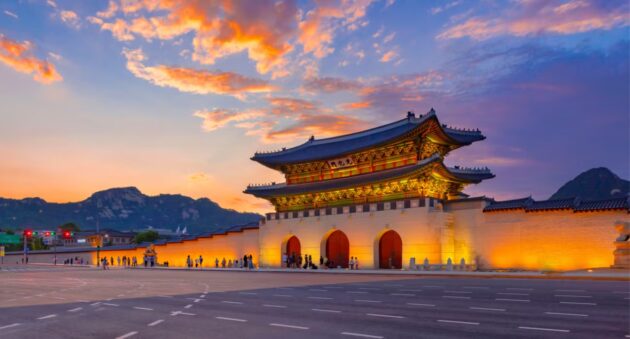
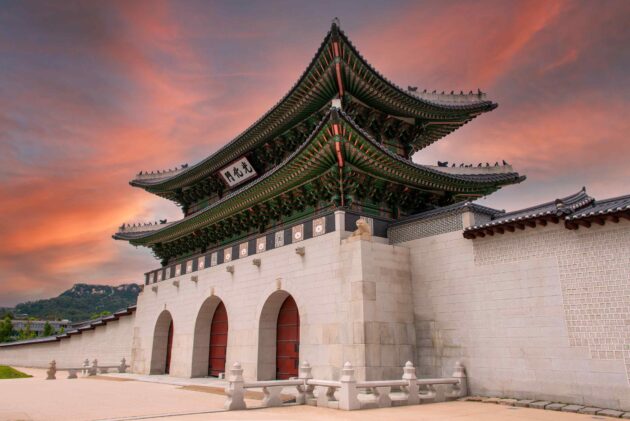
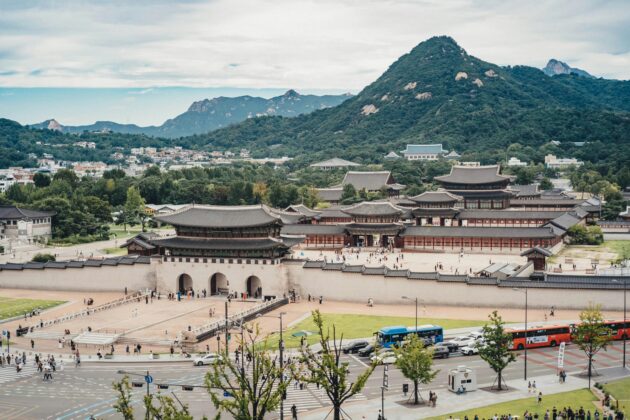
Gyeongbokgung Palace (경복궁), meaning “Palace Greatly Blessed by Heaven,” is the largest and most iconic of Seoul’s Five Grand Palaces. Built in 1395 by King Taejo, the founder of the Joseon Dynasty (1392–1897), it served as the main royal residence and political center. Though largely destroyed during the 1592 Japanese invasion (Imjin War) and later rebuilt in the 19th century under King Gojong, it remains a powerful symbol of Korean sovereignty and traditional architecture.
Bukchon Hanok Village
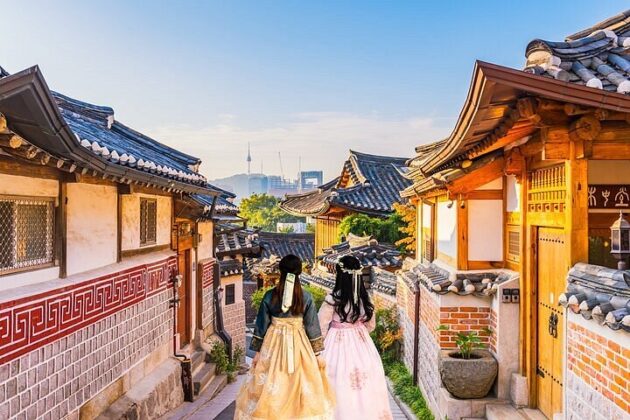
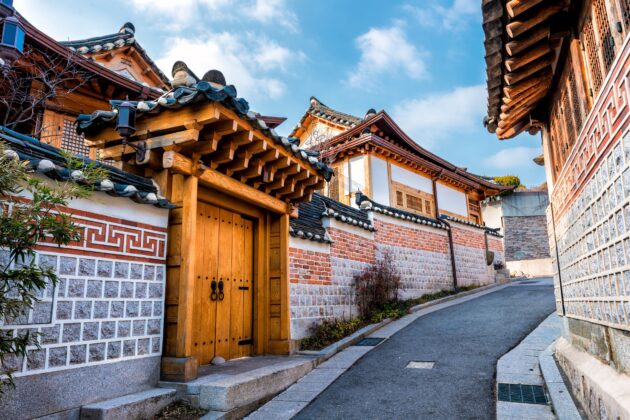
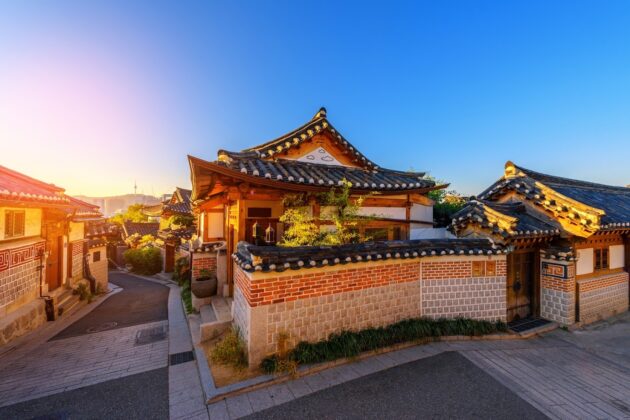
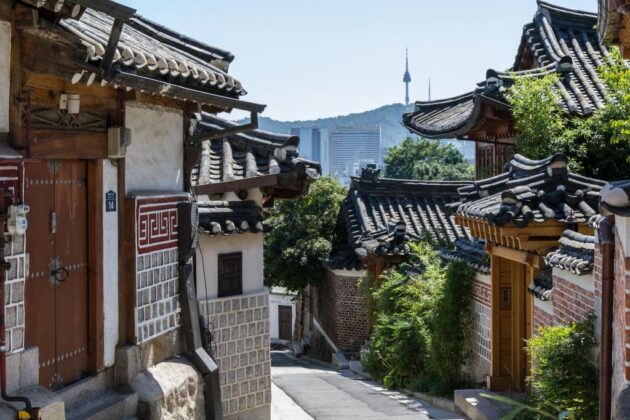
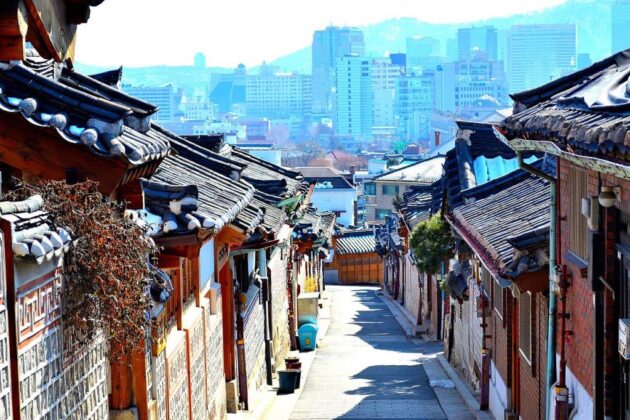
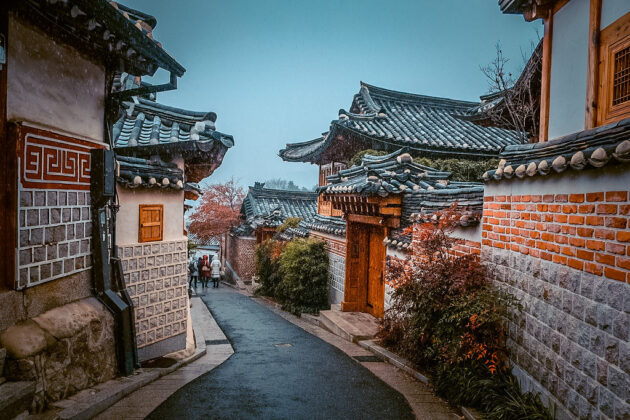
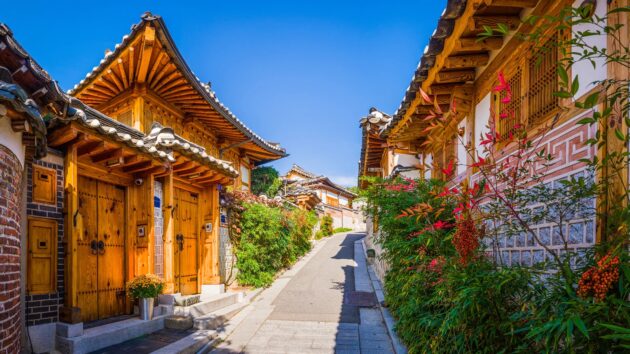
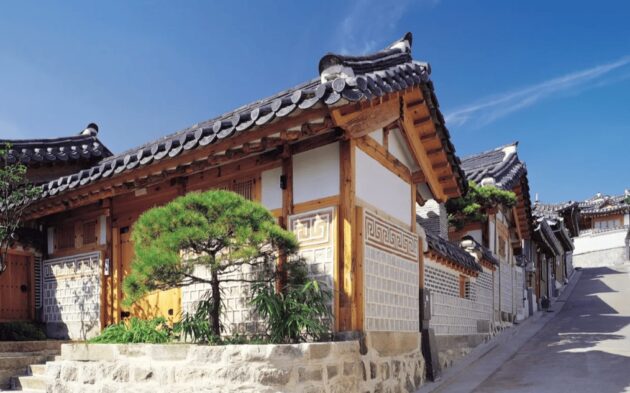
Bukchon Hanok Village (북촌한옥마을), meaning “North Village,” is one of Seoul’s most enchanting destinations. It preserves over 900 traditional Korean hanok houses nestled in a hilly residential area between Gyeongbokgung Palace and Changdeokgung Palace. Unlike purpose-built tourist villages, Bukchon is a living neighborhood where history, culture, and modern Seoul coexist.
N Seoul Tower
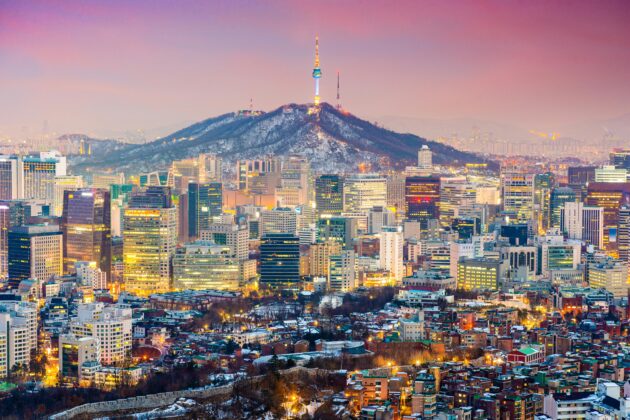
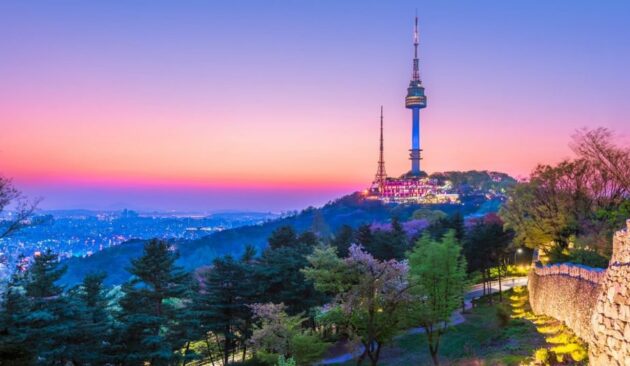
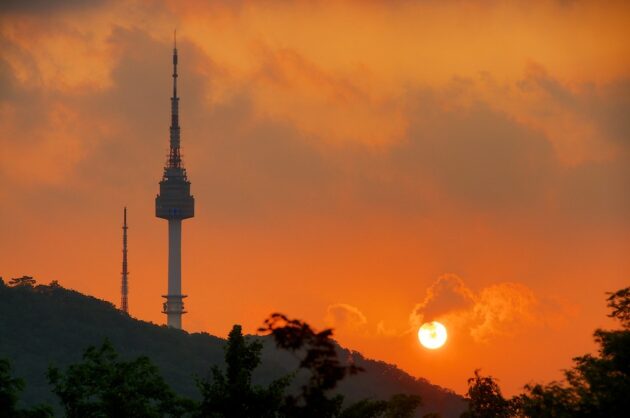
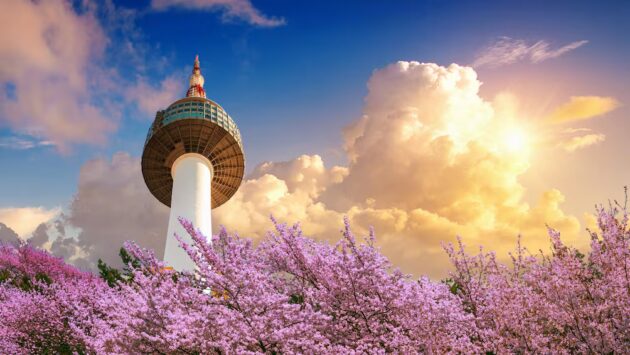
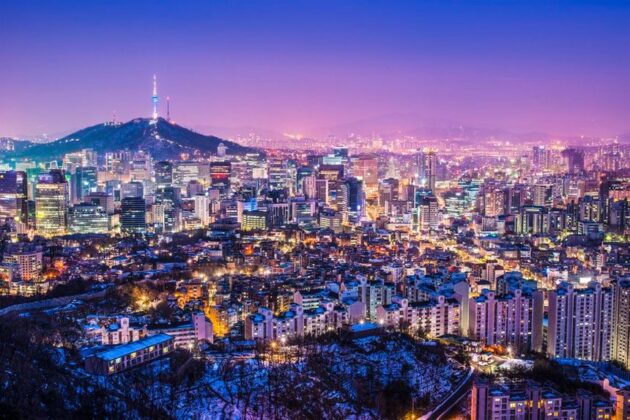
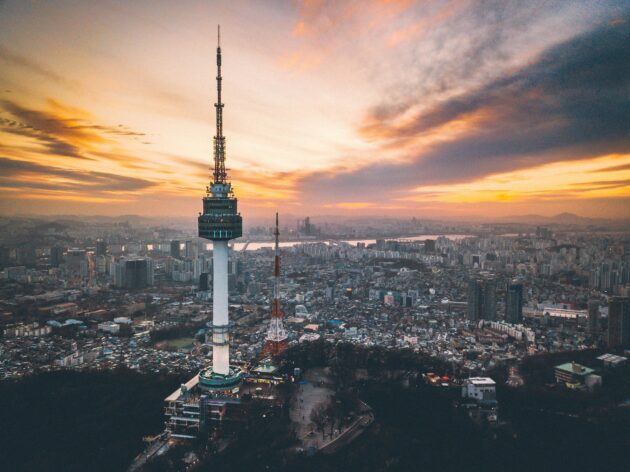
N Seoul Tower, also known as Namsan Tower, is one of Seoul’s most iconic landmarks. Perched atop Namsan Mountain (approx. 243m elevation), the tower itself rises 236.7m, offering a total height of about 480m above sea level. It provides breathtaking 360-degree panoramic views of the city, the Han River, and surrounding mountains.
Myeongdong
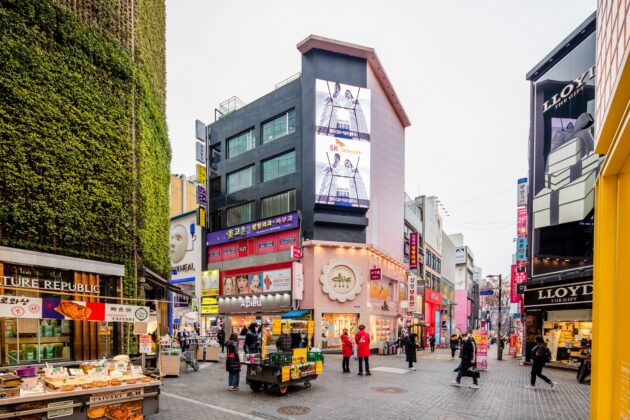
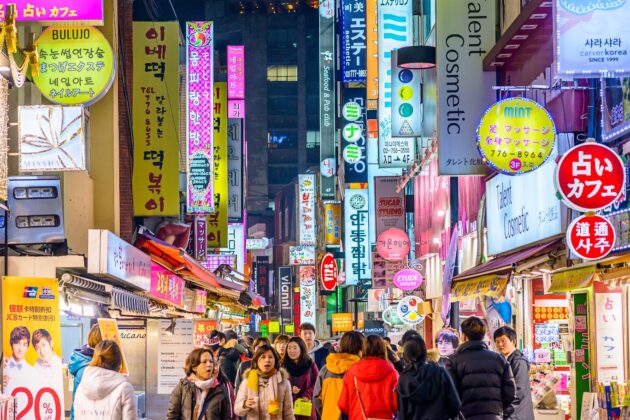
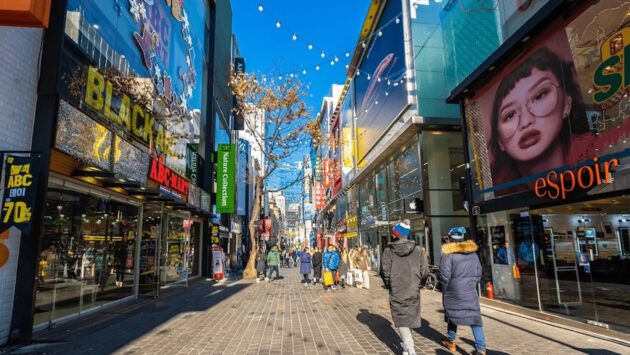
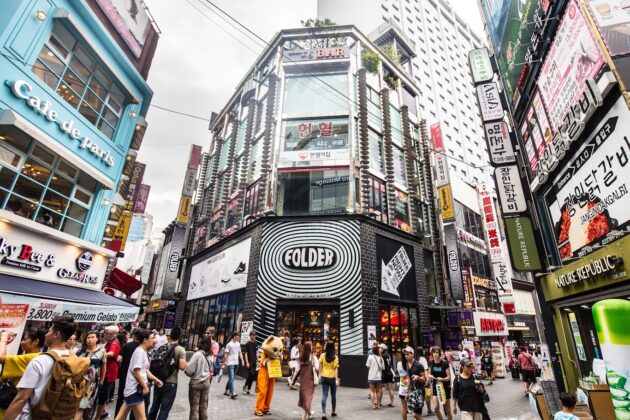
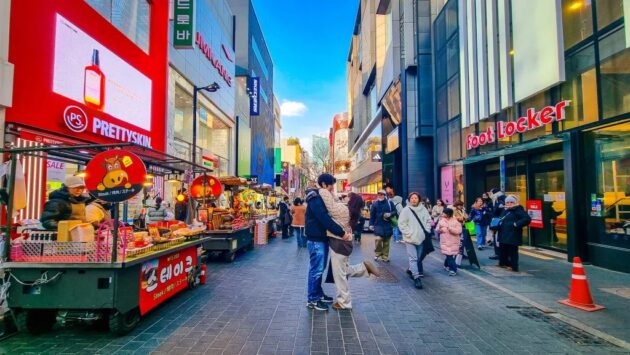
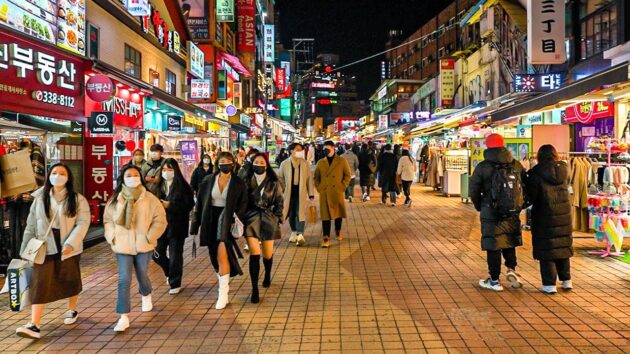
Myeongdong is one of Seoul’s most iconic and tourist-friendly districts, a bustling pedestrian paradise packed with K-beauty stores, international fashion brands, endless street food, and convenient access to major attractions. It’s especially ideal for first-time visitors thanks to its central location, English-friendly shops, excellent transport links, and lively atmosphere that peaks at night with neon lights and crowds.
Hongdae
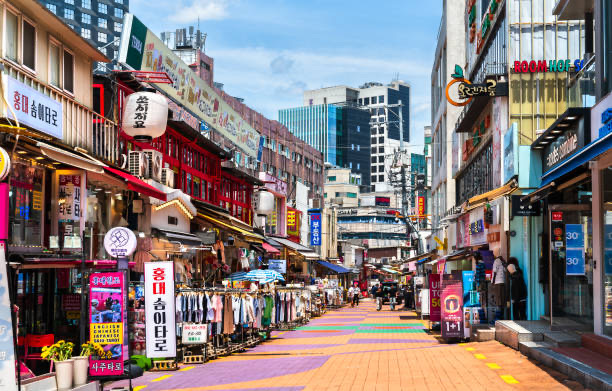
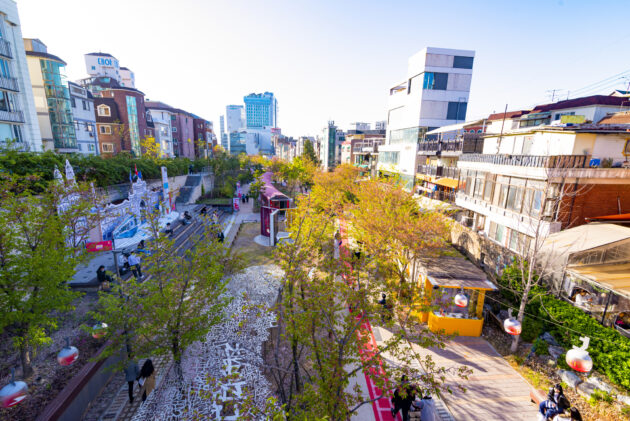
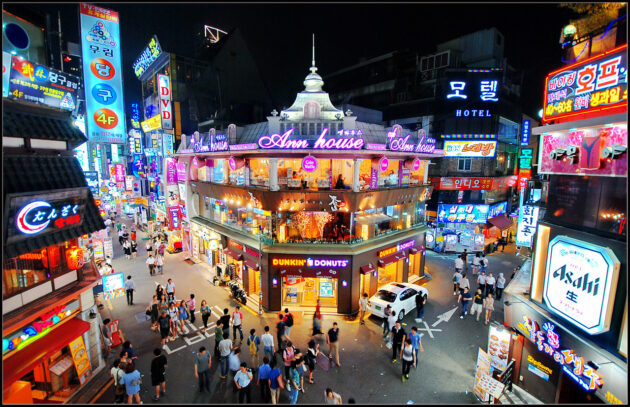
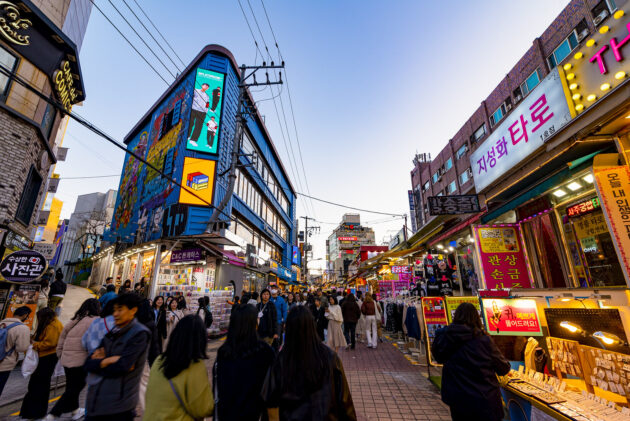
Hongdae (short for Hongik University area) is one of Seoul’s most energetic and creative neighborhoods. Centered around Hongik University, a top art school, it pulses with street art, indie vibes, busking performances, trendy shopping, unique cafés, and buzzing nightlife. It’s ideal for young travelers, K-culture fans, shoppers, foodies, and anyone seeking Seoul’s youthful, artistic side.
Insa-dong
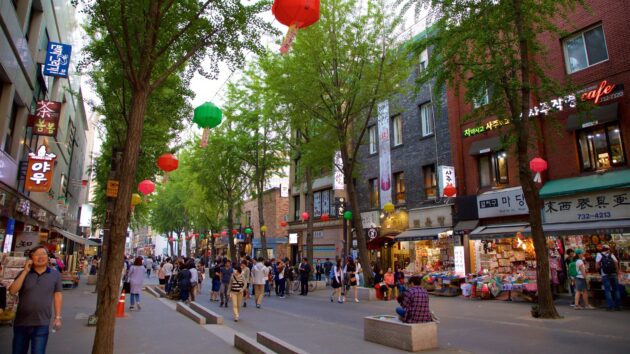
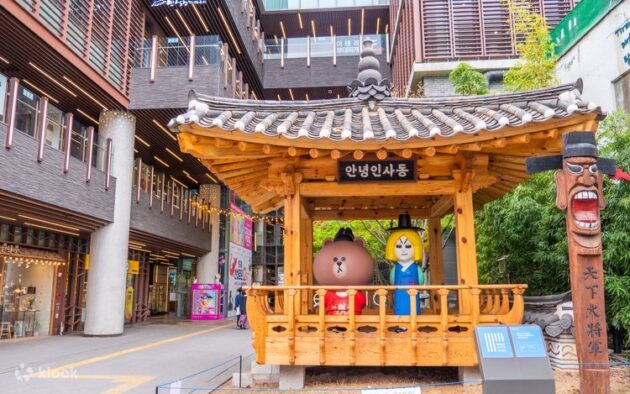
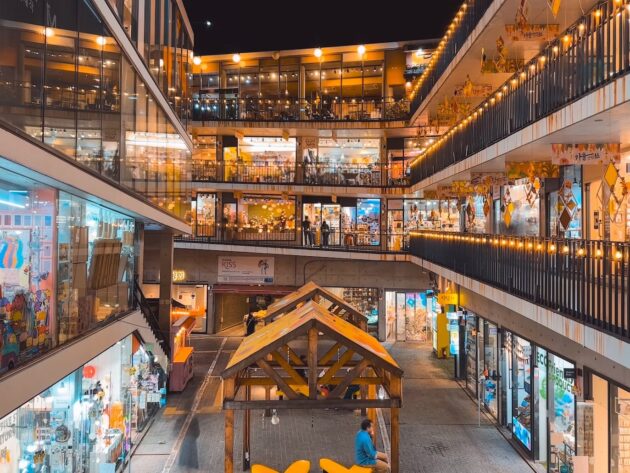
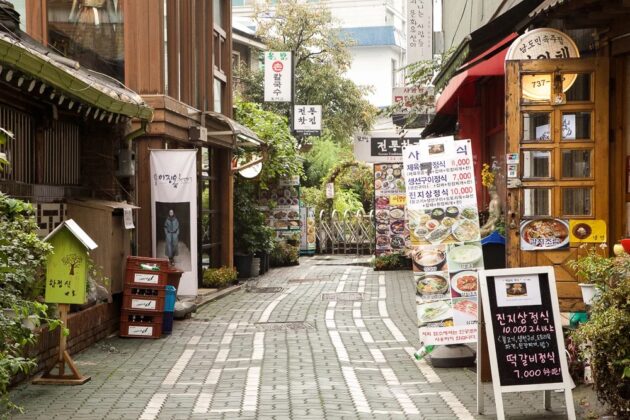
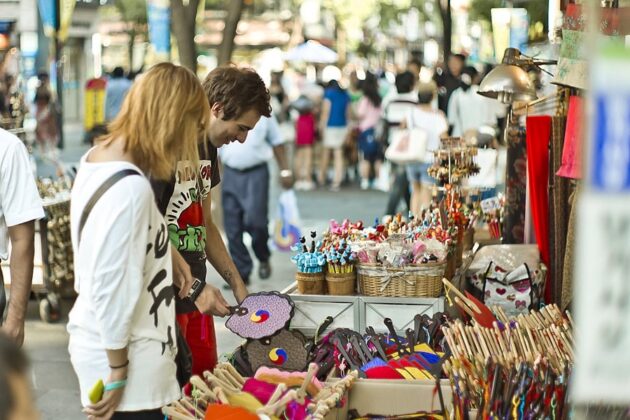
Insa-dong is one of Seoul’s most charming and culturally rich neighborhoods, located in the Jongno-gu district. Often called a “living museum” of Korean traditions, it blends historic alleyways, art galleries, traditional teahouses, handicraft shops, and street food with a vibrant, pedestrian-friendly atmosphere. It serves as a perfect introduction to Korean culture for first-time visitors, situated conveniently between major palaces and hanok villages.
Ikseon-dong Hanok Village
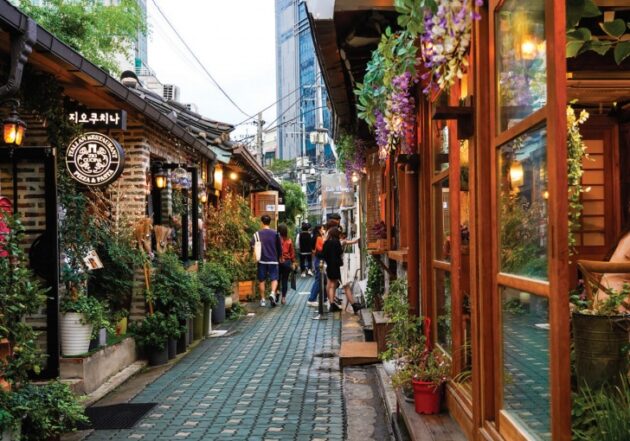
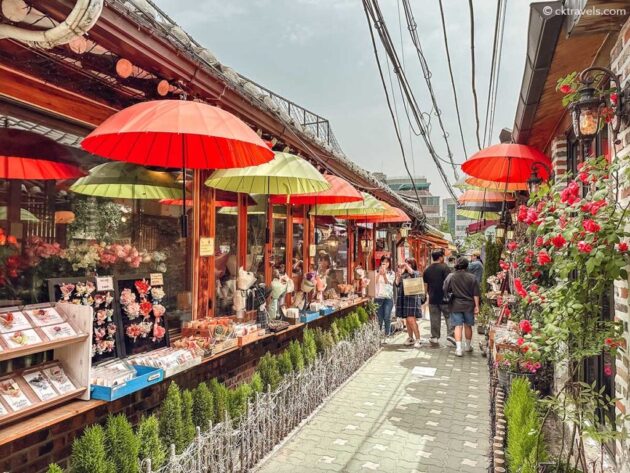
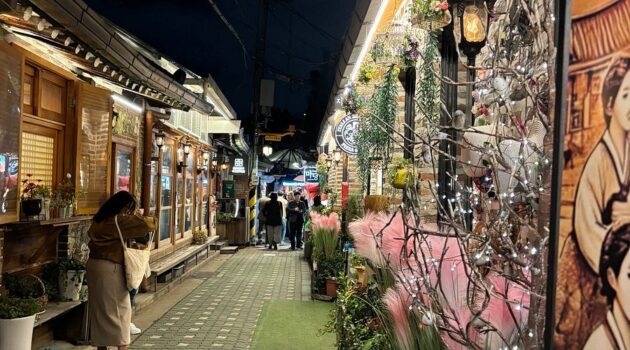
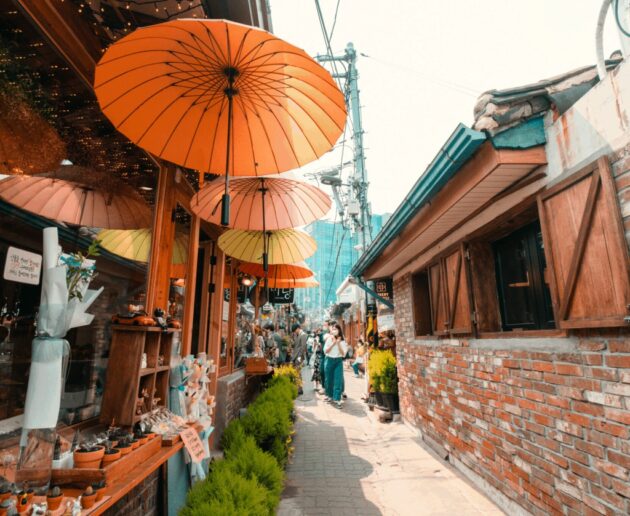
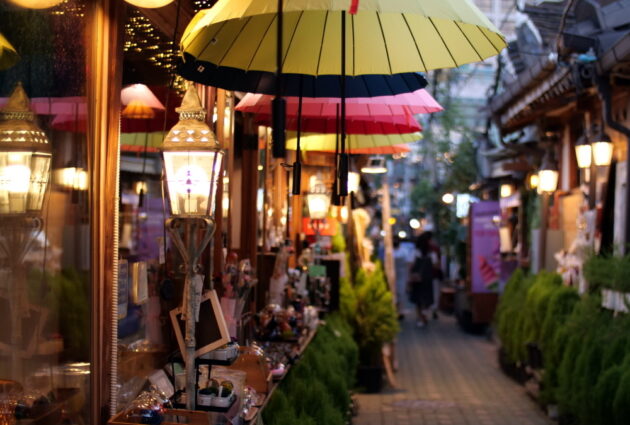
Ikseon-dong is Seoul’s oldest hanok village, with roots in the 1920s. It features a charming maze of narrow alleys lined with over 100 traditional Korean hanok houses (traditional homes with tiled roofs, wooden beams, and courtyards). Originally developed as a residential area during the Japanese colonial period, it blends preserved heritage with trendy modern touches like hip cafes, restaurants, boutiques, and pubs.
Han River Parks
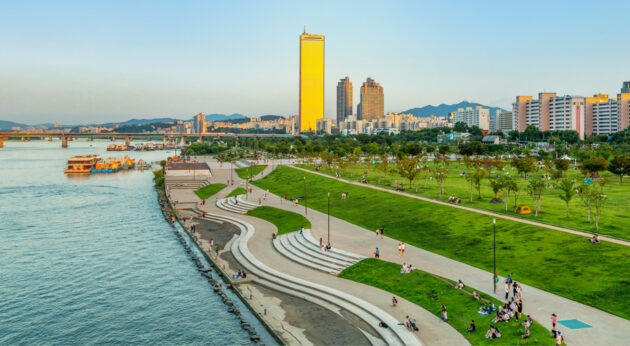
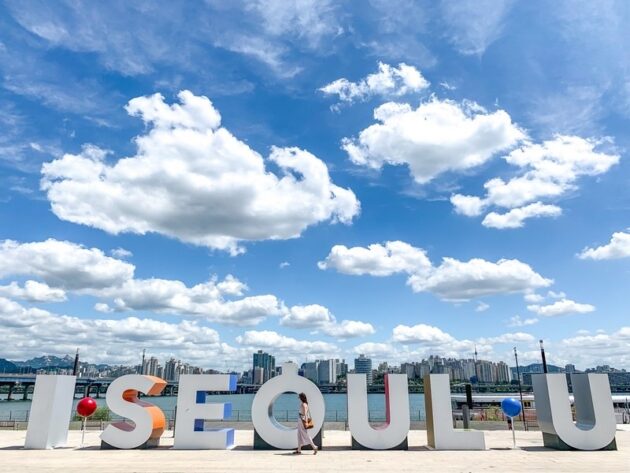
Yeouido Hangang Park (여의도한강공원) is one of Seoul’s most popular and accessible riverside parks along the iconic Han River (Hangang). Located on Yeouido Island — the city’s financial and political hub — it offers a perfect blend of urban energy and natural relaxation. Spanning wide green spaces, scenic riverside paths, and recreational facilities, it’s ideal for picnics, cycling, people-watching, and seasonal festivals.
Changdeokgung Palace
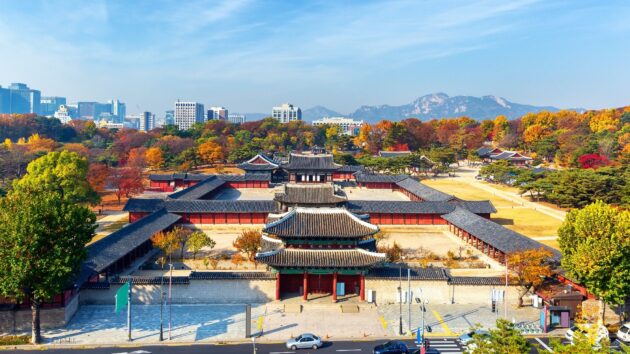
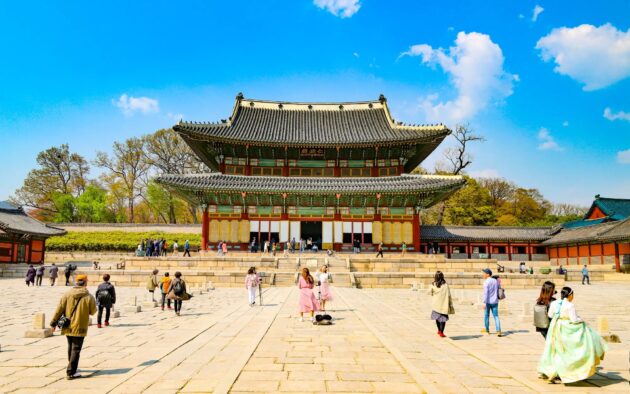
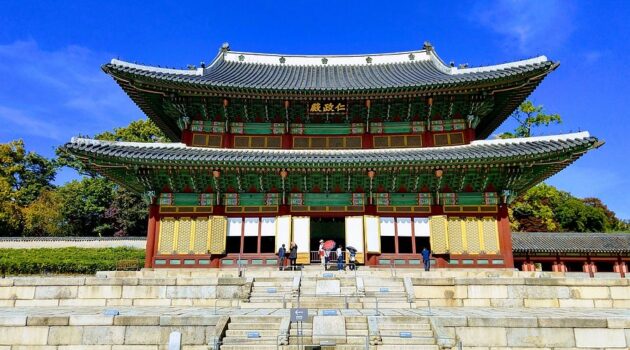
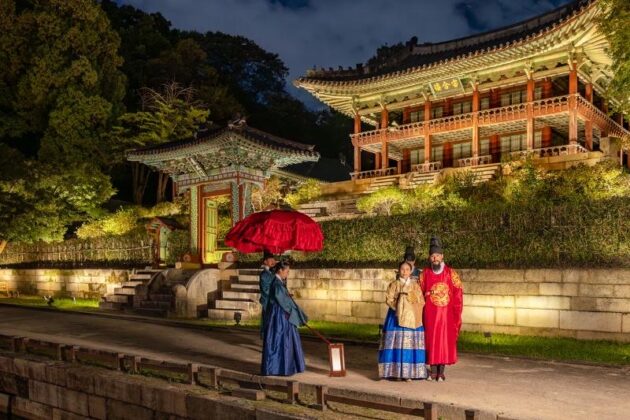
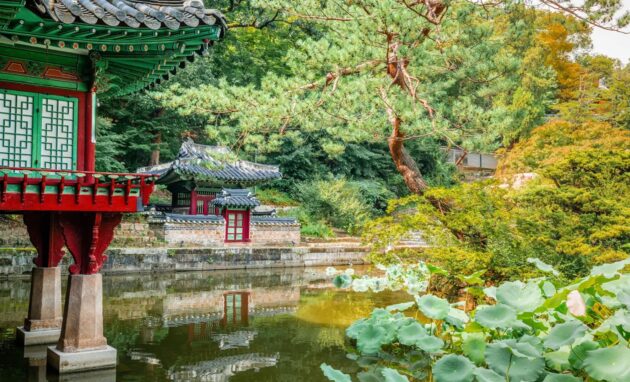
Changdeokgung Palace, also known as Changdeok Palace, is one of Seoul’s Five Grand Palaces and a UNESCO World Heritage Site (inscribed in 1997). Built in 1405 as a secondary palace to Gyeongbokgung, it served as the main royal residence for many Joseon Dynasty kings due to its harmonious integration with the natural landscape. Unlike more rigidly planned palaces, Changdeokgung features irregular layouts that blend beautifully with the surrounding hills and gardens, making it a highlight for history, architecture, and nature lovers.
Lotte World Tower
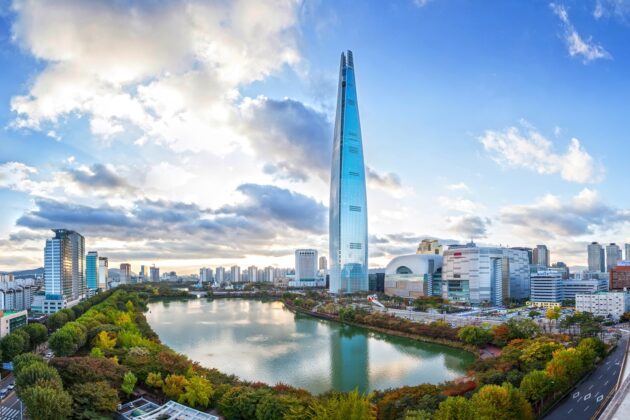
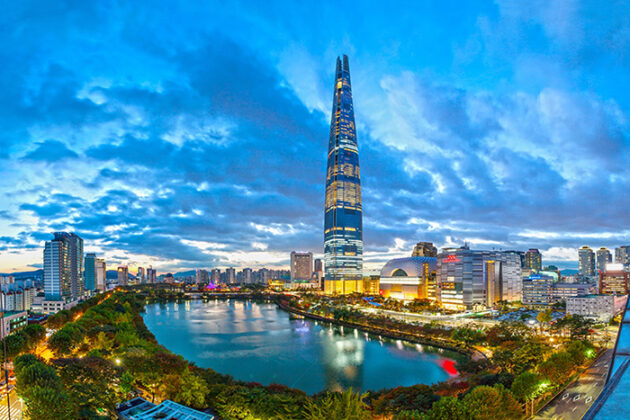
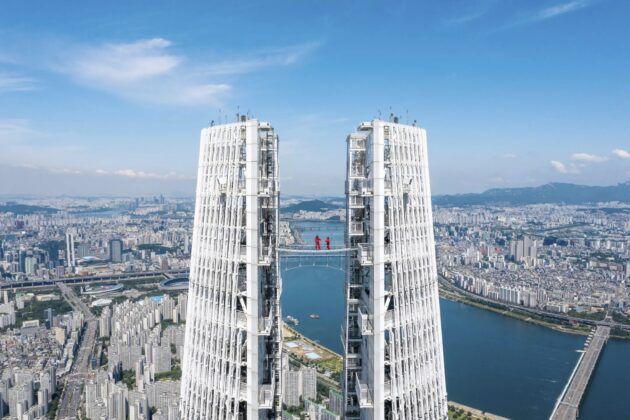
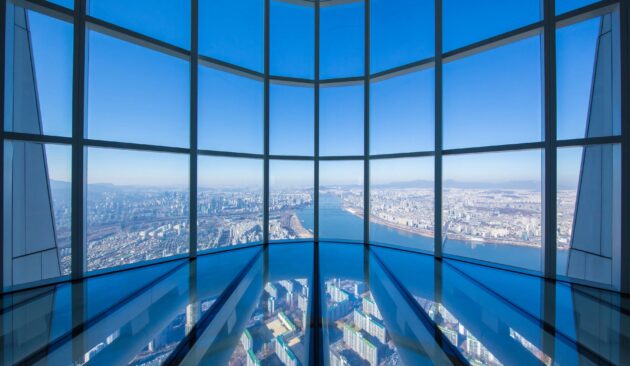
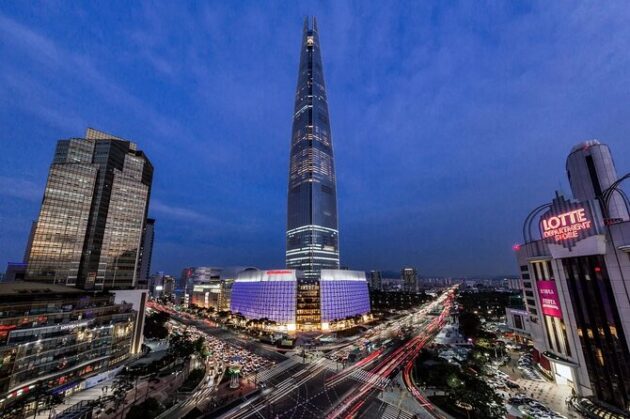
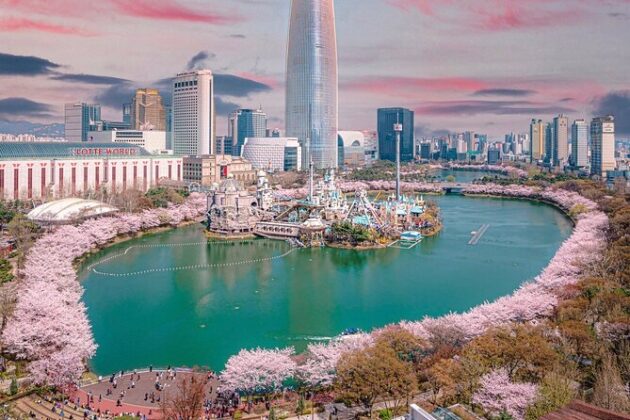
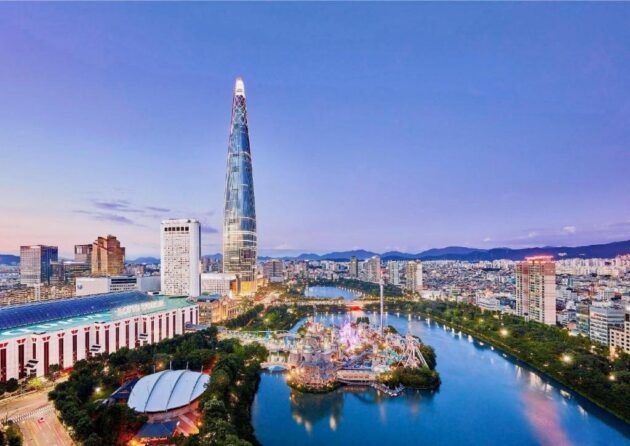
Lotte World Tower is a stunning 123-story, 555-meter (1,821 ft) supertall skyscraper in Seoul’s Songpa-gu district. It ranks as one of the world’s tallest buildings (around 5th or 6th) and serves as a landmark of modern South Korea. Completed in 2017, its design draws inspiration from traditional Korean ceramics. The tower forms part of a massive complex that includes luxury shopping, hotels, offices, residences, and entertainment venues.
Lotte World
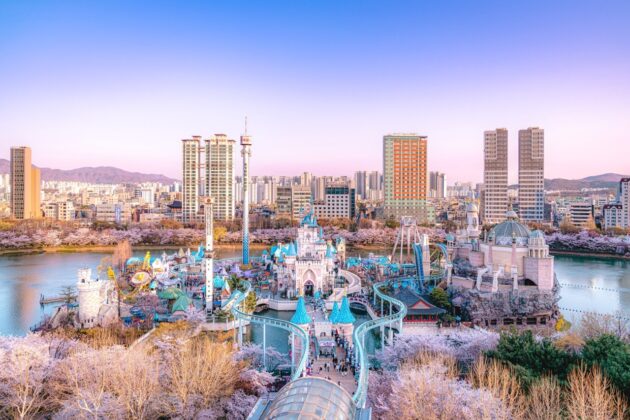
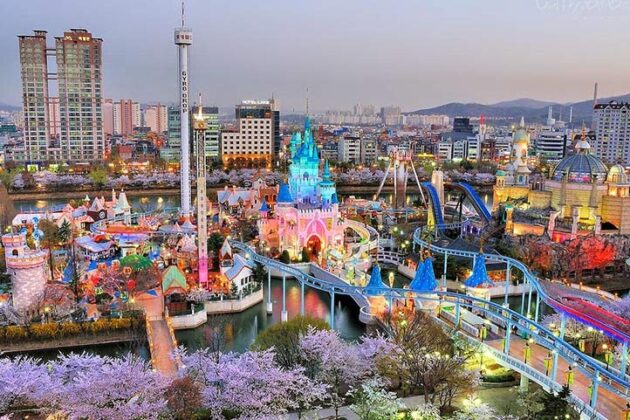
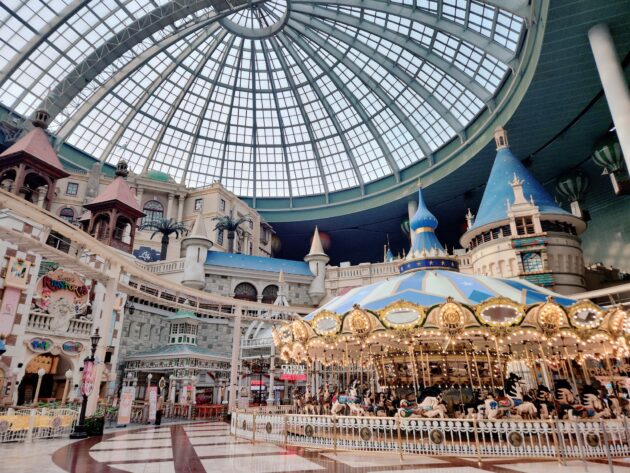
Lotte World is one of Seoul’s most iconic attractions and one of the world’s largest indoor theme parks. Located in the Jamsil area south of the Han River, it combines thrilling rides, family-friendly entertainment, shopping, dining, and more in a massive complex. It’s perfect for all ages, with an indoor section (Lotte World Adventure) under a giant glass dome and an outdoor area (Magic Island) on Seokchon Lake.
Cheonggyecheon
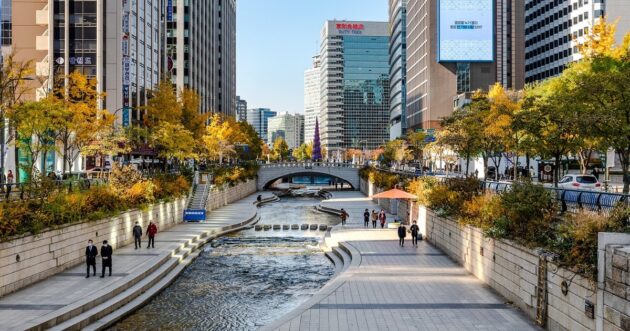
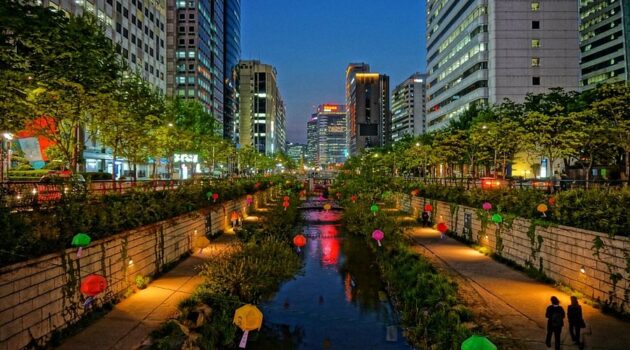
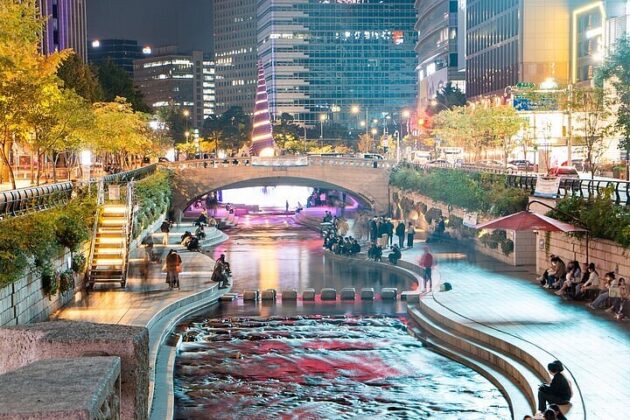
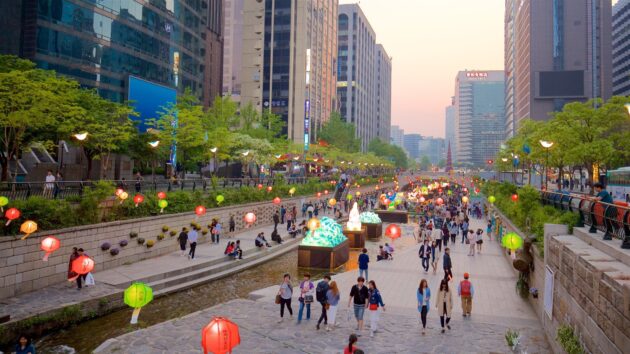
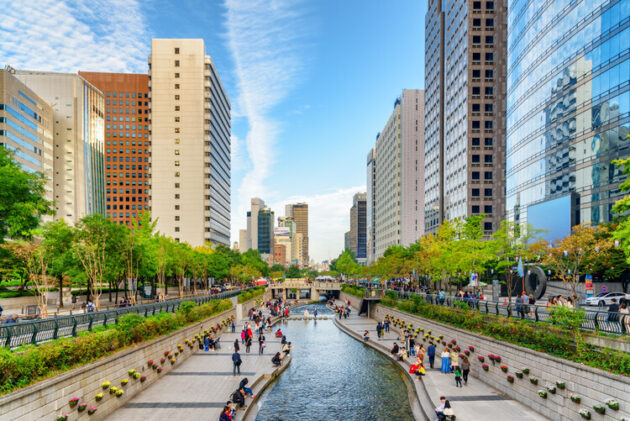
Cheonggyecheon (청계천) is a restored 10.9–11 km (about 6.8-mile) stream that flows through the heart of downtown Seoul, offering a peaceful pedestrian walkway, public art, historical bridges, and a refreshing escape from the bustling city above. Once covered by an elevated highway after the Korean War, it was dramatically restored in 2005 as a major urban renewal project, turning a polluted waterway into a vibrant ecological and cultural space.
Namsangol Hanok Village
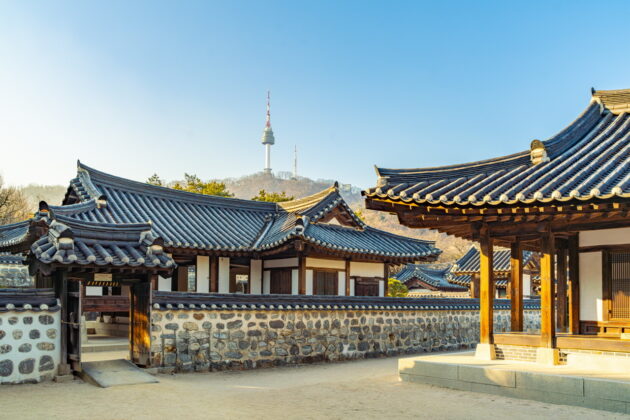
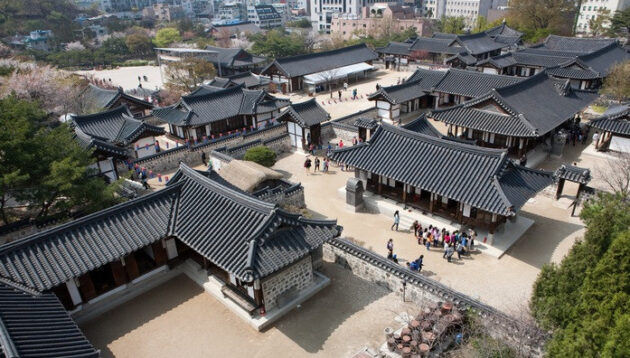
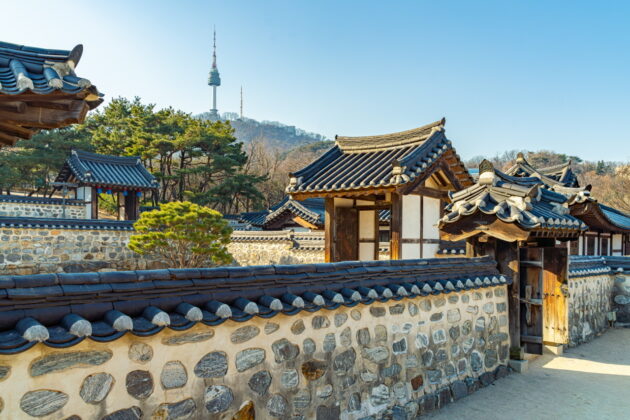
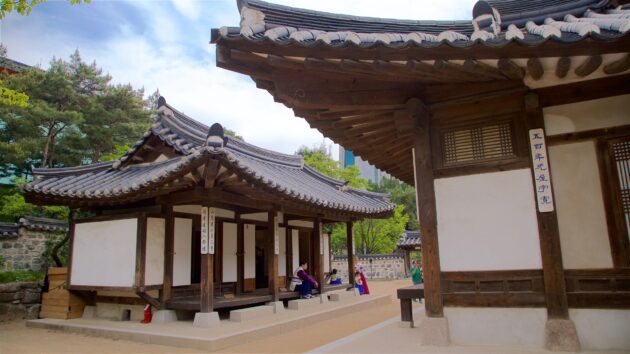
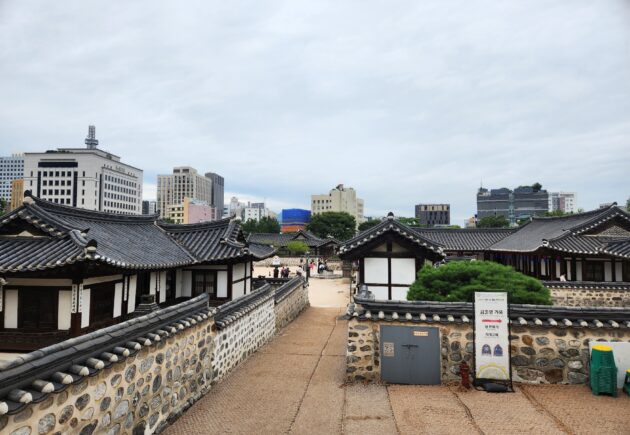
Namsangol Hanok Village is a peaceful, reconstructed traditional Korean village nestled at the northern foot of Namsan Mountain in central Seoul. Opened in 1998, it recreates the atmosphere of the Joseon Dynasty (1392–1910) with five restored hanoks (traditional wooden houses), pavilions, a serene garden with a pond, a performance stage, and a time capsule plaza.
Deoksugung Palace
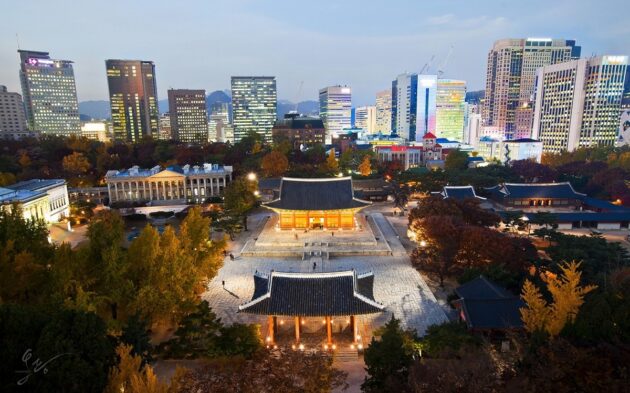
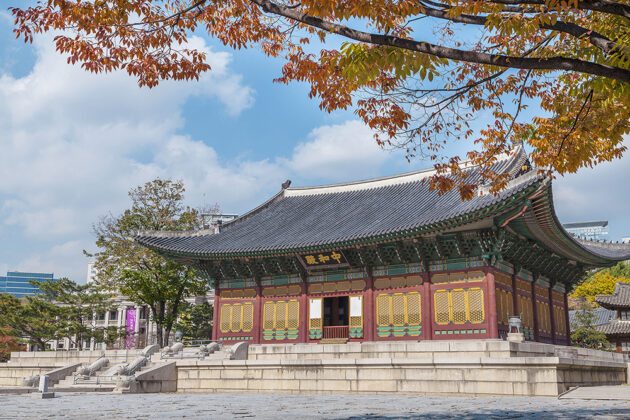
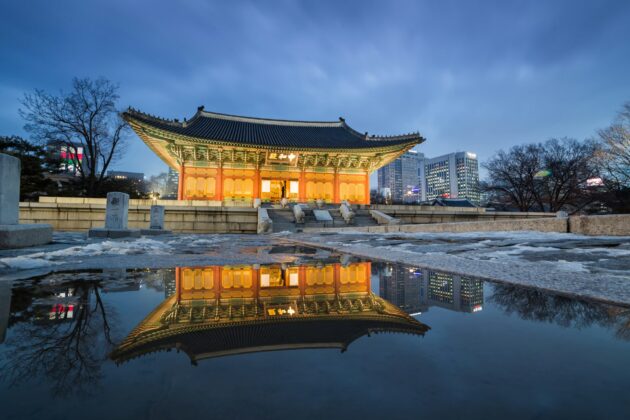
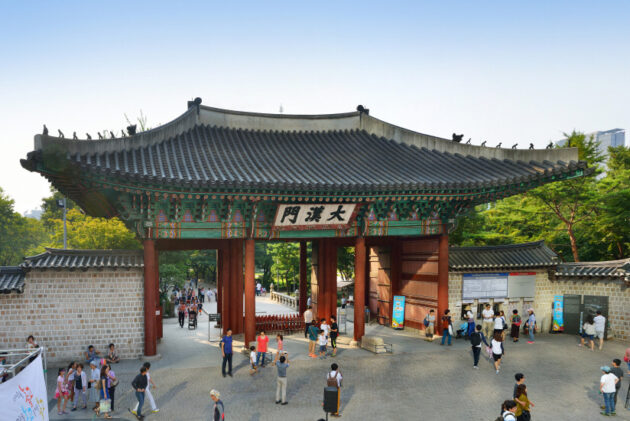
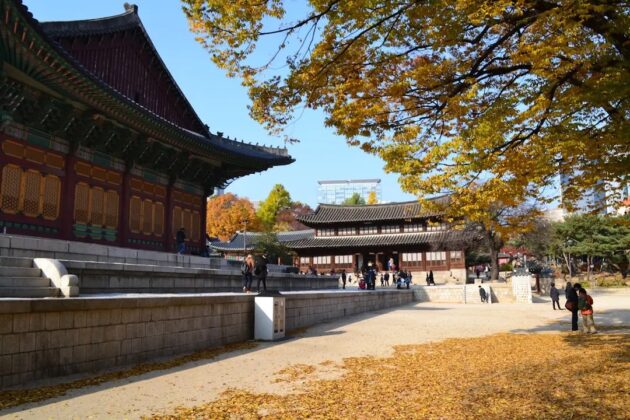
Deoksugung Palace is one of Seoul’s five grand royal palaces and stands out as the smallest yet one of the most unique. It blends traditional Joseon-era Korean architecture with Western-style buildings and gardens from the late 19th and early 20th centuries. Located right in the bustling heart of downtown Seoul near City Hall, it offers a striking contrast between historic tranquility and modern city life.
Food: A Highlight of Any Seoul Trip
Seoul is a food paradise. Must-tries include:
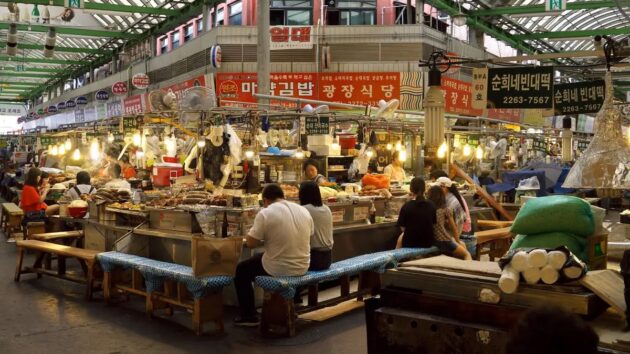
Street Food: Tteokbokki (spicy rice cakes), hotteok (sweet filled pancakes), odeng/eomuk (fish cakes in broth), gimbap, Korean hot dogs, and mandu (dumplings). Myeongdong and Gwangjang Market are prime spots.
Korean BBQ: Grill your own meats (samgyeopsal, bulgogi) wrapped in lettuce.
Markets: Gwangjang Market for bindaetteok (mung bean pancakes) and late-night eats; Namdaemun for variety.
Other Classics: Kimchi jjigae, bibimbap, naengmyeon (cold noodles), and fried chicken.
Vegetarian/vegan options are growing but still limited—communicate dietary needs clearly.
Where to Stay
Myeongdong: Central, convenient for first-timers, shopping, and food. (Lotte Hotel Seoul or mid-range options like L7 Myeongdong).
Insadong / Ikseon-dong: Balanced vibe with culture and cafes.
Bukchon Hanok Village: Immersive traditional stay in a hanok guesthouse.
Hongdae: Budget-friendly, lively, great for nightlife.
Gangnam: Modern, upscale, luxury shopping.
Book in advance, especially for peak seasons.
Practical Tips
Currency & Payments: KRW (Korean Won). Cards are widely accepted, but carry some cash for markets/street food. ATMs are plentiful.
Language: English is limited outside tourist areas. Use translation apps like Papago. Learn basic phrases (annyeonghaseyo = hello).
Etiquette: Remove shoes indoors, don’t tip (usually not expected), and be mindful in quiet traditional areas.
Safety: Very safe city with low crime. Watch for pickpockets in crowded markets.
Connectivity: Get an eSIM or local SIM for data. Wi-Fi is everywhere.
Sustainability: Use reusable items and respect no-photography rules at certain sites.
Final Thoughts
Seoul is energetic yet walkable in pockets, blending old and new seamlessly. Take your time, embrace the food scene, and use public transport to explore deeply. Safe travels—Seoul will surprise and delight you! 🇰🇷