
Hallasan National Park Travel Guide (2026)
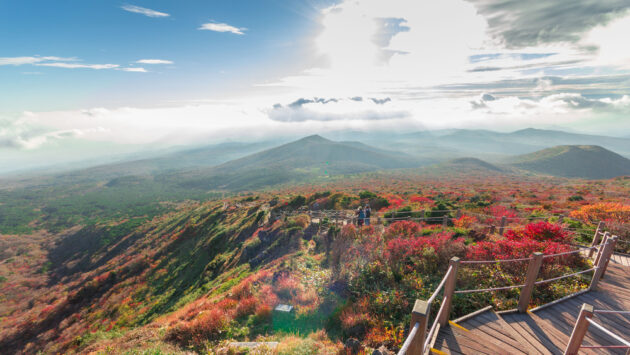
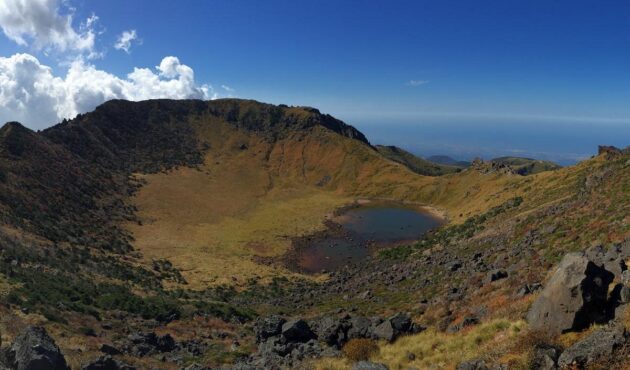
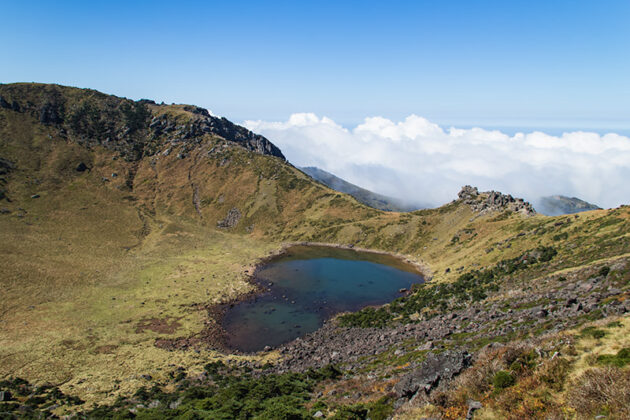
Hallasan (한라산), South Korea’s highest mountain at 1,950 meters (about 6,398 ft), is a dormant shield volcano at the heart of Jeju Island. As a UNESCO World Natural Heritage Site and Biosphere Reserve, the national park offers diverse landscapes: dense forests on the lower slopes, volcanic plateaus, unique rock formations, and a crater lake called Baengnokdam (백록담) at the summit.
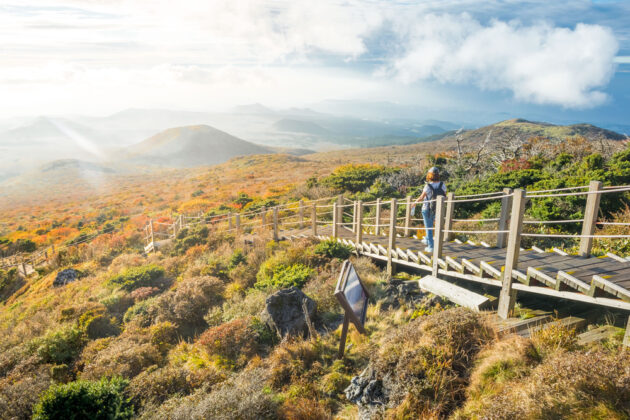
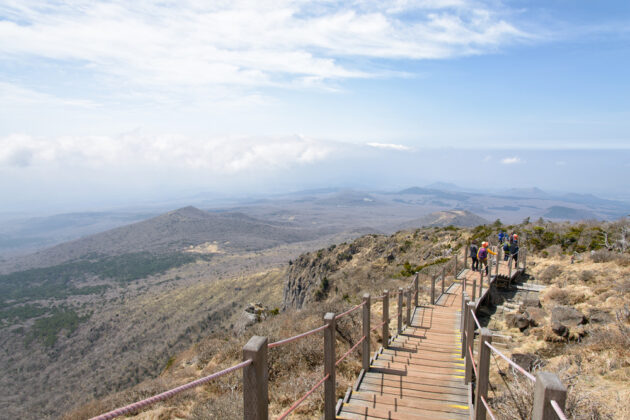
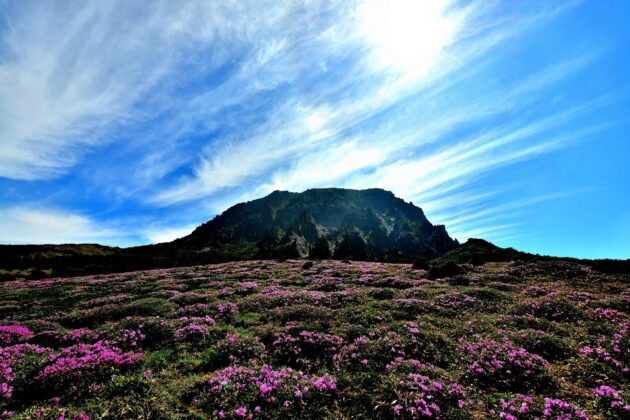
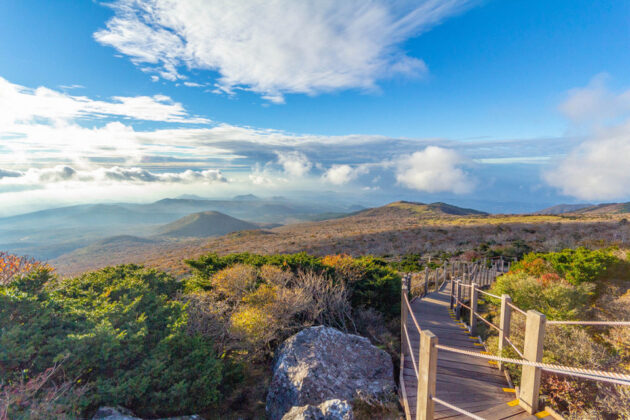
The park is a hiker’s paradise with well-maintained (often stair-heavy) trails, but it is strictly managed for safety and conservation. It is visible from much of Jeju and provides stunning views, seasonal flora (cherry blossoms in spring, vibrant foliage in autumn), and a rewarding sense of achievement.
Best Time to Visit
Spring (March–May) and Autumn (September–November): Ideal for hiking with milder weather, clearer skies, and beautiful scenery (flowers or fall colors).
Summer: Lush but hot, humid, and often cloudy with rain.
Winter: Snowy and scenic but requires crampons/ice grips; trails can close or have early cutoffs due to ice and short daylight.
Hallasan is open year-round, but check conditions as weather at the summit can change rapidly (wind, fog, cold).
Hiking Trails
There are several official trails. Only two reach the true summit crater lake. Others lead to high viewpoints on the Witse Oreum plateau.
Summit Trails (Require Free Online Permit):
Seongpanak Trail (East, ~9.6 km one way): Longer but gentler. Popular for ascent. ~4.5–5+ hours up.
Gwaneumsa Trail (North, ~8.7 km one way): Steeper with more elevation gain and stairs in the upper sections. Often considered more challenging. ~5–6+ hours up.
Popular Combination: Ascend Seongpanak, descend Gwaneumsa (or vice versa) for a full ~17–19 km traverse (hard, 8–11+ hours round trip including breaks).
Non-Summit / Easier Options (No summit permit needed):
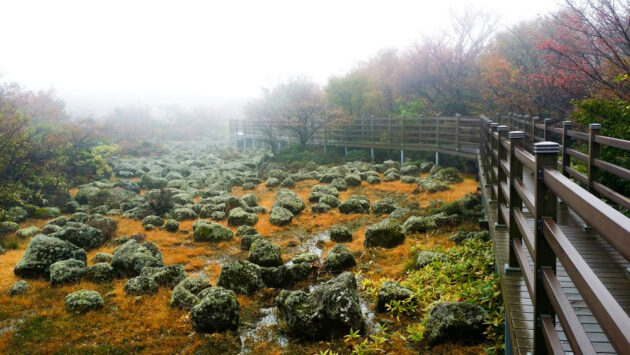
Yeongsil Trail (West): Shortest to plateau views (~5.8 km one way). Dramatic rock formations.
Eorimok Trail (Northwest): Gentle forested valley.
Donnaeko Trail (South): Good for traverses.
Shorter trails like Eoseungsaengak offer accessible views.
Permits & Rules: Summit trails (Seongpanak and Gwaneumsa) have daily caps and require free advance reservations via the official site (visithalla.jeju.go.kr). Book with passport/Korean ID. Arrive in your assigned time window or risk penalties. Strict entry cutoffs apply (often midday or earlier in winter) for safety—hikers must turn back if late.
No general entrance fee.
Getting There & Transportation
From Jeju City or Seogwipo: Buses serve all trailheads (e.g., Bus 281/181 for Seongpanak; check Naver Map or Kakao Map for schedules). Taxis or rental cars are convenient for flexibility, especially early starts.
Rental Car: Highly recommended for freedom (International Driving Permit needed).
Trailheads have parking; some walks from bus drops to actual starts.
Tip: Start very early (trailheads often accessible from ~6–7 AM) for better weather, fewer crowds, and to meet cutoffs.
What to Bring & Safety Tips
Essentials: Sturdy hiking shoes (good grip for stairs/rocks), layers (summit is much colder/windier), rain jacket, plenty of water (limited refills), energy snacks/meals, headlamp, sun protection, and a phone with offline maps.
Trekking poles and crampons (winter) are useful.
No alcohol/smoking; follow leave-no-trace (no disposable containers in some areas).
Tell someone your plans; trails are well-marked but weather can reduce visibility.
Fitness: Sustained effort on stairs; not technical but physically demanding. Beginners should stick to plateau trails.
Download the official app or check the park website for real-time closures, weather, and reservations.
Nearby Attractions & Where to Stay
Jeju offers much more: beaches, waterfalls (like Jeongbang), lava tubes (Manjanggul), and coastal drives. Base in Jeju City (north, convenient for Hallasan and airport) or Seogwipo (south, more scenic/charming).
Many hotels, guesthouses, and resorts nearby. Book in advance during peak seasons.
Additional Tips
Combine with other Jeju hikes or a full island loop.
Respect the environment—facilities are excellent but the ecosystem is protected.
Food: Shelters sell basic items (ramen, coffee); pack substantial meals for full summit days.
Guided tours are available if you want logistics handled.
Final Thoughts
Hallasan is a highlight of any Jeju trip, blending natural beauty, volcanic wonder, and a solid physical challenge. Plan carefully, respect the rules, and enjoy one of Korea’s most iconic landscapes! Safe travels.
For the latest details, always verify on the official Hallasan National Park website.