
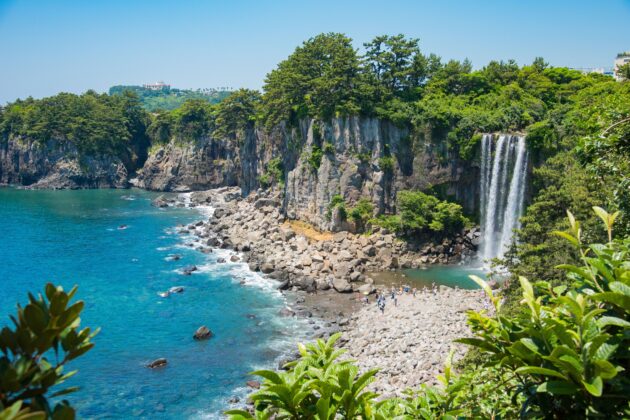
Jeju Island Travel Guide (2026)
Jeju Island (Jejudo), South Korea, is a volcanic island paradise often called the “Hawaii of Korea.” It features dramatic landscapes, black sand beaches, waterfalls, lava tubes, and a unique cultural heritage recognized as a UNESCO World Natural Heritage site. Hallasan, South Korea’s highest mountain, dominates the center, while the coastline offers scenic cliffs, haenyeo (female divers) culture, and charming cafes.
Best Time to Visit
Spring (March–May): Mild weather, cherry blossoms, and flowers. Ideal for hiking and fewer crowds in shoulder periods.
Autumn (September–November): Crisp air, beautiful foliage, and comfortable temperatures for outdoor activities. Often recommended.
Summer (June–August): Hot, humid, and busy with beachgoers; typhoon season possible.
Winter (December–February): Quieter, cooler, with possible snow on Hallasan.
Shoulder seasons (late spring/early autumn) balance good weather and lower crowds. Check forecasts, as mountain weather can change quickly.
How to Get There
By Air: Frequent, affordable flights from Seoul (Gimpo or Incheon) take about 1 hour. Jeju International Airport (CJU) is well-connected.
By Ferry: Longer option from mainland ports like Mokpo (several hours); less common for most travelers.
Getting Around Jeju
Renting a car is highly recommended for flexibility, as the island is spread out and public transport (buses) can be slow or infrequent for remote spots. International driving permit required. Book via airport counters or apps like Klook. Taxis and private tours are alternatives. Use KakaoMap or Naver Map for navigation.
T-money card works for buses.
Top Attractions
Hallasan National Park
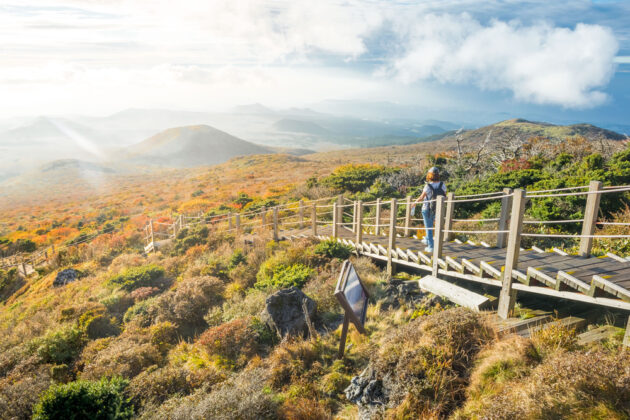
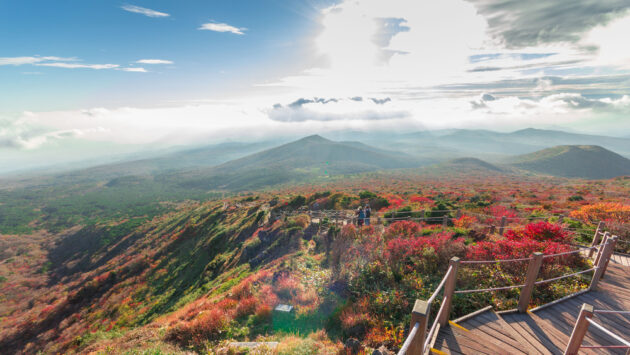
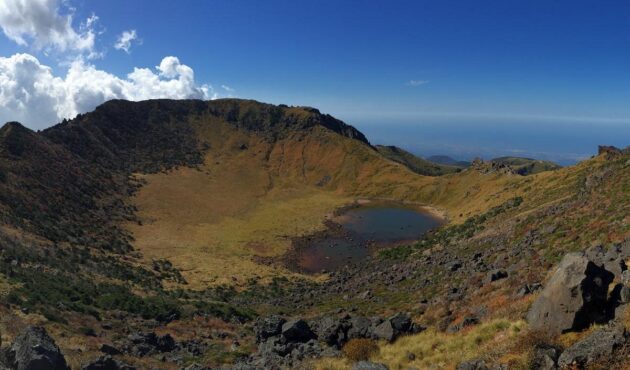
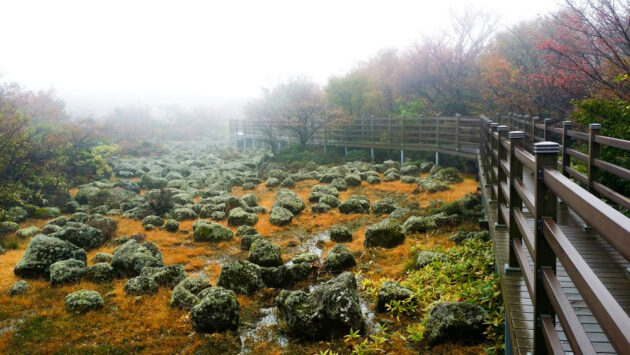
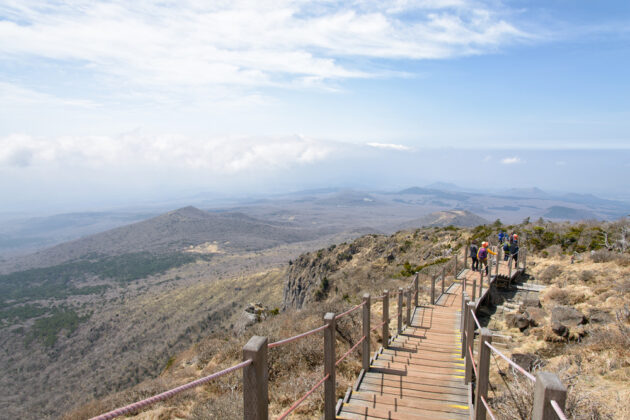
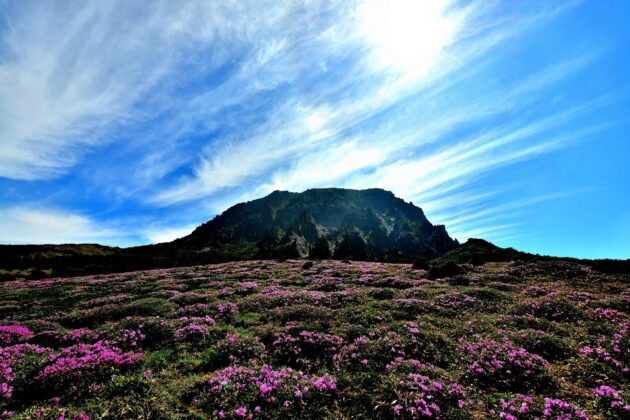
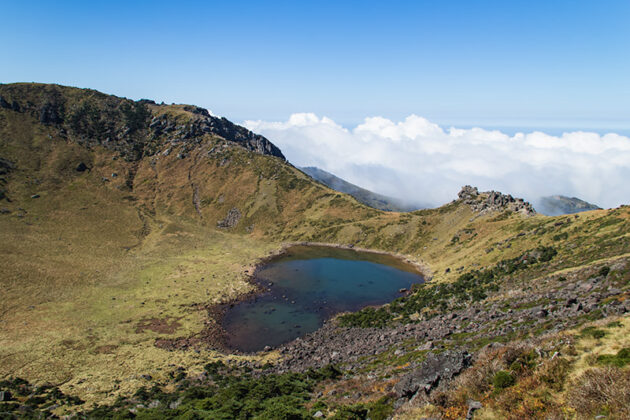
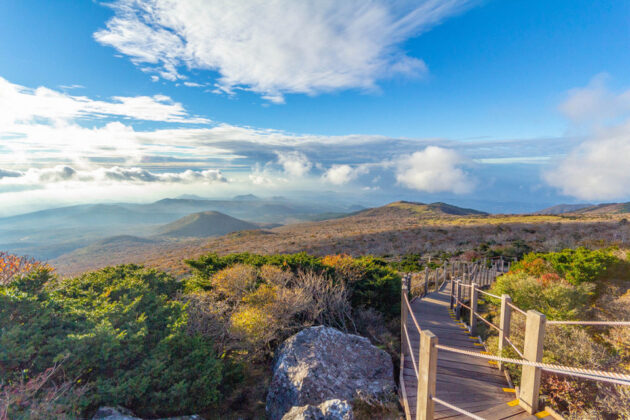
Hallasan (한라산), South Korea’s highest mountain at 1,950 meters (about 6,398 ft), is a dormant shield volcano at the heart of Jeju Island. As a UNESCO World Natural Heritage Site and Biosphere Reserve, the national park offers diverse landscapes: dense forests on the lower slopes, volcanic plateaus, unique rock formations, and a crater lake called Baengnokdam (백록담) at the summit.
Seongsan Ilchulbong (Sunrise Peak)
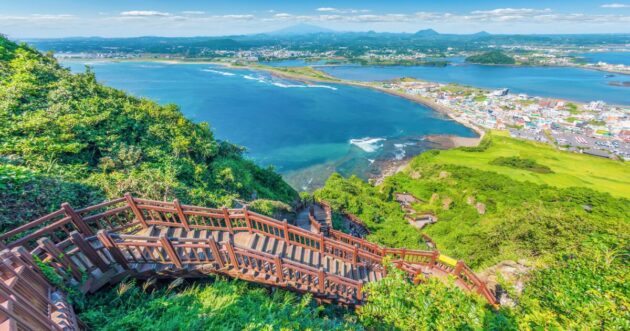
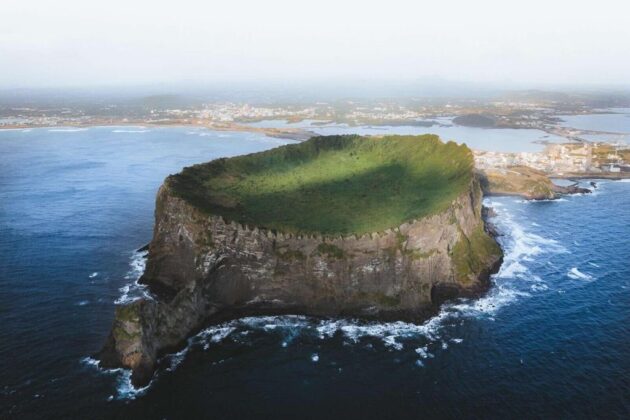
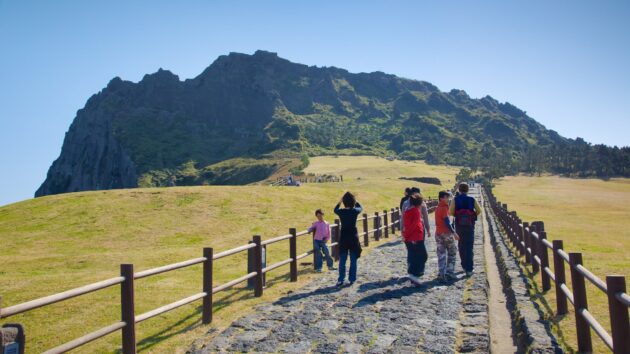
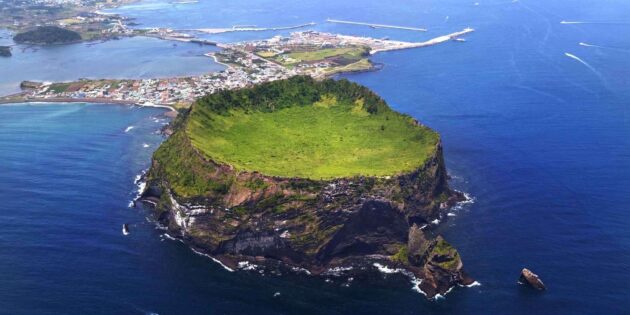
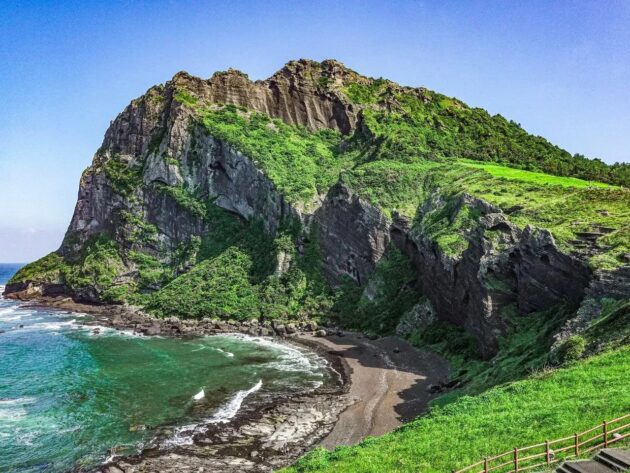
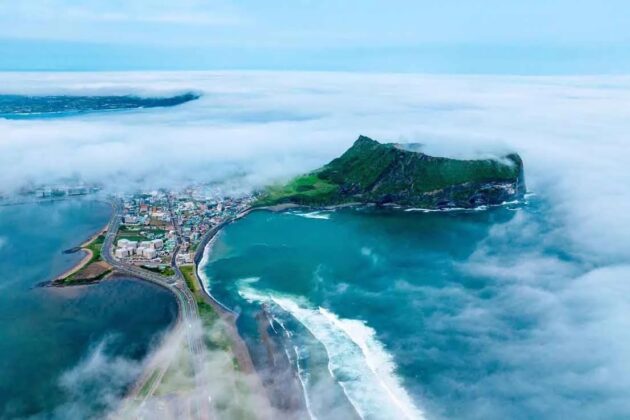
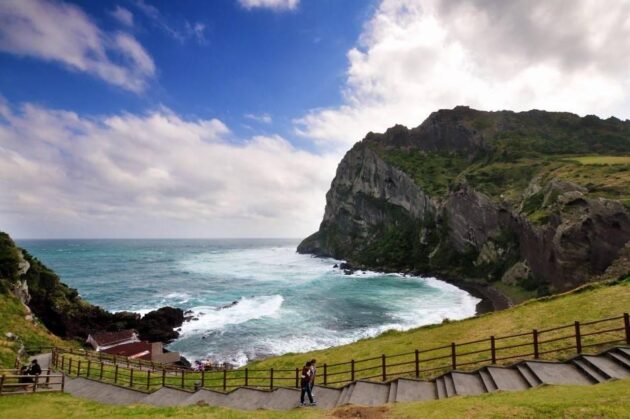
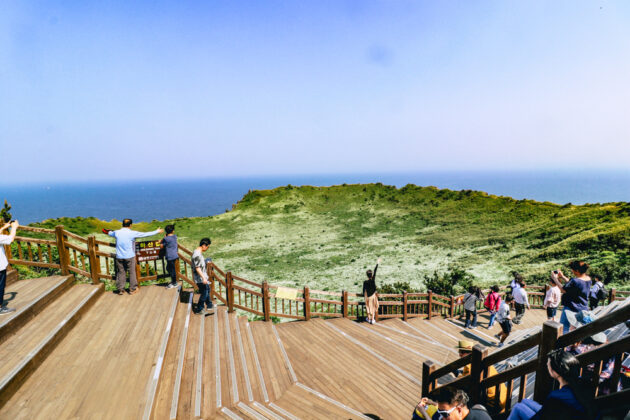
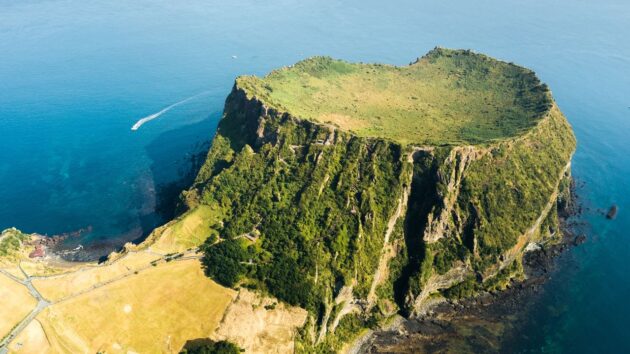
Seongsan Ilchulbong, also known as Sunrise Peak, is one of Jeju Island’s most iconic landmarks. This ancient volcanic tuff cone, formed by an underwater eruption around 5,000 years ago, rises 182 meters above the eastern coast. It offers dramatic 360-degree views of the ocean, the crater interior, nearby Udo Island, and even Hallasan on clear days.
Jeongbang Waterfall
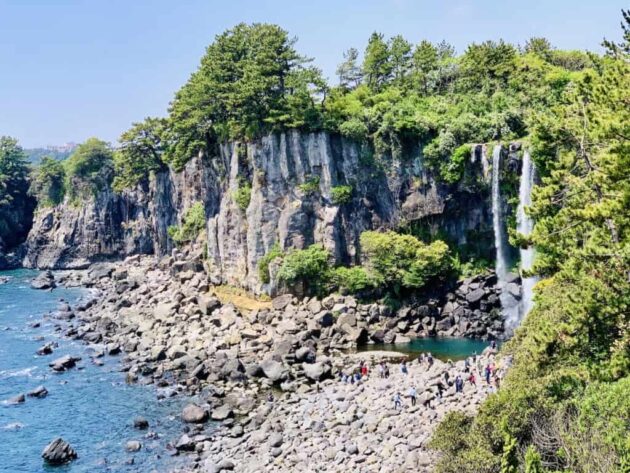
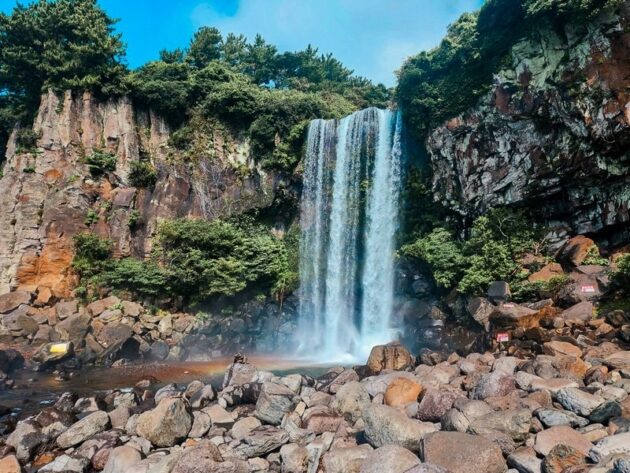
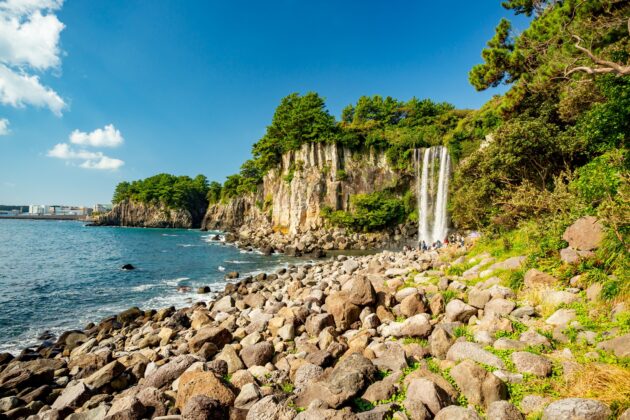
Jeongbang Waterfall, located in Seogwipo on the southern coast of Jeju Island, is a highlight for nature lovers. It stands out as the only waterfall in Asia (and one of the few in the world) that cascades directly into the ocean. At 23 meters (about 75 feet) high, 8 meters wide, and with a 5-meter-deep basin, it creates a dramatic scene where freshwater meets the sea.
Cheonjeyeon Waterfall
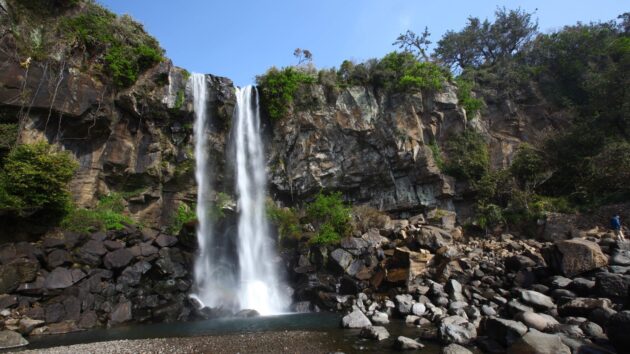
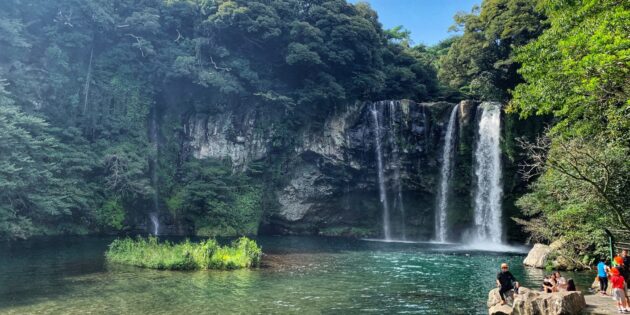
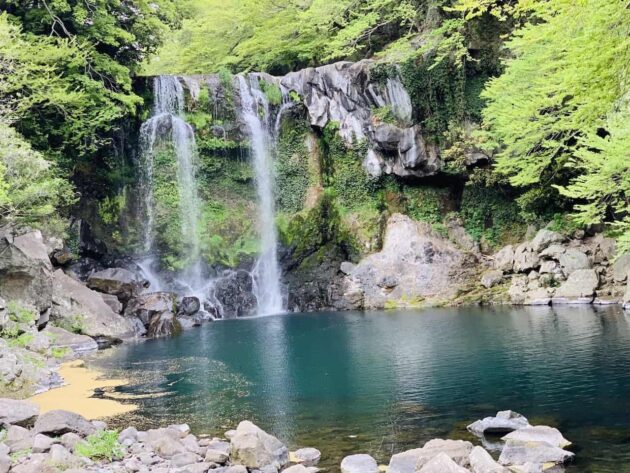
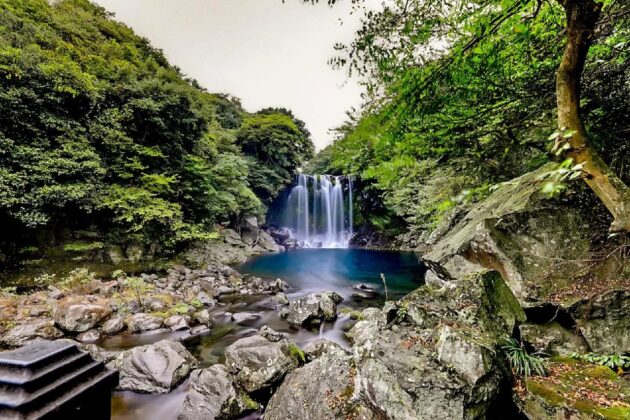
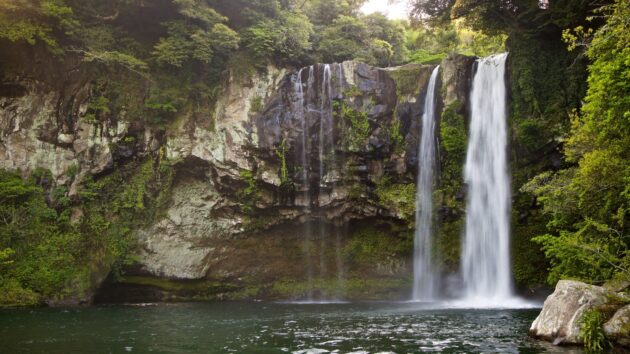
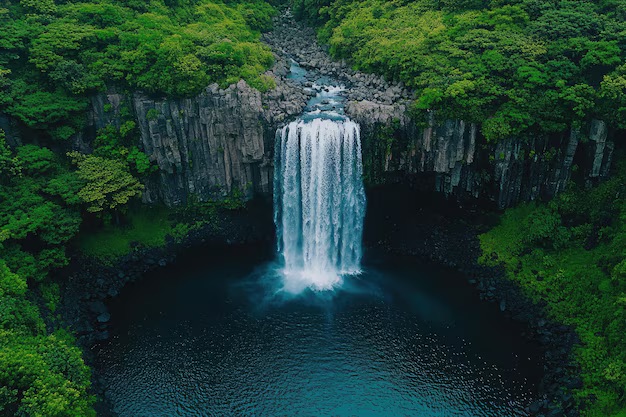
Cheonjeyeon Waterfall, often called the “Pond of the Gods,” is a stunning three-tiered waterfall nestled in a lush subtropical forest in the Jungmun Tourist Complex area of Seogwipo-si, southern Jeju Island. Legend says seven nymphs descend from the heavens at night to bathe in its emerald pools. The site features scenic walking trails, bridges (including the picturesque Seonimgyo Bridge adorned with nymph carvings), and vibrant blue ponds—especially beautiful under the right light.
Jusangjeolli Cliff
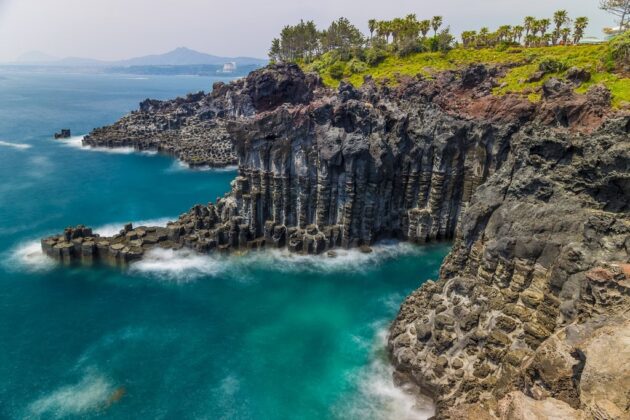
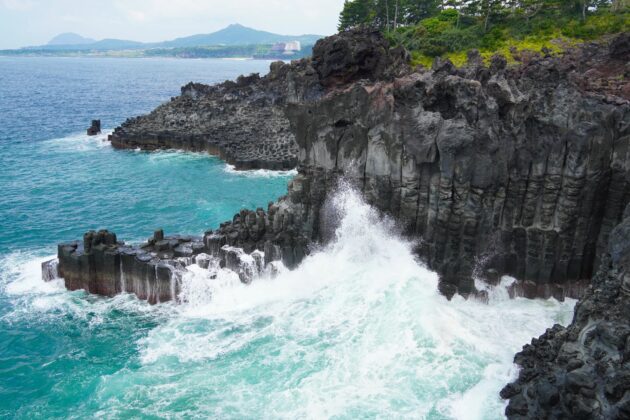
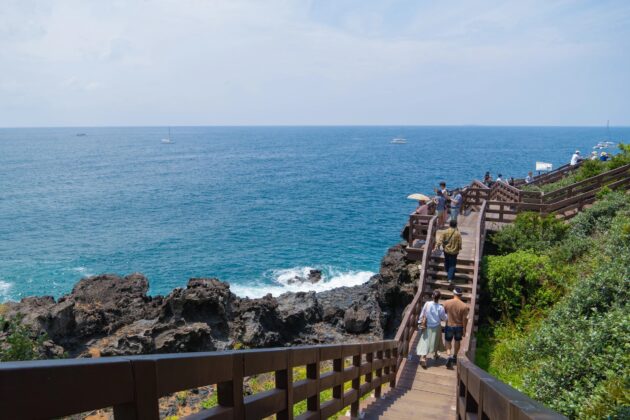
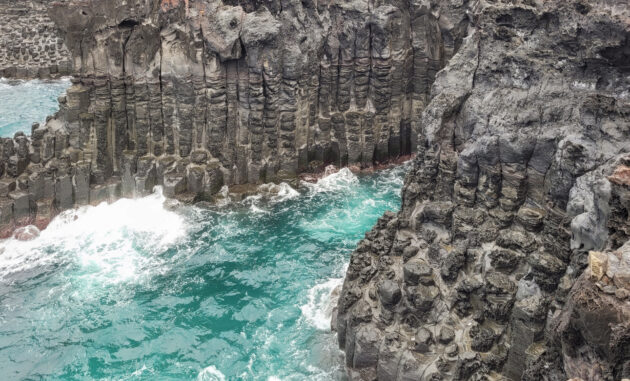
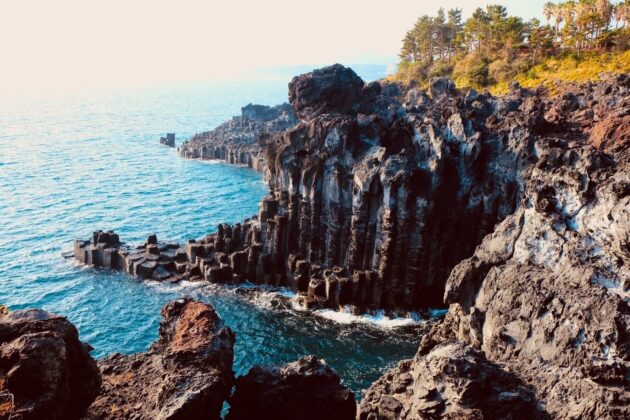
Jusangjeolli Cliff, also known as Daepo Jusangjeolli or Jungmun Daepo Coast Jusangjeolli Cliff, is one of Jeju Island’s most striking natural wonders. Located on the southern coast near Seogwipo, this site features dramatic hexagonal basalt columns formed by ancient volcanic activity. Often compared to Ireland’s Giant’s Causeway, it offers breathtaking sea views, powerful crashing waves (especially at high tide), and a peaceful boardwalk experience.
Yongmeori Coast
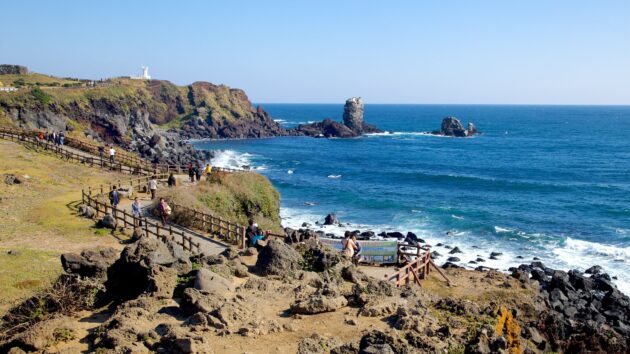
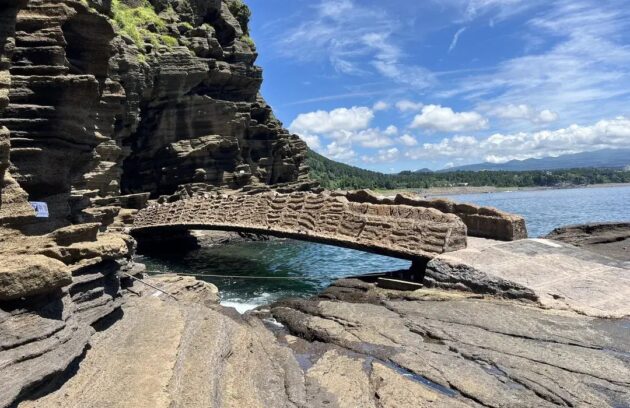
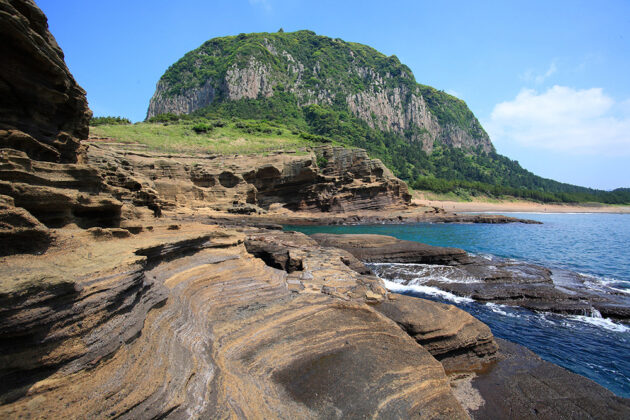
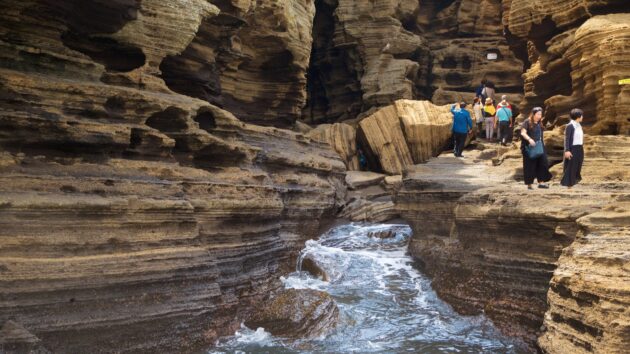
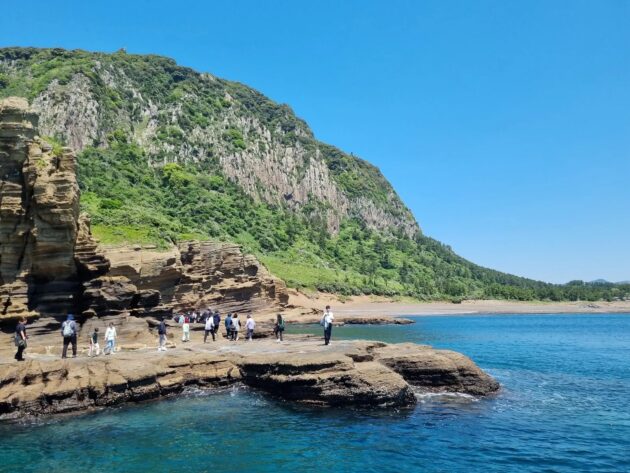
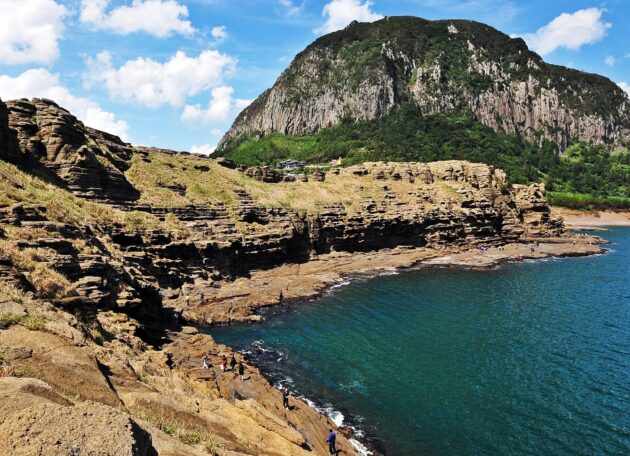
Yongmeori Coast, meaning “Dragon’s Head Coast,” is one of Jeju Island’s most dramatic natural wonders. This UNESCO Global Geopark site features striking layered sedimentary cliffs and rock formations sculpted by millions of years of volcanic activity, waves, and wind. The coastline resembles a dragon plunging its head into the sea, offering breathtaking ocean views, unique geological structures, and a short but memorable coastal walk.
Hyeopjae Beach
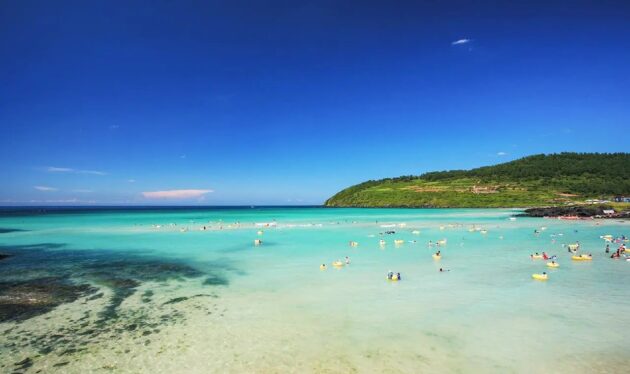
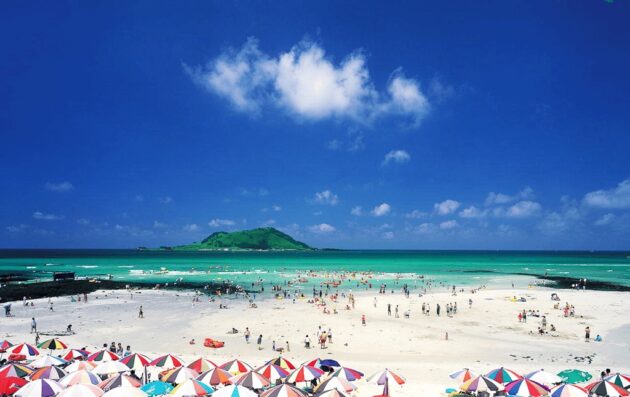
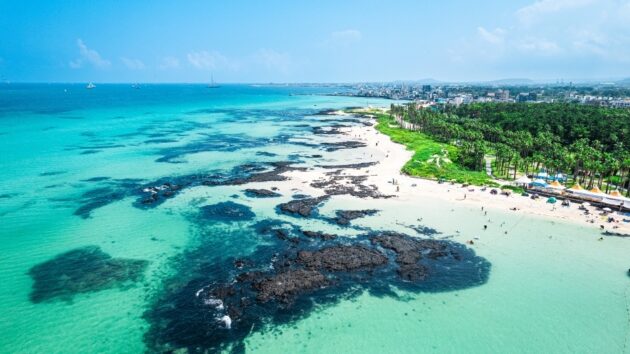
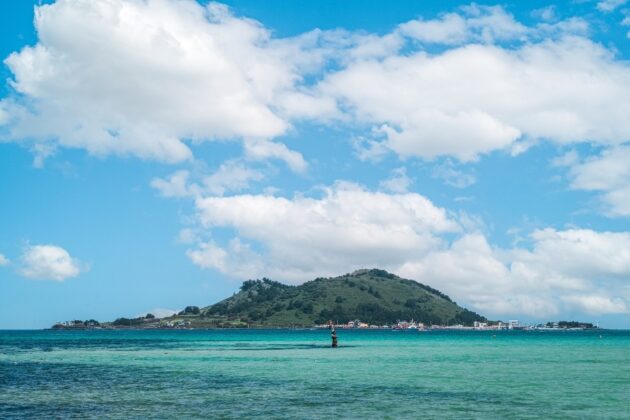
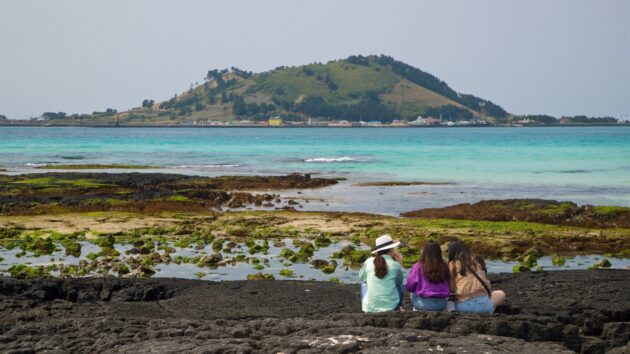
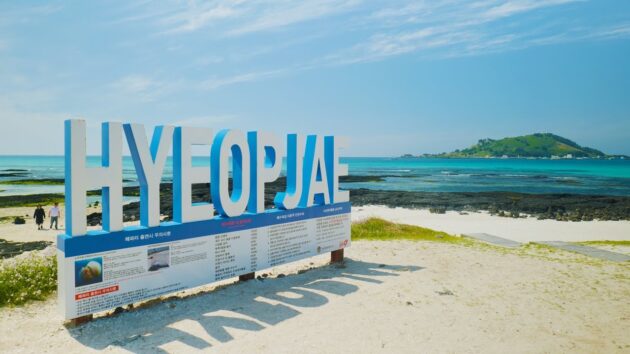
Hyeopjae Beach is one of Jeju Island’s most picturesque beaches, located on the west coast in Hallim-eup. It stands out for its powdery white sand (mixed with crushed seashells), vibrant turquoise-to-emerald waters, and stunning views of the distant Biyangdo Island. Surrounded by lush pine forests, it connects seamlessly to Geumneung Beach, creating a long stretch of scenic coastline.
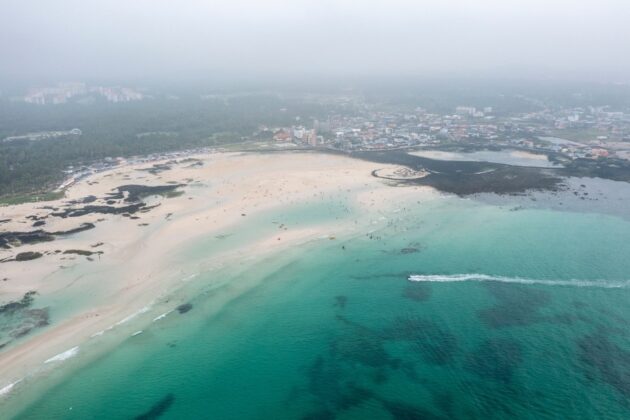
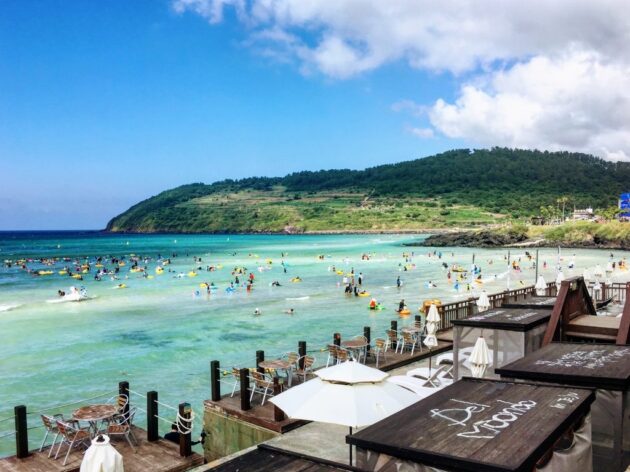
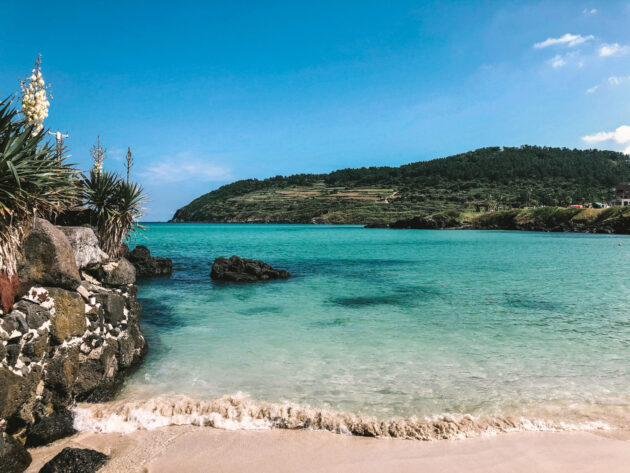
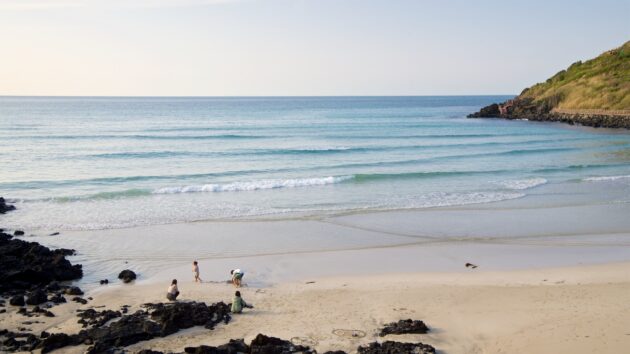
Hamdeok Beach
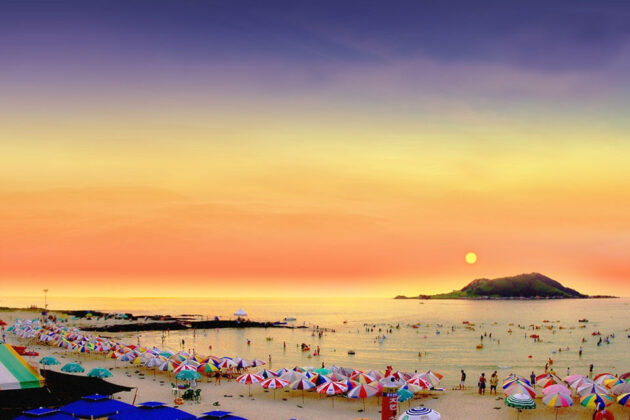
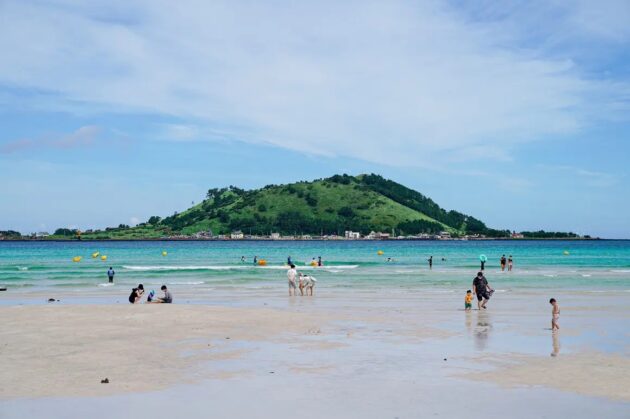
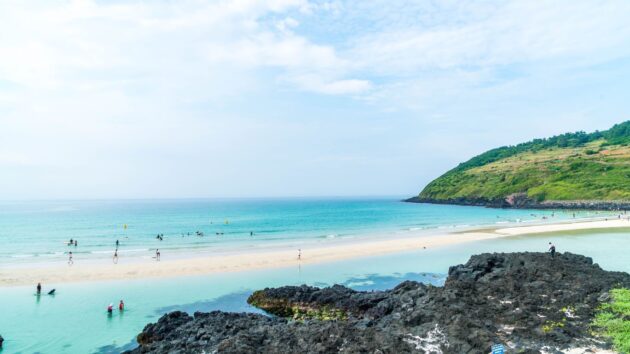
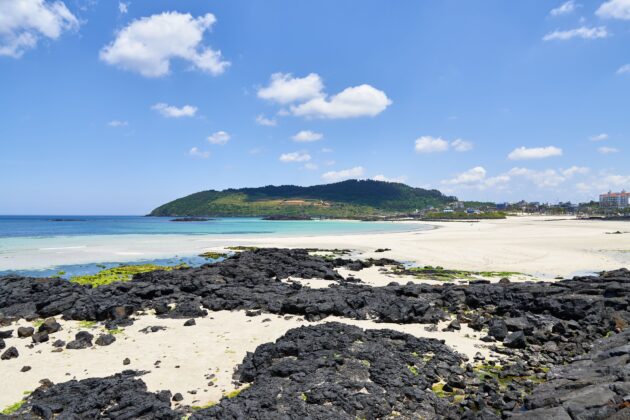
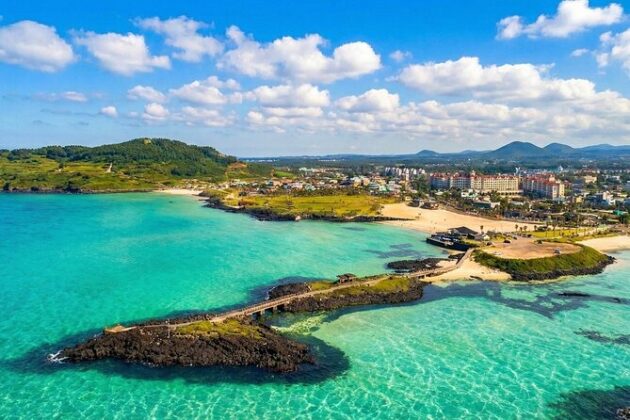
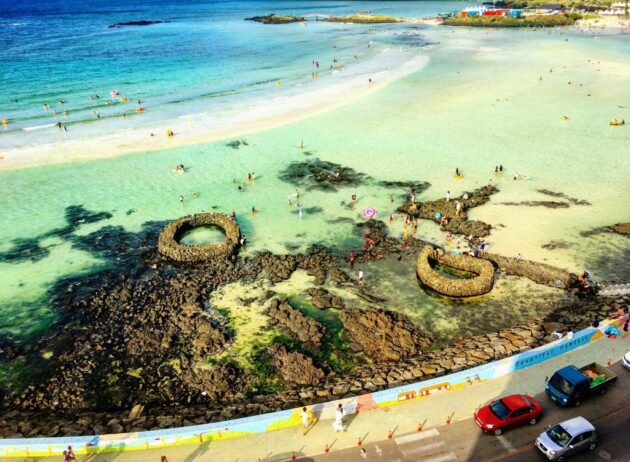
Hamdeok Beach, on the northern coast of Jeju Island in Jocheon-eup, stands as one of the island’s most beloved and family-friendly beaches. It features soft white-to-golden sand, calm turquoise-to-emerald waters, and protection from strong winds by Seoubong (a volcanic cone). Often compared to a mini Hawaii in Korea, it offers a relaxed vibe with scenic views, especially at sunset.
Osulloc Tea Museum
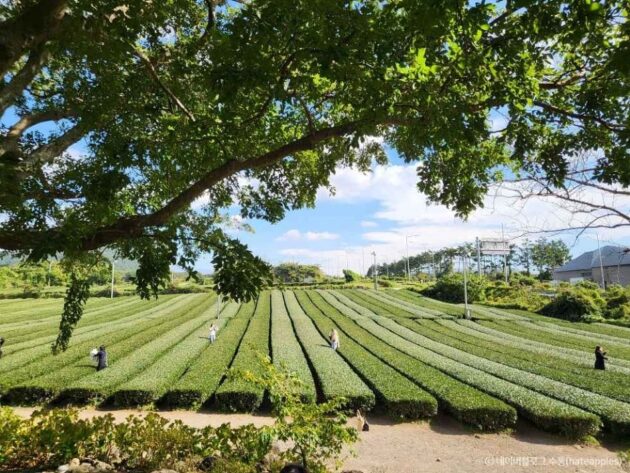
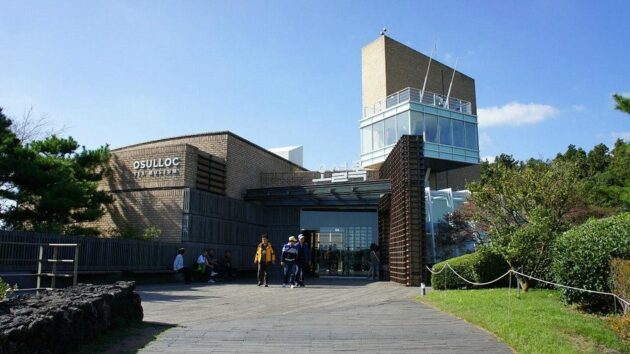
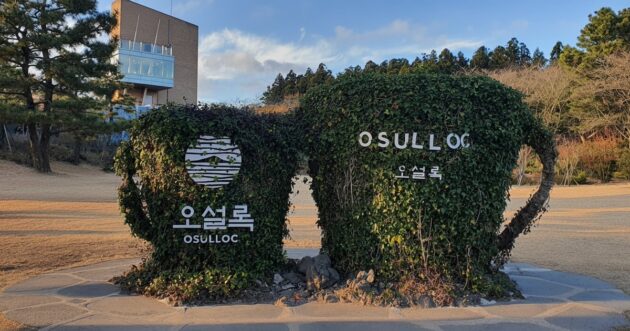
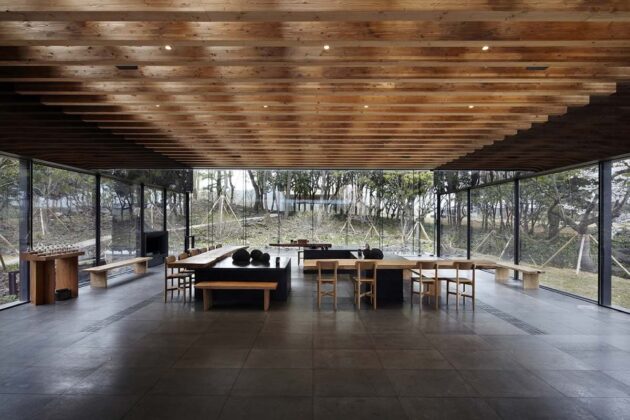
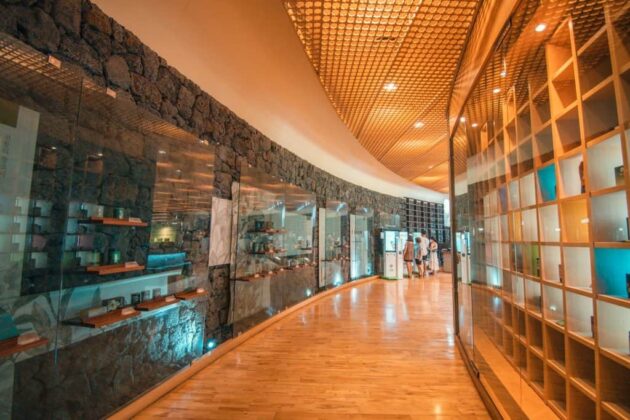
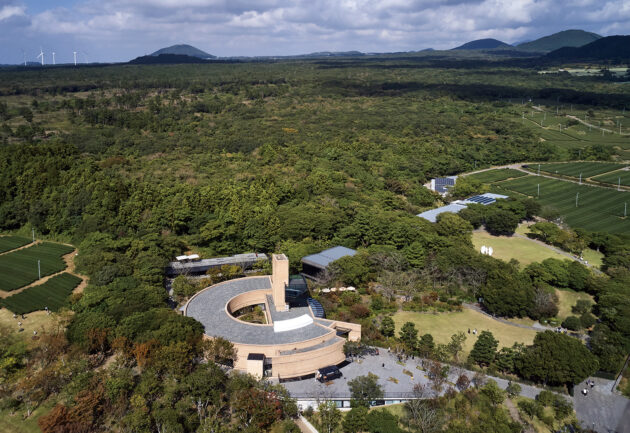
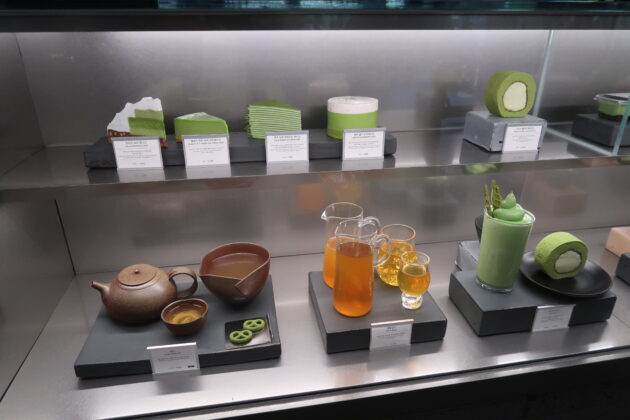
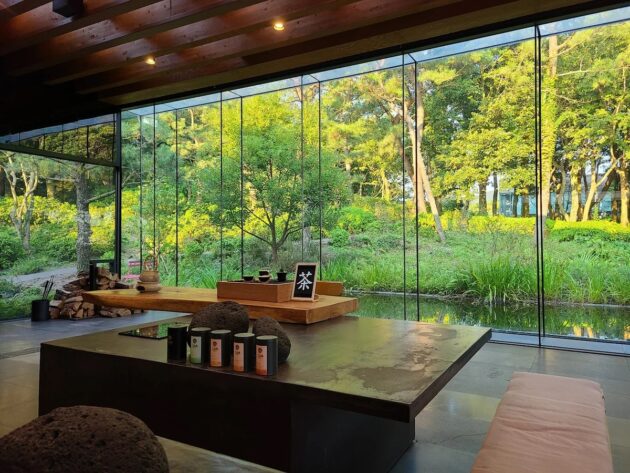
O’sulloc Tea Museum is one of Jeju Island’s most popular and photogenic attractions. Opened in 2001 by AmorePacific, it is Korea’s first tea museum, showcasing the history and culture of Korean tea amid vast organic green tea fields on the island’s western side. It blends education, scenic beauty, shopping, and delicious food/drinks, making it ideal for tea lovers, photographers, families, and casual visitors.
Jeju Folk Village
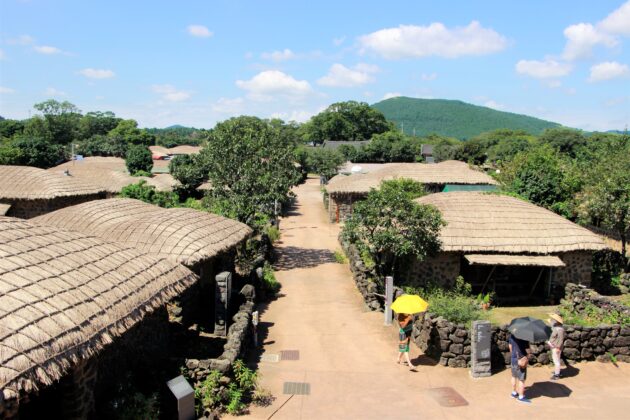
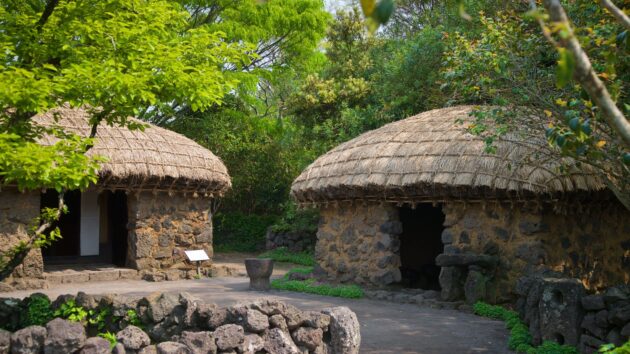
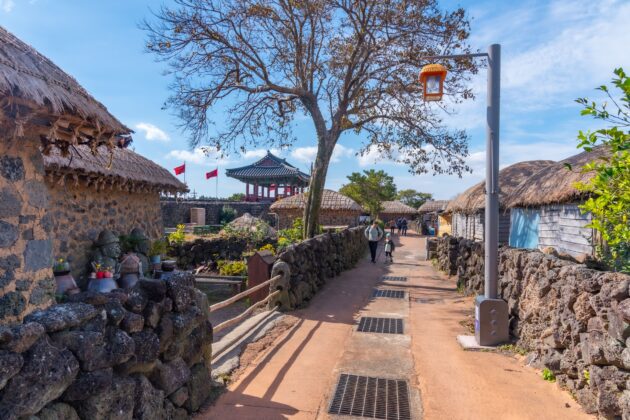
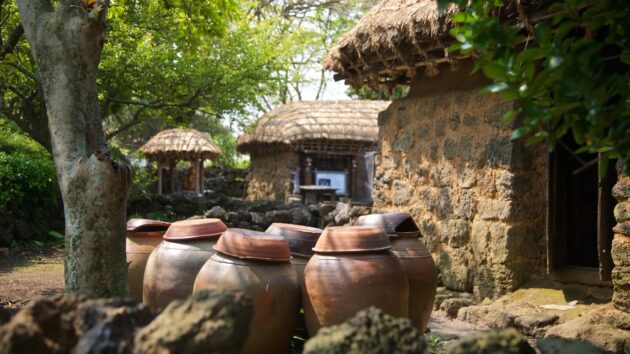
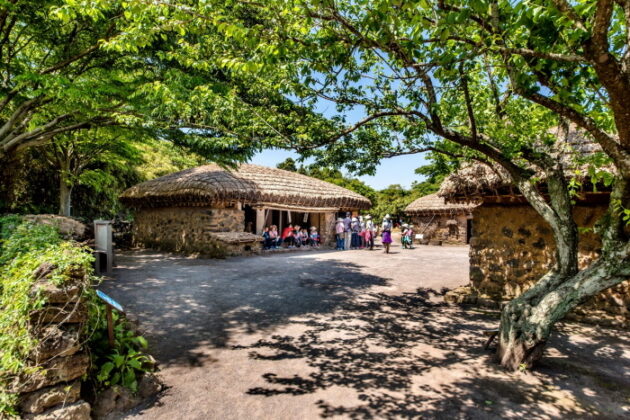
Jeju Folk Village is a large open-air museum and reconstructed traditional village that recreates 19th-century Jeju Island life. It features over 100 traditional thatched-roof houses, folk artifacts, themed exhibition halls, and interactive experiences. Built with historical research, it showcases Jeju’s unique architecture (including black lava rock walls), daily life, customs, and seasonal flora.
Arte Museum Jeju
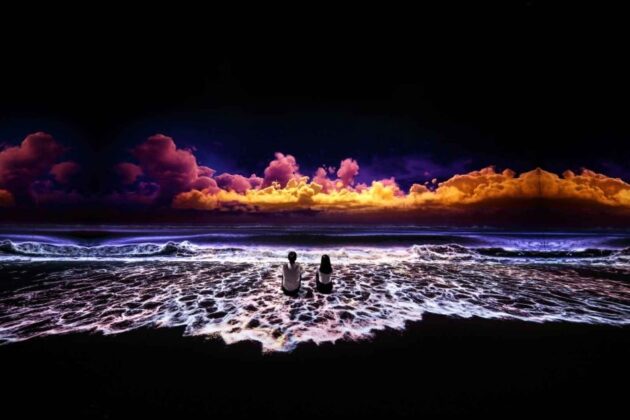
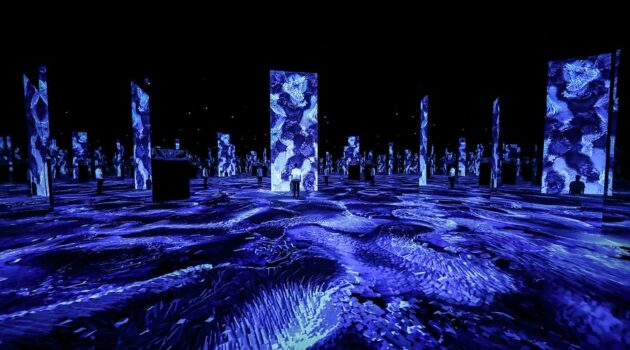
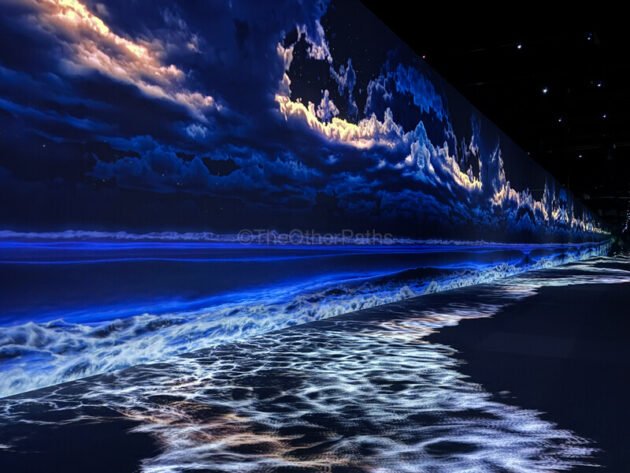
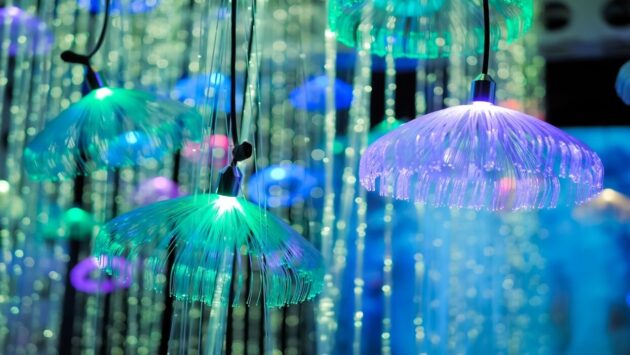
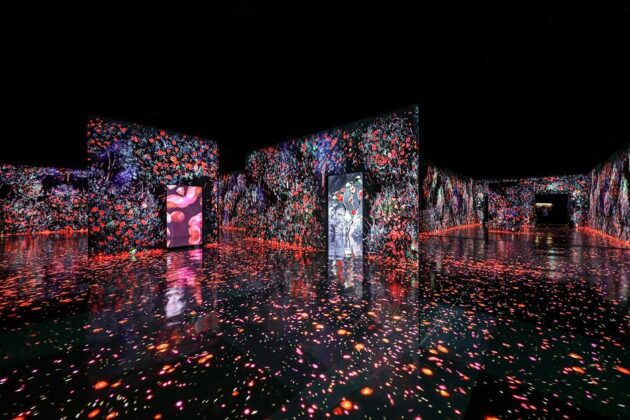
Arte Museum Jeju is Korea’s largest immersive media art museum, located in the scenic Aewol district of Jeju Island. Created by the digital design company d’strict (known for the iconic “WAVE” installation at Coex in Seoul), it transforms a former speaker factory into a mesmerizing 4,600+ m² space of light, sound, and technology. The museum features around 16 immersive exhibitions inspired by the theme “Eternal Nature,” blending Jeju’s winds, waves, and landscapes with digital art.
Seopjikoji
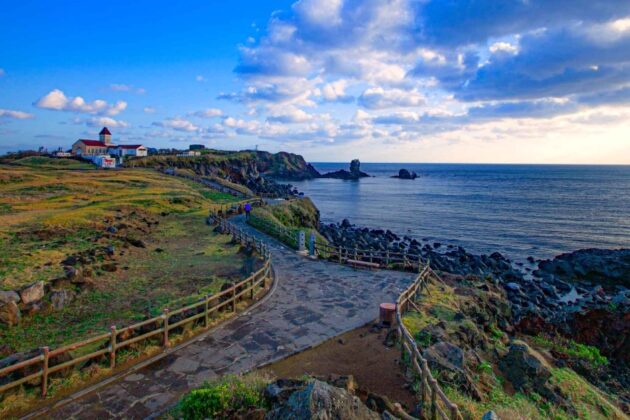
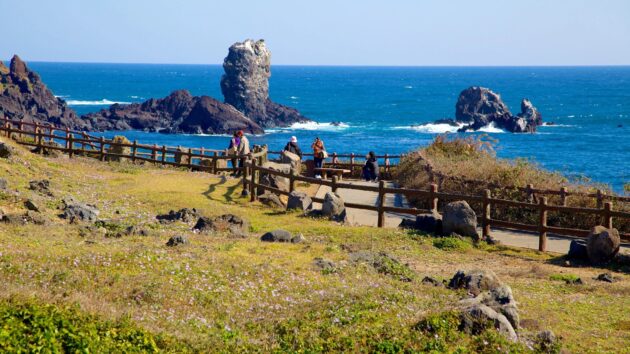
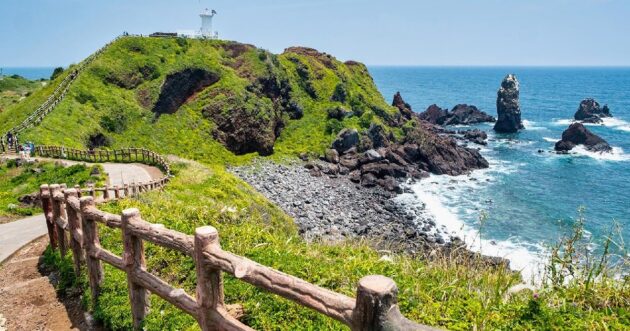
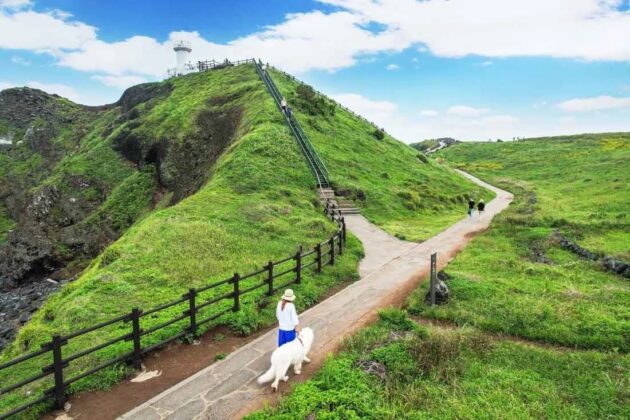
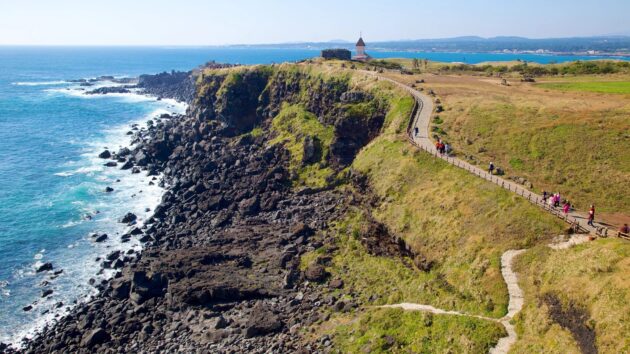
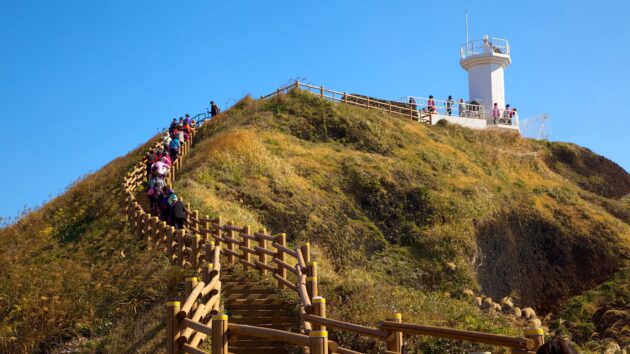
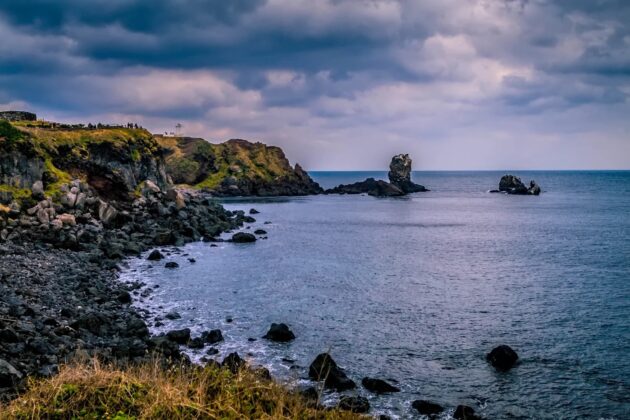
Seopjikoji, meaning “cape of small land” in Jeju dialect, is a stunning coastal headland on the eastern side of Jeju Island. It juts dramatically into the sea with dramatic cliffs, volcanic rock formations, rolling grassy fields, and panoramic ocean views. It sits just south of the iconic Seongsan Ilchulbong (Sunrise Peak), making it a perfect pairing for a day exploring East Jeju.
Manjanggul Lava Tube
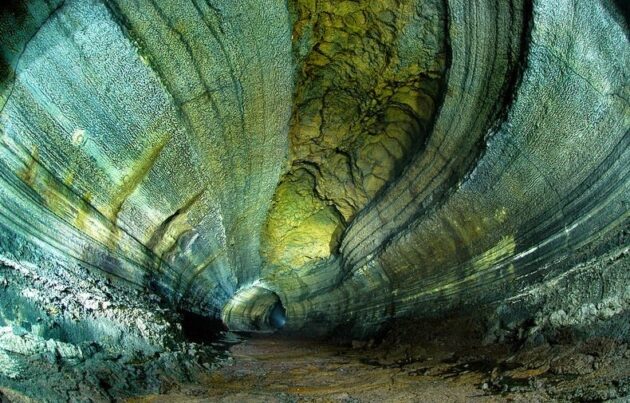
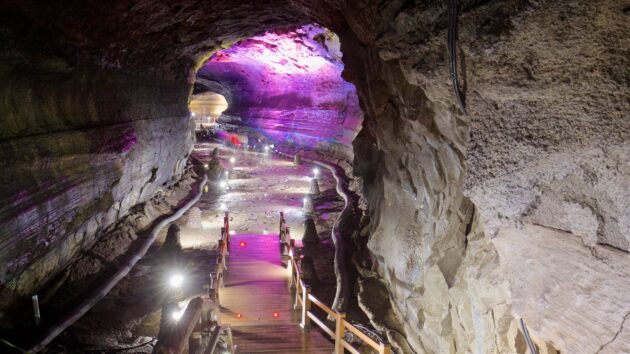
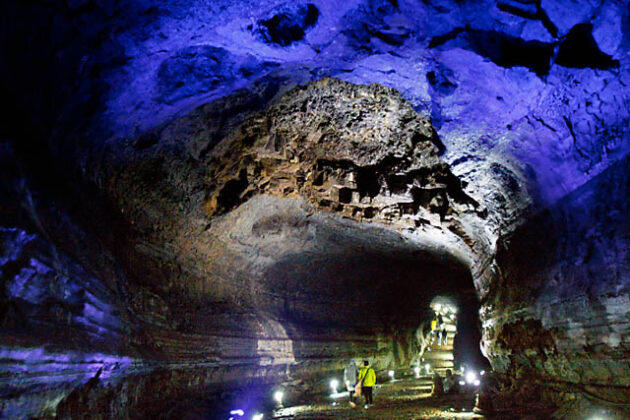
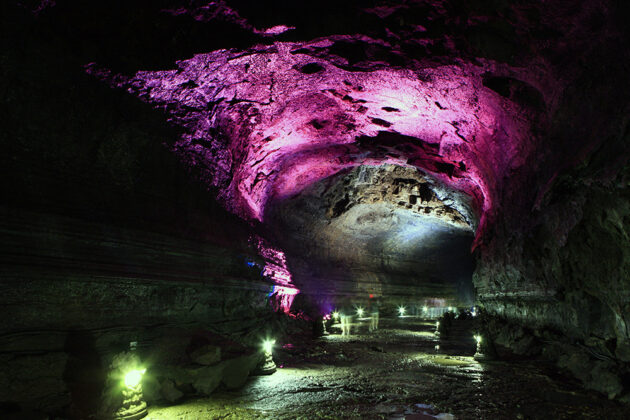
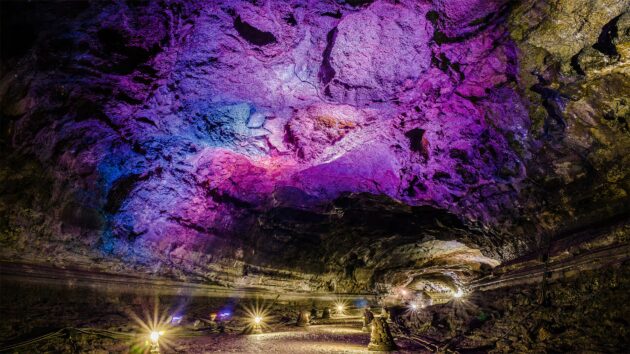
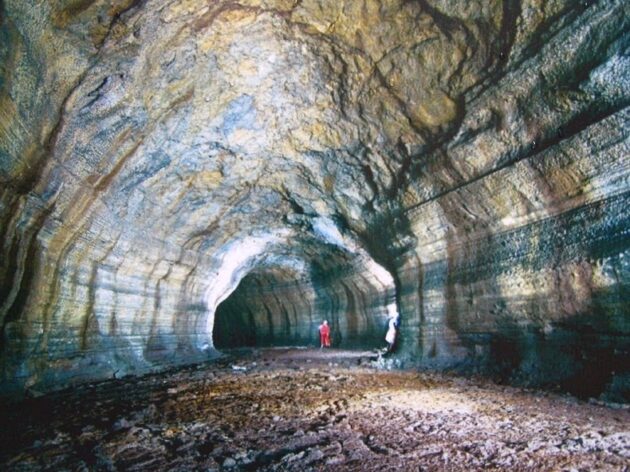
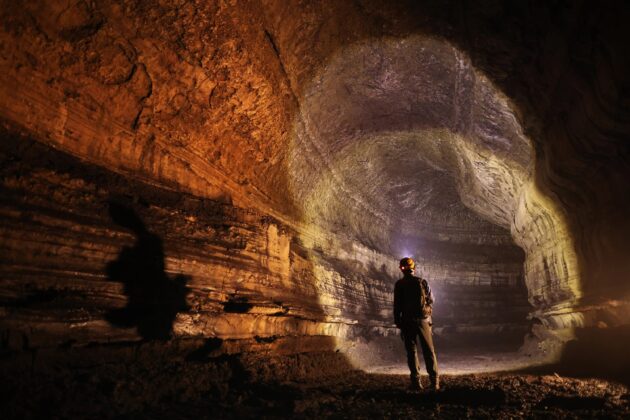
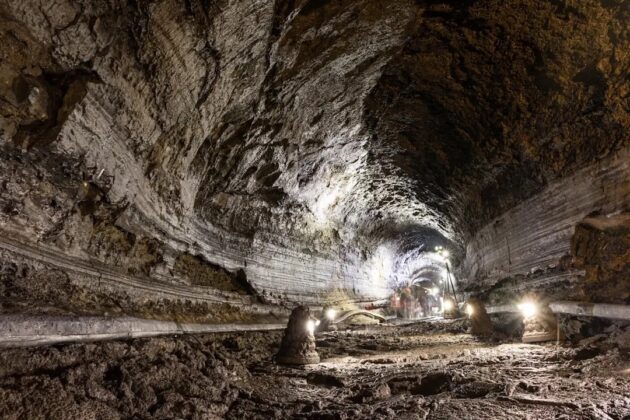
Manjanggul Lava Tube is one of the world’s most impressive lava tubes and a highlight of Jeju Island’s UNESCO World Natural Heritage Site “Jeju Volcanic Island and Lava Tubes.” Formed tens of thousands of years ago by flowing molten lava, this cave system showcases extraordinary geological features in a dramatic underground setting.
Aqua Planet Jeju
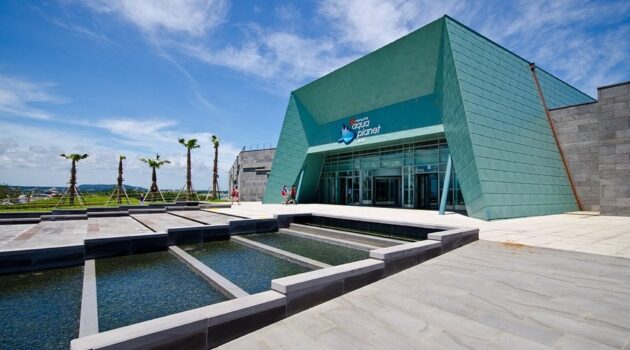
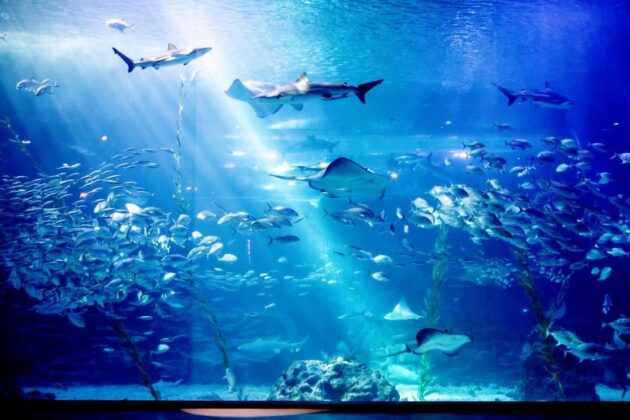
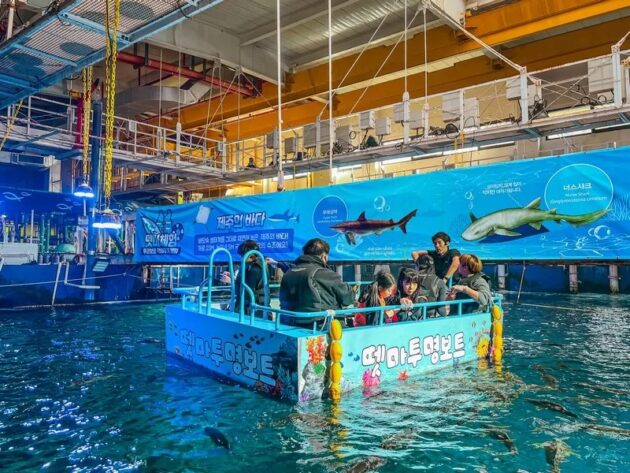
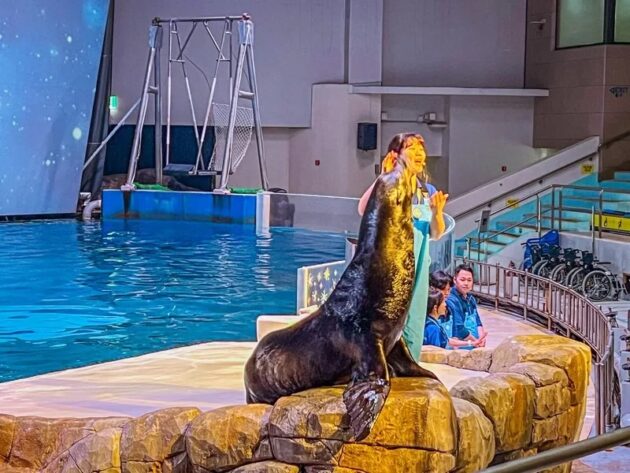
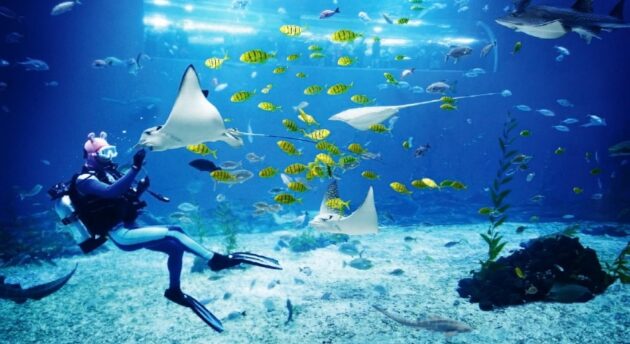
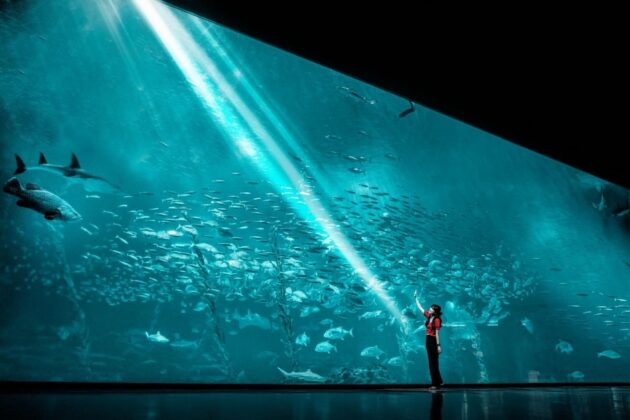
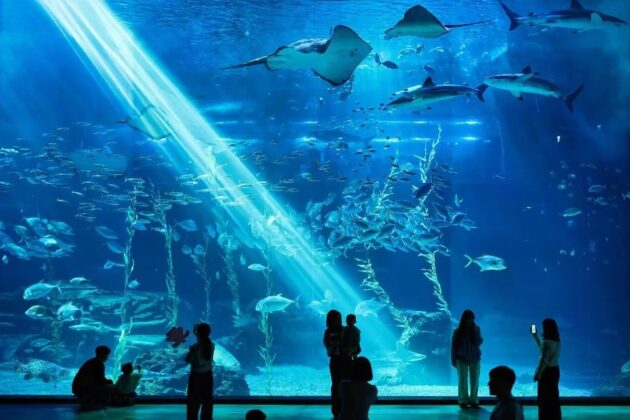
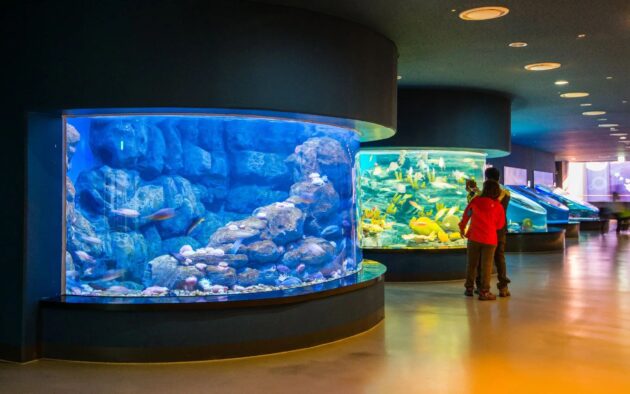
Aqua Planet Jeju (아쿠아플라넷 제주), also known as Hanwha Aqua Planet Jeju, is one of the largest and most impressive aquariums in South Korea — and was once the biggest in East Asia. Located on the scenic eastern side of Jeju Island near Seongsan Ilchulbong (Sunrise Peak) and Seopjikoji, it houses over 45,000–48,000 marine creatures from more than 500 species.
Camellia Hill Botanical Garden
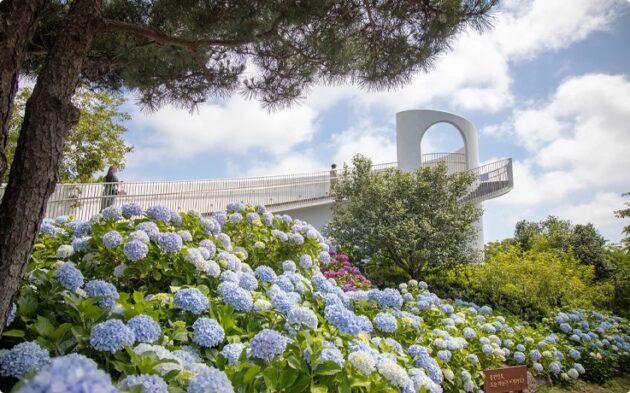
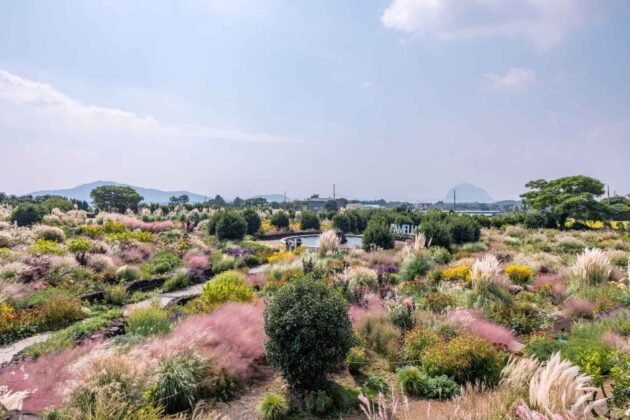
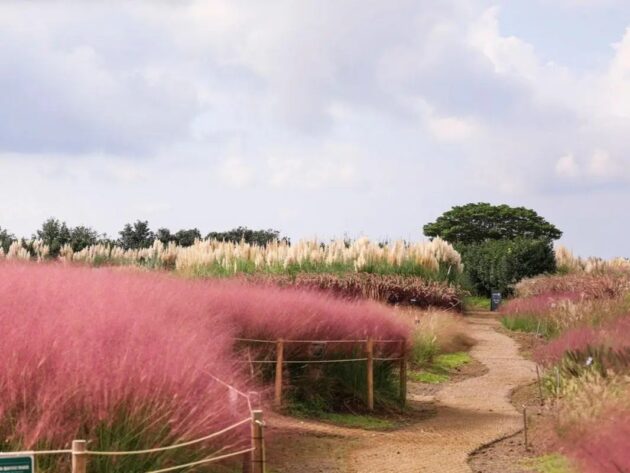
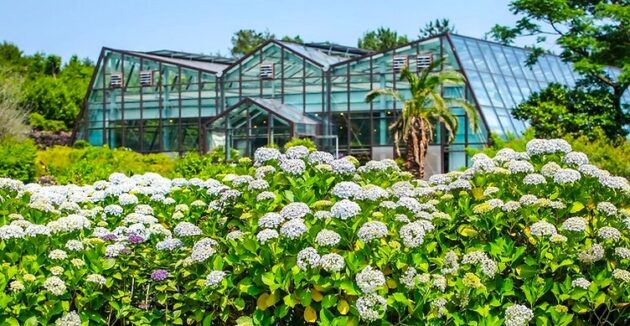
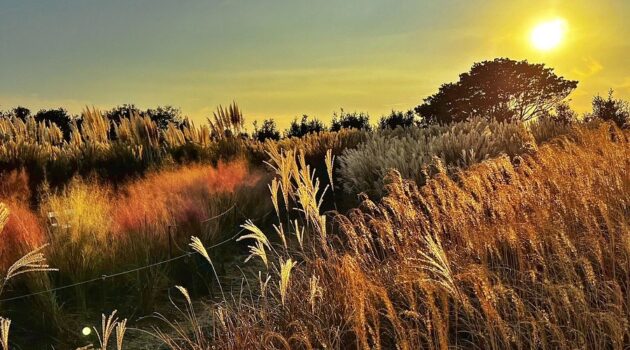
Camellia Hill Botanical Garden (카멜리아힐), Jeju Island, South Korea is one of the island’s most enchanting nature attractions. It is a large camellia arboretum spanning about 172,000 square meters (roughly 20 hectares) in Andeok-myeon, Seogwipo-si, on the southwestern part of Jeju.
Food to Try
Black Pork BBQ (Heukdwaeji): Jeju specialty — grilled pork.
Fresh seafood and abalone porridge.
Tangerines (hallabong) and green tea desserts.
Street food at markets like Dongmun or Maeil Olle.
Vegetarian options exist but are limited; communicate clearly.
Where to Stay
Jeju City: Good for first/last nights, transport.
Seogwipo: Closer to many attractions, more relaxed vibe.
Unique pensions, beachfront stays, or luxury resorts (e.g., near Jungmun). Book with sea/mountain views.
Practical Tips
Safety: Very safe, low crime. Standard precautions apply (watch for rental car driving, hiking weather).
Costs: Budget ~$80–200+ USD/day depending on style (accommodation, car, food). Flights from Seoul are cheap.
Apps: KakaoMap, Papago (translation), Naver for bookings.
Packing: Comfortable shoes for hiking, layers, sunscreen, rain jacket. Cash/cards both useful.
Crowds: Book popular activities/accommodations ahead in peak seasons.
Etiquette: Respect nature (UNESCO site), haenyeo culture, and remove shoes indoors.
Final Thoughts
Jeju offers a perfect mix of adventure, relaxation, and natural beauty. Whether hiking volcanic peaks, strolling beaches, or enjoying fresh seafood with ocean views, it’s an unforgettable Korean destination. Plan at least 3–5 days to do it justice. Safe travels!
For the latest info, check the official Visit Jeju site. Enjoy your trip!